



Today we’d like to introduce you to Lissie Yimiao Z. Smith.
Hi Lissie Yimiao, we’re thrilled to have a chance to learn your story today. So, before we get into specifics, maybe you can briefly walk us through how you got to where you are today?
Your Next Opportunity Might Start With a Photograph
What makes an artist’s portfolio stand out when a grant or residency committee is reviewing dozens of applications? What kind of visual direction helps a gallery’s social media presence attract not just more views, but genuine collector interest? And how can a nonprofit arts organization turn years of programming, community engagement, and cultural impact into a compelling story that inspires donors to give?
Different audiences, but a shared challenge: how do you make the value of your work visible?
In today’s art world, the first encounter often happens on a screen. According to the 2025 Art Basel and UBS Survey of Global Collecting, 51% of surveyed high-net-worth collectors who had purchased from dealers reported making at least one purchase via Instagram without first seeing the artwork in person. It is a striking reminder of how much can depend on the way art is presented beyond the gallery walls.
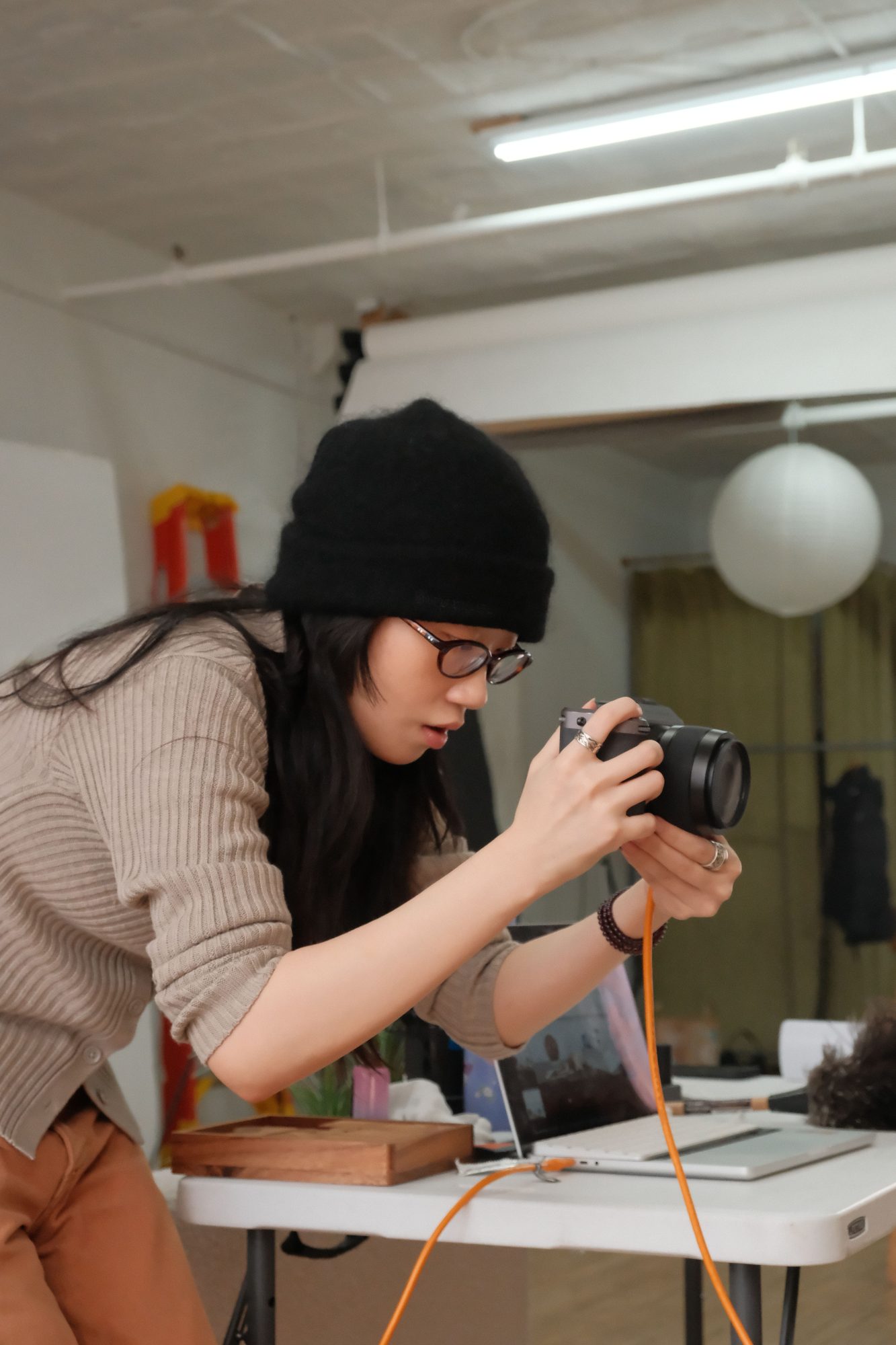
I’m the founder of Lilikoi Studios, a New York-based photography and video practice serving artists, galleries, and nonprofit arts organizations. My background combines fine art photography, which I studied at Bard College, with a master’s degree in Visual Arts Administration from New York University. Having worked both creatively and behind the scenes in the art world, I’ve come to understand how professional visual documentation can serve artistic, editorial, curatorial, and institutional goals.
A photograph alone won’t win a grant, secure a collector, or attract a major donor. But the right images or videos can help people recognize the value of your work, understand its impact, and take the next step toward supporting it.
The Most Overlooked Investment in the Art World? Good Documentation.
When planning an exhibition, galleries have countless priorities competing for their budgets: production, installation, transportation, insurance, programming, and promotion. Professional photography and video documentation can easily become another expense to minimize.
But what if we considered documentation not simply as a production cost, but as an investment in the future of the work?
A single photography session can produce materials that serve an artist or organization across multiple platforms and purposes. Installation photographs can support exhibition proposals, press outreach, and institutional archives. Artwork photography can appear in catalogs, editorial features, websites, and portfolios. Artist portraits can establish a recognizable professional identity across publications and platforms.
For nonprofit arts organizations, visual materials can be especially valuable. Grant applications, fundraising campaigns, annual reports, and presentations to potential supporters often require more than compelling written descriptions. Strong photography helps communicate the scale, quality, and impact of a project to people who may never experience it firsthand.
Having worked with galleries and cultural organizations, I’ve seen how frequently the same images are needed by different departments for entirely different purposes. A photograph originally commissioned for exhibition documentation might later become the central image of a press release, a fundraising presentation, or a retrospective publication.
This is one of the reasons I approach my work with both an artistic and an administrative perspective. My experience in gallery operations and arts management has taught me to consider not only what makes an image visually compelling, but also how it will be used, who needs it, and what professional standards it must meet.
The return on professional documentation isn’t always immediate or easily measurable. But when images remain useful across multiple projects and years, their value can extend well beyond the original assignment.
Artists Spend Months Making Work. Why Spend Five Minutes Documenting It?
Imagine spending six months completing a painting, carefully considering every color, texture, and compositional decision, only to photograph it under uneven lighting with a phone.
That photograph may eventually become the image submitted to a gallery, residency program, grant application, or publication. For many people reviewing the work, it may be the only version they ever see.
Photographing artwork requires more than making something look attractive. A painting has texture and subtle tonal variations; a sculpture occupies three-dimensional space; an installation exists in conversation with its surrounding architecture. Professional documentation should communicate these qualities accurately while remaining visually compelling.
My education at Bard College, where Stephen Shore has long shaped the photography program, helped develop my attention to observation, composition, and the relationship between a photograph and its subject. These principles continue to inform my approach to artwork documentation and portraiture.
I’ve always believed that every artist deserves a good portrait. Not necessarily an elaborate or overly stylized one, but an image that feels authentic to who they are.
An artist’s portrait may accompany a museum biography, exhibition announcement, or magazine interview, sometimes representing them professionally for years. Just as artists care about how their work is presented, I believe they deserve the same consideration in how they themselves are seen.
Your Next Collector Might Never Walk Into Your Gallery.
A curator may discover an artist through Instagram. An editor might find an exhibition while researching a story. A collector in another city may first encounter a gallery through an online viewing room.
In each case, visual presentation can influence whether someone decides to explore further.
Social media has made sharing art more accessible, but accessibility also means competition for attention. A compelling and thoughtfully produced photograph can communicate the character of an artwork quickly, inviting viewers to look beyond their initial impression.
That doesn’t mean every artist needs to turn their practice into a personal brand or chase engagement metrics. It means taking control of how their work is represented in the spaces where professional opportunities increasingly originate.
For independent artists, a cohesive portfolio of artwork photographs, installation views, and portraits can support residency applications, gallery submissions, press features, and curatorial consideration.
For galleries, strong imagery can serve exhibition announcements, collector communications, editorial outreach, digital viewing rooms, and social media campaigns.
For nonprofit arts organizations, photography and video can communicate programming to broader audiences, attract potential collaborators, and help supporters understand the value of their activities.
I’m particularly interested in the versatility of visual materials produced for both editorial and curatorial purposes. An exhibition may only last a few weeks, but its documentation can continue circulating through publications, institutional archives, and future research long after the gallery walls have been repainted.
This is particularly meaningful for installations, performances, and socially engaged art practices, where the physical arrangement, audience interaction, or experience of the work may be impossible to recreate. Photography can preserve the visual context, while video captures movement, sound, conversations, and the artist’s own voice.
My interest in these possibilities has grown through documentary and creative production work with cultural organizations, including China Institute, where I worked on artist-focused visual projects.
At Lilikoi Studios, my work extends beyond still photography to include artist interviews, documentary-style video, and post-production editing. A carefully edited interview, for example, might be presented as a complete conversation, adapted into shorter clips for social media, or incorporated into an institutional website.
This is why I see photography and video as complementary parts of an organization’s communication strategy. Thoughtfully produced visual materials can support immediate publicity while retaining their value for future editorial, curatorial, and archival use.
Physical encounters with art remain irreplaceable. Yet professional photography and video allow those encounters to begin across geographic distances, sometimes long before an in-person visit becomes possible.
Stop Treating Art Documentation as an Afterthought.
Through Lilikoi Studios, I provide photography and video services tailored to different stages of an artist’s or institution’s work, whether it’s a carefully composed portrait, detailed artwork photography, comprehensive exhibition documentation, event coverage, or an artist interview developed through filming and post-production.
I also recognize that independent artists and nonprofit organizations often operate within limited budgets. Not every exhibition requires an extensive photo shoot, and not every artist needs a full documentary production. Sometimes, a small but carefully planned set of images can make a meaningful difference.
For me, a successful collaboration begins with understanding the client’s goals rather than simply arriving with a camera.
What is the artist trying to communicate? Who is the intended audience? Where will these images appear, and what opportunities might they help support?
I want Lilikoi Studios to be a resource for artists, galleries, and cultural organizations navigating these questions, whether they already have a specific assignment in mind or are simply beginning to think more strategically about their visual materials.
An artist may never know exactly which photograph will catch a curator’s attention, which exhibition image will be selected for publication, or which video will introduce their practice to a future collaborator.
But being prepared for those moments matters.
Your next opportunity might start with a photograph. Make sure it’s one that represents your work well.
For project inquires and collaborations, please contact lissie.y.z11@gmail.com.
Would you say it’s been a smooth road, and if not what are some of the biggest challenges you’ve faced along the way?
Not entirely. I think one of the biggest challenges has been finding my place in an industry where so many opportunities are built on existing relationships.
The art world is a relatively small community, and trust plays an enormous role in how people choose their collaborators. Many galleries and institutions already have photographers or production teams they’ve worked with for years, which is completely understandable. But for someone building an independent practice, breaking into those established networks can be difficult. Having a background in arts administration has helped me understand how these organizations operate, but that knowledge doesn’t necessarily open doors overnight.
Another challenge is navigating the financial realities of the arts. Artists and nonprofit organizations often work with limited budgets, and photography or video can sometimes feel like an additional expense rather than a priority. I’ve had to learn how to communicate the value of my work without making every conversation feel like a sales pitch. Sometimes, that means finding creative ways to accommodate a smaller project while maintaining the quality and integrity of the work.
Building Lilikoi Studios has also taught me that being a photographer and running a creative business are two very different things. Beyond taking photographs or producing videos, there’s networking, client communication, project management, and the constant effort to build relationships that might eventually lead to new opportunities.
I wouldn’t say I’ve figured everything out. I’m still learning how to navigate the business side of being an independent creative professional. But these challenges have made me more intentional about the kind of practice I want to build: one grounded in mutual trust, thoughtful collaboration, and a genuine understanding of the people and organizations I work with.
Ultimately, I’m not just trying to find clients. I’m hoping to build lasting relationships with artists and institutions whose work I believe in.
Can you tell our readers more about what you do and what you think sets you apart from others?
The collaboration I’m most proud of is my work with The Here and There Co. Being part of this collective has fundamentally shaped how I understand the art world and the importance of community. It has reminded me that it takes a village to make art happen. Behind every exhibition, publication, or artistic milestone is a network of people contributing their time, expertise, and belief in one another.
One of the most fulfilling parts of my work is watching that collective effort translate into real opportunities. Seeing an artist gradually build an audience, gain followers, attract new clients or commissions, and receive greater recognition is incredibly rewarding. Sometimes, a photograph we produced becomes part of a publication or reaches an entirely new audience. An interview introduces an artist’s practice to someone who might otherwise never have encountered it. While no single image is responsible for someone’s success, knowing that our work can contribute to that momentum is what makes it meaningful to me.
The same applies to organizations. I’ve enjoyed watching creative communities grow, professional relationships deepen, and individual projects develop into larger collaborations. From an arts administration perspective, I’m particularly interested in how artistic quality, professional presentation, and an artist’s development come together when institutions, curators, and selection committees evaluate opportunities. It’s equally fascinating to see how thoughtful creative work can contribute to an organization’s visibility, partnerships, and long-term growth.
I think what sets me apart is that I care about what happens beyond the assignment. I’m interested in the people behind the work, the communities surrounding them, and the opportunities that might emerge over time.
How do you think about happiness?
I’m happiest when I’m documenting art, knowing that I’m capturing something that may continue to exist long after the moment itself has passed.
When people visit a museum or gallery, they usually encounter the finished exhibition. What they don’t always see is the remarkable amount of work happening behind the scenes. Conservators restoring artworks, registrars and collection managers caring for objects, archivists organizing institutional histories, art handlers installing exhibitions, and photographers quietly creating visual records of it all.
I’ve always felt a special connection to these people. Much of their work happens away from public attention, sometimes literally in museum basements, storage rooms, or archives. Yet their contributions are essential to how art is preserved, studied, and shared.
Photography is my own way of participating in that collective effort, and some of my happiest moments have come from the encounters it makes possible.
Whether photographing an artist like Katherine Bradford or working with China Institute on a documentary about Sun Xun, I find tremendous joy in being able to spend time with artists and listen to their stories. Even from behind the camera, hearing them reflect on their lives, creative processes, and the ideas behind their work feels like a privilege.
In those moments, I often think about the relationship between the artist, the artwork, and the person documenting it. It’s a kind of creative triangle in which each informs and enriches the others. The artist’s ideas change the way I observe and photograph; the artwork opens up new ways of seeing; and the resulting images or films can carry those conversations to people beyond the room.
There is something quietly reciprocal about that process. I’m not simply recording what is in front of me. I’m also learning, responding, and growing through the encounter.
And there’s another kind of happiness in knowing that these records may become part of an artist’s archive, an institutional collection, or a publication that someone encounters decades from now.
I may only be present for a small moment in an artwork’s history, but the possibility of helping preserve that moment, while being personally enriched by the people I meet along the way, is what makes this work so meaningful to me.
Contact Info:
- Instagram: https://www.instagram.com/naupathia/
- Other: lissie.y.z11@gmail.com
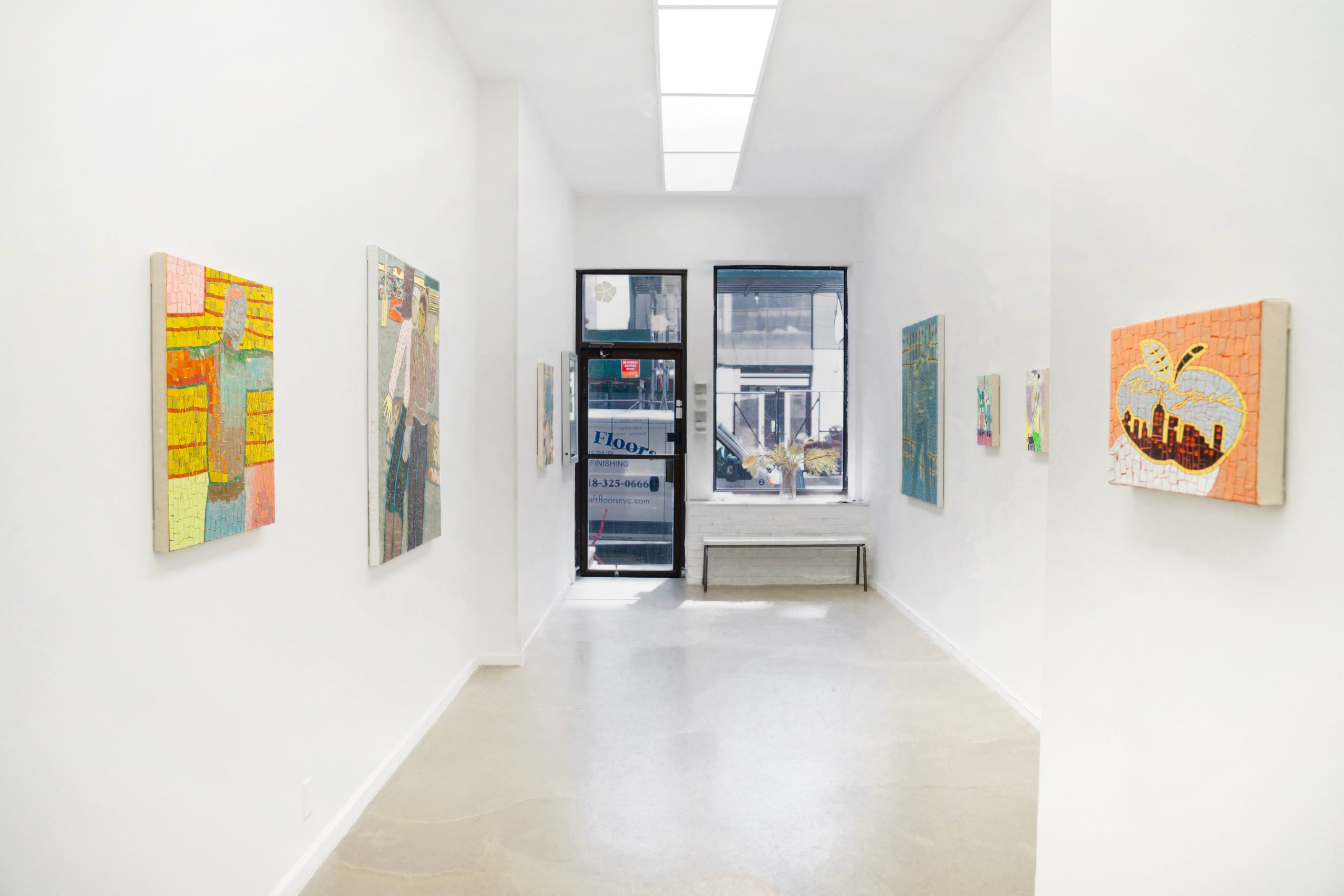
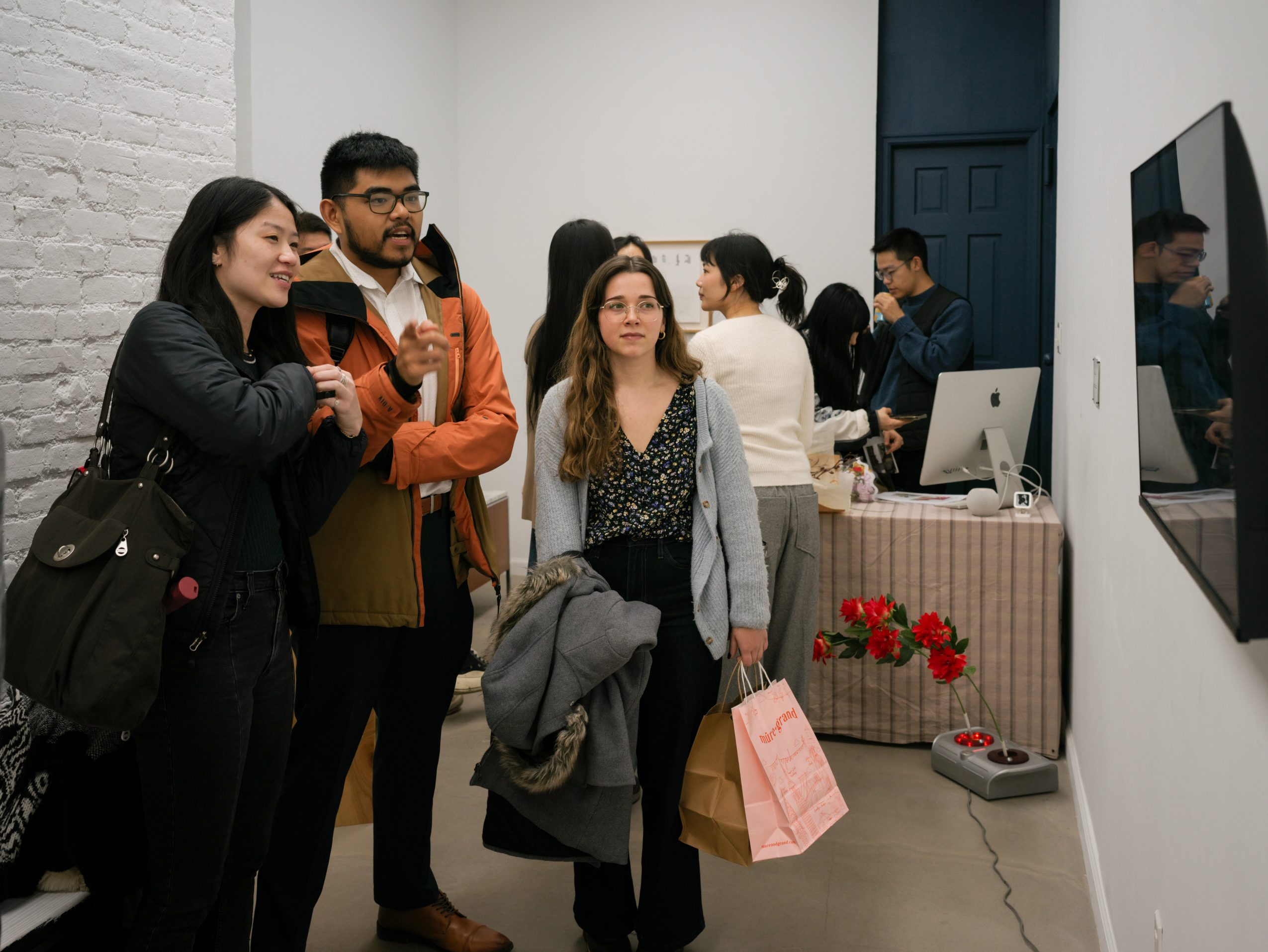
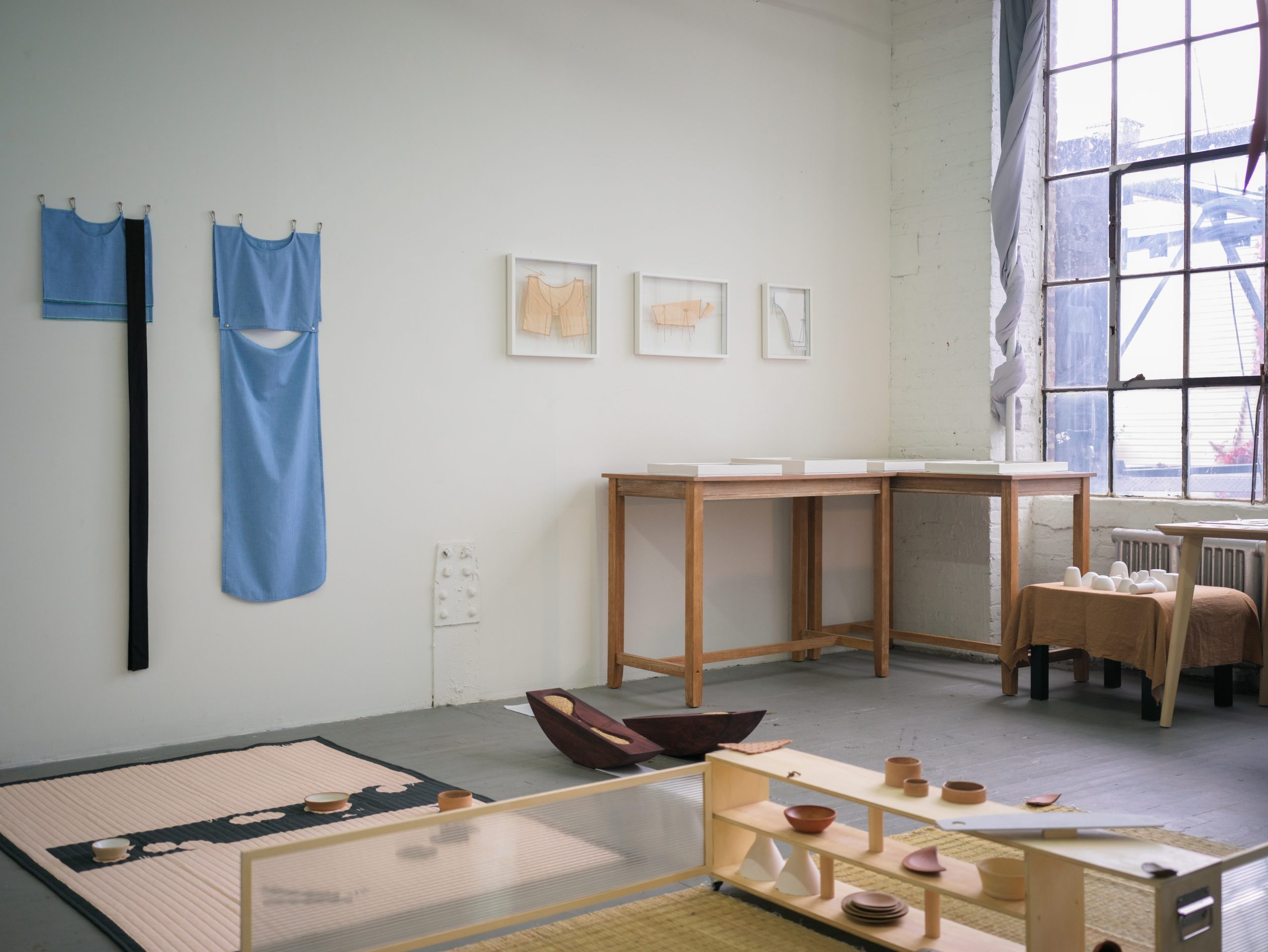
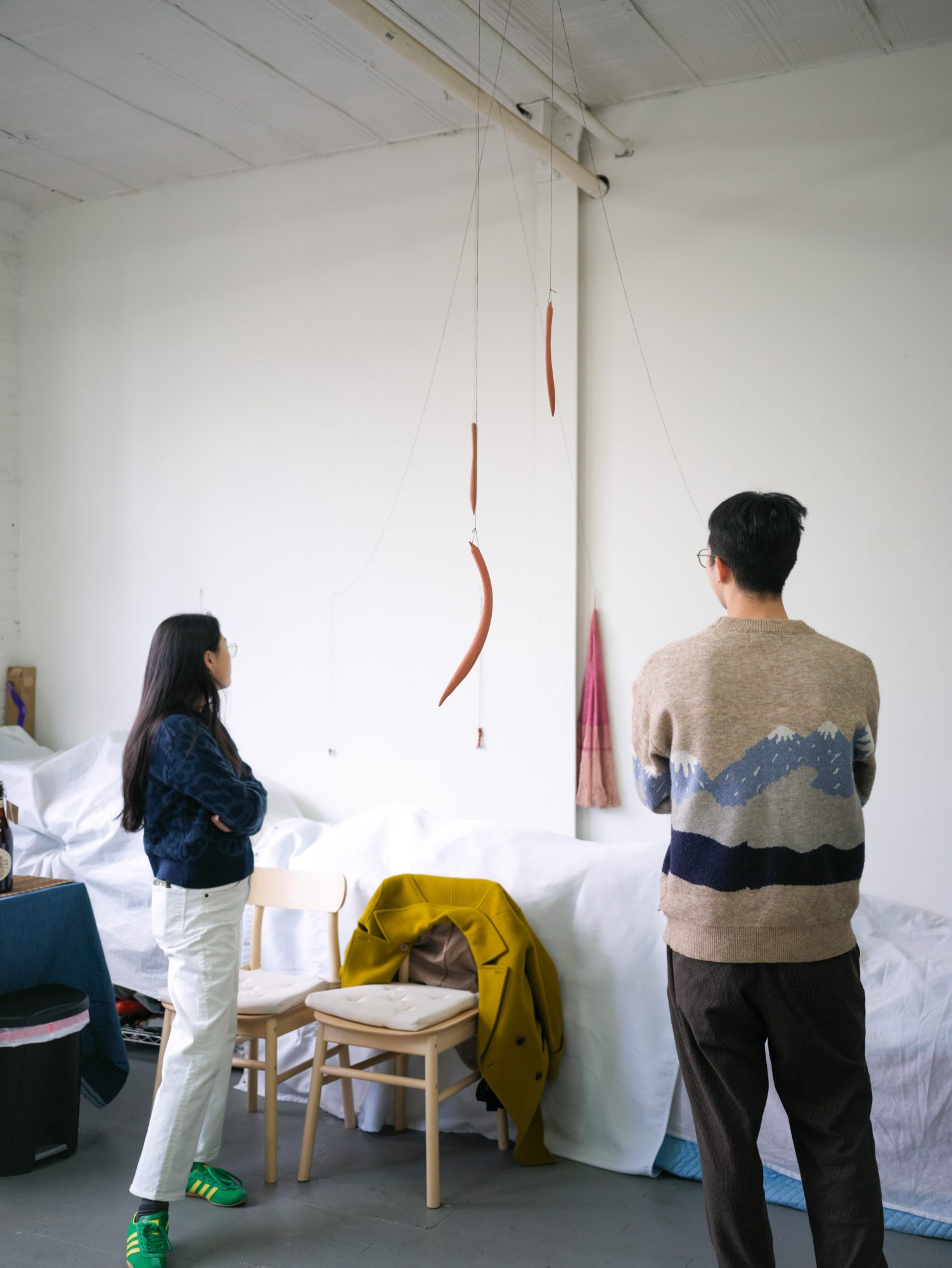
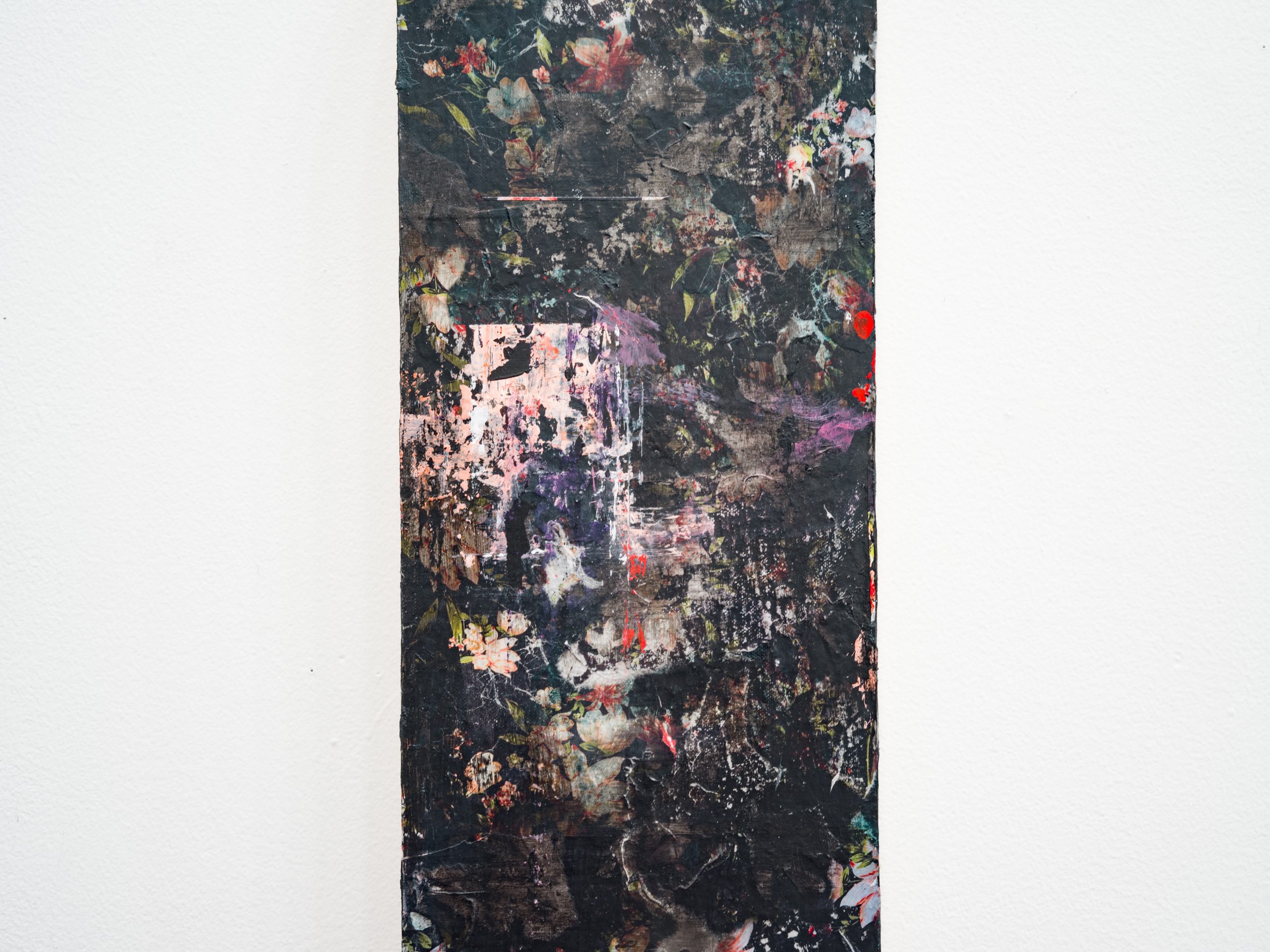
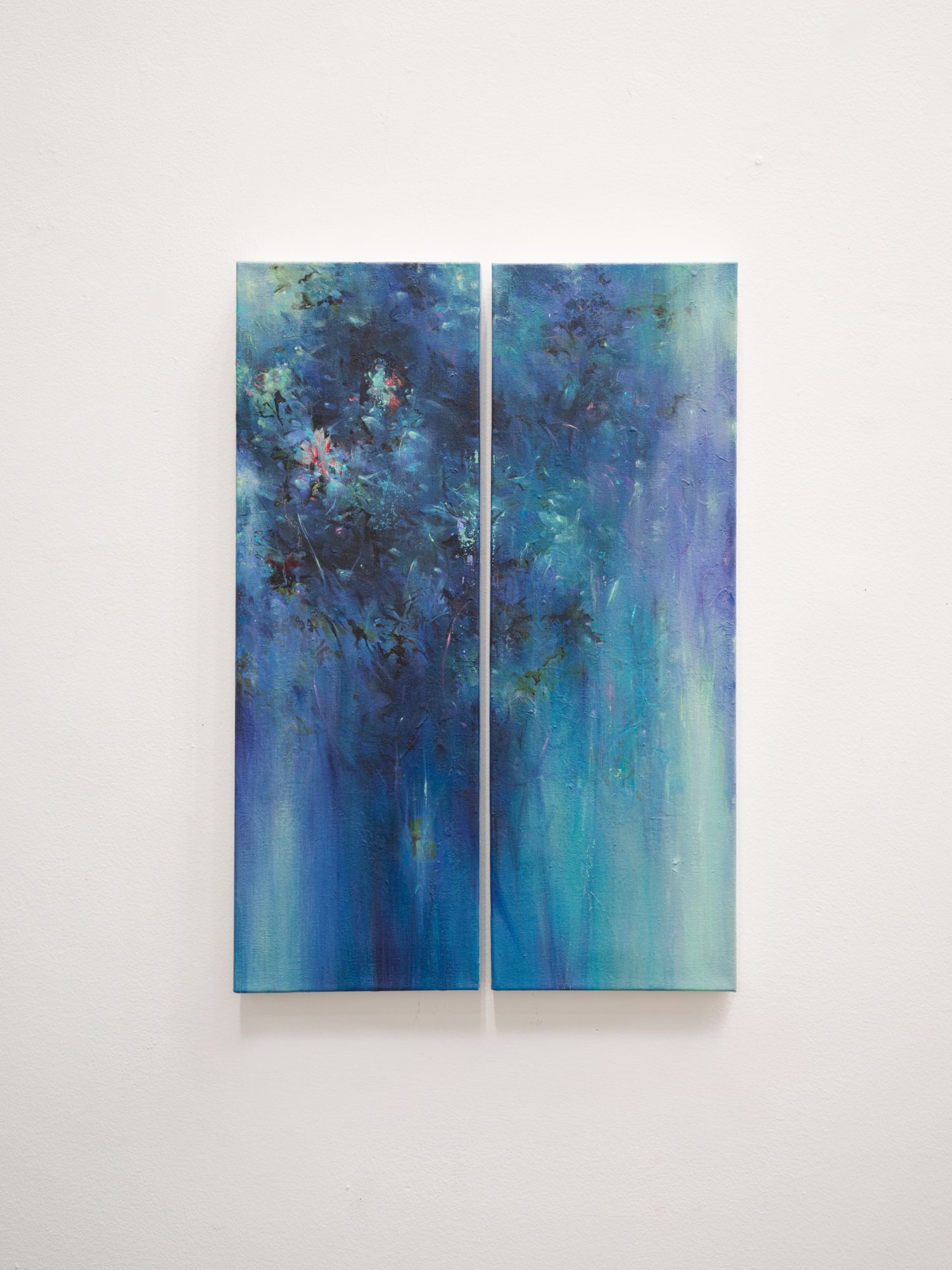
Image Credits
Lissie Yimiao Z. Smith
Popular
-

Portraits of the Valley
-
LA’s Most Inspiring Stories
-

Greg Hex Is Turning the Everyday Kitchen Knife Into a Modern Design Object
-

Rick Norris Learned That Building a Successful Business Means Building a Life You Actually Want to Live
-
How Olivia Rush Turned Survival Into a Mission to Help Others Keep Going
-

How Bibi Goldstein Is Helping Entrepreneurs Reclaim Their Time by Embracing the Power of Delegation


