



Today we’d like to introduce you to D’nae.
Alright, so thank you so much for sharing your story and insight with our readers. To kick things off, can you tell us a bit about how you got started?
When I was four, I became an American citizen and asked my dad when my eyes would get big like his.
I was born in Seoul and adopted into a white American family. At four, it seemed perfectly reasonable that citizenship might come with a few physical upgrades.
That night, my dad told my mom he’d get eyelid surgery so I wouldn’t feel different or alone. He never did. But I’ve always loved that his first instinct wasn’t to change me. It was to change himself.
Years later, I discovered my Korean adoption paperwork included a warning about possible learning difficulties. Some of the information wasn’t even true. By the time I found it, I’d spent more than twenty years in technology and consumer strategy, working with companies like Google, Meta, and Headspace. An extraordinary amount of effort to disprove an assessment I didn’t even know existed.
I still love that work. I love understanding people, why we believe what we believe, what makes us change our minds, and why we sometimes cling to ideas long after they’ve stopped making sense.
Sometimes I think Korea and I have grown up alongside each other, just thousands of miles apart. When I was little, being Korean was something I rarely saw reflected in the world around me. Now Korean culture is everywhere. My identity was always mine, but my understanding of it keeps unfolding.
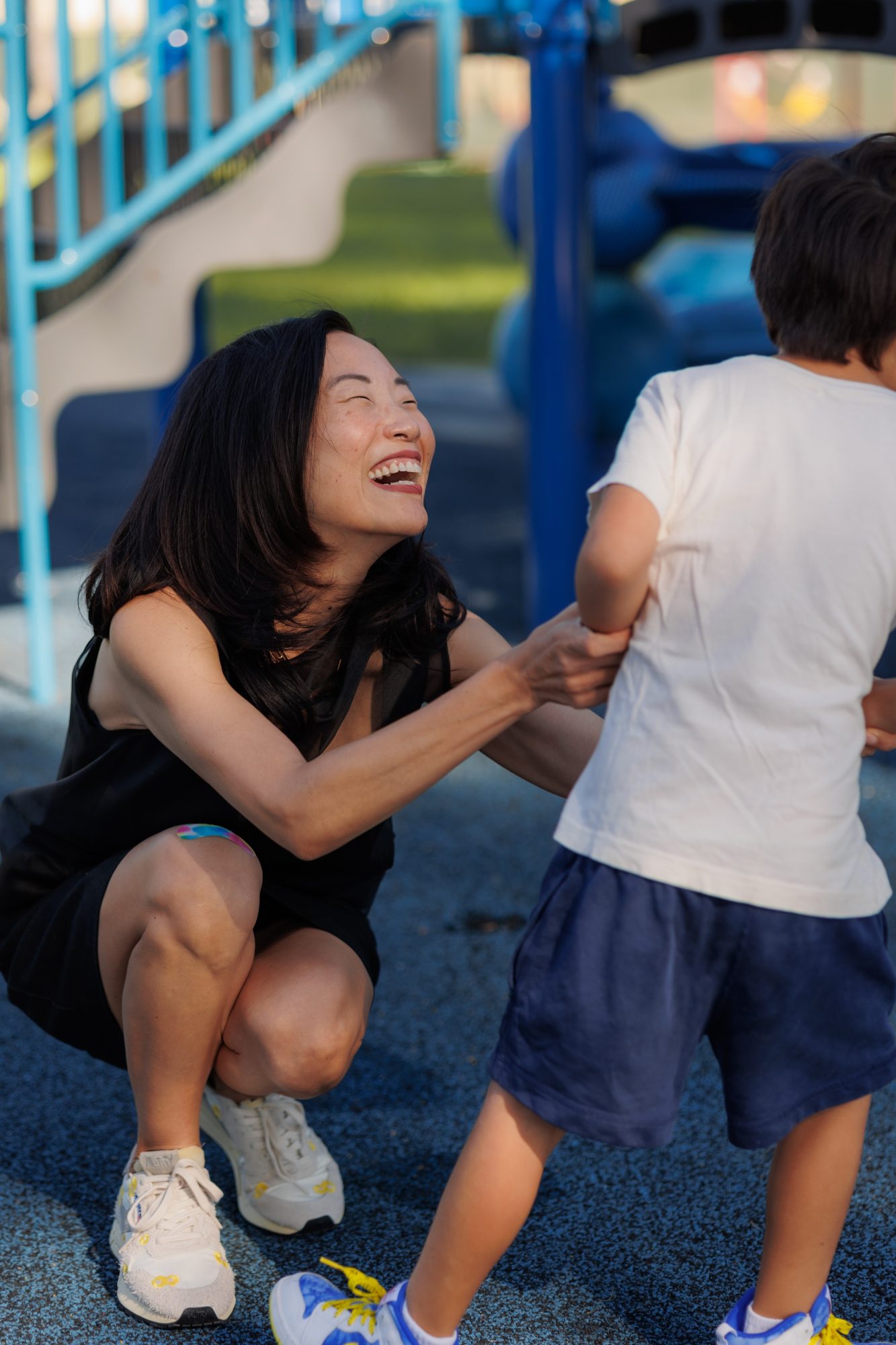
These days, I’m a mother of three boys, including twins. After a career spent trying to understand human behavior, I now live with three people who care very little about my credentials and have very strong opinions about how everything should work.
I think a lot about what they’ll carry with them. I can’t protect them from everything or predict who they’ll become. But I want them to know that wherever they are, they belong. That their Korean heritage is theirs without qualification. And that being loved isn’t something they have to earn.
I’m also building byMae, a health company that brings together my Korean heritage, my experience as a mother, and a longstanding habit of questioning things that seem perfectly normal to everyone else.
We all face challenges, but looking back would you describe it as a relatively smooth road?
No. It would have been much easier to make a cheaper multivitamin, give it a different flavor, and explain why ours was better.
Instead, we’re asking people to rethink how they care for a part of their body they can’t see or easily point to.
There have been plenty of practical challenges along the way, too. Ingredient sourcing, formulation development, regulatory requirements, third-party testing, packaging. I’ve learned more about the supplement industry than I ever expected to know.
But the harder part has been navigating a category where the biggest promises often get the most attention.
When we started researching supplements, I was struck by how much reassurance companies can fit on a label. “15 organic fruits and vegetables” sounds impressive, but consumers shouldn’t have to read the fine print to find out whether a claim translates into meaningful nutrition.
Communicating science responsibly isn’t always easy, either. Explain too much and people stop listening. Simplify too much and you risk promising something the evidence doesn’t support.
A supplement is a supplement. It’s not a replacement for food, sleep, or medical care. And it isn’t a miracle.
We could make bigger promises. We could tell people what they’re used to hearing. But then we’d be contributing to the very thing we wanted to change.
Turns out, telling people the truth can be a competitive disadvantage.
Appreciate you sharing that. What should we know about byMae?
The older I get, the more I realize how much of adulthood is just trying to keep everything from falling apart.
First there’s a career. Then a partner, children, pets, aging parents, and an alarming number of people depending on you. You get pretty good at managing the whole operation. Until someone gets sick and suddenly everything is upended.
Our immune systems do an extraordinary amount of work to keep us going. Yet the way we talk about immune health hasn’t changed much since the days of dial-up internet and AIM screen names. We’re still reaching for something promising to “boost” our immunity when we’re sick.
What fascinated me was learning that even our innate immune system, long thought to have no memory, can adapt to past experiences. Researchers call it trained immunity. We also found compelling human research on yeast beta-glucan and immune function.
My best friend and cofounder, Vivian Graubard, and I kept coming back to one question: We wouldn’t wait for a sunburn to start wearing sunscreen. So why do we treat immune health as something to think about only when we’re sick?
That thinking led us to create byMae Multi+, combining yeast beta-glucan with essential vitamins and minerals for adults and children.
We’ve made taking care of our skin a daily habit. I think our immune systems deserve the same attention.
Is there any advice you’d like to share with our readers who might just be starting out?
For most of my career, I was paid to know what I was doing. Or at least to make a convincing case for it. I learned how to navigate complicated organizations, bring people along, win budgets, and get promoted. There was a certain comfort in knowing how the game worked.
Then I started a company and discovered I was a beginner again.
The hardest part has been figuring out what to keep from those twenty years and what to unlearn. Experience is valuable, but it can also make you very good at defending a bad idea. I’ve learned that being wrong isn’t always the expensive part. It’s how long you’re willing to stay wrong.
I still don’t see myself as the aspirational female founder type. I’m a nerd who spends an unreasonable amount of time wondering whether I’m good enough.
A fellow Korean mom once told me to fake it until I make it. Which was reassuring, although I’d hoped to have made it by now.
Contact Info:
- Website: https://www.bymae.com
- Instagram: https://www.instagram.com/bymaehealth
- Facebook: https://www.facebook.com/pages/readybymae
- LinkedIn: https://www.linkedin.com/in/dkingsley
- Other: https://www.instagram.com/dnaeok
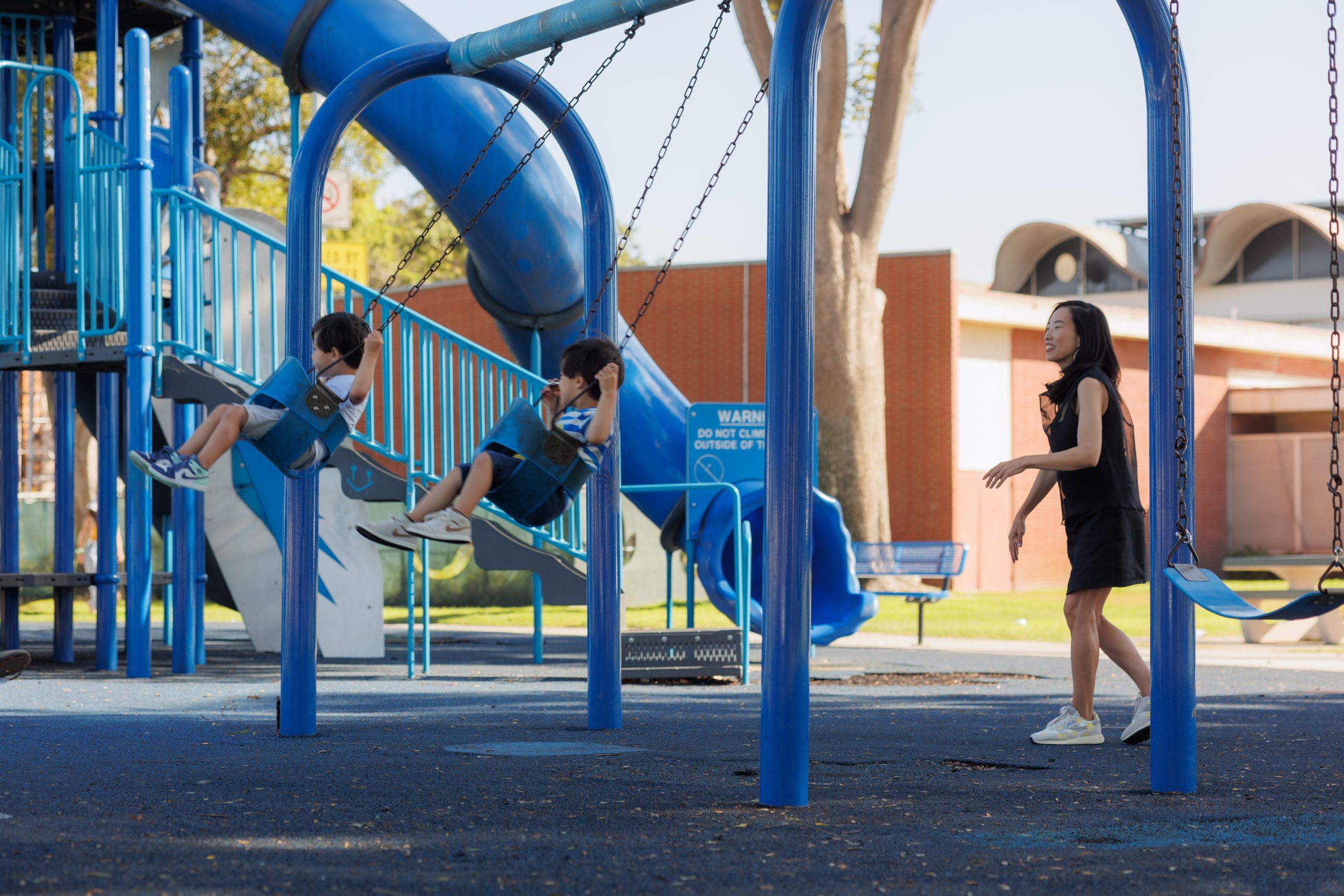
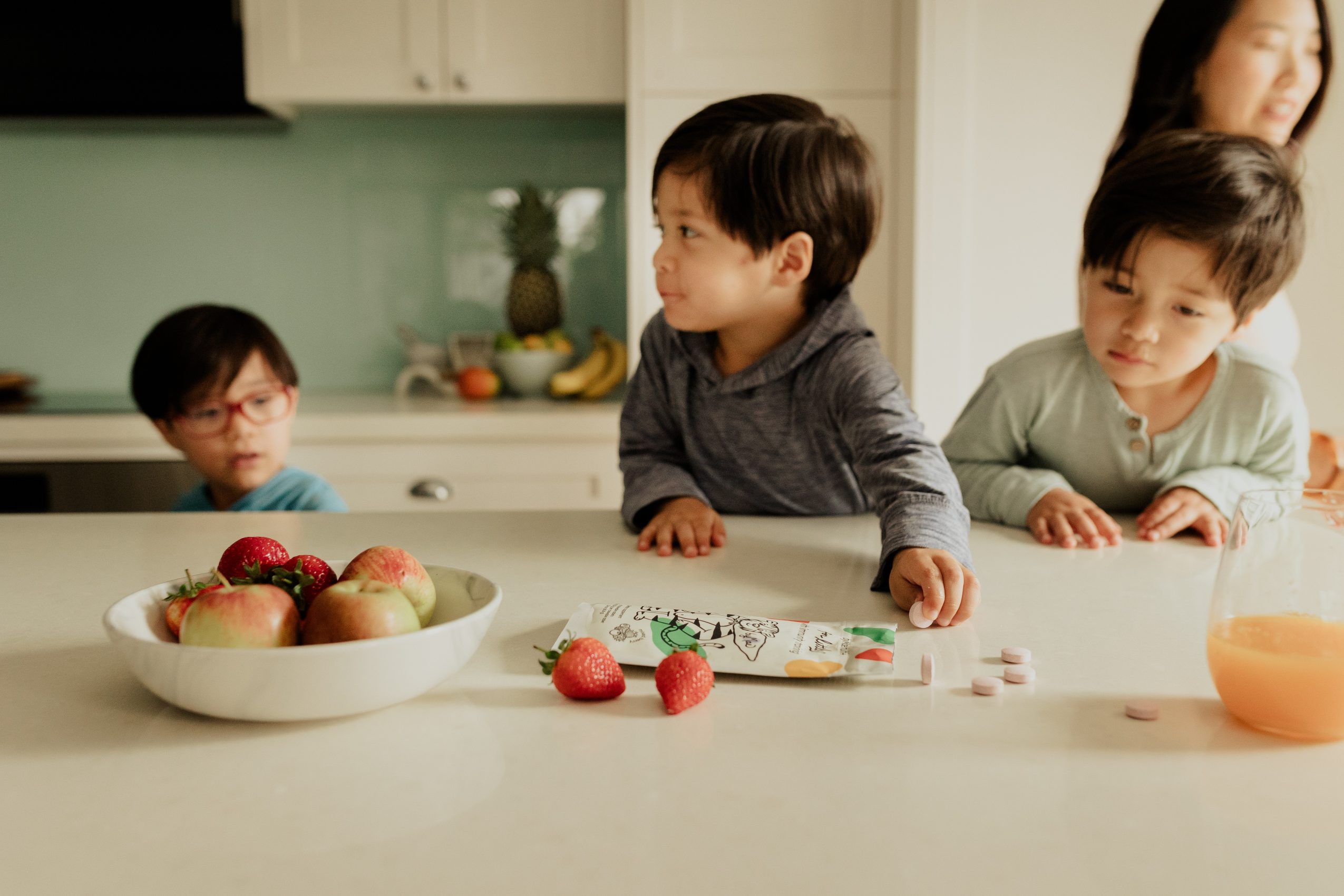
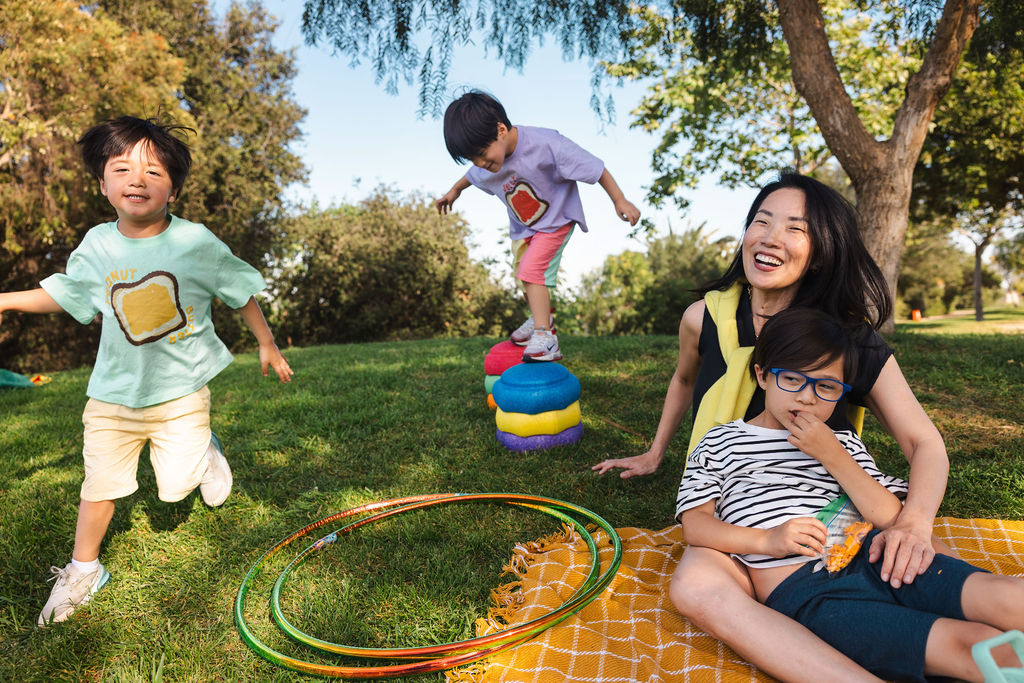
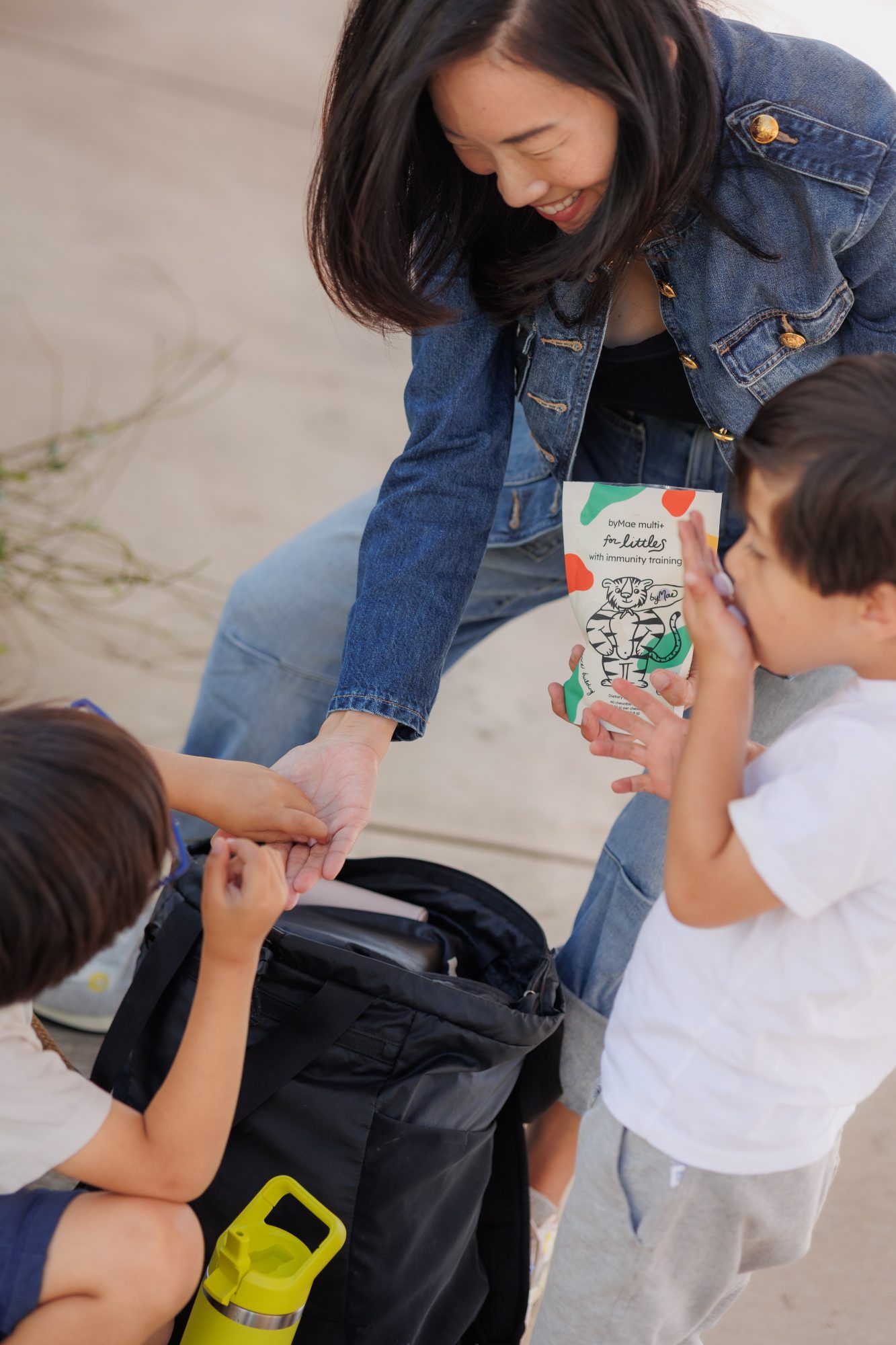
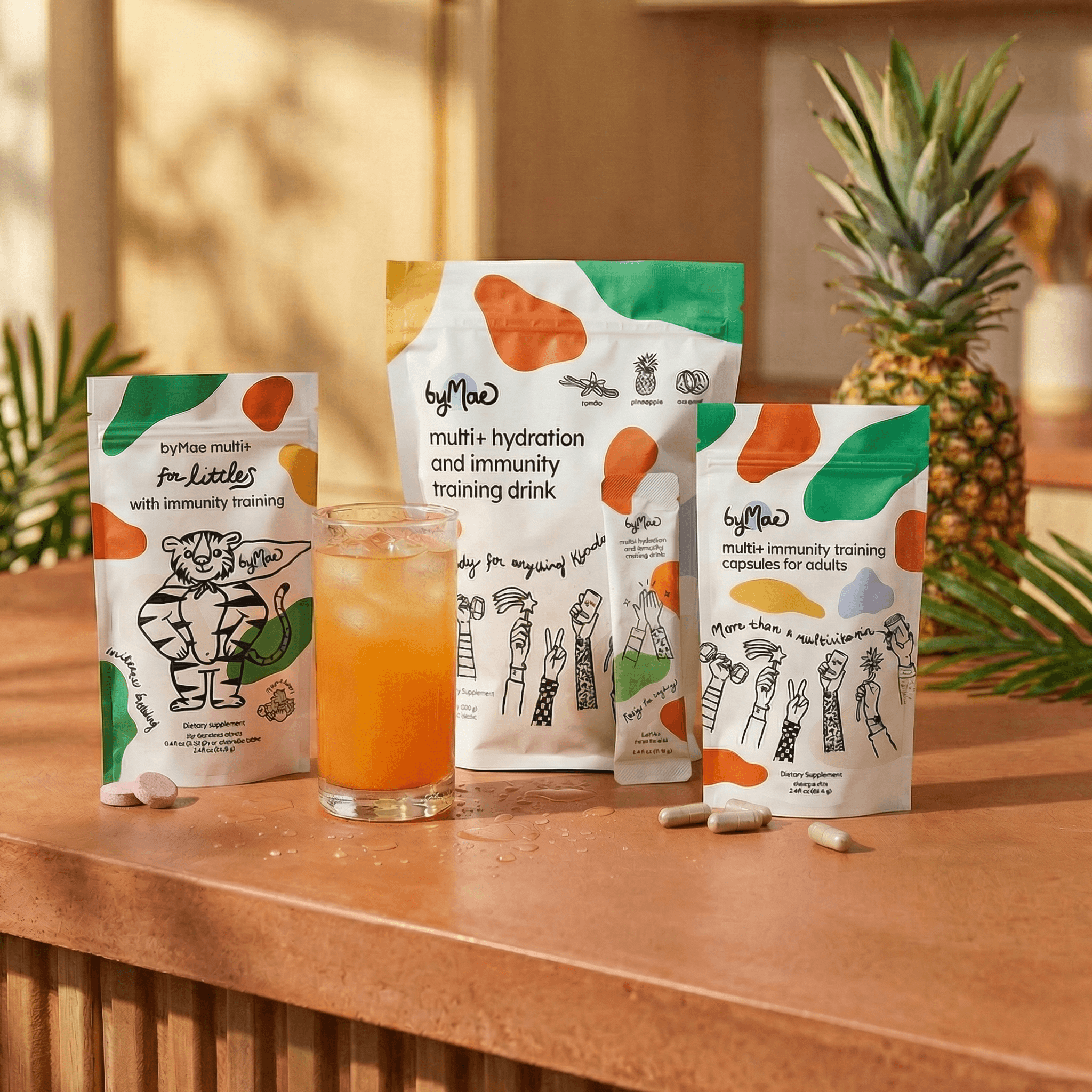
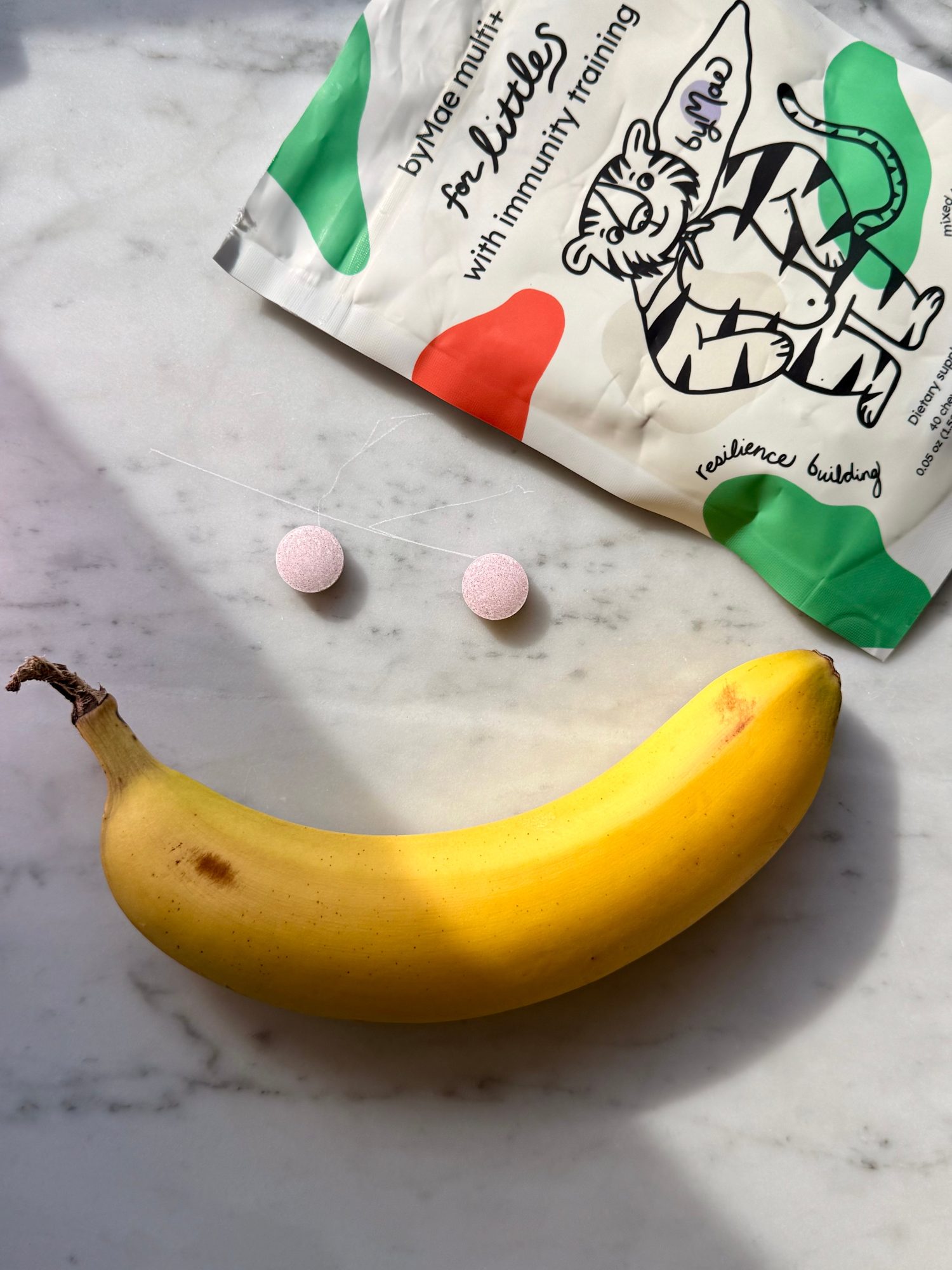
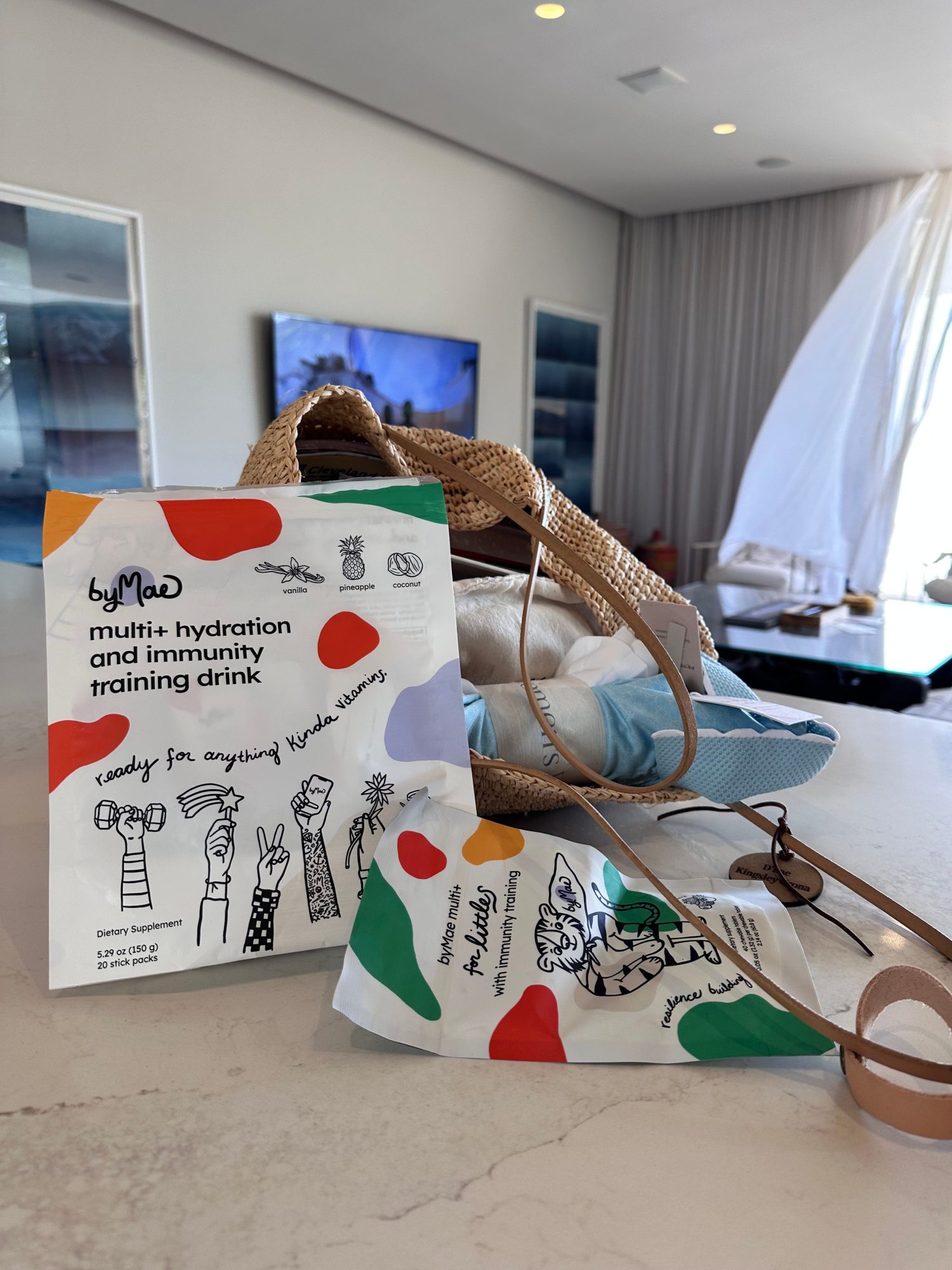
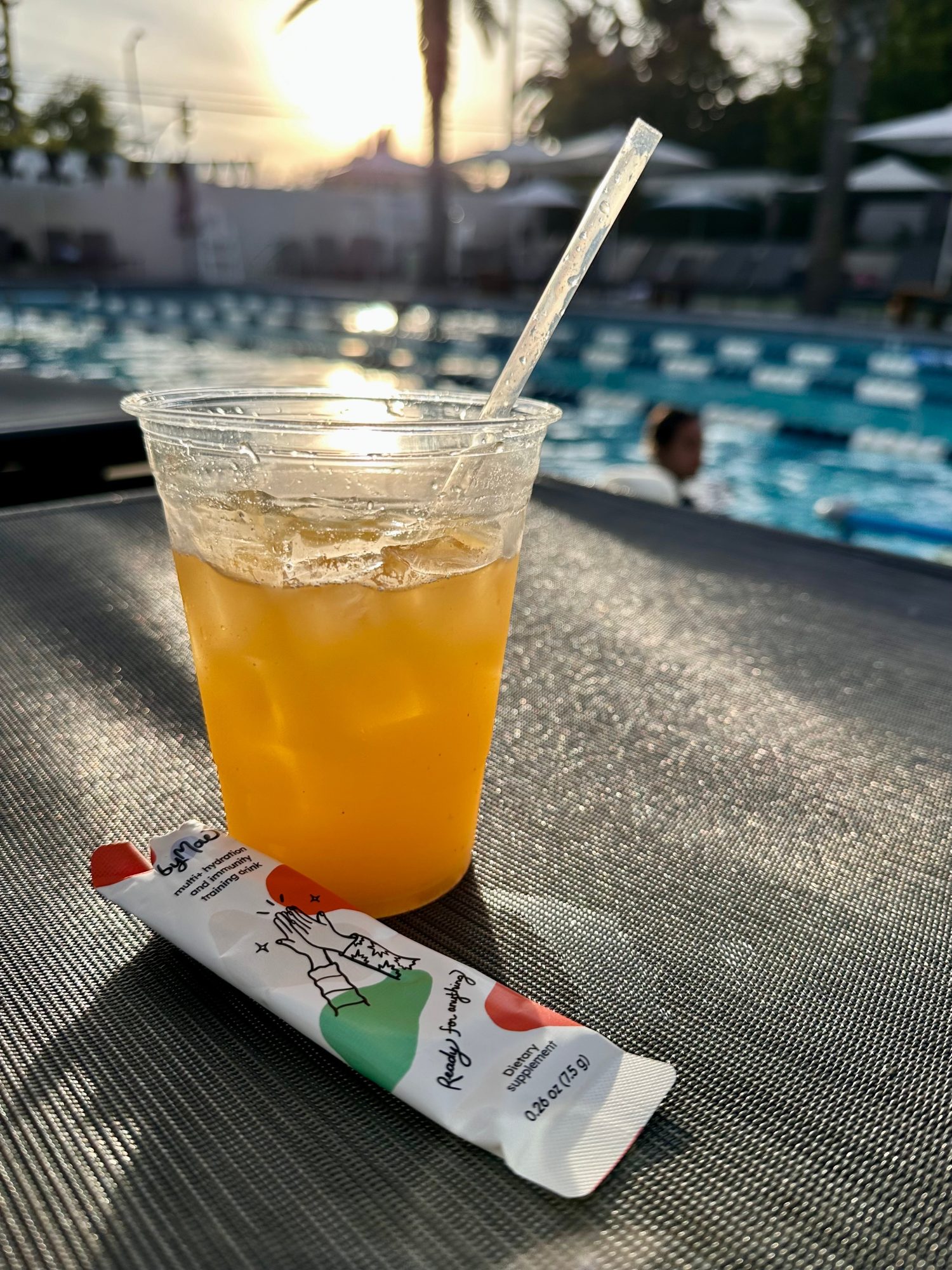
Image Credits
Michelle McSwain Photography, Alyssa Fioravanti Photography, Polly Jane Photography
Popular
-

Portraits of the Valley
-

LA’s Most Inspiring Stories
-

Greg Hex Is Turning the Everyday Kitchen Knife Into a Modern Design Object
-

Rick Norris Learned That Building a Successful Business Means Building a Life You Actually Want to Live
-

How Olivia Rush Turned Survival Into a Mission to Help Others Keep Going
-

How Bibi Goldstein Is Helping Entrepreneurs Reclaim Their Time by Embracing the Power of Delegation


