




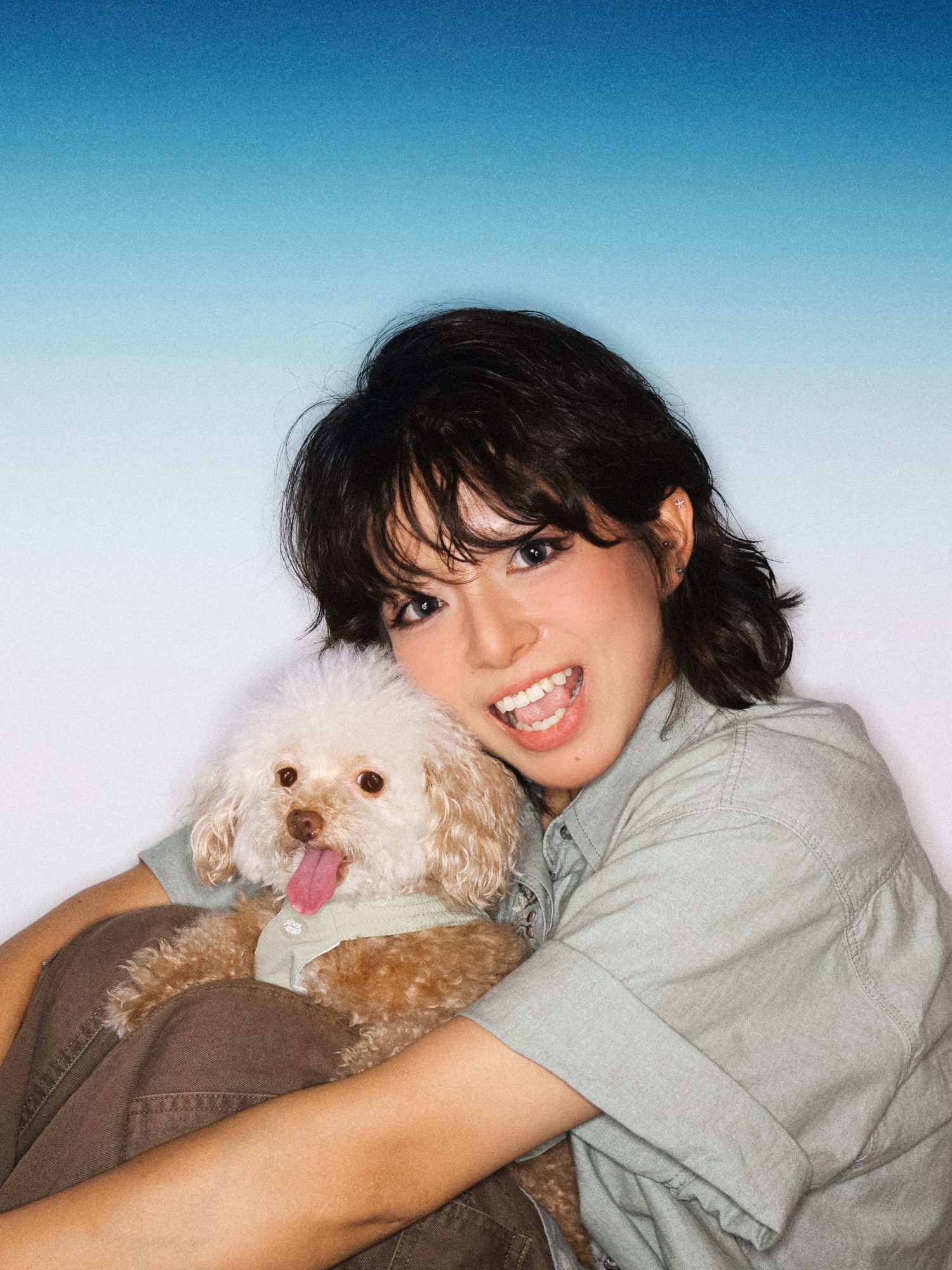
Today we’d like to introduce you to Dorothy Tao.
Dorothy, we appreciate you taking the time to share your story with us today. Where does your story begin?
Hi, I’m Dorothy Tao. I am originally from China, and I went to New York to pursue my BFA at the School of Visual Arts. Throughout my undergraduate studies, I became increasingly interested in how visual design can tell stories and shape the way people experience a space.
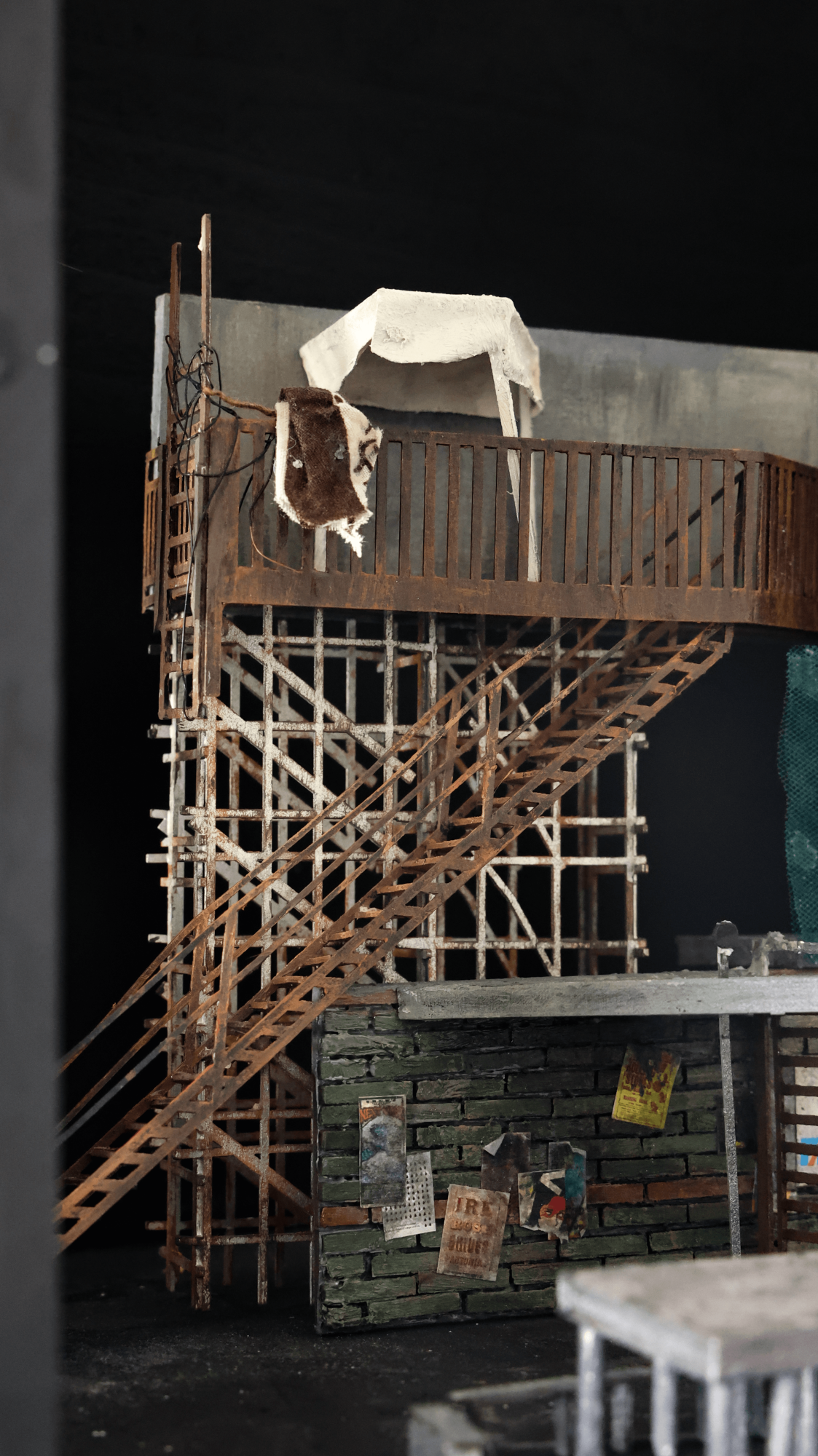
I’ve always had a deep appreciation for physical, tangible things and the process of making things by hand. I love physical books, handmade props, three-dimensional worlds, and the textures and imperfections of real materials. In an increasingly digital world, I believe there is still something incredibly important about creating things that we can touch, inhabit, and experience with our own bodies. Being physically present in a space creates a connection, and that’s what I find especially meaningful about every space and theatre.
So, this passion eventually brought me to LA, where I’m currently pursuing my MFA in Scenic / Production Design at UCLA. My work continues to explore the relationship between space, storytelling, and visual beauty. I enjoy experiencing with scale, texture, and unconventional spatial compositions to create environments that feel both imaginative and meaningful.
I’m still discovering and developing my artistic voice, but that process of exploration is one of the things I love most about being a designer.
Alright, so let’s dig a little deeper into the story – has it been an easy path overall and if not, what were the challenges you’ve had to overcome?
I definitely would not say it’s been a completely smooth road. Moving from China to the United States and pursuing a creative career in a totally different cultural environment has been both exciting and challenging. Beyond adapting to a new language and culture, I’ve also had to learn how to express my ideas and find my own voice as an artist.
I feel like one of the biggest challenges for me is to balance imagination with reality. As a creative designer, I usually have ambitious ideas about the worlds; I love transforming ideas into various shapes and colors, but theater is a very practical art form. There are always limitations, whether it’s budget, time, materials, or the physical possibilities of a space. Learning how to turn an abstract idea into something tangible and achievable has been an ongoing process for me.
Can you tell our readers more about what you do and what you think sets you apart from others?
I define myself as a multidisciplinary visual designer working across scenic design, art direction, and visual design. I’m currently pursuing my MFA in Design for Theater, Film, and Entertainment at UCLA. My creative interests have always extended beyond theater; I’ve also worked as an art director on commercial and photography projects, exploring how visual composition, color, objects, and environments come together to tell a story.
What I love most about working across different creative fields is how they constantly influence one another. In art direction and visual design, I explore how composition, color, imagery, and objects can communicate ideas and create a strong visual identity. In scenic design, I take those ideas into three-dimensional spaces, creating environments that unfold over time and interact with performers and audiences. To me, these aren’t completely separate disciplines, but different ways of telling stories through visual language.
I’m particularly drawn to dreamlike, surreal, and emotionally expressive imagery and environments. I love experimenting with scale, proportions, textures, and unexpected combinations of familiar objects. Rather than simply recreating reality, I’m interested in transforming everyday elements into something unfamiliar, playful, or thought-provoking.
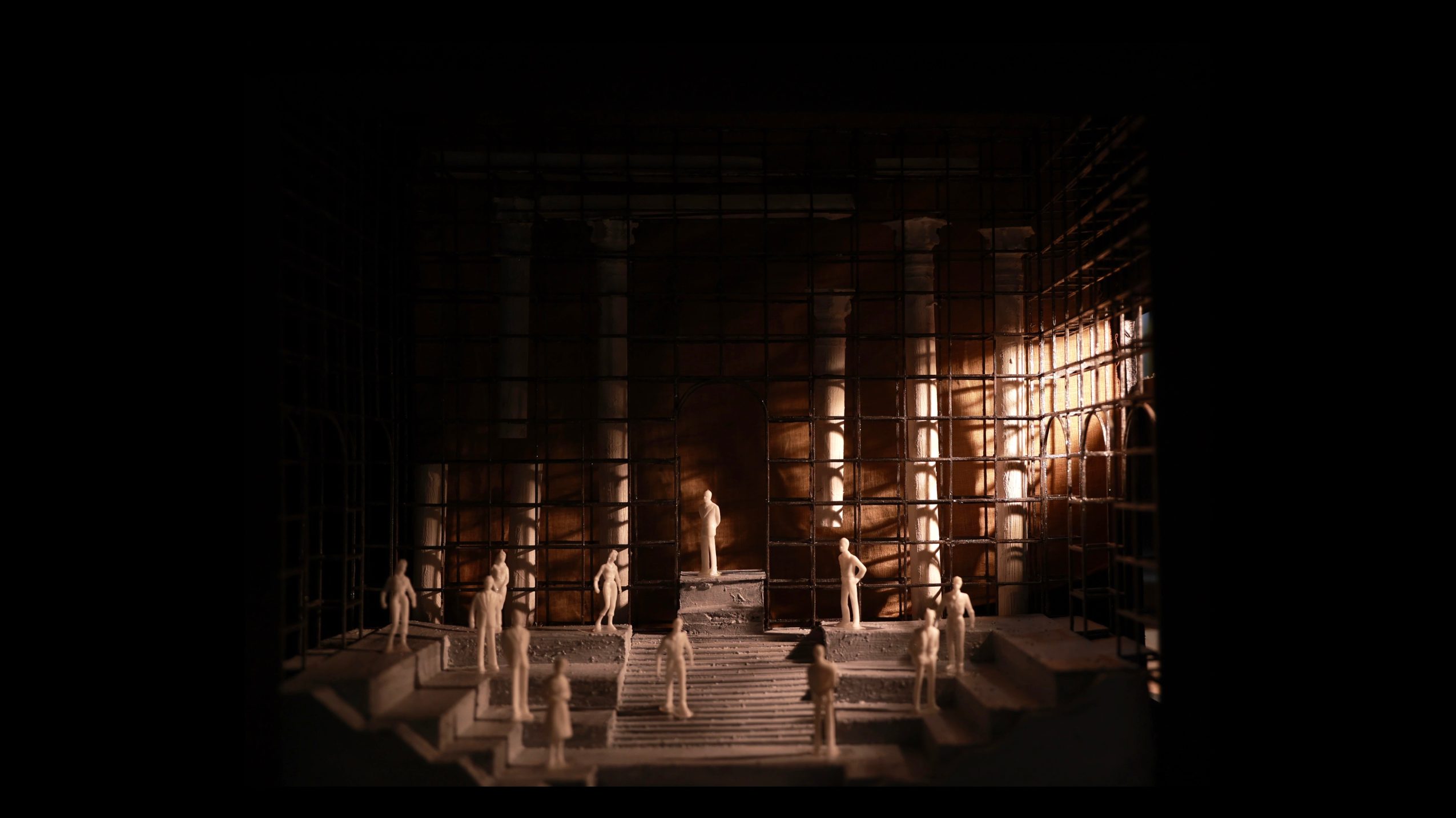
I also have a deep appreciation for physical making. Whether it’s building a scenic model, creating props for a photoshoot, or experimenting with different materials, I love the process of turning an abstract idea into something tangible. I find a lot of inspiration in the textures, imperfections, and unexpected discoveries that come from working with my hands.
What I’m most proud of is my willingness to explore different creative disciplines and constantly challenge myself. Moving between art direction, visual design, and scenic design has allowed me to develop a broader perspective on storytelling and discover new ways of expressing ideas. Each project brings a different set of challenges, and I enjoy the freedom of finding a new visual language for each one.What connects my work is my curiosity, my love for visual experimentation, and my desire to create experiences that make people feel something. Whether it’s an image captured in a single frame or an entire world built on stage, I want my work to invite people to see things from a different perspective.
In terms of your work and the industry, what are some of the changes you are expecting to see over the next five to ten years?
First of all, I have to say that one of the things that has moved me the most, especially here in the United States, is the level of respect and dedication people bring to theater. So, looking ahead, I believe that theater will never change. It will always remain sincere and passionate.
At the same time, as artists and designers, I believe the ways we create will continue to evolve and become more diverse with the rapid development of AI and digital technologies. We’re already seeing how these tools are transforming the ways we create images, develop ideas, and visualize spaces. One of the biggest changes will be how much more freedom we have to experiment. Ideas that once required a lot of time and resources to visualize can now be explored much more quickly, allowing designers to test different directions and push their imaginations further.
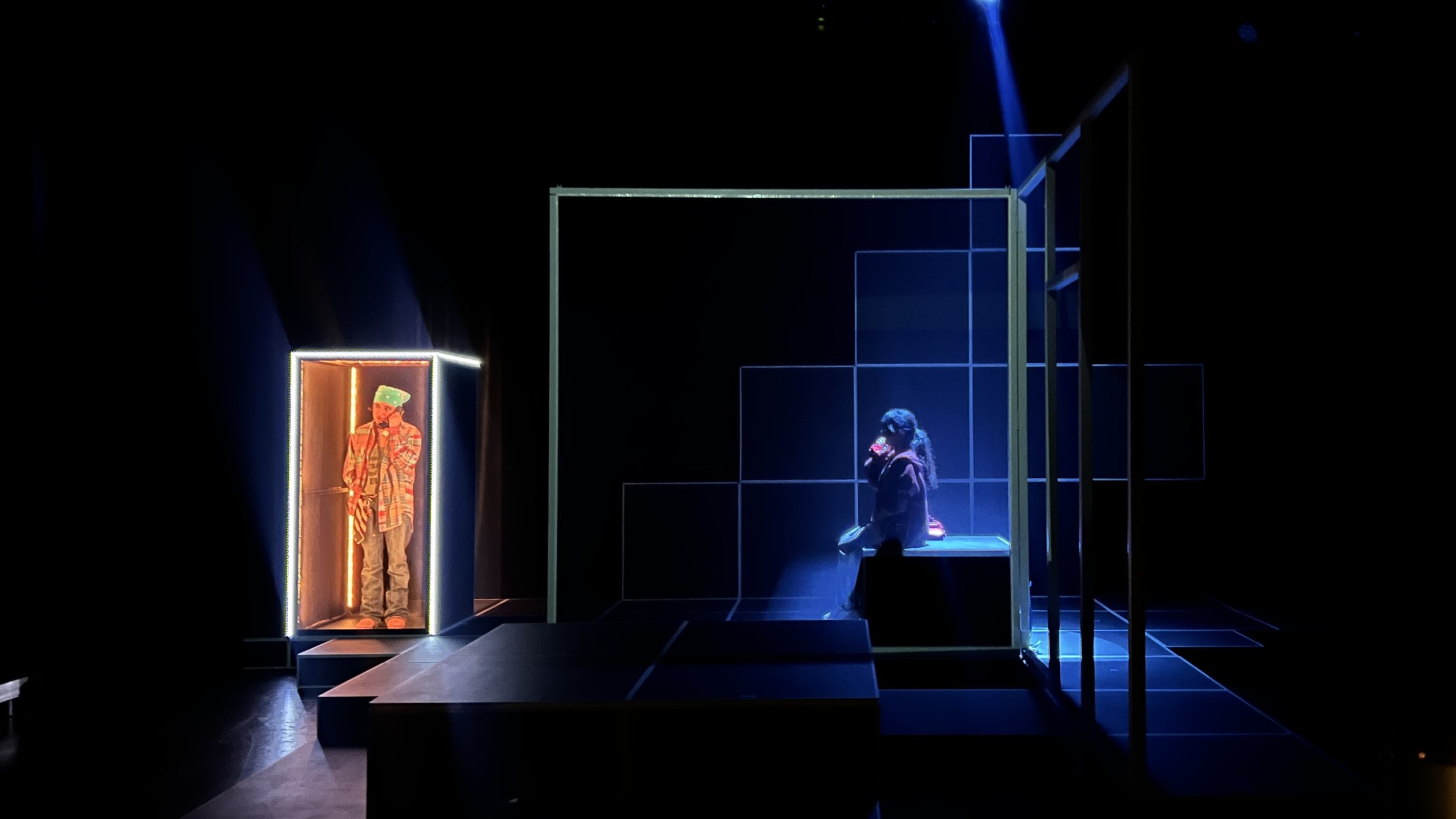
One trend I’m particularly interested in is the growing integration of physical and digital experiences. In theater and spatial design, I believe we’ll see more environments that combine physical structures with projection, interactive technologies, and digital imagery to create spaces that are more dynamic, immersive, and responsive to the people within them.
Contact Info:

Popular
-

Portraits of the Valley
-
LA’s Most Inspiring Stories
-

Greg Hex Is Turning the Everyday Kitchen Knife Into a Modern Design Object
-

Rick Norris Learned That Building a Successful Business Means Building a Life You Actually Want to Live
-
How Olivia Rush Turned Survival Into a Mission to Help Others Keep Going
-

How Bibi Goldstein Is Helping Entrepreneurs Reclaim Their Time by Embracing the Power of Delegation


