




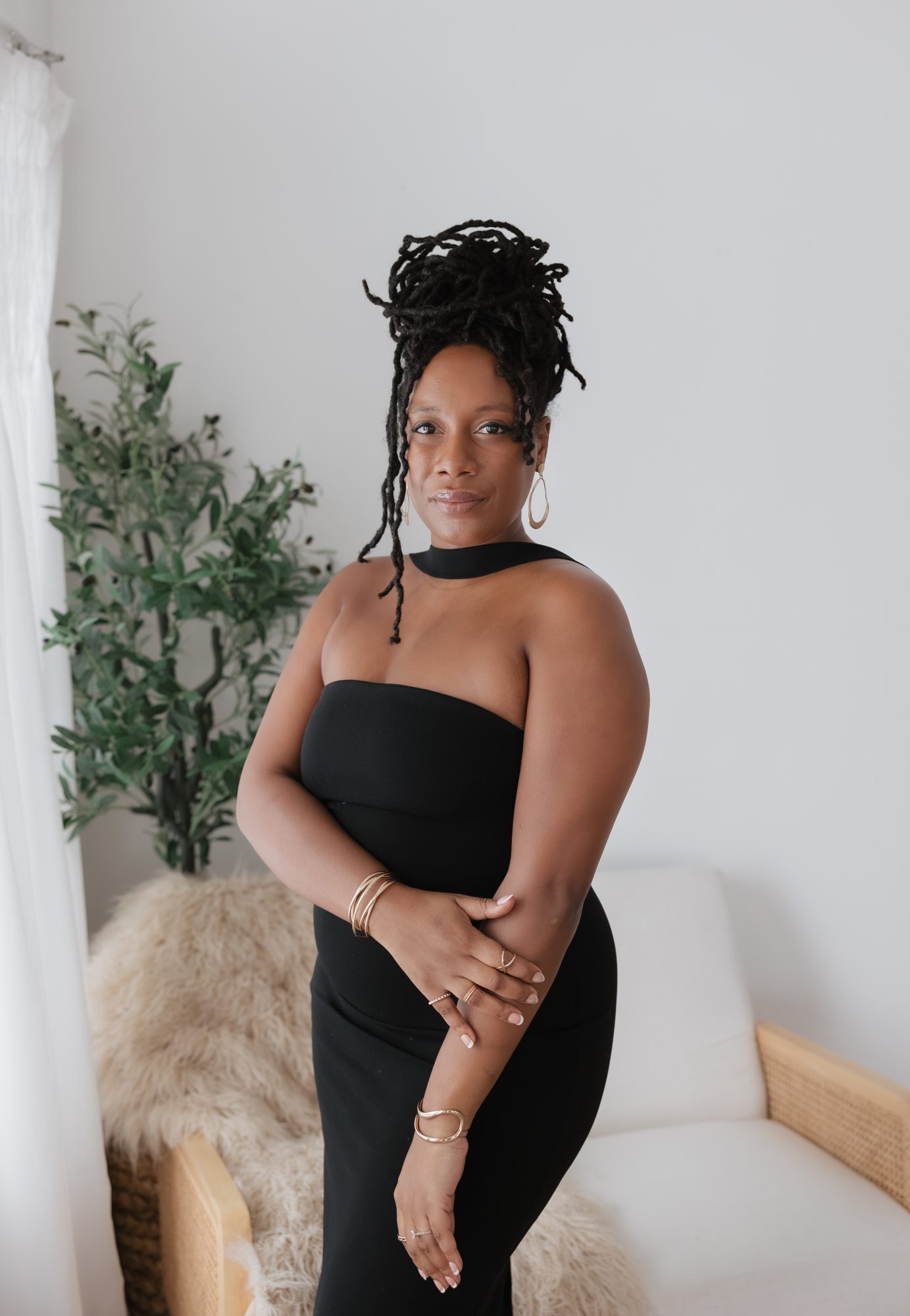
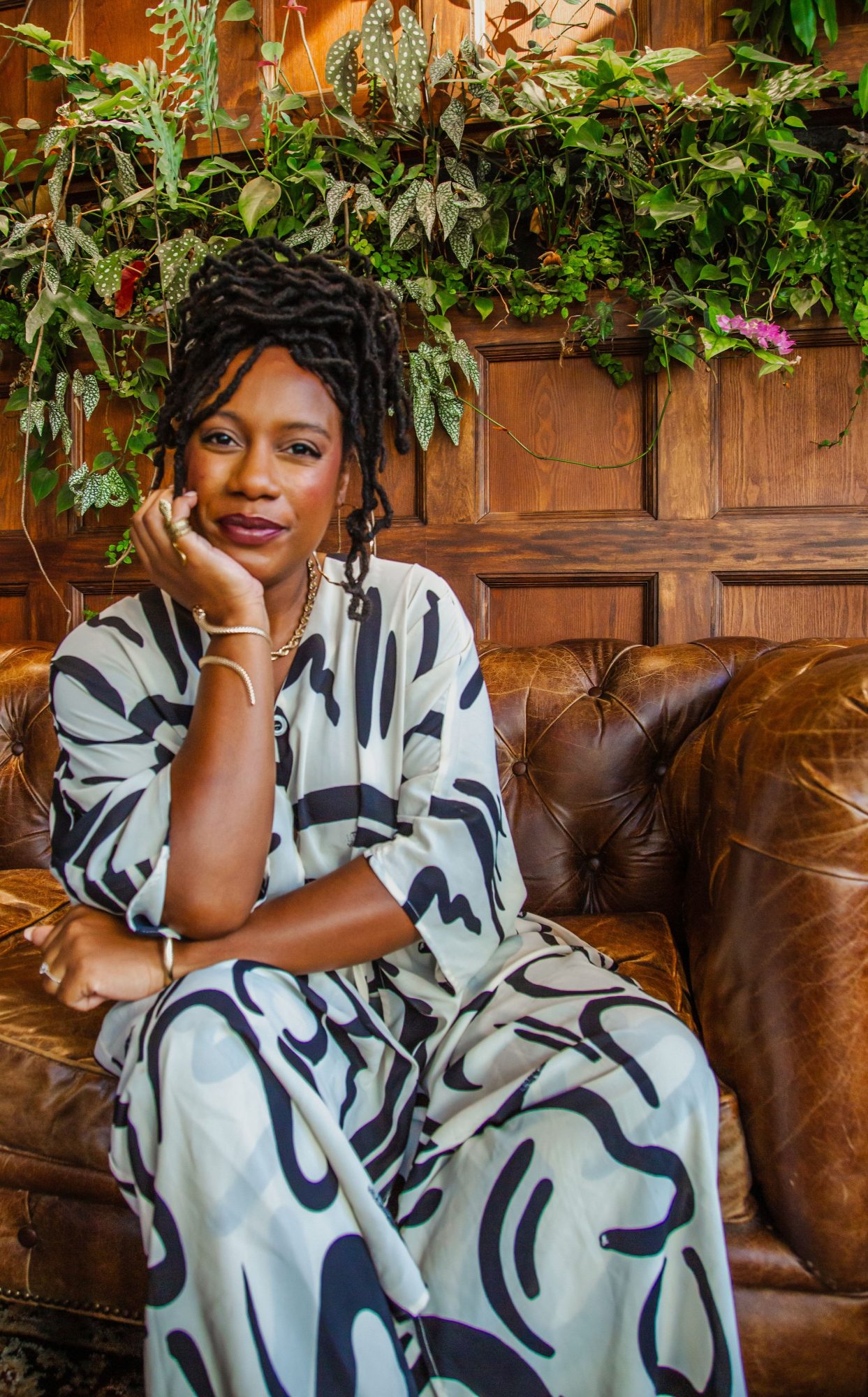
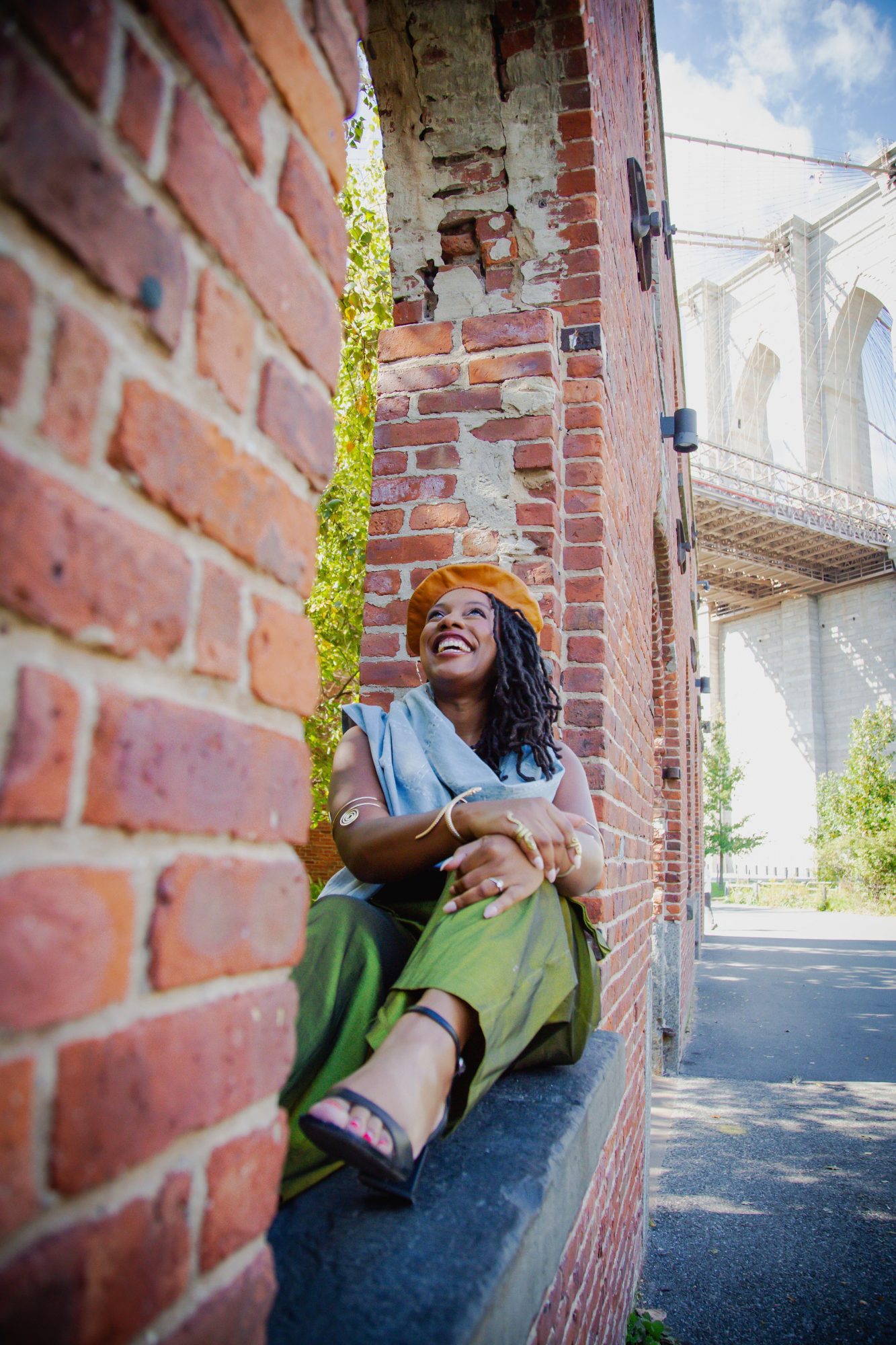
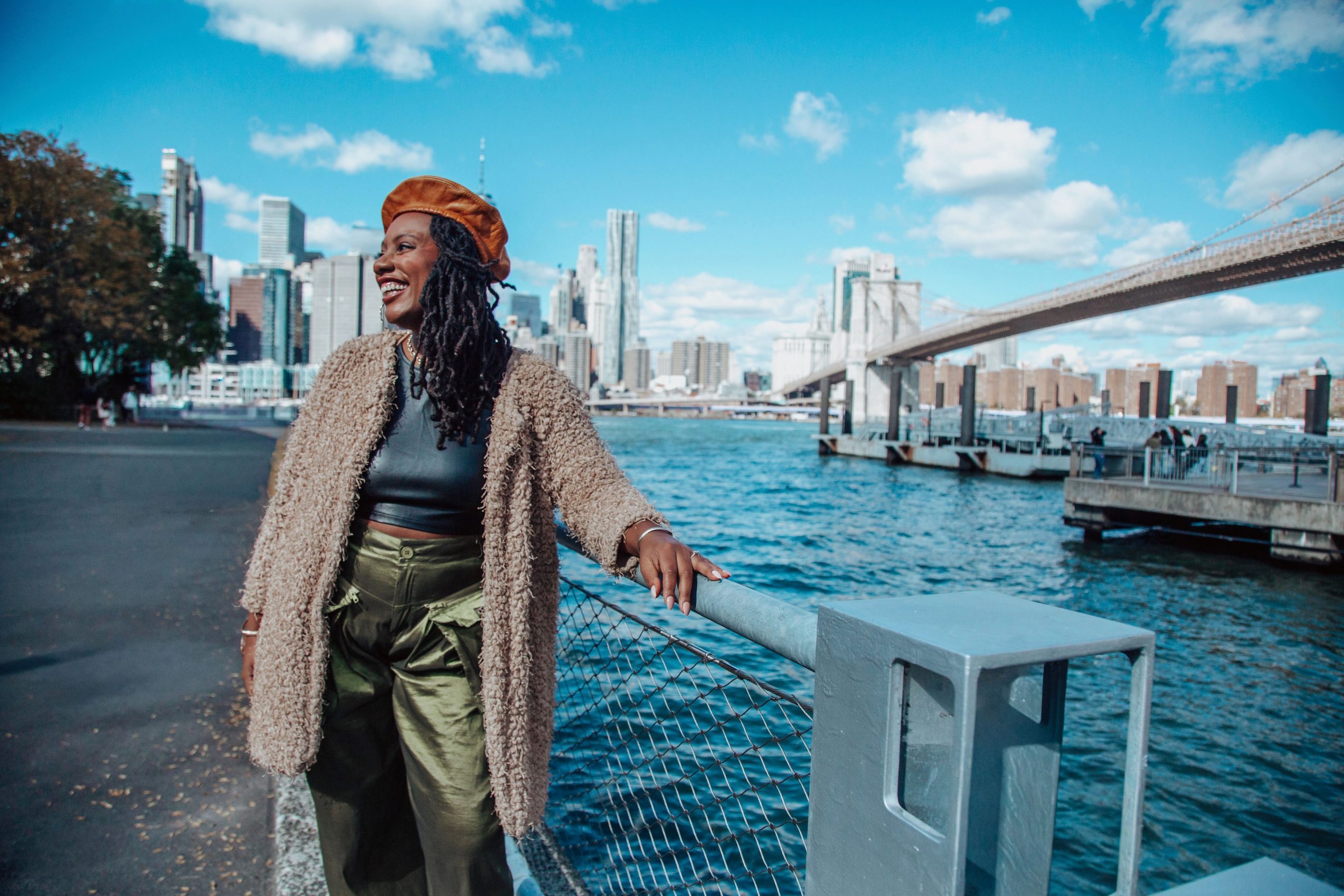
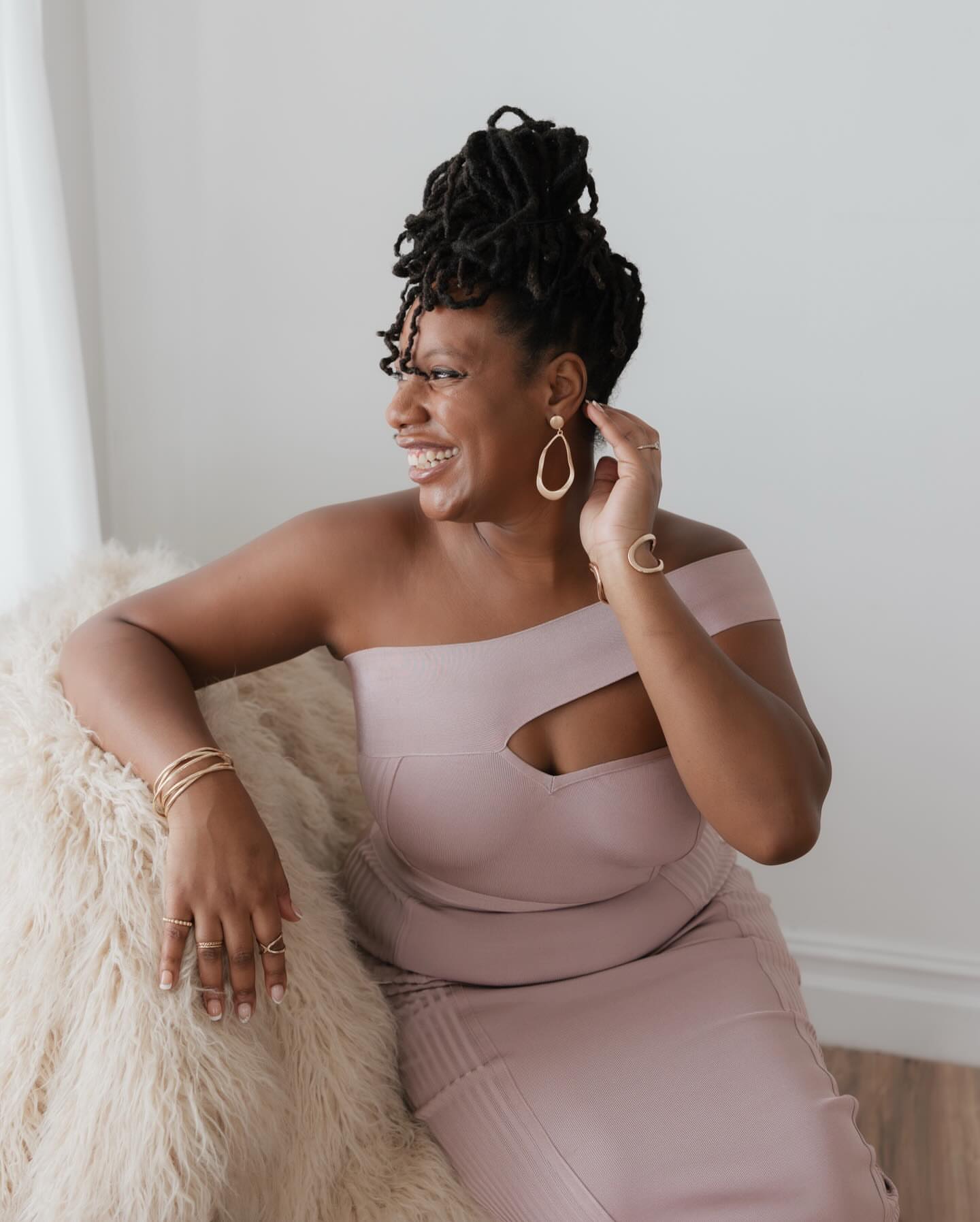
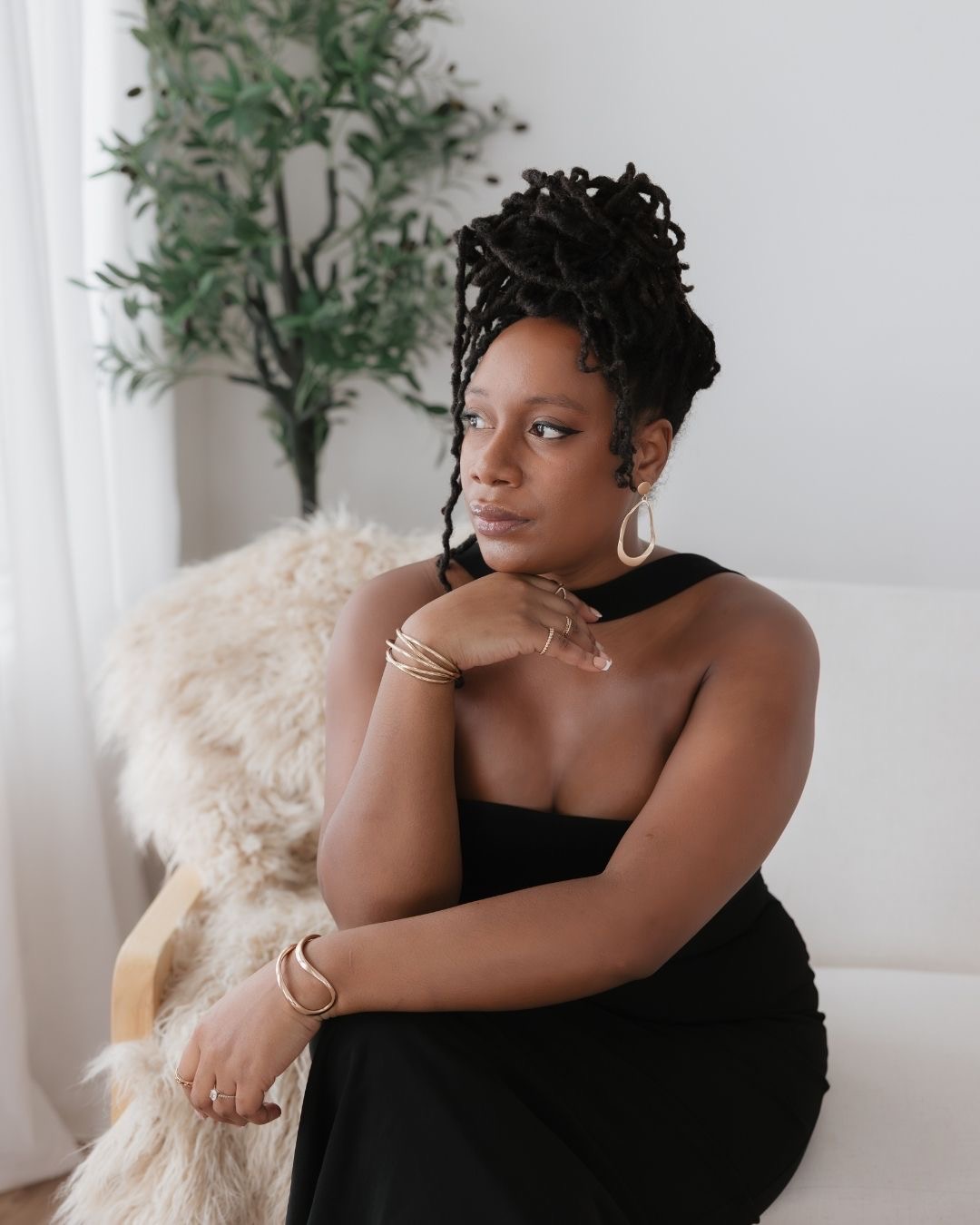
Today we’d like to introduce you to Sevonna Brown.
Hi Sevonna, we’d love for you to start by introducing yourself.
You know, I think the part of my story that rarely gets told is that I never really had a traditional roadmap for my life. I’ve always been someone who followed what I felt called to do, even when I couldn’t fully explain where it would lead me. And looking back now, I can see how so many seemingly unrelated experiences were actually preparing me for the work I’m doing today. I’m a small-town girl from Saginaw, Michigan, born and raised. And I love that about my story. Saginaw is home. It’s where my earliest understanding of family, community, struggle, resilience, and responsibility was formed. Growing up in a small city in Michigan, I learned so much about the importance of people showing up for one another, about making something out of what you have, and about the beauty and complexity of communities that don’t always get the recognition or investment they deserve. But even as a young girl, I knew there was a whole world beyond Saginaw that I wanted to see. I was curious about everything. I wanted to meet people whose lives looked different from mine, experience other cultures, travel, learn, and understand the world in ways that I couldn’t from the place where I grew up. I had big dreams, even when I didn’t necessarily have the language or resources to explain them. I was a small-town girl with a desire to see the world, and I was ready to go discover it. I didn’t know exactly what I was searching for, but I knew there was more for me to experience, and I was willing to take the road less traveled to find it. That curiosity and desire to experience life beyond what was familiar eventually took me to New York City, where I spent ten years living and working, specifically in Brooklyn. And let me tell you, Brooklyn changed my life. There is something about moving from Saginaw, Michigan, to Brooklyn, New York, that will grow you up in ways you could never anticipate. Brooklyn stretched me, challenged me, humbled me, and introduced me to parts of myself I hadn’t yet discovered. It gave me community, lifelong relationships, extraordinary mentors, and some of the most transformative professional and personal experiences of my life. I had the opportunity to work alongside some of the most brilliant, courageous, and visionary women and community leaders, particularly Black women who were unapologetic about building the world they wanted to see. For nearly a decade, I served in national leadership at Black Women’s Blueprint, where my work centered on reproductive justice, gender-based violence, maternal health, community healing, and the liberation of Black women and girls. That work took me into hospital systems, universities, government institutions, grassroots organizations, and communities across the country and around the world. But more importantly, it took me into people’s lives. I’ve sat with mothers who were grieving. I’ve witnessed women fight to be heard in healthcare systems that were supposed to protect them. I’ve worked with survivors of violence, birth workers, organizers, researchers, and families who taught me that healing is not just a medical intervention. Healing is relational. It’s cultural. It’s spiritual. It’s political. And sometimes, healing begins simply because someone finally feels seen. Somewhere along the way, I also became a doula, a childbirth educator, a strategist, and a student of what it really means to care for people. When I think about my years in Brooklyn, I don’t just think about the organizations I worked for, the programs I helped build, or the rooms I was invited into. I think about the actual people, the neighborhoods, and the everyday acts of showing up. I think about riding the subway across boroughs carrying bags of diapers, fresh produce, and supplies to families who needed them. I think about feeding communities, organizing food distributions, sitting on the floors of community spaces in sacred circles with women sharing their stories, their grief, their pregnancies, their fears, and their hopes. I think about sitting with pregnant mothers, listening to them talk about what they were experiencing, helping them navigate systems that weren’t always kind to them, and reminding them that they deserved to be cared for. I think about mobilizing people, knocking on doors, gathering resources, making phone calls, bringing people together, and being boots on the ground when something needed to get done. Some days the work was developing national strategies, sitting with policymakers, or meeting with major institutions, and other days it was simply making sure a mother had diapers, groceries, a doula, or somebody to call when she needed help. And honestly, those moments were just as important to me, if not more. Brooklyn taught me that you cannot lead communities you are unwilling to sit with, listen to, and show up for. The work was never just about programs or policies; it was about relationships, trust, love, and being willing to do the small, unglamorous things that make people feel seen and supported. That’s the Brooklyn I carry with me, and that’s the spirit I want to bring home to Michigan. My work and relationships have taken me across the United States and internationally, into communities and spaces that the little girl growing up in Saginaw could have only imagined. I’ve had opportunities to sit with elders, learn from traditional healers and midwives, engage with extraordinary researchers and leaders, and witness the many ways people across the world care for one another. And through all of those experiences, I began to understand that my life’s work wasn’t going to fit neatly into one profession, one institution, or even one place. But something else happened along the way. The more of the world I experienced, the more I began to understand the value of where I came from. I started to see home differently. I began asking myself what it would mean to bring everything I had learned, all the relationships I had built, and all the experiences that had shaped me back to the community that first shaped me. And then life began calling me home. After ten years in Brooklyn, I returned to Michigan carrying so much with me. The lessons, the relationships, the experiences, the heartbreaks, the victories, and a much deeper understanding of who I was becoming. Coming home has been one of the most meaningful and humbling transitions of my life. Because there’s something really powerful about leaving a place, growing into yourself, seeing the world, and then returning with a desire to give back. That’s part of how The Sanctuary for Integrative Medicine was born. Sanctuary Medicine is my business, but it’s also something much more personal. It’s an expression of everything I’ve come to believe about health, healing, dignity, and the kind of care people deserve. I wanted to build something that brings together integrative healthcare, maternal and reproductive health, education, research, and community-based healing. Something that honors both scientific knowledge and the wisdom that has lived in our communities for generations. I wanted to create something that felt human. And I wanted to build it here, in Michigan, because I believe our communities deserve access to the same extraordinary ideas, opportunities, relationships, and resources that exist in major cities and across the world. Today, I’m building Sanctuary Medicine here at home while continuing to collaborate with incredible partners nationally and globally. And I think that’s one of the beautiful things about this chapter of my life. I don’t have to choose between being rooted in Michigan and being connected to the world. I’m also a mother, and that has changed everything about how I understand my purpose. My son is watching me build a life, navigate uncertainty, take risks, and hopefully learn that you can create something meaningful without having every single step figured out. I want him to know that where you come from matters, but it doesn’t have to define the limits of where you can go. I want him to be curious about the world, to be courageous enough to explore it, and to always understand the importance of giving something back. I don’t think I’ve arrived at some final destination. I actually feel like I’m just beginning again, with more wisdom, more humility, and a much clearer sense of what matters. Sometimes I think about that little girl from Saginaw who couldn’t wait to get out and see the world. I wish I could tell her just how much she would see, how many extraordinary people she would meet, how much she would learn, and how much life would change her. But I think what would surprise her most is that after all the places she would go, all the things she would experience, and all the dreams she would chase, one of the most meaningful journeys of her life would be the journey back home. And honestly, it feels really good to be home.
We all face challenges, but looking back would you describe it as a relatively smooth road?
My journey has been incredibly nonlinear, and I think that’s something I’ve had to learn to embrace rather than apologize for. I’ve taken the road less traveled more times than I can count. I’ve made decisions that probably didn’t make sense to other people. I’ve walked away from things that looked successful on paper because something in my spirit knew it was time to move differently. I’ve started over. I’ve questioned myself. I’ve experienced tremendous joy and profound disappointment, sometimes in the very same season. And I’ve learned so much from all of it. When I say I’ve started over, I mean I’ve had to completely reimagine my life more than once. I’ve walked away from professional roles and institutions where I had invested years of my life, built programs from the ground up, nurtured relationships, and poured so much of myself into work I deeply believed in, only to find myself asking, what’s next for me, and who am I outside of all of this? I’ve experienced the joy of watching community programs grow, seeing mothers receive the care they deserve, helping secure resources for communities, and traveling the world doing work I once only dreamed of, while simultaneously navigating personal grief, exhaustion, financial uncertainty, and moments when I wasn’t entirely sure how I would keep going. Returning to Michigan after a decade in Brooklyn was another kind of starting over, leaving behind a life, a community, and a professional network I had spent ten years building, and having to rediscover myself in a place that was familiar but where I was now a very different woman. I’ve had seasons when I was helping raise millions of dollars for organizations and communities while privately trying to figure out my own financial stability, and moments when people were celebrating my leadership while I was quietly struggling to find rest, peace, and balance in my personal life. I’ve learned that you can be incredibly accomplished and still feel uncertain, that you can be doing extraordinary things in the world and still be figuring out how to take care of yourself, and that sometimes starting over isn’t a sign that something went wrong. Sometimes it’s simply what happens when you’ve grown beyond the life you once knew. I think one of the hardest lessons for me has been understanding that just because you’re doing meaningful work doesn’t mean that work won’t cost you something. For years, I worked in spaces where the stakes were incredibly high. We were addressing violence, maternal mortality, racial injustice, and the very real suffering of people and communities. And when you care deeply, it’s easy to convince yourself that you have to keep going, keep showing up, keep carrying things, because the work is so important. But who takes care of the people doing the caring? That’s a question I’ve had to sit with in my own life. I’ve experienced seasons of exhaustion, grief, personal transitions, and moments when I had to seriously reconsider what success even meant to me. I’ve had to learn that I am a person outside of my professional accomplishments. That I deserve rest. That I can be deeply committed to justice and still need space to heal. That sometimes the most courageous thing you can do is stop, listen to yourself, and choose a different path. Entrepreneurship has brought its own lessons, too. Building Sanctuary Medicine has required me to trust myself in new ways. When you’re building something from your own vision, there’s no guarantee that people will immediately understand it, fund it, or believe in it the way you do. You have to be willing to begin before everything is perfect. And coming back to Michigan has been a transition in itself. I spent ten years building a life and a professional identity in Brooklyn. Returning home meant reconnecting with familiar places while also recognizing that I was no longer the same woman who left. That’s been beautiful, but it hasn’t always been easy. I’ve also had to learn to give myself grace. I’m still learning that, actually. I’m someone who can see possibility everywhere, and sometimes I have to remind myself that I don’t have to pursue every possibility all at once. What I know now is that the road less traveled has given me something I don’t think a perfectly planned life ever could have: perspective. It’s taught me to be comfortable with uncertainty, to ask better questions, to trust my intuition, and to recognize that some of my greatest lessons have come from things that didn’t work out the way I hoped. I would be remiss if I didn’t acknowledge my fiancé, MarkTavius, who has truly been my business partner, collaborator, creative thought partner, and co-conspirator in so many of my dreams. Being a mother and an entrepreneur is not easy, and having the love and support of someone who is an incredible creative director, visionary, and thinker has been nothing short of amazing, especially during the personal struggles and difficult moments that most people never see. The world often sees the strong woman, the leader, the superwoman who can seemingly do it all, but MarkTavius sees the human being behind all of that, and his love gives me permission to be vulnerable, to be imperfect, to rest, and to navigate this beautiful, complicated life with a level of grace I couldn’t imagine without him. I used to think resilience meant being able to withstand almost anything. Now I think resilience also means knowing when to put something down, when to ask for help, when to begin again, and when to allow yourself to be held. I wouldn’t romanticize the difficult parts of my journey. Some things were genuinely hard, and I wouldn’t wish them on anyone. But I can say that those experiences have made me more compassionate, more discerning, and more intentional about the life I’m building. And perhaps most importantly, they’ve taught me that my life doesn’t have to look like anyone else’s to be meaningful.
We’ve been impressed with The Sanctuary for Integrative Medicine , but for folks who might not be as familiar, what can you share with them about what you do and what sets you apart from others?
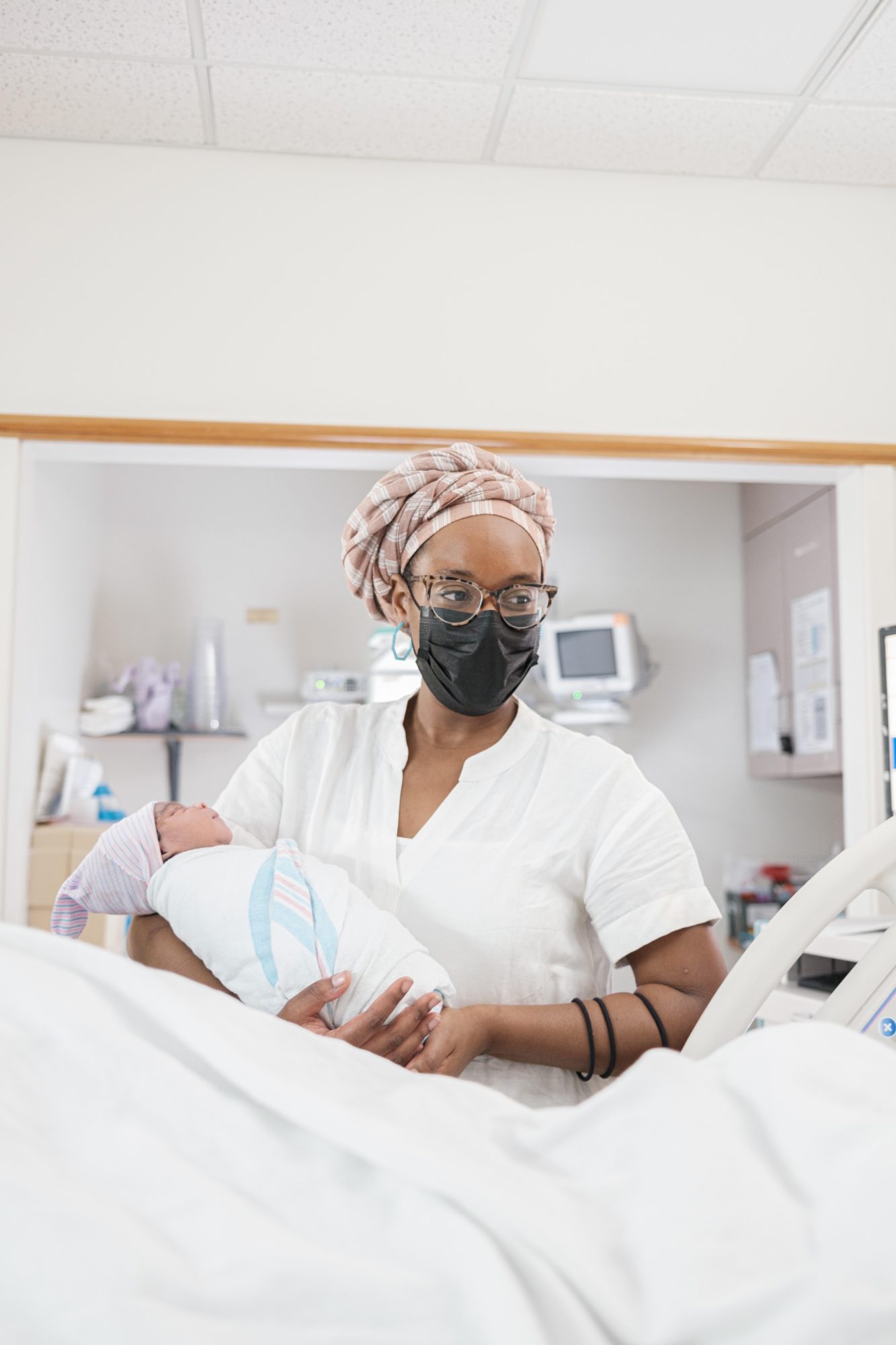
I am the founder and CEO of The Sanctuary for Integrative Medicine, or Sanctuary Medicine, as we lovingly call it. And when people ask me what I actually do, sometimes I have to laugh a little because the answer depends on what day you catch me! Some days I’m in a classroom training the next generation of doulas, helping them understand not just the physiology of pregnancy and childbirth, but how to recognize when a mother is in danger, how to advocate for someone who isn’t being heard, how to sit with a family through fear or uncertainty, and how to offer care that is deeply human. Other days I’m consulting with midwifery schools, helping strengthen their educational programs, developing curricula, building pathways for students to become skilled and compassionate birth workers, and asking difficult questions about who gets access to education and who gets to become a midwife in this country. Sometimes I’m sitting on advisory boards or working alongside researchers and healthcare institutions, having very real conversations about racism, discrimination, mistreatment, and why Black women in America are still dying from preventable pregnancy-related causes. And then there are the days and nights when I’m doing the work that first brought me into this field: sitting with pregnant mothers, listening to their stories, holding space for their fears, supporting births, answering late-night calls, and reminding women that their bodies, their voices, and their experiences matter. I’ve spent hours in rooms with women in labor, witnessing the extraordinary strength it takes to bring life into this world, and I’ve sat with families trying to make sense of healthcare experiences that left them feeling frightened, dismissed, or invisible. Those experiences stay with you. They change how you understand the world. They certainly changed me. My work has also taken me across the world, and I think that’s one of the most beautiful and unexpected parts of my journey. I’ve traveled to Bali, Indonesia, to learn from Indigenous and traditional approaches to pregnancy, birth, postpartum care, and healing, spending time in spaces where birth is understood not simply as a medical event but as something sacred, communal, and deeply connected to the earth, spirituality, and ancestral wisdom. I’ve journeyed through South Africa, learning from elder midwives, traditional healers, community leaders, and women whose knowledge has been carried through generations, often without the recognition or institutional legitimacy it deserves. I’ve walked through communities, sat in circles, listened to stories, asked questions, and witnessed ways of caring for mothers and families that challenge so much of what we’ve normalized in American healthcare. And everywhere I go, I’m asking myself the same questions: What can we learn from this? What have we forgotten? What might become possible if we stopped assuming that the United States has all the answers? How can the wisdom of midwives in South Africa, or the community-centered birthing practices I’ve encountered in Bali, help us imagine new approaches to the maternal health crisis here at home? I don’t believe we can simply take another community’s sacred practices and transplant them into our own, but I do believe we can learn through relationships, humility, reciprocity, and a willingness to question what we’ve been taught. Some of my most meaningful professional experiences have come from sitting at the feet of elders, listening more than speaking, and realizing that the people who have the most to teach us aren’t always the people with the most degrees or the most impressive titles. I bring those lessons back into the classrooms where I teach, the curricula I write, the research projects I help design, and the strategies I develop with healthcare institutions and community organizations. I’m constantly thinking about how we can make doulas stronger advocates, how we can prepare midwives to serve their communities without losing the cultural wisdom that makes their care so powerful, and how we can create healthcare systems where mothers don’t have to fight so hard simply to survive pregnancy and childbirth. And somewhere in the middle of all of this, I’m also living a very real life. I’m a Black mother raising a son, a daughter who loves and cares deeply for her family, a partner, a friend, and a woman who is still figuring things out herself. There are evenings when I’m standing over the stove cooking dinner while mentally working through a grant proposal, checking my son’s school assignments, responding to a message from a student, and thinking about a pregnant mother who needs additional support. There are nights when the house finally gets quiet and I’m back at my laptop, writing grants well past midnight, trying to secure funding for a program I know could change someone’s life. I’ve written curricula between family responsibilities, taken meetings from airports, developed program strategies while navigating personal challenges, and found myself switching from conversations about maternal mortality and national healthcare policy to making sure my son has eaten dinner and has everything he needs for school the next morning. And I want to be clear that I don’t share that to glorify being busy or exhausted. I share it because that’s the reality of building something while also being a whole person. I’m not just a founder or a public health professional. I’m a mama. I’m somebody’s daughter. I’m somebody’s partner. I’m a woman who loves her family deeply and is trying to build a life where my work and my love for the people closest to me can coexist. Some days I do that beautifully, and other days I’m learning, adjusting, and giving myself grace. I think that’s also why Sanctuary Medicine means so much to me personally. I’ve spent so many years helping create spaces where other people can feel safe, cared for, respected, and held, and somewhere along the way I had to ask myself whether I was creating that same kind of life for myself. When I talk about integrative medicine, I’m talking about looking at the whole person, not just a diagnosis or a medical chart. I’m talking about recognizing that a pregnant mother may also be experiencing housing insecurity, domestic violence, grief, chronic stress, or the overwhelming responsibility of caring for everyone around her. I’m talking about understanding that healthcare doesn’t begin and end in a hospital. It happens in kitchens, living rooms, classrooms, community centers, and sacred circles. It happens when a doula answers the phone at two in the morning, when a neighbor brings a family fresh produce, when a midwife listens without judgment, or when a mother finally feels like somebody believes her. That’s the kind of care I want Sanctuary Medicine to help make possible. And now, after spending a decade in Brooklyn and having the extraordinary privilege of learning from communities around the world, I’m back home in Michigan, bringing those experiences, relationships, and ideas with me. I want to help build stronger maternal health programs, create meaningful opportunities for doulas and midwives, support community-led research, and connect Michigan families to resources and models of care that they deserve. I want young women growing up in places like Saginaw to know that they can travel the world, become researchers, educators, healers, entrepreneurs, and leaders, and that their lived experiences are just as valuable as anything they might learn in a university classroom. And I want to be transparent that Sanctuary Medicine is still growing. We’re building, experimenting, learning, and finding our way. I’m not interested in pretending that I have everything figured out. What I do have is a deep belief in people, a lifetime of experiences that have taught me what is possible, and a commitment to making sure that the knowledge and opportunities I’ve been blessed to encounter don’t stop with me. For me, success isn’t simply about how big my business becomes or how many institutions I work with. It’s about whether a mother makes it through childbirth feeling safe and supported. Whether a doula leaves my classroom feeling confident enough to advocate for someone. Whether a student who once doubted herself discovers that she belongs in this profession. Whether a community gains the resources and power to care for its own people. And whether, at the end of the day, I can close my laptop, sit with my family, and know that I’m building something meaningful without losing myself in the process. I think the name Sanctuary says a lot about what I’m trying to create. A sanctuary is a place where you can come as you are, where you don’t have to prove that you’re worthy of care, where your humanity is recognized before anything else. I spent so many years trying to create safety, dignity, and healing for other people, and somewhere along the way I realized I was deserving of those same things. In many ways, Sanctuary Medicine is being built from that realization, too. And if I can spend my life helping create more spaces where people feel that kind of love, dignity, and belonging, I’ll consider it a life well lived.
We’d be interested to hear your thoughts on luck and what role, if any, you feel it’s played for you?
Oh, I love this question because I actually think about this a lot. I believe in luck, but I also believe in grace, divine timing, preparation, relationships, and having the courage to say yes to something before you know exactly how it’s going to work out. But when I really think about my life and the work I’m doing today, I have to acknowledge something much deeper than luck. My grandmother was a labor and delivery technician in the Jim Crow South. She was caring for mothers and babies during a time when segregation and racial discrimination shaped nearly every aspect of healthcare, including who received care, who was allowed to provide it, and whose lives were valued. And here I am, generations later, working to improve maternal health, train doulas and midwives, and help create systems where mothers and babies can experience safe, dignified, compassionate care. I don’t believe that’s a coincidence. I believe that’s legacy. I think about my grandmother often, and what it must have meant to do that work in the South during such a difficult period in our history. I wonder about the mothers she cared for, the babies she helped welcome into the world, the things she witnessed, and the stories she carried home with her. There is so much about her experience I wish I could sit down and ask her. And sometimes, when I’m sitting with a pregnant mother, supporting a birth, teaching a room full of doulas, or working with a midwifery school, I feel this profound connection to the women who came before me. It’s almost as if I’m continuing a conversation that began long before I was born. So while I believe that life presents us with unexpected opportunities, I also believe that sometimes we’re walking in the footsteps of people whose sacrifices and contributions made our own journeys possible. That understanding has changed the way I think about my purpose. I’m not simply building a business or pursuing a career. I’m carrying forward something that belongs to my family’s history, and hopefully creating something that future generations can build upon. When I think about being that little girl from Saginaw, Michigan, who wanted so badly to see the world, I couldn’t have imagined how far life would actually take me. Moving to Brooklyn was one of those leaps of faith. I didn’t have some perfectly mapped-out career plan, but I was curious, willing to work hard, and open to learning. That decision eventually led me into rooms with extraordinary leaders, organizers, researchers, philanthropists, and community advocates who helped shape the woman I am today. Some of those relationships began with something as simple as showing up to a community meeting, volunteering my time, sitting in a circle listening to people share their experiences, or saying yes when someone asked if I could help with a project. Those small moments eventually became opportunities to lead national initiatives, develop maternal health programs, train doulas, work alongside universities and healthcare institutions, and help bring resources into communities that needed them. I think about the times I was riding the subway across Brooklyn delivering diapers and fresh produce to families, never imagining that the same work would eventually connect me to national conversations about maternal mortality, healthcare policy, and community-based solutions. That’s what I mean when I talk about divine timing. Sometimes you’re doing something because you believe it’s the right thing to do, not because you know where it will lead. And years later, you realize how much that experience prepared you for something else. I’ve also been incredibly fortunate to travel internationally, build relationships, and establish maternal health work in communities across the world. I’ve spent time in Tanzania, Senegal, and Ghana, building connections, exchanging knowledge, and developing approaches to maternal health that honor the experiences and expertise of local communities. I’ve journeyed through South Africa, sitting with elders, traditional healers, and midwives whose knowledge has been passed down through generations. I’ve traveled to Bali, Indonesia, to learn about traditional and Indigenous approaches to pregnancy, birth, postpartum care, and healing. These experiences have fundamentally changed how I understand healthcare, community, and the responsibility we have to one another. I think about sitting with people halfway across the world, sometimes speaking different languages but sharing the same concerns about the safety of mothers, the well-being of children, and the future of our communities. I’ve learned that some of the most powerful solutions don’t begin in boardrooms or research institutions. They begin with people sitting together, sharing what they know, and imagining something better. And I often find myself asking how the lessons I’ve learned in Tanzania, Senegal, Ghana, South Africa, and Bali can help us think differently about the maternal health challenges we face here in the United States. To find myself walking through villages, learning from elder midwives, helping establish international partnerships, and bringing those experiences back into the curricula I develop and the programs I help build is something the little girl from Saginaw could have never imagined. And in those moments, I find myself thinking about my grandmother again. How extraordinary is it that a woman who worked in labor and delivery in the segregated South now has a granddaughter traveling across continents, learning from birth workers, helping strengthen maternal health education, and continuing that same commitment to mothers and babies? There is something deeply humbling about that for me. Those opportunities didn’t happen because I had everything figured out. They happened because I remained curious, built genuine relationships, worked hard, and was willing to step into unfamiliar spaces with humility. I’ve learned that sometimes the greatest opportunities come from being willing to listen, to serve, and to show up without expecting anything in return. But I also want to acknowledge that not every unexpected turn in my life has felt like good luck. I’ve experienced professional disappointments, personal loss, exhaustion, financial uncertainty, and moments when doors closed that I had worked incredibly hard to open. I’ve had to walk away from things I loved, reconsider relationships, and begin again when I thought I was finally finding my footing. There have been seasons when I was helping organizations secure significant funding while privately worrying about my own financial future, or celebrating a major professional accomplishment while carrying grief or uncertainty that nobody in the room knew about. Those experiences taught me that opportunity and hardship can exist at the same time, and that being blessed doesn’t mean life is always easy. Sometimes what feels like bad luck is genuinely painful, and I don’t believe we have to pretend that every difficult experience happened for some beautiful reason. But I do believe we can grow through those experiences and allow them to deepen our compassion, discernment, and understanding of ourselves. One of the greatest blessings in my life has been the people who have believed in me. I’ve had mentors, elders, colleagues, friends, and family members who saw something in me before I could fully see it in myself. People who trusted me with leadership opportunities, shared their knowledge, introduced me to others, encouraged me to apply for something I didn’t think I was ready for, or simply reminded me to keep going when things became difficult. And my fiancé, MarkTavius, has been such an important part of this chapter. He’s not only my partner in life but also a creative collaborator, thought partner, and co-conspirator in so many of my dreams. He’s helped me think through ideas, build something from nothing, and navigate personal struggles that the outside world doesn’t always see. Having someone who believes in your vision but also reminds you that you are a human being beyond your work is an extraordinary gift. I think about that often because entrepreneurship, especially while raising a family, can feel incredibly lonely at times. You’re making decisions, taking financial risks, caring for the people you love, and trying to build something that doesn’t fully exist yet. Having people who love you, challenge you, and help you carry the weight of those responsibilities is something I will never take for granted. And now, coming back home to Michigan and building Sanctuary Medicine feels like another one of those moments when faith, legacy, and opportunity are meeting. I spent ten years in Brooklyn building relationships, learning from communities, and developing skills that I didn’t necessarily know I would one day bring back home. I certainly couldn’t have predicted that my journey would take me around the world only to bring me back to the place where it all began. But here I am, building a business rooted in the belief that mothers, families, and communities deserve care that honors their full humanity. So when people ask me about luck, I think about all the people who opened doors for me, all the chances I took when I was afraid, all the times something didn’t work out, and all the unexpected ways life continued to unfold. But I also think about my grandmother. I think about the generations of women who cared for families, welcomed babies into the world, and did extraordinary things under circumstances that were often far more difficult than anything I’ve experienced. I believe in blessings. I believe in miracles. But I also believe that when you’ve been fortunate enough to gain access to knowledge, resources, relationships, and opportunities, you have a responsibility to share them. I don’t want to be the only person who gets through the door. I want to hold it open, especially for the young people growing up in places like Saginaw who have big dreams but may not yet know what’s possible for their lives. I want them to know that they can see the world, build extraordinary things, change their minds, start over, and still come home. And maybe that’s the greatest blessing of this season of my life. I get to take everything the world has taught me and pour it back into the place that first taught me who I was, while honoring the woman whose work in labor and delivery helped lay the foundation for my own. So no, I don’t think doing this work is simply a matter of luck. I think some things are inherited in ways we don’t fully understand until we begin living them. For me, this work is not by chance. It’s by legacy.
Contact Info:
- Website: https://www.sanctuarymedicine.life
- Instagram: @sevonna & @sanctuarymedicine
- LinkedIn: https://www.linkedin.com/in/sevonnambrown
Popular
-

Portraits of the Valley
-

LA’s Most Inspiring Stories
-

Greg Hex Is Turning the Everyday Kitchen Knife Into a Modern Design Object
-

Rick Norris Learned That Building a Successful Business Means Building a Life You Actually Want to Live
-
How Olivia Rush Turned Survival Into a Mission to Help Others Keep Going
-

How Bibi Goldstein Is Helping Entrepreneurs Reclaim Their Time by Embracing the Power of Delegation


