



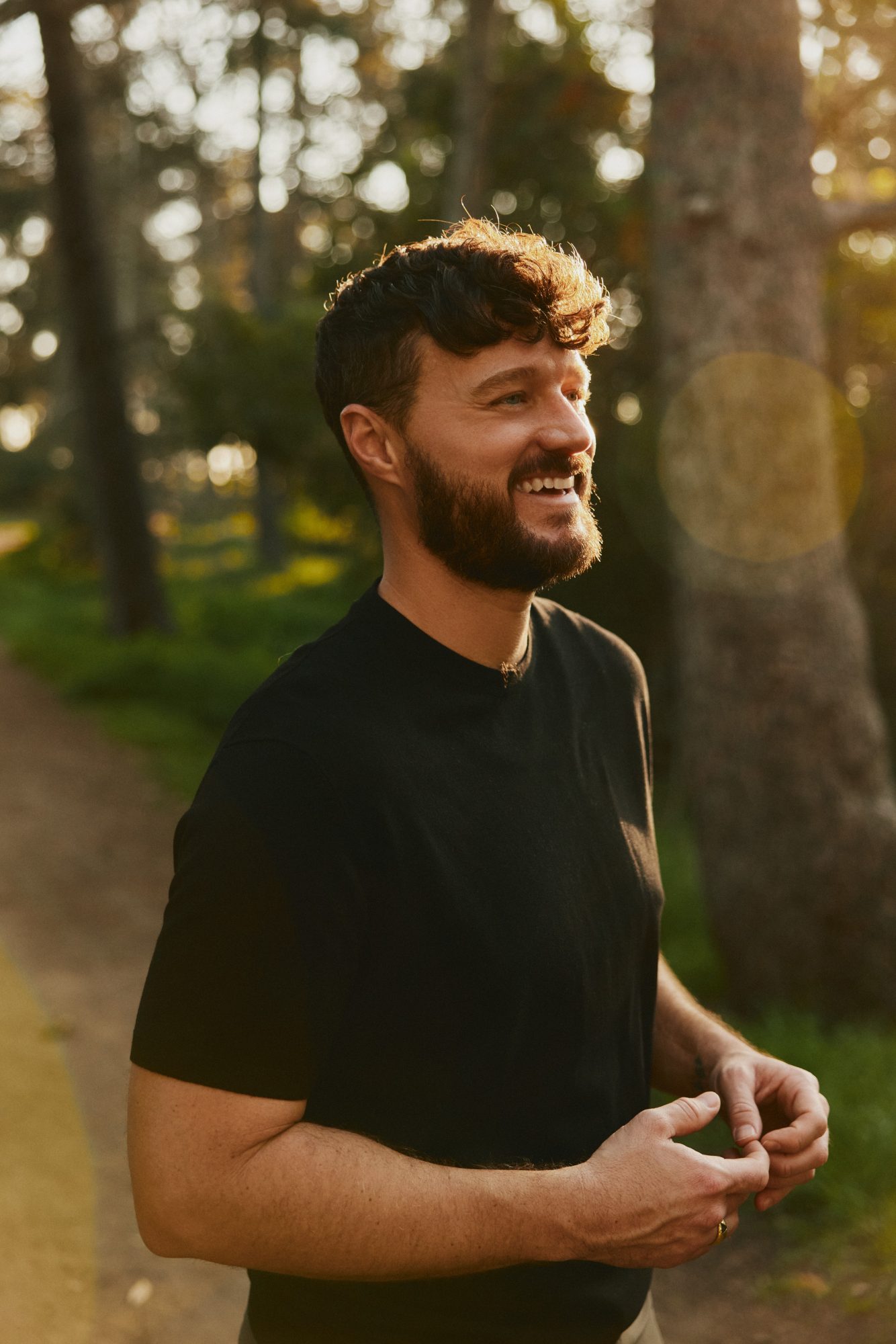
Today we’d like to introduce you to Michael Drummonds.
Alright, so thank you so much for sharing your story and insight with our readers. To kick things off, can you tell us a bit about how you got started?
I got started in the media industry pretty early. I went to the University of South Florida in Tampa, where I studied mass communications (advertising) and English (creative writing). I knew I wanted to be a writer and storyteller, but I wasn’t sure how to make a living at it, so advertising felt like the practical route.
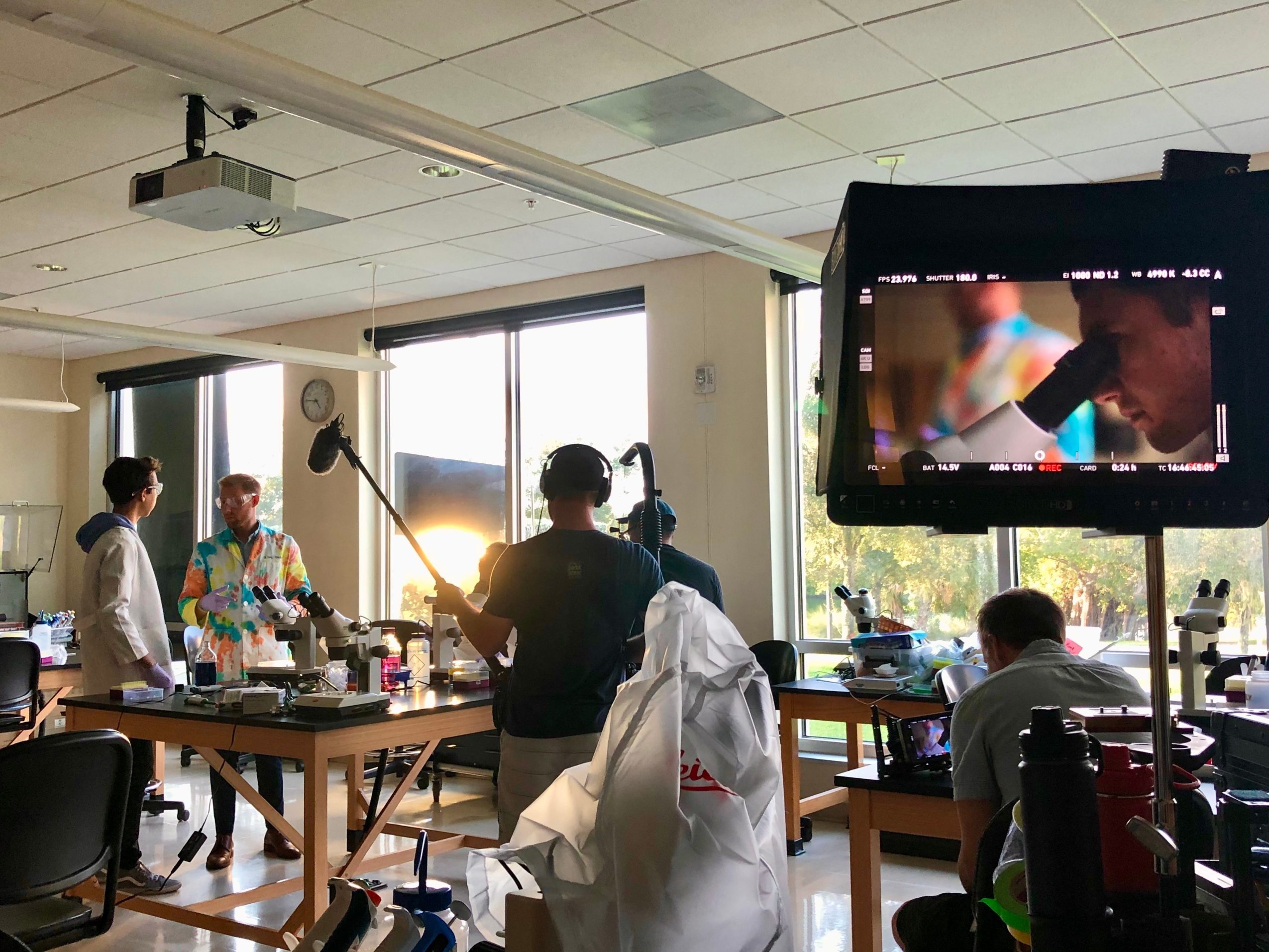
Then, around 2009 or 2010, I took a video editing course at USF taught by a producer from the local NBC station, and I absolutely fell in love. I loved that one medium could bring together music, scripting, photography, all the things I already cared about. My teacher saw me light up and saw that I had a natural talent for that side of storytelling, and she gave me my first internship at WFLA, the NBC station in Tampa. I learned everything I possibly could: being on set, editing, writing scripts, teleprompting, stage direction. I didn’t know exactly what it would look like yet, but I knew I wanted to be a part of that world.
I still loved writing, though, so after graduating I moved to New York City to get my MFA at The New School. It had always been my dream school. Growing up watching shows like Project Runway and Inside the Actors Studio, I saw it as the place where some of the best writers, artists, and musicians in the world went to learn. While I was there, I also worked in production: interning at production studios, working on the content development side of some big films, and eventually filming major events around the city, everything from the Climate March to political speakers to interactive museum exhibits. I was writing manuscripts on the side, so I got the best of both worlds.
In grad school, I wrote a young adult LGBTQ+ novel, signed with an agent, and thought I’d be a full-time writer for the rest of my life. It turns out making a living as a writer isn’t always easy, and the book didn’t sell the way we thought. I needed to make money. With an MFA I could teach at the college level, so I moved back to Florida and tried that briefly, but I missed being in the workforce and the creative grind.
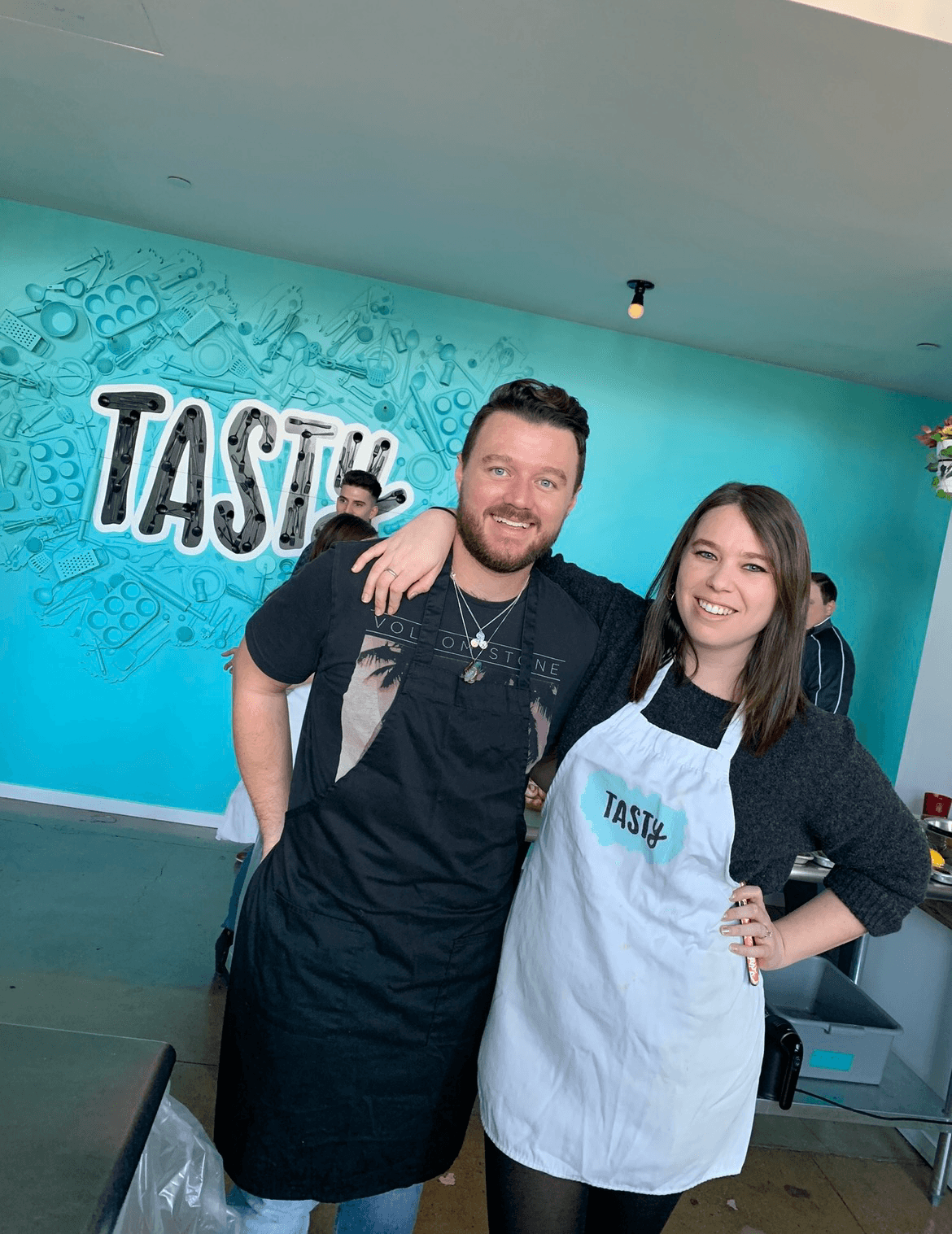
So I moved back to New York and got a job at BuzzFeed. This was pre-COVID, in the early, early days of TikTok, and it was a big shift from traditional TV and film. It was fast-paced and high-volume like my old advertising days: social media, algorithms, the psychology of attention and virality. Those years were a boot camp. When COVID hit and everyone moved online, everything you made spread like wildfire. I became a TikTok creator for BuzzFeed and for myself and gained hundreds of thousands of followers in just a few months. During my time at BuzzFeed, I made thousands of videos that racked up close to 2 billion views, and I continued to write on the side for myself. Seeing that many people consume something you created was thrilling, and making that much content was the best learning ground I could have asked for.
After BuzzFeed, I had a short stint as associate director of short-form video at XX Artists, the agency that ran YouTube’s social accounts. When YouTube launched Shorts, they needed a strategy for launching their own Shorts account, and that was part of my role. Then XX Artists was acquired by MediaMonks, and I found myself without a job.
I could have gone back to teaching, but I still felt too young for that. I felt scrappy and ambitious, and I wanted to keep learning and growing. So I started my own consulting agency, Lightquill. People I’d worked with at BuzzFeed wanted to keep working together, word of mouth spread, and soon I was helping creators and brands go viral, grow their followings, and really build brands in the digital space.
I discovered I had a real passion for helping startups. They need a strong foundation before they hire a team, or someone trustworthy and experienced to guide the team they’re building: clear messaging, a true north for their content, core values, and core content pillars. I saw so many startups struggling with that. Over time, I found my lane helping CEOs and founders, of both new and established companies, build their own personal presence, because nowadays a founder’s Instagram can be almost as important as the brand’s. I help them build out their content and their own series, and I’ve helped creators land brand deals and sponsorships and turn their social media into a real business.
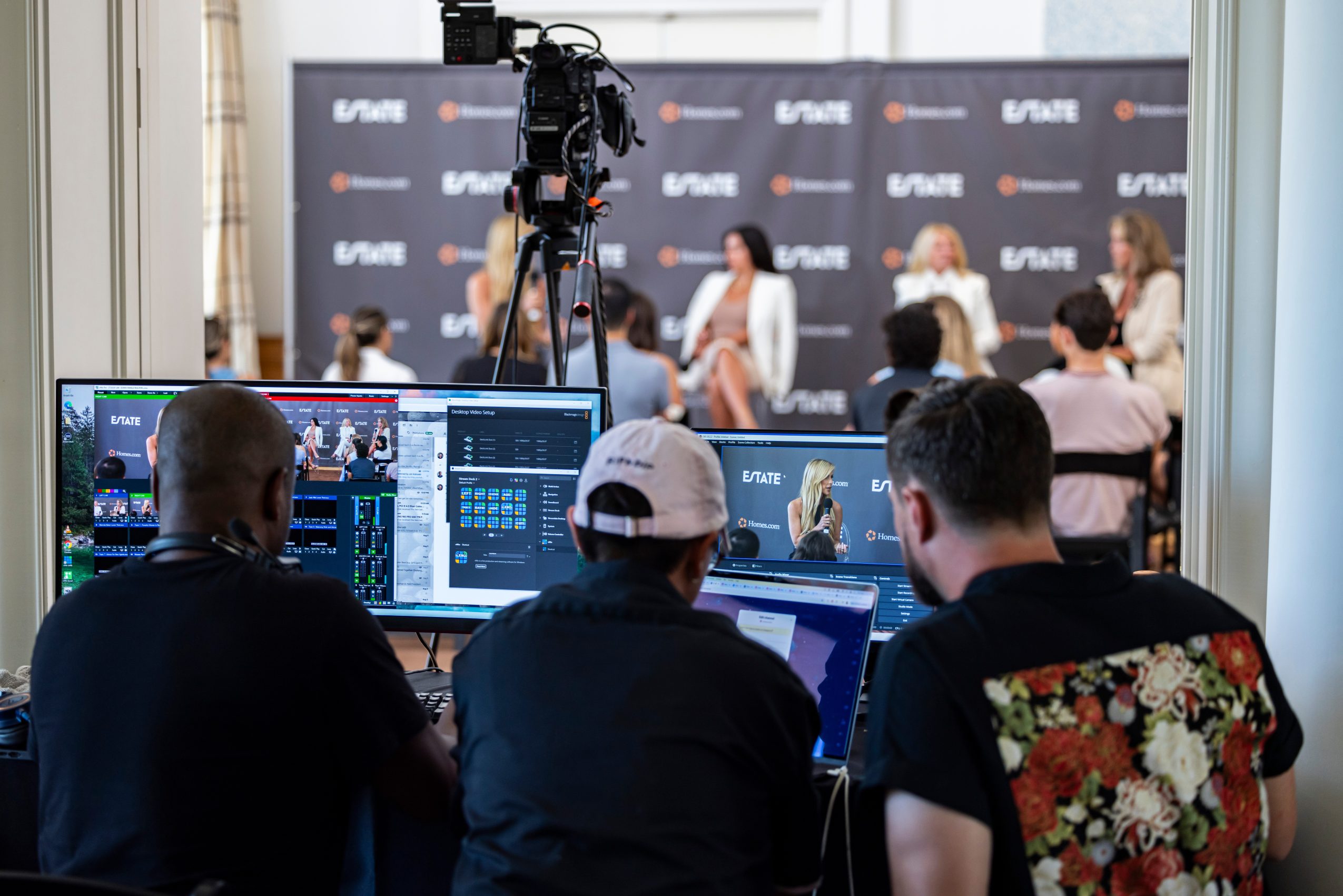
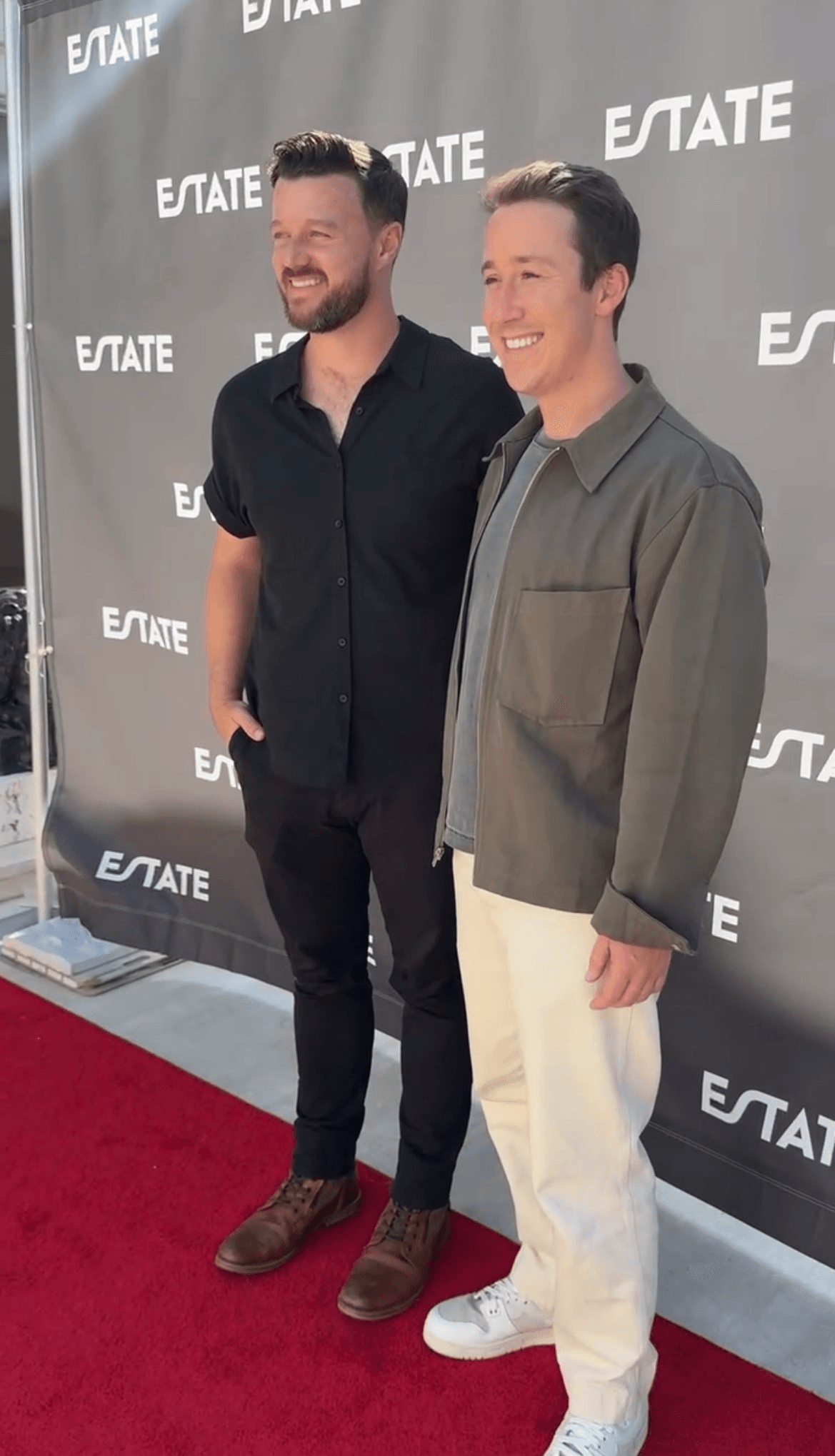
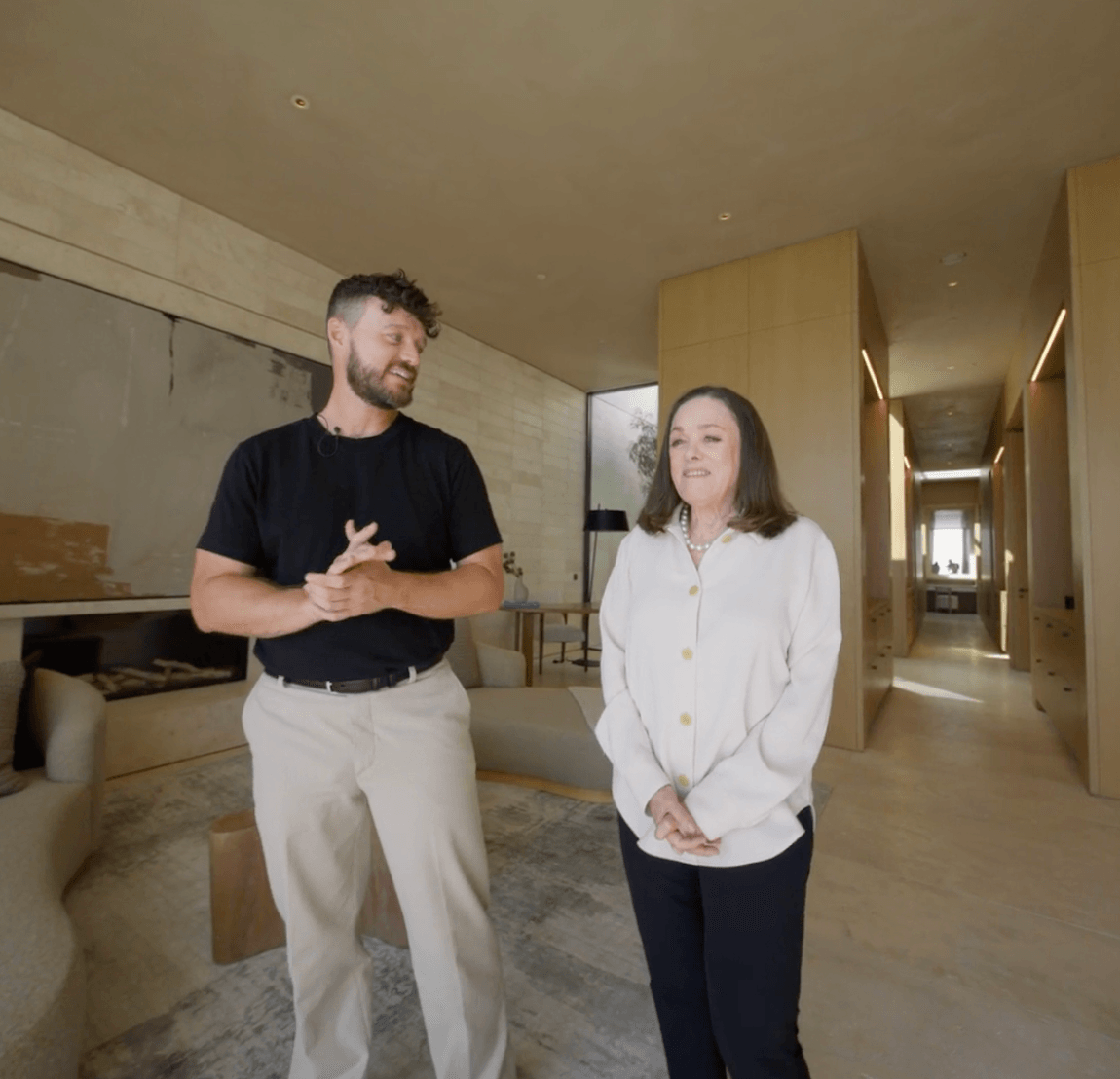
One of my clients was Estate Media, a media company founded by Josh Flagg from Bravo’s Million Dollar Listing. After about a year of consulting, they asked me to come on full-time and run their content division as CCO. So I moved to Los Angeles, and I still run Lightquill alongside it. These days I spend a lot of time in big, beautiful homes with reality stars, and also with founders figuring out how to build the foundation for their social media and establish their own presence.
I’ve been in this industry a long time now, and with my background in storytelling, connecting with people through content is what I love most. All told, I’ve produced or consulted on content that’s reached more than 5 billion views, generated millions of dollars in revenue and brand deals, and built millions of followers across channels for my clients. It never stops surprising me the impact that good storytelling and branding can make, and I’m incredibly grateful for the people who have helped me along the way. It’s been so meaningful to watch smaller creators and new founders grow, and it’s incredibly satisfying to know my experience is helping people build their careers and businesses. Most of them struggle with how to introduce themselves to a digital world and establish a community and share their own story. All that to say, storytelling will always be at the heart of what I do. Whether it’s my own or my clients’, it’s something I really love. Nothing beats connecting with people and creating something we’re all proud of.
Can you talk to us a bit about the challenges and lessons you’ve learned along the way. Looking back would you say it’s been easy or smooth in retrospect?
It definitely wasn’t always a smooth road. There were a lot of challenges along the way, including a couple of layoffs that set me back and made me question whether I wanted to stay in this career at all.
Then there was that first manuscript, the one I signed with a big New York agent. We had the fancy lunch, signed the contract, and it never sold. It got close to 50 or 60 rejections from major editors, and almost all of them said they loved it but just didn’t have room for it. Selling an LGBTQ+ young adult sports romance nearly 12 years ago wasn’t common. The publishing world is much more open now, but back then publishers were much stricter about what kinds of titles they put out, especially for teens.
I had poured my heart and soul into that book, and when it didn’t sell, I took a complete break from the writing world. I was disheartened and doubtful. All the dreams I’d worked so hard toward seemed to be slipping away, and I questioned everything. So I shelved the writing dream for a while and focused on the doors that were opening, which at the time were BuzzFeed, social media, and digital media. That’s how I discovered I could still tell stories and still write, just in a different medium. And it turned out to be a lot more fun than I expected. It was also a lot more social: the people I met, the communities I helped build, the connections I made.
Ironically, stepping away from publishing is what brought me back to writing. I assumed I might never be a published author, but I was already a well-respected producer, and I decided that could be enough. So I started writing just for myself, essays, new books, new manuscripts, with no expectation of anyone ever reading, buying, or publishing them. As a result, it’s been some of my best work. I share it with smaller circles, and I recently did a writer’s residency where I got to share some of what I’d been working on in secret for the last decade. I’m still figuring out what to do with all these manuscripts I have now.
The layoffs were their own kind of hard. After the last one, I applied to hundreds upon hundreds of jobs, and every door kept closing. I’d go through three, four, five rounds of interviews and still not get the offer. I was exhausted, and finally I hit a point where I thought, this is a waste of my time and energy. If I put this much effort into starting my own business and making my own content, I’d be so much further along. So that’s what I did, and that’s how my consulting business started.
I know a lot of people in the industry are in that situation right now, spending hundreds of hours trying to land interviews. If you’re having that same thought to maybe carve your own path, listen to it. I wish I’d started taking control of my own life and looking into entrepreneurship sooner. And I wish I’d had that same belief when it came to my writing. My goal was for that first book to be one of the first gay teen tennis love stories to be published. If I had self-published it back then, maybe things would have turned out differently, but I just didn’t have the confidence at the time.
I still don’t know if that first manuscript will ever sell the way I once imagined. But during those years of rejection and pivoting, I built a confidence in myself, as a person and as a creative, that I never had before, and that’s a big part of what’s helped me succeed in my business. There’s something really beautiful about being put in a pressure cooker like that. Adversity forces you to go inward and ask: Is this what I want to do? Does it matter to me? Is it meaningful? Is this how I want to spend my time? If the answer is yes, then it’s worth it, no matter what.
As cliché as it sounds, when one door closes, another one opens, and sometimes you have to be the one to build that open door. Looking back, I’m grateful for every closed door, because they forced me to believe in myself and bet on myself. Now that I’m older and I’ve been through all of it, that’s a bet I’d take every time.
Appreciate you sharing that. What should we know about Lightquill?
My business is called Lightquill, and I focus on building a digital presence for startup founders and their businesses. Nowadays, a CEO’s or founder’s social media accounts are just as important as their brand’s.
A lot of the founders I work with need to establish a foundation first: getting clear on their bio lines, brand positioning, mission statements, brand pillars, and the content pillars and series they want to build around. Many of them also need trustworthy, experienced guidance on how to build a content team, what work structures to put in place, and how to make revenue, whether that’s passively through the platforms or through brand deals and sponsorships. Content teams are the new marketing teams, so it’s really important to understand how you want to introduce your brand to a public audience. What tone do you want your content to have? What do you want people to think of when they think of your business?
I also work closely with the personalities behind the companies: founders, CEOs, and executives whose businesses may be more established, but who understand that in today’s world they need a social presence of their own. Many of them are brilliant business people whose brains go a mile a minute, and they don’t know how to hone their story down, communicate with a digital audience, and build communities that are emotionally resonant. Doing that elevates the brands and products they’re selling, but even more, it builds trust in the people behind the brand.
I’ve always loved supporting creators and artists, too. When I was at BuzzFeed, we sourced talent from across the platforms and did spotlight features, cover stories, and interviews, and I really loved that side of the work. One creator I worked with there was Shereen Pavlides, a TikToker who made Italian cooking videos at home and had a really cool story. We helped get her content out through BuzzFeed, and she eventually landed a book deal. I got to write the blurb on the back of her first cookbook. That was so meaningful to me, feeling like I was actually helping someone’s career grow.
That’s always been the heart of what I do. I want to help people put their work out into the world, share their stories and why they do what they do, and build something sustainable from it. Many people just chase virality and want views, views, views, but that’s not what it takes to build a real brand. Views were never the point. Loyalty, trust, and community are. You need clear messaging and positioning, a real personal brand, and the connections that lead to partnerships.
I bring everything I’ve learned to that work: my time at BuzzFeed and with YouTube’s teams, plus my background in traditional television, film, and advertising. Across my career, I’ve produced or consulted on content that’s shaped global conversations and built massive communities and brands. One founder I worked with for three years went from having no content team to a full team, more than 3 million followers across their channels, 50 brand partnerships, and over 350 million views. There’s really never been a better time to be a founder, a creative, or an entrepreneur and build a real presence online.
I offer a few different ways and packages to work together, depending on where someone is and what their needs are:
My Brand Foundation program is a 90-day advisory engagement with weekly strategy sessions, where we build your brand identity, content pillars, repeatable formats, and playbook, and your team executes alongside me.
Fractional Content Lead is my post popular package. It’s a monthly retainer for founders who want ongoing executive content leadership after their foundation is in place.
I’ve also got a Done-For-You program for founders who want me to lead the whole thing, along with my own producers and editors.
And for speaking or teams, my Pillars of Viral Content workshop is a four-hour masterclass for content teams and execs, with a recording and workbook they can keep using.
I also offer account audits and strategy reports that give an in-depth look at what’s working on each of your channels and what to do next.
And for anyone who wants to start on their own, I’ve written two books. Signal Over Noise is my comprehensive guide for founders who need to be seen. It walks through building a brand foundation, a content system, and a team, with workbook exercises and my full template pack. From Views to Loyalty is my fast-track ebook and workbook for anyone who’s getting views but not the followers, sign-ups, or sales they want. It’s packed with quick wins you can use right away.
I know that’s a lot of offerings, but there’s something for everyone. My packages all came out of needs from my clients or requests. I love helping people in this space, and theres a lot of “content coaches” out there who don’t actually have the big brand experience or long-term business building strategy, so I want to be able to offer my own insights to as many people as I can.
I’m genuinely excited every time I get to start with a new client no matter what stage they are at. There’s nothing like watching someone find their voice and see their business grow because of it. I like working with people who are committed and serious about what they do, and if that’s you, I’d love to hear from you.
What were you like growing up?
Growing up, I was insatiably creative. We have a home video of me at Christmas as a toddler where I open a present and find a blank drawing pad and a pack of pencils. I immediately run to the corner of the room and start drawing and writing on every page, completely uninterested in any of the other presents. I think I had an innate sense for storytelling and creativity from the very beginning. My mother and I would do arts and crafts in our dining room late into the night. I drew, I painted, I wrote. Anything creative, I found interesting.
I was naturally more introverted as a kid, a little shy and insecure. But when it came to creating, I could get out of my own way and out of my own head and just express myself. I was also a very introspective child. I loved deep conversations, hearing people’s stories, and real, intimate connection. I wanted depth in everything I did.
My number one passion, though, was always tennis. I grew up in tennis academies. As soon as school let out, I’d head to the courts and play for hours, and in the summers I was at academy camps playing eight hours a day. I think I was drawn to tennis because you’re actively involved in every single point. You have to learn how to talk yourself out of bad headspaces and be your own best supporter. You’re the one responsible for whether you succeed or fail, and I loved that sense of self-ownership. To this day, tennis is still my first love.
I spent a lot of time outdoors, too. Tampa was such a joyful place to grow up for a kid with a mind like mine. We had theme parks, the beach, and every outdoor activity you could want, and I loved being out in the sun and nature. I also loved to read, go to the movies, and soak up anything to do with arts and culture. When I think back on my childhood, I’m really grateful for where I grew up, because there was so much at my fingertips.
I was also drawn to spirituality from a young age. I loved learning about other people’s cultures and belief systems, and I always felt deeply connected to the world around me. It wasn’t until I got older that I came to see creativity and nature as their own forms of spirituality. But looking back, I think I always had an adventurous, curious spirit, and an insatiably creative one.
Contact Info:
- Website: https://www.lightquillproductions.com/
- Instagram: https://instagram.com/michaeldrummonds
- LinkedIn: https://www.linkedin.com/in/michael-drummonds-432a3b17
Popular
-

Portraits of the Valley
-

LA’s Most Inspiring Stories
-

Greg Hex Is Turning the Everyday Kitchen Knife Into a Modern Design Object
-

Rick Norris Learned That Building a Successful Business Means Building a Life You Actually Want to Live
-

How Olivia Rush Turned Survival Into a Mission to Help Others Keep Going
-

How Bibi Goldstein Is Helping Entrepreneurs Reclaim Their Time by Embracing the Power of Delegation


