




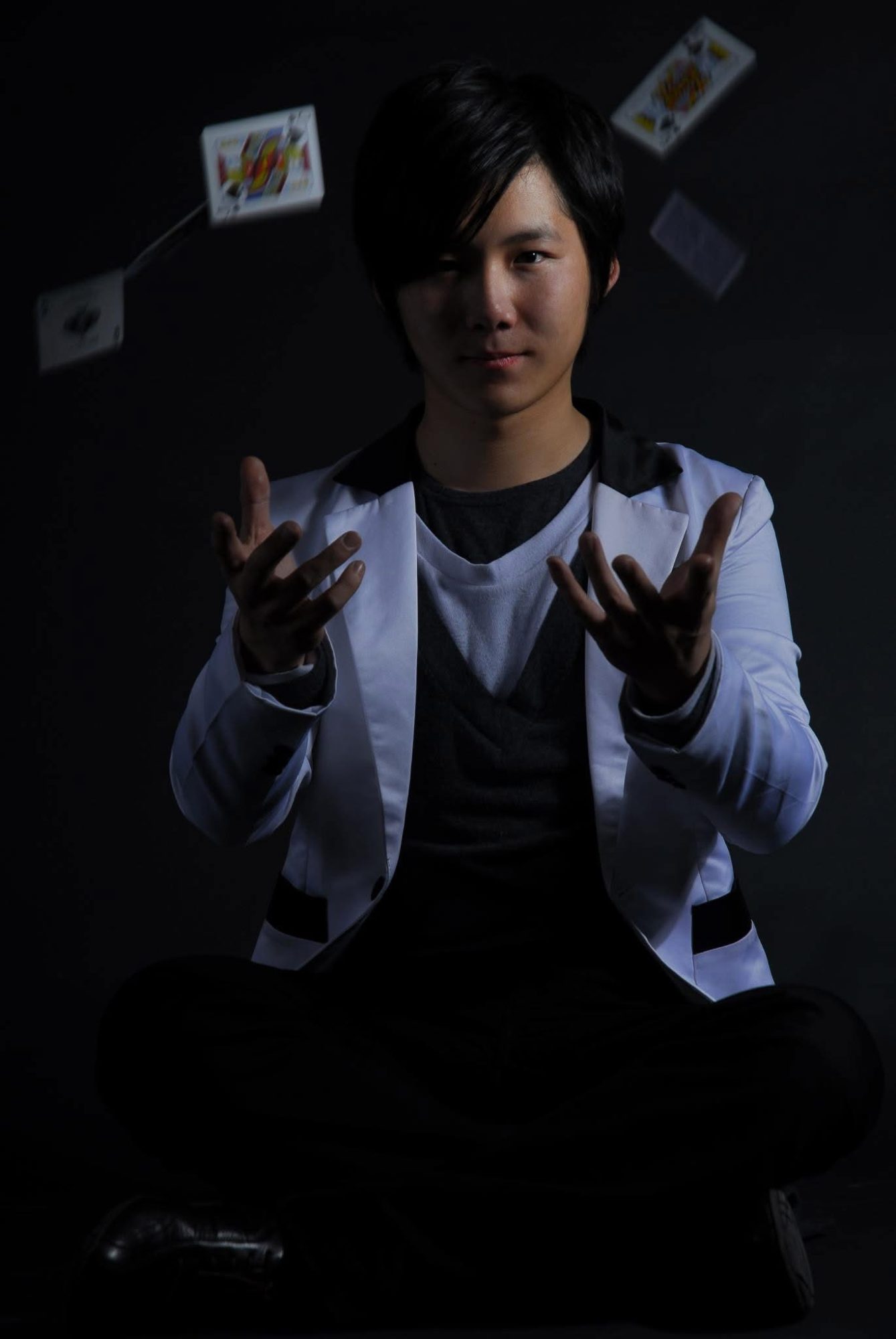
Today we’d like to introduce you to You Chen Zhang.
Hi You Chen, thanks for sharing your story with us. To start, maybe you can tell our readers some of your backstory.
My journey into design began with magic—literally. Born in China and transplanted to Montreal at twelve, I grew up in a household where science and logic reigned supreme. The arts were a detour, an unexpected leap from the roadmap my doctor and engineer parents had quietly drawn. But in high school, everything changed: I began performing magic and fell in love with crafting moments of wonder, inviting people to suspend disbelief and step into another world.
As a performer, I became increasingly curious about the space around me. I looked at the empty stage behind me and imagined how it could become part of the performance. When I applied to Concordia University’s theatre design program, I brought a video of my magic performance to the interview. I didn’t have a design portfolio yet, but I had an idea: one day, I wanted to perform on a stage I designed myself. That curiosity sparked my career in scenic and lighting design.
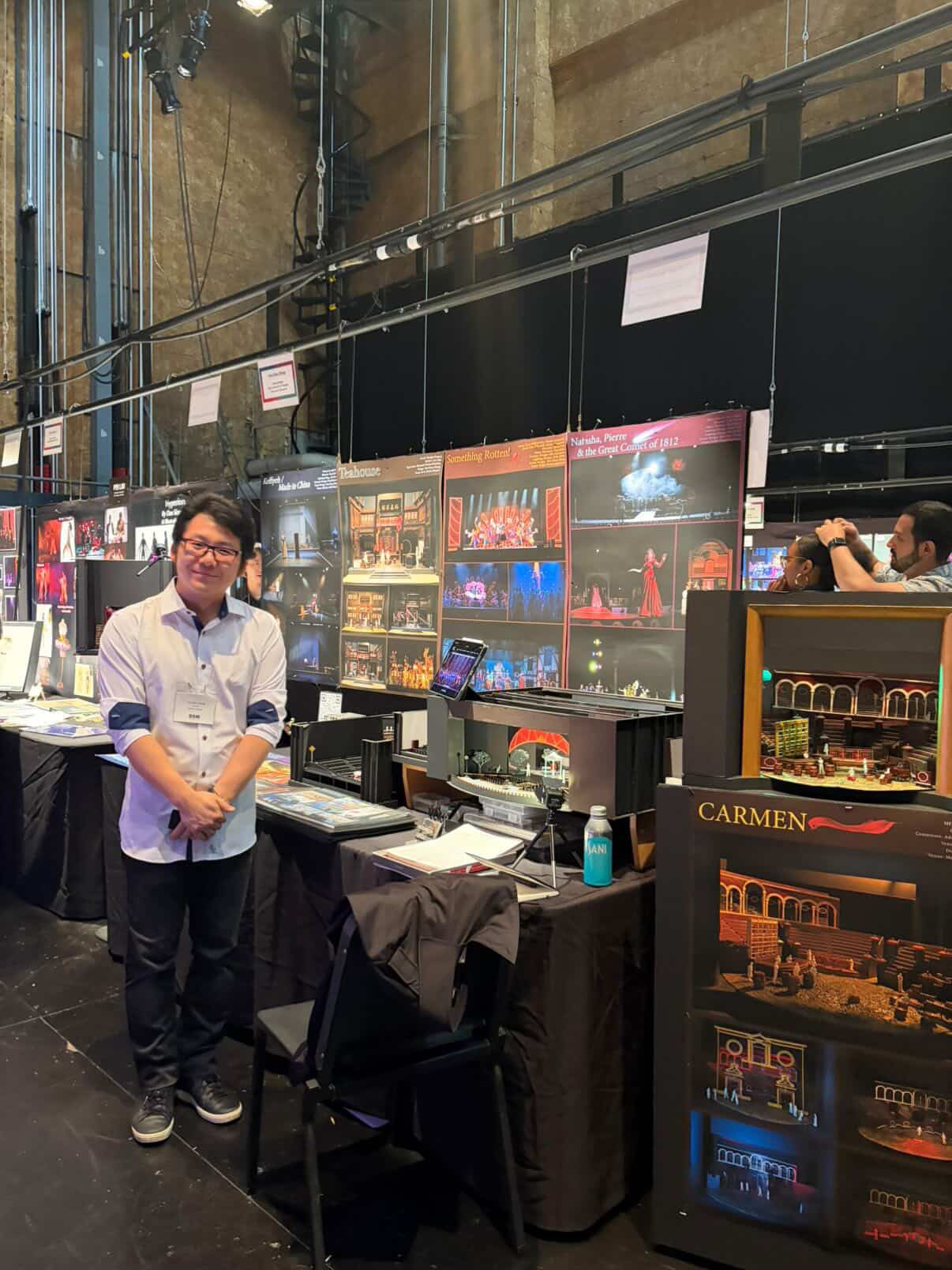
At Concordia, I learned how to turn an idea into a physical space through research, drawing, model making, and collaboration with production teams. I also began designing for productions in Montreal, including Alice in Wasteland, Sweet Charity, and Carrie: The Musical. An important turning point was my design for Lao She’s Teahouse, which I developed as a graduation project. It brought together my Chinese cultural background and my theatre training in Canada. It helped me think more deeply about how a space can communicate history and emotion to audiences from different backgrounds.
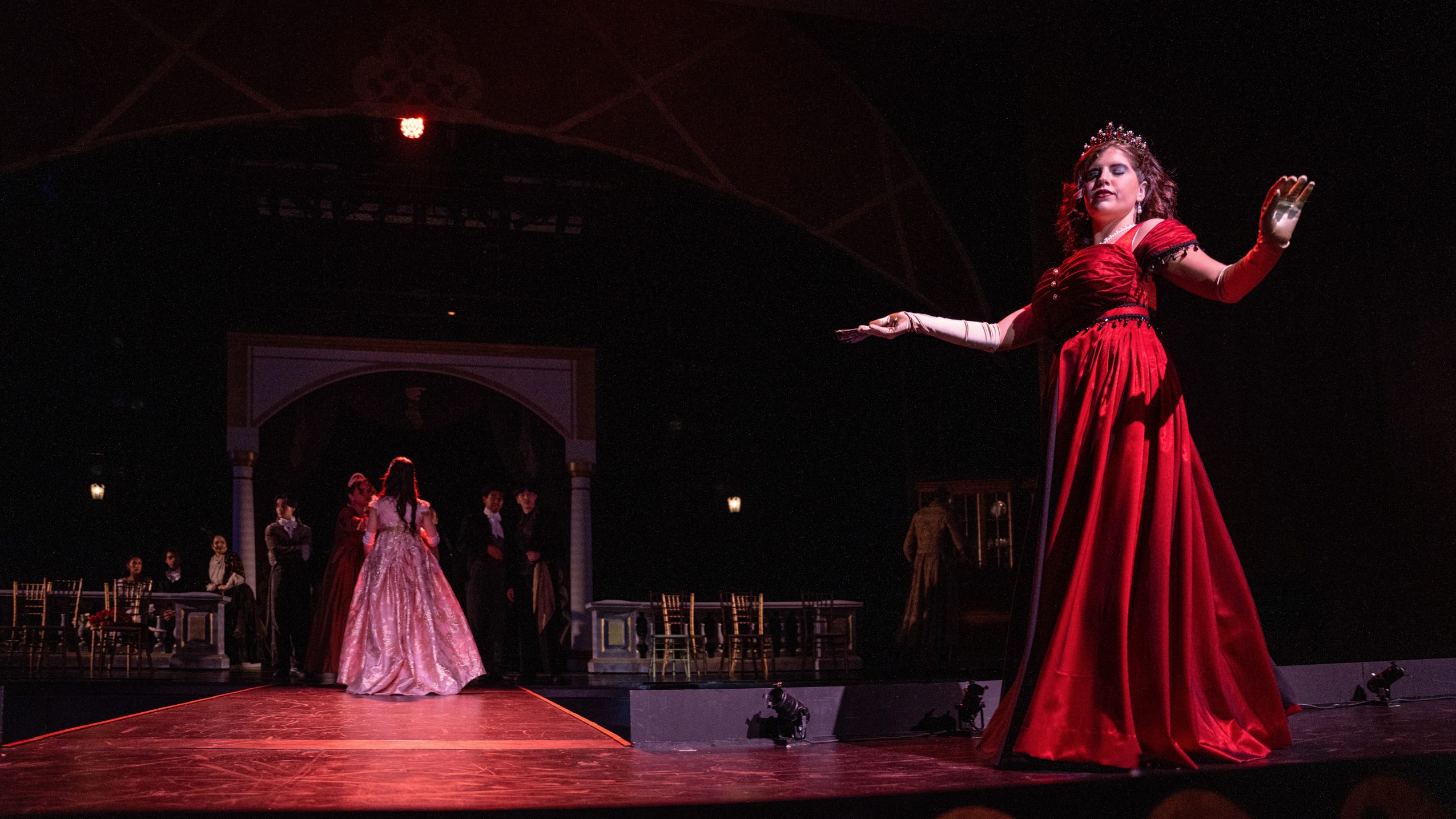
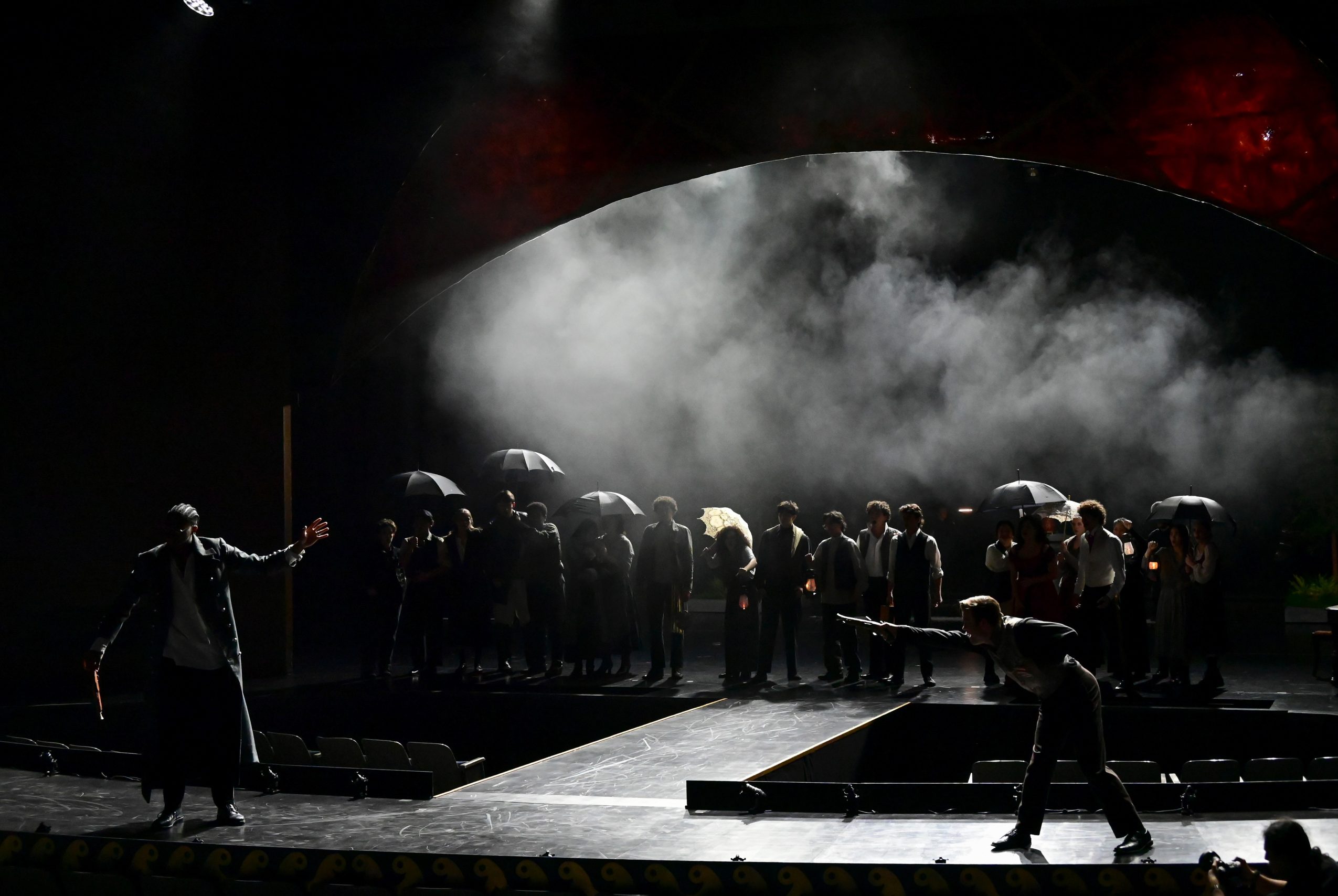
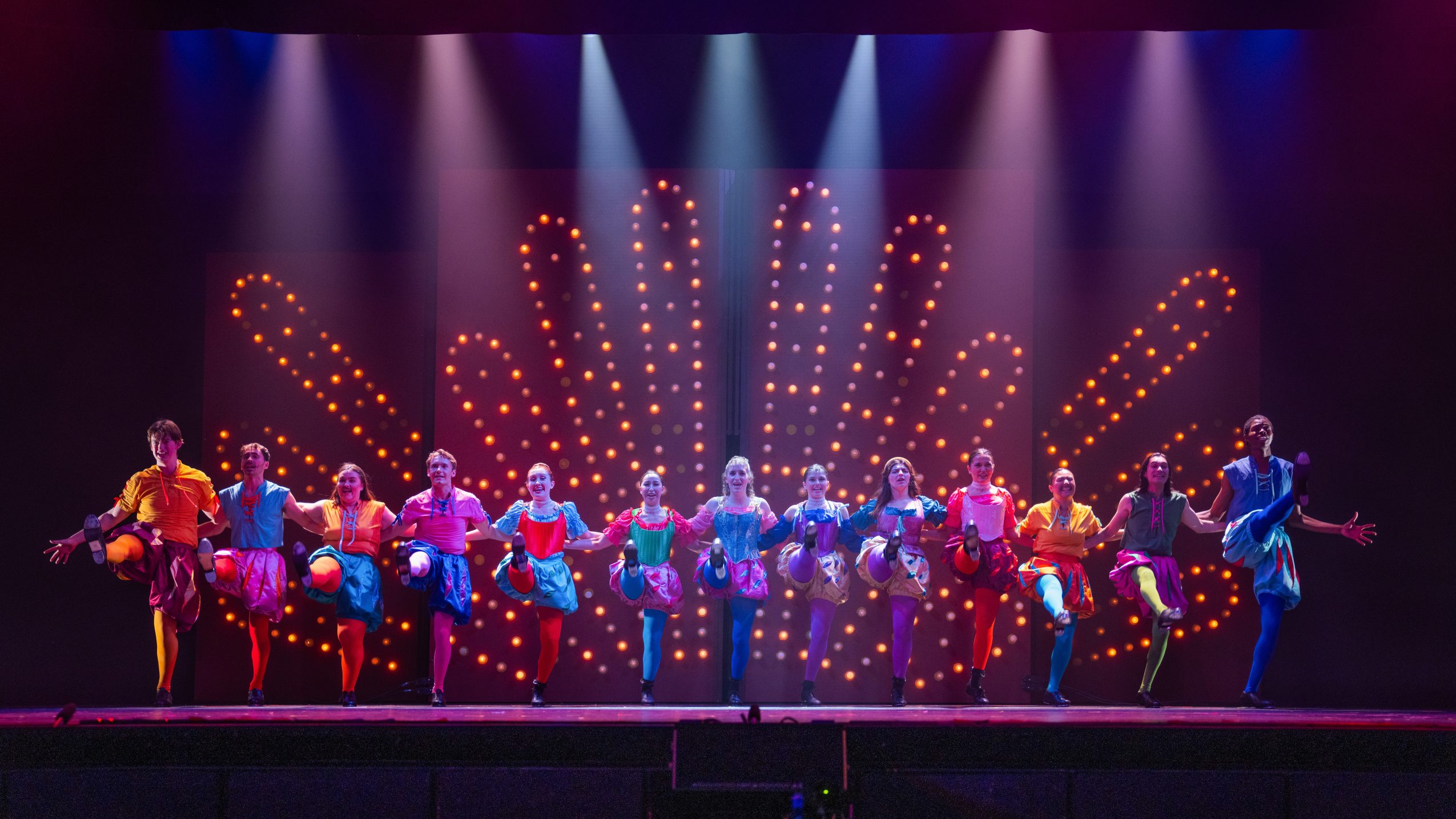
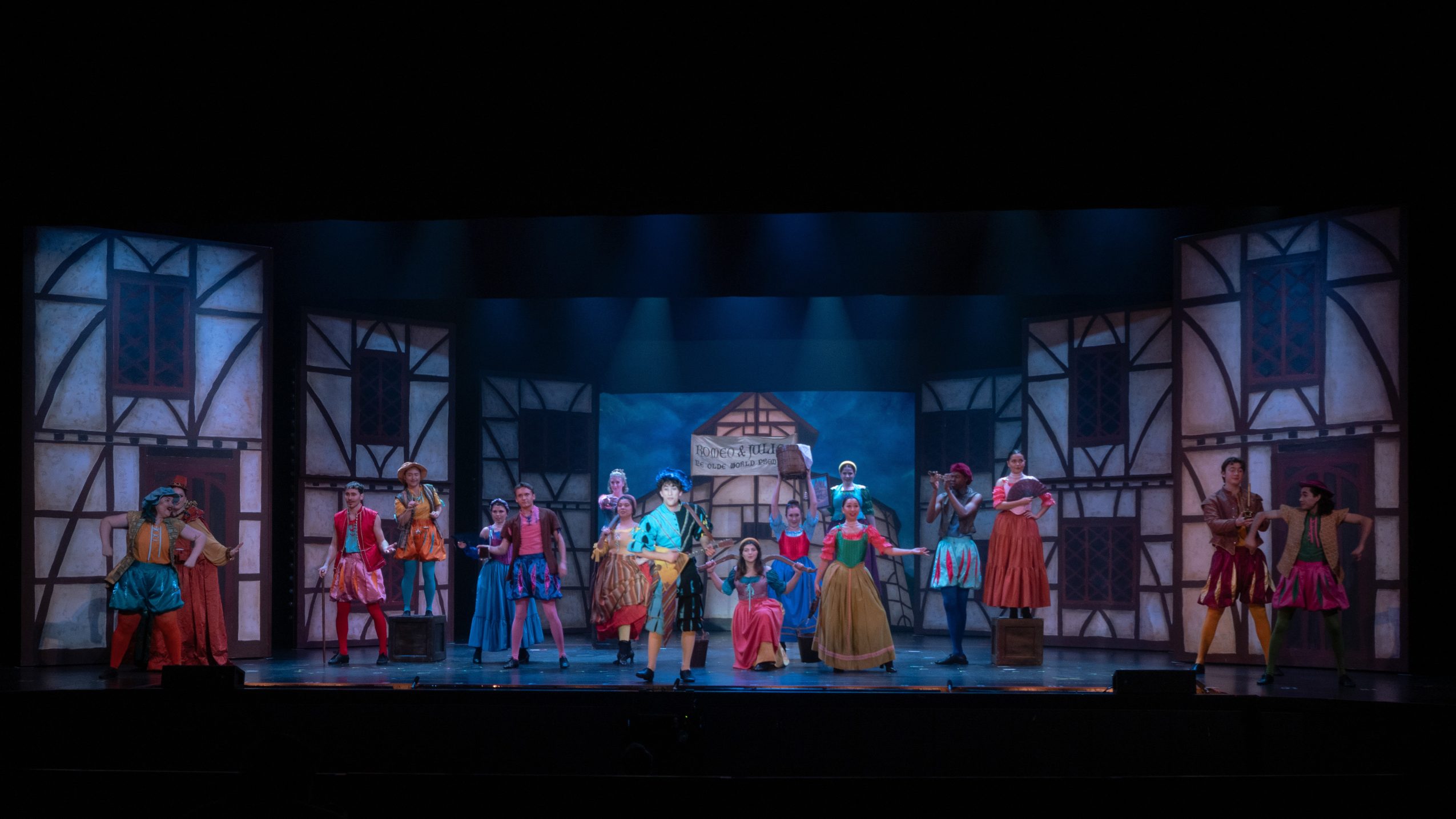
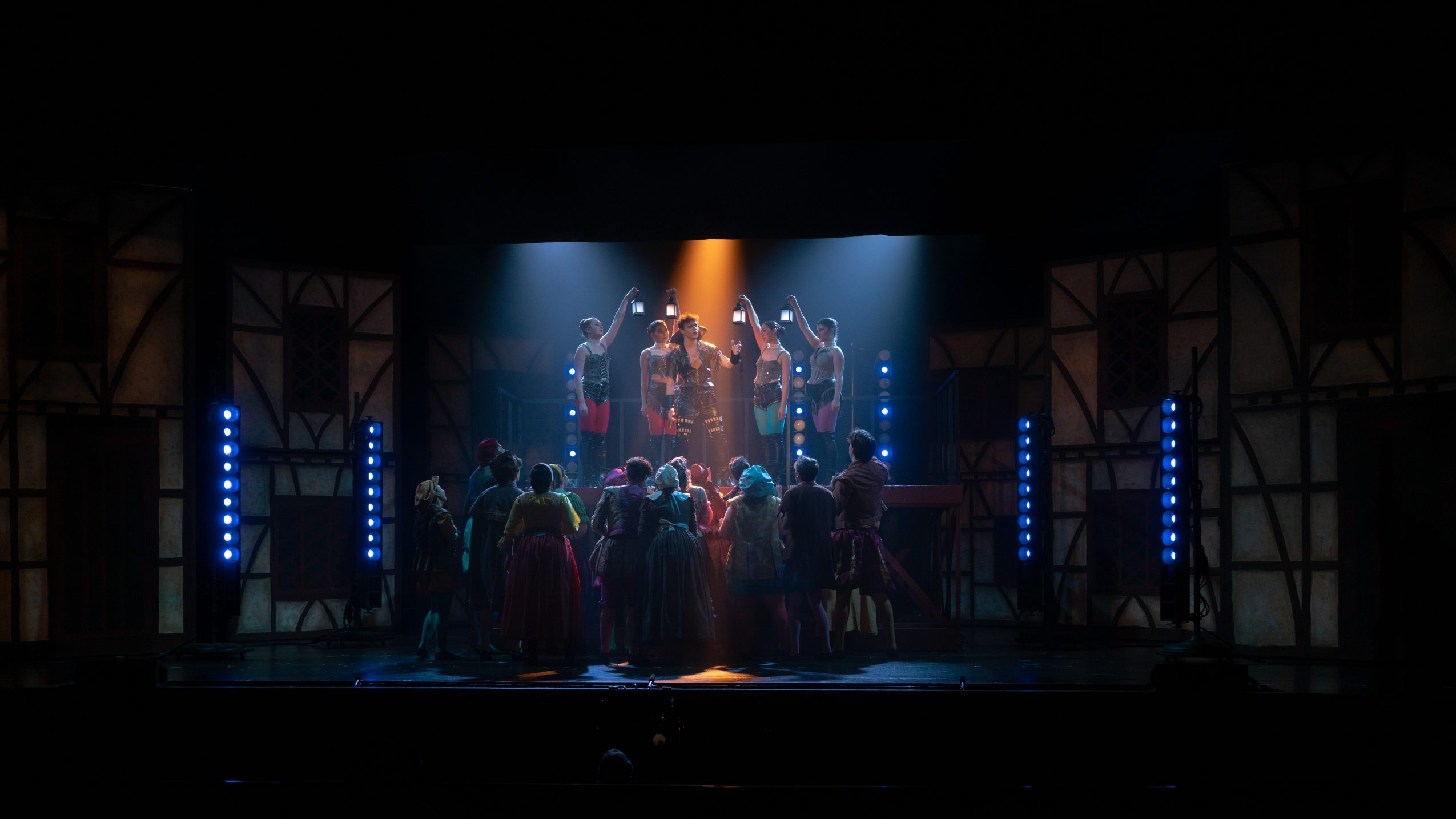
In 2022, I packed up and moved to Los Angeles to pursue my MFA in Scenic and Production Design at UCLA. There, I designed productions like Keffiyeh/Made in China, Something Rotten!, and Natasha, Pierre & The Great Comet of 1812. Each was a new playground that pushed my creativity, whether through whimsical scene changes or blurring the line between audience and performance. Designing for student thesis films also opened my eyes to storytelling through the lens of a camera, adding new dimensions to my craft.
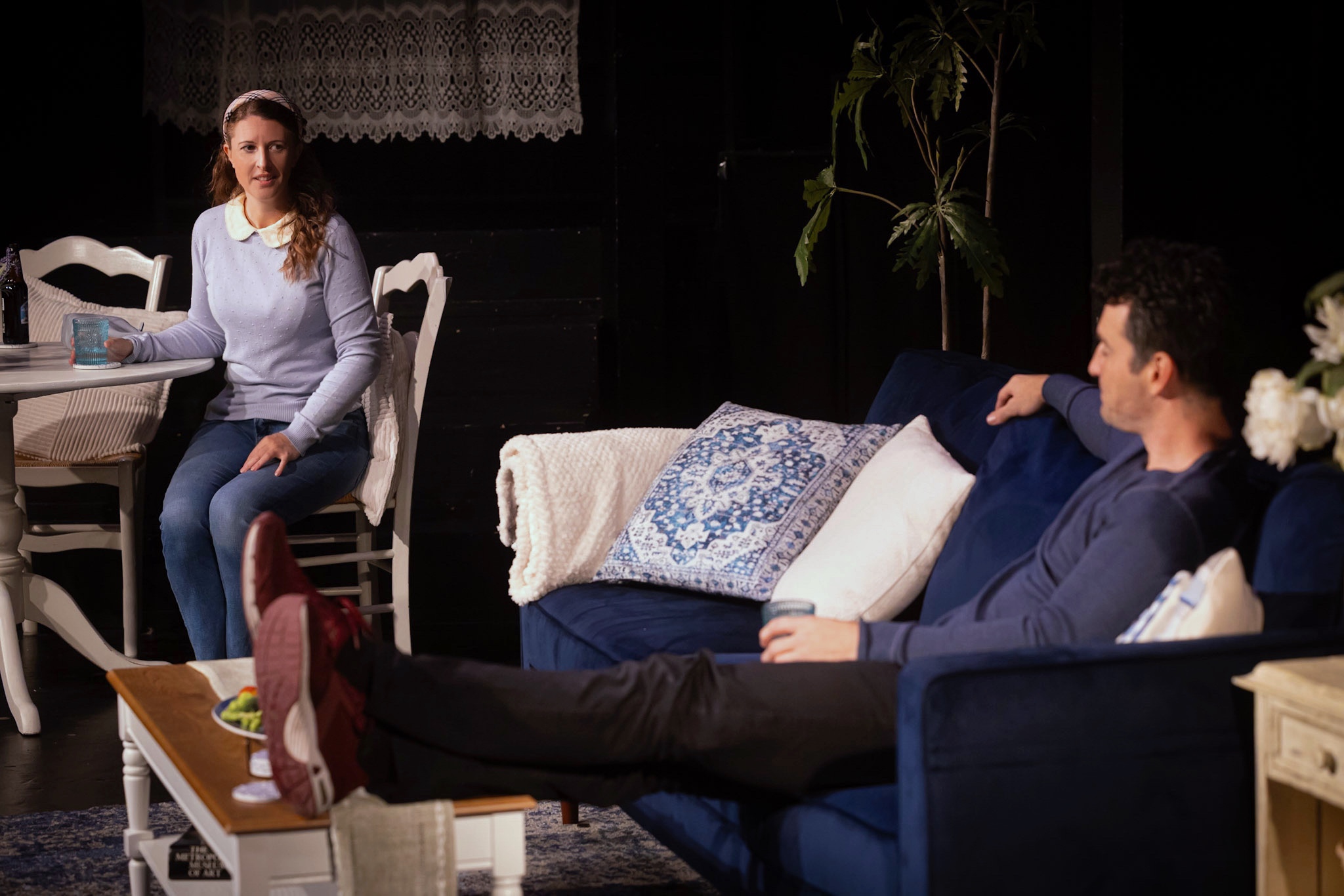
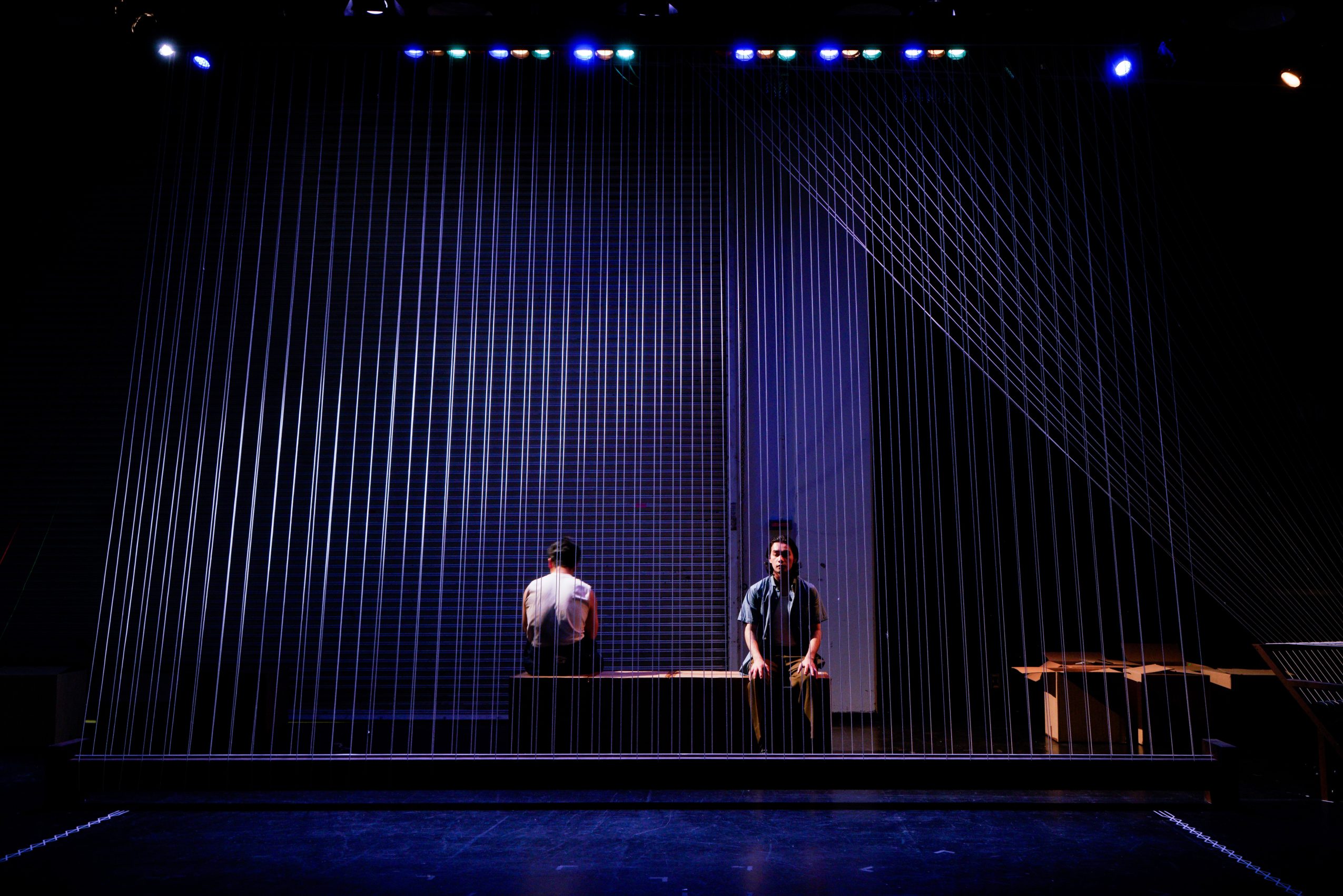
A particularly meaningful milestone was co-designing The Opposite of Love at the Hudson Theatres in Hollywood, which earned me the 2025 BroadwayWorld Los Angeles Award for Best Scenic Design. Immersed in this intimate, two-person play, I came to appreciate how the subtlest choices—textures, shadows, the way light grazes a wall, can amplify a story’s emotional heartbeat.
Since completing my MFA, I’ve kept chasing new creative horizons—working as associate set designer for Pericles at Boston Court Pasadena, assisting Adam Rigg on Lincoln in the Bardo at the Metropolitan Opera and The Whoopi Monologues at Lincoln Center Theater. I’ve also returned to Montreal for lighting design work and become the resident designer at Rise Theatre.
Looking back, I can still see the connection to magic: I’m interested in how an audience’s attention, imagination, and emotions respond to what they see. Today, I explore that through spaces, materials, and light, working with other artists to create worlds that help a story come alive.
Would you say it’s been a smooth road, and if not what are some of the biggest challenges you’ve faced along the way?
It hasn’t been a completely smooth road. One of the first challenges was finding the confidence to pursue a career quite different from what my family and I had initially imagined. I first tried studying business, but after a semester, I realized it wasn’t the right fit. Choosing theatre design meant committing to something I was curious about before I fully understood what a career in it could look like.
Language and cultural differences have also been part of that journey. I moved from China to Montreal when I was twelve, and French is the main language there. I was growing up between Mandarin at home, French in the wider community, and English in other educational and social settings. Later, moving to Los Angeles meant adapting again, this time to an American academic and professional environment.
Speaking a language is one thing; expressing a subtle creative idea in it is another. In design, you need to explain an atmosphere, interpret a script, and understand what a collaborator means when they describe a feeling. Cultural references and ways of communicating can differ, too. Those experiences taught me to listen carefully, ask questions, and use research images, drawings, and models to help build a shared understanding. They also made me more conscious of how audiences with different backgrounds might experience the same production.
The pandemic brought another period of uncertainty. Theatre closures interrupted opportunities to work and made it difficult to imagine what the next stage of my career would look like. During that time, I focused on developing my portfolio and preparing for graduate school. Continuing my education gave me a direction when many things felt unsettled.
At UCLA, I also kept returning to a question that had begun during my undergraduate studies: what makes a design feel like mine? With a background spanning China and Canada, I wanted to understand how those experiences could inform my work in an American theatre context. Over time, I became more comfortable allowing my background to influence how I think about space, composition, and atmosphere. I began to understand that my cultural identity could be present in the way I approached a story, even when its setting was far removed from my own experience.
There have also been practical challenges within productions. A concept may need to evolve because of the available space, budget, or construction schedule. Learning to revise thoughtfully, communicate clearly, and preserve the choices that matter most to the story has been a significant part of my growth.
I’m still early in my career, and building a practice across different cities takes patience. What has helped me most is staying curious, being dependable, and being willing to ask questions. Each new environment has required adjustment, but it has also expanded the ways I can understand a story and work with other people.
Thanks for sharing that. So, maybe next you can tell us a bit more about your work?
I’m a scenic and lighting designer working across theatre, musicals, and opera, with additional experience in film production design. I create the visual and physical world of a story, from its spatial arrangement and materials to how it transforms through light and performance. My process combines research, sketches, models, and technical drawings with close collaboration throughout production.
I’m particularly interested in the relationship between performers, space, and the audience. A room’s proportions, the distance between two characters, or what is concealed behind a wall can all carry emotional meaning. I approach each production by asking how the environment can support the story and give performers opportunities to interact with it.
My work ranges from large scenic transformations to intimate environments. For Something Rotten! at UCLA, I designed six rotating scenic units to support the musical’s fast, playful scene changes. For Natasha, Pierre & The Great Comet of 1812, I extended the performance space into the audience, creating a closer relationship between spectators and performers.
One of my proudest projects is The Opposite of Love at the Hudson Theatres in Hollywood, which I co-designed with Joyce Hong. We used translucent rice-paper walls, carefully selected furniture, and open space to support the emotional tensions of a two-person play. Receiving the 2025 BroadwayWorld Los Angeles Award for Best Scenic Design for that production was a meaningful milestone. I’m equally proud of the collaboration that brought the design to life.
What gives my work a particular perspective is the combination of my cultural background and my experience as a magician. Growing up in China, studying in Montreal, and completing my MFA at UCLA have shaped how I understand space and visual storytelling. Chinese spatial ideas, including negative space and the interplay of concealment and revelation, inform my compositions. Magic taught me to consider attention, timing, and how an audience experiences a reveal.
I also value the practical craft behind a design. Model making and drafting allow me to test ideas and communicate them clearly to the people building the production. Today, I continue developing that balance of imagination and precision through my scenic and lighting work, assisting other designers, and serving as resident designer at Rise Theatre in Montreal.
Is there anything else you’d like to share with our readers?
I’d love to encourage readers to explore their local theatre communities. Some of the most memorable experiences can happen in small venues, where you share a space with performers and feel the story unfolding just a few feet away. As a designer, I find those encounters especially meaningful.
Looking ahead, I’m excited to build new collaborations in Los Angeles, Montreal, and beyond. I’m particularly interested in working with artists from different cultural backgrounds and exploring stories that reflect the experience of living between cultures. There is so much room for those experiences to take shape onstage.
I’m grateful to the teachers, collaborators, and friends who have supported my journey, and to everyone who comes to see our work. Readers can explore my projects or connect with me at www.youchenzhang.com.
Contact Info:
- Website: https://www.youchenzhang.com
- Instagram: https://www.instagram.com/you_ch_z
Popular
-

Portraits of the Valley
-

LA’s Most Inspiring Stories
-

Greg Hex Is Turning the Everyday Kitchen Knife Into a Modern Design Object
-

Rick Norris Learned That Building a Successful Business Means Building a Life You Actually Want to Live
-
How Olivia Rush Turned Survival Into a Mission to Help Others Keep Going
-

How Bibi Goldstein Is Helping Entrepreneurs Reclaim Their Time by Embracing the Power of Delegation


