




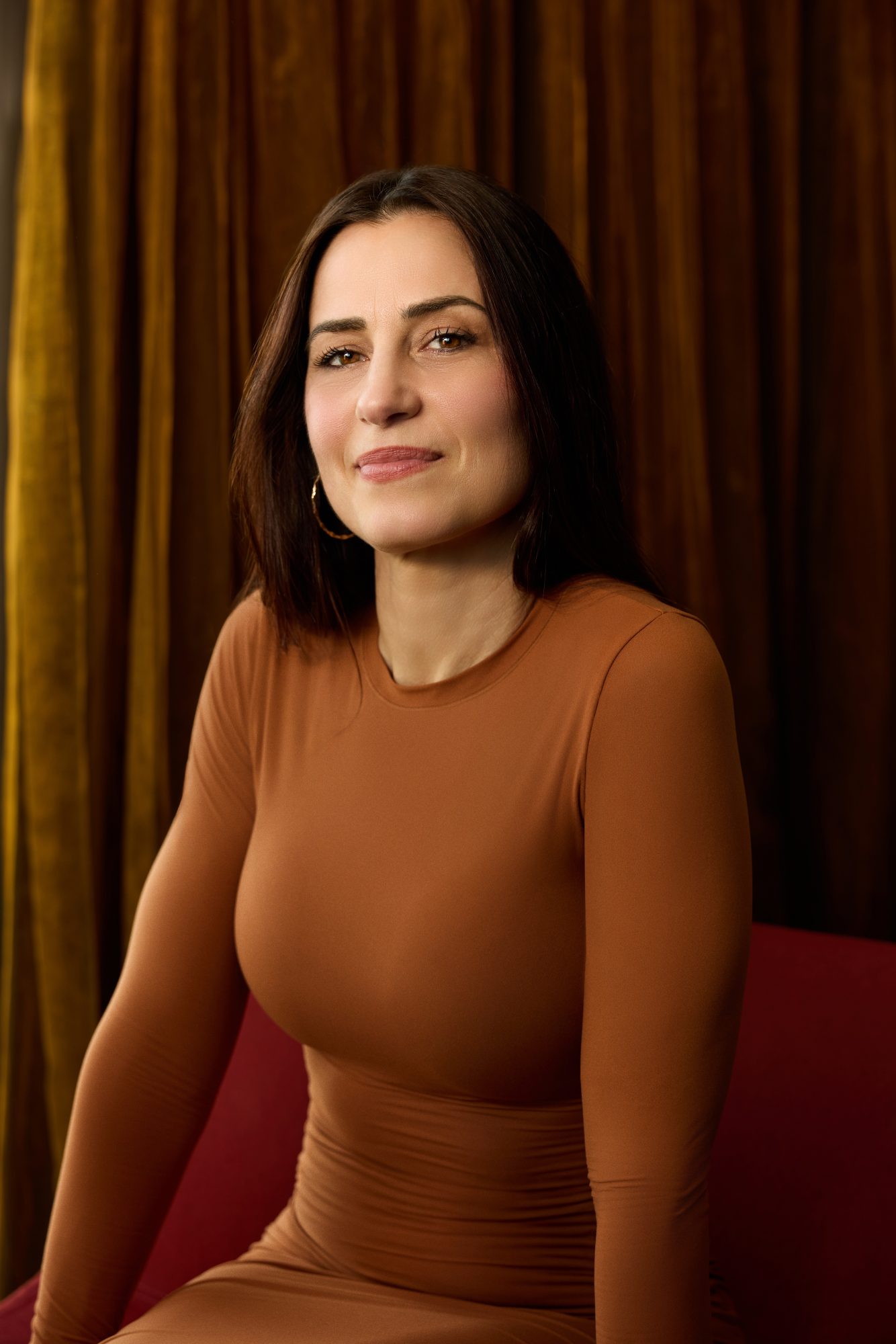
Today we’d like to introduce you to Hélène Jawhara Piñer.
Hi Hélène, we’re thrilled to have a chance to learn your story today. So, before we get into specifics, maybe you can briefly walk us through how you got to where you are today?
My story really began with a fascination for the relation between history, food and religious practices and, especially, for the stories that are not always easy to find in the traditional historical record. I was drawn to medieval Spain—my Spanish background is a meaningful consideration behind this choice—and became increasingly interested in the Jewish communities who lived there, their relationships with the surrounding cultures, and ultimately what happened to their traditions before and after the expulsions and migrations of Sephardic Jews.
At some point, I realized that one of the best ways to understand people from the past was to look at what they ate.
Food may seem ordinary, but historically it can tell us an extraordinary amount about people. What someone cooked, which ingredients they used, what they avoided, what they ate on holidays, and how food practices—and when you are fortunate, recipes—traveled from one generation to another can reveal religion, migration, cultural exchange, persecution, adaptation, and identity. That realization became the foundation of my research.
I pursued a PhD in Medieval History and began specializing in the history of food, particularly the culinary history of medieval Spain and the Sephardic Jewish heritage. What started as an academic interest gradually became much bigger than I had imagined. I began researching recipes and culinary practices in medieval manuscripts, Inquisition records, and other historical sources, trying to understand the complexity of food and eating for the Sephardic Jews, and to reconstruct pieces of everyday life that had survived—sometimes in unexpected ways—through centuries of upheaval.
My work eventually took me far beyond the university classroom. I began presenting my research internationally, working with Jewish organizations and cultural institutions, and speaking at universities in the United States, Israel, Brazil, and elsewhere. Along the way, I was fortunate to receive the Broome & Allen Fellowship from the American Sephardi Federation in 2018 and the David Gitlitz Emerging Scholar Prize in 2021. In 2024, I was also invited in 2024 to the University of Pennsylvania’s Schoenberg Institute for Manuscript Studies as a Visiting Research Fellow, where I worked on a project exploring Sephardic culinary practices through Inquisition trials.
But I have always wanted my research to resonate beyond academia, reaching wider, non-academic audiences as well.
That is what led me to write my first book, Sephardi: Cooking the History, published in 2021. I wanted to create something that combined serious historical research with the pleasure of cooking and eating. Rather than simply giving people recipes, I wanted to tell them where those recipes came from and what they could teach us about Sephardic history. The book was awarded Best Jewish Cuisine Book at the Gourmand World Awards and was later translated into Spanish and French.
I followed that with Jews, Food and Spain: The Oldest Medieval Spanish Cookbook and the Sephardic Culinary Heritage in 2022, which allowed me to explore the academic side of this research in greater depth. The book was finalist at the National Jewish Book Awards. My most recent book, Matzah and Flour: Recipes from the History of the Sephardic Jews, published in 2024, continues the same journey through recipes, stories, and history.
What has been especially meaningful to me is seeing what happens when scholarship leaves the page. I have been able to give historical cooking demonstrations, participate in Jewish food festivals, develop culinary-history programs with the American Sephardi Federation and collaborate with chefs, including Michael Solomonov. These experiences have shown me that food can create a very immediate connection to history. You don’t have to be a historian to understand the feeling of tasting something that your ancestors—or people who lived centuries ago—have eaten.
Today, I continue to teach medieval history at French universities while researching, writing, lecturing, and developing projects around Sephardic culinary history. I see myself as both a historian and a storyteller, and I love moving between the archive, the classroom, the kitchen, and the table.
Ultimately, my work is about bringing forgotten or overlooked stories back to life. This is precisely the aim of my forthcoming book, which draws on a sixteenth-century Inquisition trial to reconstruct the life of a conversa woman who was prosecuted largely on the basis of her dietary practices—what she ate, and, perhaps more significantly, what she refused to eat. Also, I have found that sometimes the most powerful way to do that is not through a long historical explanation, but through a recipe, a smell, an ingredient, or a meal shared around a table.
For me, food is history you can taste.
Can you talk to us a bit about the challenges and lessons you’ve learned along the way. Looking back would you say it’s been easy or smooth in retrospect?
fIt definitely hasn’t always been a smooth road, although I wouldn’t say that I faced enormous struggles. The hardest thing I have ever done academically was writing my PhD thesis. I spent six years completing my PhD in Medieval History, and there were moments when I felt incredibly lonely. A PhD can be a very isolating experience—you spend years immersed in your research, most often working alone, and in some ways it can feel like you are separated from the rest of the world.
Another challenge was that my research required me to work with sources written in many different languages. I had to learn and work with languages such as Arabic, Catalan, Portuguese, and Hebrew in order to access the historical material I needed. At first, that could feel overwhelming. But something that initially felt like an obstacle eventually became one of the things I loved most about the research. Every new language opened another door to the past and allowed me to discover sources and perspectives that I would otherwise have missed. The history of the Sephardic Jews is totally diasporic, consequently, I had to learn those language to understand the complexity of their lives.
I also sometimes struggled to gain access to certain Inquisition trials and archival sources. Historical research is not always as simple as finding a document and reading it. Some sources are difficult to locate, some are held in different archives, and others require very specific permissions or research processes. There were definitely moments when I thought, “How am I ever going to get access to this?” But when you finally find the document you have been searching for, the feeling is incredibly rewarding. And sometimes, the archives offer unexpected discoveries along the way. I experienced this when, at the Kislak Library at Penn, I came across an Inquisition trial against a woman who bore exactly the same first and last name as my own Spanish grandmother.
At the same time, my research kept growing. The more I studied, the deeper I wanted to go. One question would lead to another, one document would lead me to another archive, and one recipe could lead to an entire story about migration, religion, identity, or cultural exchange. What began as a research project became a much broader exploration of Sephardic history and the connections between food and history.
The more specialized and deeper my research became, the more opportunities I had to share it. Over the past few years, I have been invited to speak at an increasing number of prestigious universities and institutions internationally. When you are alone in an archive or sitting at your desk trying to decipher a centuries-old document, you don’t necessarily imagine that one day people around the world will invite you to come and talk about what you have discovered. In fact, I have received many more invitations to present my work than I did three years ago, when talking about the history of the Jews became even more challenging. I never really expected that.
There is a certain paradox in this journey: while my work is devoted to bringing the history of the Sephardic Jews to light, doing so has not always been a straightforward process. It is a subject that carries a lot of historical and emotional weight, and sometimes discussing Sephardic history publicly can be challenging. This has felt even more pronounced since October 7, 2023, when conversations around Jewish history, identity, Israel, antisemitism, and the Middle East became much more emotionally charged and sensitive. I have had to think carefully about how I present my research and how to create space for history, complexity, and dialogue.
For me, however, studying Sephardic history is ultimately about preserving and sharing the truth. It is about people, their journeys, their traditions, their food, their languages, their losses, and their ability to preserve parts of their identity across generations. I try to approach that history as a historian—with curiosity, rigor, and respect.
Looking back, I think the most difficult part was learning to live with the uncertainty and solitude of long-term research. But I also discovered that I genuinely loved the process. The archives, the languages, the manuscripts, the fragments of evidence—it all became a kind of detective work. And perhaps the greatest surprise has been that the deeper I go into this history, the more people I meet along the way and the more doors it opens. What once felt like a very solitary journey has become an increasingly international conversation.
Alright, so let’s switch gears a bit and talk business. What should we know about your work?
My work focuses on uncovering and understanding the food heritage of Sephardic Jews from Spain and the Sephardic diaspora through historical sources. More specifically, I study how we can reconstruct the food practices of Sephardic communities by going back to the archives and reading the historical evidence—especially Inquisition trials, which can contain incredibly detailed information about what people cooked, ate, prepared, avoided, and celebrated.
I am particularly interested in the connection between food and the Jewish calendar. Food was—and still is—deeply connected to Jewish celebrations and religious practices, so by studying what Sephardic Jews prepared for holidays and other important moments, we can learn much more about their daily lives, their religious practices, and how they maintained their identity while living in different places and adapting to new environments.
A large part of my work as a scholar happens in archives. I have conducted research in different countries and institutions, including archives and collections in Israel, the United States, Mexico, and at institutions such as the University of Pennsylvania, Princeton and Yale. I am constantly looking for new sources that can help us reconstruct these culinary practices and understand the people behind them.
I then take that research in several directions. I publish academic articles and books, but I also write cookbooks. I want the scholarship to be rigorous, but I also want people to be able to experience it. A recipe can sometimes communicate history in a way that an academic article cannot.
That is probably what makes my work somewhat unusual. I don’t stop at researching and writing about historical food—I try to bring it back to life.
I collaborate with chefs, including Michael Solomonov, to recreate Sephardic meals based on historical research. I am invited by institutions to create historical cooking workshops and food reconstruction programs, and I have worked with museums and cultural organizations to develop Sephardic dinners that allow people to experience the history through food.
So there are really two sides to my work: the historian in the archives and the person in the kitchen. I move constantly between the two. I might spend weeks or months studying a medieval manuscript or an Inquisition trial, and then take that research and ask: What did this actually look like on a table? How was it prepared? What would people have tasted? How can we recreate it responsibly today?
I think that combination is what sets my work apart. There are wonderful scholars who study Sephardic history and wonderful chefs who explore Jewish food, but my particular focus is bringing the two worlds together through historical evidence. I have developed a very specific area of expertise around reconstructing Sephardic food history from primary sources and then translating that research into something people can see, taste, cook, and share.
What I am most proud of, perhaps, is that I am still fascinated by it. After all these years, I can still become completely absorbed by a document, a recipe, an ingredient, or a tiny detail in an archival source. I still feel a genuine thrill when I uncover something I have never encountered before, or when a seemingly small detail corroborates a hypothesis or confirms something I have previously found in another source.
And I am very grateful that this work has increasingly been recognized internationally. Being invited to universities, museums, cultural institutions, and culinary programs, been awarded fellowships to share this research has been incredibly meaningful to me. I am proud to have become recognized as a specialist in the history of Sephardic food, but even more than the recognition itself, I am proud that this research is helping bring Sephardic culinary heritage back into conversations around the world.
If you had to, what characteristic of yours would you give the most credit to?
If I had to choose one quality, I would say perseverance. You have to keep going, even when the work is difficult, when you are tired, or when you don’t immediately see where a project is going to lead.
For me, perseverance also means working hard consistently. I try to always be researching, reading, writing, publishing, and sharing my work. I don’t like to stay still professionally. I try to be aware of what is happening around me, to follow new research, to read outside of my immediate field, and to keep discovering new perspectives.
I am also someone who asks a lot of questions. I think curiosity is essential for a researcher. Whenever I find something, I immediately wonder: Why? What does this mean? Is there another source that can tell me more? What am I missing? Sometimes one small question can lead to an entirely new research project.
And I think it is important to remain open. My research has grown enormously over the years maybe because I keep reading, listening, learning, and talking to people from different fields. I can be in an archive one day, speaking with a historian the next, and then working with a chef or a museum curator. All of those encounters feed my research.
So, for me, success is probably not about one big breakthrough. It is about showing up every day, doing the work, staying curious, asking questions, and continuing to move forward. I think being persistent and curious has helped me get to where I am today.
Contact Info:
- Website: https://www.helenejawharapiner.com
- Instagram: helenejawharapiner
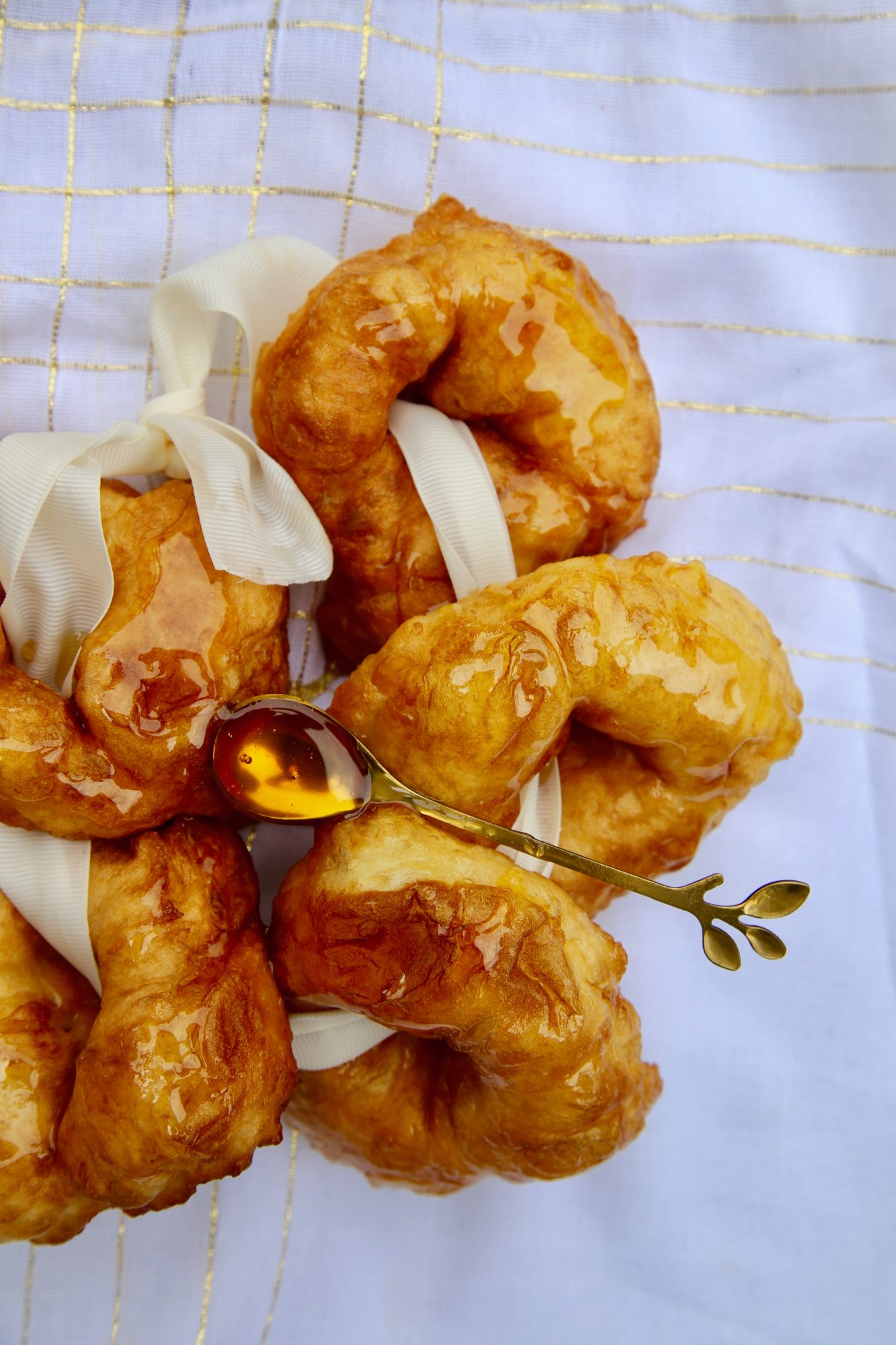
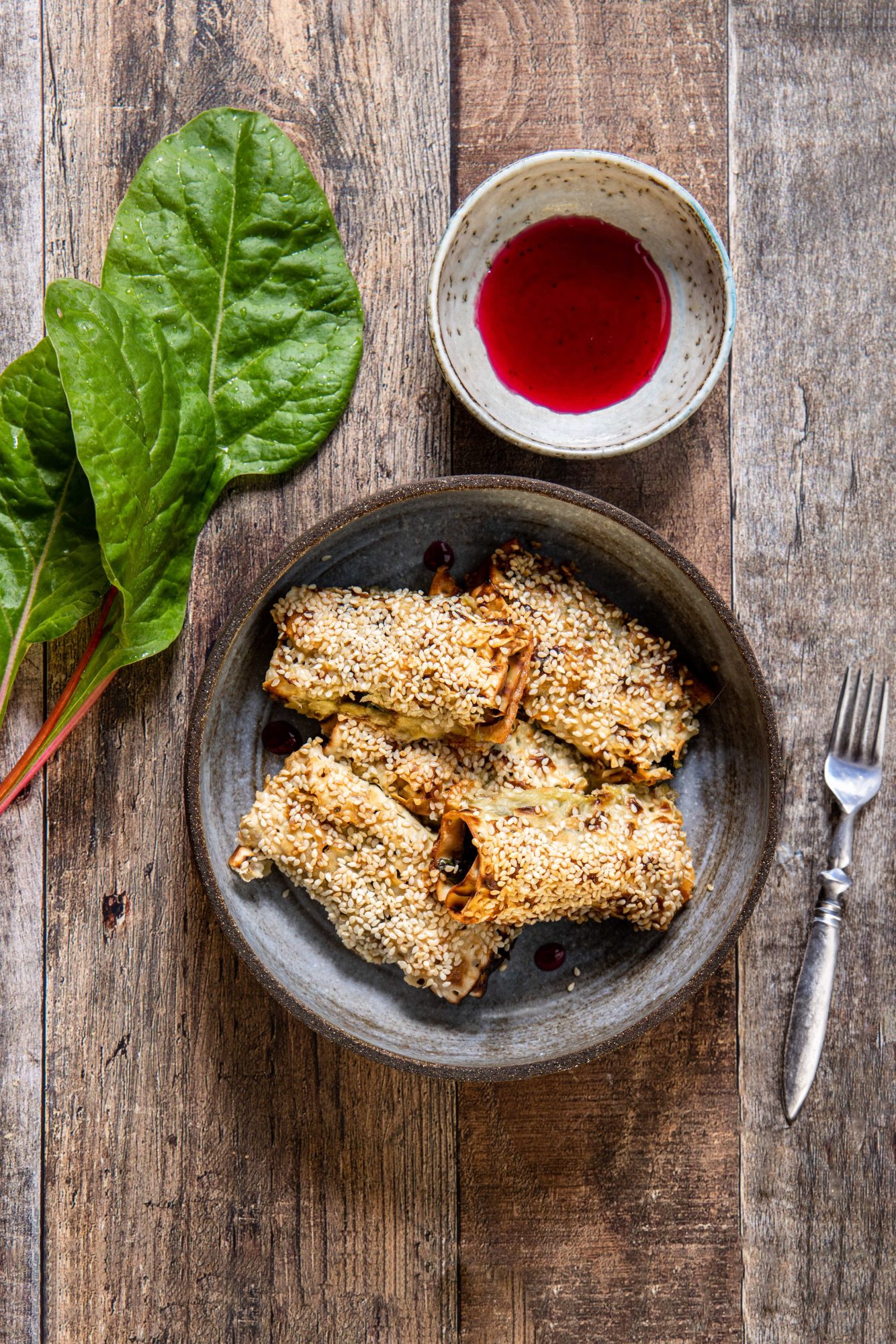
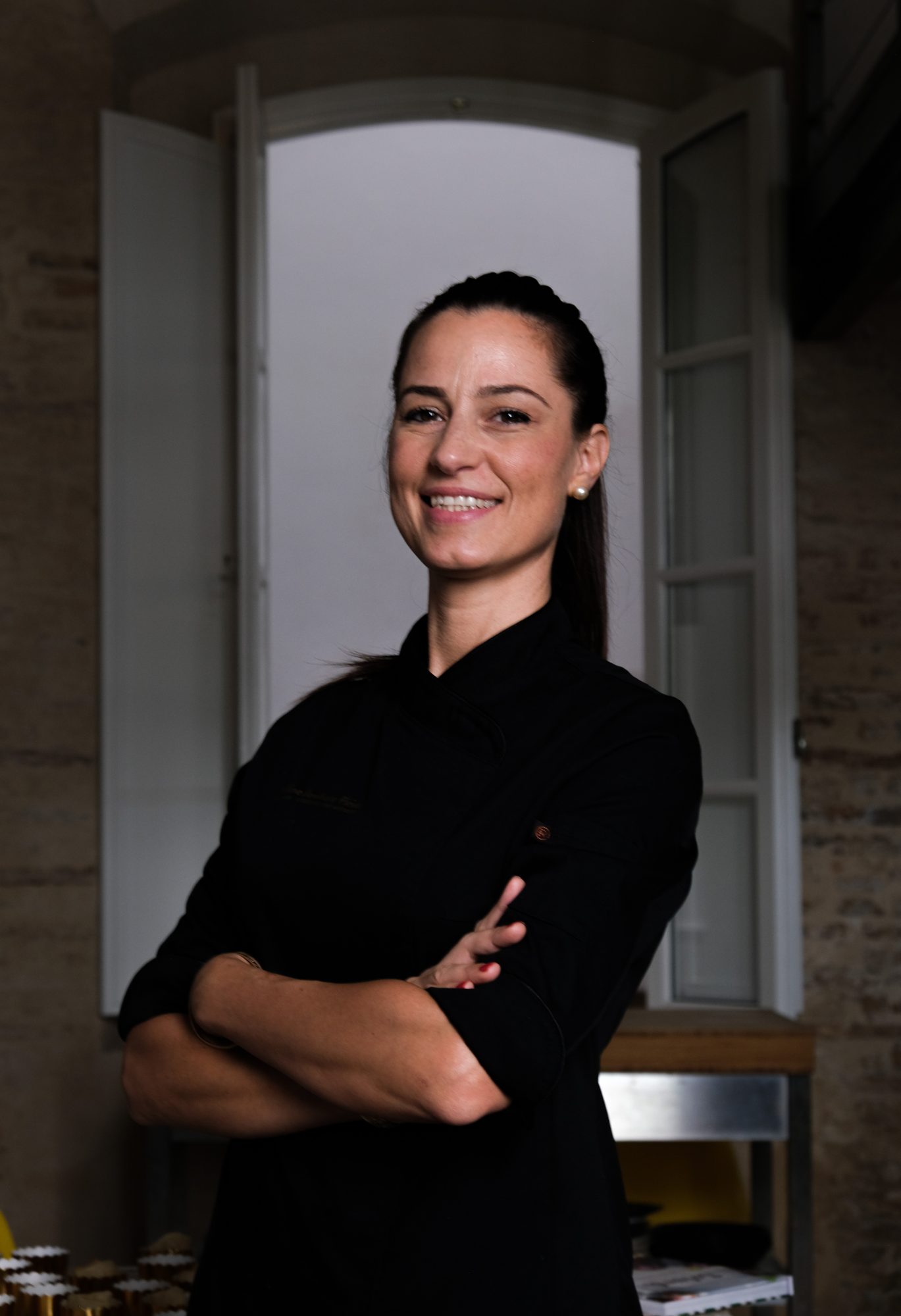
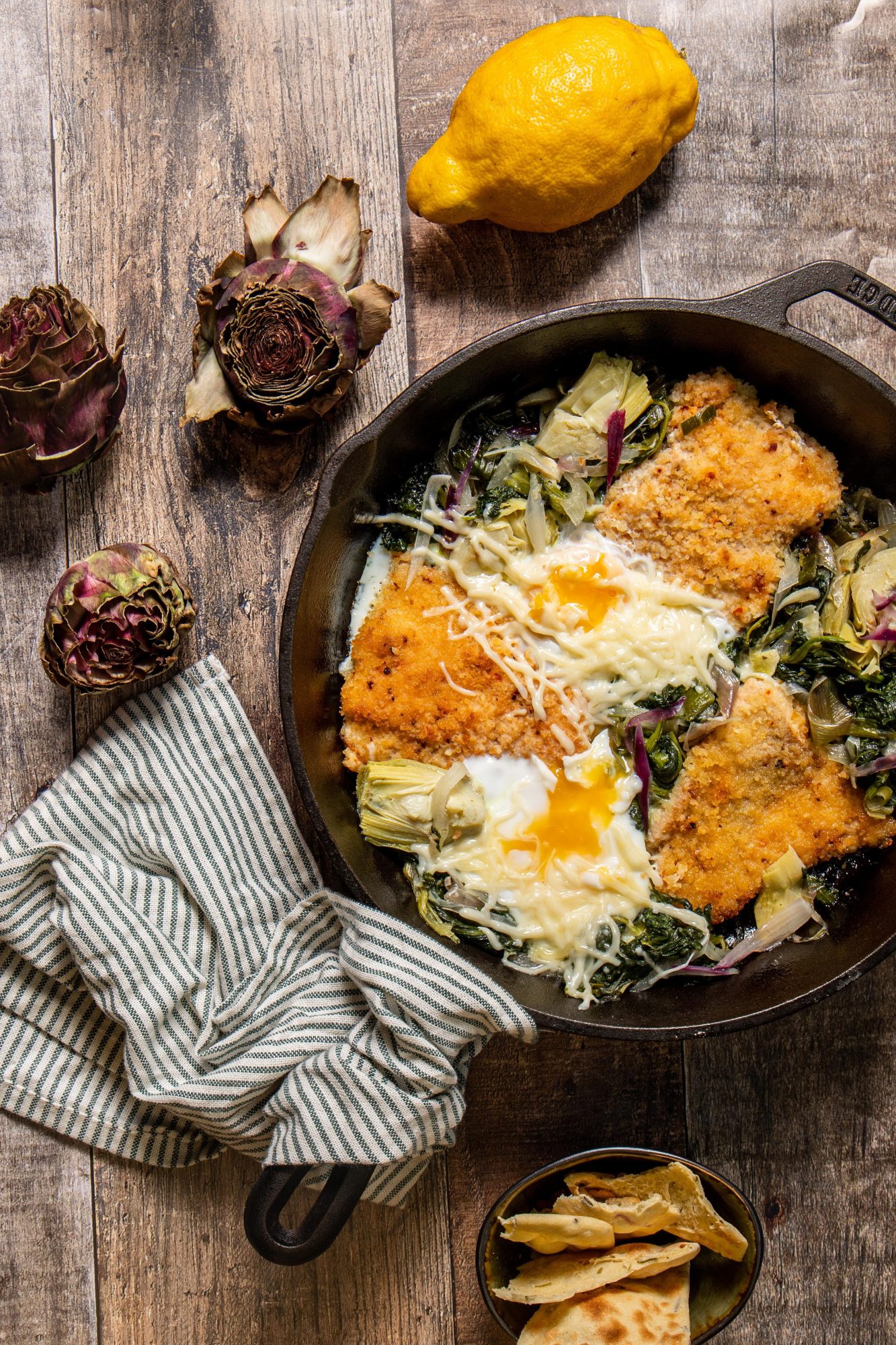
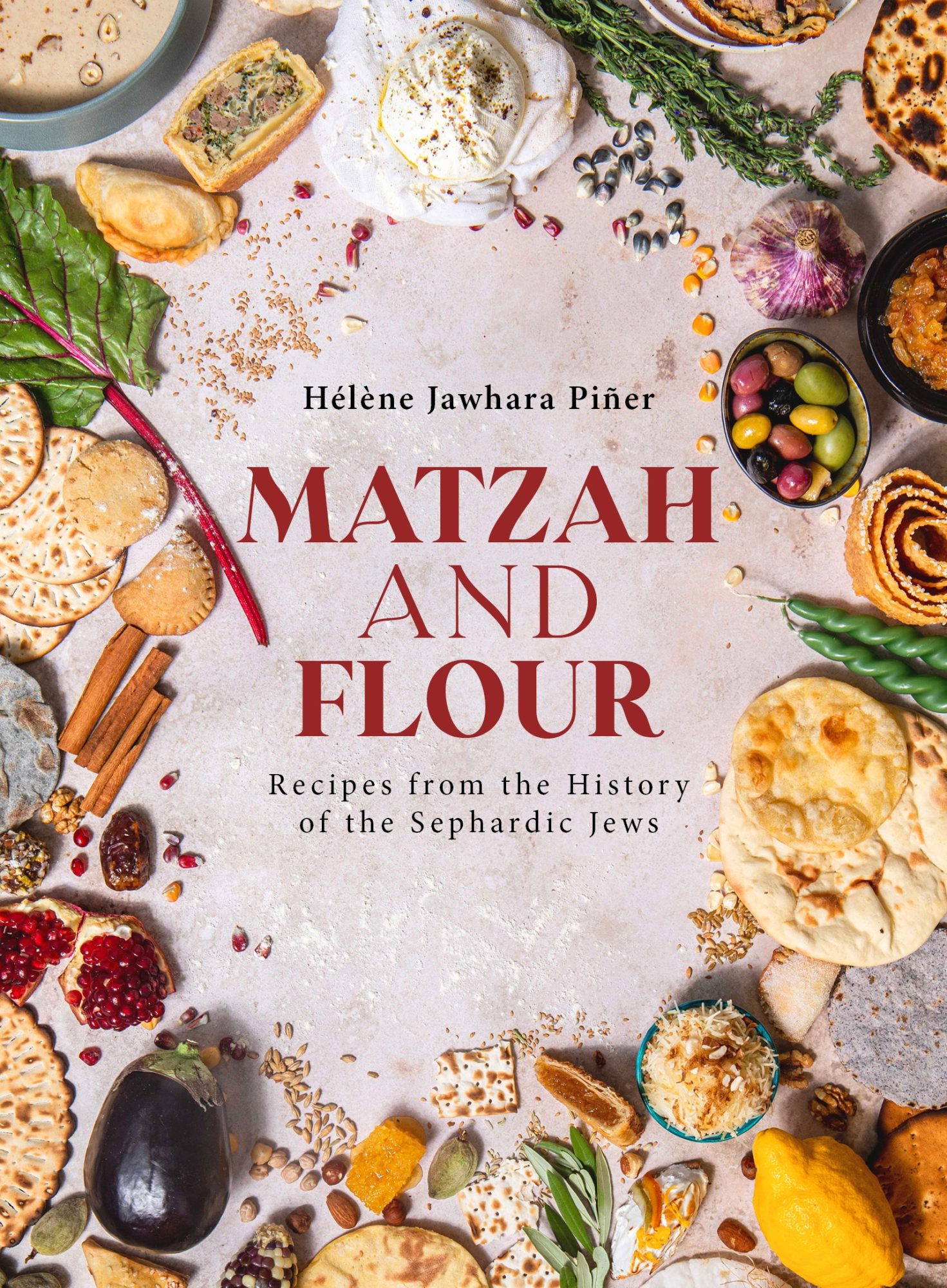
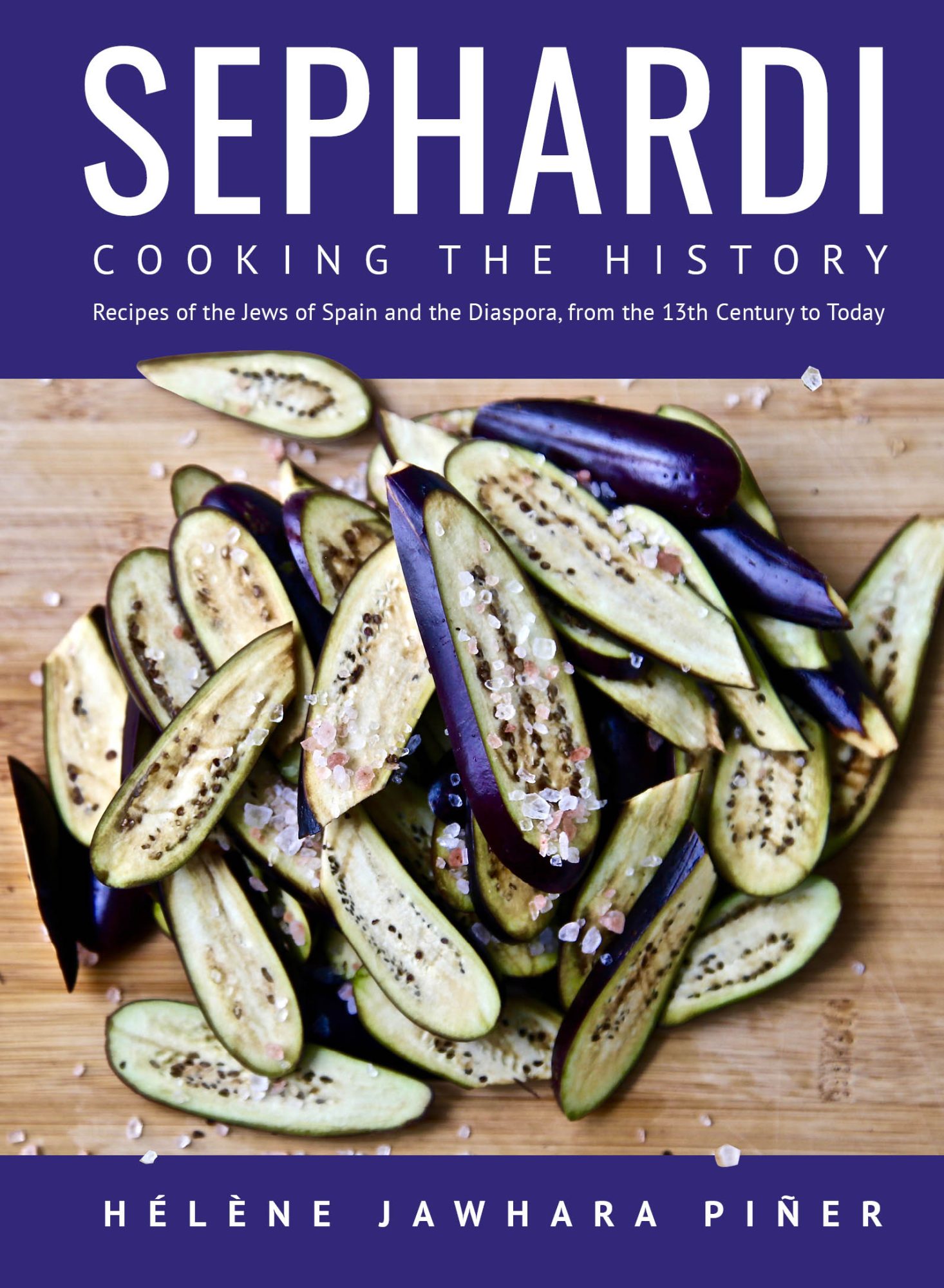
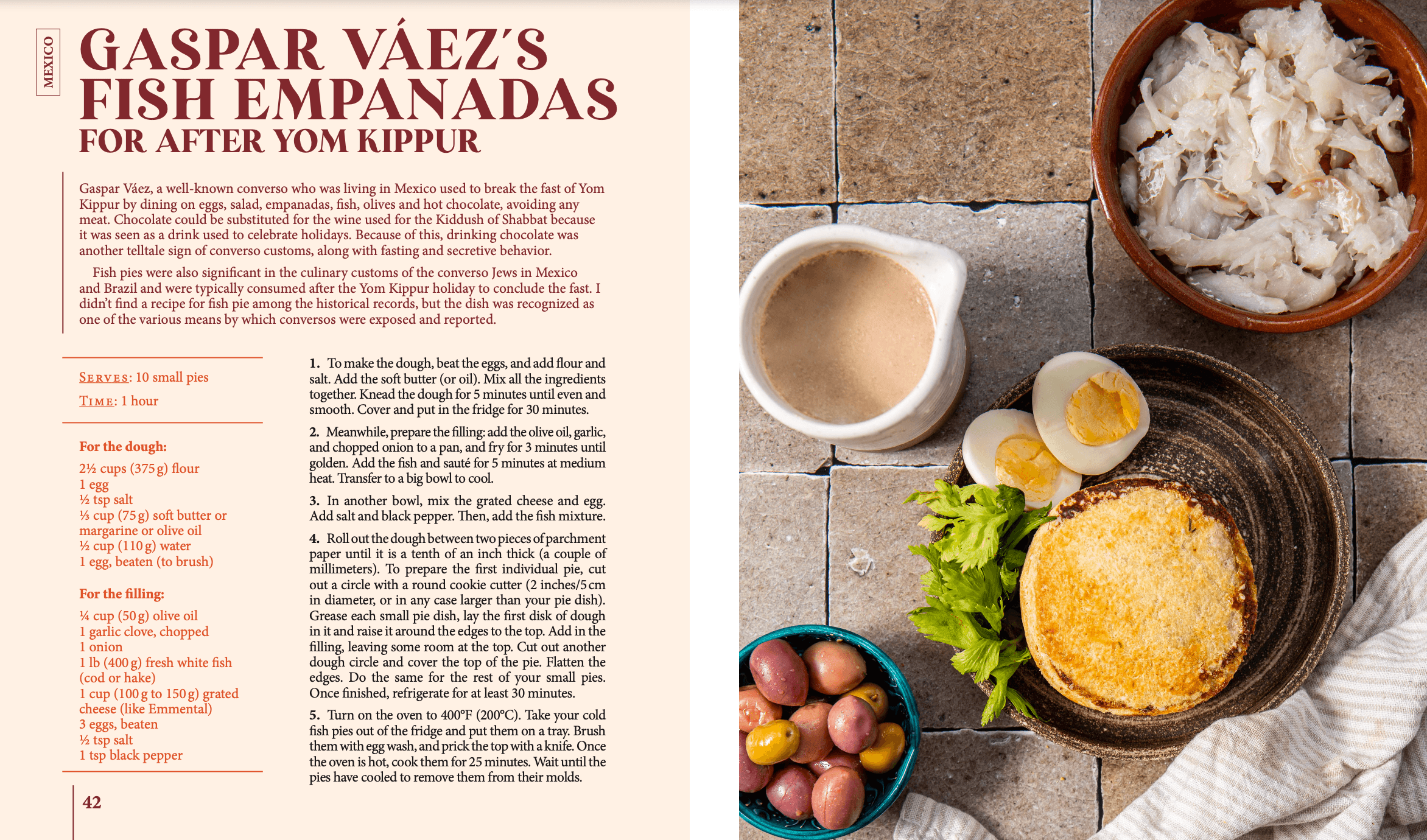
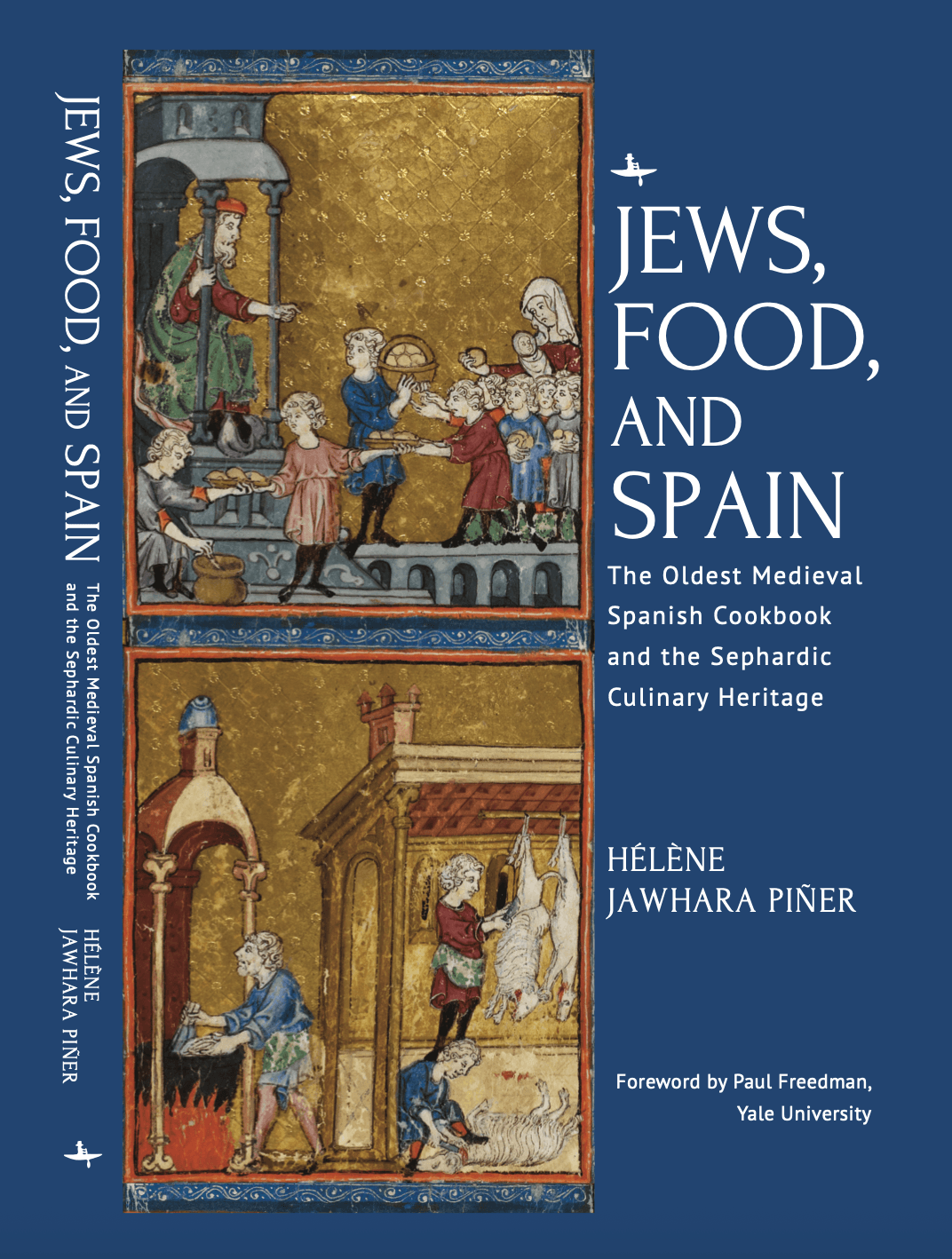
Image Credits
Mathilde Boclet (for food)
Michael Persico (for portrait)
Popular
-

Portraits of the Valley
-

LA’s Most Inspiring Stories
-

Greg Hex Is Turning the Everyday Kitchen Knife Into a Modern Design Object
-

Rick Norris Learned That Building a Successful Business Means Building a Life You Actually Want to Live
-
How Olivia Rush Turned Survival Into a Mission to Help Others Keep Going
-

How Bibi Goldstein Is Helping Entrepreneurs Reclaim Their Time by Embracing the Power of Delegation


