



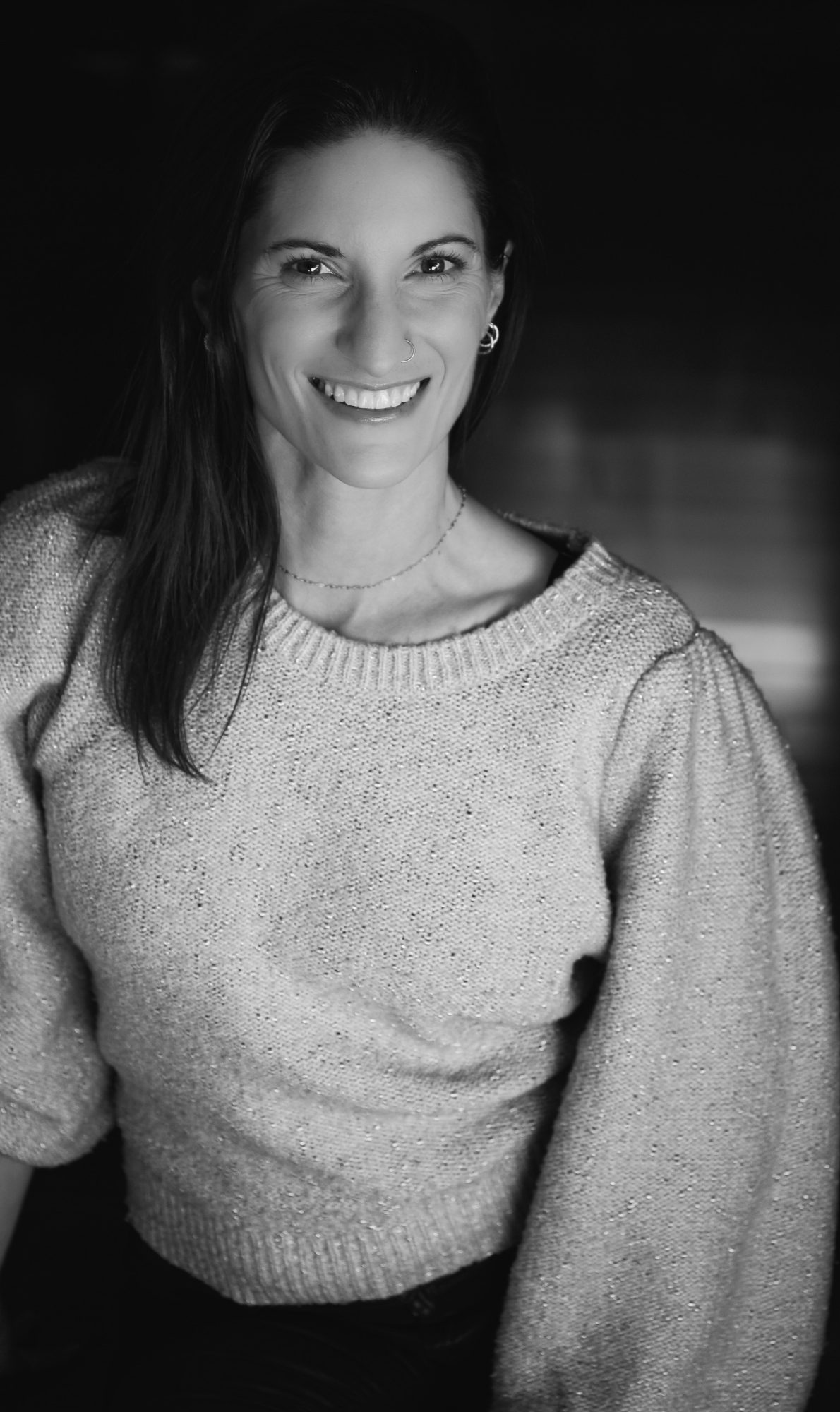
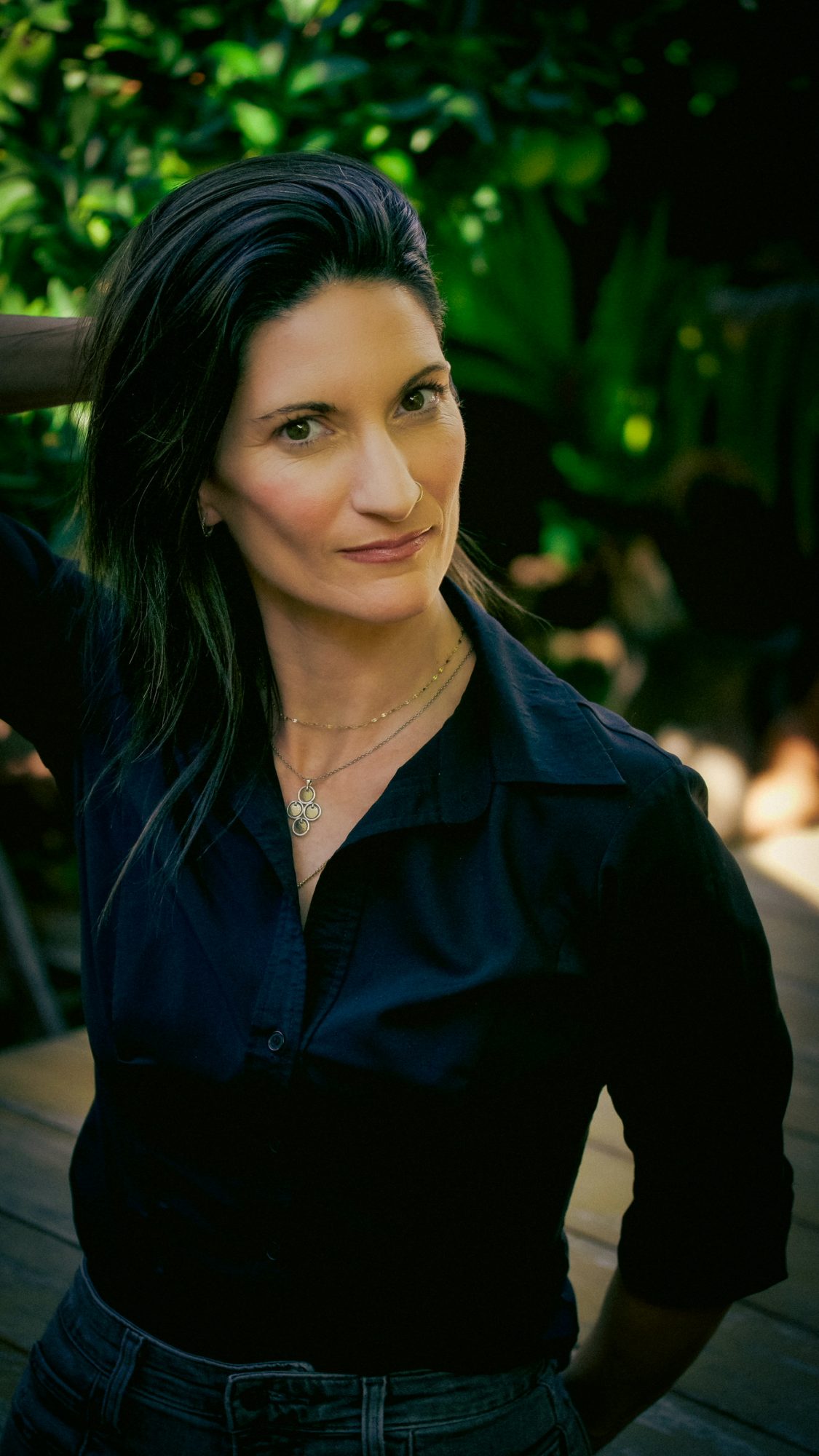
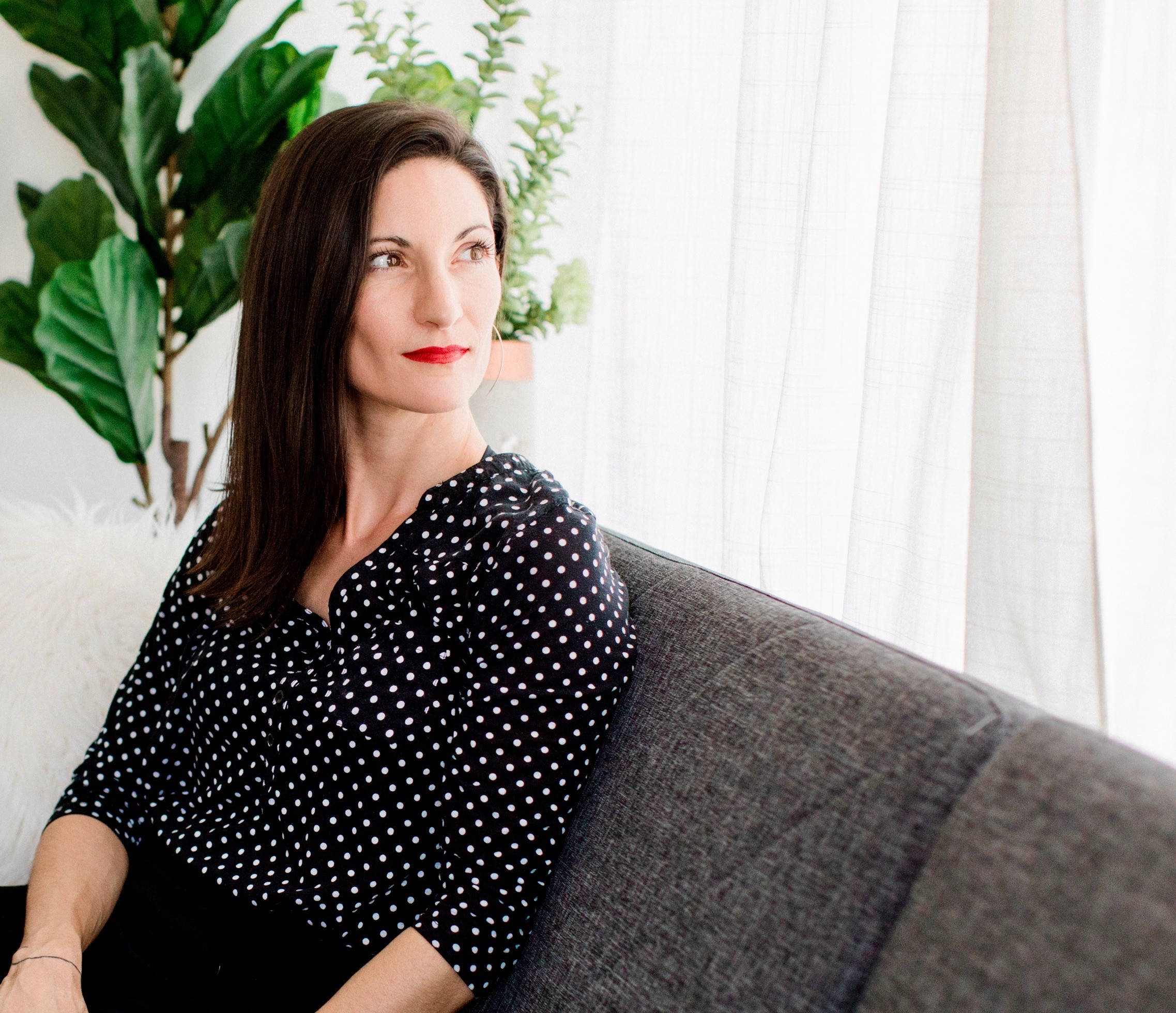
Today we’d like to introduce you to Emma Julaud.
Emma, we appreciate you taking the time to share your story with us today. Where does your story begin?
Thank you for having me again, Voyage LA! I was featured in one of your stories in January 2017, and it’s a wonderful opportunity to reconnect almost a decade later.
I’m Emma. I was born and raised in Bretagne, France, and moved to Los Angeles, CA, twenty-something years ago. I am at a meaningful turning point in my life now, having lived an equal number of years in France and in the US.
Dance and performing arts were a defining thread of my upbringing, and that passion evolved into a professional career throughout my 20s, performing in a spectrum of large commercial and smaller independent artistic productions across France and the US.
In 2003, while living and dancing in Paris, I was introduced to CranioSacral therapy for the first time, and it was revelatory. The regular treatments I received produced rapid shifts in my whole being, yet I could not articulate what was happening. That mystery ignited my curiosity, and I began a deep dive into studying CranioSacral therapy with Seymour Brussel.
At the end of my 20s, I transitioned from the entertainment world into the healing arts, becoming a certified massage therapist with a clear intention of returning to CranioSacral therapy. I became a certified CranioSacral therapist via the Upledger Institute in 2015, and offered it as a standalone modality for many years.
Throughout that period, I kept nurturing my relationship with dance, co-facilitating a contact improvisation dance group on the east side of LA, while also collaborating with artists and friends on various projects.
I became a Somatic Experiencing practitioner in 2021, after completing a three-year training developed by Dr. Peter Levine, and have since built a practice that interweaves both modalities: CranioSacral therapy and Somatic Experiencing.
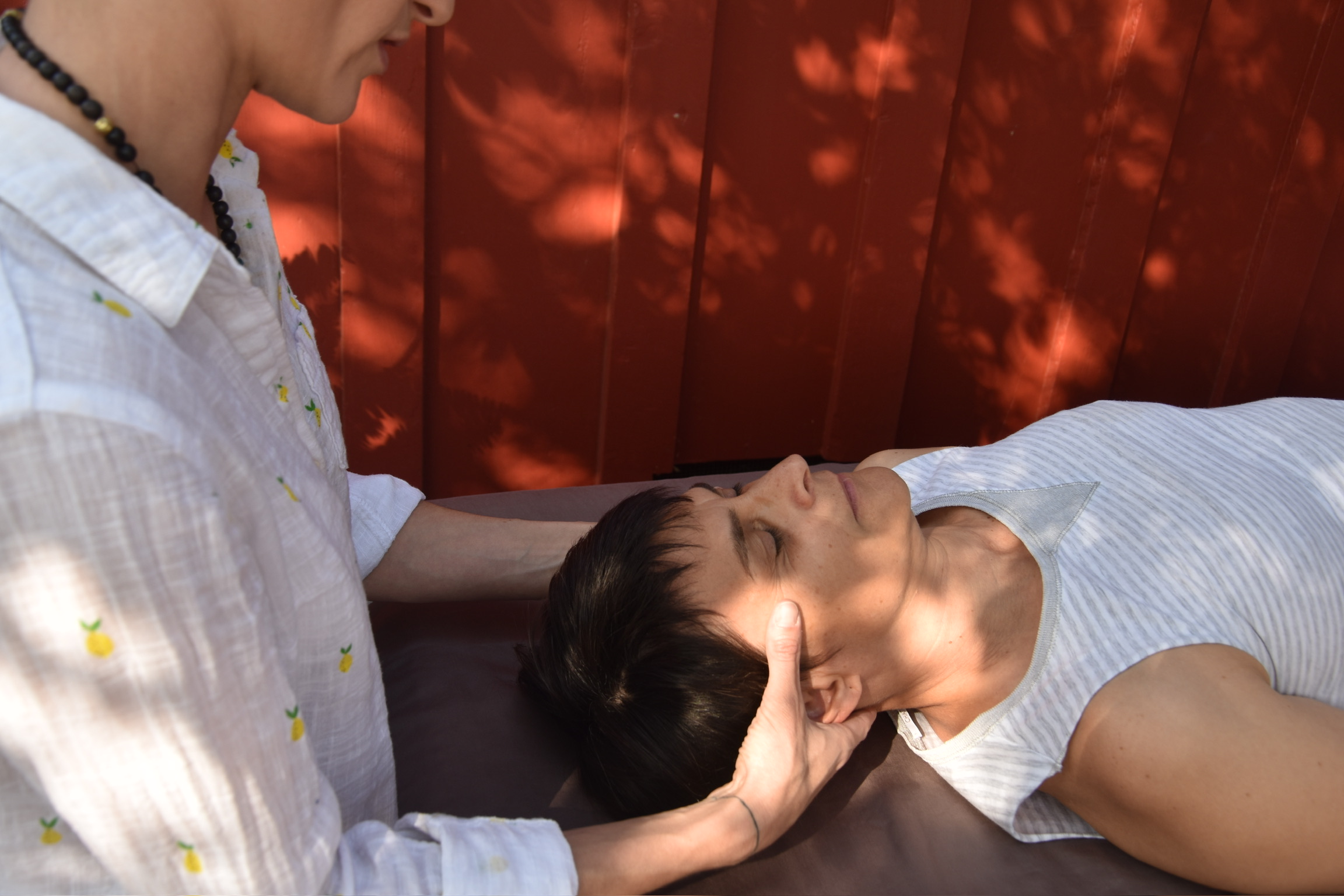
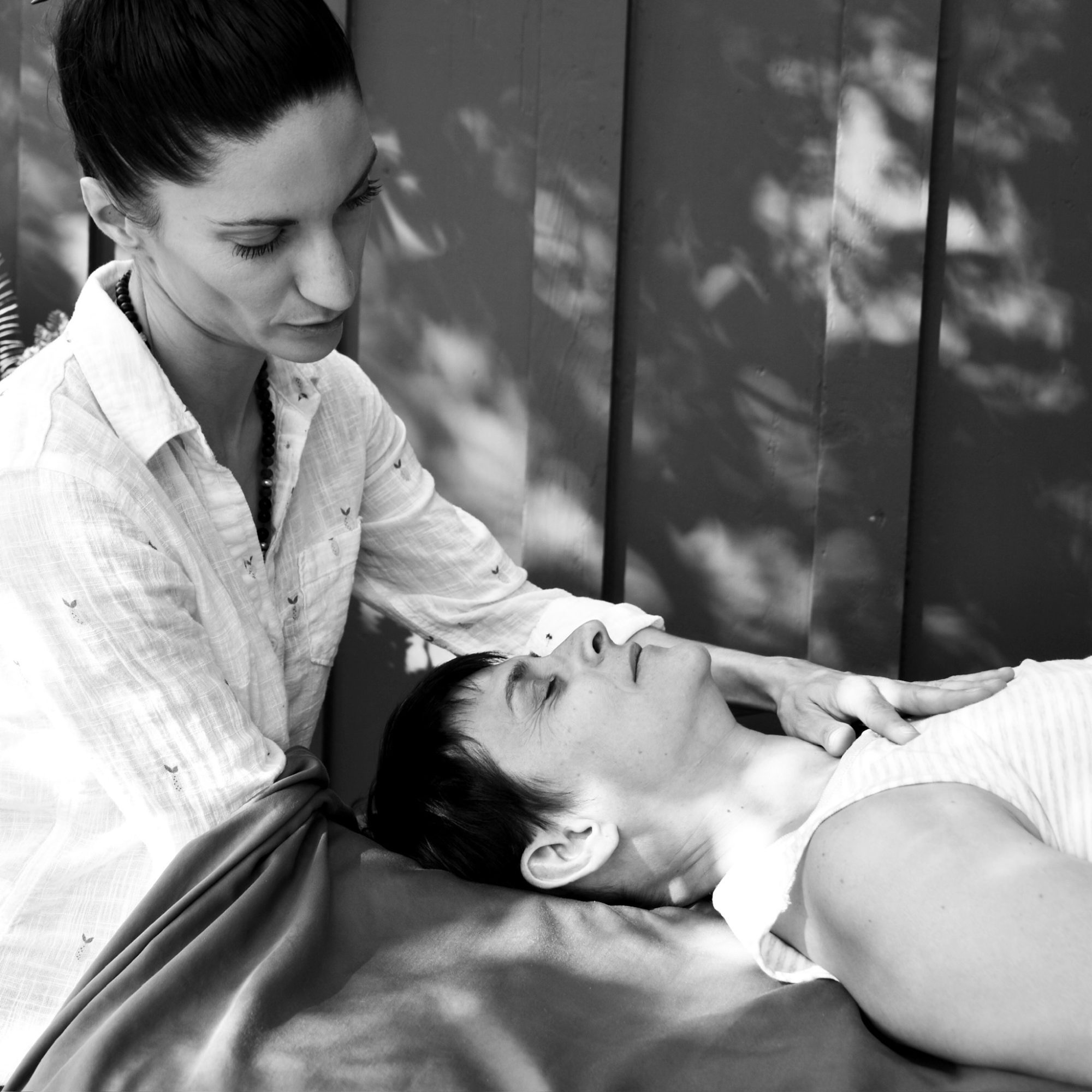
CranioSacral therapy is a light-touch therapy, rooted in osteopathy, that releases tension patterns and helps the body’s own capacity to self-regulate and heal. Somatic Experiencing is a body-based approach to resolving trauma, developed by observing how animals in the wild naturally discharge stress from their nervous systems.
The feedback on my practice has been overwhelmingly positive, and I feel moved and honored to witness how transformative this work can be.
My private practice is now rooted in Silver Lake, after many meaningful years in the Toluca Lake community. Four years ago, I also joined a team of providers at an integrative mental health treatment center in West Los Angeles, which has allowed me to work with a population I might not otherwise encounter in private practice.
Over the past decade, I have refined and deepened my expertise in CranioSacral therapy, and expanded my toolkit with Somatic Experiencing. Looking back, what strikes me most is that I have remained endlessly in awe of our human nature and biology. What has anchored me, from dance to body-oriented therapy, has been a consistent attunement to movement, presence, and the body’s own intelligence.
Alright, so let’s dig a little deeper into the story – has it been an easy path overall and if not, what were the challenges you’ve had to overcome?
One of the greatest challenges in building this practice over the years was simply being seen and earning legitimacy as an alternative therapy in a heavily allopathic environment.
When I began studying and practicing CranioSacral therapy over twenty years ago, most people around me assumed I had wandered off some invisible path, speaking a language the zeitgeist could not yet grasp. Today, people find their way to my office because they discovered CranioSacral therapy on their social media feed. The conversation has evolved, especially over the past decade. There is now more fluency around the body, mind, and spirit, and the subtle intelligence that binds them.
It has been moving to witness that shift unfold: to watch perspectives once dismissed as unconventional be welcomed, recognized, and woven into more mainstream approaches. Still today, it remains far more ‘convenient’ to dismiss, discard, or even destroy what is poorly understood and considered the “other,” and it takes a different kind of self-awareness to begin to glimpse our own conditioning. I like to think that, alongside so many others walking a similar path, I’ve contributed to expanding our collective awareness of the body’s remarkable wisdom.
A point of tension I find interesting to observe is that despite this newer awareness of how connected our mind, body, and spirit are, and how much emphasis there is now on how we carry trauma in the body, we are still caught in old paradigms: looking for quick fixes and focusing on how much we can do to feel better.
That tension points to something deeper about how we’ve been taught to think about healing at all. It comes from a broader pattern in Western culture: we have valued the messages of the mind over listening to what is more subtle and non-verbal, placing intellect over intelligence, knowledge over experience, technology over nature. Take a look at our language: we talk about healing in mechanical terms like fix, repair, hack, reset, burnout, rewire, as though we were machines rather than dynamic, living, interconnected beings. Our minds and words have been serving us in considerable ways, and it may be valuable at times to hold the perspective that this viewpoint is also rather one-dimensional.
Healing is in part a complex process of transforming, integrating, bringing awareness to, noticing, observing, being with, re-orienting, and allowing that unfolding to happen naturally requires a lot of slowing down: switching from the pace of the mind to the pace of the body. This work is about finding some stillness, observing emergence, and developing the ability to be with what is.
Much like meditation, both CranioSacral therapy and Somatic Experiencing are self-introspective, process-oriented practices that help develop interoception: your sense of your body’s internal state. It can be easier to do this with someone who can guide you through it. Healing also happens in relation. The invitation, in any kind of introspective work, is to open up perspective, which, in turn, translates into a different state or sensation in the body.
Thanks – so what else should our readers know about Flowing Still?
Flowing Still is in service of the Human Being to support healing, change, and transformation.
‘Flowing’ because life is movement.
‘Still’ reminds us that in deep presence we can listen, hear, and see.
Our relation to oneself shapes our relation to the other and our environment.
Healing what has been stuck, painful, and dysfunctional in us is an urgency to influence change in the world.
Flowing Still offers safety for unfolding, with graceful and loving assistance, and in collaboration together.
What is a Hands-On Session Like?
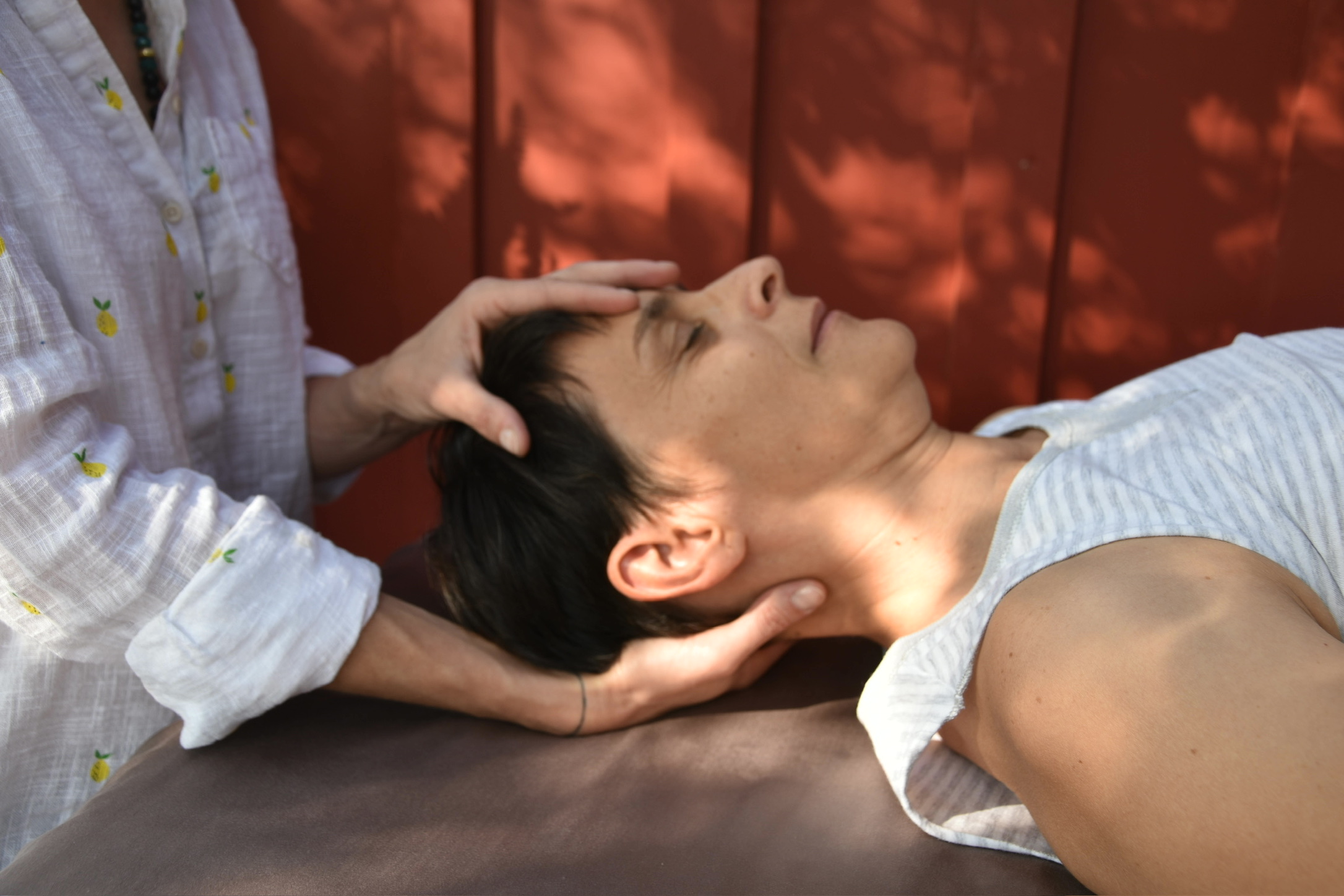
A typical hands-on session lasts about one hour. The person, fully clothed, is lying down on a massage table. Using a light touch, the therapist will assess and treat the restricted areas found in the body. Treatment of tension patterns includes CranioSacral Therapy and Somatic Experiencing®, and may include fascial, somato-emotional, and/or energy release techniques.
What Conditions Can it Help?
Stress-related disorders
Neck & back pain
TMJ
Headaches & migraines
Vertigo
PTSD & C-PTSD
Depression
Concussions
Tinnitus
Other conditions
What are the Benefits of Somatic Sessions?
Physical Benefits:
Decreased pain
Improvement of neurological function
Increased joint flexibility
Reduced muscle hypertonicity
Normalization of fascial tension
Mind / Body Benefits:
Greater relaxation
Better sleep
Promotes detox
Encourages the self-healing process
For more information, please visit flowingstill.com
Is there something surprising that you feel even people who know you might not know about?
It is easier to notice the lotus than the muddy water underneath. We tend to hide it anyway. What might surprise people is that I rarely talk about some aspects of my story: the parts of me that needed healing are also what led me here.
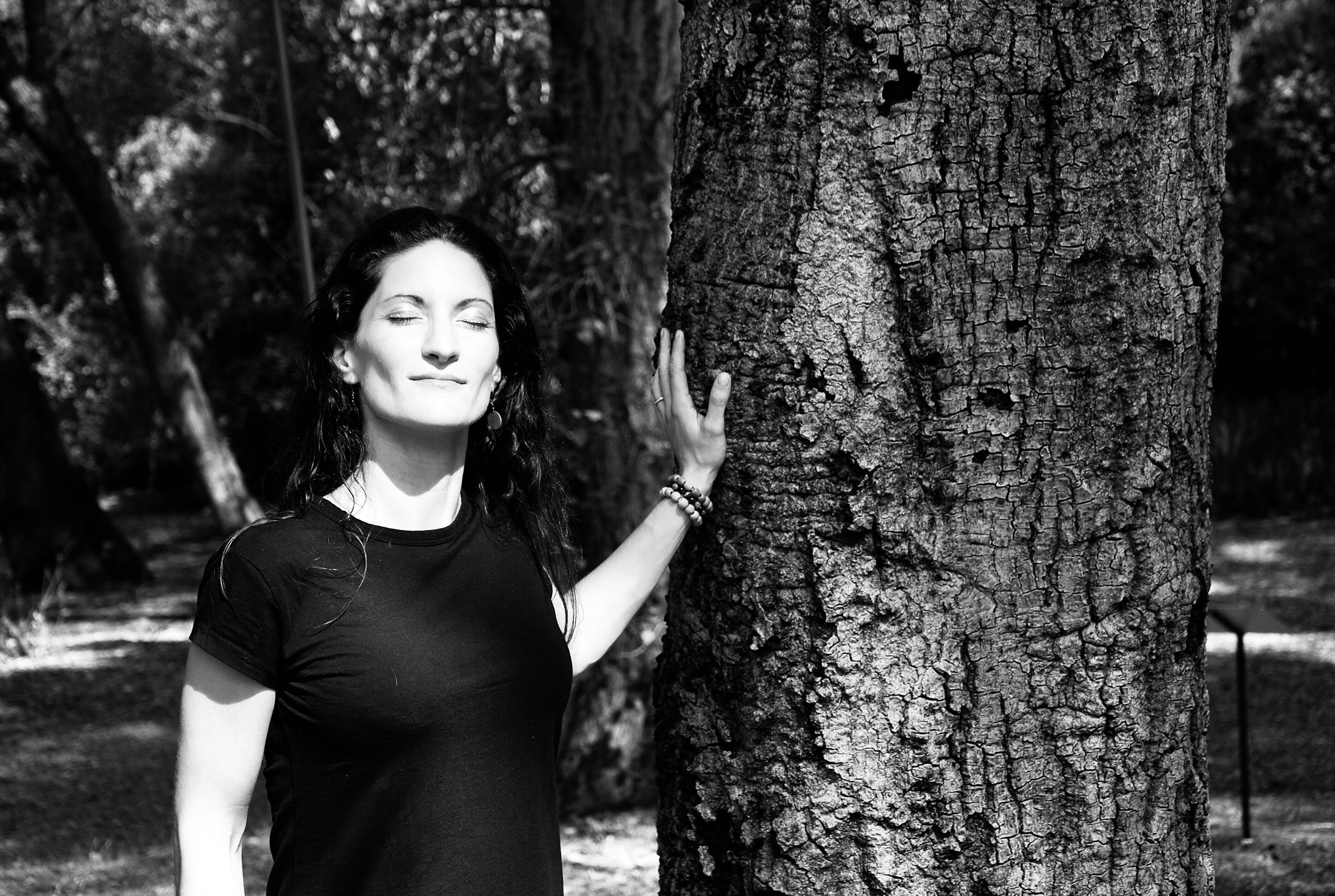
I was raised in the countryside of France, in a village with fewer than a thousand people. To this day, I have kept a deep sense of connection to nature because of it. My parents worked in the medical field, and conversations around the table were often centered on health, illness, healing, life, and death. Being chronically ill myself and not knowing any other way to be, there was a clear focus for me growing up on the body, healing, and the human condition.
I feel grateful today for what I have experienced, as it has shaped everything about who I am. I am familiar with things like chronic illness, chronic pain and injuries due to pushing too hard, a body that did not always function well, depression, anxiety, significant losses, other serious traumas, and flirting with death a few times. I grew up feeling that way, and from a very young age, it invited me to find a different way of being – not by choice, but out of survival. My mind could never reconcile experiencing that much pain, so learning to feel into my body and connecting to my own life force became a resource that saved me.
Even though I chose a unique path — moving across the planet to a country with a different language and culture compared to where I come from — it is lovely to notice that I also ended up following the path of my lineage, becoming a healthcare provider, and answering a call to be of service.
I used to enjoy being on stage and performing. Now I enjoy having a professional practice that feels more like being behind the curtains or the camera, and I actually prefer its more authentic quality.
One of the most grounding things to me, in addition to my support team, rituals, and self-regulatory practices, has been the fact that the people I see in my office come from all walks of life. I see a great spectrum of backgrounds, a wide variety of conditions and nervous system states, from their teens to their 80s. It feels humbling and like a privilege to experience such a range of perspectives and histories. I find it fascinating, and it helps me re-center myself, again and again, reminding me of the bigger picture.
I don’t know where we are heading… I find myself more curious about cultivating our human intelligence than an artificial one. Our bodies are made of the same particles as the cosmos, and our understanding of ourselves is still, ultimately, very limited. This moment in time is also an invitation to move beyond intellect, pay attention within, and feel into our senses, so we can continue to evolve and expand who we are.
I intend to keep listening, and I’d love to help you do the same.
Contact Info:
- Website: https://www.flowingstill.com
- Instagram: https://instagram.com/flowingstill
Popular
-

Portraits of the Valley
-

LA’s Most Inspiring Stories
-

Greg Hex Is Turning the Everyday Kitchen Knife Into a Modern Design Object
-

Rick Norris Learned That Building a Successful Business Means Building a Life You Actually Want to Live
-
How Olivia Rush Turned Survival Into a Mission to Help Others Keep Going
-

How Bibi Goldstein Is Helping Entrepreneurs Reclaim Their Time by Embracing the Power of Delegation


