



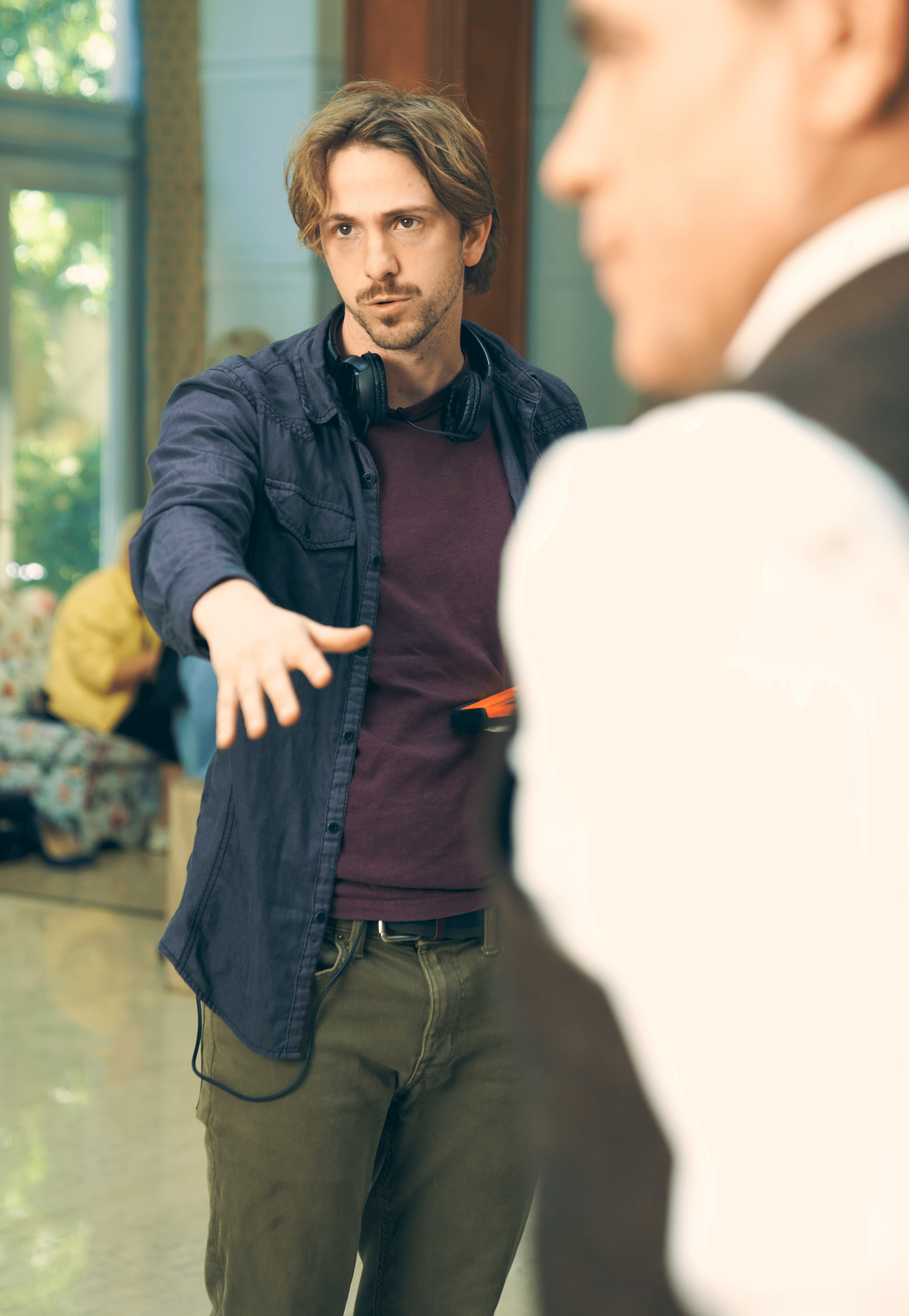
Today we’d like to introduce you to Seth Cunningham.
Hi Seth, so excited to have you on the platform. So before we get into questions about your work-life, maybe you can bring our readers up to speed on your story and how you got to where you are today?
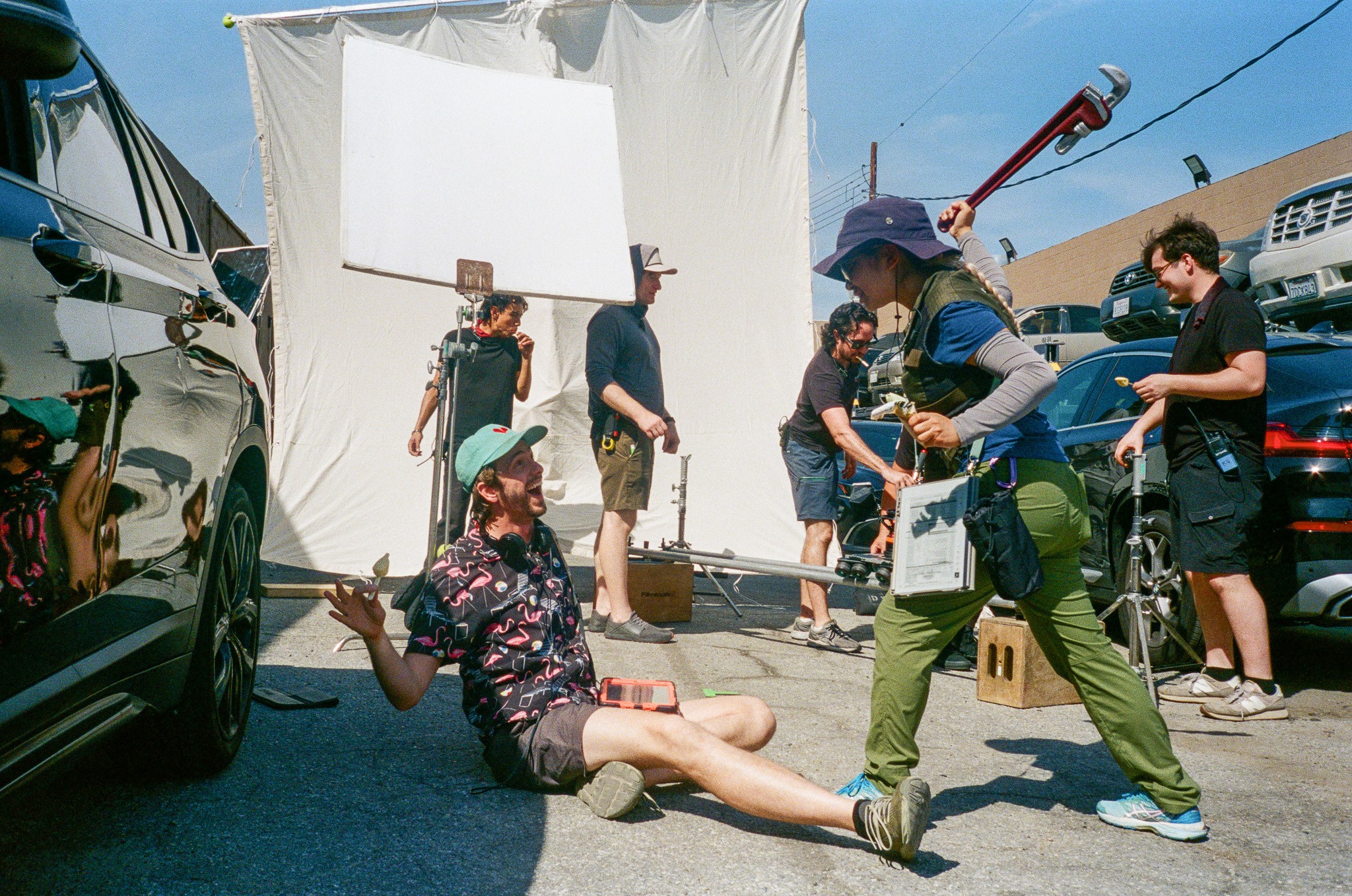
I grew up always loving stories; from a young age, I would craft stories with whatever resources I had. When I was a kid, my family were expats in the Carribean and South America so I would spend alot of time alone on the beach or in the jungle, while my older sibling were off partying i would recreate my favorite scenes from movies, building helms deep out of sand, imagining the seaside sapling as a dino infested jungle, the spice nuts, and seashells were my actors. After moving to the US, those spice nuts became Legos, then action figures, the neighborhood friends. Eventually, my storytelling desire needed a bigger audience than just whomever I could wrangle around the house. So my close friends and I started my very own YouTube channel. It was the early 2010’s and the idea of being a creator on the internet was a blossoming career path, but more important than that, it just looked like fun. That YouTube channel pushed me to experiment and really find my love for the process of filmmaking; it was my support through all the ups and downs of high school, and the art was my closest companion. Towards the end of high school, I was thinking about career paths and was heavily considering film as one of them. To test the waters, I went to a Summer Camp called “Camp Flix” which was a film-oriented summer camp in which a bunch of film-loving teens get together and learn the art of filmmaking and produce a film under the guidance of industry professionals. It was essentially like a mini conservatory; I LOVED it. It was my first time that I was surrounded by people just as passionate about filmmaking as I was; we were a real cast and crew of people who all had the same goal, a team. It was a feeling that I latched onto and dreamed of after it was over. I got that and more when I started attending Savannah College of Art and Design for Filmmaking, a school that might not have the industry name power of USC or NYU but to this day I will stand by their superiority as a film school, The resources they had available to us and the ability they gave us to screw up and make the wrong decisions as student on a industry size scale is unmatched by any other film schools. Outside of classes, instead of classic college partying, we were working hard making films and TV shows with every second of free time we had. The lessons I learned there, along with the passionate people I learned alongside, shaped who I am as a filmmaker today. All that momentum came to a crashing halt because I was in the class of 2020; we’ve all lived it and know the sentiment, so I won’t go into that. I moved to a dormant Los Angeles and did whatever I could to stay afloat as the film world cautiously opened back up. My first big break was working in the COVID department. Then it was working on the producing team for documentaries and reality, but I never lost sight of narrative storytelling, of that little boy in the sand making movies. In 2023, I was offered to work in the narrative field in a new format. It was an indie movie, but they were shooting it vertically, for your phone. I lived through the hype of Quibi, but something about this felt different; I could tell this was going to be a new wave of film akin to streaming, at-home TV, etc. I was determined to ride that wave. For the last 3 years, I’ve been working in the now very popular and ever-expanding vertical “MicroDrama” space as a director and producer, seeing how it’s grown as a medium and has continued to evolve. It’s something I’m very passionate about and very optimistic about despite the growing fear of AI inside the media industry.
Alright, so let’s dig a little deeper into the story – has it been an easy path overall and if not, what were the challenges you’ve had to overcome?
I first started experimenting with the idea of being in the entertainment industry in a town where that was VERY MUCH not an option. It was in the heart of Alabama, a football college town for business majors and engineers. Growing up in an environment that black-sheeped that kind of artistry was extremely isolating at times, but in a way I think it also laid the foundation of determination and resilience in my mind that I have now found that people who grew up in a more art forward community don’t have. Graduating college in the pandemic and walking into a world where every connection and planend pathway was walled off was yet ANOTHER road block that tested my persiveince as a filmmaker, causing me to do whatever I can just to stay in Los Angeles so I can have a chance at oppurtunity, I worked as janitor for a grade school, A maid service for houses, and an essembly line worker. Eventually I did break in and establish myself within the unscripted space, but the jump into the scripted space is something I’m sure many filmmakers are familiar with. I had to leave a more secure, well-paying environment to move to an unstable and ill-paying workplace, but it was closer to my goal as an artist. As I started working in more and more creatively dependent roles, I started to lean on myself more as an artist, but I fell into a dilemma: after working so hard on the craft, I had lost track of what I wanted to bring to it as me and what stories I wanted to tell. I feel like it’s a cyclical thing that many artists have to go through: the rediscovery of what you feel makes life juicy. I reconnected with my multicultural childhood and my life experience that reminded me what is so wonderfully eclectic about humanity and why I want to tell stories about them.
Thanks for sharing that. So, maybe next you can tell us a bit more about your work?
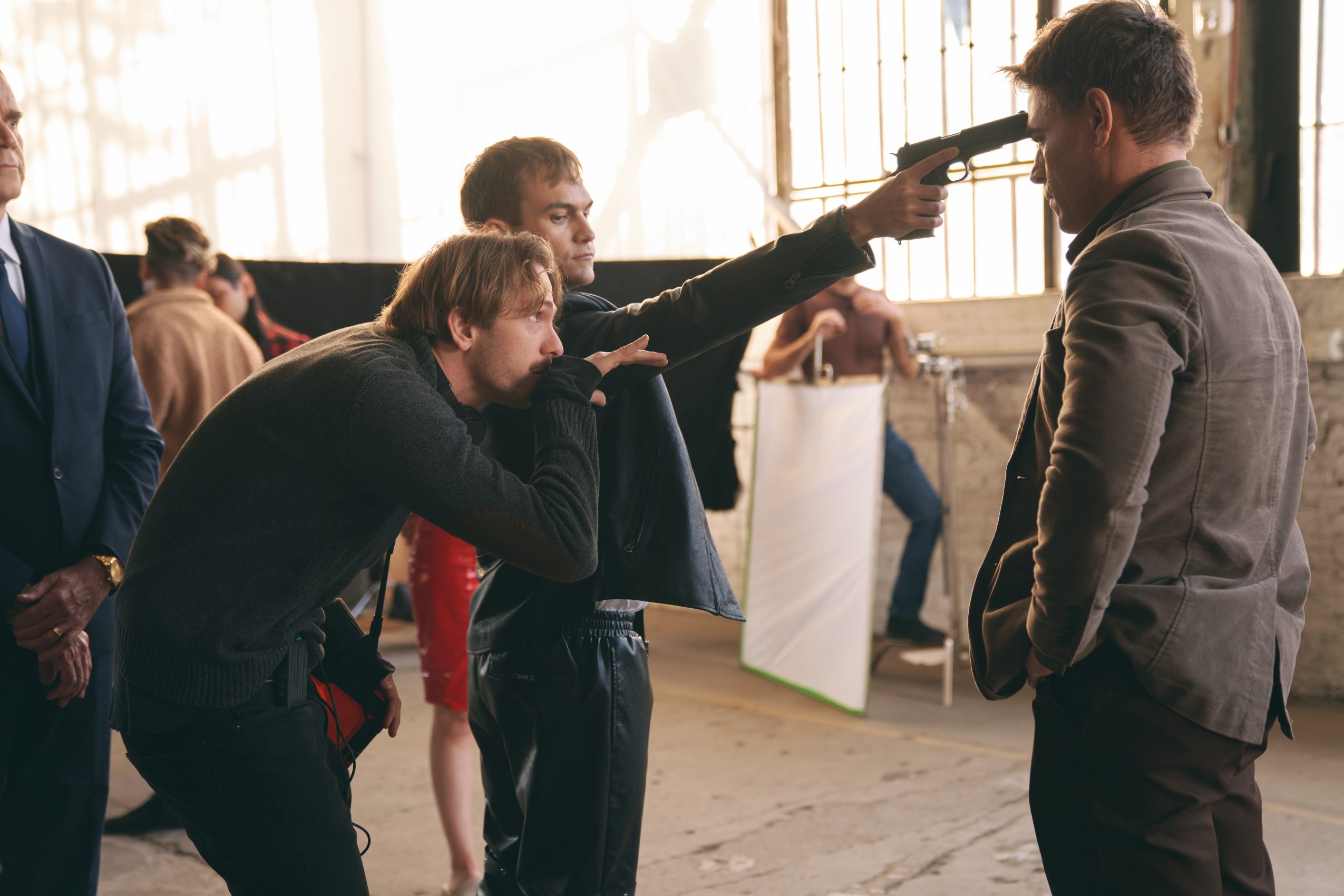
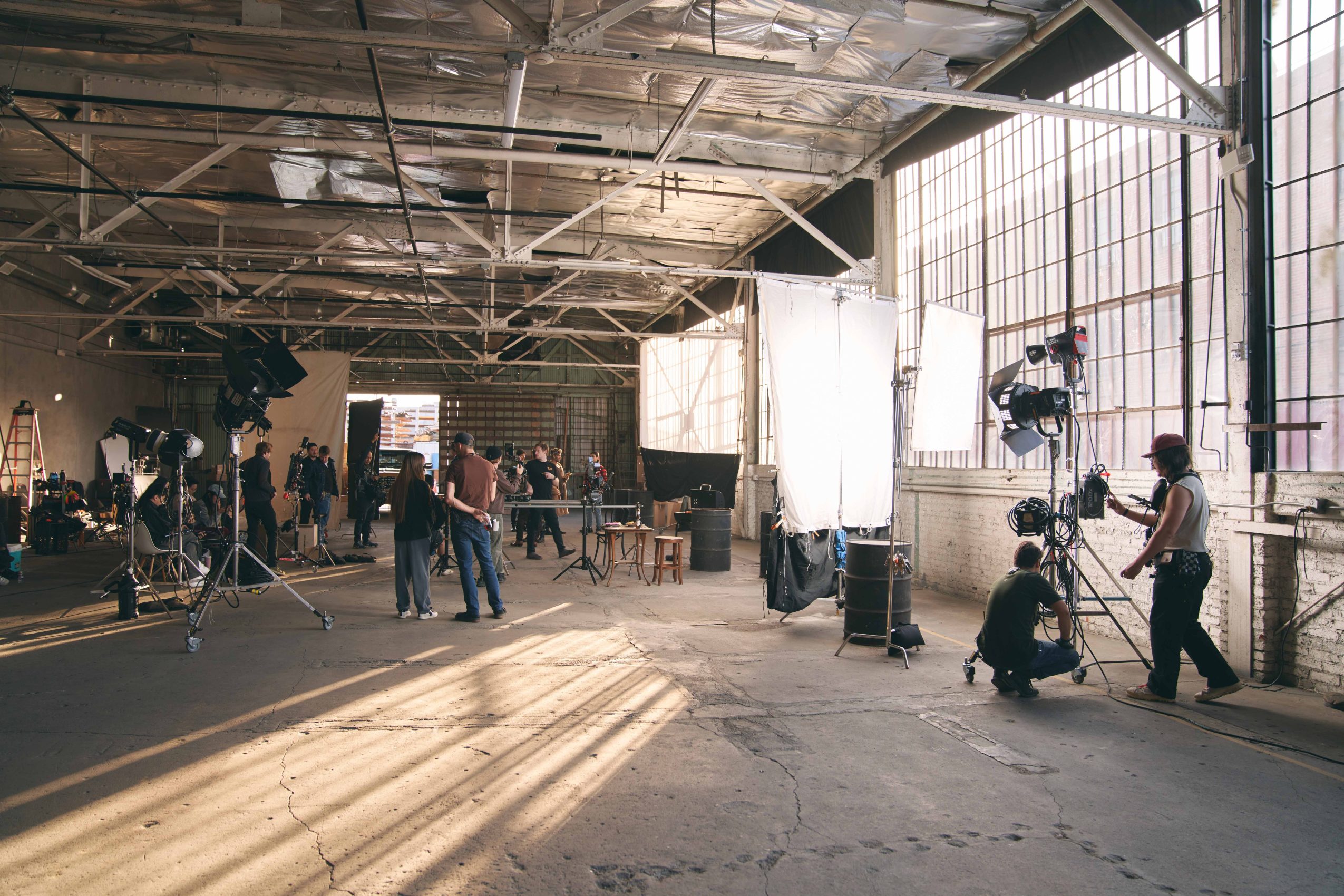
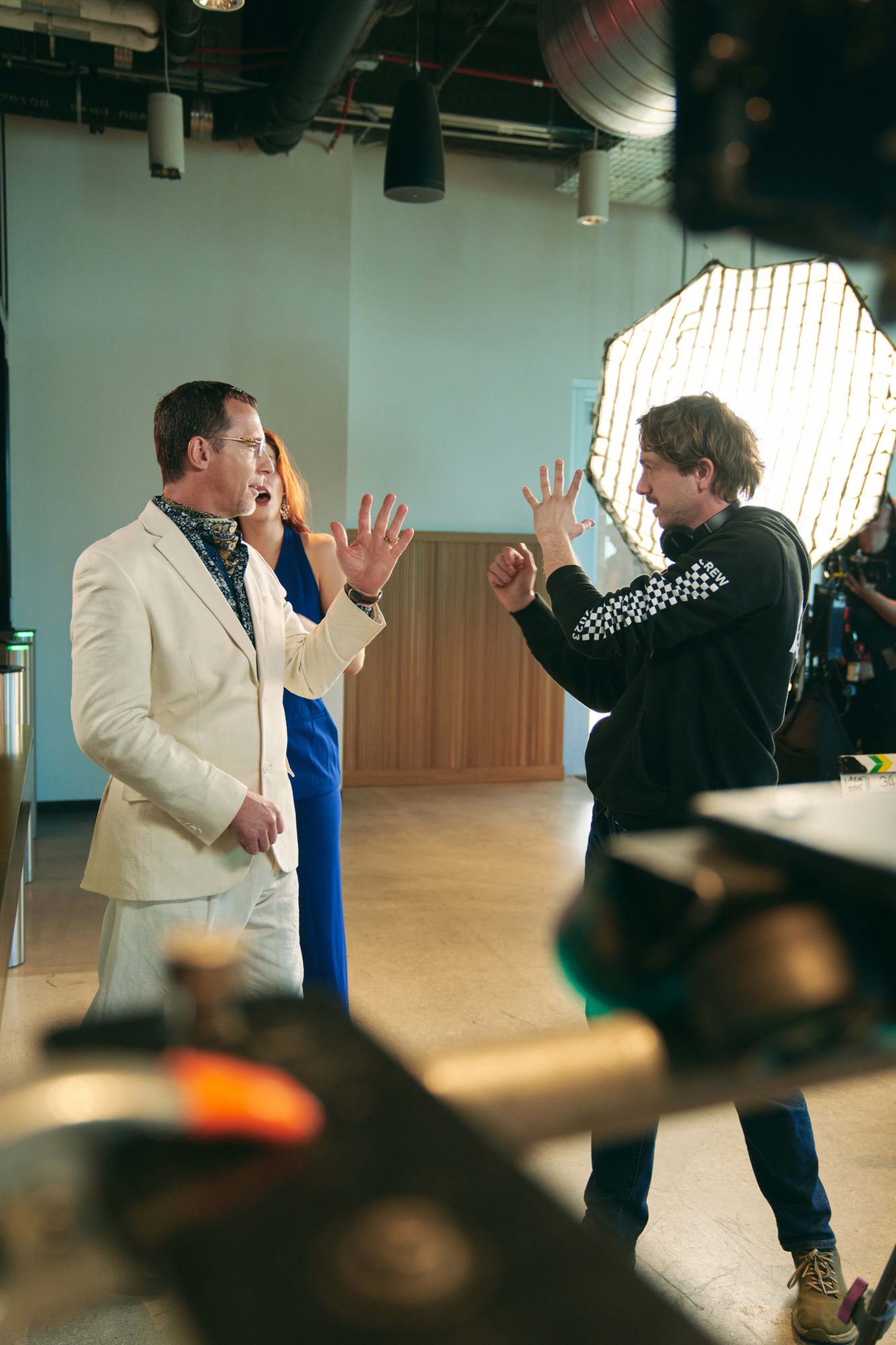
I direct, produce and write with in the film industry, Most notably I’ve worked within the unscripted TV space on shows like “Rupaul’s Drag Race” and inside the scripted space on the new wave of Vertical MicroDrama’s, I have over a billion view cumulatively across the my MicroDrama Tv shows and helped cement multiple studios like Reelshort, Bytedance, and Peacock as powerhouses within the MicroDrama industry.
Any advice for finding a mentor or networking in general?
Finding a Mentor is honestly just luck, which I know isn’t super helpful, but you just HAVE TO keep making stuff and putting it out there for the world to see. Eventually, someone will see you hustling and will be willing to lend you a hand; the key is not to bite that hand back. I’ve seen people push away mentors by being overly confident in their own experiences, so they are not willing to take in advice and do not realize the door they’re shutting on themselves. At the same time, you don’t want to lose yourself to whatever the mentor thinks your identity is. The key is to always be open and excited about change, but be slow to fully implement it, always check in with yourself to make sure this is where you want to be career-wise.
Contact Info:
- Website: https://www.cunningfilms.com
- Instagram: https://www.instagram.com/cunningfilms
- LinkedIn: https://www.linkedin.com/in/seth-cunningham-113924134
- Youtube: https://youtu.be/-PE2q8kfiwY
- Other: https://www.entlab.la/seth-cunningham
Popular
-

Portraits of the Valley
-

LA’s Most Inspiring Stories
-

Greg Hex Is Turning the Everyday Kitchen Knife Into a Modern Design Object
-

Rick Norris Learned That Building a Successful Business Means Building a Life You Actually Want to Live
-
How Olivia Rush Turned Survival Into a Mission to Help Others Keep Going
-

How Bibi Goldstein Is Helping Entrepreneurs Reclaim Their Time by Embracing the Power of Delegation


