



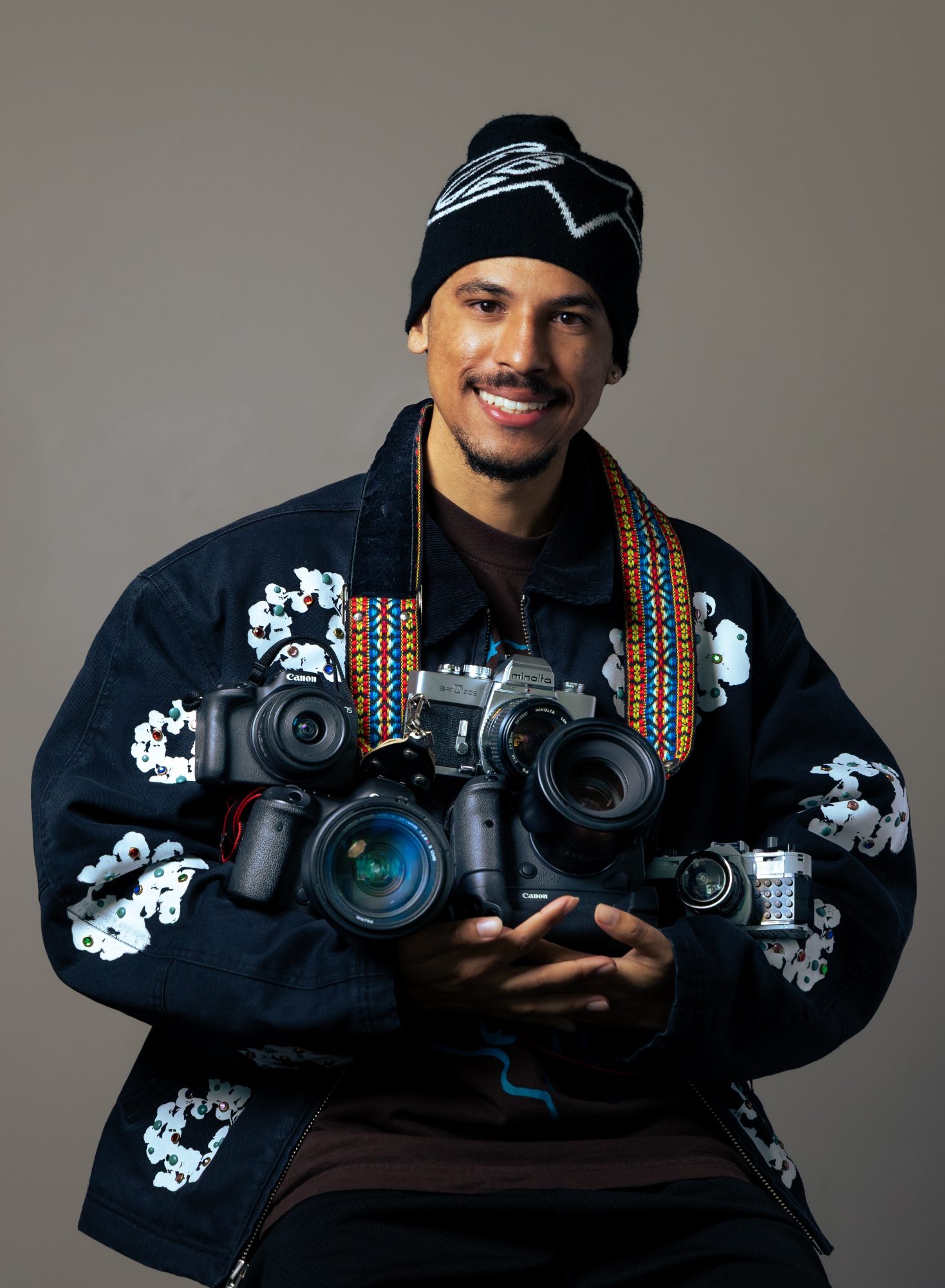
Today we’d like to introduce you to Julian Hamilton.
Hi Julian, can you start by introducing yourself? We’d love to learn more about how you got to where you are today?
In 2017, during my sophomore year at Loyola High School, I took a photography class. It was my first real introduction to photography and the only formal training I ever received in how to take pictures. My teacher was a priest named Father John Quinn, who was pretty hardcore when it came to photo assignments and subject matter. I remember one assignment where he wanted us to take 50 photos of a single car. I had no idea how in the hell I was going to do that, considering I was 16 and didn’t even have a driver’s license at the time. In my mind, this was just an elective and I didn’t have time to worry about what seemed like ridiculous assignments. But that particular assignment forced me to think differently about angles, perspective, and how I could make 50 interesting images of the same subject. I started using my imagination to recontextualize the car and it made me realize just how many possibilities there are when photographing a single subject. I learned that one of the biggest limitations in photography is the ceiling you place on your own imagination. That lesson stuck with me and I felt like I had found a medium that allowed me to explore the narratives already living in my head. The class I initially wrote off as an elective ended up giving me the fundamentals that set me on my creative path. Funny enough, I carried photography with me even as I started my DJ era around the same time.
Fast forward to my senior year at UCLA and I had made a name for myself as a DJ on campus. I was DJ’ing many of the school’s major events and even opened for artists like Young Nudy, Luh Tyer, and Kenny Mason. I’ve always loved music and college was the perfect playground for learning how to move a room and create the atmosphere for a night. But I had become comfortable in my role as a DJ and wanted to challenge myself to grow as a photographer. That’s when I found FAST, the Fashion and Student Trends Club, which became the catalyst for taking photography much more seriously. For the first time, I was surrounded by other creatives who were passionate about fashion and I got to learn the process of bringing a photoshoot to life. The editorial directors, Amber and Jacob, created an environment where we could explore all kinds of ideas and I became hooked on the freedom of organizing and assembling shoots. Leading my own productions gave me the confidence to believe I could be a good creative director. I had always imagined myself supporting other people’s ideas because I’m pretty quiet, contrary to popular belief, and I initially didn’t think anyone would want to be part of my shoots. But as I gained more experience, photographed other people’s productions, and started getting recognized for my eye, I felt encouraged to organize my own shoots after graduation. Even though I was only in FAST during my final year, it became the launchpad for my career and gave me the confidence to believe photography could actually work for me.
After graduating from UCLA in 2024, I started hustling to create opportunities for myself and build momentum. I secured an internship with Live Nation Urban through a photobook I created for my college capstone project, which led to opportunities to photograph concerts featuring Jeezy and Chief Keef. It was my first real taste of the music industry and I was hooked. Getting access to photograph artists I had grown up listening to made me want to go deeper into documenting music culture and the different eras artists create. From there, I used my Live Nation portfolio to secure a production assistant position with the Coachella Photo & Video Team. That experience was an incredible learning opportunity because I was surrounded by industry photographers who had been documenting one of the world’s biggest music festivals for years. I got to see first hand how they approached their shots and edited images for social media. Although I wasn’t there as a photographer for the team, I came away with valuable insight and became much more intentional about my style and the images I captured when bringing my camera to events around LA. I was also given the opportunity to photograph a DJ set at the Sahara Tent, which was another milestone I could add to my portfolio.
Even though I had landed two major opportunities back-to-back, there were still long stretches when nothing was happening and nobody was reaching out about photography work. During those quiet periods, some family members began questioning my future and wondering whether I was wasting my time because the momentum had slowed down. Their doubts got in my head and I started questioning whether I was putting too much into photography without knowing if it would lead anywhere. Instead of waiting around for the next opportunity, I reached out to friends in LA and began organizing photoshoots that reflected my own creative voice. I used these shoots as a way to explore what I was feeling and put more of my perspective and taste into my work. For my first creative directed shoot in this series, I explored how people on social media can fabricate an image of a healthy romantic relationship for engagement and clicks. At the time, I was processing the grief of losing someone I cared about and I wanted to examine how two people who. look good together on paper can still be incompatible in the long run and how that carefully constructed facade can fall apart when someone finally confronts the truth. The concept became the first installment of my trilogy, “001: I Should Be Open, But I Can’t Stop Thinking.” That series reaffirmed why I love photography and why I wanted to pursue it full-time. People connected with the work and reached out to tell me how it made them feel. It was reassuring to see that there was room in photography for vulnerability and that something so personal could resonate with people in ways I hadn’t anticipated. It reminded me of photography’s power to affect people and gave me a stronger sense of purpose to keep creating honest work and trust that I was on the right path.
After producing more self-directed shoots and photographing music events for free to build my portfolio, including driving to Las Vegas to photograph ComplexCon as an attendee without getting paid, I began reaching a point where I couldn’t keep giving my work away in exchange for exposure. I knew I needed an opportunity that would recognize the value I could bring to the table and put my skills to use at a higher level. That’s when I came across an internship opening with Getty Images’ Entertainment department on LinkedIn. By that point, I had already proven to myself how hard I was willing to work and how much I wanted to pursue photography. I had actively sought out opportunities, initiated conversations, and found ways into spaces that weren’t always easy to access. So, I genuinely believed I was a strong candidate for the internship and I gave the application and interview process everything I had. When I received the news that I had been accepted while on trip to Japan, it felt like my life had changed for the better. I was beginning to see how much bigger the world of photography could be than I had imagined. From photographing the Grammys to flying to New York to cover the Met Gala, I was exposed to experiences that expanded my perspective at a young age. More importantly, I gained confirmation that I could deliver high quality images at an industry level and that the work I had put in up to that point hadn’t been a waste of time. Getty Images reinforced that my earlier opportunities weren’t just a fluke; they were part of a path I had been building for myself. I carry that experience with me beyond the internship, using it as a source of confidence to continue creating the work I believe in and building visual worlds that people want to see, connect with, and experience.
I’m sure it wasn’t obstacle-free, but would you say the journey has been fairly smooth so far?
I think one of the biggest challenges has been navigating an industry where representation behind the camera doesn’t always reflect the people and cultures being documented. There aren’t many Black photographers working at the highest levels of entertainment and documenting some of the world’s biggest cultural moments. Although I was fortunate to have a supportive team at Getty Images that trusted me to execute my assignments and opened a lot of doors for me, there were still moments when I felt that my perspective as a Black creative wasn’t necessarily understood or reflected in the editorial world around me. From the outside, it’s easy to look at the growing visibility of people of color on magazine covers and at award shows and assume the industry has become more inclusive. But representation in front of the camera and representation behind it are two different things. The people documenting these moments have historically come from a much narrower range of backgrounds and I believe that affects the perspectives and stories that get captured. You see photographers like Nick Knight, Annie Leibovitz, and Kenneth Cappello, who have created iconic imagery throughout the decades and have inspired me, working in these spaces, but I’d also love to see more photographers like Cam Hicks, Flo Ngala and Gunner Stahl given those same opportunities. I don’t believe these perspectives have to compete with one another; I believe they can coexist and make the industry richer. But for that to happen, the industry has to make room for more voices, particularly younger creatives who bring different experiences and ways of seeing the world.
On a more personal level, when I was starting out, I had very little guidance on how to navigate a creative career and I often felt like I was building everything on my own. There were times when I found myself in rooms where important decisions were being made, but I didn’t necessarily feel that people understood my perspective or were invested in helping me develop it. Like I would have some people drop a few gems to me here and there, but not stay long enough to be a resource for me if I had additional questions as I was navigating different spaces. That made the journey stressful, uncertain, and at times very isolating. I had to learn how to initiate opportunities, develop my own projects, reach out to people to be a part of my team, and figure out what the next steps should be without always having someone to turn to for advice. Even now, asking for help can be difficult because I’ve experienced situations where the support I hoped for wasn’t there or where the effort I put into building something with other creatives wasn’t always reciprocated. I’ve tried to create the kind of community I wish I’d had when I was starting out, bringing people together through my own photoshoots and making space for others to contribute their ideas. Some people have genuinely appreciated that while other experiences have taught me to be more discerning about the people I work with and the relationships I invest in. I’ve learned that people approach creative work for different reasons and that not every connection will develop into the kind of mutual support you hope for. It can be difficult to accept that, especially when you’re trying to build something meaningful with other people.
Despite those challenges, I never wanted those experiences to stop me from putting my work into the world. When opportunities weren’t coming my way, I created my own through personal projects, reaching out to people, and finding ways to get into spaces I wanted to learn from. Those projects became more than a way to build my portfolio; they became a way to express my voice and connect with people who saw something of themselves in my work. I’ve also met wonderful creatives along the way, including people who took the time to give me advice, look out for me, and offer encouragement when I felt lost. I don’t take those relationships for granted. My journey so far has taught me how important it is to advocate for yourself, remain resilient when the path isn’t clear, and recognize the value of creating opportunities for others when you have the ability to do so. Ultimately, I want to keep growing as a creative while contributing to an industry where more people can see themselves represented, not only in front of the camera, but behind it, telling the stories that shape how we see the world.
As you know, we’re big fans of you and your work. For our readers who might not be as familiar what can you tell them about what you do?
At my core, I’m someone who takes pictures of things that genuinely interest me, particularly in music, fashion, and contemporary culture. I’ve always loved music and over the past few years, I’ve become increasingly interested in fashion, especially the way clothing, styling, and personal expression can tell a story about someone. Professionally, I’m known for music photography, celebrity portraits, and red carpet coverage, but I also create self directed photoshoots whenever an idea captures my imagination. People have described my work as storytelling because I’m intentional about how I curate images and sequence them to create a beginning, middle, and end. Whether I’m documenting an event or building a visual concept from scratch, I’m interested in building a visual narrative thread that illustrate a story across the images.
One thing I think sets me apart is how I approach photographing celebrities. I believe it’s easy to rely on someone’s fame to make a photograph feel important because the subject’s reputation can do a lot of the work for you. But, I’m more interested in what I can bring to the image beyond the person standing in front of my camera. I pay attention to faces, clothing, body language, and the context surrounding a moment. I remember looking through magazines growing up and feeling this almost otherworldly aura around certain figures, as if they lived among the stars. Now that I have the opportunity to photograph some of those people myself, I want to capture that sense of presence while still making images that feel distinctive to me. One of my proudest examples was photographing Michael B. Jordan alongside Stevie Wonder and Jon Batiste for Getty Images, shortly before Michael’s Oscar win. Being able to document that moment between these people who each hold such a significant place in culture felt surreal and seeing the photograph published in Rolling Stone the following day made it even more special. It reminded me that I wasn’t just taking a picture of recognizable people; I was documenting a moment in time that could become part of the cultural archive.
Two of my proudest professional experiences this year were photographing the winners in the Grammys press room and being flown to New York to cover the Met Gala. I’d wanted to photograph the Grammys ever since I began seriously documenting music culture in LA, but at the time, it felt so far out of reach that I couldn’t imagine being in that room at 24. It was during my first week shooting for Getty Images and I was excited to learn that I’d be photographing in the press room where they hand out the awards to the artists. I’d always wondered what that environment was like and the thought of contributing images to the Grammys’ visual history and an archive that could be revisited for years to come was incredible. Photographing artists like SZA, Billie Eilish, Lady Gaga, and Leon Thomas made the experience feel unreal and I couldn’t believe that I was capturing them. Also, I’ll never forget SZA tipping me in $2 bills at a Grammys party either. Being one of the youngest photographers in the press room and having the privilege to be in that room made the night even more meaningful.
The Met Gala was a different kind of experience. I’d always been fascinated by the outfits people wore to the event and I wanted to prepare myself to photograph them in a way that reflected my own eye. With Beyoncé expected to return to the carpet after a decade away, I knew I needed to step my game up. It was hands down the most chaotic event I’d ever photographed, but also one of the most rewarding. Seeing the outfits unfold in real time was so overwhelming that there were moments when my brain could barely process what I was capturing. Rihanna, Madonna, Bad Bunny, Alysa Liu, and members of BLACKPINK were arriving one after another and I had to really stay focused, change batteries quickly, and be ready for the next moment without missing a beat. Then Beyoncé arrived and the energy in the room completely changed. The line came to a halt, the crowd erupted, and she appeared with Blue Ivy and JAY-Z. It felt like witnessing a major cultural moment unfold in front of me and I was fortunate enough to document it. I also find it funny that you can spot me working in the background of some of the images from the event. Beyond the names and the spectacle, the experience made me appreciate fashion photography even more and showed me how much I enjoy documenting the relationship between clothing, identity, and culture.
Those experiences gave me confidence in my ability to perform at an industry level, but I don’t want my career to be defined only by how many celebrities I photograph or how many major events I cover. After my Getty Images internship ended, I felt an even stronger pull toward developing my artistic voice. Instead of immediately chasing the next big name or event, I created “003: What Happened Was…,” a self directed photoshoot that explored feelings of isolation and the uncertainty that comes with outgrowing an environment before knowing exactly what comes next. The project reflected some of what I was processing at the time and it gave me a way to turn those feelings into something visual that other people could connect with. I love creating work like this because it allows me to explore ideas that might not have an obvious place in a traditional editorial or event assignment while still making something that feels honest and relatable.
Can you talk to us a bit about happiness and what makes you happy?
I recently watched “The Departed” for the first time and that was the best way to spend my Sunday night honestly. Movies are the closest things we have to time machines and I’m glad we have so many different eras to watch from. And of course, music is the best form of therapy and my current therapist’s name is Lucy Bedroque.
Contact Info:
- Website: https://www.julianhamilton.info
- Instagram: https://www.instagram.com/jj_hammy_/
- LinkedIn: https://www.linkedin.com/in/jjhamilton3/
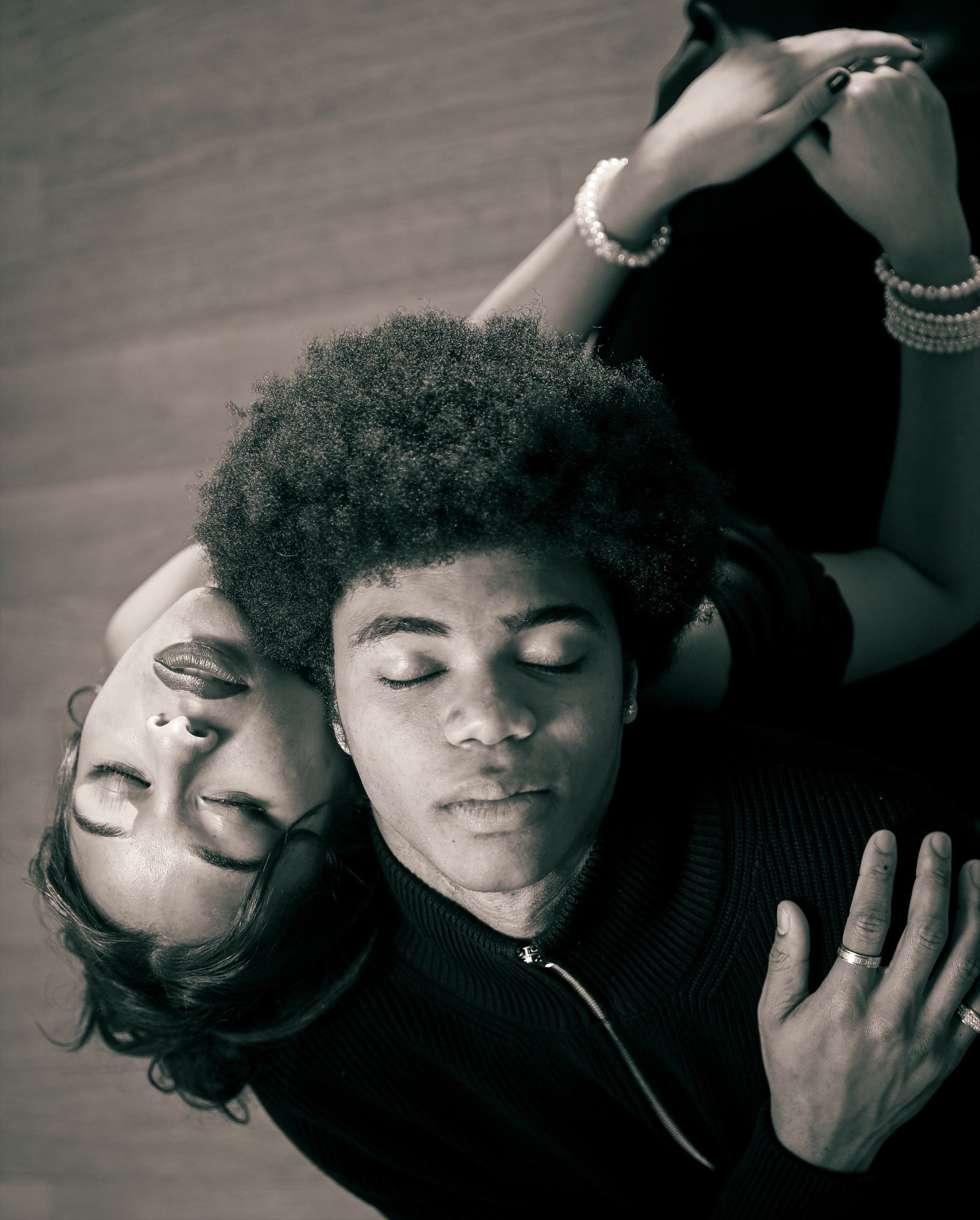
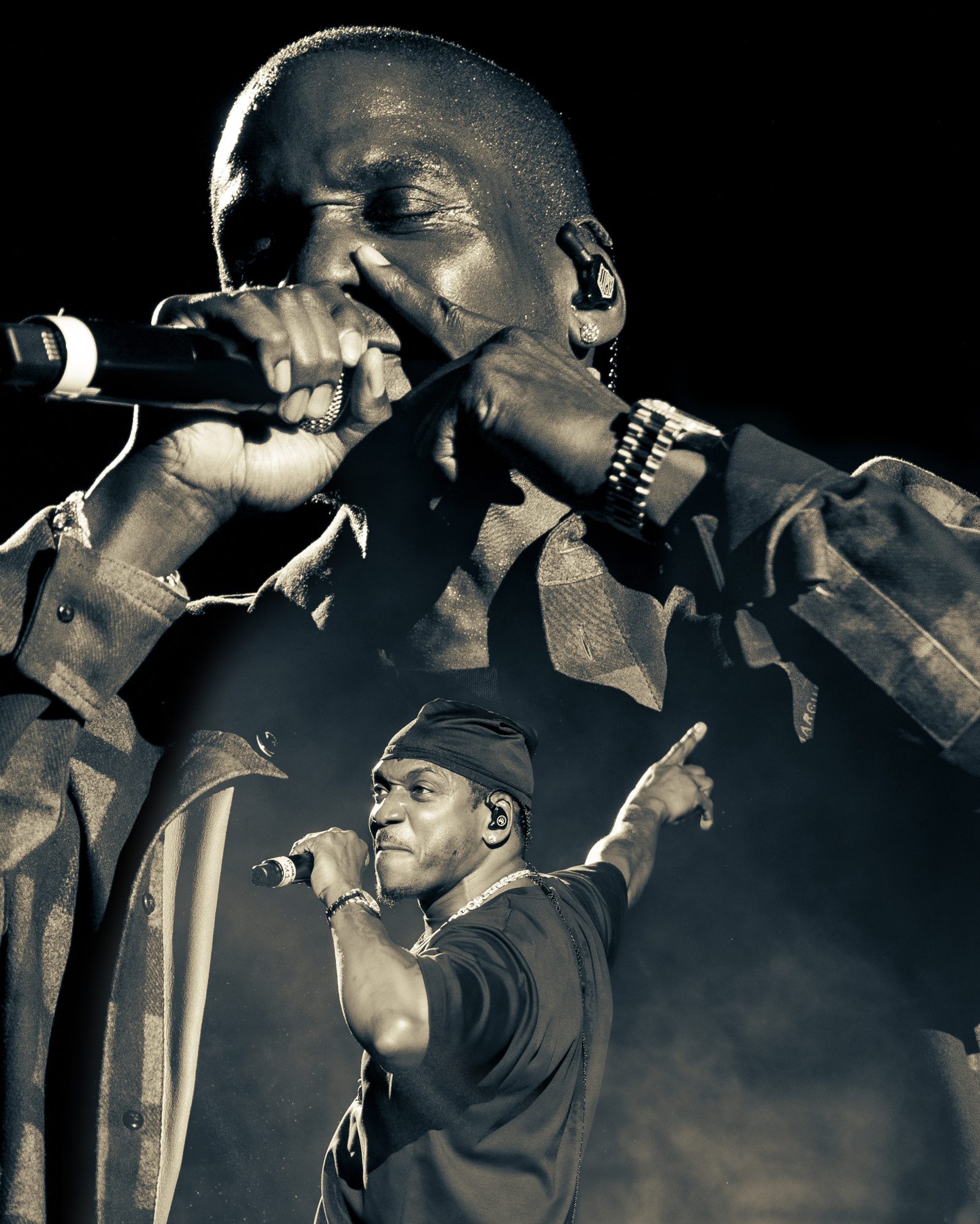
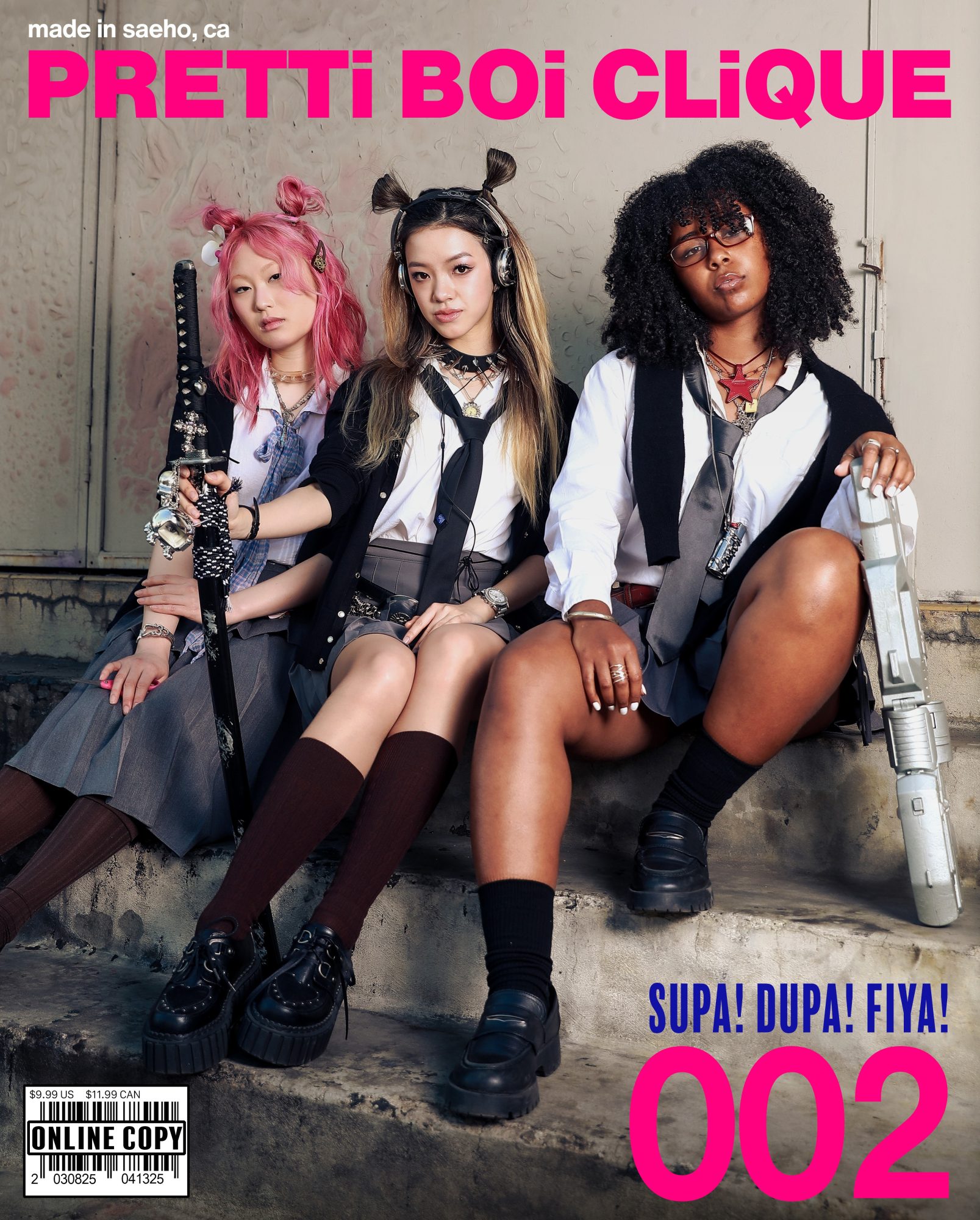
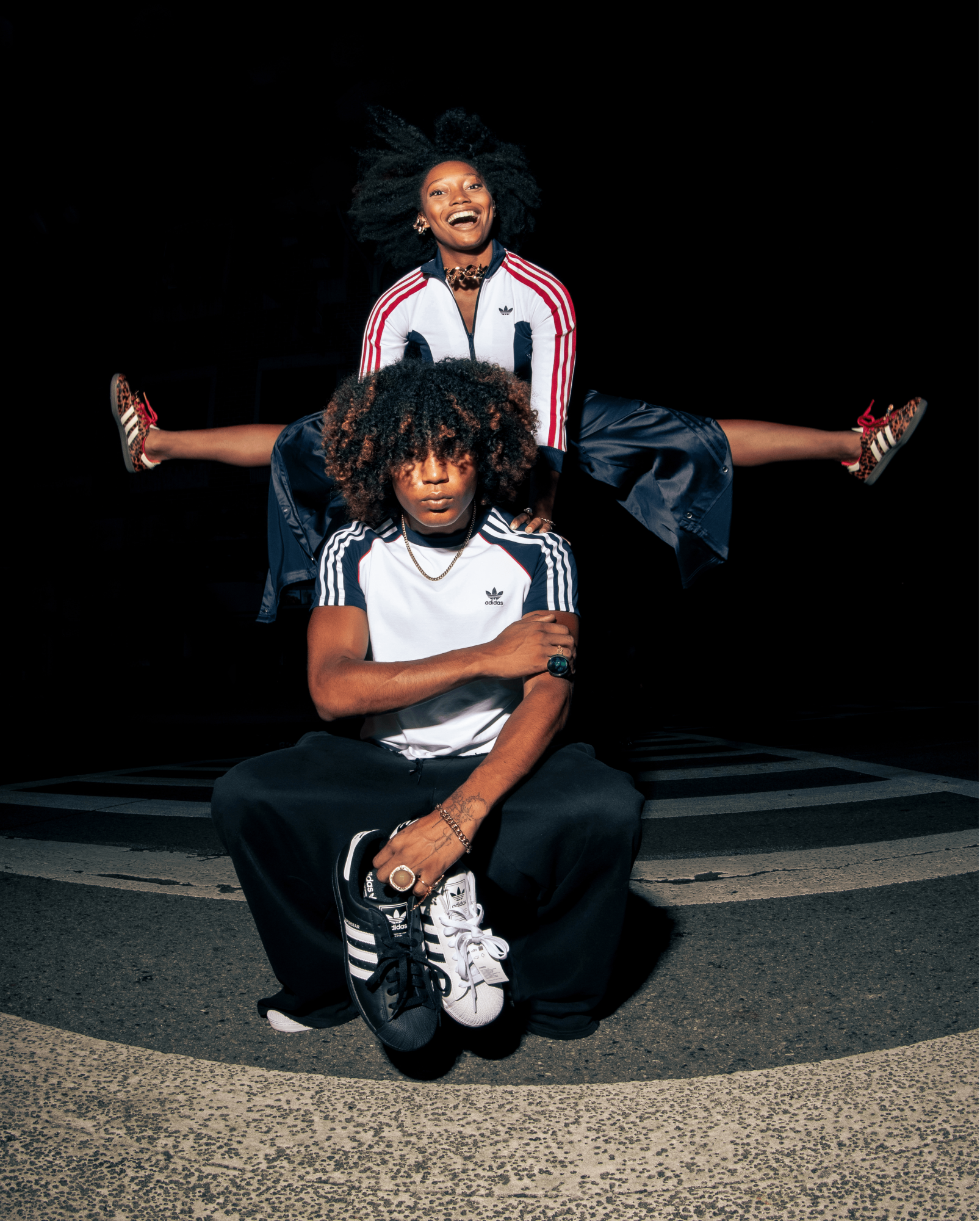
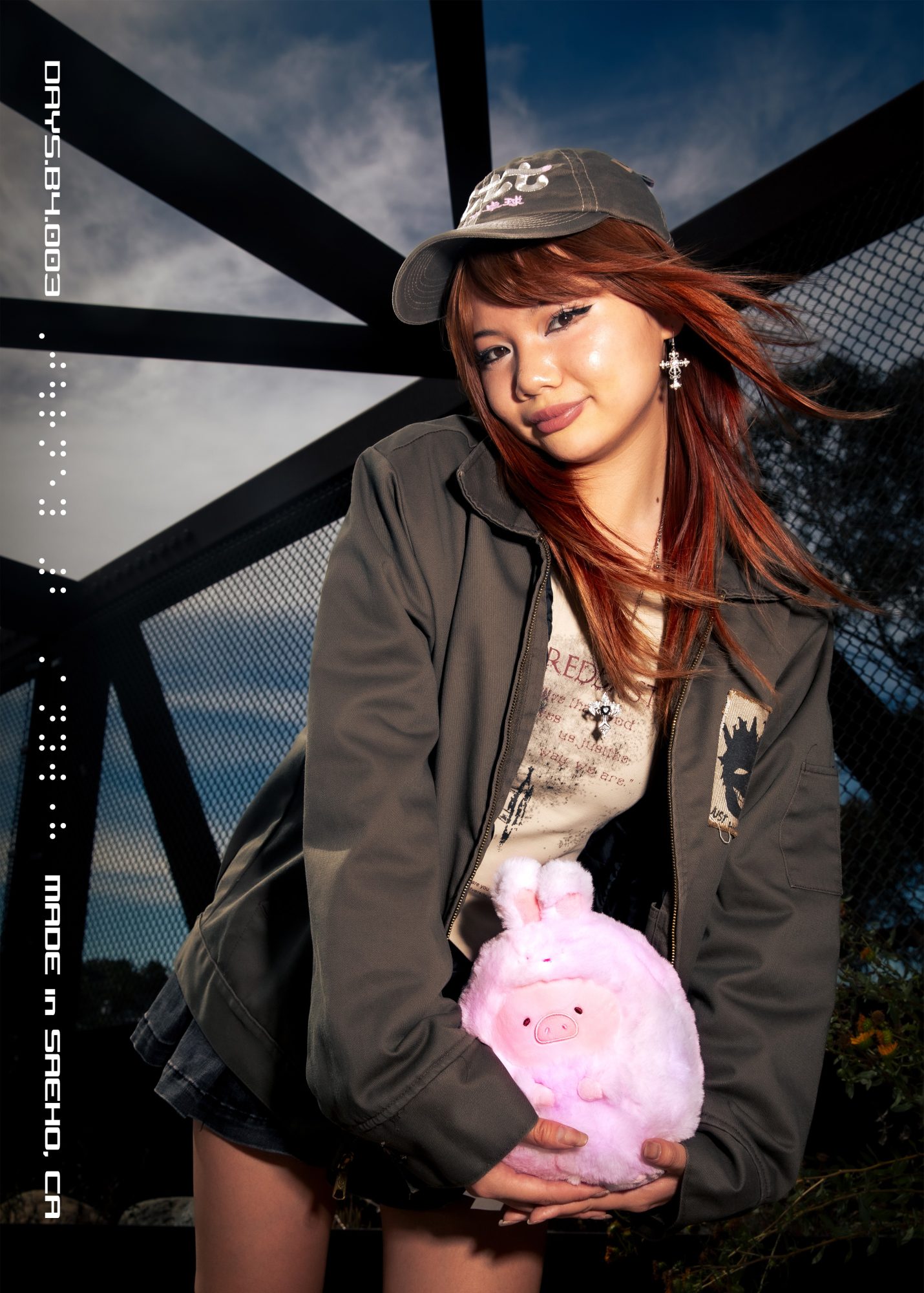
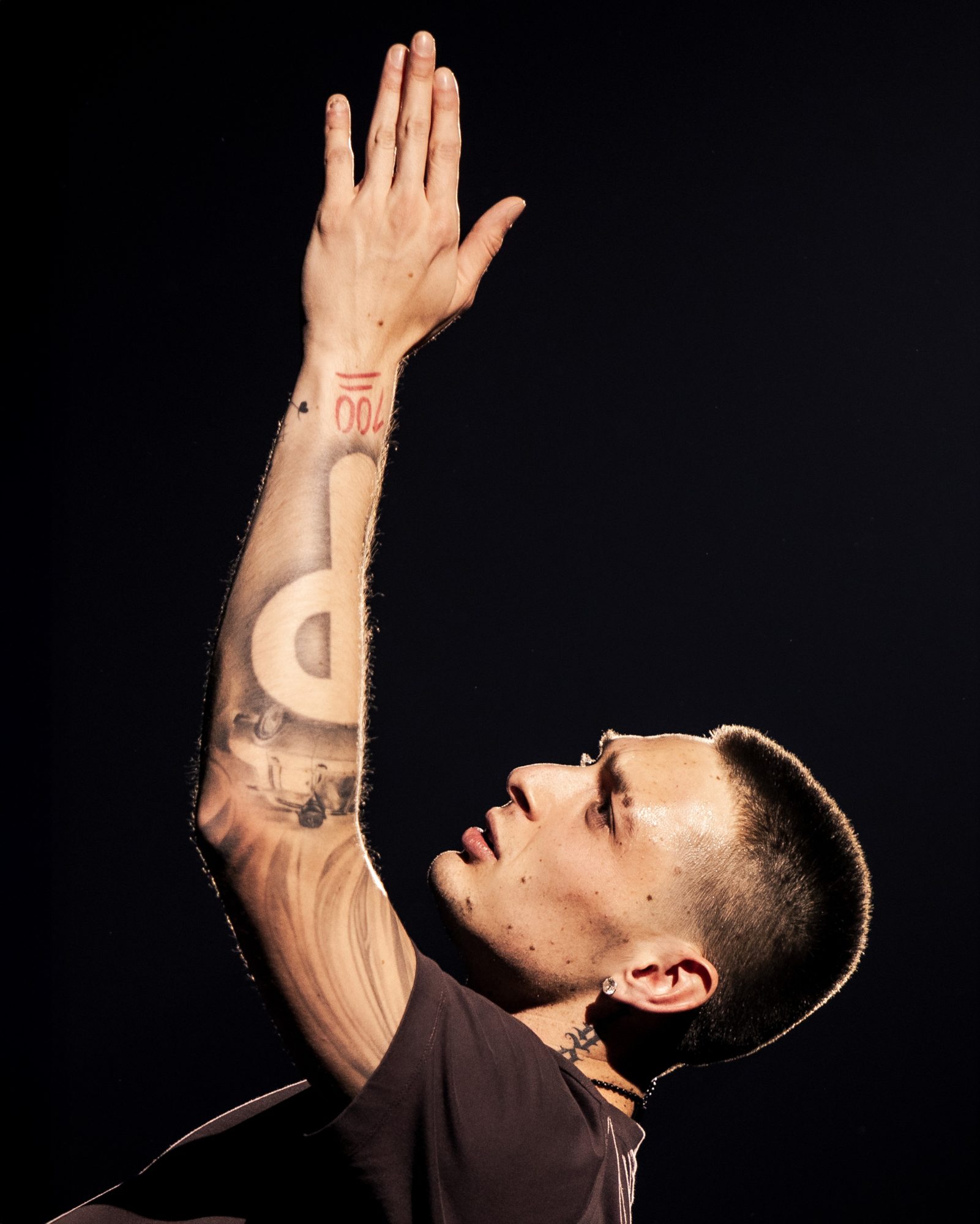
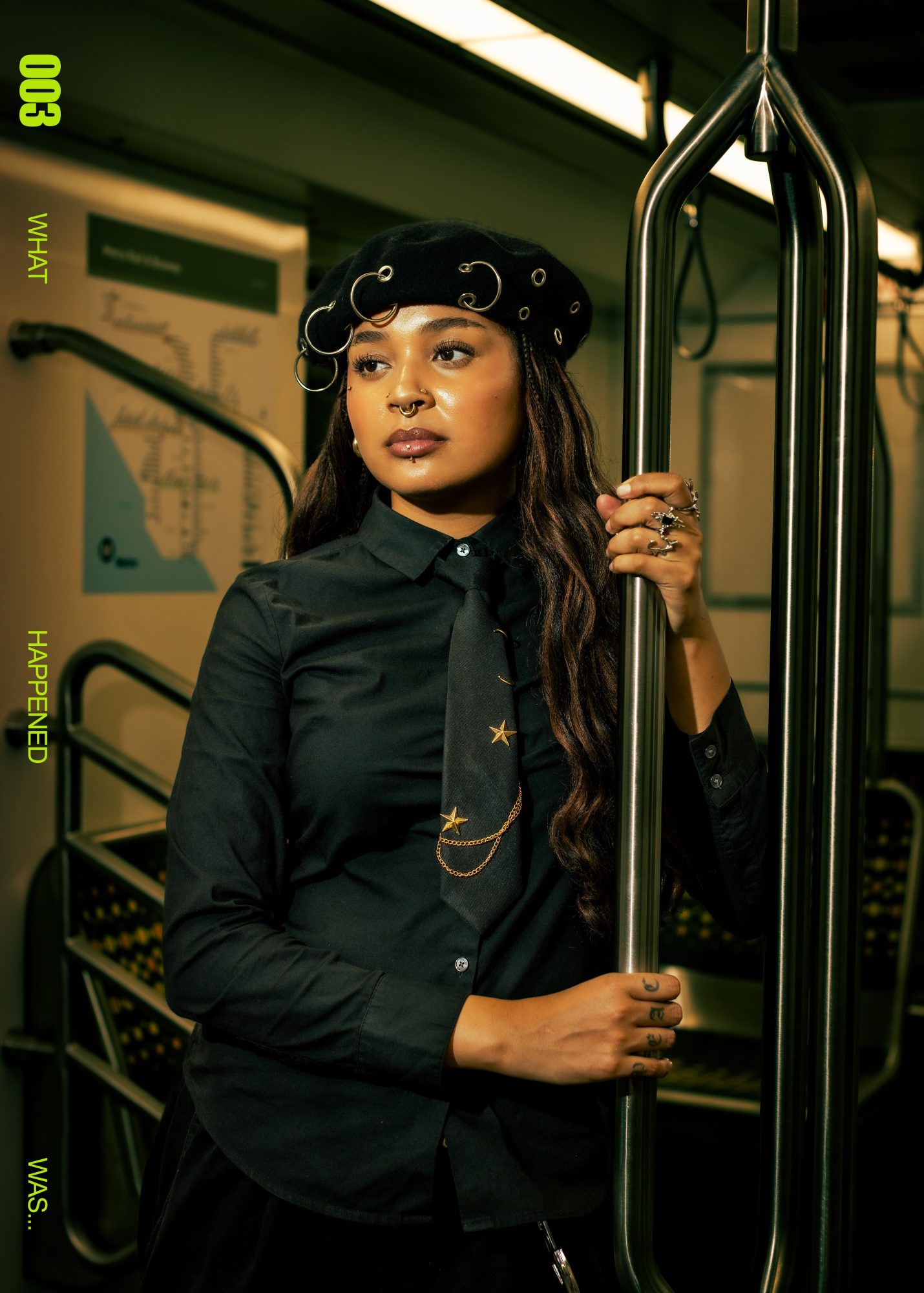
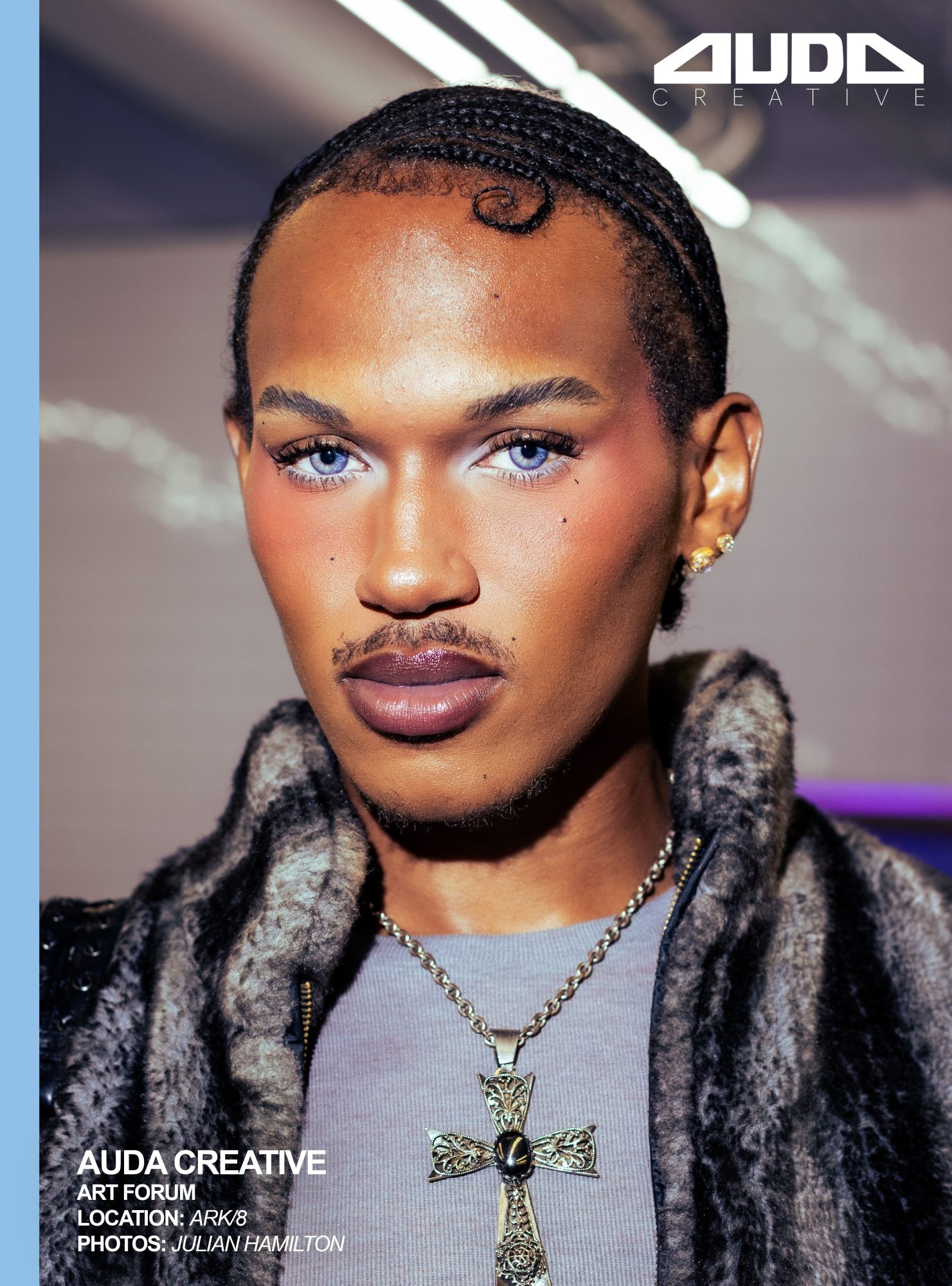
Image Credits
– 001: “I Should Be Open, But I Can’t Stop Thinking”
Photographed & Creative Directed by Julian Hamilton
Modeled by Trent Lawson & Imani Brutlag
Styled by Kanwulia Onianwa
Production & Lighting by Solomon Payne
BTS Filming by Tana Hok
– Clipse at ComplexCon ’25
Photographed by Julian Hamilton
– 002: “PRETTi BOi CLiQUE”
Photographed, Creative Directed, & Designed by Julian Hamilton
Modeled by Chanel Zong, Irene Chung, & Kiana Martinez
Hair & Wardrobe Styled by Lianne Calvo
Lighting by Jae Jae & Kameron Wiley
BTS Filmed by Taylor Lankford
BTS Shot by Josue Cambara
– “Hit the Ground Running with Adidas”
Photographed by Julian Hamilton
Modeled by Aaryn Coleman & Christopher
Lighting by Nhân Ng
Video by Jason Hernandez
– DAYS.B4.003: “Journey 2 Anywhere”
Photographed, Creative Directed, & Styled by Julian Hamilton
Modeled by Trinh Ha
Lighting/PA’ed by Angelina Kim
– Peso Pluma at ComplexCon ’25
Photographed by Julian Hamilton
– 003: “What Happened Was…”
Photographed & Creative Directed by Julian Hamilton
Modeled by Shanti Mejia
Lighting by Brianna Bryson
PA’ed by Cassidy Heard
– AUDA Creative Art Forum
Photographed by Julian Hamilton
Popular
-

Portraits of the Valley
-
LA’s Most Inspiring Stories
-

Greg Hex Is Turning the Everyday Kitchen Knife Into a Modern Design Object
-

Rick Norris Learned That Building a Successful Business Means Building a Life You Actually Want to Live
-
How Olivia Rush Turned Survival Into a Mission to Help Others Keep Going
-

How Bibi Goldstein Is Helping Entrepreneurs Reclaim Their Time by Embracing the Power of Delegation


