




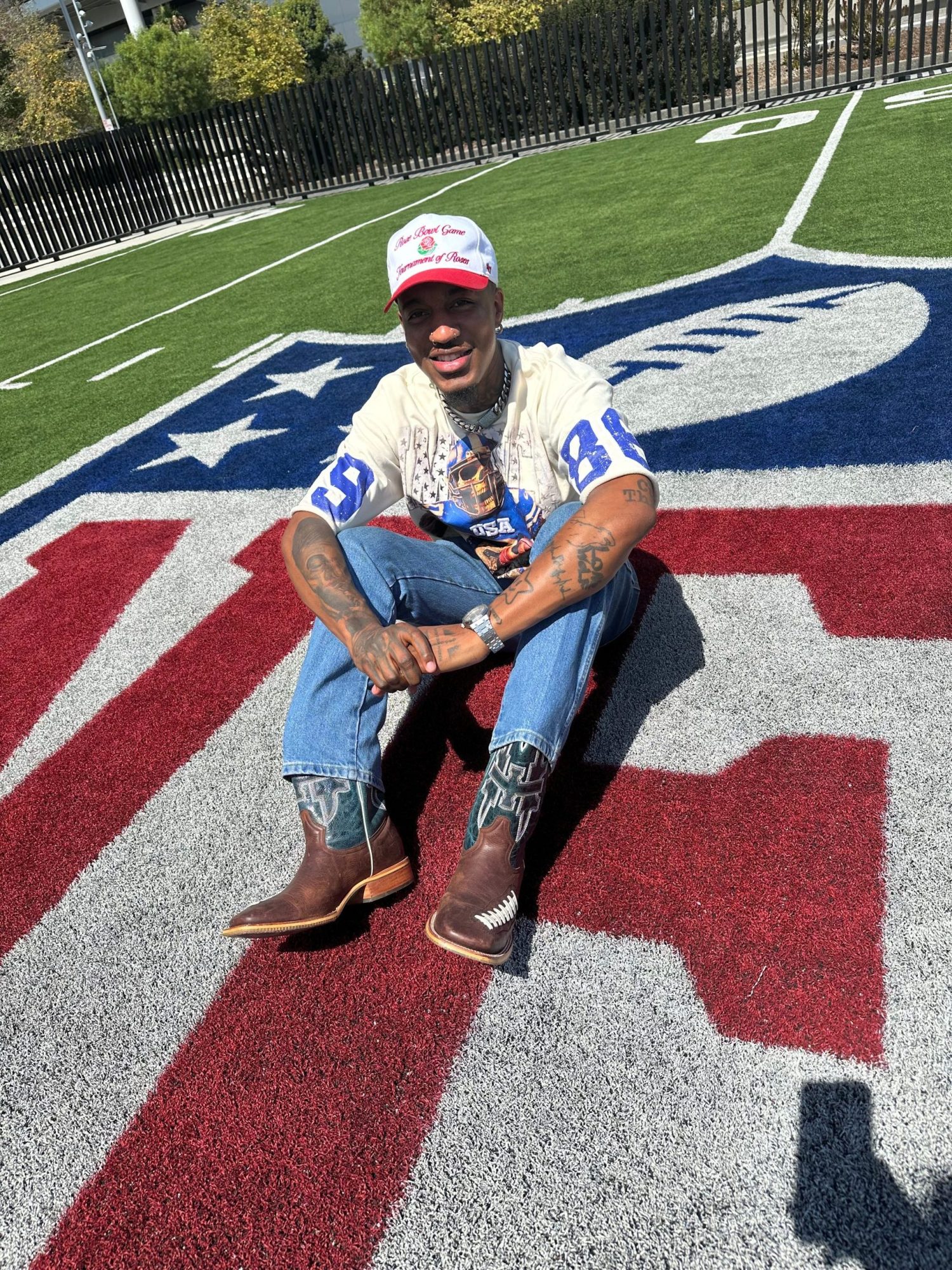
Today we’d like to introduce you to Tylon “Viz” Freeman.
Hi Tylon “Viz”, thanks for sharing your story with us. To start, maybe you can tell our readers some of your backstory.
First and foremost before introducing myself I want to take this moment to give all thanks to my Lord and savior for all he’s done for me throughout every single part of my journey. To my amazing Mother and Father for their love and support throughout it all since birth I am beyond grateful for. To my older siblings, and neices and nephews. To the Akers family and Coach Akers for always believing in me since day one and to whom I consider deeply a second family to me. Thank you to my manager Moosa, representative Chris Cabott and to my beautiful family members from the West all the way down to the South as a whole thank you for every ounce of encouragement and celebratory joy towards every achievement and standing alongside me through every storm. Without all of you and the role you all play within it I am nothing.
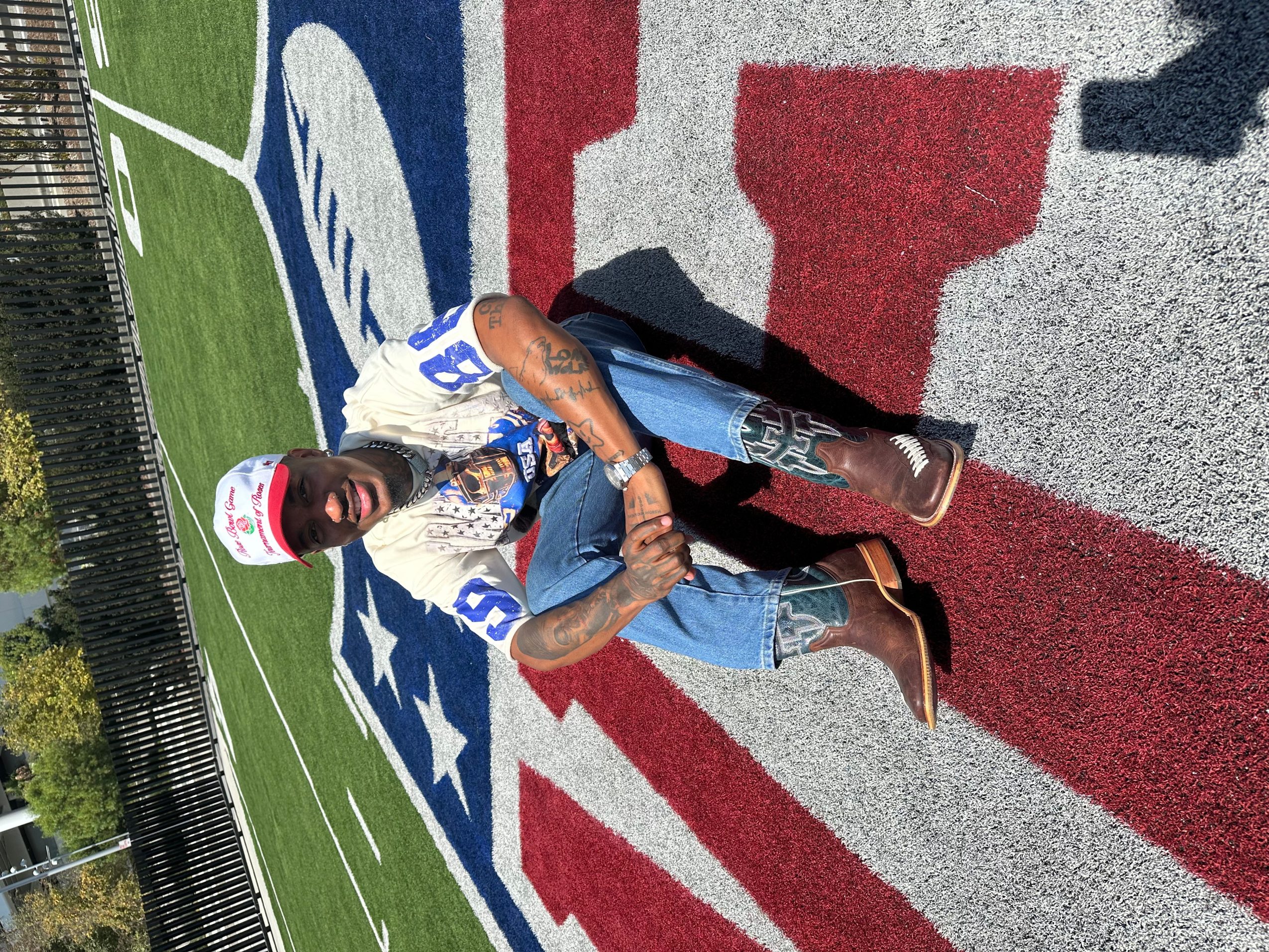
With that being said, Hello, my name is Tylon “Viz” Freeman. Born & raised in Orange County, California with a family background all from the South. New Orleans Louisiana & Littlerock, Arkansas to be specific. So most know me as a West Coast native with a Down-South vibe. I am a Los Angeles-based award-winning songwriter, composer, creative strategist, and former collegiate football player whose career has taken me from the football field to the recording studio and, more recently, into the professional sports industry.
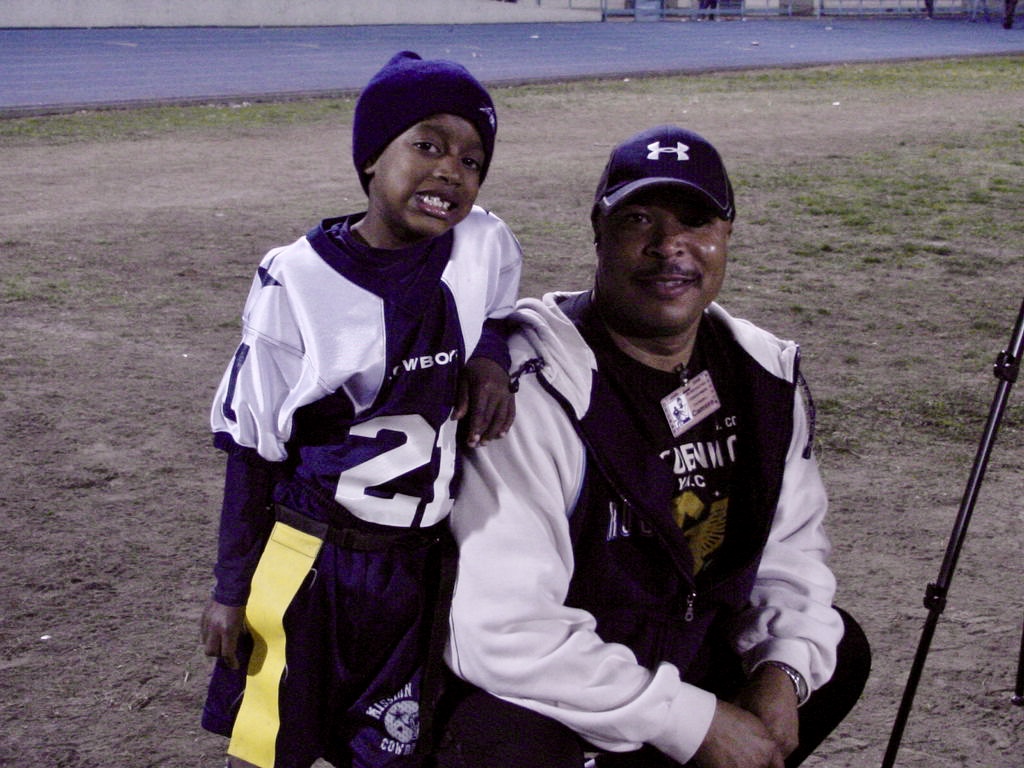
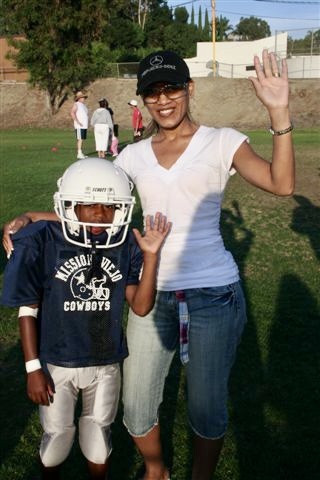
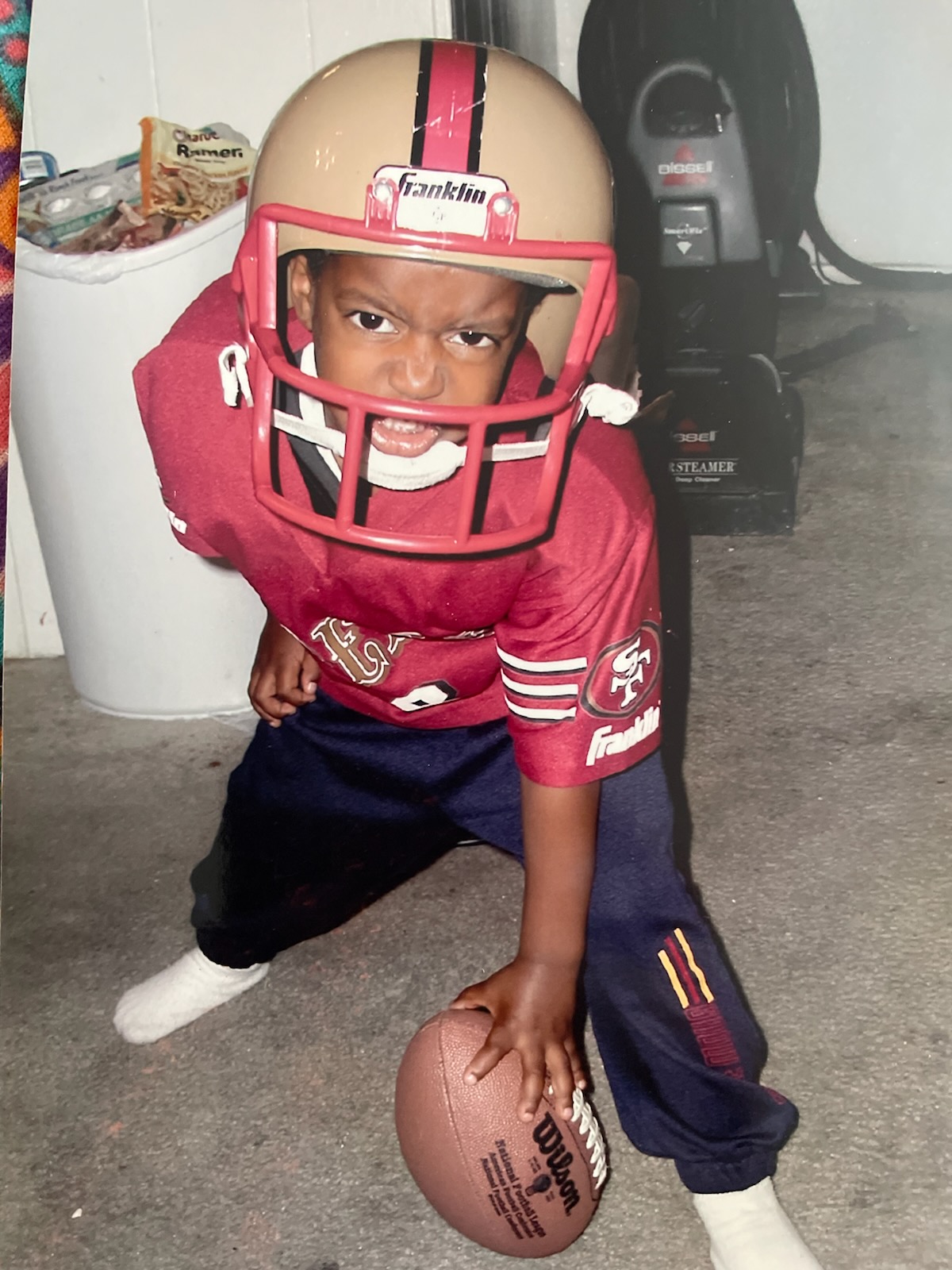
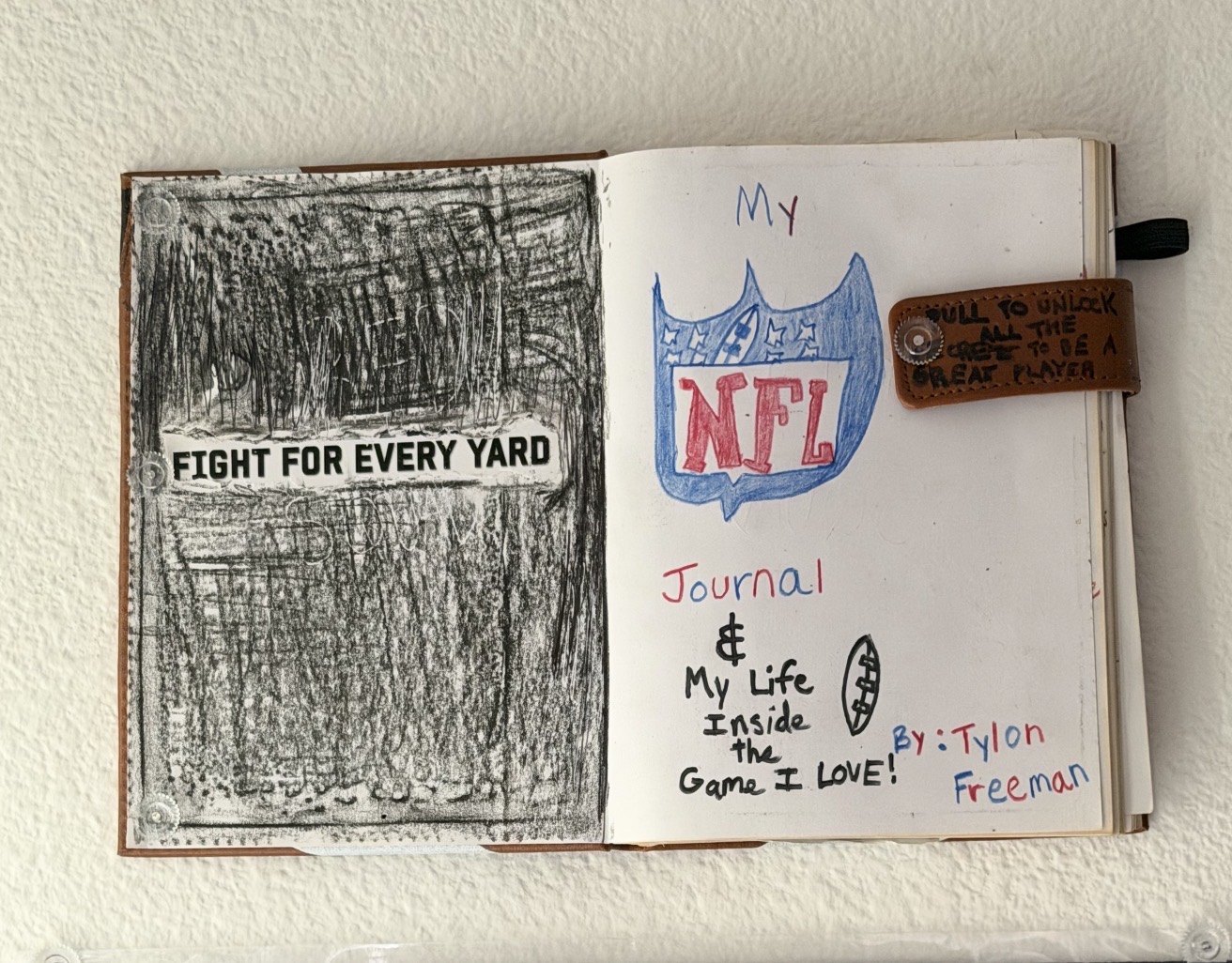
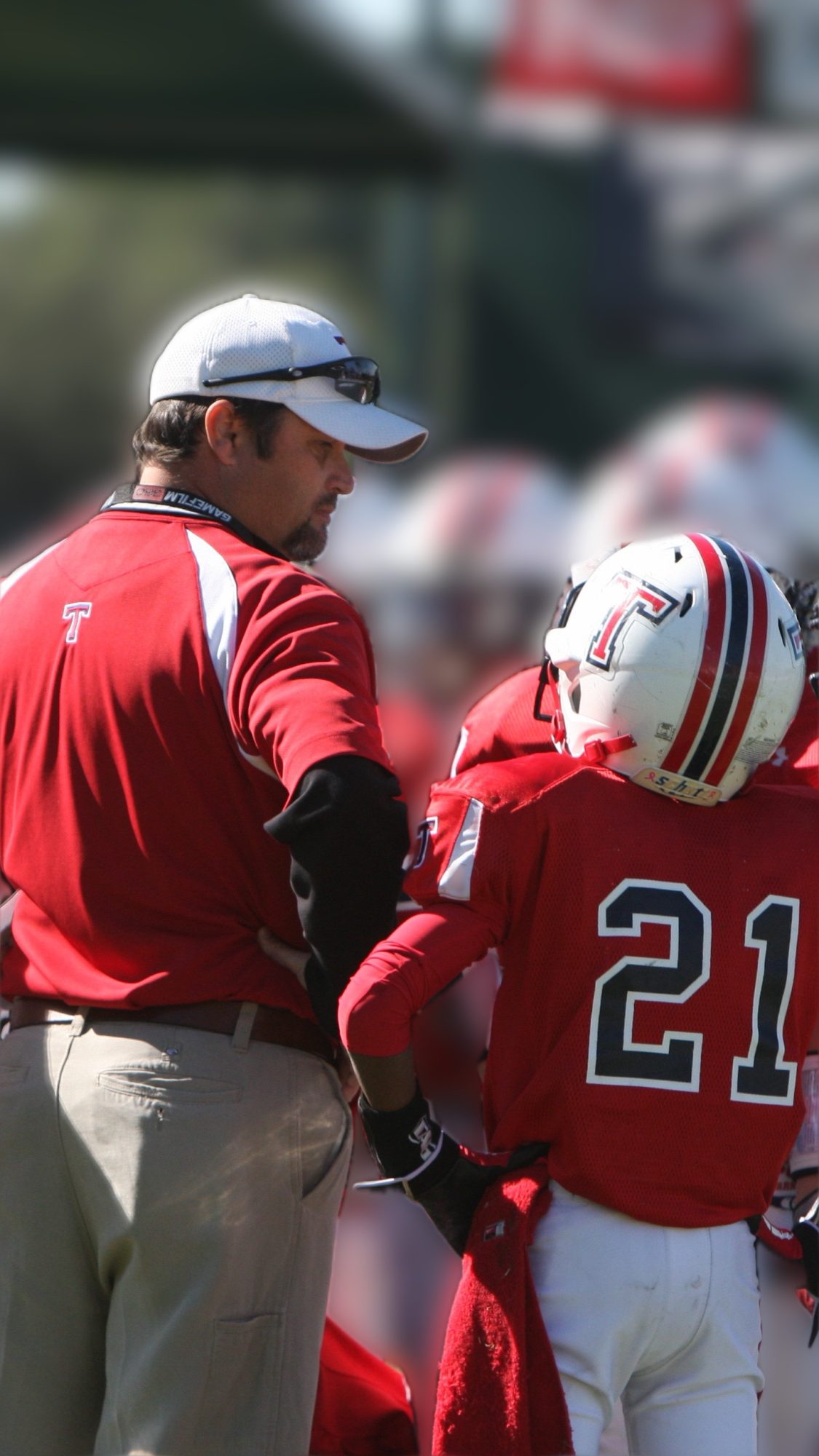
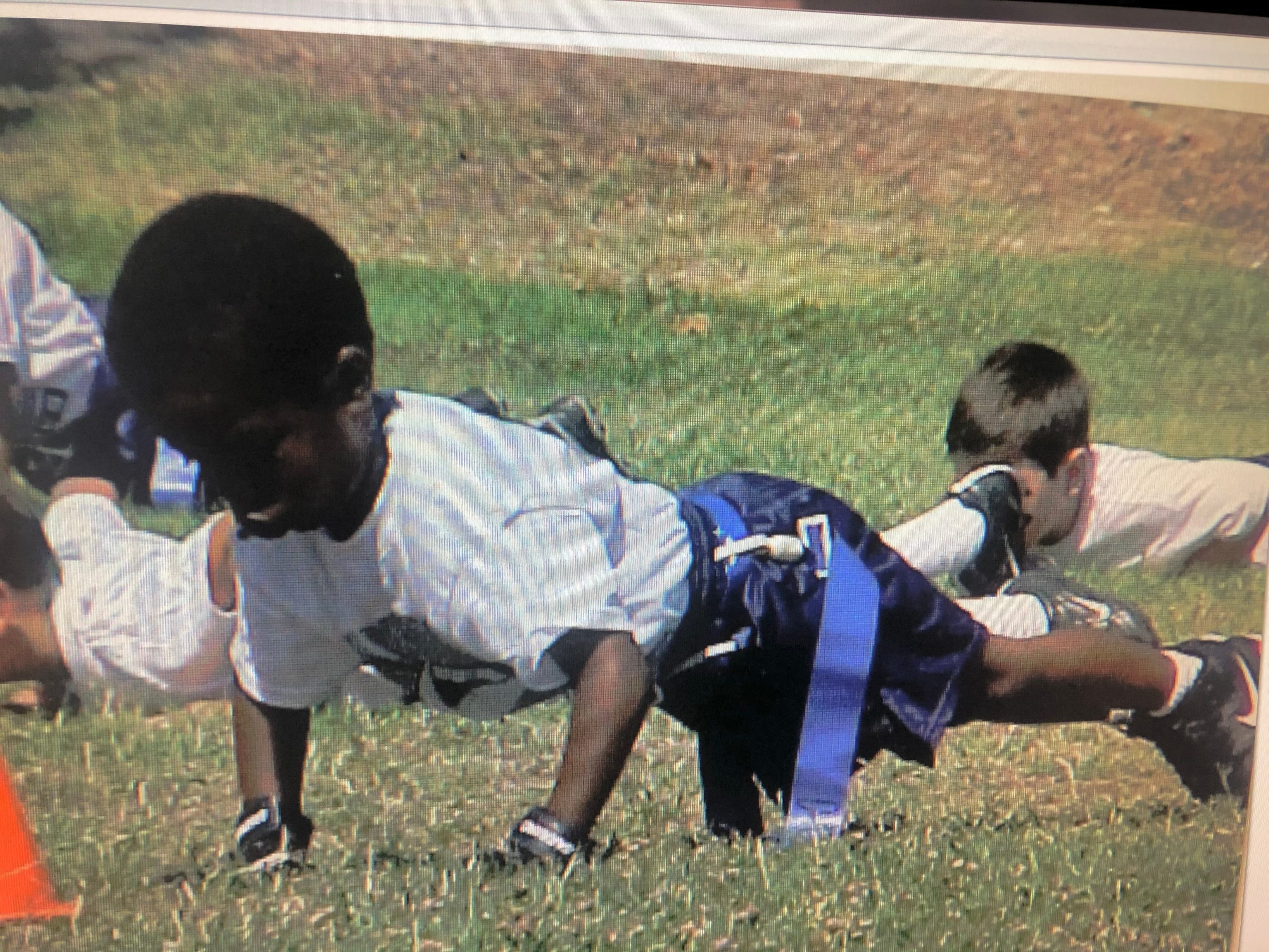
My earliest introduction to teamwork, discipline, and leadership came through football. I began playing at four years old, progressing through OCJAAF, Pop Warner, high school, and eventually college. Those years shaped my understanding of preparation, accountability, and the importance of contributing to something greater than myself. Although my playing career eventually concluded, the values I developed as an athlete continued influencing how I approached every opportunity that followed.
Now with that being said, my transition into music began through poetry, which gradually developed into songwriting and composition. What initially served as a personal outlet became a professional pursuit that required me to develop an entirely different set of skills. I learned how to collaborate with artists, producers, executives, and creative teams while understanding the business and responsibilities behind bringing a record or larger creative vision to life.
In 2022, I signed an a deal with Artist Publishing Group, marking an important milestone in my professional development. Since then, my songwriting and composition credits have contributed to projects generating more than 700 million streams worldwide, including work involving Jimin of BTS, Kodak Black, Charlie Puth, NLE Choppa, The Game, Flo Rida, 2rare, and many other recording artists to keep count.
Among those projects is “Angel Pt. 1 & Pt.2,” featured on the soundtrack for Universal Pictures’ Fast X. The record achieved Billboard success and earned RIAA certification in the United States, along with international certifications. I’ve also contributed to an iHeartRadio Music Award-nominated project and was selected for the Recording Academy’s 2025 Los Angeles NEXT Class, an experience that further expanded my professional development within the music industry.
As my career progressed, I became increasingly interested in the relationship between music, sports, and large-scale entertainment. Having experienced the demands of competitive athletics firsthand, I understood how powerful storytelling could be when it authentically reflected the culture of a team, its players, and its supporters.
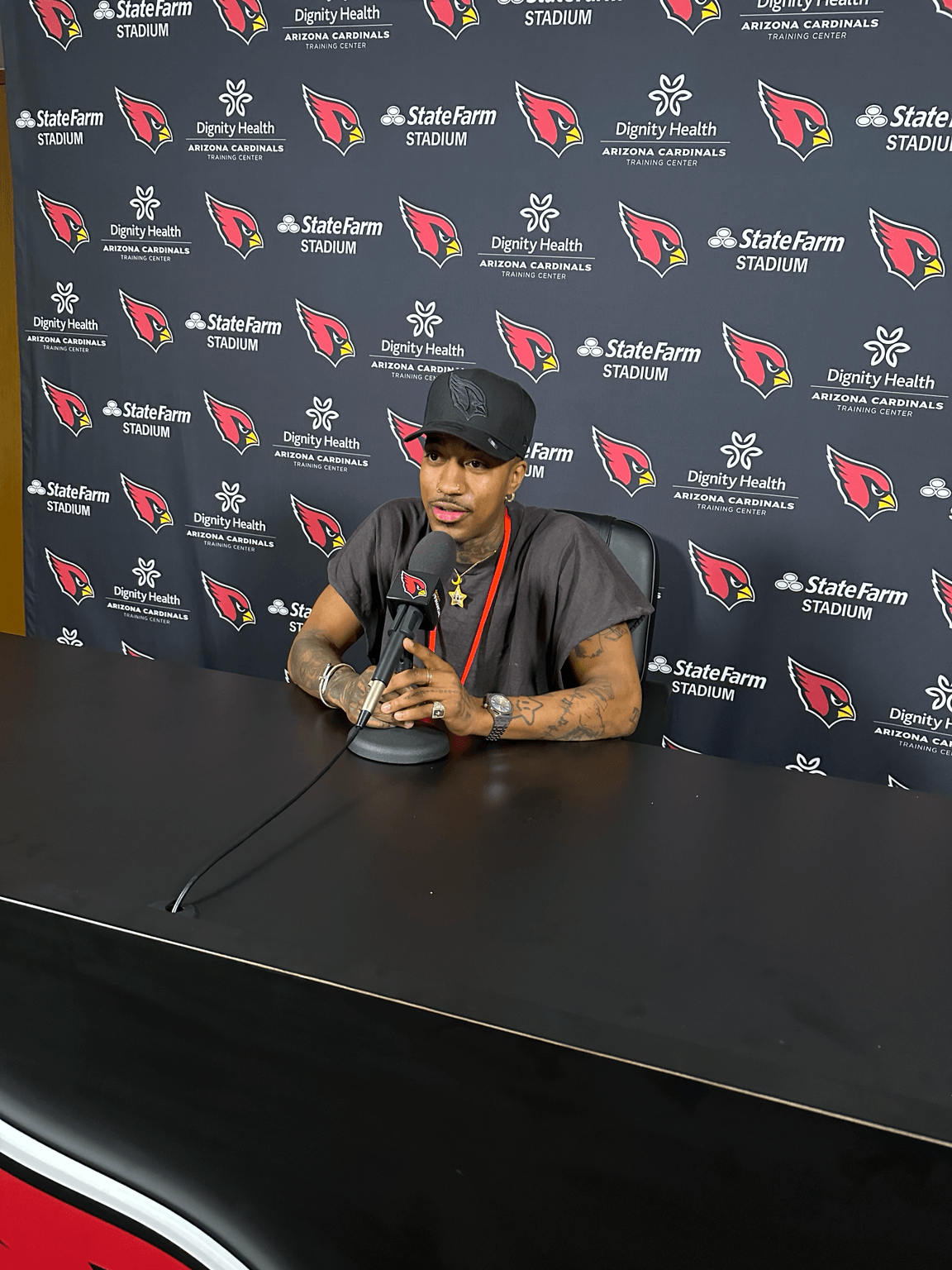
That perspective became especially valuable during my involvement with the Arizona Cardinals’ 2025 NFL schedule release campaign, “18 Bars,” which I originally conceptualized, titled, and helped develop through songwriting and composition.
The campaign received national attention, including recognition from Sports Illustrated and Complex, and earned four Clio Sports honors across multiple categories. In September 2026, I was officially recognized as a composer on the project’s nomination for the 2026 Rocky Mountain Southwest Regional Emmy Awards in the Branded Content, Short Form category.
The experience reinforced my interest in the collaborative work that takes place behind major sports productions, where creative development, coordination, and execution come together to produce something meaningful to the culture that helped raise me.
Outside of my professional accomplishments, my perspective on life changed considerably following a serious traumatic brain injuries in October 2025. Surviving that experience and navigating recovery gave me a deeper appreciation for responsibility, personal growth, and the opportunities we sometimes assume will always be available.
It also encouraged me to think more intentionally about the environments I wanted to contribute to and the kind of impact I hoped to make through my work.
In August 2026, I joined the Los Angeles Chargers as a Community Activation Team Member within Community & Football Development. My responsibilities involve supporting youth football initiatives, assisting with community activations, and helping create positive experiences for young athletes throughout Southern California. Why? Because I was once one of those kids out there with a dream and am blessed to be in a position to give back to what made me who I am today.
Working directly with youth players of the generations to come has been especially rewarding. It has allowed me to apply lessons from my own athletic background while gaining practical experience within an NFL organization. I’ve also developed a greater understanding of the preparation, communication, adaptability, and teamwork required to execute successful football development events.
Today, I’m focused on continuing my professional growth within the sports industry, with a particular interest in production, football operations, events, and creative programming.
My background may appear unconventional on paper, but I believe it has given me a valuable combination of experiences. I’ve competed as an athlete, collaborated within the entertainment industry, contributed to nationally recognized creative campaigns, and now work directly in football development.
Each environment has taught me something different about leadership, preparation, relationships, and the importance of delivering on your responsibilities.
At this stage of my life, I’m less concerned with being defined by a particular title and more interested in becoming someone an organization, a colleague, or a young athlete can always continuously depend on. The “awards” are just a bonus.
I’m proud of the recognition my work has received, but I also recognize that accomplishments represent only part of a person’s story. How you treat people, how you respond to adversity, and what you’re willing to contribute when nobody is watching matter just as much.
At 28, I see myself as someone who has already experienced several distinct chapters of life, yet still has an enormous amount to learn and accomplish.
I’m grateful for where I’ve been, intentional about where I’m going, and committed to making the most of every opportunity in front of me. Not just for myself but the younger versions of me who all my life was told by others I didn’t deserve to be here one day.
I’m sure it wasn’t obstacle-free, but would you say the journey has been fairly smooth so far?
Has it been a smooth road? If not, what were some of the struggles along the way?
Now, I hope whoever’s reading this has a little time on their hands, because I’ve got quite a bit to say about this one. But all jokes aside, I think this is an important question, and I want to give it the answer it deserves.
Getting here wasn’t easy. Not at all. One of the biggest challenges I’ve faced has been coming to terms with how much of professional success is determined by things that have very little to do with someone’s actual ability.
I spent most of my childhood playing competitive football, where I was taught that training extremely hard, preparation, discipline, performance, and consistency were what separated players. You showed up to practice, learned the playbook, competed for your position, and trusted that your work would eventually speak for itself. As I got older, I began recognizing that the reality was more complicated.
Two players could put in the same amount of work, demonstrate similar abilities, and still receive completely different opportunities. Sometimes the difference came down to relationships, a coach’s personal preferences, or whether someone in a position of authority believed in one player more than another. I remember how frustrating it could be to feel as though you were doing everything asked of you and still not understand why certain opportunities weren’t available.
At the time, I thought those experiences were unique to sports. Then I entered the music industry. Different environment. Different people. Different expectations. But I started noticing some of the same patterns.
In football, oftentimes you have coaches & booster club parents deciding who gets playing time. In music, you might have an executive, producer, manager, or another person with “influence” deciding who gets invited into a room, whose ideas move forward, or whose contributions receive proper recognition. In both environments, you can spend years developing your abilities and still find yourself dependent on decisions made by people who may or may not personally connect with you.
That’s something I had to learn to accept. I used to believe that if I became good enough at something, people would have no choice but to recognize it. Experience taught me that people always have a choice. Most choose the wrong one.
They can respect your work without properly acknowledging you for it. They can acknowledge your talent privately while choosing to support someone else publicly. They can recognize what you bring to something and still decide that another relationship is more valuable to them.
And sometimes, the person who receives an opportunity isn’t necessarily the most qualified person in the room. They’re simply the person someone feels more comfortable giving that opportunity to.
I don’t say that to diminish anyone else’s accomplishments. Relationships are an important part of every profession, and being someone others enjoy working with is a legitimate professional skill. But I do think there’s a difference between building genuine relationships and navigating environments where personal favoritism can outweigh someone’s actual contribution.
That distinction became clearer to me as my music career progressed. I was fortunate enough to work on records involving internationally recognized artists, sign a major deal, and contribute to projects that reached millions of listeners. Those experiences were meaningful, and I remain grateful for the people who trusted me with those opportunities.
I went through a few situations where I contributed original ideas, invested my time and creativity, and helped develop projects that other people ultimately benefited from, only to find myself excluded when it came time to acknowledge the people responsible for the work. That was one of the more difficult realities for me to accept.
Imagine sitting alongside people, working toward the same goal, sharing your ideas, and contributing to something everyone hopes will succeed. Then, when that success finally arrives, you watch others receive recognition for the collective effort while your own involvement is seemingly forgotten.
And the difficult part isn’t watching them succeed. It’s remembering that when the work needed to be done, your contributions mattered. But when it came time to acknowledge those contributions, suddenly they didn’t seem to carry the same weight.
I’ve never believed that someone else’s success should require my exclusion. If several people contributed to an accomplishment, recognizing one person’s involvement shouldn’t diminish another’s.
What made those experiences particularly disappointing was that I wasn’t asking anyone to give me something I hadn’t earned. I wasn’t asking to take credit for someone else’s work, and I certainly wasn’t asking anyone to minimize their own contributions to make room for mine. I simply believed that if my work was valuable enough to contribute to the outcome, it should be valuable enough to acknowledge afterward.
In certain situations, I found myself having to revisit certain things, prove it, and advocate for contributions that I believed were already understood by everyone involved. And there’s something unsettling about having to prove your involvement in work that all a sudden only you remember helping create.
Some situations were eventually resolved. Others forced me to reconsider what I understood about professional relationships and the difference between being appreciated for what you can provide and being respected for what you’ve actually contributed.
I understand that people don’t always see the same situation the same way, and I’ve learned that even people working toward a shared goal can walk away with different understandings of what happened. But regardless of how anyone else viewed those experiences, they changed how I approach working with people.
I became more intentional about documenting my work, establishing principles early, and understanding that mutual respect should extend beyond the creative process itself. Because I’ve learned that being included in the work doesn’t always mean you’ll be included in the recognition you deserve and rightfully earned.
And that reinforced something I had already observed in both football and music. The work itself and the politics surrounding the work are not always the same thing.
You can do your job exceptionally well and still encounter circumstances that have nothing to do with your performance. For a long time, that frustrated me because I was raised to always do the right thing. I wanted to believe that doing great work, treating people respectfully, and remaining consistent would always produce a fair outcome. In this world it doesn’t.
But humans are human. They have preferences, friendships, loyalties, disagreements, and personal interests. Those things don’t disappear simply because an environment calls itself professional. And I’ve learned that you can’t control any single one of them. Only how you react and adapt to it.
What you can control is how you conduct yourself, how thoroughly you prepare, the relationships you choose to build, and whether you’re willing to speak up when something isn’t right.
I’ve also had to acknowledge that professional relationships aren’t entirely one-sided. There have been moments when I could have communicated better, handled disagreements differently, or taken more time to understand another person’s perspective.
I don’t believe every opportunity I’ve skipped or missed out on was the result of politics, and I don’t believe every person who chose not to work with me was treating me unfairly. Sometimes you’re not the right fit and someone else does better. I had to learn not to take things personal. Sometimes it’s just part of the process.
Learning to recognize those differences has been part of my growth. But I’ve also stopped pretending that every decision is based purely on merit. That would be dishonest to my own experiences.
Another challenge early on was discovering that recognition and compensation don’t necessarily arrive together. I had contributed to records that reached audiences around the world and projects that received major industry honors. Yet there were still periods when I was trying to establish proper compensation and determine what a sustainable long-term career would look like for me in my early years in music but it taught me a lot.
People sometimes see a recognizable artist’s name, an award, or a major organization attached to your work and assume everything else in your life must be financially secure. That isn’t necessarily how creative industries operate in the music industry.
There can be a considerable distance between having an impressive résumé and having the means to build the life you want. That reality influenced how I evaluate opportunities today. I’m business minded and more interested in understanding the responsibilities, expectations, compensation, and long-term possibilities associated with a position than simply being impressed by the name attached to it.
My perspective changed even further after surviving multiple traumatic brain injuries in October 2025. Spending 17 days in intensive care forced me to reconsider how much of my energy I had devoted to seeking opportunities and approval from people whose decisions I couldn’t control.
I had spent years worrying about whether certain individuals recognized my abilities, respected my contributions, or believed I deserved to be in particular rooms. After coming that close to losing my life, those questions began carrying a different weight.
I still care about doing meaningful work and receiving appropriate recognition. But I no longer want my sense of worth to depend on whether someone likes me enough to give me an opportunity or not I’ll do it myself with God standing right next to me all the way through. I only do things I believe in.
That doesn’t mean I’ve stopped caring about relationships. If anything, I value genuine relationships more than ever. I’ve been fortunate to have mentors, collaborators, coaches, and colleagues who supported me because they believed in who I was and what I could contribute but most importantly believe in who I am. Some of the most important opportunities in my life came through people who were willing to take a chance on me.
I don’t overlook that. But I also understand now that I can’t spend my entire career trying to convince people who have already made up their minds about me before they actually take the time to speak to me.
As I continue developing professionally within the NFL through my work with the Los Angeles Chargers, I’m approaching this chapter with a more realistic understanding of how organizations operate.
I know relationships matter. I know trust matters. I know being someone people genuinely want to work alongside matters. But I also know those things have to be supported by competence, preparation, accountability, and a willingness to learn. I will forever be a student that knows what it is to be a teacher.
My goal isn’t to become the most popular person in an organization. It’s to become someone whose presence makes the people around him more effective. And if I find myself in an environment where an opportunity doesn’t work out, I am mature enough to examine my own performance without automatically assuming the worst about someone else’s intentions.
That’s probably one of the biggest differences between who I was when I first started and who I am today. When I was younger, I thought success meant outworking everybody and becoming so talented that nobody could deny me an opportunity. Today, I understand that even the most hardworking-talented people can be denied opportunities the most.
The challenge is learning how to navigate that reality without becoming consumed by resentment, compromising your character, or losing confidence in what you’ve worked to develop.
I can’t control who likes me. I can’t control who chooses to support me. And I certainly can’t control every decision made behind closed doors.
But I can continue developing my abilities, treating people fairly, documenting my work, and building relationships with people who recognize the value of mutual respect. That’s the part of the process I want to be responsible for.
Because after experiencing the politics of both sports and music, I’ve realized something that took me years to understand.
Being genuine and simply being picked are two totally different things.
And learning how to live with that distinction has been one of the greatest challenges I had to learn throughout my journey.
Can you tell our readers more about what you do and what you think sets you apart from others?
My professional background is somewhat quiet unconventional because I’ve spent much of my life working in two industries that people from the outside may often consider completely separate but on the inside are a lot alike: professional music and football. So for me, those worlds have always been connected through preparation, creativity, teamwork, and the ability to perform when expectations are high.
I’m a songwriter, composer, and creative professional who has spent the past nine years developing music for major recording artists, entertainment projects, and professional sports organizations. Today, I’m also building a career within the National Football League through my work with the Los Angeles Chargers, where above a job title I get the privilege to learn inside an organization I once dreamed of being a part of.
I think what makes my professional journey interesting is that I didn’t originally envision becoming a songwriter.
Football was and will forever be my first love.
I grew up playing competitive football since four years old and was a four sport athlete, football, basketball, track & field and baseball all at the same time. I was a two way player in football, WR & DB, before eventually competing at the collegiate level as a wide receiver. For years, my identity revolved around being an athlete. No off-seasons, by my own choice. I understood the importance of preparation, learning systems and applying them live in action, adapting to different situations, and being accountable to the people depending on me.
When my path eventually led me into music, I discovered that many of those same principles applied.
A recording studio might look nothing like a football field, but both environments require people with different abilities to work toward a common objective. Everyone has a responsibility, everyone contributes something different, and the final result depends on how effectively those contributions come together.
I began pursuing songwriting professionally in 2017, and in 2022, I signed a deal with Artist Publishing Group (APG).
What I specialize in is more than just developing creative ideas. I create timeless pieces and help turn them into something people can experience, connect with, and always learn from.
Sometimes that means songwriting. Sometimes it’s conceptual development, collaborating with a creative team, or understanding how music can support a larger story.
One of the most rewarding examples of that came through my work on the Arizona Cardinals’ 2025 NFL schedule release project, “18 Bars.”
I developed the original concept and musical foundation for the project, which brought together football, music, and storytelling in a way that reflected both sides of my professional background.
The project received national attention and recognition within the sports and advertising industries, including honors from Clio Sports and the Association of Music Producers.
In 2026, the project also received a Rocky Mountain Southwest Emmy nomination in the Branded Content – Short Form category, where I was officially recognized as a composer.
That recognition meant a great deal to me, particularly because it represented the intersection of two things that have shaped my life since childhood.
Football and music.
I was also selected for the Recording Academy’s Los Angeles NEXT Class in 2025, which was another meaningful opportunity to connect with professionals throughout the creative community.
However, something I’ve become increasingly intentional about is not allowing my professional identity to be defined exclusively by the music industry.
In August 2026, I joined the Los Angeles Chargers’ Community Activation Team, working within football development and supporting youth football programs, camps, and community events.
That opportunity has been particularly meaningful because it allows me to contribute to the sport that helped shape who I am long before I ever entered a recording studio.
When I’m working with young athletes, I’m not thinking about songwriting credits, streaming numbers, or industry recognition.
I’m thinking about whether those kids are learning something, whether they’re enjoying themselves, and whether I’m helping create an environment where they feel encouraged to live out their dreams. Because I was once one of them too.
I’ve worked with children of different ages, abilities, and experience levels, and one of the things I’ve learned is that being effective requires understanding who you’re working with.
You can’t necessarily coach every child the same way.
Some respond to competition. Others need encouragement. Some understand instructions immediately, while others need you to demonstrate something a few times.
Being able to recognize those differences and adapt your approach is something I take seriously.
And in many ways, that’s also how I’ve approached my creative career.
You have to understand the people around you, recognize what the situation requires, and determine how your abilities can contribute to the outcome.
When people ask what I’m most proud of, I could point to the records, the certifications, the industry honors, or the opportunities to work alongside world-renowned artists.
Those accomplishments matter to me, and I’m proud of the work behind them.
But I’ve said it once and I’ll say it again:
What I’m most proud of is the fact that I didn’t allow the end of my football career as a player to become the end of my story. I’ve continued finding ways to grow beyond what people originally expected me to become.
I started as a kid who wanted to play football.
That kid eventually became a collegiate athlete, a professional songwriter, a worldwide-accredited creative, and someone who now has the opportunity to work within an NFL organization.
None of those transitions happened overnight, and none came with a guarantee that things would work out.
I’ve had to learn new skills, develop relationships in unfamiliar environments, accept responsibilities I hadn’t previously experienced, and become comfortable starting over in certain areas of my professional life.
And that’s where I believe my background sets me apart.
I’m not approaching football simply as someone who enjoys watching the sport. I’ve played it competitively, experienced the demands of being part of a team, and now have the opportunity to contribute from an organizational perspective.
At the same time, I’m not approaching creative work solely as someone who understands music. I’ve experienced the process of developing projects for international audiences, collaborating with established professionals, and contributing to work that represents major entertainment and sports organizations.
I understand what it’s like to be the athlete, the creative contributor, and the person responsible for helping execute something behind the scenes. And most importantly, I know what it’s like to be a kid with a dollar and a dream that makes something out of it.
Those experiences have given me different perspectives that have made me who I am today.
I don’t believe every experience in someone’s career needs to fit neatly into one category to be valuable.
Sometimes the experiences that appear unrelated are the very things that prepare you to contribute differently.
And if there’s one thing I hope people recognize about my work, it’s that I’m not interested in being defined by one accomplishment, one title, or one chapter of my life.
I’m interested in continuing to develop into someone who can walk into different environments, understand what’s needed, and make a meaningful contribution doing the work God has for me.
Because to me, the most valuable thing you can bring into any room isn’t simply what you’ve accomplished before, it’s about wholeheartedly living through your faith and gifts the Lord has blessed you with to achieve it. I never called to be famous. I care to be timeless through God’s eyes.
In terms of your work and the industry, what are some of the changes you are expecting to see over the next five to ten years?
I think the next five to ten years are going to challenge both the music industry and professional sports in ways that will fundamentally change how people create, collaborate, and build careers.
Having worked in both environments, I’ve noticed that while the industries operate differently, they’re facing many of the same questions.
How do we continue innovating without losing authenticity? How do we embrace technology without forgetting the people behind the work? And how do we create opportunities for the next generation while adapting to an industry that’s constantly evolving?
One of the biggest shifts we’re already witnessing is the rise of artificial intelligence.
I believe AI will continue changing how music is written, produced, distributed, and consumed. The technology is advancing rapidly, and I think it would be unrealistic to pretend it won’t become an increasingly significant part of the creative process.
But I also believe there’s an important distinction between having the ability to generate something and having the lived experience to give that creation meaning.
Technology can replicate patterns. It cannot replicate the life someone lived to create those patterns in the first place.
A computer can analyze thousands of songs, recognize melodies, and generate something that sounds familiar. But it hasn’t experienced heartbreak, sacrifice, rejection, perseverance, or the feeling of accomplishing something you once thought was impossible.
Those experiences are what make human creativity valuable to me because I’ve lived it.
And as technology becomes more accessible, I actually believe authenticity will become even more important.
When everyone has access to similar tools, the difference won’t necessarily be who can produce the most content. It’ll be who has something meaningful to communicate.
Another shift I expect is a continued evolution in how creative professionals are valued and compensated.
For years, the music industry has operated through systems where the people responsible for developing creative work aren’t always the people receiving the greatest financial benefit or public recognition.
Songwriters, producers, composers, and other contributors often work behind the scenes, and their contributions can become difficult for the general public to identify once a project reaches a larger audience. Not for clout or attention but for continued growth in their respective careers.
I believe the industry will face increasing pressure to improve transparency surrounding creative ownership, attribution, and compensation. And I think that’s necessary.
Innovation shouldn’t come at the expense of the people whose creativity makes innovation possible.
At the same time, I think we’re going to see more professionals building careers that extend beyond traditional industry categories.
The idea that someone must identify exclusively as an athlete, musician, filmmaker, entrepreneur, content creator or creative professional is becoming increasingly outdated.
People are discovering ways to apply their experiences across multiple environments.
I’ve experienced that personally.
The discipline I developed through football eventually became useful in professional music. The collaboration and creative development I experienced through music later became valuable when working on projects connected to professional sports.
Those experiences weren’t disconnected. They were building upon one another.
I believe organizations will increasingly recognize the value of individuals who bring different perspectives into the same environment.
When it comes to professional sports, I expect storytelling and community engagement to become even more significant.
Sports organizations are no longer simply competing for attention during games. They’re building relationships with audiences throughout the entire year. Will they choose to ever really care? Time will tell, when the same business model that’s been run for centuries starts slowing down for the lack of attention towards the care towards fans that have been filling those seats that’s when it will hit. I can almost guarantee this.
Fans want to understand the people behind the uniforms, the history behind the organizations, and the communities those teams represent.
Technology will undoubtedly change how those stories are delivered, but I don’t believe it changes why people connect with them.
People connect with people.
And one thing I hope never gets lost as professional sports continues evolving is the importance of youth development and genuine community involvement.
Working with young athletes has reminded me that the impact of an organization extends far beyond what happens inside a stadium.
For some children, attending a football camp might be their first opportunity to interact with someone representing an NFL organization.
That experience can influence how they view themselves, what they believe is possible, and whether they decide to pursue something they previously considered out of reach.
I know that because I was once that kid.
And I believe the organizations that understand the importance of those relationships will continue building something much more valuable than an audience.
They’ll build trust.
Ultimately, I don’t think the future of either industry will be determined by technology alone.
It will be determined by how people choose to use it, how organizations treat the individuals contributing to their success, and whether we’re willing to preserve the human elements that made these industries meaningful in the first place.
Because five or ten years from now, the technology will be different, the platforms will be different, and the opportunities will look different. But the importance of integrity, preparation, creativity, and genuine human connection should never change.
Progress means very little if we forget the people who made it possible.
Contact Info:
- Website: https://link.me/yxngviz
- Instagram: https://www.instagram.com/yxngviz
- LinkedIn: https://linkedin.com/in/tylon-freeman-b45803361
Popular
-

Portraits of the Valley
-

LA’s Most Inspiring Stories
-

Greg Hex Is Turning the Everyday Kitchen Knife Into a Modern Design Object
-

Rick Norris Learned That Building a Successful Business Means Building a Life You Actually Want to Live
-

How Olivia Rush Turned Survival Into a Mission to Help Others Keep Going
-

How Bibi Goldstein Is Helping Entrepreneurs Reclaim Their Time by Embracing the Power of Delegation


