



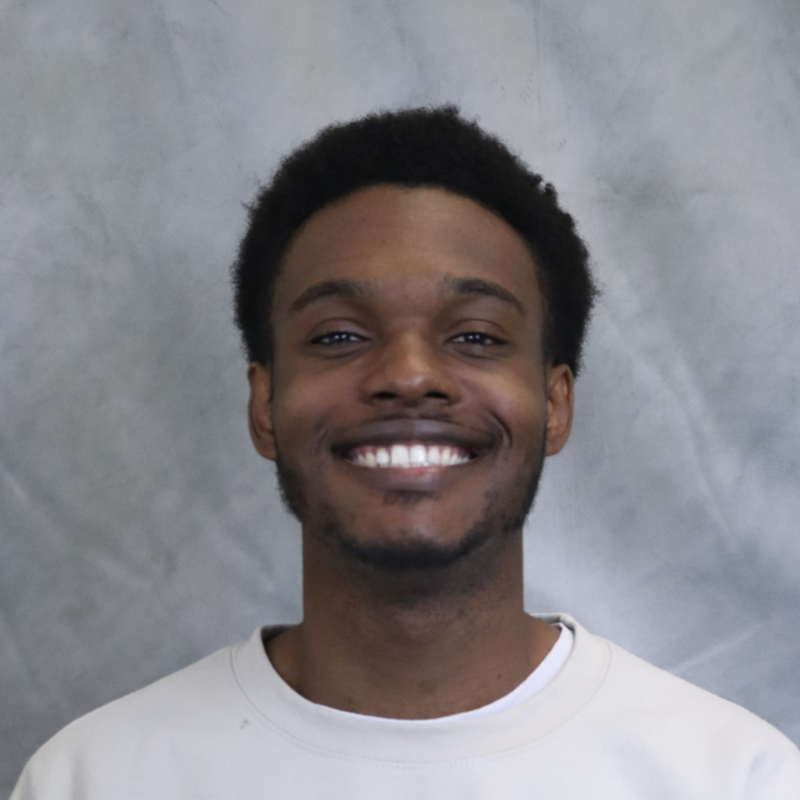
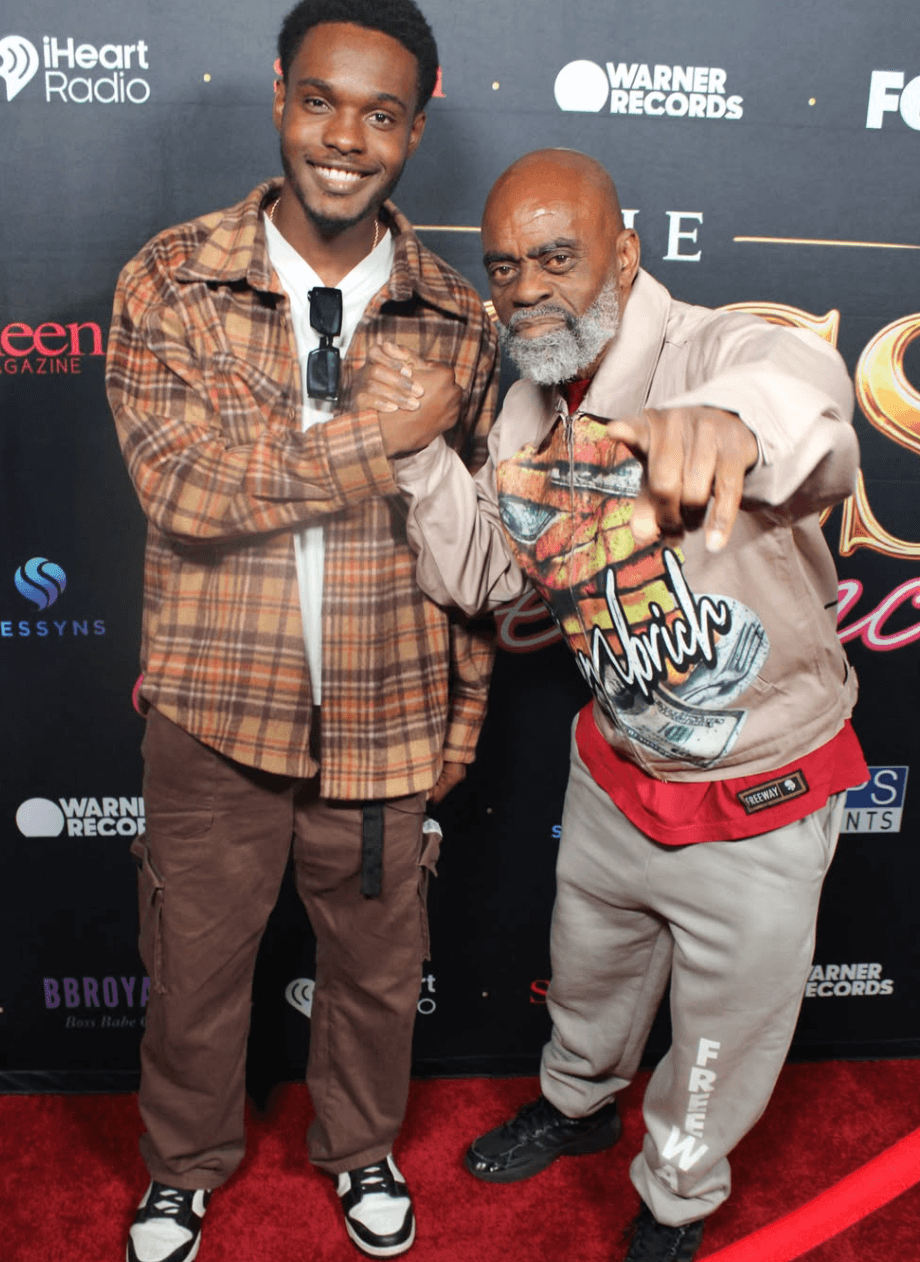
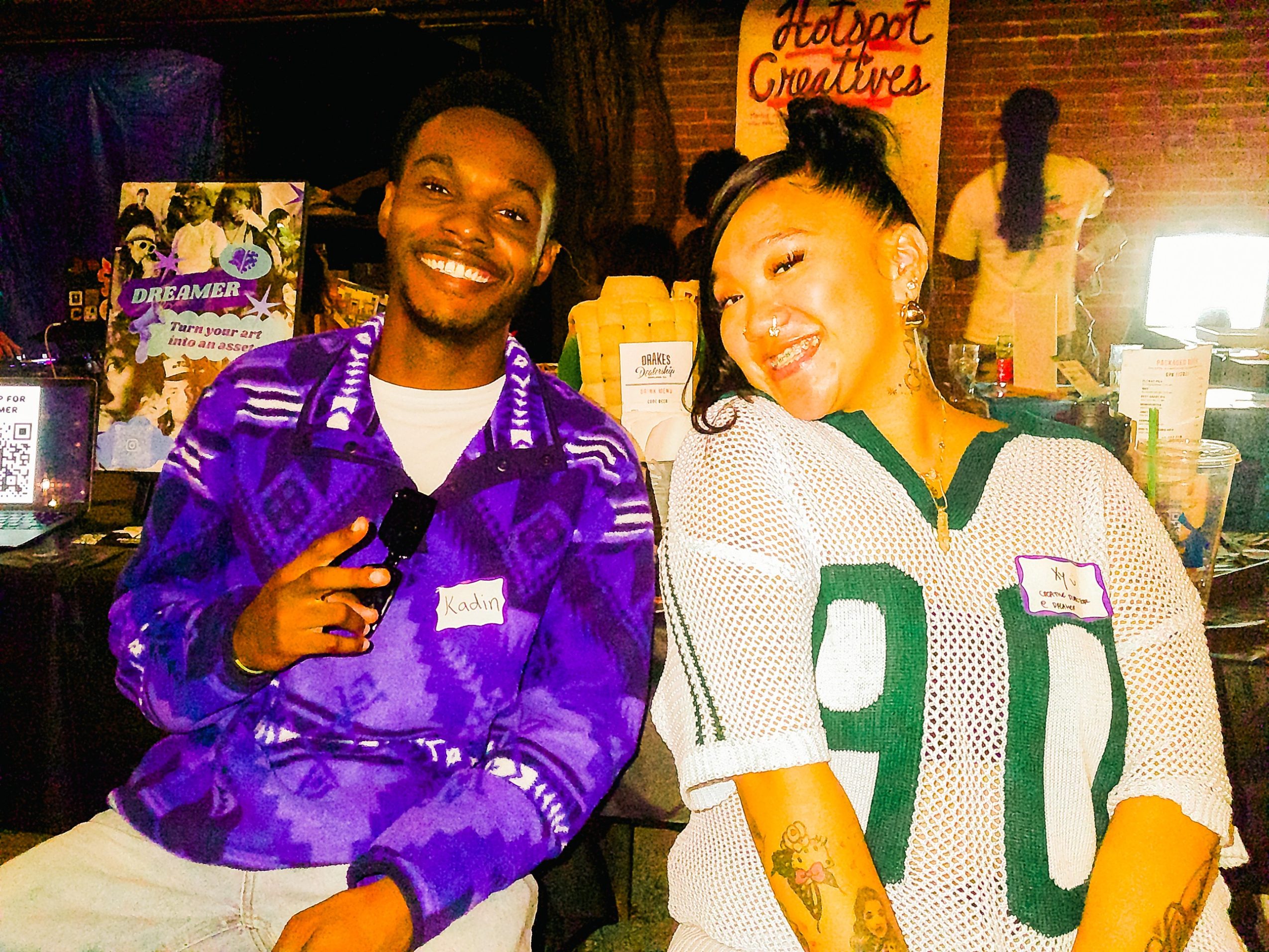
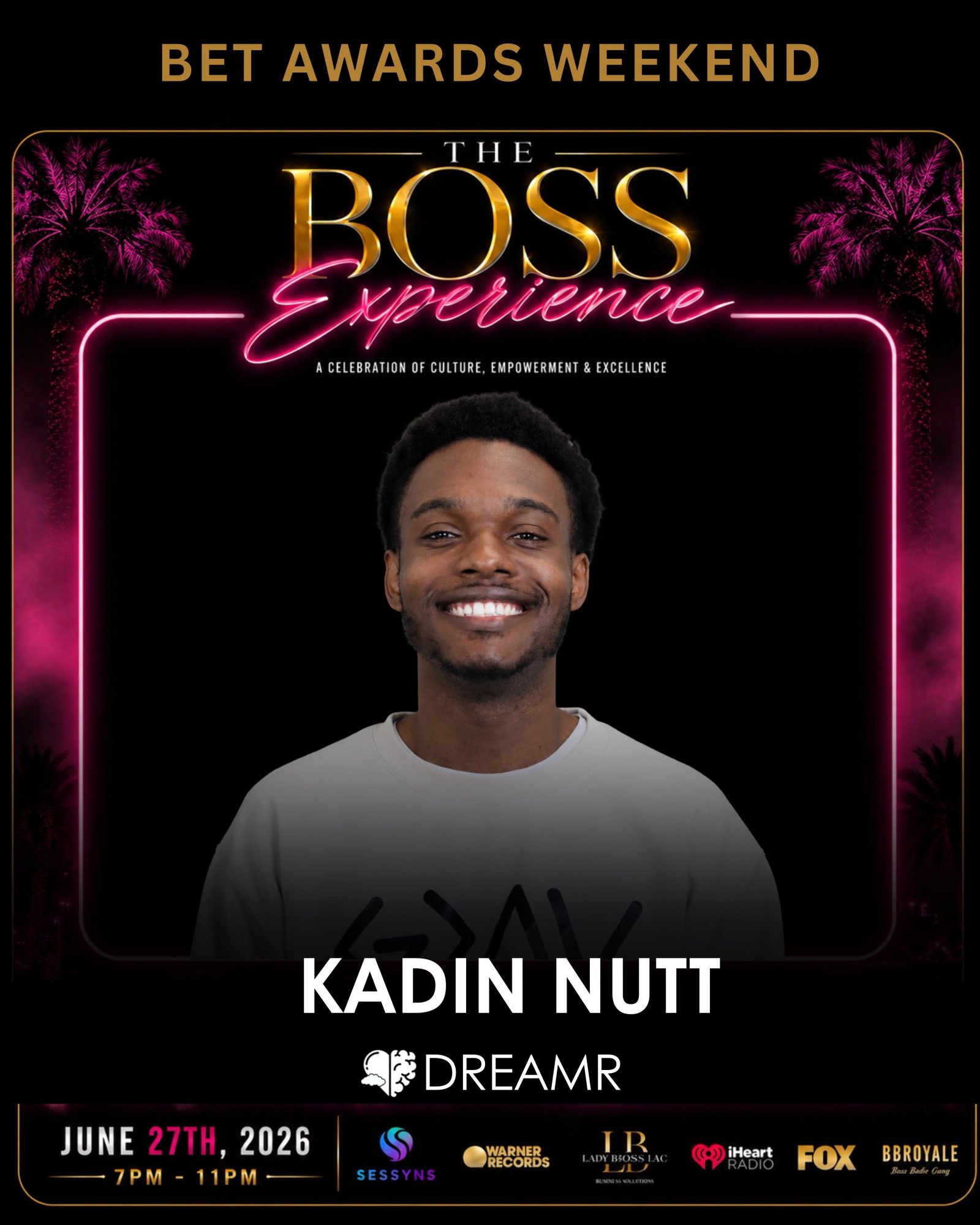
Today we’d like to introduce you to Kadin Nutt.
Hi Kadin, can you start by introducing yourself? We’d love to learn more about how you got to where you are today?
I’m a creative before anything else. I write, I make things, and I’ve always been led more by curiosity and empathy than by a business plan. That’s honestly how Dreamr started.
It began with friends. I was in college watching people around me make beautiful work with no idea how to get it in front of the right people, or get paid once it was out there. So I built a GoDaddy site to help a few of them market and sell their art. That was the whole plan. It was small, and it was mine.
That turned into a nonprofit idea around resource development and discovery for emerging creatives, and then into DAI, a social discovery platform built for emerging creatives. We got a surprising jolt of attention early on, in one weekend from a single Instagram post. After this, we had several pivots and tried many things that didn’t work out, but planted seeds for what was to come. I learned more from that stretch than from anything I’ve done since, including the parts that didn’t work.
Along the way, I’ve sat on the board of the Arts Education Alliance of the Bay Area, coached students at Cal State East Bay while finishing my business degree, and kept writing the entire time.
Dreamr is what all of that was pointing at. It’s built by artists for artists, and it comes out of frustration I kept seeing over and over: artists and creators are losing control of their work the second it leaves their hands. Our work can be stolen, scraped, and trained on by AI, only to find out months later when you’ve lost the leverage to do anything about it. So we’re building the infrastructure for artists to find out first and then decide what happens next, whether that’s approving it, getting paid for it, or stopping it.
I had no idea my journey would lead me here, but the reason I keep going is the same as the reason I built that first site. Artists deserve to own and capitalize on what they make.
Alright, so let’s dig a little deeper into the story – has it been an easy path overall and if not, what were the challenges you’ve had to overcome?
Not even close to smooth, haha. I think many people underestimate the amount of time founders are in the 0-1 phase, trying things out, and finding something that the market will actually say yes to. I’ve lost tons of money, battled loneliness, been misunderstood, and rejected thousands of times.
One of the biggest challenges has come from having to admit the product I’d launched wasn’t solving the sharpest version of the problem. Artists didn’t need one more place to show work. They needed a way to find out when their work was being used without them, and something to actually do about it. That meant taking a product that existed and pointing it somewhere new. Pivoting after a launch is humbling in a way I wasn’t ready for, and it really forces you to put your ego aside. You’ve already told people what you are, and now all of a sudden you have to tell them again.
And then there’s the money of it. I’ve funded most of this myself, which means every engineering decision is also a budgeting decision, and progress moves at the speed of whatever I can put in that month. Being early is also its own obstacle. Many times I’ve talked to people who loved my ideas but told me plainly it was too soon to bet on, which is honest and fair and stings anyway.
The thing I’ve learned is that the obstacle usually isn’t the work. It’s the wait between doing the work and seeing whether it mattered. I’ve gotten better at moving through that part.
As you know, we’re big fans of Dreamr . For our readers who might not be as familiar what can you tell them about the brand?
Dreamr is a creator-rights manager for people who make the art we love and enjoy. We’re building a tool that lets independent artists keep control of their work on the open web, instead of finding out years later that it was used without them.
The product we’re focused on now is super exciting. It watches for signs that an artist’s work may be getting collected for AI training or other uses, preserves the evidence, and puts the choice back in the artist’s hands. From there, they can block it, allow it, or license it, and we handle the paperwork and back-end delivery. The short version: a creator finds out early, while they still have leverage, and decides what happens next.
What makes us different is where we sit in the sequence. Most of the conversation about AI and creative work happens after the fact, once something’s already in the world and the artist is chasing a takedown. We’re trying to get there earlier, before the use happens and becomes permanent.
The other difference is who we answer to. We’re built by artists for artists, and the economics reflect that. Creators set the terms. If an artist brings their own deal and only uses us for protection, they keep their money. Our plan is to make the tool accessible at every level, from someone just starting out to a working artist with real volume, and to reach creators through the organizations that already serve them, since a trusted partner can do more than a cold ad.
I’m proud of the fact that nothing about this was designed in a boardroom or office. It came out of years of conversations with artists and creatives, and the relationships we have with partners came the same way.
What I want readers to take away is simple. You don’t have to accept your work being stolen. There’s a way to know, and a way to say no.
Networking and finding a mentor can have such a positive impact on one’s life and career. Any advice?
I don’t think I’ve ever formally asked someone to be my mentor. The people who ended up in that role found me while I was in the middle of doing something, and the relationship grew out of repeated small interactions rather than one big ask.
What’s worked for me:
Be genuine. Be yourself. I can’t keep track of how I’m supposed to act in front of everyone I talk to, and the moment I stop trying, the people who stick around are the ones who actually want to help and appreciate what I’m building.
Be specific about what you need. “Can I have twenty minutes on this one decision?” gets a yes. “Can I pick your brain” gets a maybe and then nothing.
Give before you need something. Early on I didn’t have money or a name, but I had access to artists, I had interesting insights, and I had time to help. Most of my best relationships started with me being useful in a small way.
Report back. When someone gives you advice, and you actually do it, tell them what happened. That single habit separates people who get a second conversation from people who don’t.
Talk to people at your level, not just above it. A lot of the opportunities that mattered most to me came from peers who were building at the same time and passed things along.
Be an amazing listener. People can tell quickly whether you’re listening to them or waiting for your turn to pitch. When I’ve been at my best in a conversation, it’s because I was genuinely curious about the person in front of me, and they could feel it.
The last thing I’d say: my work has a very human center to it, artists and their work, so networking for me has never really been separate from the mission. The conversations that turned into something were the ones where I wasn’t trying to get anything at all.
Contact Info:
- Website: https://dreamr.biz
- Instagram: Personal – https://www.instagram.com/kadinnutt/, Dreamr – https://www.instagram.com/dreamr.biz/
- LinkedIn: https://www.linkedin.com/in/kadin-nutt/?isSelfProfile=true
Popular
-

Portraits of the Valley
-

LA’s Most Inspiring Stories
-

Greg Hex Is Turning the Everyday Kitchen Knife Into a Modern Design Object
-

Rick Norris Learned That Building a Successful Business Means Building a Life You Actually Want to Live
-
How Olivia Rush Turned Survival Into a Mission to Help Others Keep Going
-

How Bibi Goldstein Is Helping Entrepreneurs Reclaim Their Time by Embracing the Power of Delegation


