




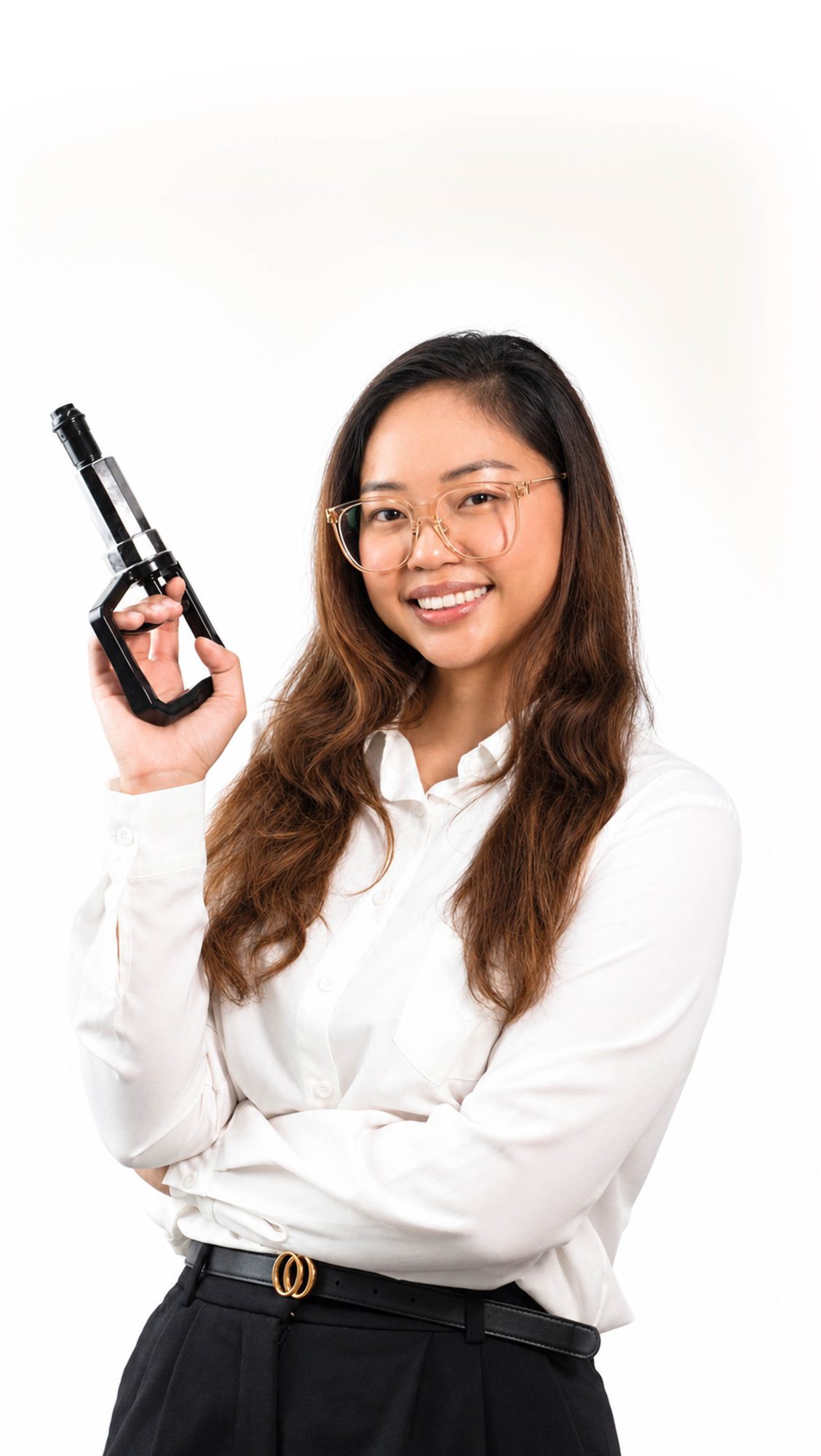
Today we’d like to introduce you to Krizia Nivadura.
Hi Krizia, thanks for sharing your story with us. To start, maybe you can tell our readers some of your backstory.
My journey into this field started with a passion for understanding the human body and helping people feel better. I had just graduated from the Philippines with a bachelor’s degree in Physical Therapy and moved straight to LA in the midst of the COVID-19 pandemic in 2020. I initially thought physical therapy was about treating symptoms and giving exercises, but working directly with clients taught me that pain doesn’t just come from injuries. Our everyday habits, from the way we sit, stand, and move to the repetitive movements we do, can play a role in how injuries develop in the first place.
I spent most of my career working in the sports therapy industry. Through this experience, I gained valuable insights into the importance of injury prevention and assisted athletes from various disciplines, including runners, triathletes, and gymnasts, throughout their recovery journeys. My goal was to help them improve their recovery, performance, and mobility so they could perform at their best. While I understood why athletes needed the extra attention and support I was able to provide, I occasionally worked with working professionals, too. That made me wonder: Where is the help for them?
The average working professional spends eight to ten hours a day at work without often thinking about the impact it has on their bodies. They work at desks, sit in uncomfortable positions, perform repetitive tasks, or push through physical discomfort because they believe it is simply part of having a job. I wanted to help people see that taking care of their bodies shouldn’t have to wait until they are in pain.
My professional journey has continued to evolve. I became a licensed Physical Therapist Assistant (PTA) in California and earned my certification as an ergonomics assessment specialist. These experiences helped me develop a broader perspective on how movement, the work environment, and daily habits influence a person’s well-being.
Eventually, I realized I wanted to create something of my own — a business that brought together my experience in hands-on care, movement education, and ergonomics.
That vision is Kare Ergonomics .
I’m sure it wasn’t obstacle-free, but would you say the journey has been fairly smooth so far?
It has not been a smooth road, I had quite a share of road blocks, detours, and impostor syndrome in this journey. Starting my own business has been both exciting and humbling. After spending years working within an established clinic, building Kare Ergonomics meant learning how to step into a different role — not just as a practitioner, but also as a business owner.
I had to think about branding, pricing, client relationships, business expenses, and how to communicate my services clearly. I also had to learn how to trust my own vision and make decisions that aligned with the direction I wanted to take my career.
One of the biggest lessons has been understanding that building a business takes more than having the technical knowledge to help people. It requires consistency, effort, patience, communication, and the willingness to keep learning.
There is no guarantee that everything will work out exactly as planned. But I have learned that I do not need to have every step figured out before I begin. Sometimes, growth comes from being willing to take the first step and learn along the way.
Every client interaction, every new opportunity, and every challenge helps me better understand the kind of business I want to build.
Thanks – so what else should our readers know about Kare Ergonomics?
Kare Ergonomics focuses on connecting the work environment with the human body.
I want to help working professionals understand how their workspace, movement patterns, work demands, and daily habits interact. From evaluating workstation setup and identifying potential musculoskeletal risk factors to providing movement education and practical recommendations, my approach emphasizes understanding the whole picture.
Providing education is essential. I do not want people to feel that they need someone else to fix every problem for them. I want them to leave with a better understanding of their bodies and realistic strategies they can apply throughout their workday.
For me, success is not simply helping someone feel more comfortable during one session. It is helping them build awareness and habits that can support them long after that session ends.
My long-term vision is to help workplaces create healthier, more sustainable working environments Kare Ergonomics focuses on connecting the work environment with the human body.
I want to help working professionals understand how their workspace, movement patterns, work demands, and daily habits interact. From evaluating workstation setup and identifying potential musculoskeletal risk factors to providing movement education and practical recommendations, my approach emphasizes understanding the whole picture.
I also believe education is essential. I do not want people to feel that they need someone else to fix every problem for them. I want them to leave with a better understanding of their bodies and realistic strategies they can apply throughout their day.
Ultimately, I want Kare Ergonomics to help people build career longevity by making their health and physical well-being part of the way they work. Whether it’s a job that requires hours of sitting or physically demanding one.
If you had to, what characteristic of yours would you give the most credit to?
I believe the quality that is most important to my success is being adaptable in a situation and learning how to effectively communicate and listen to others. Everyone has different needs, habits, and challenges, so I’ve learned that there isn’t a one-size-fits-all approach when it comes to helping people. Through my experience working with different clients, I’ve learned the importance of listening to their concerns, understanding their individual needs, and adapting my approach to what works best for them.
Contact Info:
- Instagram: @Kare.Ergonomics
- Other: Kareergonomics@gmail.com
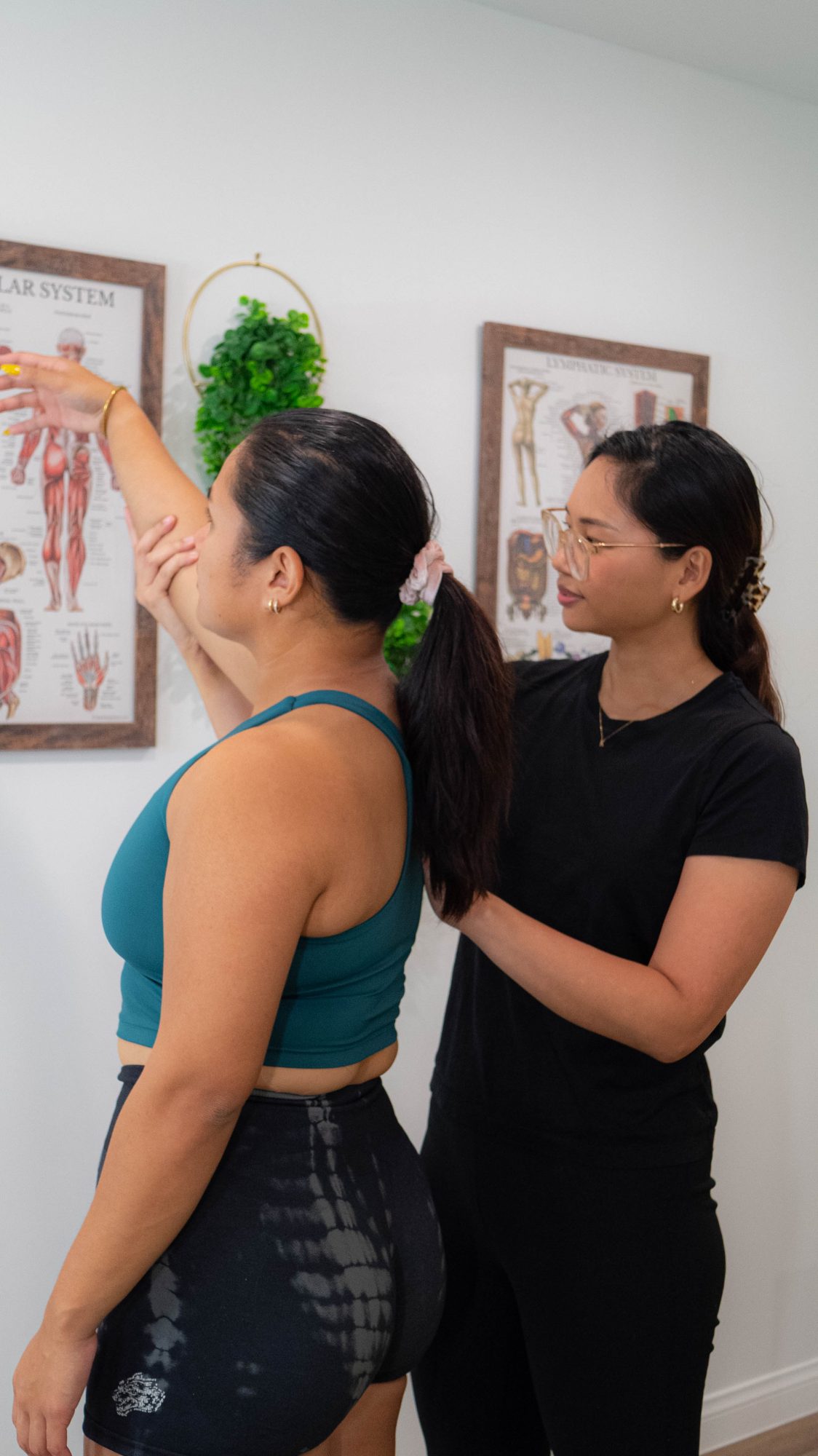
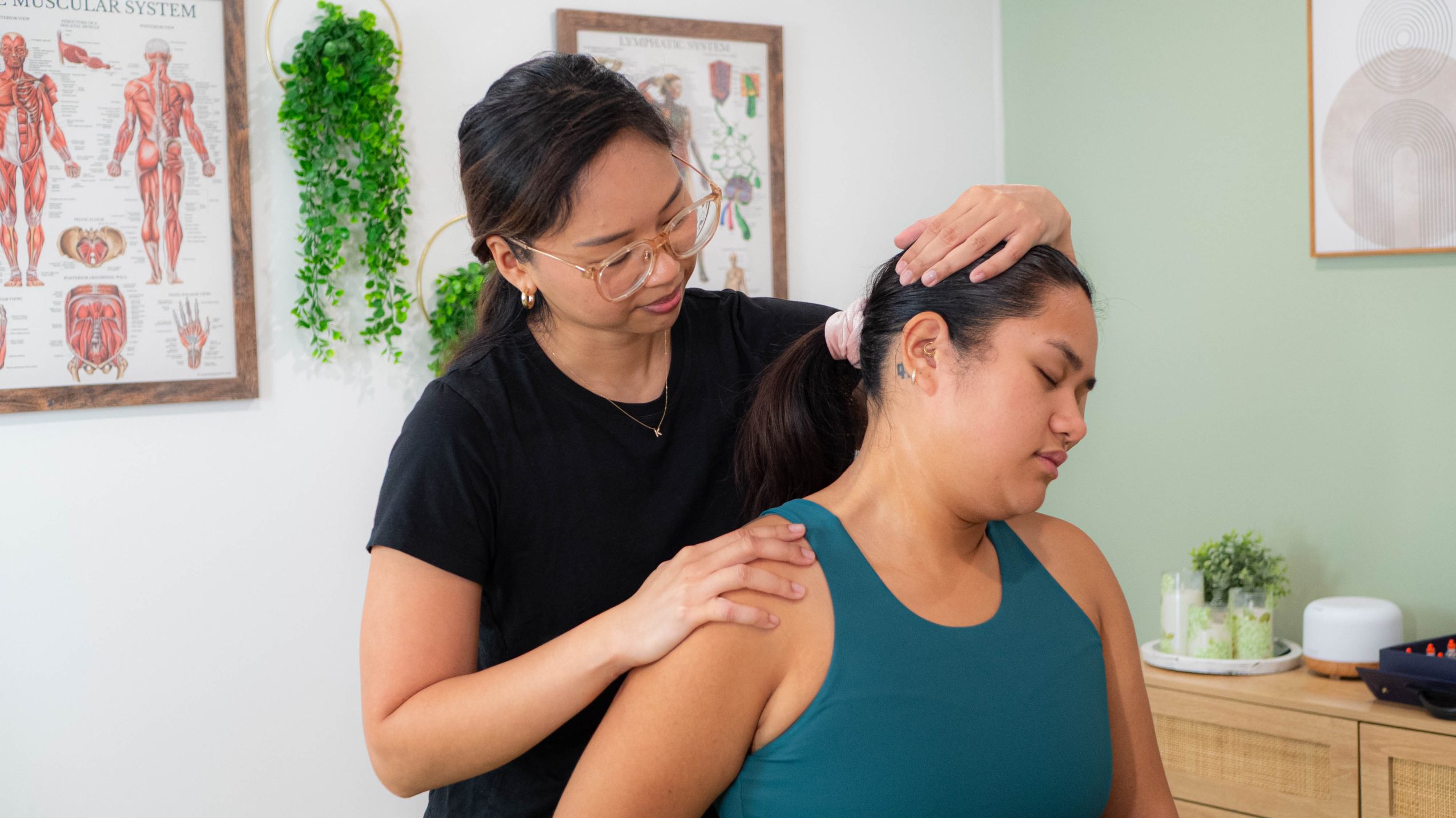
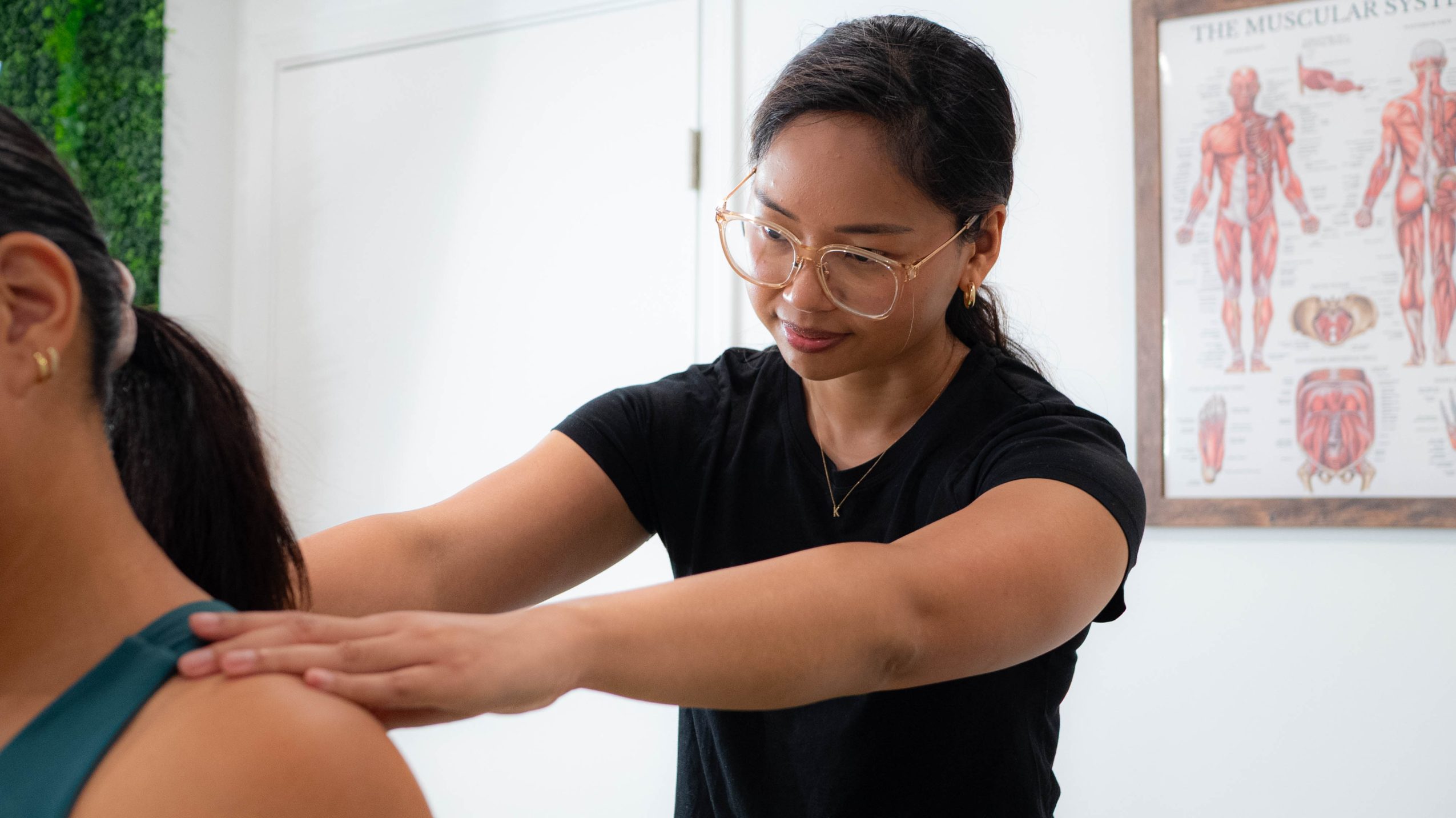
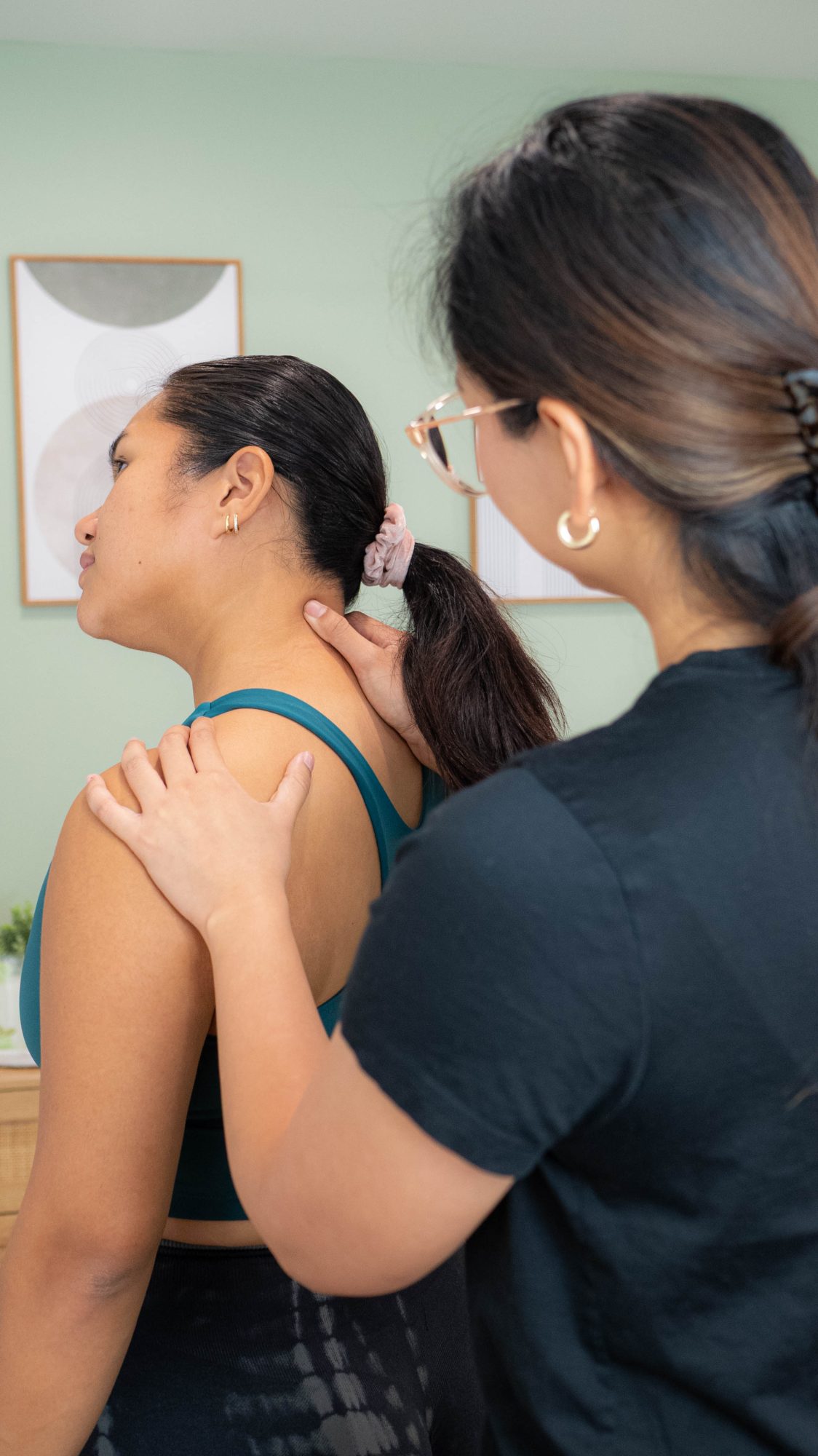
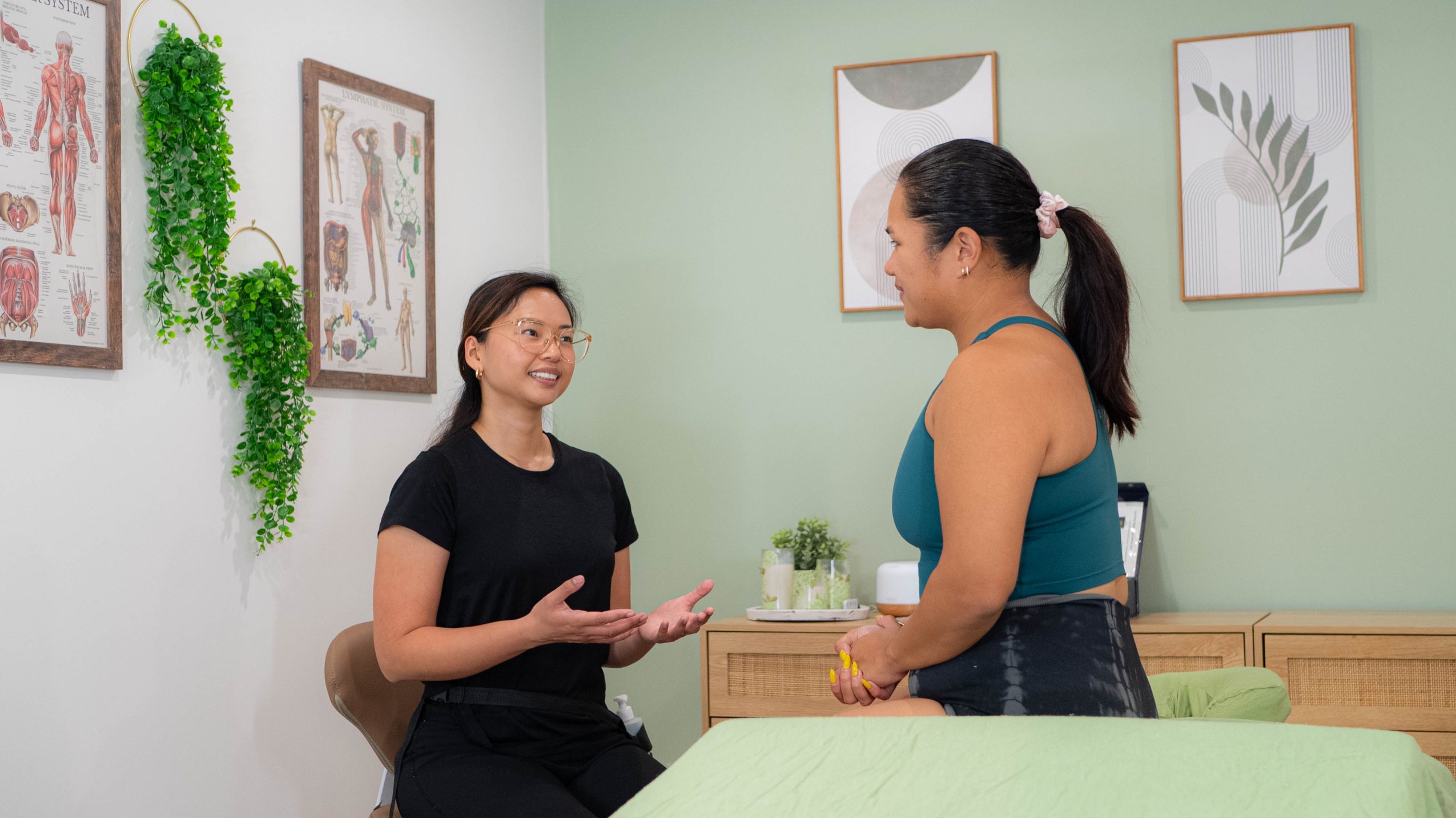
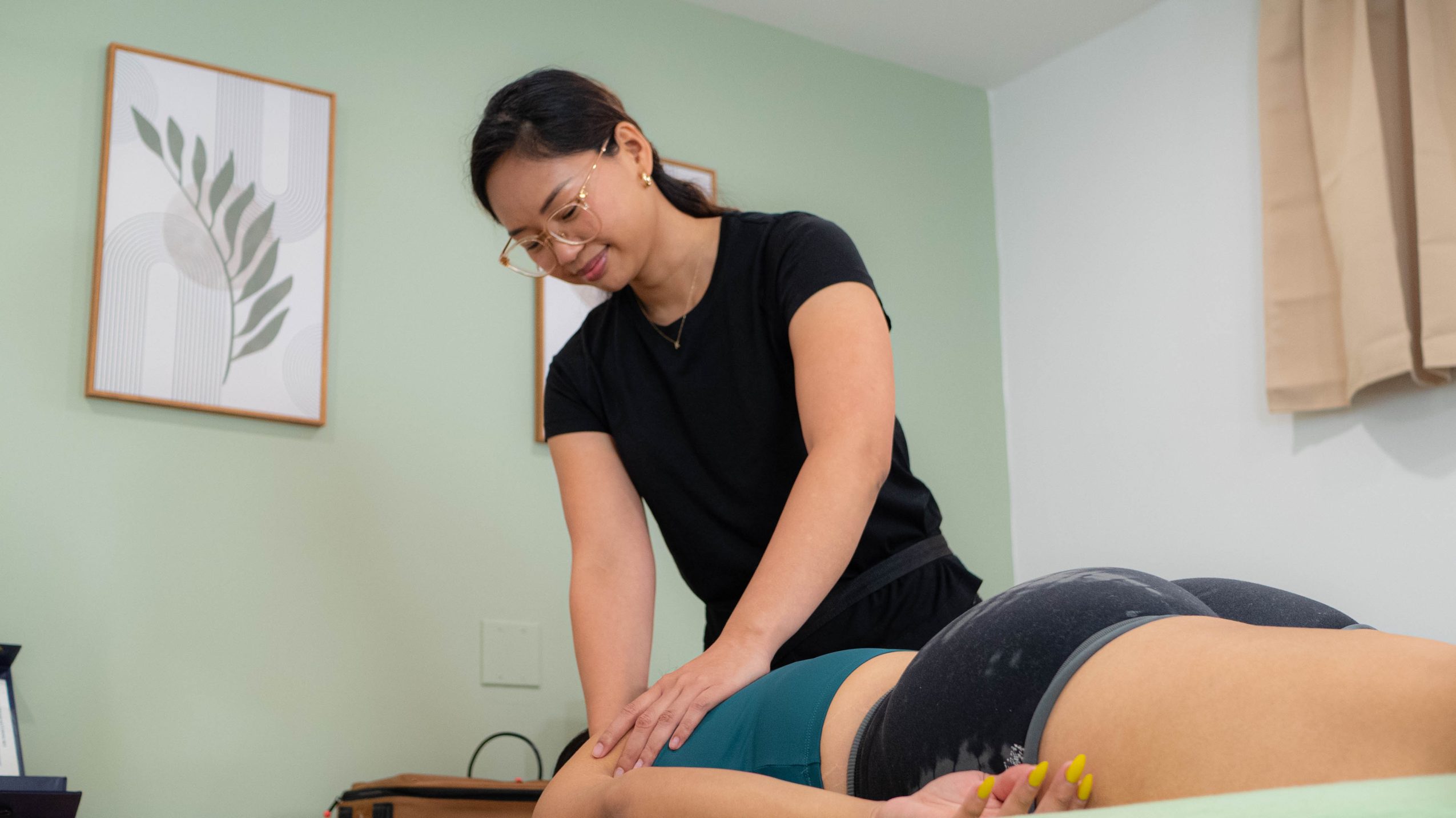
Image Credits
@wenailedit.media
Popular
-

Portraits of the Valley
-

LA’s Most Inspiring Stories
-

Greg Hex Is Turning the Everyday Kitchen Knife Into a Modern Design Object
-

Rick Norris Learned That Building a Successful Business Means Building a Life You Actually Want to Live
-
How Olivia Rush Turned Survival Into a Mission to Help Others Keep Going
-

How Bibi Goldstein Is Helping Entrepreneurs Reclaim Their Time by Embracing the Power of Delegation


