




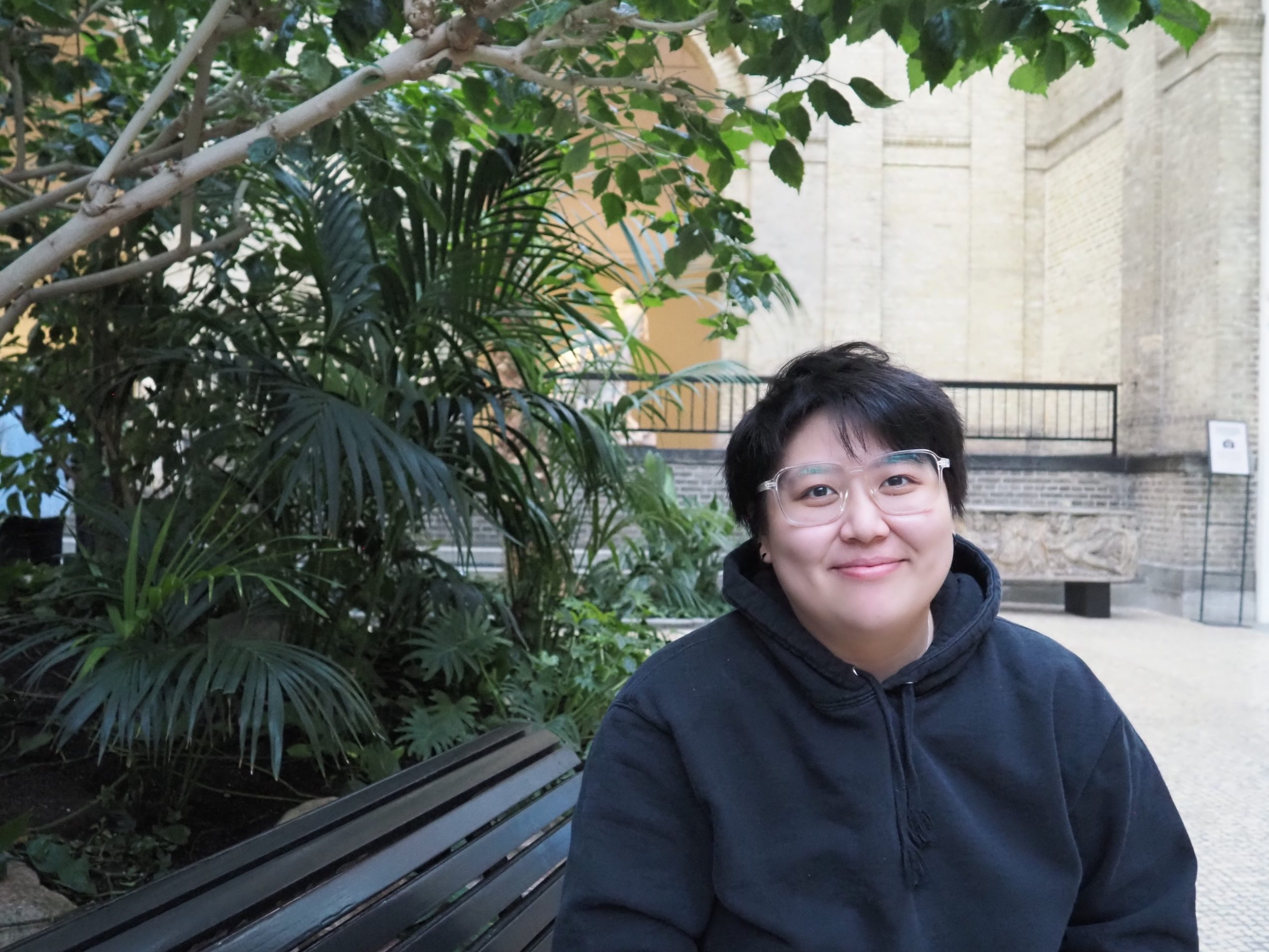
Today we’d like to introduce you to Mengtong Yu.
Hi Mengtong, please kick things off for us with an introduction to yourself and your story.
My journey into jewelry started with a fascination with nature and a love for making things by hand. Growing up, I always enjoyed arts and crafts, although I never imagined it would become my career. Interestingly, some members of my grandparents’ generation worked in traditional Chinese filigree and inlay craftsmanship. I didn’t know much about their work as a child, but looking back, I find that connection quite meaningful.
I studied Gemology and Materials Technology at China University of Geosciences (Wuhan). At that time, I was fascinated by how nature could create such extraordinary gemstones and mineral crystals, with their incredible colors, structures, and forms. During my undergraduate studies, I was gradually introduced to jewelry design. After trying jewelry making myself, I became increasingly interested in the creative possibilities of working with these materials and decided to pursue jewelry design more seriously.
That decision brought me to the United States, where I earned my MFA in Jewelry at the Savannah College of Art and Design (SCAD). Coming from a background focused primarily on gemstones and materials, I had a lot to learn about art and contemporary jewelry. It was a challenging but exciting transition that completely changed my understanding of jewelry. I began to see it not just as something beautiful to wear, but as a medium for expressing ideas and questioning established conventions.
Throughout graduate school, feminism became a central theme in my artistic practice. Many of my projects explored women’s identities, experiences, and the expectations society places on them. I became particularly interested in the complicated relationship between jewelry and women. Jewelry is often associated with femininity, beauty, and decoration, but it can also represent wealth, status, power, and sometimes even restriction.
These ideas eventually developed into my MFA thesis, *Chromatic Facets: Beyond Boundaries, Beyond Roles*. Through jewelry and metalsmithing, I explored gender stereotypes in traditional craftsmanship and challenged the idea that certain materials, techniques, or professions belong to a particular gender. I worked primarily with titanium, a metal often associated with industrial strength and masculinity, transforming it through welding, forging, and anodizing into colorful, intricate jewelry inspired by gemstone structures.
One of my signature pieces transforms a traditional engagement ring into an oversized choker worn around the neck. By turning a familiar symbol of love and commitment into something that suggests physical restriction, I wanted to question the expectations placed on women through marriage and traditional social roles.
For me, the message behind this work is ultimately about freedom of choice. Women should not be defined solely by their roles as wives or mothers, or by what society expects them to become. They deserve the opportunity to pursue their own ambitions, explore different fields, and be recognized for their contributions.
Today, I work as a jewelry designer in the San Francisco Bay Area while continuing to develop my independent artistic practice. My background in gemology continues to influence my appreciation for materials and craftsmanship, while my artistic practice allows me to explore the deeper meanings behind the objects we create and wear.
We all face challenges, but looking back would you describe it as a relatively smooth road?
I wouldn’t say it was a completely smooth journey. One of my biggest challenges was transitioning from an engineering background to an art-focused education.
My undergraduate degree was a Bachelor of Engineering in Gemology and Materials Technology, so most of my previous education focused on science, materials, and technical knowledge. When I entered the MFA Jewelry program at SCAD, I had very little formal training in art. I had to catch up on art history and theory while also learning a completely different way of thinking and creating.
The biggest adjustment was moving beyond technical problem-solving and learning how to develop my own artistic concepts. Even when I had ideas I wanted to express, translating abstract thoughts into actual pieces of jewelry wasn’t always easy. I also had to get used to open-ended creative processes, presenting my work, and discussing my ideas during critiques, which were quite different from my previous educational experiences.
It took a lot of research, experimentation, and trial and error to find my own approach. But looking back, I think this experience helped me grow tremendously. What initially felt like a disadvantage eventually became one of my strengths. My engineering background allows me to approach materials and technical challenges differently, while my artistic education has taught me to explore their conceptual and expressive possibilities.
Now, rather than seeing these two backgrounds as separate, I see them as complementary parts of my creative practice.
As you know, we’re big fans of you and your work. For our readers who might not be as familiar what can you tell them about what you do?
I’m a contemporary jewelry artist and designer with a background in gemology, materials science, and metalsmithing. My work explores the relationship between jewelry, materials, and social expectations, particularly themes of gender, identity, and personal freedom. I see jewelry not only as something beautiful to wear, but also as a medium for expressing ideas and challenging familiar perspectives.
What makes my approach distinctive is the combination of my engineering background and artistic education. My knowledge of gemology helps me understand the physical properties and structures of materials, while my artistic practice encourages me to explore their conceptual and symbolic meanings. I enjoy bringing these perspectives together, experimenting with traditional jewelry-making techniques and unconventional materials to discover new possibilities.
One of the projects I’m most proud of is my MFA thesis, *Chromatic Facets: Beyond Boundaries, Beyond Roles*. The collection explores gender stereotypes in craftsmanship and challenges the traditional association of metalsmithing with masculinity. I chose titanium, a material commonly associated with industrial strength, and transformed it through forging, laser welding, and anodizing into intricate, colorful jewelry inspired by gemstone structures. By using metal to recreate the visual brilliance of faceted gemstones, I wanted to question the boundaries between strength and delicacy, and between materials traditionally perceived as masculine or feminine.
One of my signature pieces, *The Engagement Ring*, reimagines a traditional engagement ring as an oversized choker worn around the neck. By transforming a familiar symbol of love and commitment into something that suggests restriction, I wanted to encourage people to reconsider the expectations placed on women through marriage and traditional social roles. This piece received a Silver Award at the 2024 International Design Awards and the Juror’s Choice Award at the 2024 So Fresh + So Clean exhibition. My thesis collection also received an Honorable Mention at the 2025 International Design Awards.
I’ve also had opportunities to exhibit my work internationally. In 2024, a piece I created during the earlier stages of my graduate studies was selected for the 33rd Japan Jewellery Competition and exhibited at the Tokyo Metropolitan Art Museum. I also participated in group presentations through SCAD at the Philadelphia Museum of Art Craft Show and the American Craft Council’s Baltimore event. These experiences have been meaningful opportunities to share my work with different audiences and connect with the broader jewelry and craft community.
Alongside my independent artistic practice, I currently work as a jewelry designer in the San Francisco Bay Area, where hands-on making continues to deepen my appreciation for craftsmanship and the relationship between design and production.
What I’m most proud of is developing my own artistic voice and finding a way to connect my scientific background with my creative interests. I believe that materials and craftsmanship should not be limited by traditional expectations of gender. Through my work, I hope to continue exploring what contemporary jewelry can be and the conversations it can inspire.
Is there anyone you’d like to thank or give credit to?
There are so many people I’m grateful for, and I definitely wouldn’t be where I am today without their support.
First and foremost, I’d like to thank Jay Song, the chair of the Jewelry Department at SCAD and my thesis committee chair. She has been one of the most important mentors throughout my artistic journey. From developing my research direction to exploring new metalsmithing techniques, her guidance played a major role in shaping my creative practice. Her support also extended beyond graduation. Through her strong connections with alumni and professionals in the jewelry industry, I was able to find opportunities that helped me begin my professional career.
I’m also incredibly grateful to my other thesis committee members, Lanelle Keyes and Xinia Guan. Lanelle helped me develop the research and conceptual foundation of my thesis, guiding me in connecting my ideas with the work I was creating. Xinia, who is also a practicing contemporary jewelry artist, provided thoughtful feedback on individual pieces throughout the making process and offered valuable advice on presenting my work for the final exhibition. Each of them brought a different perspective that helped me grow as an artist.
I’m equally grateful for the friends who have supported me at different stages of my life. One of my closest friends from middle school encouraged me to study abroad because she believed the American education system would be a great fit for me. A dear friend from college has always believed in me, sometimes even more than I believed in myself. And of course, the wonderful friends I made during graduate school made my experience of studying and living in another country so much more meaningful. I’m really lucky to have them in my life.
Most importantly, I want to thank my parents for their love, trust, and financial support, which made it possible for me to pursue my education abroad. I know how fortunate I am to have had that opportunity, and I never take it for granted.
I’m truly thankful for everyone who has been part of this journey.
Contact Info:
- Instagram: https://www.instagram.com/yumengtongjewel/**
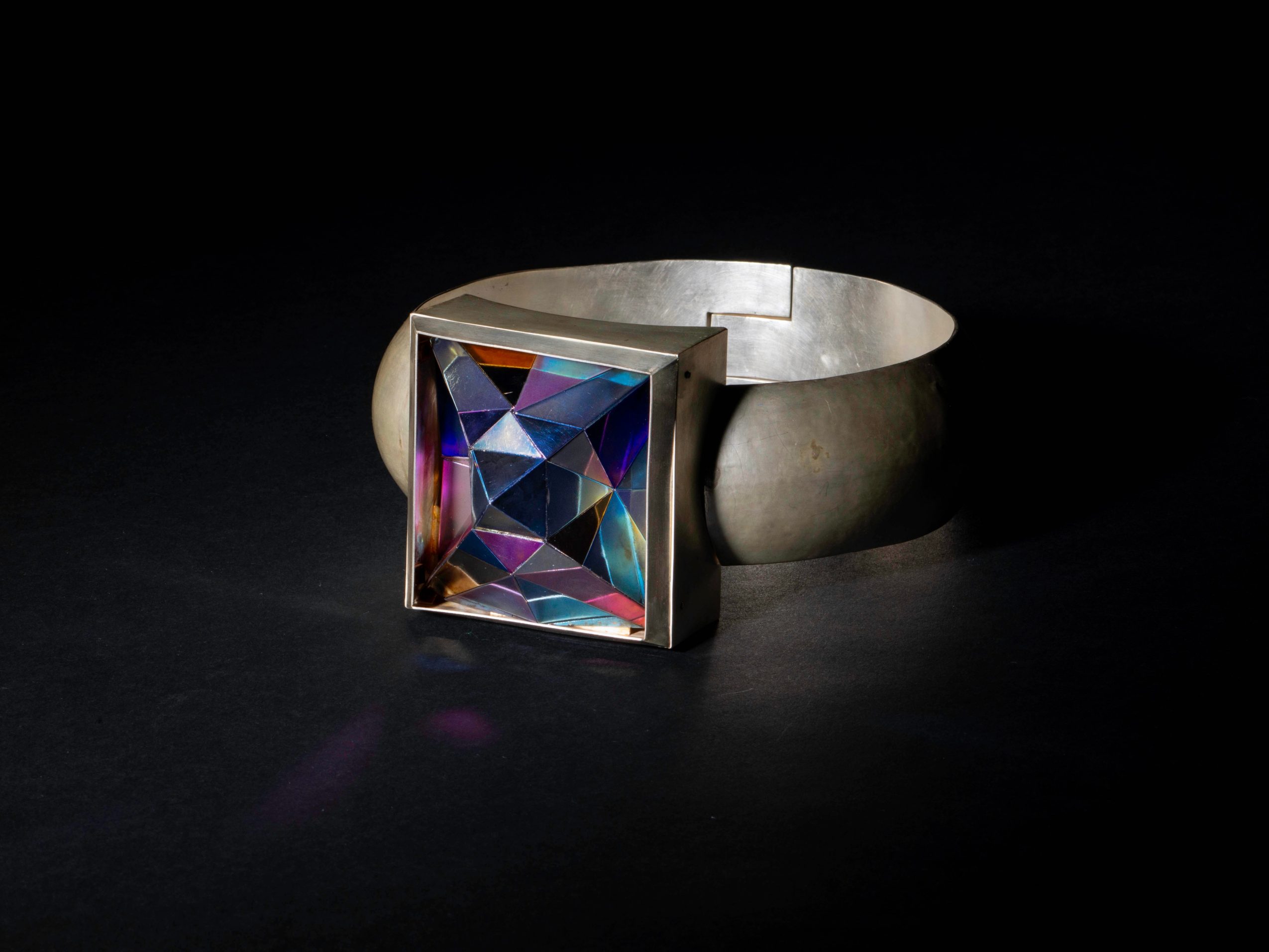
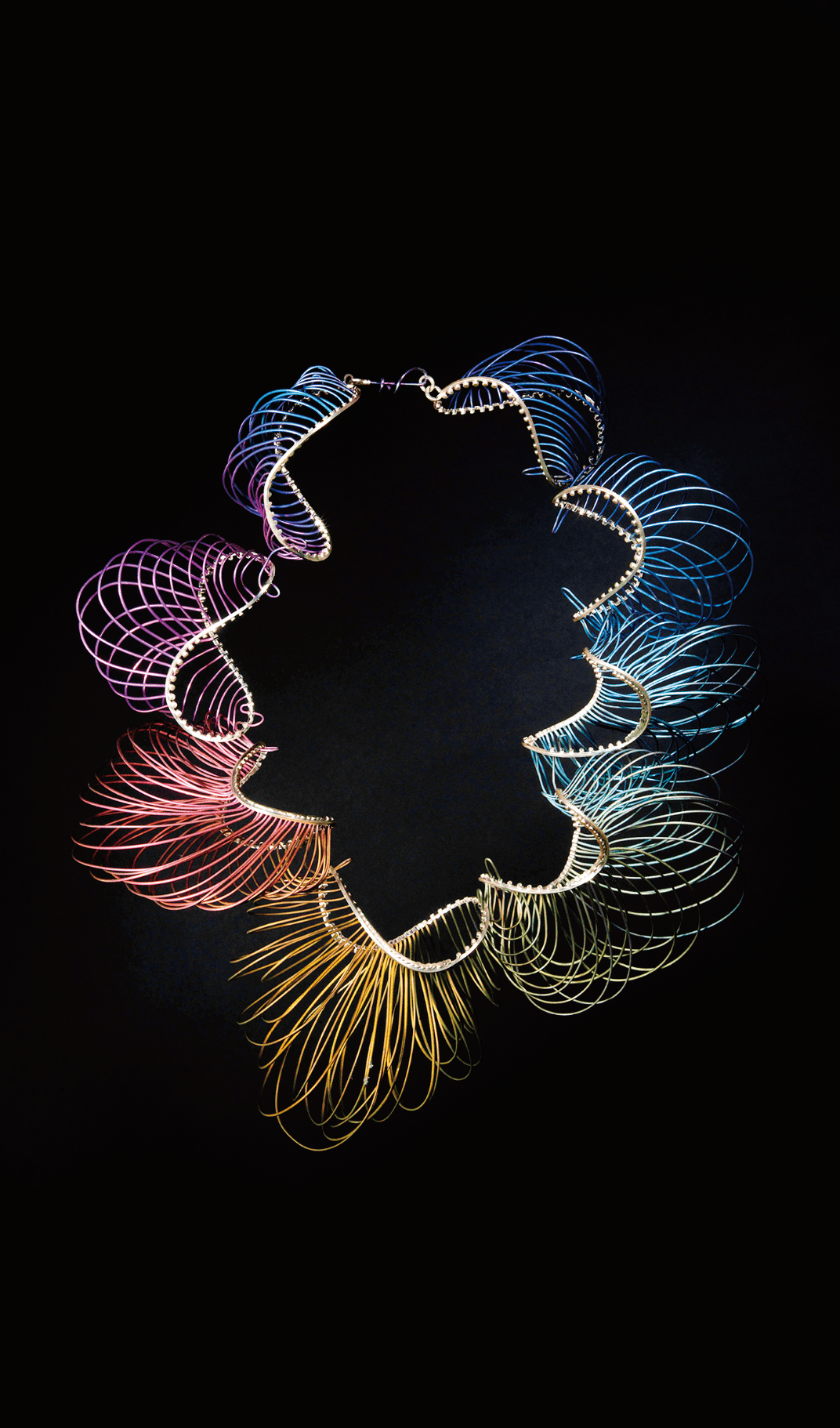
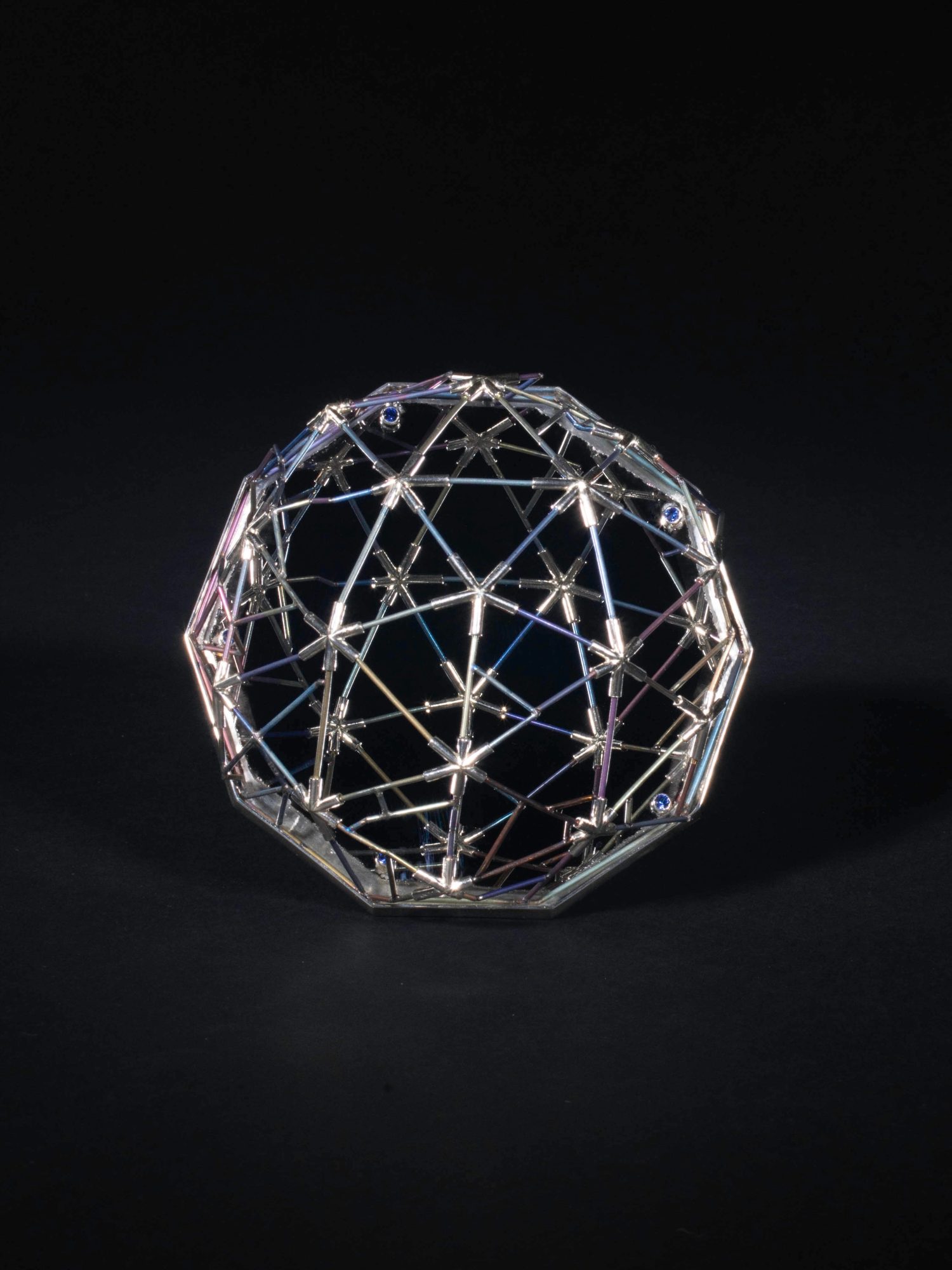
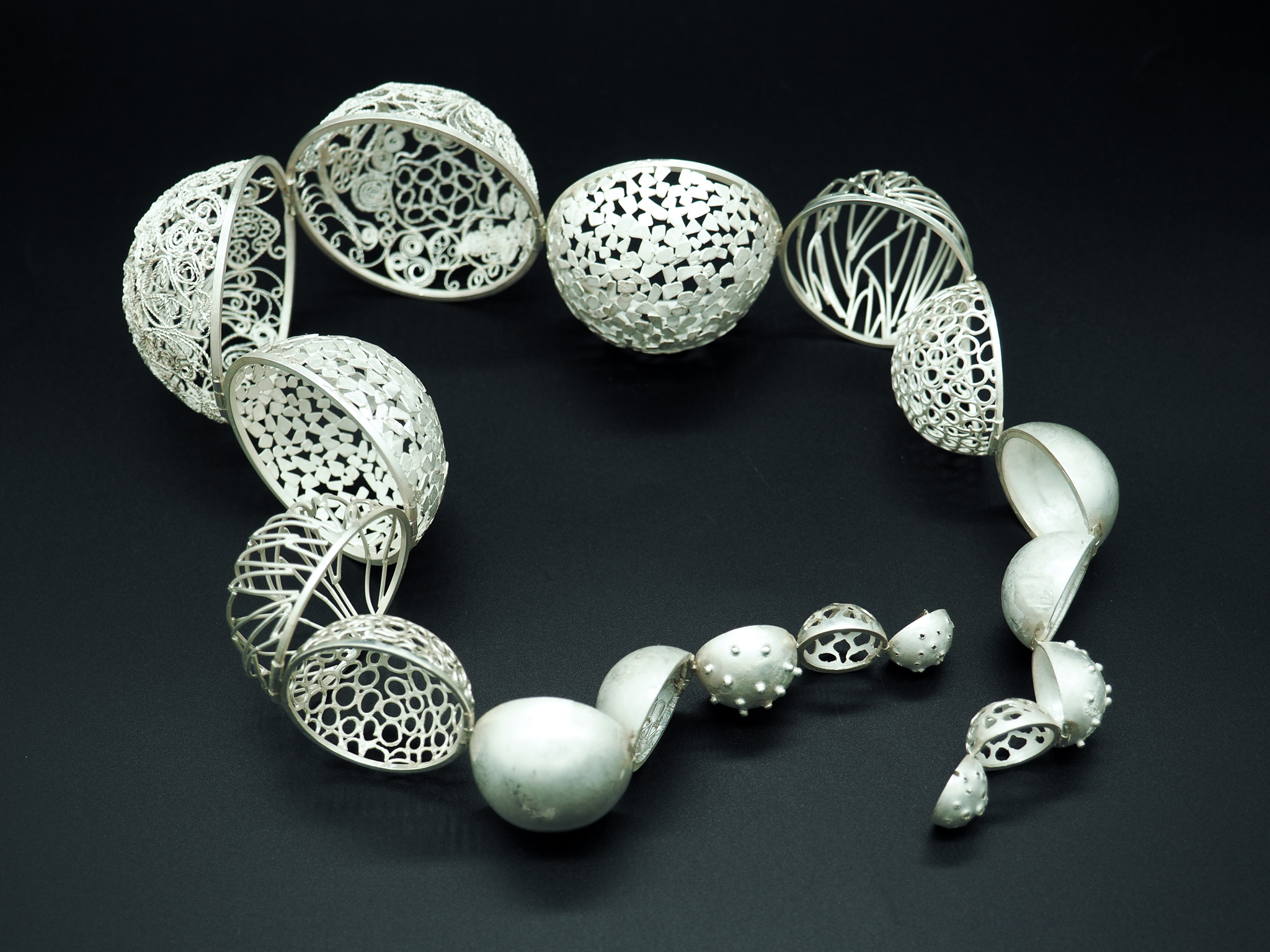
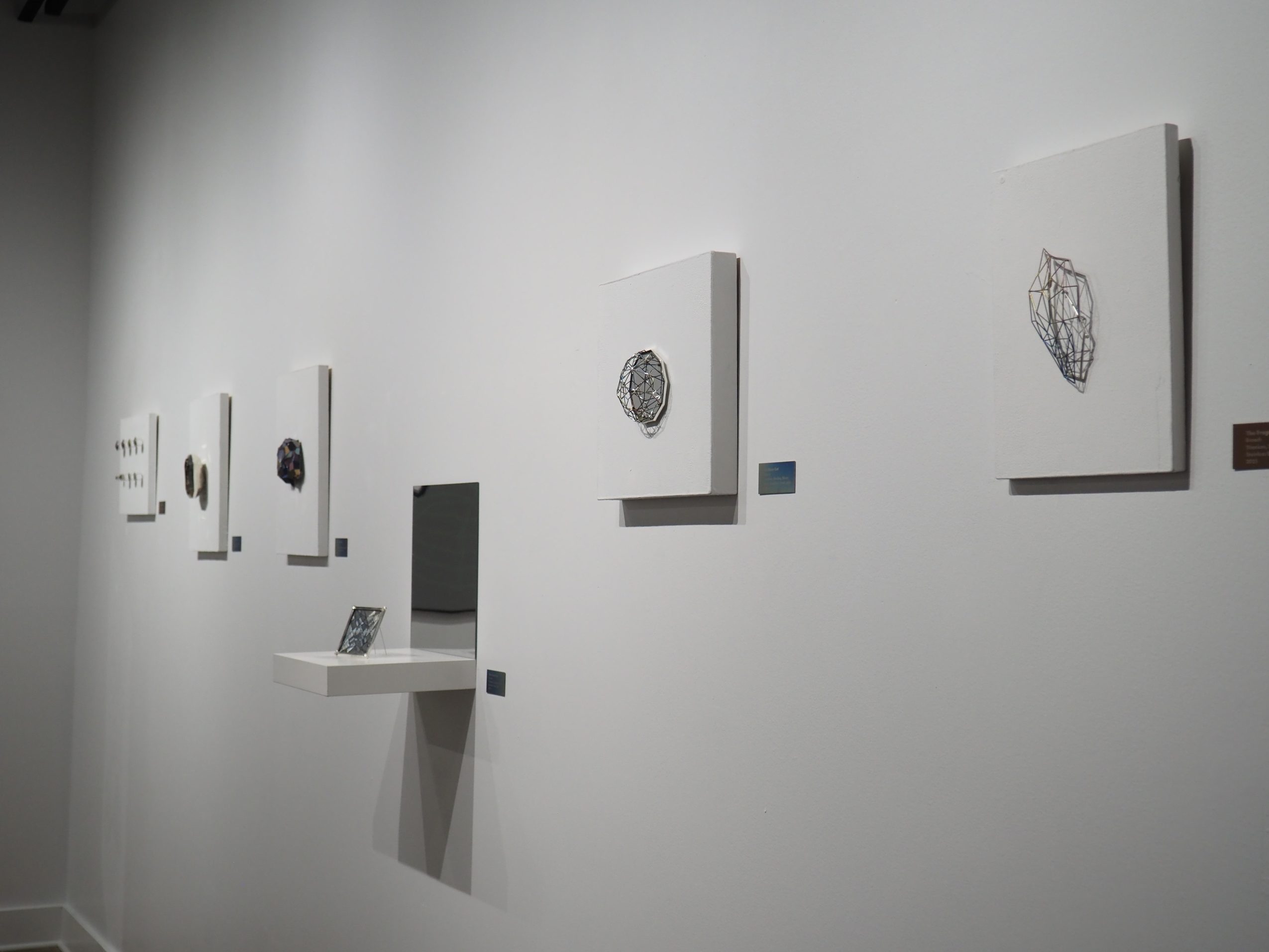
Image Credits
Chenxue Xia, Anqi Hu, Diya, Jingjing Lyu, Mengtong Yu
Popular
-

Portraits of the Valley
-

LA’s Most Inspiring Stories
-

Greg Hex Is Turning the Everyday Kitchen Knife Into a Modern Design Object
-

Rick Norris Learned That Building a Successful Business Means Building a Life You Actually Want to Live
-

How Olivia Rush Turned Survival Into a Mission to Help Others Keep Going
-

How Bibi Goldstein Is Helping Entrepreneurs Reclaim Their Time by Embracing the Power of Delegation


