



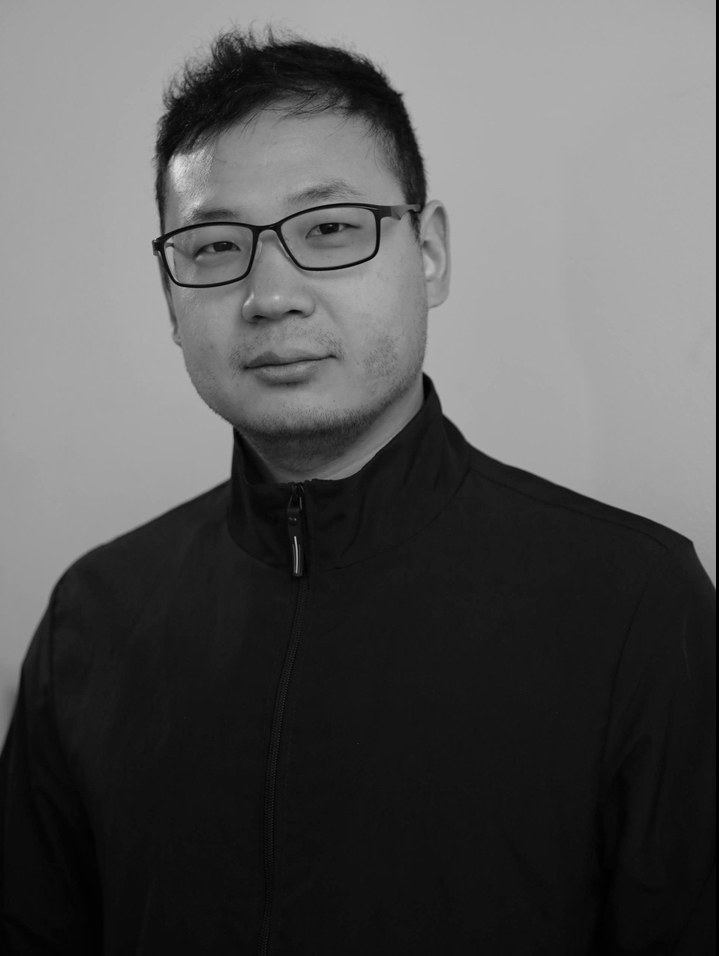
Today we’d like to introduce you to Hanqing Ma.
Hi Hanqing, it’s an honor to have you on the platform. Thanks for taking the time to share your story with us – to start maybe you can share some of your backstory with our readers?
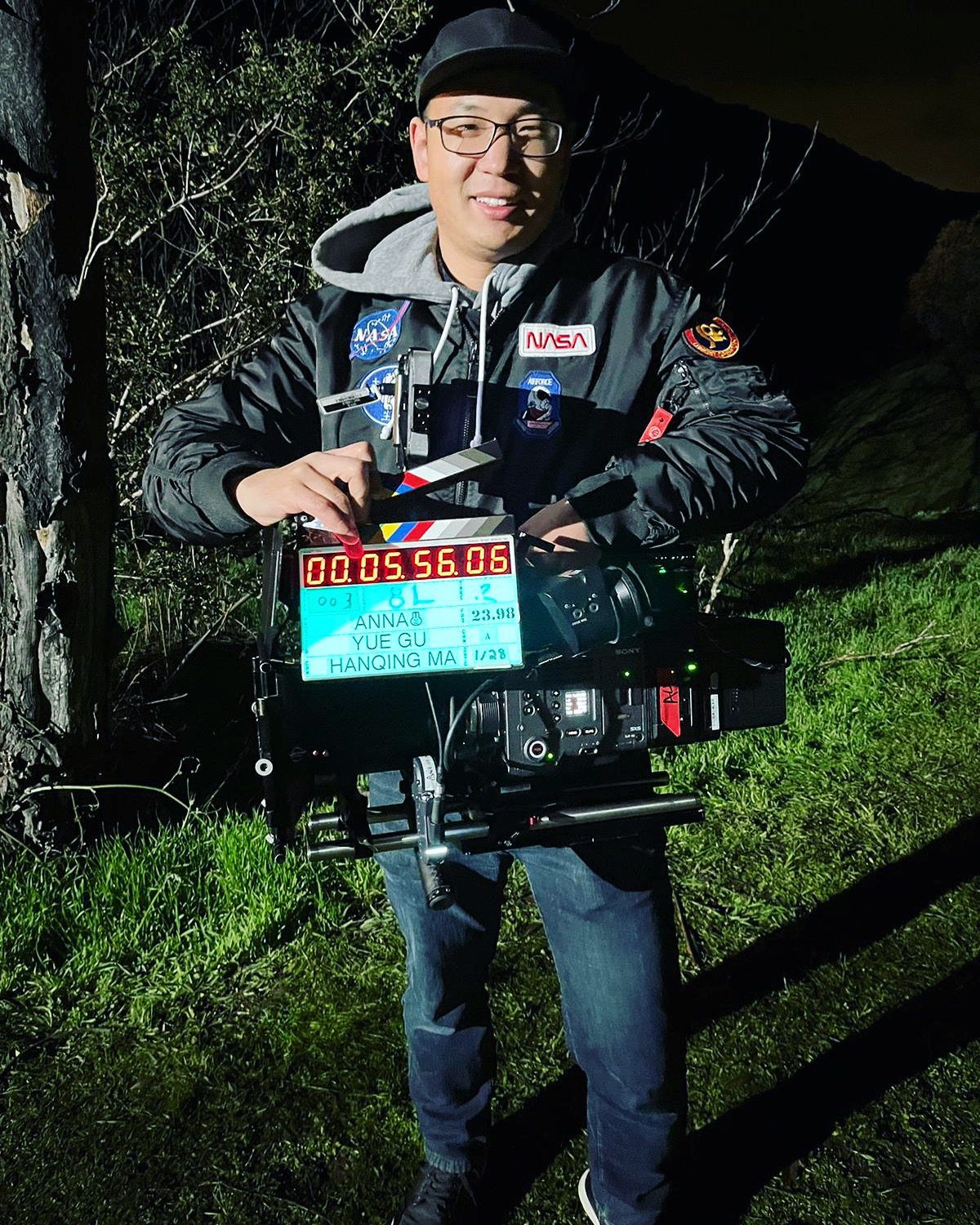
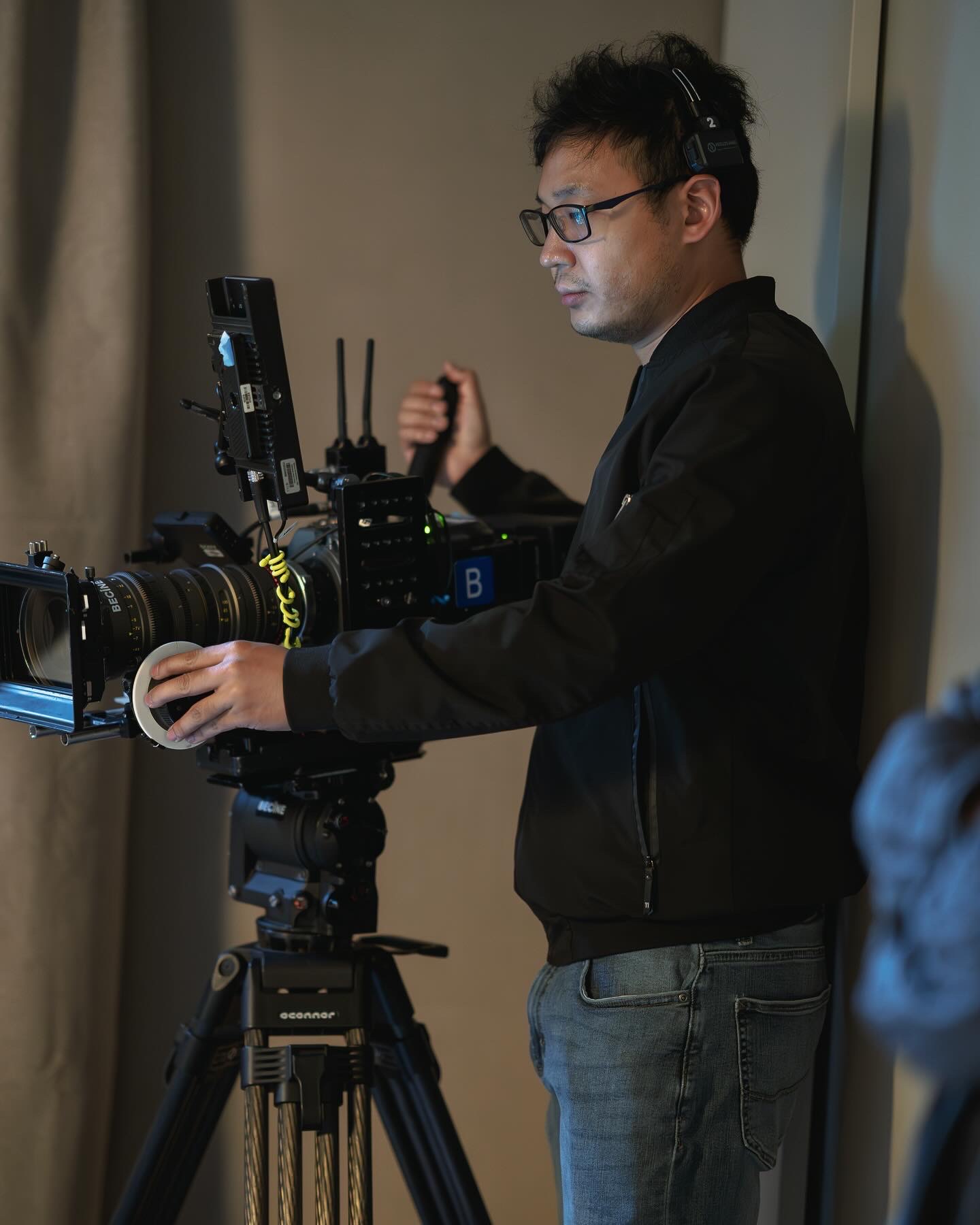
My name is Hanqing Ma, but I prefer to be called Sky. Originally from Shanghai, China, my journey into the film industry began after completing my bachelor’s degree. Initially uncertain about my career path, I started as a production assistant on set. During this period, I was captivated by the art of color grading when I saw a color technician at work—an experience that inspired me to pursue this craft.
I soon landed a role as an assistant at a postproduction house in Burbank, where I had the privilege of learning under Roy, a senior colorist. He introduced me to the foundational techniques and workflows of color grading. Eager to further my skills, I enrolled in a master’s program in cinematography, where I strengthened both my technical and aesthetic capabilities.
The pandemic posed unexpected challenges, prompting a temporary return to China, where I continued to work in the local film industry. Once conditions allowed, I completed my master’s degree in cinematography at the New York Film Academy and resumed my career in the United States.
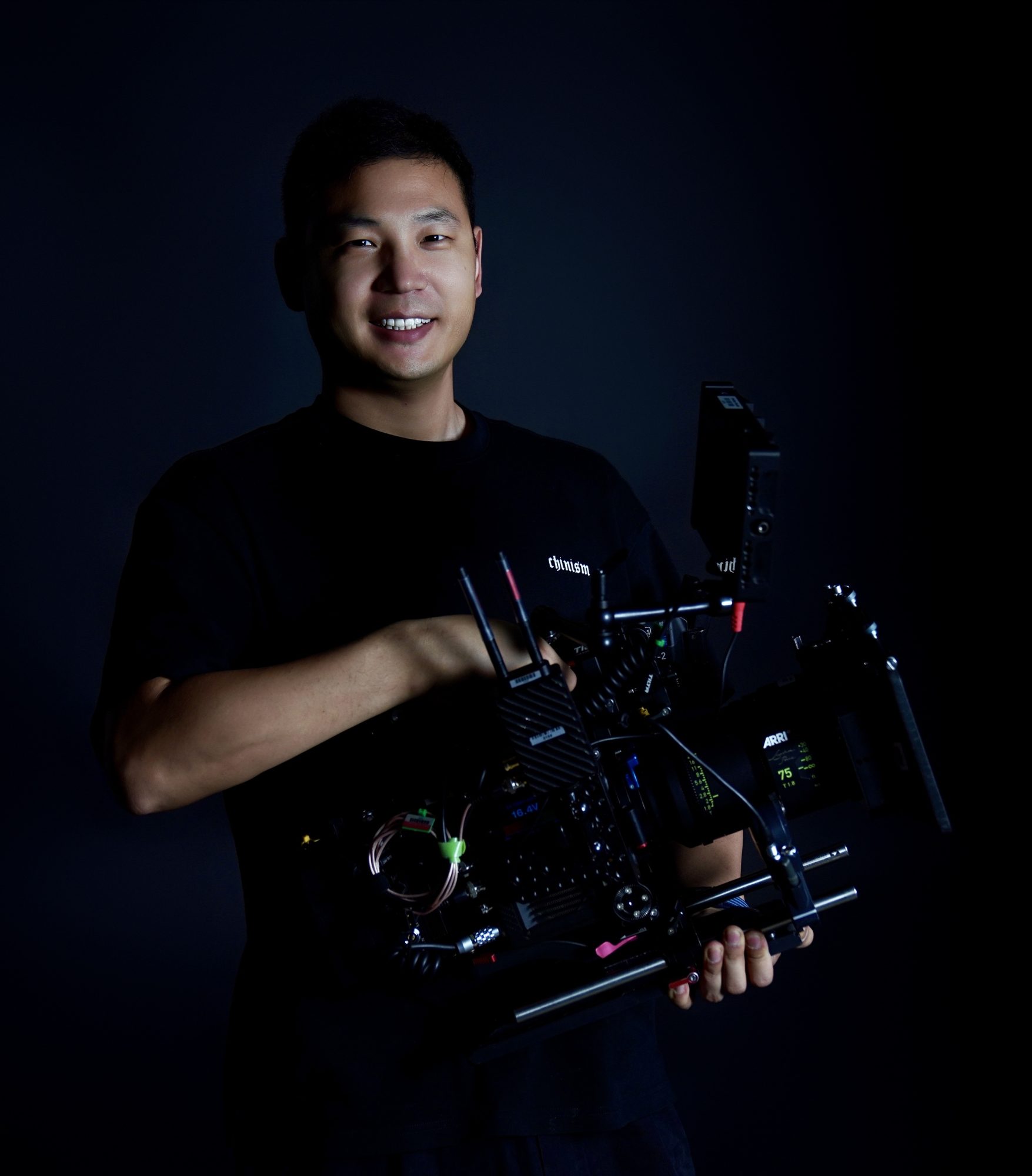
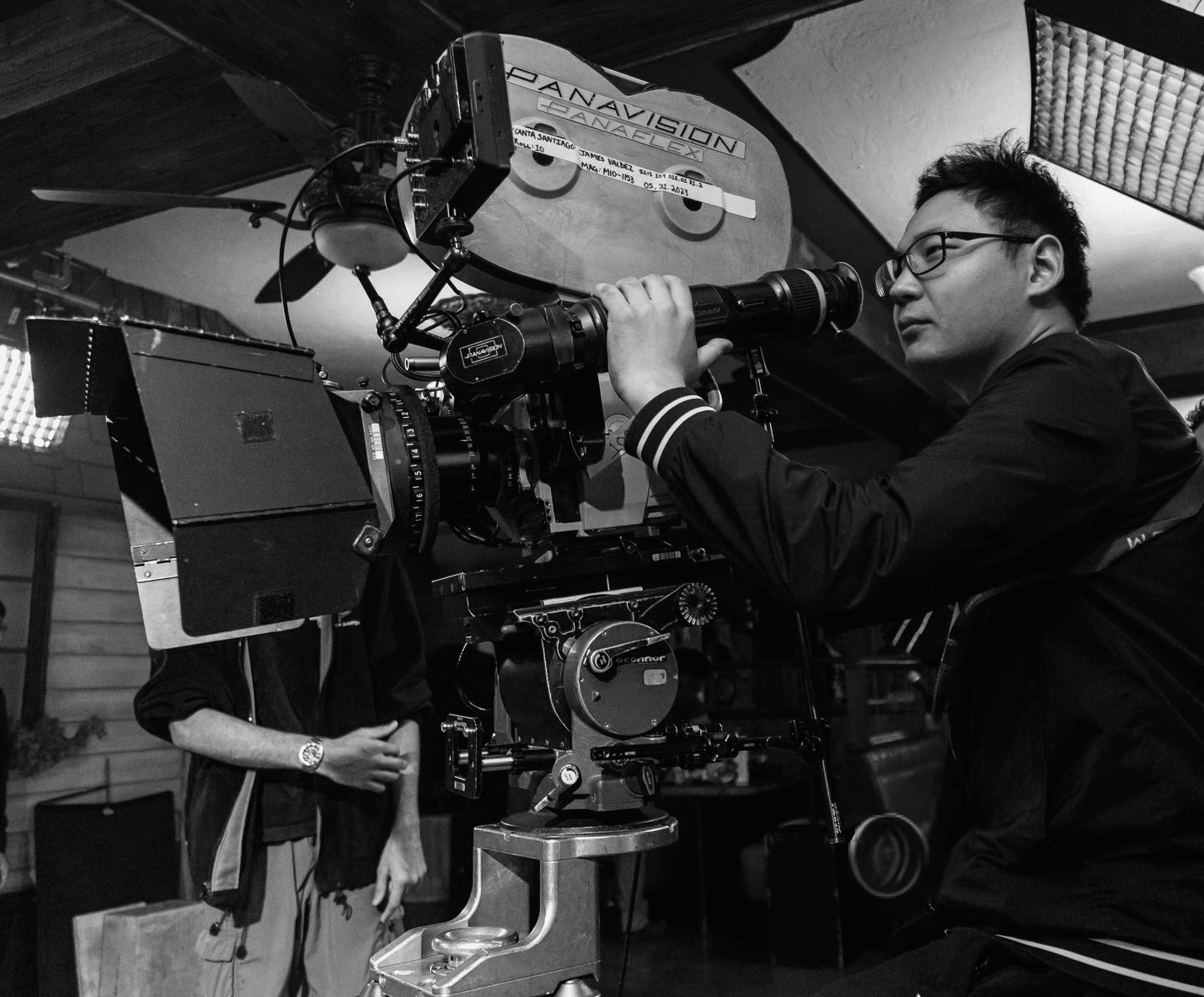
Today, I work as a freelance cinematographer and colorist, handling projects across a range of genres, including commercials, narrative films, and music videos. This dual expertise allows me to bring a unique perspective to every project, blending a deep understanding of visual storytelling with technical precision in color grading.
I stand here today, driven by my passion for film and a commitment to excellence in every frame of my work.
Alright, so let’s dig a little deeper into the story – has it been an easy path overall and if not, what were the challenges you’ve had to overcome?
it has not been a smooth road at all. The hardest part has been the day-to-day reality of freelancing. Building a network from scratch is slow work—especially as someone who didn’t grow up in this industry or this country. Early on, I didn’t have the connections that lead to referrals, so I had to earn trust one project at a time. Finding consistent gigs was another struggle; work would come in waves, and quiet stretches forced me to stay proactive rather than wait for the phone to ring. Getting clients was perhaps the most humbling: I had to learn how to pitch myself, communicate the value of what I do, and accept that rejection is simply part of the process.
Rebuilding more than once—finding my craft, restarting after the pandemic, and steadily building a client base—wasn’t easy, but it made me more adaptable and more certain about why I’m in this industry. Today I work as a freelance cinematographer and colorist, and I bring that resilience into every project.
Can you tell our readers more about what you do and what you think sets you apart from others?
I am a professional cinematographer and colorist specializing in commercials, narrative films, and music videos. Known for my expertise in color grading and my ability to craft compelling visual stories, I am particularly proud of my work on the film “Anna,” where I served as both cinematographer and colorist. The film has garnered numerous awards, including Best Cinematography and Best USA Film at the New York Cinematography Awards and Best Fantasy Film at the Los Angeles Film Awards, along with additional accolades from the Canadian Cinematography Awards and the Los Angeles Cinematography Awards. “Anna” was also an official selection of the Arpa International Film Festival and NICE International Film Festival.
Having worked extensively in both the U.S. and China, I bring a unique blend of Eastern and Western cinematic sensibilities to my projects. This cross-cultural experience broadens my perspective and helps my work resonate with audiences across markets. I also pursue new production technologies deliberately—following industry trends closely and integrating emerging tools into my workflow, so my craft keeps pace with a rapidly evolving industry.
What were you like growing up?
Growing up in Shanghai, I was the kind of kid who noticed things other people walked past—light falling on a wall in the late afternoon, the way a street looked different in the rain. I was quiet rather than outgoing, more comfortable observing than being the center of attention. I loved watching movies, and I spent a lot of time drawing and looking at images. I didn’t know it then, but that habit of watching carefully—of caring about how things look and feel—was the earliest version of what I do now.
I was also curious in a practical way. If something interested me, I wanted to understand how it worked, not just admire it. That probably explains why I later gravitated toward a craft with both an artistic and a technical side. Outside of film, I played a lot of tennis, which taught me discipline and focus—and maybe a certain patience, since you can’t rush a good rally or a good shot.
I wasn’t the kid with a clear plan, but I was the kid who paid attention—and that turned out to matter more.
Contact Info:
- Website: https://skymediala.com
Popular
-

Portraits of the Valley
-
LA’s Most Inspiring Stories
-

Greg Hex Is Turning the Everyday Kitchen Knife Into a Modern Design Object
-

Rick Norris Learned That Building a Successful Business Means Building a Life You Actually Want to Live
-

How Olivia Rush Turned Survival Into a Mission to Help Others Keep Going
-

How Bibi Goldstein Is Helping Entrepreneurs Reclaim Their Time by Embracing the Power of Delegation


