



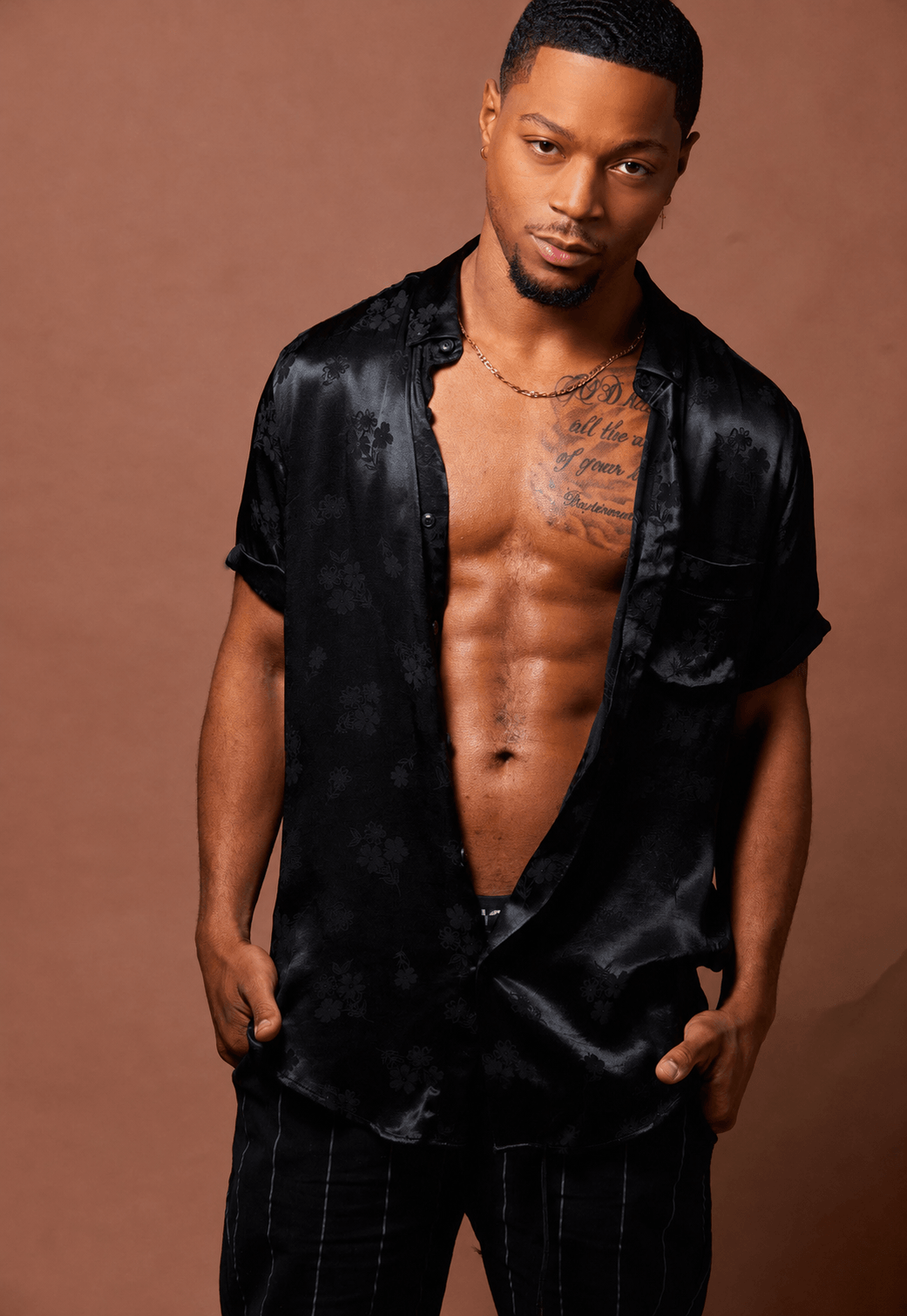
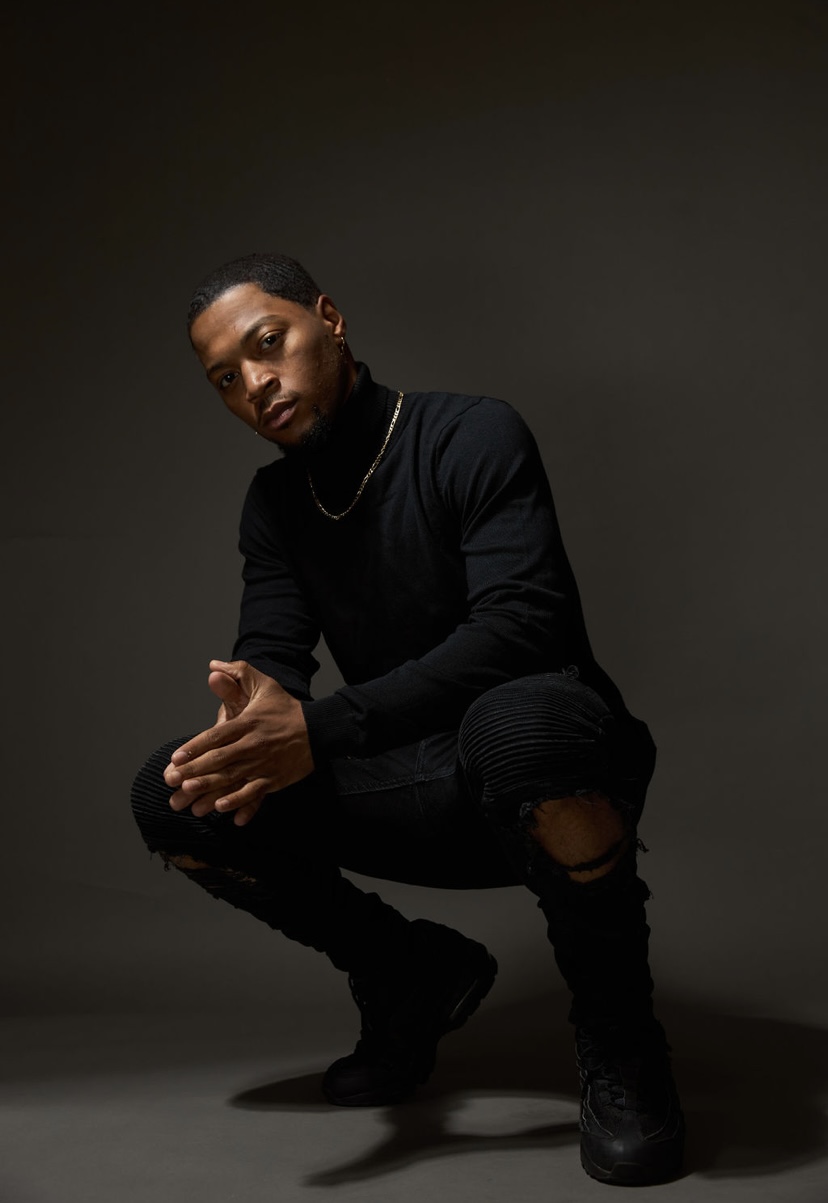
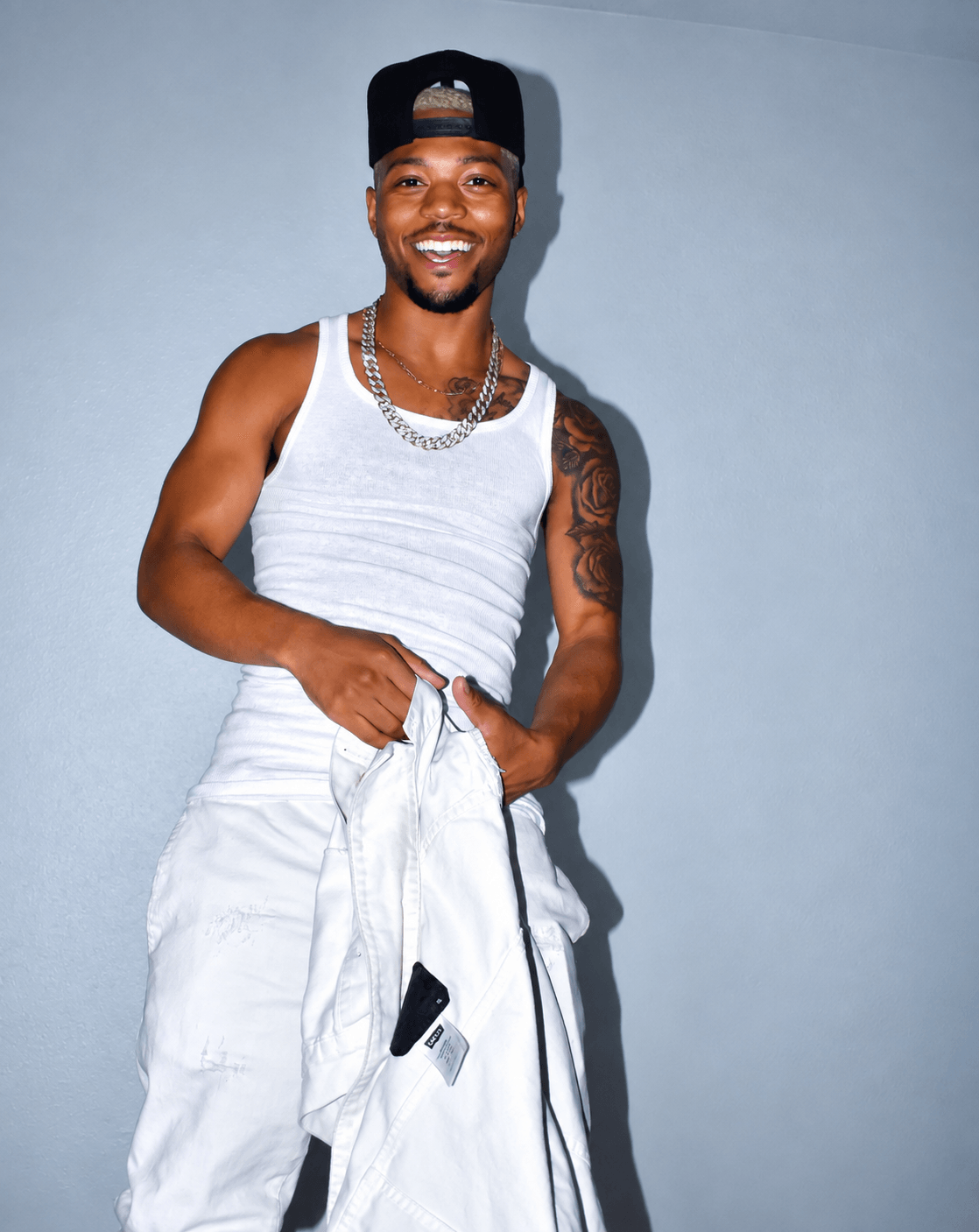
Today we’d like to introduce you to Tim Howard.
Hi Tim, so excited to have you on the platform. So before we get into questions about your work-life, maybe you can bring our readers up to speed on your story and how you got to where you are today?
My story really starts in Chicago. That’s home, and a lot of the drive, resilience, creativity, and work ethic I carry today was shaped there. Growing up in Chicago exposed me to so many different forms of culture, music, movement, style, and ambition, and looking back, I think that environment had a huge influence on the person and creative I eventually became.
My journey has never followed one straight path. I’m Tim Howard—a professional dancer, choreographer, creative director, chef, day trader, entrepreneur, and someone who has always believed I could build a life that allowed all sides of me to exist. Dance became one of my first real languages for expressing myself, and over time that passion grew into performing professionally, choreography, movement coaching, and creative direction.
Moving from Chicago and continuing my journey in Los Angeles represented a much bigger step for me than simply changing cities. LA put me in an environment where I had to trust myself, build new relationships, create opportunities, and really figure out who I wanted to become. There have been moments where things moved quickly and other periods where I had to be patient, adjust, and keep working even when I couldn’t see the outcome yet.
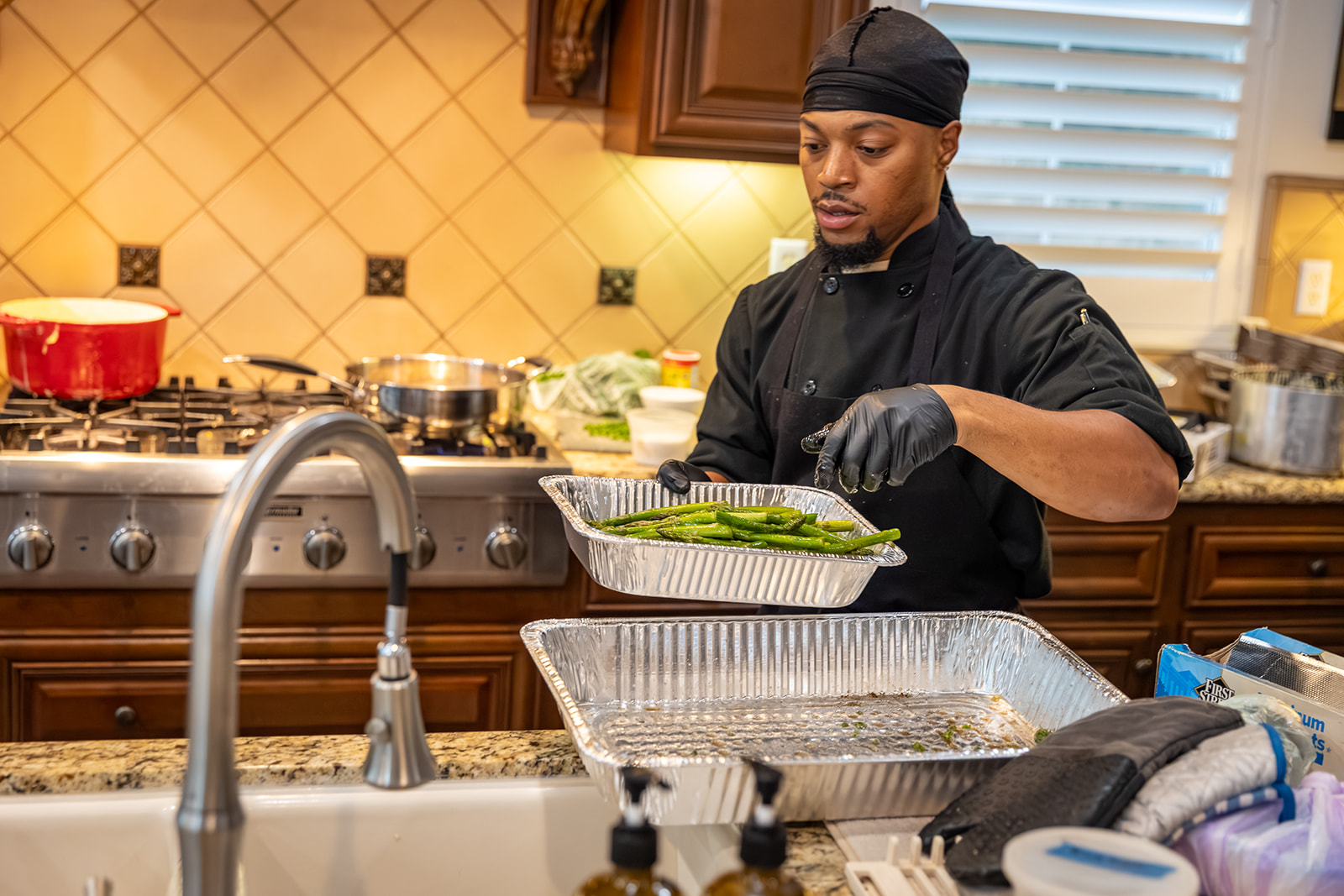
At the same time, I built another side of myself through the culinary world. Working as a chef taught me leadership, discipline, attention to detail, and how to perform under pressure. Those lessons ended up translating into another major part of my life: day trading. Trading introduced me to a completely different type of discipline. It forced me to develop patience, emotional control, risk management, accountability, and the ability to trust a process instead of chasing immediate results.
As I grew as a trader, it became bigger than something I was doing for myself. I started building a trading community where I could share my journey, setups, experiences, wins, losses, and the mentality required to navigate the markets. I want that community to represent more than people chasing money. For me, it’s about creating an environment centered around growth, discipline, education, accountability, and becoming more intentional about the decisions we make. Trading has given me another way to connect with people and build something of my own.
For a long time, all of these parts of my life probably looked disconnected from the outside. I don’t see them that way anymore. The common denominator has always been creativity, discipline, leadership, and evolution. Whether I’m performing onstage, creating movement, leading a kitchen, analyzing the markets, building my trading community, or developing content, I’m still challenging myself to create, lead, and become better.
At this point in my life, I don’t want to shrink myself down to one title just because it’s easier to explain. I’m learning how to bring all of these worlds together and build something that represents the full version of me. I’m still a kid from Chicago with big ideas—I’m just at a point now where I’m turning those ideas into something tangible. “Tim Howard” isn’t just one profession; it’s the name behind everything I’m building.
Can you talk to us a bit about the challenges and lessons you’ve learned along the way. Looking back would you say it’s been easy or smooth in retrospect?
It definitely hasn’t been a smooth road. I think one of the biggest challenges for me has been learning how to navigate a life where I genuinely have multiple passions and refusing to believe that I have to abandon one in order to be successful in another.
Coming from Chicago and building a life for myself in Los Angeles required a lot of faith in myself. There’s a difference between having a vision for your life and actually waking up every day and doing the work when that vision hasn’t happened yet. I’ve dealt with rejection, missed opportunities, financial pressure, career uncertainty, and moments where I questioned whether I was moving in the right direction. Especially in entertainment, you can put everything you have into an opportunity and still hear “no”—or sometimes hear nothing at all. Learning not to attach my worth to those moments has been a huge part of my growth.
Balancing my different careers has also been challenging. Being a professional dancer and choreographer requires you to stay physically and creatively ready. Working in the culinary industry requires leadership, long hours, consistency, and the ability to perform under pressure. Day trading requires an entirely different level of patience and emotional discipline. Then there’s building my trading community, developing my personal brand, and trying to create something meaningful from all of those experiences. There have definitely been times when I’ve had to ask myself, “How am I going to make all of this work?”
Trading in particular taught me some difficult lessons about myself. The market doesn’t care about your ego, how hard you worked that day, or how badly you want a certain outcome. I’ve had to learn how to take losses without allowing them to define me, stay disciplined when emotions are high, and understand that consistency is more valuable than constantly trying to prove something. Those lessons started showing up in other areas of my life too.
Another struggle has been allowing myself to evolve without feeling like I need everyone else to understand it. When people know you for one thing, they sometimes expect you to stay there. I’ve had to become comfortable saying, “Yes, I’m a dancer. Yes, I’m a choreographer. Yes, I’m a chef. Yes, I trade. Yes, I’m building businesses and a community—and all of those things can be true at the same time.”
I’m still figuring things out, and I think that’s important to acknowledge. I haven’t reached every goal I’ve set for myself. But the difficult seasons have taught me resilience, patience, accountability, and how to keep showing up even when there isn’t immediate validation.
If anything, the struggles changed my definition of success. I used to think success was reaching a certain destination. Now I see it more as becoming the kind of person who can handle the destination when it arrives. And every setback, rejection, loss, pivot, and uncomfortable season has helped build that person.
Alright, so let’s switch gears a bit and talk business. What should we know about your work?
My work is rooted in dance, movement, choreography, and creative expression. I’m a professional dancer and choreographer specializing in hip-hop, commercial movement, freestyle, movement coaching, and performance development. But for me, dance has never been about simply learning choreography or executing steps. I’ve always been fascinated by what movement can communicate before a person ever says a word.
I approach movement almost like a language. There’s intention behind where you place your weight, how long you hold a moment, when you choose to move, and even when you choose not to move. Sometimes the smallest gesture can say more than eight counts of choreography. That level of detail is what I’m constantly searching for.
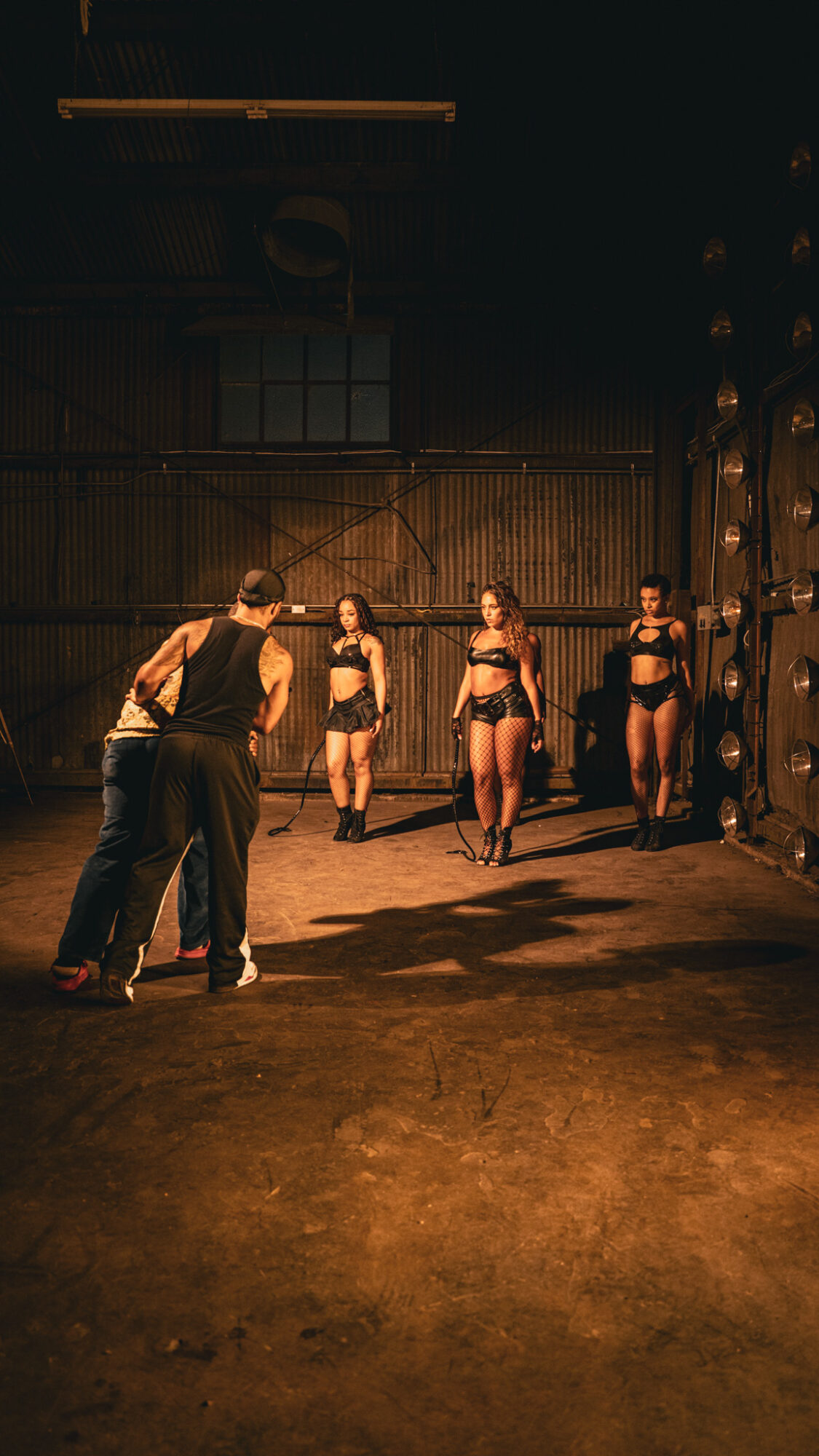
When I choreograph, I don’t want movement to exist just because it looks good. I want to understand the music, the artist, the emotion, and the story first. Then I build movement around that. I pay attention to texture, musicality, dynamics, silhouette, transitions, and how something is going to translate not only in the room but onstage and on camera. I’m interested in creating moments that people remember, not just combinations they watch.
Movement coaching has become especially important to me because every artist and performer has their own physical language. My job isn’t always to make someone move like me. Sometimes it’s the complete opposite. It’s figuring out what already feels authentic to that person and helping them become more intentional, confident, and expressive within it. I want an artist to look like the strongest version of themselves, not like a dancer performing choreography that was placed on them.
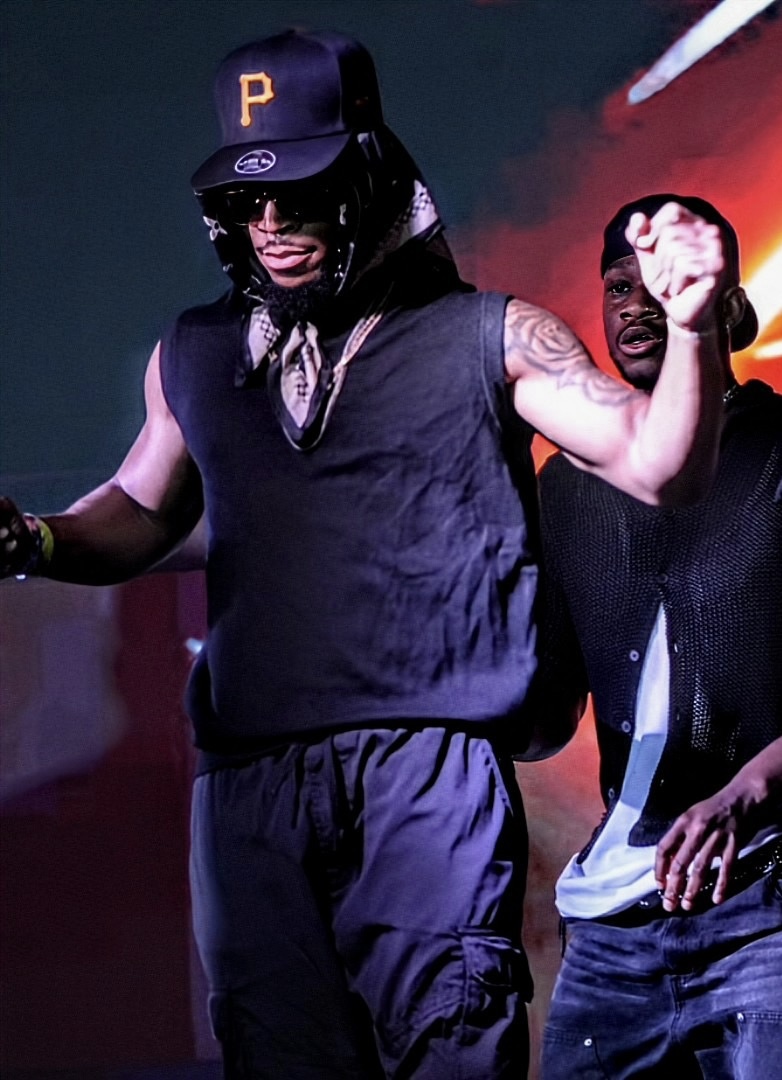
As a performer, freestyle is also a huge part of my artistry. It keeps me connected to instinct. Choreography gives me structure, but freestyle reminds me to listen—to the music, to my body, to the environment, and to whatever is happening in that exact moment. I think having both sides has shaped the way I create. I can appreciate precision without losing spontaneity.
What I’m most proud of is the evolution of my relationship with dance. I started by wanting to become a great dancer. As I’ve grown, the question has become much bigger: What do I actually want to say through movement? That shift changed everything for me. I’m less interested in proving how many things I can do physically and more interested in developing a recognizable point of view as an artist.
I think what sets me apart is that I’m always looking beyond the steps. I’m thinking about how movement affects the music, how it complements an artist, how a silhouette reads from across an arena, how a moment translates through a camera lens, and what the audience should feel when they see it.
Ultimately, I want my work to feel intentional, masculine, musical, emotionally honest, and visually undeniable. Whether I’m dancing behind an artist, choreographing, movement coaching, or eventually directing an entire performance, my goal is the same: I don’t just want to create movement. I want to create moments.
What would you say have been one of the most important lessons you’ve learned?
The most important lesson I’ve learned is to trust God, trust the process, and trust his timing. This journey has taught me that rejection doesn’t always mean “no”—sometimes it’s protection, preparation, or redirection. I’m incredibly thankful to God for every opportunity, every closed door, and even the difficult seasons because they’ve all shaped the artist and man I’m becoming. I’ve learned to keep working, stay grounded, and have faith that what’s meant for me will meet me when I’m prepared for it.
Contact Info:
- Instagram: https://Instagram.com/ImTimothyHoward
- Youtube: https://www.youtube.com/@ImTimothyHoward

Popular
-

Portraits of the Valley
-

LA’s Most Inspiring Stories
-

Greg Hex Is Turning the Everyday Kitchen Knife Into a Modern Design Object
-

Rick Norris Learned That Building a Successful Business Means Building a Life You Actually Want to Live
-

How Olivia Rush Turned Survival Into a Mission to Help Others Keep Going
-

How Bibi Goldstein Is Helping Entrepreneurs Reclaim Their Time by Embracing the Power of Delegation


