



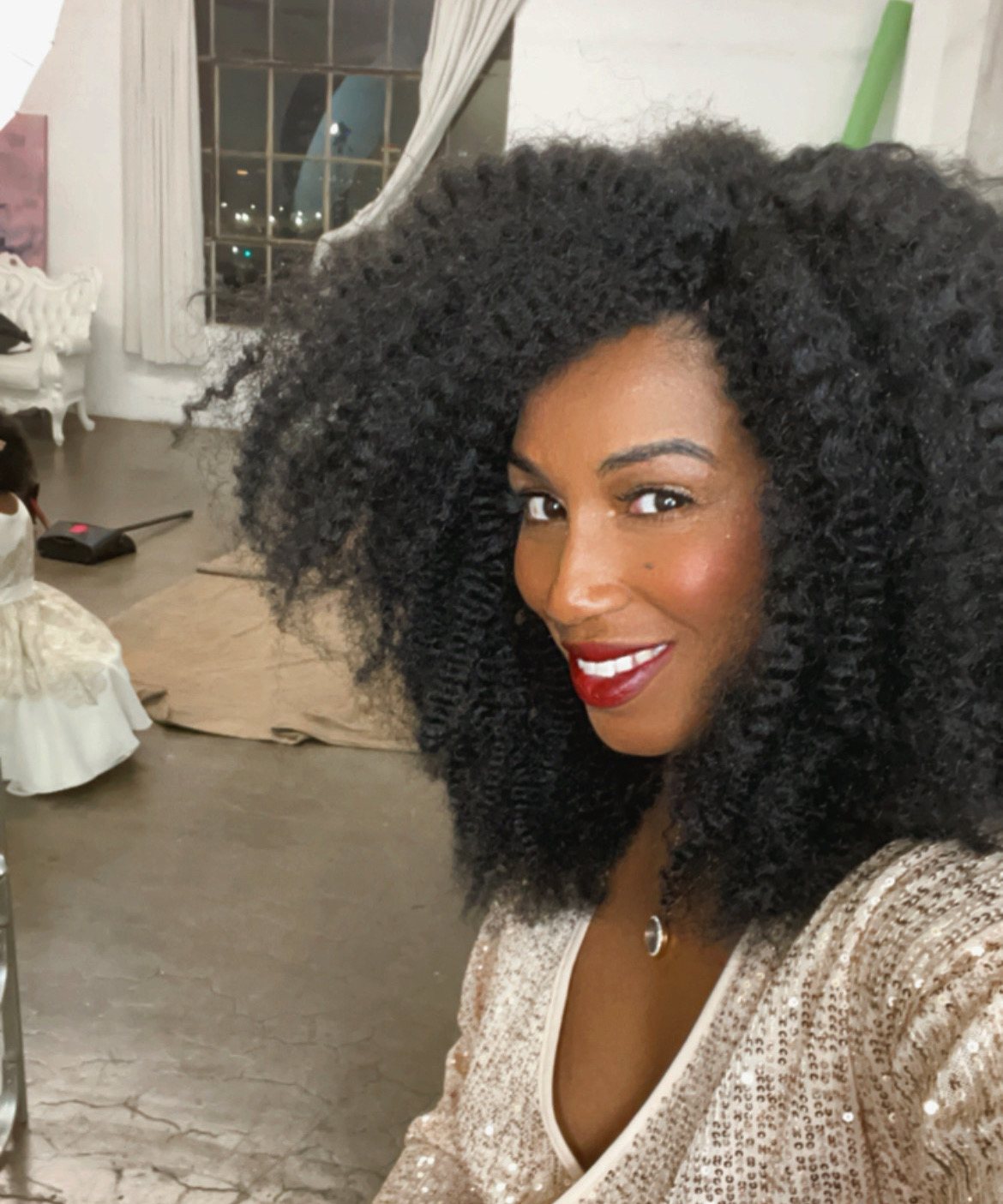
Today we’d like to introduce you to Misha’el Elie.
Alright, so thank you so much for sharing your story and insight with our readers. To kick things off, can you tell us a bit about how you got started?
I’m originally from Washington, D.C. and was raised in Maryland, but Los Angeles has been home for many years. My journey in entertainment has definitely not been a straight line. I started at the ground level in production, working as a production assistant and learning the business by being in the room, paying attention, and taking every opportunity I could to grow.
Over the years, I worked my way from PA to Associate Producer, Producer, Senior Producer, and eventually into showrunning and creating my own projects. I’ve had the opportunity to work on productions connected to networks and brands including ABC, TLC, and Hallmark. My creativity has also taken me into music. I had the opportunity to work alongside Grammy-winning producer and songwriter Devine Evans, providing the voice intro for Rihanna’s 777 Tour. That experience was another reminder for me that storytelling isn’t confined to one medium. It can live in television, film, music, live experiences, and anywhere you can create a moment that makes an audience feel something.
Every experience taught me something different—not just about production, but about leadership, storytelling, and the kind of work I ultimately wanted to create.
In 2020, I officially launched Zaffiro Entertainment Group, which became a way for me to begin building something of my own. Eventually, that journey expanded into 64 Global and into developing original television and film concepts where I could have more ownership over the stories I was creating.
A major part of my evolution happened when I stopped thinking of myself only as someone who could help produce someone else’s vision and really started recognizing myself as a creator. I had spent so many years making things happen behind the scenes that stepping fully into my own ideas required a different kind of confidence.
Motherhood also changed the way I looked at storytelling. I’m a wife and a mother, and like so many women, I realized there was this entire conversation around identity that wasn’t always being represented honestly. We talk so much about becoming mothers, but not enough about the woman who existed before motherhood—and what happens to her dreams, friendships, career, marriage, creativity, and sense of self afterward.
That realization became part of the inspiration behind *MAMAS*, a dramedy I created about two best friends navigating motherhood, marriage, career, friendship, and their own identities. I’m also producing the project and stepping in front of the camera as Josie, which has been a full-circle experience for me. After spending so much of my career helping other people bring their stories to life, I’m now building worlds that come from my own experiences, perspective, and imagination.
My path has included incredible opportunities, but it has also included loss, reinvention, financial challenges, closed doors, and seasons where I had to figure out what was next. Those moments have shaped me just as much as the credits have.
I remember watching an Aaliyah interview on MTV years ago where she talked about wanting to be seen as an entertainer—“someone who can do it all.” That stayed with me because I’ve always felt the same way. I never wanted to be defined by just one title or one lane. I want to create, produce, perform, work in television and film, and continue exploring music and live entertainment.
Today, I consider myself a producer, creator, entrepreneur, performer, and storyteller. I’m building projects that I hope entertain people, but also make them feel seen. And I’m still evolving. I don’t think my story ends with becoming known for one thing. I want to be known for being able to do it all—and for doing it with purpose.
Can you talk to us a bit about the challenges and lessons you’ve learned along the way. Looking back would you say it’s been easy or smooth in retrospect?
It definitely has not been a smooth road. One of the biggest challenges in my journey has been learning how to keep moving while carrying grief.
In 2019, our family experienced the devastating loss of my bonus son, Xavier, and I have also experienced the loss of an unborn child. Those experiences changed me deeply. Grief has a way of reshaping everything—how you see yourself, how you show up in your work, how you parent, how you dream, and even how much energy you have to keep pushing forward.
I think people sometimes assume resilience means that you just keep going and never break, but that hasn’t been my experience. For me, resilience has looked like grieving, rebuilding, starting over, questioning everything, and then finding a reason to create again. Some days that reason was my family. Some days it was a project. Some days it was simply knowing that I wasn’t finished yet.
Another major lesson has been the importance of finding your community.
This industry can feel incredibly isolating, especially when you are trying to build something independently. I started joining different Facebook groups and online communities for producers, filmmakers, moms, entrepreneurs, and women in entertainment. But I learned very quickly that simply joining a group doesn’t create community. You can be in twenty Facebook groups and still feel completely alone if you never engage.
You have to participate. You have to introduce yourself, answer someone else’s question, congratulate people when they win, share resources, ask for help, and actually build relationships. Community is not something you collect—it’s something you contribute to.
Some of the most valuable relationships and opportunities I’ve found have come from being willing to put myself out there and engage with people instead of just watching from the sidelines.
I’ve also had to navigate the normal realities of working in entertainment—periods of inconsistent work, financial uncertainty, career pivots, projects that didn’t move forward the way I hoped, and learning the business side of protecting and financing the things I create. But grief and community have probably taught me the most.
Grief taught me that life can change without warning. Community taught me that you don’t have to rebuild alone.
I’m still building, still healing, still learning, and still finding my people. But I’ve learned that sometimes the thing that keeps you moving isn’t having all the answers—it’s knowing there are people walking alongside you while you figure them out.
Can you tell our readers more about what you do and what you think sets you apart from others?
I’m a producer, creator, showrunner, and entrepreneur who specializes in taking ideas from concept to execution. My foundation is in unscripted and reality television, but my work has expanded into scripted development, live production, music, branded content, and creating original intellectual property.
I’ve spent more than 20 years around production and have worked my way through nearly every level of the process, from production assistant to associate producer, producer, senior producer, and showrunner. That experience has given me a very practical understanding of how productions actually come together—not just creatively, but logistically, financially, and operationally.
What I’m probably best known for is being able to see the entire picture. I can sit in a room and develop the creative, but at the same time I’m thinking about story, talent, budget, schedule, crew, production, and ultimately what the audience is going to connect with. Being able to live on both the creative and production sides of the business is one of the things that sets me apart.
I’m especially drawn to real conversations—the things people are already talking about at home, in group chats, at brunch, at work, and with their friends. I listen to what people are saying and then start thinking about what the television version of that conversation could look like.
On the scripted side, that thinking led me to create *MAMAS*, a dramedy centered around two best friends navigating motherhood, marriage, career, friendship, and identity. The question underneath the series is simple: Who were you before somebody called you Mom? I’m incredibly proud of *MAMAS* because I’m not only creating and producing it, I’m also stepping in front of the camera as Josie. After spending so much of my career helping execute other people’s visions, there is something very meaningful about building something from my own voice and experiences.
On the unscripted side, that same curiosity about real conversations led me to create *Cuffing Season*, a dating format inspired by modern dating culture and the very real phenomenon of people looking for someone to settle in with as the seasons change. The funny part is that I’ve been with my husband for more than 18 years, so I’m definitely not personally in these dating streets. But I pay attention. I talk to my single friends, I listen to their experiences, I hear the conversations people are having, and I stay aware of what the streets are saying. As a producer, I think that’s part of the job—being curious enough to understand experiences outside of your own and recognizing when there’s a bigger story there.
*Cuffing Season* allows me to take something that already exists culturally and ask, “How do we turn this into an entertaining social experiment while still keeping the conversations authentic?” That’s really where I thrive creatively.
That is also why my focus has shifted so heavily toward original IP. I’ve learned that in creative industries, having a great idea is only part of the job. You also have to understand ownership, contracts, trademarks, copyrights, credits, and exactly what you are agreeing to before you hand your work over to anyone. There are people in this business whose ethics may not align with yours, so you cannot afford to be casual about the business side of creativity. You have to protect the work, document the work, and know what you own. In these creative streets, talent matters—but being on top of your business matters just as much.
My work has also crossed into music and live entertainment. I had the opportunity to work with Devine Evans and provide the voice intro for Rihanna’s 777 Tour. I’ve never wanted to be limited to one lane. I love television, film, music, live experiences, and the process of creating something from nothing.
What I’m most proud of is that I’ve continued to create even when there wasn’t always a clear path in front of me. Over time, I’ve learned the importance of ownership, understanding the business behind the creativity, and building opportunities instead of always waiting for someone else to open the door.
At this stage of my career, I’m focused on building 64 Global and developing original scripted and unscripted IP. Whether it’s mothers talking about losing pieces of themselves in *MAMAS* or singles trying to figure out love and relationships in *Cuffing Season*, I’m interested in the conversations people are really having.
I think that is ultimately what sets me apart: I pay attention. I listen to people, I listen to culture, I understand production, and then I figure out how to turn those observations into something people want to watch.
Can you share something surprising about yourself?
Something that might surprise people is that my producer and creative brain is almost always on—and I actually have to remind myself to turn it off.
One of the biggest lessons that stayed with me came from Angela Bassett. Years ago, I went up to her after a panel discussion about a film she directed, and she told me personally that the key to acting is listening. That has stayed with me ever since.
Over time, I realized that listening isn’t just the key to acting—it’s the key to almost every dynamic. Relationships, producing, directing, storytelling, leadership, all of it starts with actually paying attention.
That is probably why so much of my creativity comes from observation. I listen to how people talk, what they don’t say, what keeps coming up in conversations, and where the tension is.
The funny part is that I have to control it sometimes. I can be sitting with my husband watching a movie and instead of just enjoying it, I’m talking about the shots, the story structure, or why I think a scene was developed a certain way. Or I’ll be in the middle of a completely personal conversation with someone and a little part of my brain will suddenly go, “That would make a great series.”
Then I have to remind myself, Misha’el, stay in the conversation.
I think that’s probably the surprising part. Creativity for me isn’t something I necessarily switch on when I go to work. It’s constantly running in the background. I’m always listening, observing, and connecting dots.
But I’ve also learned that not every moment needs to become content. Sometimes you have to put the producer away and just be a wife, a friend, a mother, or a person having a conversation.
And ironically, I think learning when not to produce has probably made me a better producer.
Contact Info:
- Website: https://www.64global.com
- Instagram: createdbymishael
- LinkedIn: https://www.linkedin.com/in/mishaelelie
- Twitter: createdbymishael
- Soundcloud: mishaelmusic

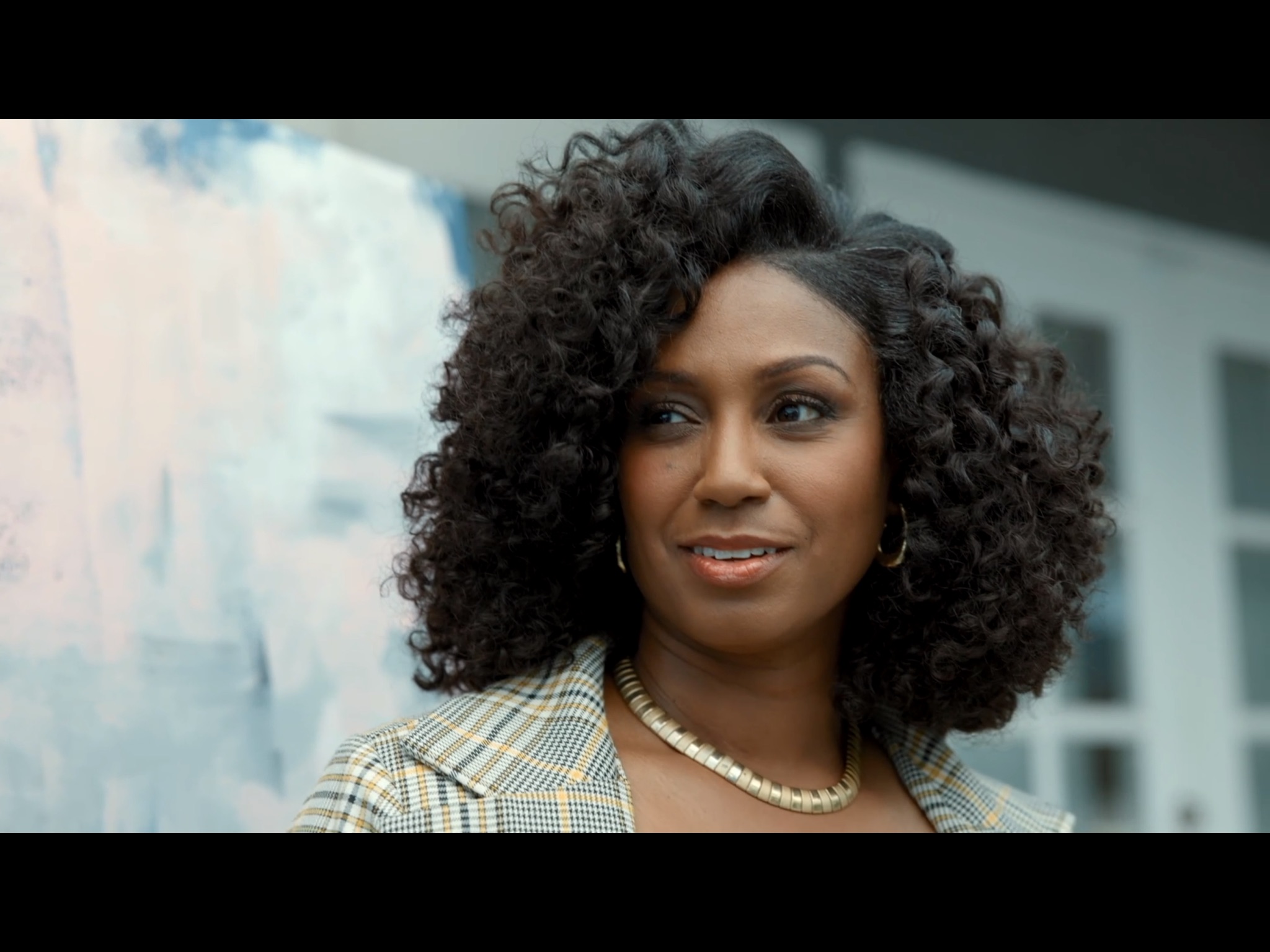
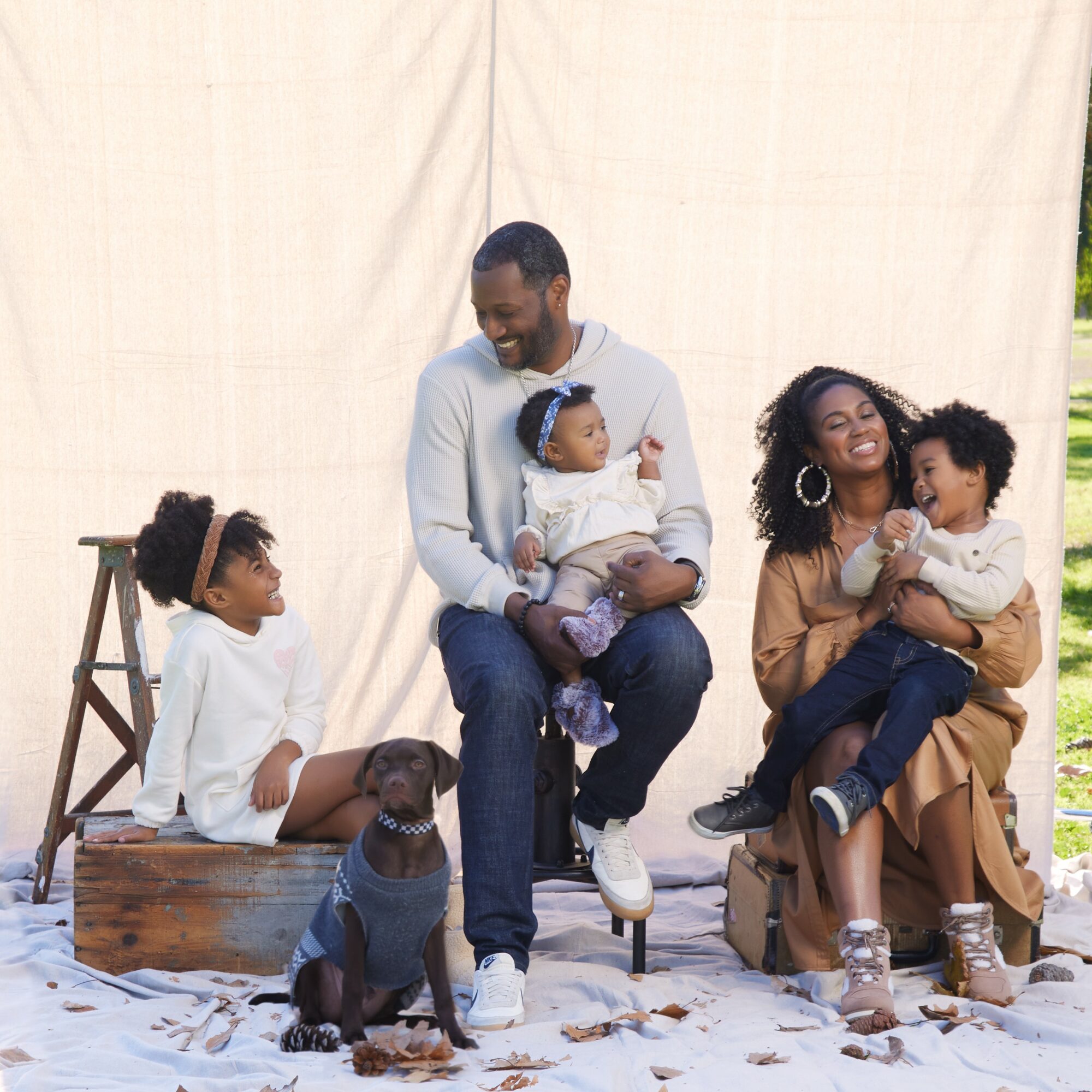

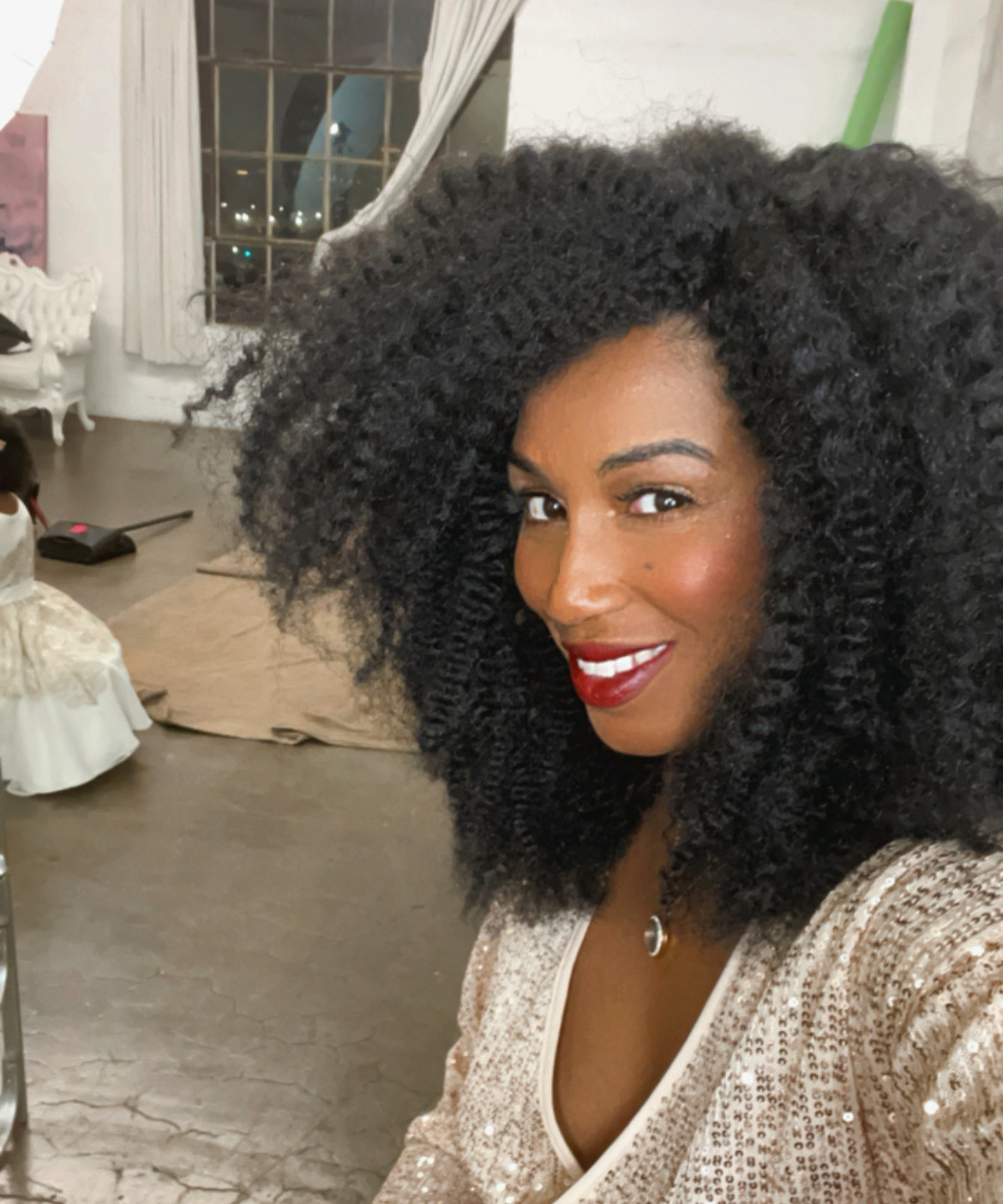
Image Credits
Luc-Richard Photography
Popular
-

Portraits of the Valley
-

LA’s Most Inspiring Stories
-

Greg Hex Is Turning the Everyday Kitchen Knife Into a Modern Design Object
-

Rick Norris Learned That Building a Successful Business Means Building a Life You Actually Want to Live
-

How Olivia Rush Turned Survival Into a Mission to Help Others Keep Going
-

How Bibi Goldstein Is Helping Entrepreneurs Reclaim Their Time by Embracing the Power of Delegation


