



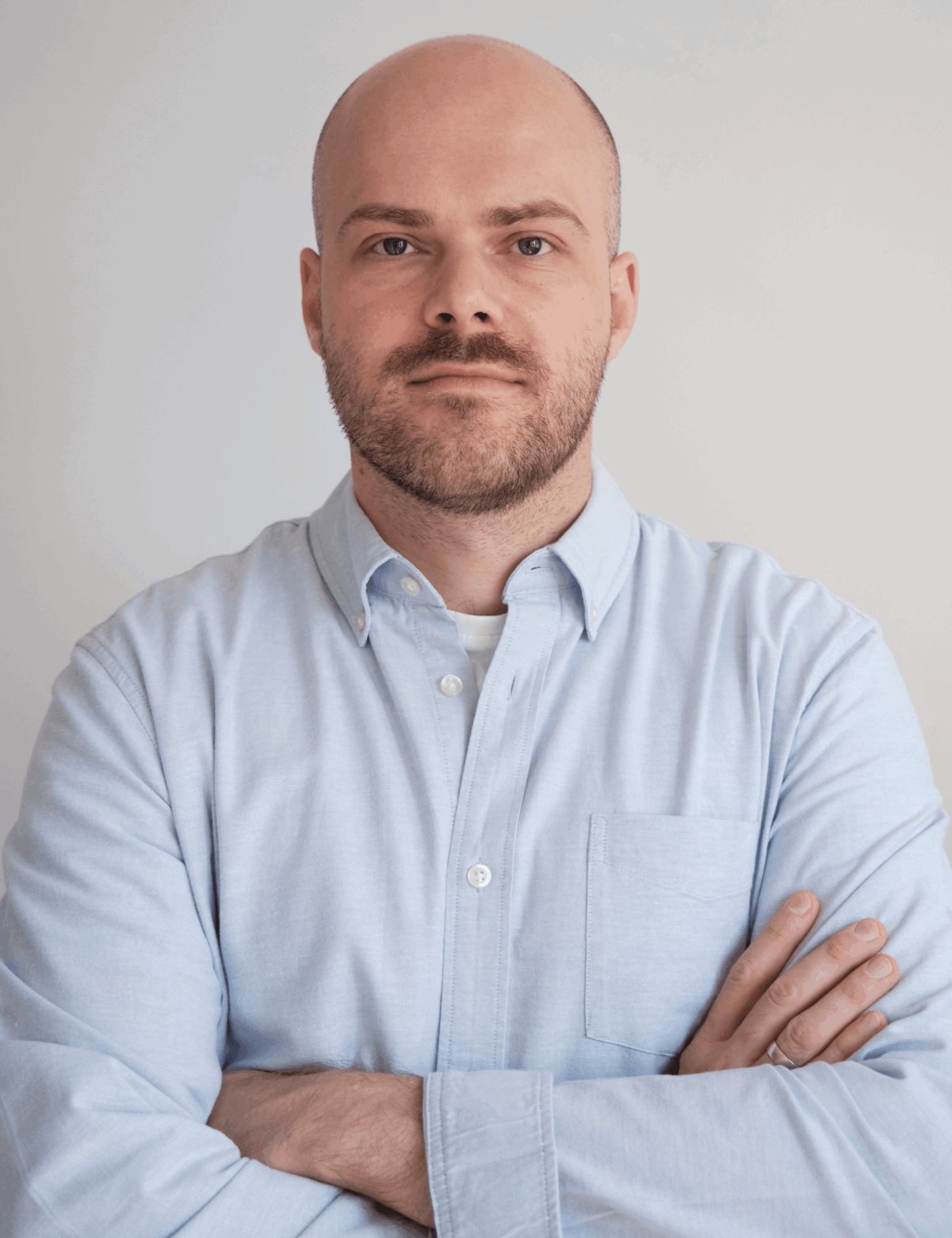
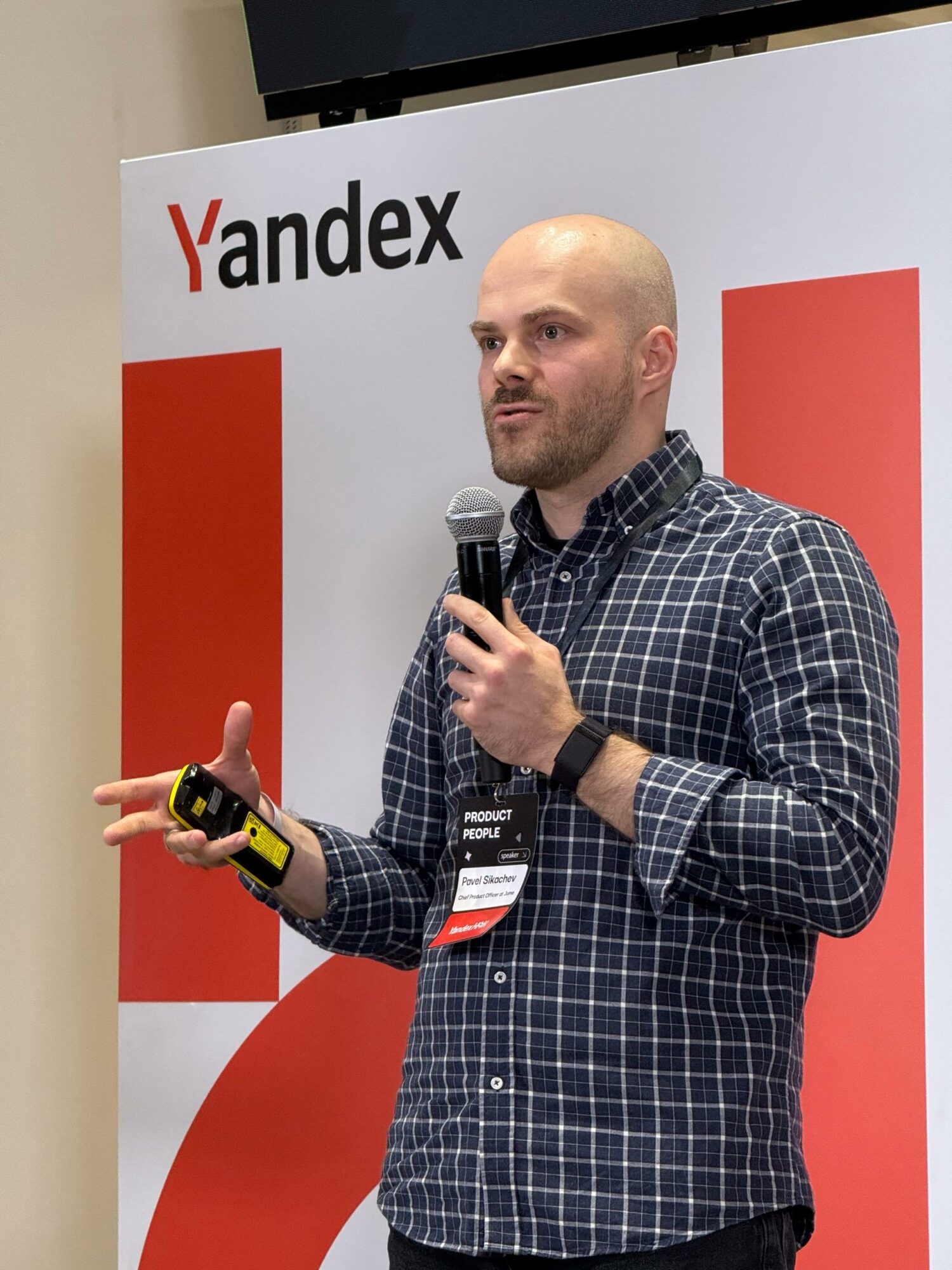
Today we’d like to introduce you to Pavel Sikachev.
Hi Pavel, thanks for sharing your story with us. To start, maybe you can tell our readers some of your backstory.
My first lesson in product came from a fight we could not win on features. I was in business development, taking a customer chat platform into the U.S. and Europe. We were a small team up against companies many times our size. So instead of trying to build more, I started asking a simpler question: why do people choose a product, and why do they stay?
That question changed my career. It pulled me into product management, and eventually to one of the biggest pet-care companies in the world.
At Mars Petcare, I joined as Director of Product Management and later became Head of the Kinship Innovation Division, the Mars Petcare digital platform for pet parents. We started with one product, while owners used a different app or store for every need. We grew it into five connected services, from trusted breeders and shelters to vet telehealth, and revenue grew 200% year over year. The decision that made it work went against the usual instinct.
Then I switched worlds. At Jume, an AI platform that helps large companies plan their business, I became Chief Product Officer. Pet owners were replaced by enterprise clients with very long lists of requirements.
Today, I advise startups and established organizations across the United States and internationally. Most of my work is back in pet care and healthtech, and more of it is hands-on than ever. Some days I shape strategy. Other days I build the product myself.
We all face challenges, but looking back would you describe it as a relatively smooth road?
Not always. At Mars, the hardest problem was not building products. It was stopping them from competing with each other.
Every team had its own goal, and every team was right. The marketplace wanted more users. Telehealth wanted more consultations and revenue. The newest products needed their first customers. Without a shared plan, they would all chase the same pet owners.
So I gave each product a role, based on how often owners need it: content every day, a subscription every month, insurance from time to time, and telehealth when a pet gets sick. Some products brought owners in. Some brought them back. Some made the money.
Then came the decision that went against the usual instinct. Most teams launch the product with the clearest revenue first. We led with our lowest-revenue product, a marketplace for verified breeders and shelters. The reason was simple: nobody buys insurance from a brand they don’t trust. I presented the plan to senior leadership as one business, not five products. They funded it.
At Jume, the problem looked different, but it was the same kind of problem: too many good reasons pulling in different directions. Every big client came with a long list of requirements, and we kept having the same discussions again and again. We made the start of each project simpler and stopped rebuilding the same things for every client. The time to launch a new customer dropped from six months to three.
Both taught me that understanding the problem is only half the job. People also need a direction they can act on.
Alright, so let’s switch gears a bit and talk business. What should we know about your work?
Most people I work with already know what is wrong. Founders in pet care start with a mission. Veterinarians know exactly what goes wrong inside a clinic. What they rarely have is the time to turn it into a product that works as a business. That is the part I help with: what to build first, how it makes money, and how it reaches people.
Take one pet-health testing lab. Owners received a report of about 18 pages. The results were all there, but most owners did not know where to start. And pets cannot tell you what they need, so the report has to.
With the lab’s experts, I helped turn those pages into a short plan for each pet: what to do first, what to watch, and when to test again. I built the AI tool behind it with one firm rule. It can only use advice the lab has already approved. It never makes up its own. The new report is planned for early next year.
Some of my most useful research has happened over lunch. At VMX, a large veterinary conference, clinic managers told me how much time goes into checking, by hand, for services that were never billed. Some even pay an outside company to do it. That confirmed what I had been seeing in my research and shaped my own early-stage project. Now comes the real test: working with clinics on their own records.
Other work is closer to the animals themselves. With a company that serves animal shelters, I am helping design a pilot where people who adopt a pet get a free first visit at a local vet. When the visit happens, the shelter earns a credit for the animals still waiting for a home.
And sometimes the best answer is not technology at all. I knew two companies, a cause-marketing app and a donation marketplace, that had never worked together but fit well. So I introduced them and helped shape the partnership. It is in testing now.
Much of this work comes from people I have worked with before. I am proud of the teams and products I have helped build. My work as Chief Product Officer at Jume won a Gold Stevie Award as Product Development/Management Executive of the Year at the 2026 International Business Awards. It was the only award given in that category.
What would you say have been one of the most important lessons you’ve learned?
My most important lesson is one I keep relearning: be ready to learn again, even after years of leading teams.
On a recent project with an oncology startup, I did the research and the product vision. Then I did something I had not done in years. I worked on design and development myself. For a long time, I had specialists for that. Now I was the one finding problems nobody had written down, like why sign-in or saving a form did not work.
Experience tells me what matters. It does not tell me everything. I still have to try things, get some of them wrong, and change my approach. Today that means building with AI tools myself, not only leading the people who do. Technology is changing too fast to judge it from a distance.
Contact Info:
- Website: https://stratora.one/
- LinkedIn: https://www.linkedin.com/in/sikachev/
Popular
-

Portraits of the Valley
-

LA’s Most Inspiring Stories
-

Greg Hex Is Turning the Everyday Kitchen Knife Into a Modern Design Object
-

Rick Norris Learned That Building a Successful Business Means Building a Life You Actually Want to Live
-

How Olivia Rush Turned Survival Into a Mission to Help Others Keep Going
-

How Bibi Goldstein Is Helping Entrepreneurs Reclaim Their Time by Embracing the Power of Delegation


