



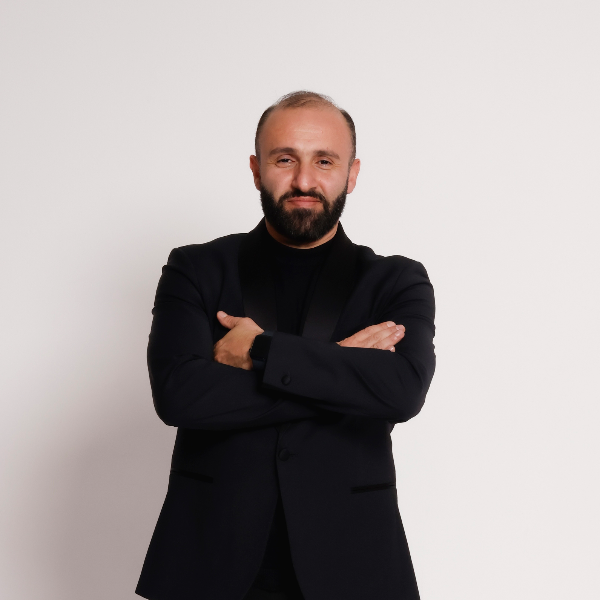
Today we’d like to introduce you to Edgar Khachatryan.
Hi Edgar, it’s an honor to have you on the platform. Thanks for taking the time to share your story with us – to start maybe you can share some of your backstory with our readers?
My Journey in Music
My journey in music began in Armenia, where singing gradually became much more than a passion—it became the path I chose for my life. I graduated from the Komitas State Conservatory, and soon after completing my studies, I joined the Tatul Altunyan State Song and Dance Ensemble as a solo singer. That experience became an important foundation for my professional career and gave me the opportunity to grow as both a vocalist and a stage performer.
Over the years, I have had the privilege of working with many respected musicians, conductors, folk ensembles, and symphony orchestras. I have performed in more than 20 countries and over 50 cities, appearing on hundreds of stages and meeting audiences from many different cultures. Every country, every stage, and every collaboration has given me a new experience and taught me something about music, people, and myself.
One of the honors that holds a special place in my heart came in 2011, when I was awarded a Gold Medal by the Ministry of Culture of Armenia in recognition of my significant contribution to Armenian music. For me, this was not simply an award—it was meaningful recognition of the years of dedication, hard work, and love I had devoted to Armenian song.
My work has also been preserved through Armenian television. The Public Television of Armenia has more than 130 archived video performances of my work. I have also had the opportunity to serve as a jury member for various music competitions, which allowed me to look at young performers from a different perspective and share some of the experience I had gained throughout my career.
In 2021, I moved to Los Angeles, specifically Glendale, and began a new chapter of my life. Moving to a new country after building a long career in Armenia was both exciting and challenging, but I was fortunate to continue doing what I love. I continued performing, participating in concerts and musical programs, collaborating with different artists, and appearing in music and television shows in the Los Angeles area.
One of the experiences that has been particularly meaningful to me in Los Angeles has been being invited to participate in the one-man production “One Hour of Komitas.” I was invited to portray Komitas himself and to perform his music as part of the production. For me, this is much more than simply playing a role or singing a collection of songs. Komitas is one of the most important figures in Armenian music and culture, and bringing his character and music to life is both a great honor and a profound responsibility.
I feel especially grateful that my journey has also brought me into the world of teaching. Two years ago, we founded Nrane Song and Dance Studio. Today, I have more than 10 students who are seriously studying vocal performance, singing, and Armenian music. Watching them develop their voices and discover their own relationship with music has become one of the most rewarding parts of my life.
Teaching has given me a new way to continue my journey. On stage, I share music with an audience; in the studio, I have the opportunity to help shape the next generation of performers. I want my students not only to become stronger singers, but also to understand the beauty and importance of Armenian music and culture.
Looking toward the future, I hope to continue growing the studio and build a large community of students who are passionate about music. I want to pass on what I have learned through decades of performing—not only technique and stage experience, but also discipline, dedication, and respect for the music.
When I look back at my journey—from the Komitas State Conservatory in Armenia, to the Tatul Altunyan Ensemble, to stages around the world, and now to my new life and work in Los Angeles—I feel grateful for every chapter. Music has given me the opportunity to travel, meet extraordinary people, preserve my culture, and connect with audiences through something universal.
For me, music is not simply a career. It is a lifelong conversation with people, a connection to my roots, and a way of carrying Armenian music forward into the future.
We all face challenges, but looking back would you describe it as a relatively smooth road?
“It hasn’t always been a smooth road, but I have always believed that if a person has the willpower to keep going, they can overcome any obstacle and achieve anything they truly set their mind to.”
Alright, so let’s switch gears a bit and talk business. What should we know about your work?
I believe that when God gives a person a talent, there is a reason for it. In my case, He gave me a voice and a love for music, and I have always felt that I should use this gift the best way I can.
For me, singing is not just a profession. Singing is living. Music is my life. It is something I have been doing for many years, and I cannot imagine my life without it. When I sing, I feel that I am expressing who I really am and sharing something from my heart with people.
I am a professional opera singer, vocalist, and music teacher. I have been singing professionally for more than 20 years, and during this journey I have had the opportunity to perform in more than 20 countries and more than 50 cities. Every place, every stage, and every audience has taught me something and helped me grow as an artist.
I especially love opera, vocal music, and Armenian music. Armenian music and our culture are very important to me, and I feel a responsibility to keep that connection alive and share it with younger generations.
Today, one of the things that makes me very happy is teaching. I have more than ten students who are seriously studying singing, vocal performance, and Armenian music. I really enjoy watching them grow, become more confident, and find their own voice.
I think what makes me different is that I don’t see music only as a career. For me, it is a part of my life and a part of who I am. I was given a voice, and I feel lucky that I can use it to perform, to teach, to connect with people, and to share the music and culture that I love.
I always try to remember that a talent is a gift, but it is also something you have to work for. I want to continue singing, teaching, learning, and sharing music for as long as I can.
Who else deserves credit in your story?
First of all, I want to thank God for giving me the gift of music and the voice I have. I am deeply grateful to my parents—not only for the genes they passed on to me, but also for the way they raised me, the values they taught me, and the foundation they gave me in life. They have always been an important part of who I am.
I am also very thankful to my vocal teacher, Sergey Danilyan, who taught me the art of beautiful vocal singing and helped me develop my voice. I am very proud of the vocal foundation he gave me, and I still carry those lessons with me today.
I believe that when God gives a person a talent, it is a gift, but it is also our responsibility to work on it, develop it, and share it with others.
Contact Info:
- Facebook: https://www.facebook.com/Edgar.N.Khachatryan
- Youtube: Edgar Khachatryan
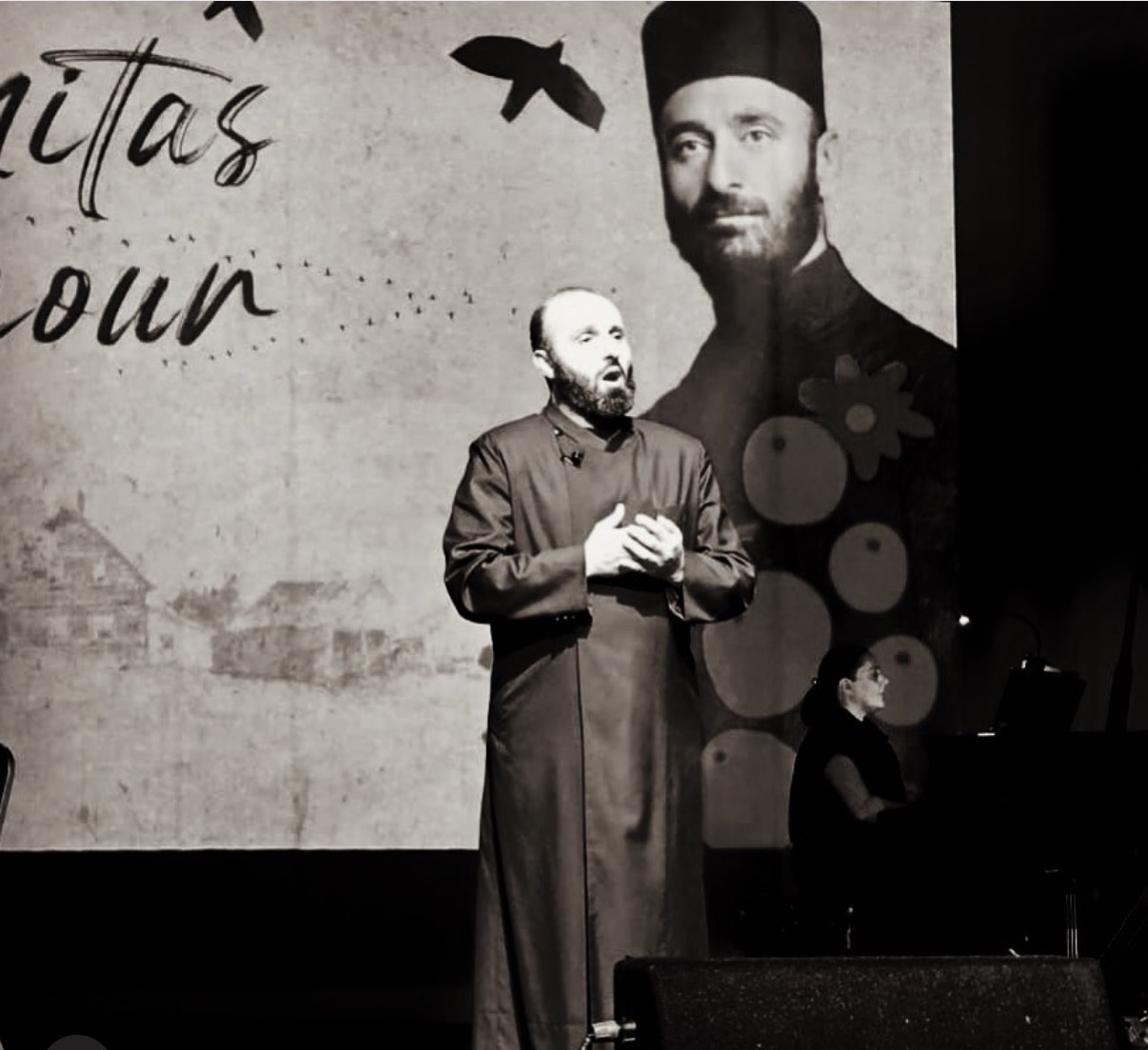
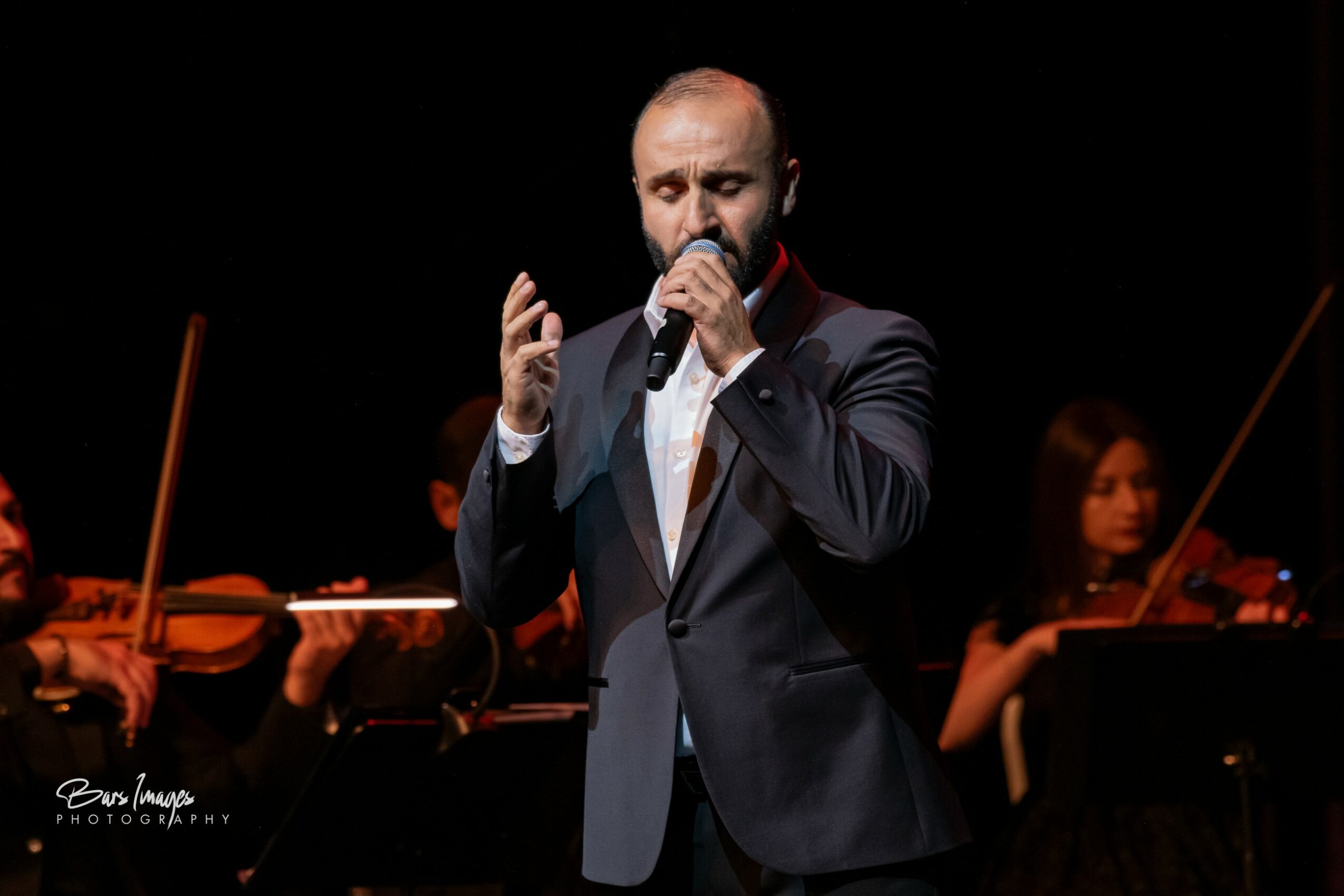
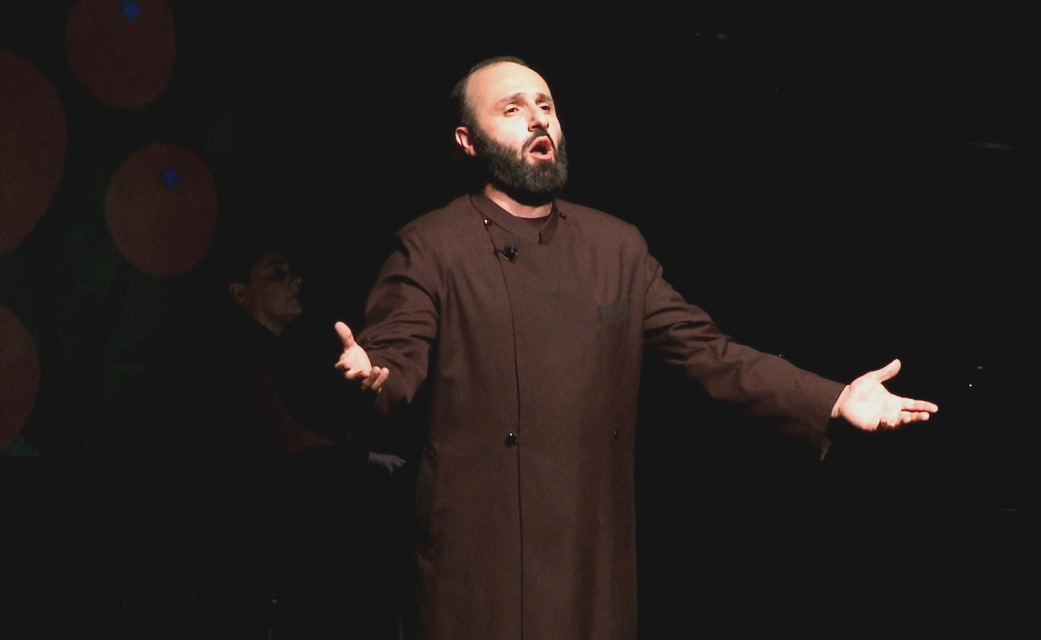
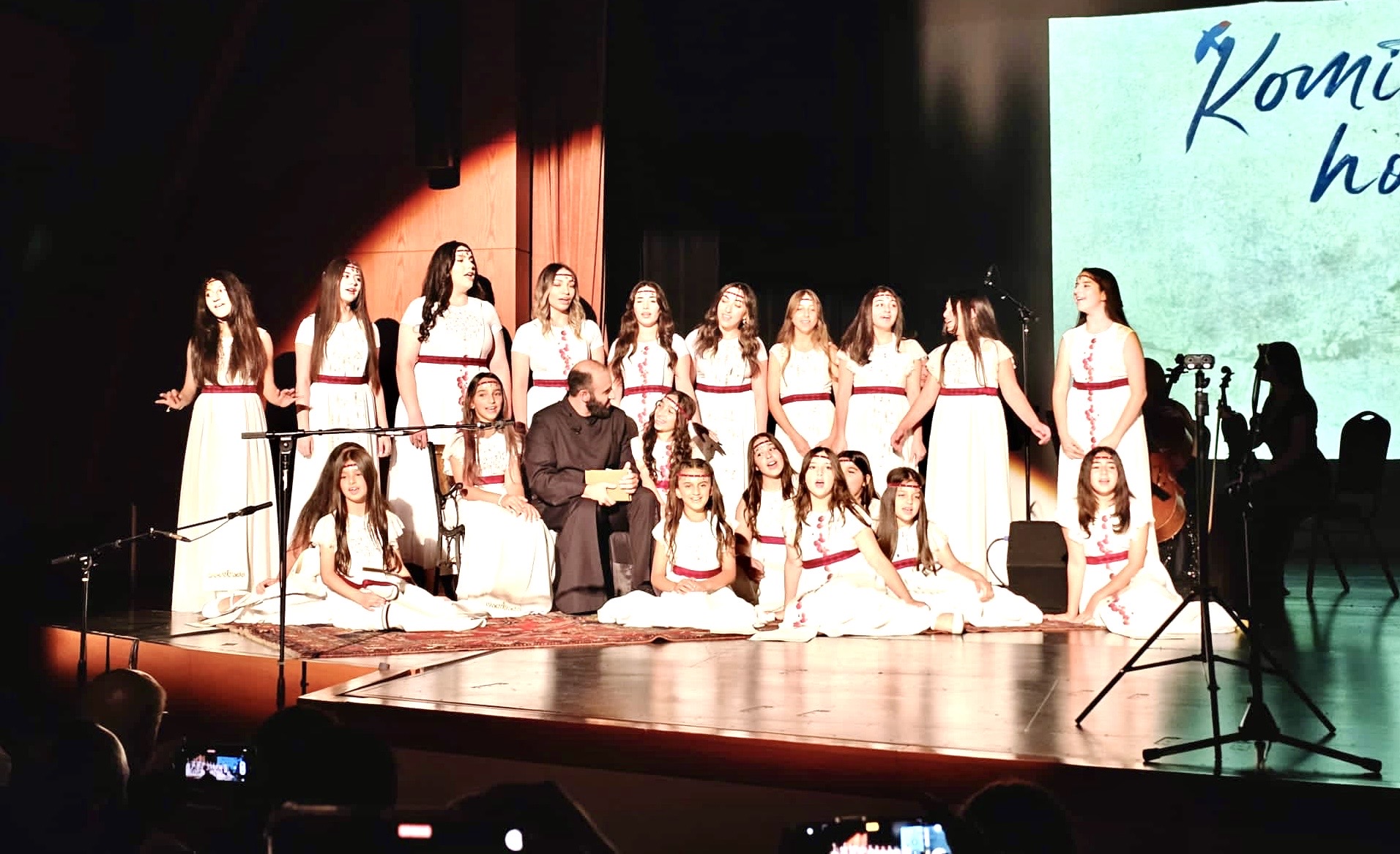
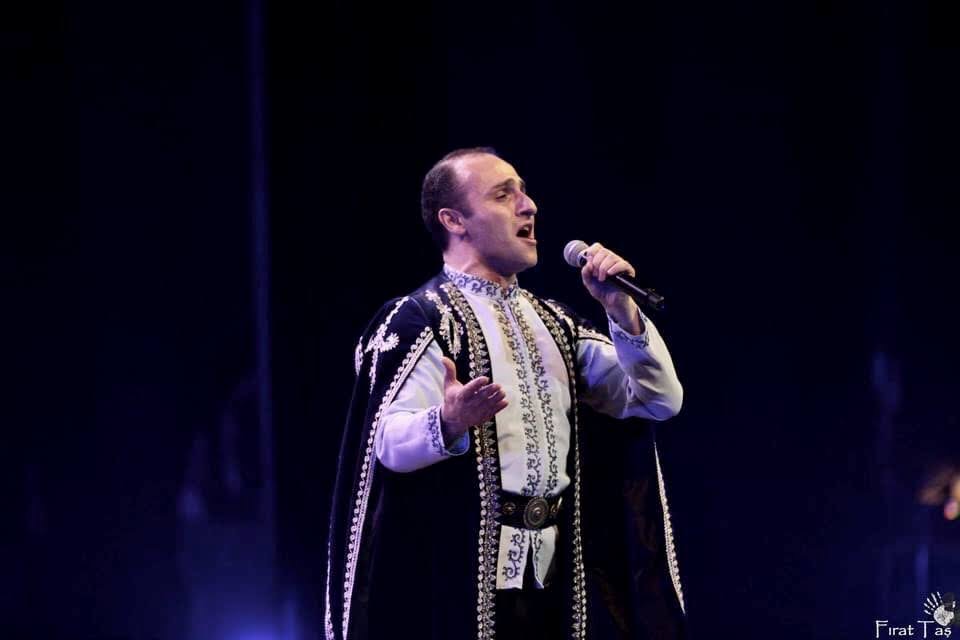
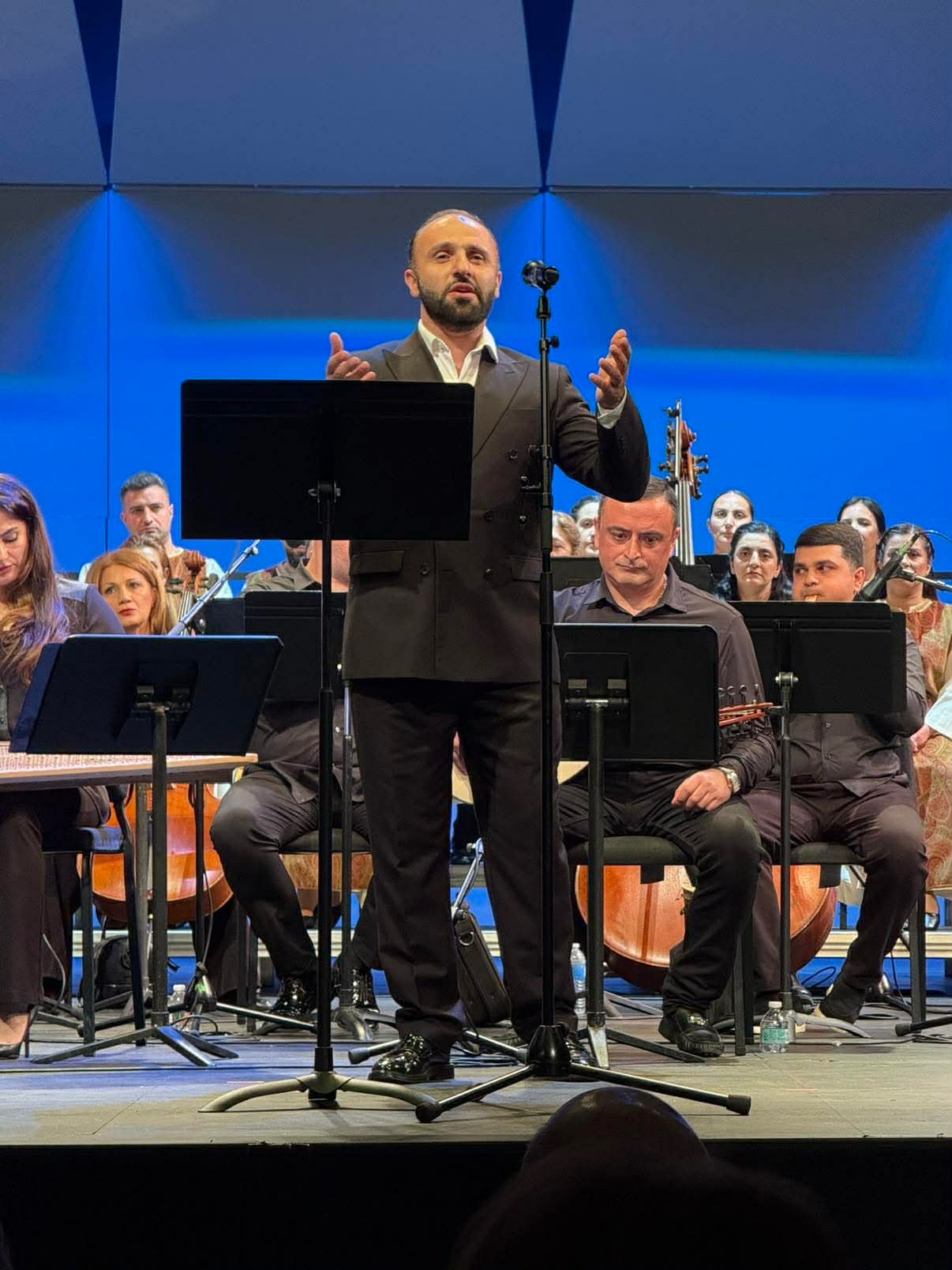
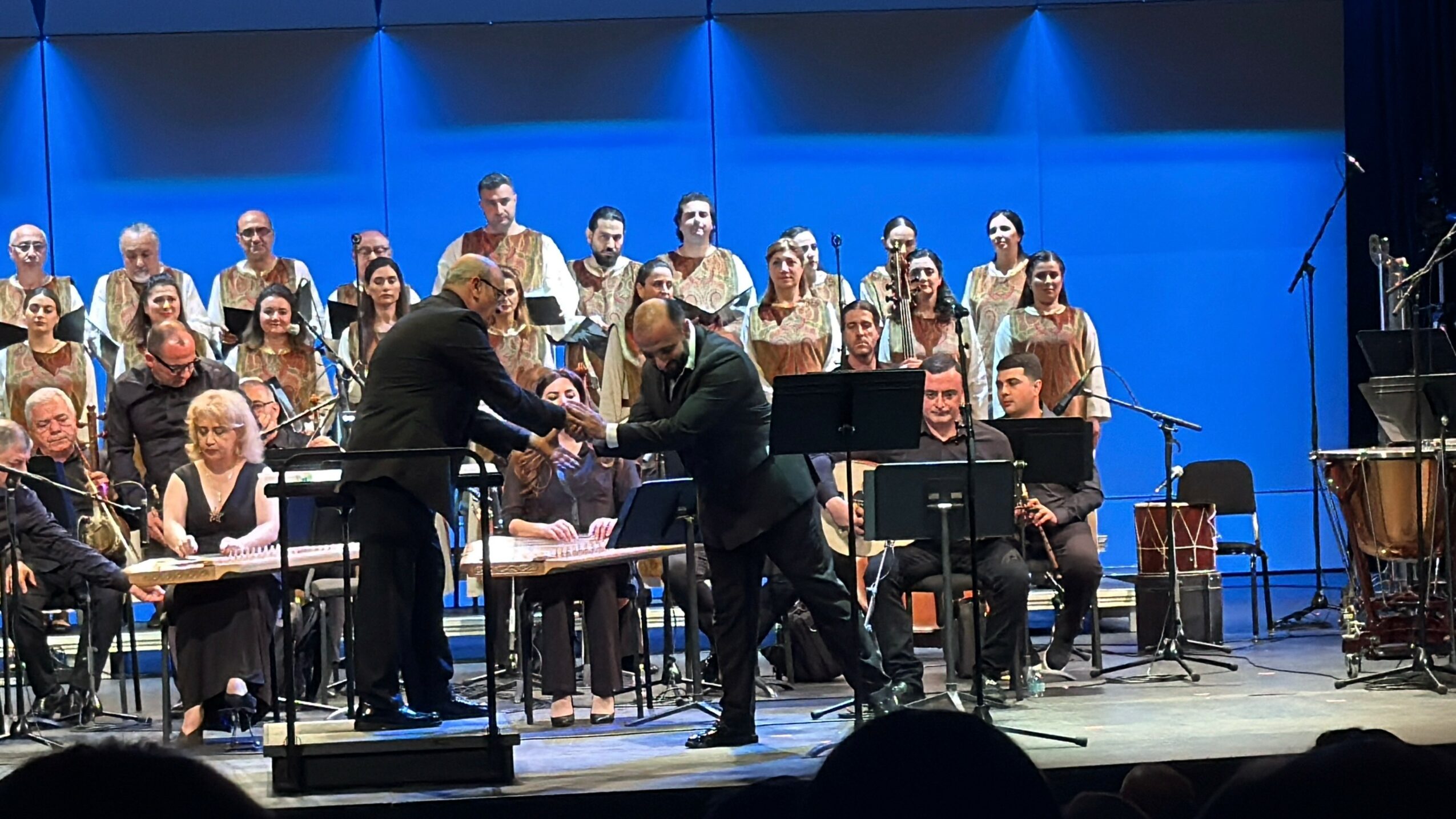
Image Credits
Sona Khojamiryan
Popular
-

Portraits of the Valley
-

LA’s Most Inspiring Stories
-

Greg Hex Is Turning the Everyday Kitchen Knife Into a Modern Design Object
-

Rick Norris Learned That Building a Successful Business Means Building a Life You Actually Want to Live
-

How Olivia Rush Turned Survival Into a Mission to Help Others Keep Going
-

How Bibi Goldstein Is Helping Entrepreneurs Reclaim Their Time by Embracing the Power of Delegation


