



Today we’d like to introduce you to Federico Coderoni.
Hi Federico, thanks for sharing your story with us. To start, maybe you can tell our readers some of your backstory.
I started at six: keyboards and singing. Then piano, then a gospel choir, which is probably where my obsession with the human voice comes from. Computer music came later, together with sound synthesis, and I fell into it completely. That road took me to the Conservatorio di Santa Cecilia in Rome, where I graduated in Electroacoustic Composition with a specialization in virtual orchestration.
I never liked staying in one lane. In Italy I was always in some band, rock, indie, pop. At the same time I was starting to write film music and piano-based neoclassical pieces wrapped in processing and electronics. When I moved to Berlin in 2016, I brought boxes of CDs with me. Radiohead, Smashing Pumpkins, Depeche Mode, a lot of soundtracks.
Berlin had other plans. The city opened the door to club electronics and I walked right in. My first show here was in 2018 at Griessmühle: a techno set played entirely live on a mix of machines. From there I split my time between Berlin and Milan. My debut album, Memory Hole, came out in 2022. It took a year to make, it’s built on Orwell’s 1984. A few tracks later ended up in The Cage – Nella Gabbia, a film produced by RAI Cinema.
Over the last years the lines between disciplines got blurry, and I like it that way. I’ve made interactive audiovisual installations and immersive live shows, and bent technology into systems of my own.
Dance became a big part of that. I’ve worked with Staatsballett Berlin and the Berlin Ballet Company, and met some incredible people along the way. Arshak Ghalumyan, choreographer and soloist at Staatsballett Berlin, created the choreography for Encounter, my original score for ballet that premiered at the Staatsoper Unter den Linden. With Iana Salenko, prima ballerina of Staatsballett Berlin, I made MEƏT, an audiovisual piece she danced with Oleksandr Shpak. In 2025 she danced again to my music when I opened the Ballet For Life gala at Admiralspalast. Outside the ballet world there was also music for a circus piece that ended up at La Biennale di Venezia. And I rebuilt my live set over several days with the d&b audiotechnik Soundscape team, turning it into a multichannel experience.
And then SOMA. It started as an audiovisual show based on Brave New World. In 2026 it turned into a festival: eleven days in an old factory in Lichtenberg, run by artists, no sponsors, entry by donation. Now I’m closing the circle and finishing SOMA as a new release. It’s out in the coming months.
Alright, so let’s dig a little deeper into the story – has it been an easy path overall and if not, what were the challenges you’ve had to overcome?
Smooth? No. And I don’t really trust anyone who says theirs was.
Arriving in Berlin as a foreign artist means starting from zero in a city where everyone is talented and nobody is waiting for you. Then 2020 came and the clubs shut. The scene I had spent two years getting into just stopped.
But the real obstacle is the system. A big part of the cultural world runs through gatekeepers: agencies, sponsors, promoters, institutions. Each one has an agenda, and art that doesn’t serve it gets filed under entertainment. Something to sell drinks, fill a feed, keep people scrolling. I’ve composed for brands and media and I’m grateful for it, it taught me a lot about craft. I just noticed that the work I cared about most kept having to explain itself in someone else’s language.
So we stopped asking. SOMA happened without sponsors, agencies or promoters. It was the hardest thing I’ve ever organized, and also the most honest. What I learned is that the artistic community isn’t plan B for when institutions say no. It’s where everything should start.
As you know, we’re big fans of you and your work. For our readers who might not be as familiar what can you tell them about what you do?
Short version: I tell stories with sound. Usually dystopian ones.
Longer version: I work with live electronics, voice, visuals and space, somewhere between techno and neoclassical music. Polyrhythms, a lot of processing, melodies carried by the voice. When I DJ, I play every track as part of a narrative: a set should feel like a long story, not a playlist on shuffle.
The project people know me for is SOMA, a live show inspired by Huxley’s Brave New World and its idea of happiness as a tool of control. On stage I’m just a silhouette in total darkness. Behind me, huge glitched images processed with AI. Analog and digital sound fight against a human voice. The machine is everywhere in that show. The voice is the part that refuses to be smoothed out.
What I’m proudest of is SOMA Festival. Two halls of Kunstfabrik HB55 with an exhibition, performances and workshops, all around three words: Dystopia, Mysticism, Creatures. Our motto was “Made by people,” and we meant it literally. Artists decided what got shown. The audience was asked to take part, not just consume. That doesn’t happen very often anymore.
It all started years ago when I was writing my new album titled SOMA. Now it’s becoming a new release. Out in the next few months.
Is there a quality that you most attribute to your success?
Curiosity got me here. Independence keeps me here.
But independence can get lonely, and lonely isn’t free. It’s just tiring. Making work on your own terms means saying no a lot: to formats, to trends, to the idea that art has to be easy to sell. You can only keep saying no if you’re not doing it alone. Freedom of expression grows out of belonging. When artists back each other, share space and stop waiting to be picked, the work gets braver and travels further. That’s the resonance I’m after, and it’s what I want SOMA to give back.
Shortlist to survive: vision, curiosity, resilience, patience, passion.
Contact Info:
- Website: https://www.federico-coderoni.com/
- Instagram: https://www.instagram.com/federicoderoni/
- Other: https://beacons.ai/ericoder
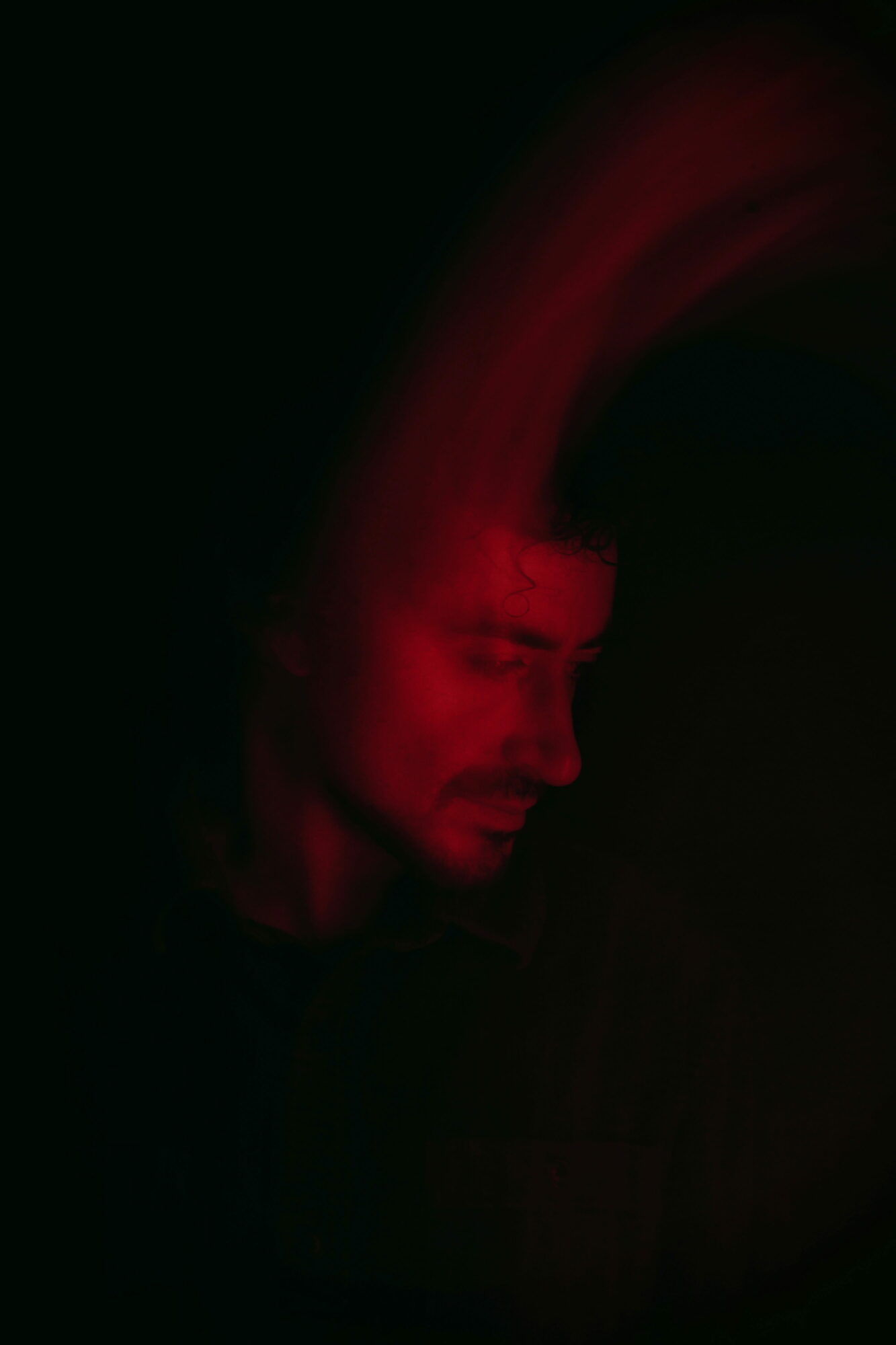
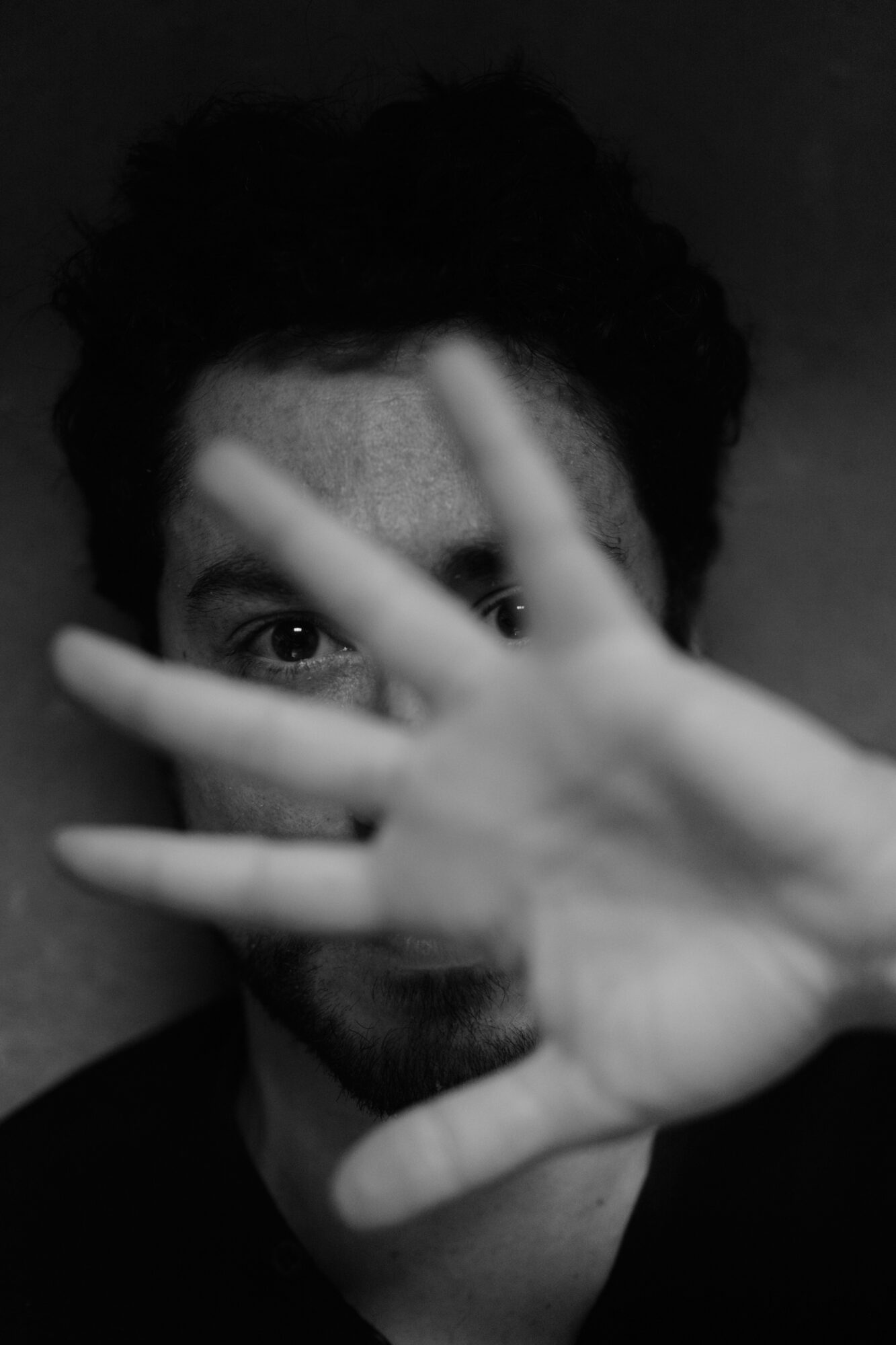
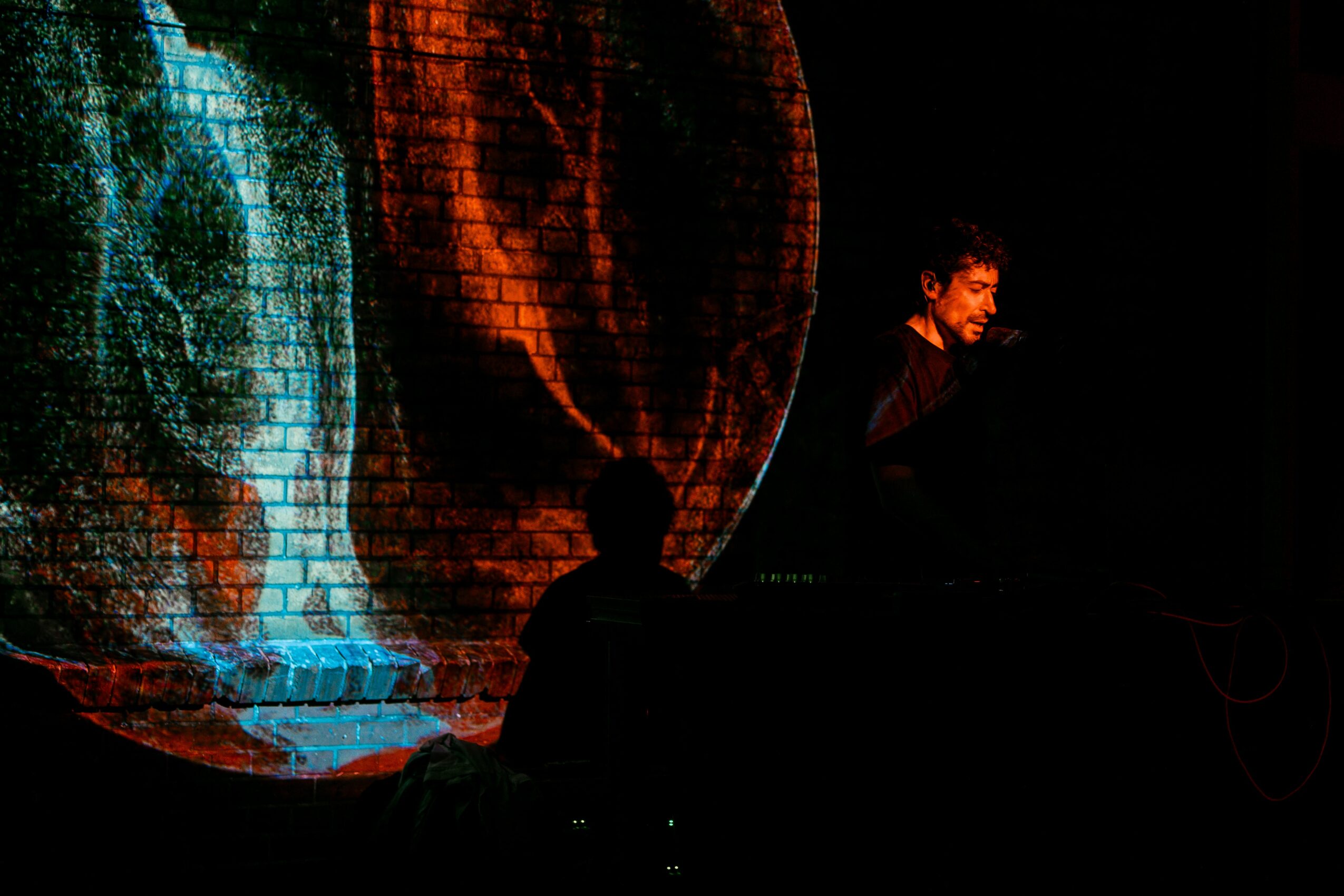
Image Credits
Kateryna Kozinska (BW pitcture)
Liliana Lietz (all the rest)
Popular
-

Portraits of the Valley
-

LA’s Most Inspiring Stories
-

Greg Hex Is Turning the Everyday Kitchen Knife Into a Modern Design Object
-

Rick Norris Learned That Building a Successful Business Means Building a Life You Actually Want to Live
-

How Olivia Rush Turned Survival Into a Mission to Help Others Keep Going
-

How Bibi Goldstein Is Helping Entrepreneurs Reclaim Their Time by Embracing the Power of Delegation


