



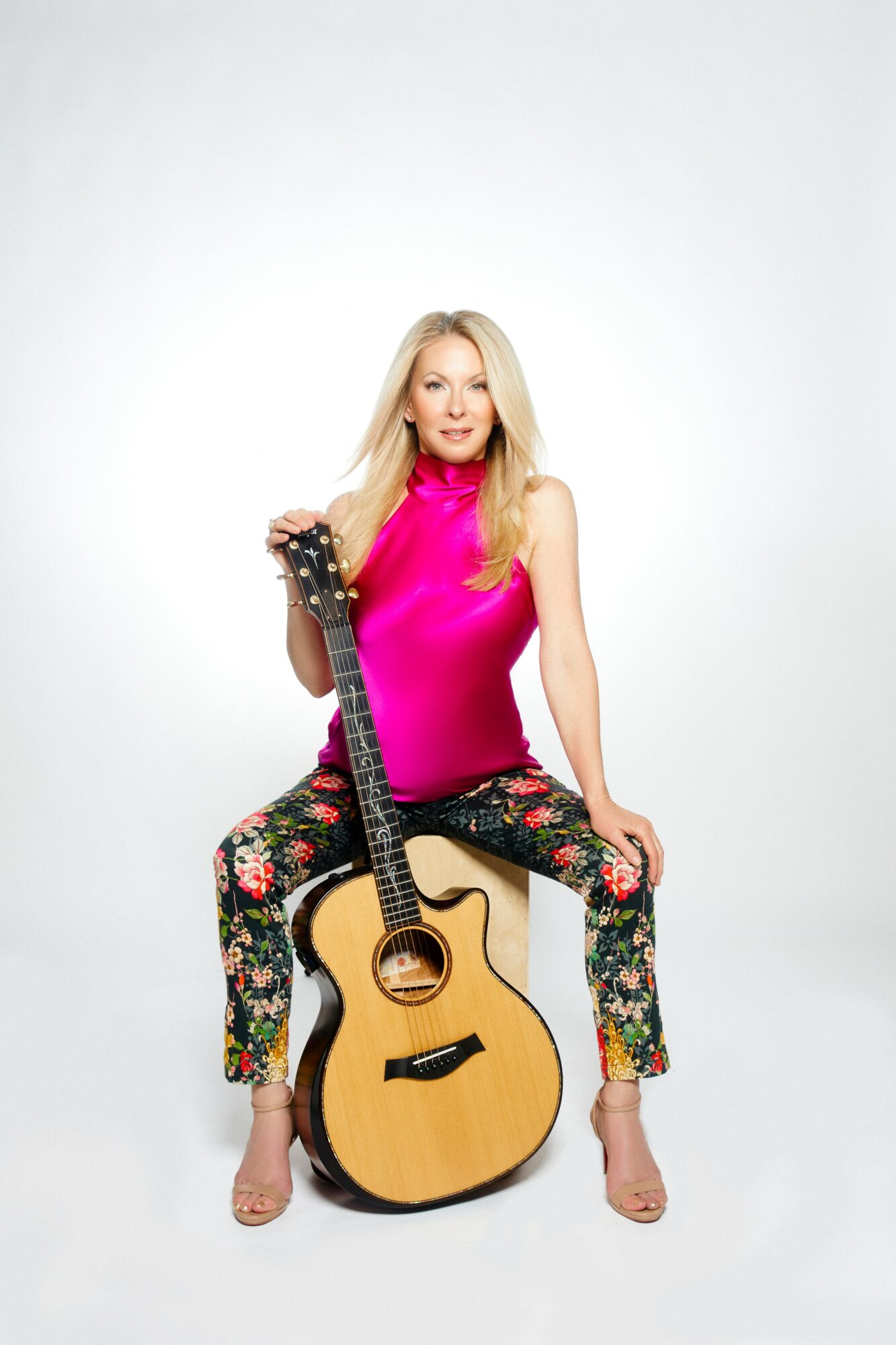
Today we’d like to introduce you to Kimberly Haynes.
Hi Kimberly, so excited to have you with us today. What can you tell us about your story?
Music and singing have been part of my life for as long as I can remember. I was one of those children who was always singing. It wasn’t really something I decided to do — it was simply part of who I was.
As I grew up, music continued to find its way into every chapter of my life. I studied voice and developed as a musician and singer academically and then through performing professionally. For more than 25 years, I’ve also worked as a cantorial soloist, which gave me a deep relationship with sacred music and taught me something I still carry into everything I do: music can be much more than entertainment. It can hold people through some of the most meaningful moments of their lives.
Eventually, I began writing and recording my own music, bringing together many of the influences that had shaped me — singer-songwriter music, sacred music, world music, mantra and contemplative traditions. I released “Awaken Me” in 2016, which received One World Music’s Album of the Year award, and continued releasing music in the years that followed. Songs including “Narrow Bridge,” “Grant Us Peace” and “The Enchantment” received recognition of their own.
And then life took me somewhere I never expected to go.
My husband Brian became ill with cancer, and I became his caregiver. He died in January of 2020. After that, music changed for me. For a long time, I wasn’t interested in making another record. I was grieving, raising our two sons, and learning how to inhabit a life that looked very different from the one I’d imagined.
But songs continued to come.
They became a way of documenting and understanding what I was living through — caregiving, saying goodbye, grief, spiritual questioning, and eventually the gradual acceptance of what life asked me to carry.
Those songs became Into the Light, my first album in nearly a decade.
And in returning to the studio, something else happened: I began stepping much more fully into the production of my own music. After years of relying on other people to help translate what I heard inside myself, I’ve begun trusting my own ears and my own creative instincts in a completely different way.
So in some ways, I’ve come full circle. I’m still that person who has always needed to sing. But now, after everything life has brought me, I understand much more deeply why I sing — and what I want the music to carry into the world.
Alright, so let’s dig a little deeper into the story – has it been an easy path overall and if not, what were the challenges you’ve had to overcome?
It definitely hasn’t been a smooth or particularly straight road — but I think that’s also what has given the music its depth.
Like many independent artists, I’ve had to navigate the challenge of making meaningful music while also building and maintaining a life. I became a mother, raised two sons, worked as a cantorial soloist and coach, and continued trying to create and record music without the machinery of a major label behind me. There have been periods when music could take center stage and others when life simply needed me elsewhere.
The greatest interruption of course was Brian’s final year and his passing. I entered a completely different chapter of my life. I was grieving while raising our boys and trying to figure out how to build a life without the person I’d expected to grow old with. For quite a while, I didn’t know whether I would make another album.
There have also been the quieter struggles that I think many artists understand — self-doubt, the vulnerability of putting deeply personal work into the world, the financial realities of being an independent musician, and trying to find your place in an industry that can sometimes make you feel that there’s a particular age, image, or path you’re supposed to follow.
Returning to music later in life has actually required me to let go of a lot of that. I’m much less interested now in fitting into someone else’s idea of what an artist or a career is supposed to look like.
Making “Into the Light” became part of that process. I had to trust myself enough to come back after years away, to step more fully into producing my own work, and to allow the experiences I’d lived through — including the painful ones — to become part of the music rather than obstacles to it.
So no, it hasn’t been a smooth road. But looking back, I don’t think I would separate the struggles from the artist I’ve become. They’ve deepened my relationship with music and given me a much clearer understanding of why I make it.
Can you tell our readers more about what you do and what you think sets you apart from others?
At the heart of my work, I’m a singer, songwriter, and recording artist. I create music that lives at the intersection of singer-songwriter, sacred and contemplative music, with influences from world music, mantra and the many spiritual traditions I’ve encountered through more than 25 years as a cantorial soloist.
The voice is really at the center of everything I do. I love exploring what the human voice can communicate beyond words — intimacy, longing, prayer, grief, joy, connection. My music tends to be spacious and emotionally honest, and I’m drawn to songs that invite the listener inward rather than simply entertain.
I think one of the things that sets my work apart is that I’m comfortable allowing different musical and spiritual traditions to meet. I might sing in Hebrew, Sanskrit, Spanish, or English, work with an ancient prayer or mantra, reinterpret a traditional song, or write something intensely personal from my own life. I’m interested in what connects us underneath all of those differences.
I’m very proud of the recognition my music has received over the years, but at this point in my life, I think I’m proudest of “Into the Light.”
This album asked something different of me. It grew out of caregiving, grief, and spiritual inquiry. After nearly six years away from recording, I came back not only as a singer and songwriter, but with a much stronger creative voice in the production of my own work.
At 60, that feels particularly meaningful to me. There can be a cultural narrative that an artist’s most important work should happen when they’re young. My experience has been almost the opposite. I have more to say now. I know myself better. I’m less interested in fitting into a particular box, and I trust my own creative instincts more than I ever have.
Perhaps that’s what I most want my work to represent: that creativity doesn’t have an expiration date. Our lives keep deepening, and if we’re willing to keep listening, so can the art we make.
Alright, so to wrap up, is there anything else you’d like to share with us?
One thing I’d love to share is that music is only one part of the work I do, although all of it feels very connected.
Alongside my work as a recording artist and cantorial soloist, I’m a PCC credentialed coach, grief educator, and voice coach. I work with people navigating change, loss, relationships and questions of purpose, and I also help people develop greater confidence and freedom in both their speaking and singing voices.
For me, these have never felt like completely separate careers. Whether I’m singing for someone, sitting with someone in grief, coaching a person through a transition, or helping someone discover their voice, the underlying work is very similar. I’m interested in what helps us become more fully ourselves and express what is true.
My own experience of losing my husband also profoundly changed the way I work with grief. I understand now that grief isn’t a problem to be solved or a stage of life we simply complete. It asks to be witnessed and integrated, and eventually we learn how to carry what we’ve lost while continuing to live.
That understanding is finding its way into more of my work now, including programs that bring together music, storytelling, grief and reflection.
And at 60, I find myself genuinely excited about what’s next. I’m making music again, I’m teaching and coaching, and I’m increasingly interested in bringing all of these different parts of my life together rather than feeling that I have to choose just one.
Maybe that’s one of the gifts of this stage of life: Realizing that all the seemingly separate paths you’ve taken may have been leading toward the same place all along.
Contact Info:
- Website: https://www.kimberlyhaynesmusic.com
- Instagram: https://www.instagram.com/kimberlyhaynesmusic
- Facebook: https://www.facebook.com/KimberlyHaynesMusic
- Twitter: https://twitter.com/kimhaynesmusic
- Youtube: https://goo.gl/iNXP7s
- Soundcloud: https://goo.gl/tH1Al3
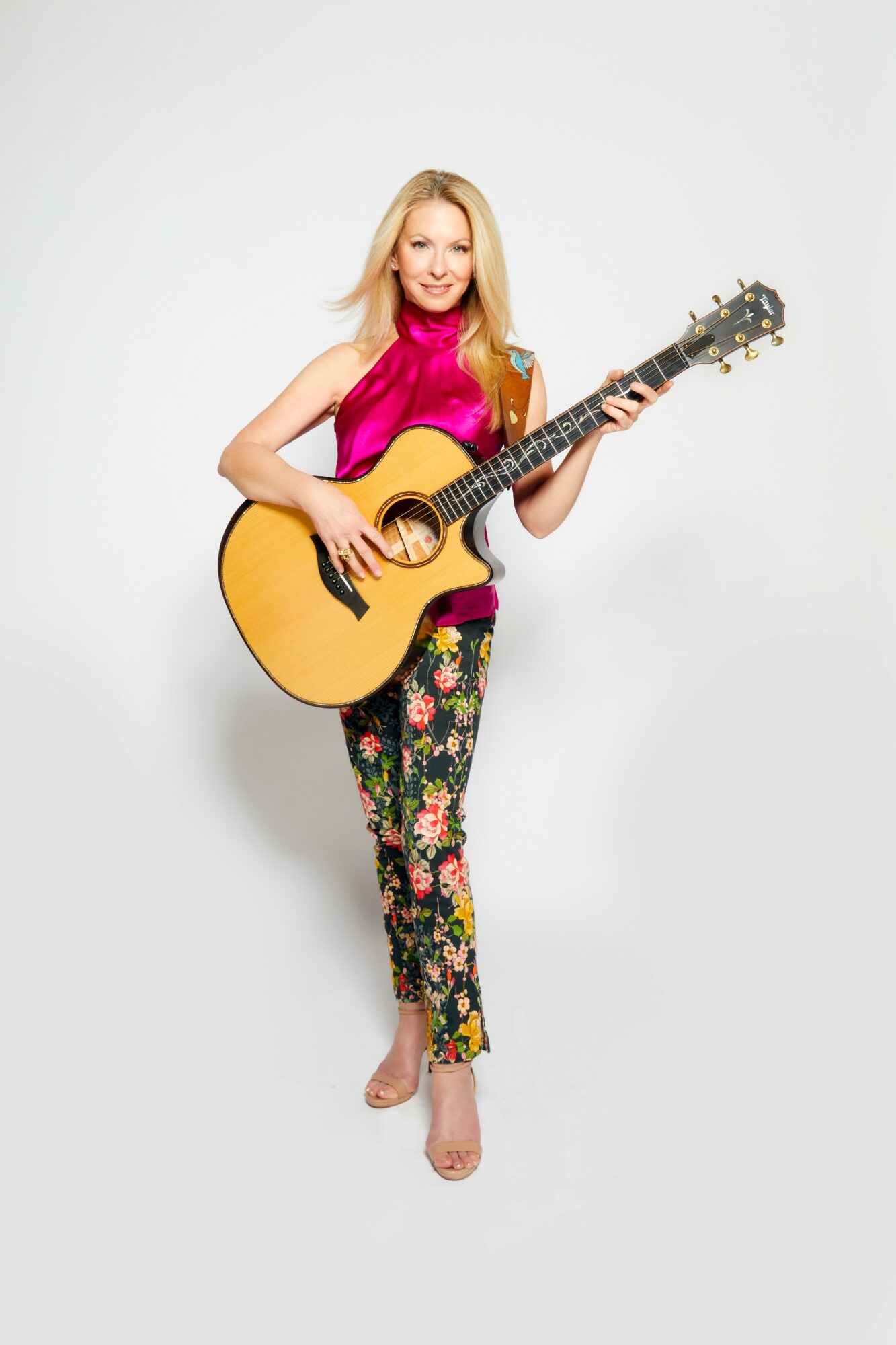
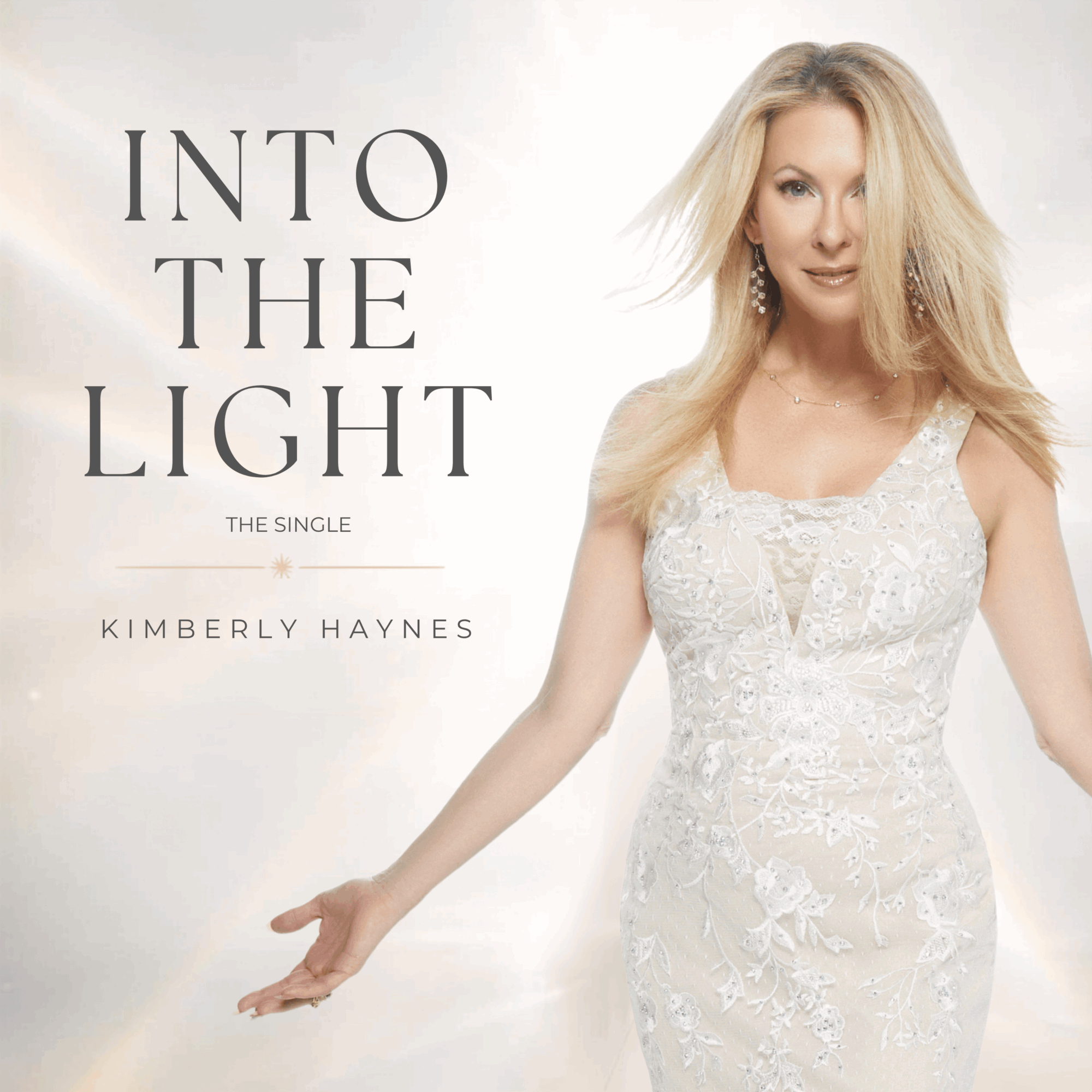
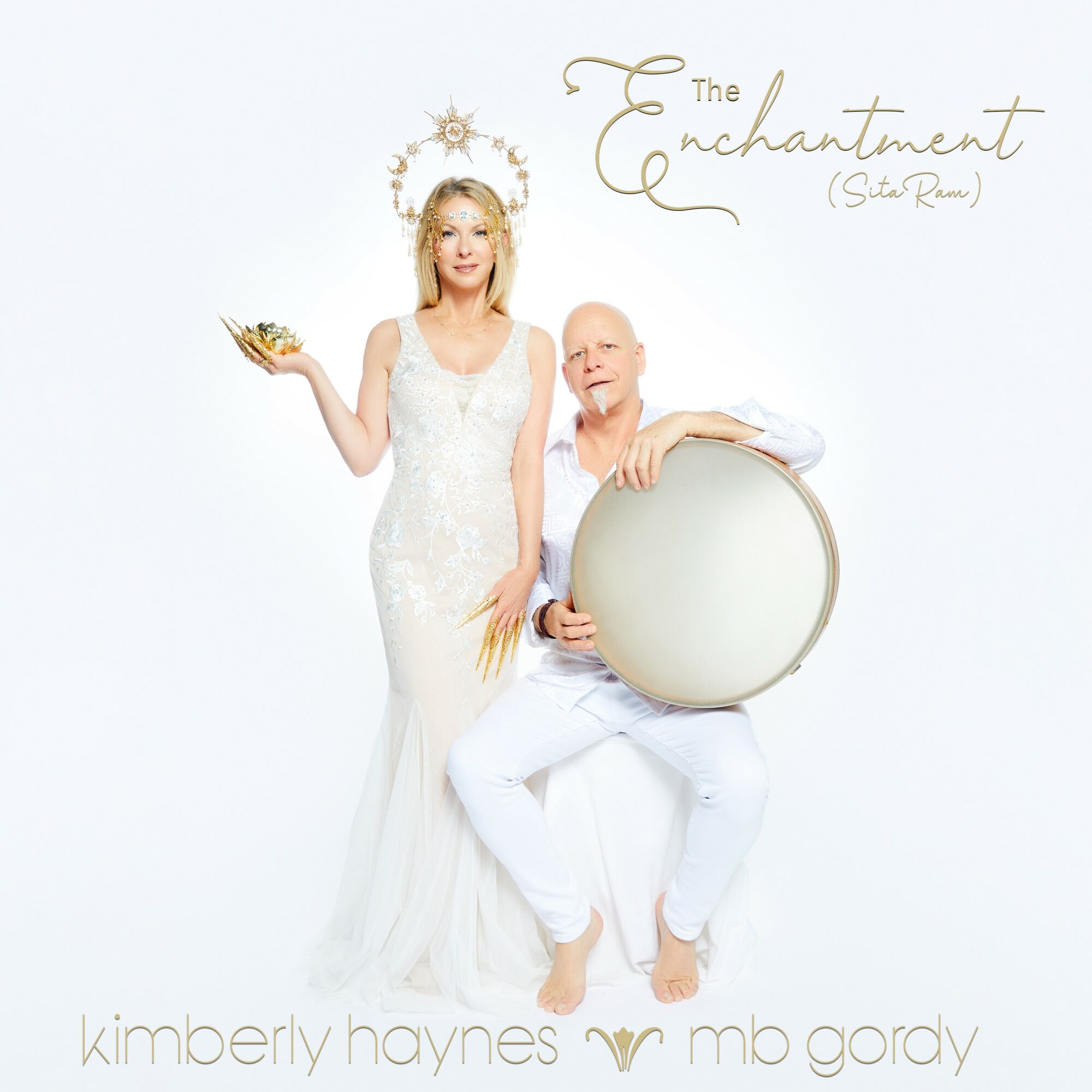
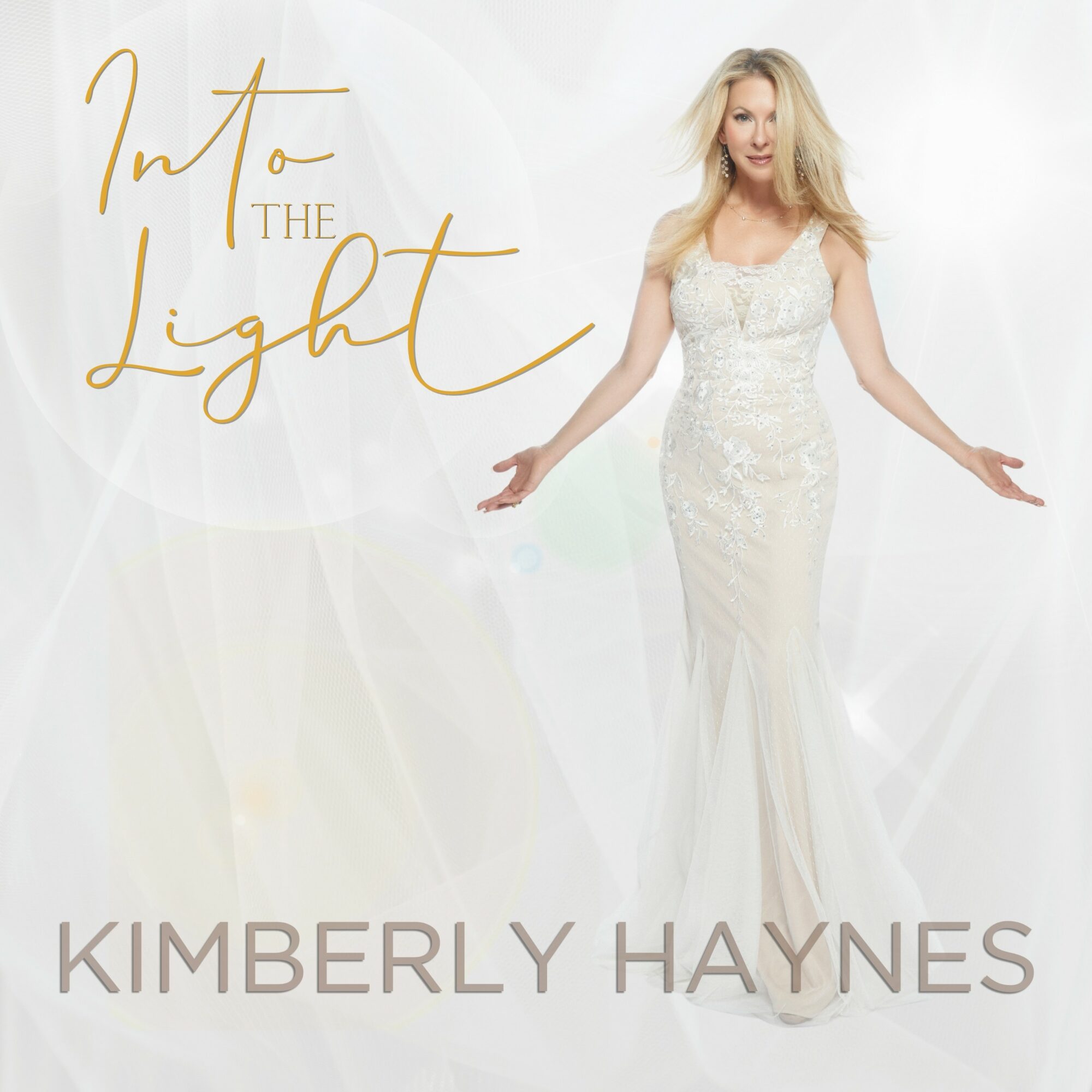
Image Credits
Photographer: Séquoia Emmanuelle
Popular
-

Portraits of the Valley
-

LA’s Most Inspiring Stories
-

Greg Hex Is Turning the Everyday Kitchen Knife Into a Modern Design Object
-

Rick Norris Learned That Building a Successful Business Means Building a Life You Actually Want to Live
-

How Olivia Rush Turned Survival Into a Mission to Help Others Keep Going
-

How Bibi Goldstein Is Helping Entrepreneurs Reclaim Their Time by Embracing the Power of Delegation


