



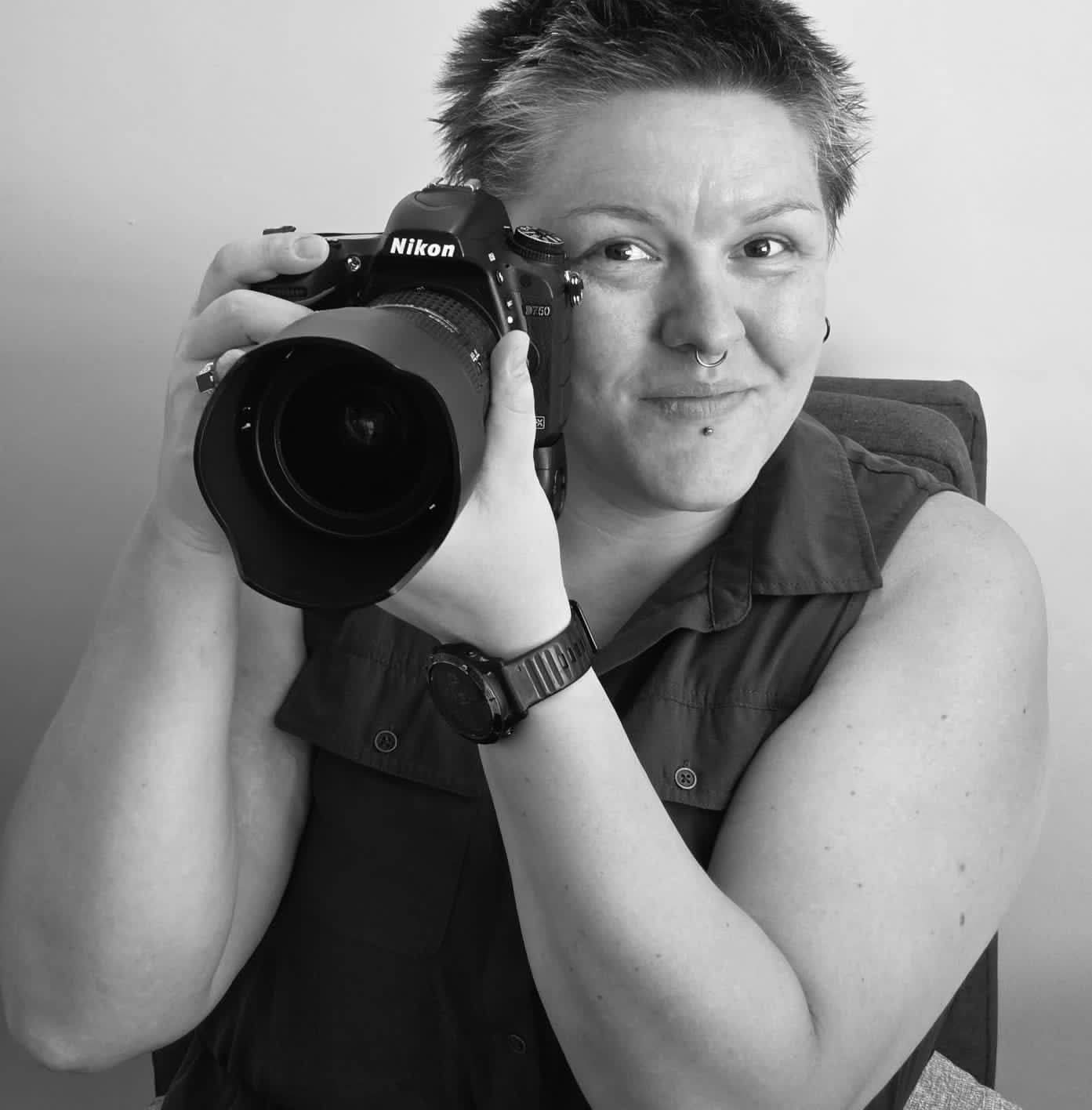
Today we’d like to introduce you to Carrie Hill.
Hi Carrie, thanks for joining us today. We’d love for you to start by introducing yourself.
I grew up in an ultra-conservative town in the Canadian Pacific Northwest, in an area that is historically known for coal and copper mining. My family was not well off, and my formative years were spent in a pretty volatile home environment with ongoing and escalating domestic violence. I learned to read at a very young age, and was reading independently before I turned 5 years old. Reading was a way for me to escape the helplessness and the fear that I would often encounter at home.
My earliest memories of poetry entering my life go back to the first grade and the whimsical, Mother Goose and adjacent poems that would be introduced to children as they learned to read. I started writing my own poetry in my teen years but eventually moved away from it because I saw how poetry was analyzed and evaluated in school. I remember thinking to myself, “If this is how people are going to talk about my poetry, then I’d rather not do it at all.” It took about ten years before I was willing to put pen to paper again. Even then, it was very sporadic, and the poems would come to me quickly. I found myself having to frantically write down as much as I could, as fast as I could, before the poem would disappear.
I returned to poetry in earnest around 3 or 4 years ago. I found myself enjoying poetry I discovered on Instagram by poets such as Prudence Brooks, Maria Giesbrecht, and others, who were bold enough and brave enough to write from their personal experiences–something I had never considered doing before. The majority of the poetry I had read in the past involved the classic, “old white man” poetry, that I didn’t resonate with and couldn’t relate to, whereas these poets were discussing themes ranging from mental health to grief, family dynamics to therapy sessions. It was authentic, profound, and raw, what I was seeing, and it occurred to me that this was perhaps a direction that I could take myself if I tried my hand at writing poetry again. So, I grabbed a pen and a notebook and gave it a shot.
Since then, I have had two poems accepted for publication in anthologies between 2022 and now. I was invited to be a member of the Gather Poets writing circle last year, and I haven’t looked back. I even recently recorded reading of poems by other poets for OnlyPoems, which I’m still in disbelief over; what a treat it was!
I’m sure it wasn’t obstacle-free, but would you say the journey has been fairly smooth so far?
It certainly has not been an easy journey, to say the least.
I came in earnest to poetry quite “late” as a person now on the threshold of turning 40, and I am entirely self-taught, so I do not have the connections or networking opportunities that trained and/or educated poets so often have, which limits the scope of opportunities that I might have otherwise had access to. Further, even if I wanted to return to school to pursue an MFA, I do not have the financial resources to be able to pursue it. Everything that I have learned has been in my own time, of my own volition, and through experimentation.
I have also had quite a few health-related interruptions. In 2021, I received several significant, life-altering diagnoses involving my mental health, including clinical depression, combined-type ADHD, PTSD and C-PTSD. This year, I was diagnosed with autism. I am still working through the process of coming to grips with what this means for me, how this affected my life and upbringing, and how my conditions inform my life. Depression is a constant and unfriendly companion that twists little bits of truth into lies and sells it back to you as the truth, and it can be very difficult to prize apart the threads that separate fact from fiction. My depressive episodes have lasted not just weeks or even months, but years. It is exhausting at best, and hell at worst, and often separates me from my creativity, which means that it can take a long time for me to be able to not just draft the framework of a poem but to finish it.
Even though I push myself to be someone who does the inner work, discovering that I wasn’t just a Mad artist but a disabled one has forced me to confront a lot of internal biases that I thought I had already dismantled. It has been a long process to get to where I am now.
The biggest lessons I have taken away from the last 5 years in particular are that 1) the “work” is never finished, because there is always something new to discover, almost always for the betterment of self; and 2) poetry will always be there waiting for me to return to it, for which I am profoundly grateful.
Appreciate you sharing that. What else should we know about what you do?
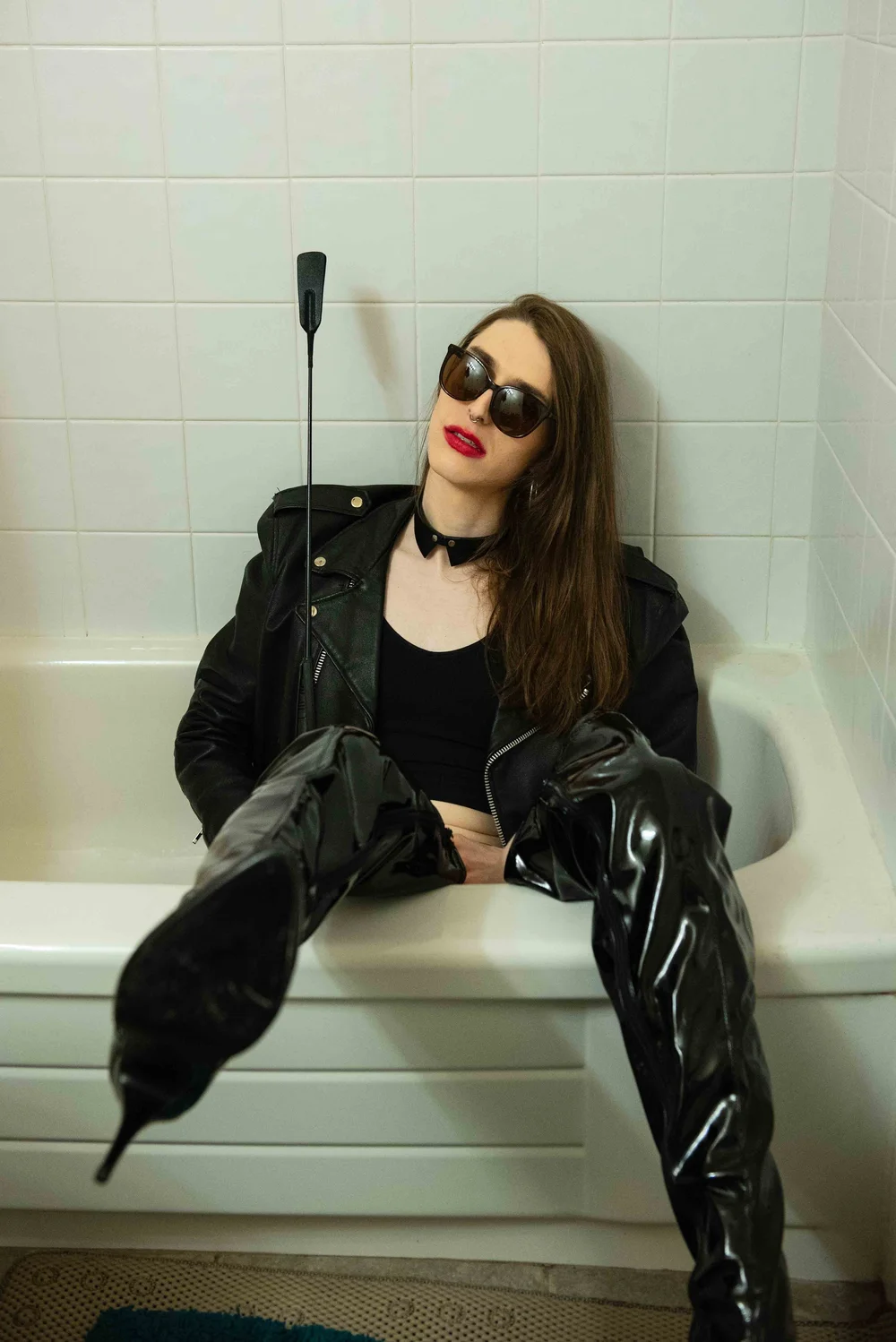
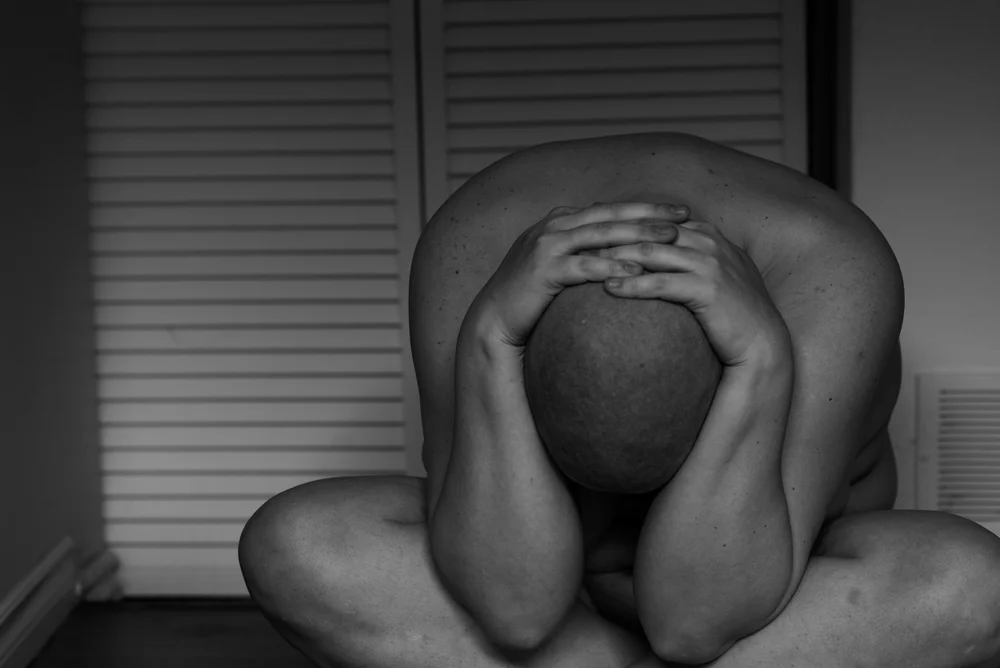
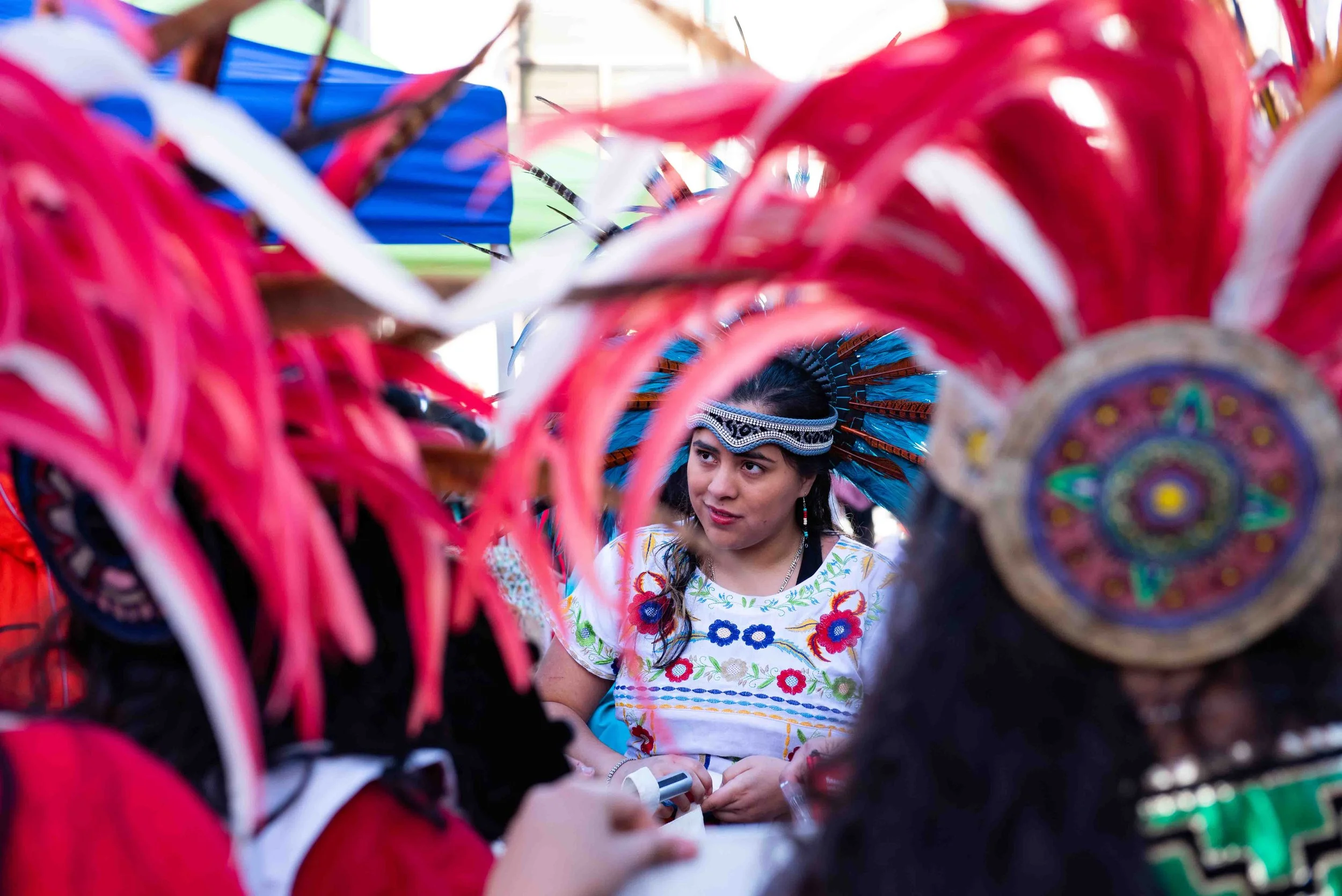
I am a professional photographer. I am known for not restricting myself to one particular genre of photography, and the clients who hire me do so because of my skill for capturing intimate, candid moments. My great love is visual journalism, but it is not a market that I have found myself able to “break into” yet. I also photograph boudoir, engagements, and weddings, with a special focus on queer, trans, and disabled communities.
I give a unique perspective as a non-binary, queer, disabled person that my clients appreciate, and I am able to provide an extra layer of security as a fellow member of these communities that other photographers too often cannot. This is what sets me apart from others when I work with clients in photography, and has been especially beneficial for my boudoir clients. Client reviews have indicated that the way I work empowers them to be more vulnerable in front of my lens than they otherwise would be with a different lens-based artist.
In addition, I am known for being “the person with a darkroom in their bathroom”. I photograph a lot using analogue methods, and prefer to have complete control of the quality of my products. As such, I develop all of my own film, and make my own prints, which you don’t often see in contemporary photography these days.
I would say that I am most proud of the publications that my photographs have found homes in. I have been published in Framed Photographer Magazine, Bare Bones Magazine, and others.
What would you say have been one of the most important lessons you’ve learned?
Patience. Art is a marathon, not a sprint. There’s always something you can do better. Everything you create is a step forward. Just because you may not like the final product of something you have created does not mean someone else won’t find value or meaning in it.
And most importantly – anything you make is better than using AI. So make your goddamn art. Your art is not just wanted, but NEEDED. In this time and world we currently find ourselves in, artistic voices are needed now, more than ever.
Contact Info:
- Website: https://www.carriehill.com/
- Instagram: @CarrieHillCreative
- Facebook: @CarrieHillCreative
Popular
-

Portraits of the Valley
-

LA’s Most Inspiring Stories
-

Greg Hex Is Turning the Everyday Kitchen Knife Into a Modern Design Object
-

Rick Norris Learned That Building a Successful Business Means Building a Life You Actually Want to Live
-

How Olivia Rush Turned Survival Into a Mission to Help Others Keep Going
-

How Bibi Goldstein Is Helping Entrepreneurs Reclaim Their Time by Embracing the Power of Delegation


