



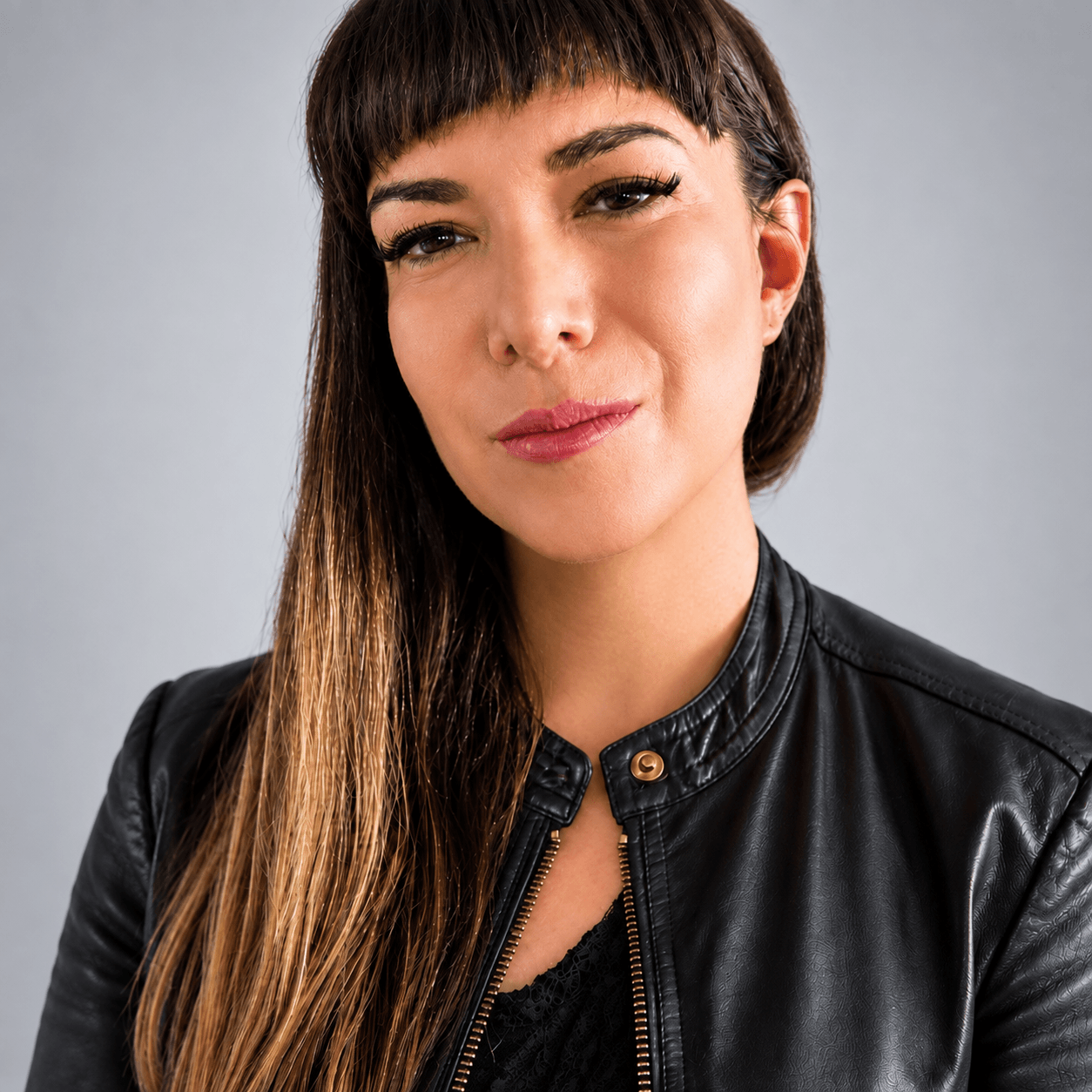
Today we’d like to introduce you to Pamela Chovan.
Hi Pamela , thanks for joining us today. We’d love for you to start by introducing yourself.
My professional journey has taken shape at the intersection of creativity, education, and the audiovisual industry. It hasn’t been a completely linear path, and I believe that is precisely what has enriched my work the most.
From an early age, I was drawn to stories and to their ability to connect with people, communicate ideas, and create meaningful experiences.
I decided to study film because I was very interested in acting and theater. However, during my first year, my path began to shift in a different direction. My first screenwriting professor was filmmaker and film historian Jacqueline Mouesca, who encouraged me to hold on to my work and, above all, to keep writing. That advice was incredibly important to me.
That was the beginning of my journey into screenwriting. Over time, I continued to deepen my knowledge and specialize in screenwriting, particularly in genres and formats, an area that remains one of my greatest passions to this day.
In 2009, I also began teaching. I have always loved studying and learning, and I discovered that I enjoyed teaching just as much, especially sharing that knowledge with people who are passionate about the same things I am. Teaching has been an incredibly rewarding experience and, at the same time, a constant source of learning for me.
In parallel, I have continued building my career as a screenwriter and producer. I am a huge animation fan, and a few years ago I decided to focus an important part of my career on that field. Since then, I have worked as a screenwriter on commissioned animated series and feature film projects, while also developing original animation projects through our production company. Being able to bring these stories to life is something that brings me a great deal of joy.
Developing film and audiovisual projects in Latin America is not always easy. In my case, I realized that writing alone was not enough: if I didn’t want my stories to remain tucked away in a drawer, I also had to learn how to produce them. That meant taking on a new role, building teams, developing projects, seeking funding, and submitting our work again and again to different film funds and open calls. Fortunately, we have been able to secure funding for several of our projects, although behind each of those achievements are years of work, perseverance, and a tremendous amount of effort.
Working on these productions has meant constantly learning: developing a project from its earliest stages, finding the right people to help it grow, and going through the long process of transforming something that once existed only on paper into something that can finally reach an audience.
Today, I feel that these two areas that for a long time seemed like parallel paths—education and filmmaking—are actually part of the same pursuit: creating experiences that connect people with new ideas, stories, and possibilities.
I am still learning and continuing to build that path. One of my main interests today is contributing to the development of projects and opportunities that connect creative talent from Chile and Latin America with an increasingly global industry, without losing what makes our stories—and the places we tell them from—unique.
We all face challenges, but looking back would you describe it as a relatively smooth road?
No, it definitely hasn’t been an easy road. I think one of the main challenges of working in the audiovisual industry, especially in Latin America, is learning to live with uncertainty. You can spend months or even years developing a project with no guarantee that you will secure the funding needed to move it forward.
For me, one of the biggest lessons has been understanding that a creative career also requires a great deal of perseverance. In this industry, you have to learn to deal with rejection. I have submitted projects that were not selected, and I have had to rethink ideas, rewrite, look for new opportunities, and start over many times. Over time, I came to understand that a “no” doesn’t necessarily mean that a story has no value; often, it simply means that you still need to find the right moment, the right space, or the right people to help it move forward.
Another important challenge has been learning to take on different roles. My background is in screenwriting, and it remains one of my greatest passions, but when I began developing my own projects, I realized that if I wanted those stories to actually get made, I also needed to learn about production, financing, budgeting, building teams, film funds, and project development. It has been demanding, but it has also given me a much more comprehensive understanding of the entire filmmaking process.
There is also the challenge of balancing creative work with everyday professional responsibilities. For many years, I have been developing my own projects while working in education and on other professional projects. Finding the time and energy to keep writing and producing after a full day of work is not always easy. It often means moving forward more slowly than I would like, but it has also taught me discipline and how to appreciate every small step forward.
And perhaps one of the most important challenges has been learning to trust the long process behind a project. In film and television, we are used to seeing the finished result—a film or a series—but behind each one there can be five, seven, or even more years of development. Learning to continue believing in a story throughout all that time, even when you still don’t know whether it will ever get made, requires a great deal of conviction.
Fortunately, I have also learned that this is not a path you build alone. Finding collaborators who believe in these projects, building teams, and meeting people who bring new perspectives has been essential. I think the challenges are still there, but today I have many more tools to face them and, above all, I have learned that perseverance is just as important to this craft as creativity.
Can you tell our readers more about what you do and what you think sets you apart from others?
My work today is mainly focused on screenwriting and production, two areas that, for me, are deeply connected.
As a screenwriter, my work has focused particularly on genres and formats. I am interested in understanding how a story works from a structural perspective, but also in finding what makes it unique: its characters, its world, its tone, and what we want the audience to feel. In recent years, I have increasingly focused my work on animation, writing commissioned projects while also developing our own animated series and feature films.
As a producer, I work on these projects from the earliest stages of development. This means transforming an idea or a screenplay into a project that can move toward production: building teams, developing materials, seeking financing, and creating the conditions necessary for those stories to eventually reach the screen.
I think one of the things that characterizes the way I work is precisely the combination of these two perspectives. When I write, there is inevitably a part of me thinking about how the project could be produced; and when I produce, I never stop looking at the story and asking whether the decisions we are making are truly serving it. Moving between these two roles has allowed me to develop a fairly comprehensive understanding of a project, from its initial idea through the different stages required to make it possible.
I am also very interested in working with stories that have a strong identity of their own. For me, developing projects from Chile and Latin America does not mean trying to imitate what is being done elsewhere, but rather finding what we can contribute through our own perspective, the places we come from, and our own way of telling stories. I want our stories to be able to connect with international audiences without losing what makes them unique.
One of the things I am most proud of is seeing stories that began as very small ideas grow into projects that have found teams who believe in them and secured funding to continue their development. There is still a long way to go, but seeing something that once existed only in my imagination begin to take shape as a collective project is one of the most exciting parts of this work.
I also feel incredibly proud when I reconnect with former students and see them developing their own projects, building their careers, and telling their own stories. It is very rewarding to see them grow professionally and to know that, at some point along the way, I had the opportunity to be a small part of their education. I think that has been one of the most meaningful and rewarding aspects of teaching for me.
And perhaps one of the things that defines me most is that I still have an enormous sense of curiosity about this craft. I love studying, learning new things, exploring new tools, and working with people who bring knowledge and perspectives different from my own. I don’t think I ever want to lose that feeling of still being a learner, because it is probably also what allows me to keep writing and producing with the same enthusiasm.
Is there any advice you’d like to share with our readers who might just be starting out?
I think one of the main pieces of advice I would give to someone who is just starting out is not to wait until they feel completely ready to begin. In this industry, there is always something new to learn, and very often, an important part of that learning happens precisely by doing the work.
I would also say that it is very important to learn how to live with rejection without allowing it to define the value of your work. When I was starting out, I wish I had understood sooner that a “no” does not necessarily mean that a story is not good or that you should give up on it. Sometimes it means that it still needs work; other times, it simply means that it has not yet found the right space, the right moment, or the right people. Learning to tell the difference takes time.
There were many times when a “no” made me cry, when I felt frustrated and wanted to give up because I thought that perhaps I was on the wrong path. Some time ago, however, I came across a comic strip about Rebecca Sugar, the creator of *Steven Universe*, in which she talked about dealing with criticism. She shared a piece of advice from her brother Steven that, if I remember correctly, was something along the lines of learning to place your work beside you rather than in front of you, so that when criticism comes, it does not hit you directly in the heart. That image stayed with me, and it is something I often share with my students today. What we create can be deeply personal, but we have to learn to separate our value as people from how others evaluate our work.
I also think it is essential to remain curious: to study, watch films and series, read screenplays, discover other people’s work, and remain open to learning new things. But at the same time, I think it is important not to spend your entire life preparing to do something. At some point, you have to write that first screenplay, develop that project, make that short film, or put your work out there, even if you still feel that it could be better.
Another thing I have learned is the importance of the people you share that path with. Filmmaking is deeply collaborative. Finding collaborators you trust, learning to listen to other perspectives, and surrounding yourself with people who can contribute something different from what you know how to do can completely transform a project. Very often, a story grows precisely when it stops belonging only to you and begins to be built together with others.
And perhaps one of the things I wish I had known when I was starting out is that there is no single path to building a career. Sometimes we look at other people’s careers and feel that we should be moving at the same pace or reaching certain milestones at a particular point in our lives. Over the years, I have come to understand that every career takes shape differently, and that moving more slowly does not necessarily mean that you are moving forward any less.
Above all, I would say that you have to keep doing the work. Keep writing, learning, submitting projects, making mistakes, and trying again. Talent is important, of course, but I believe that in a creative career, curiosity, discipline, and perseverance ultimately matter just as much.
Contact Info:
- Website: https://www.rufestudios.cl
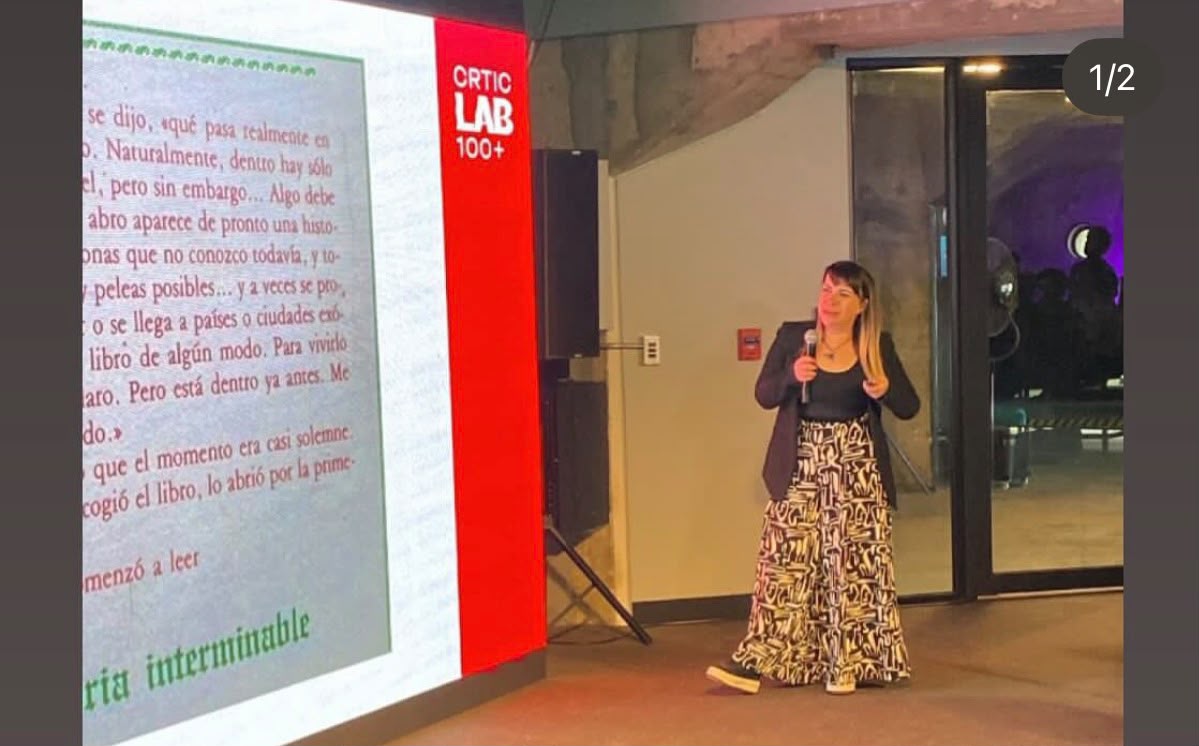
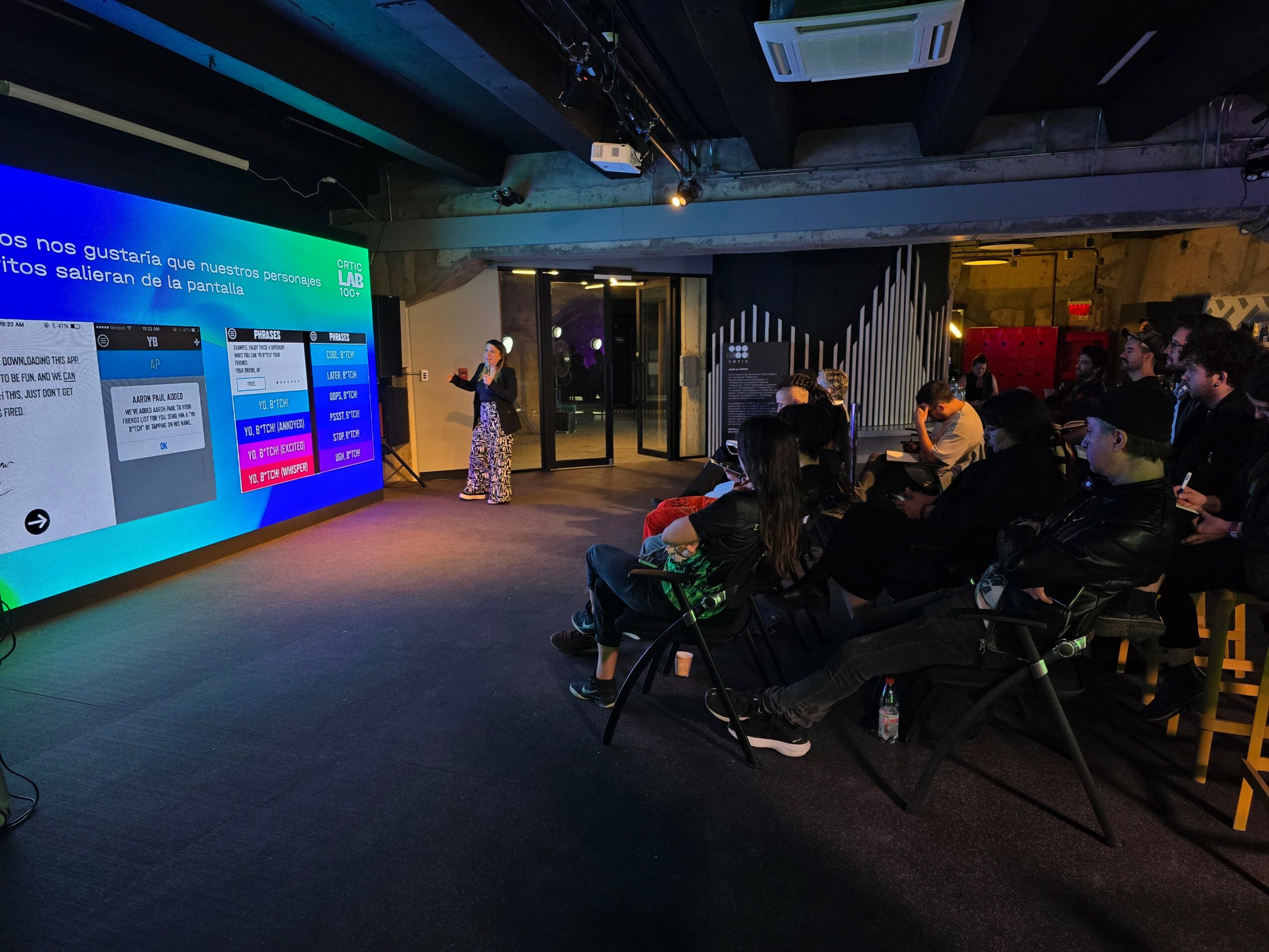
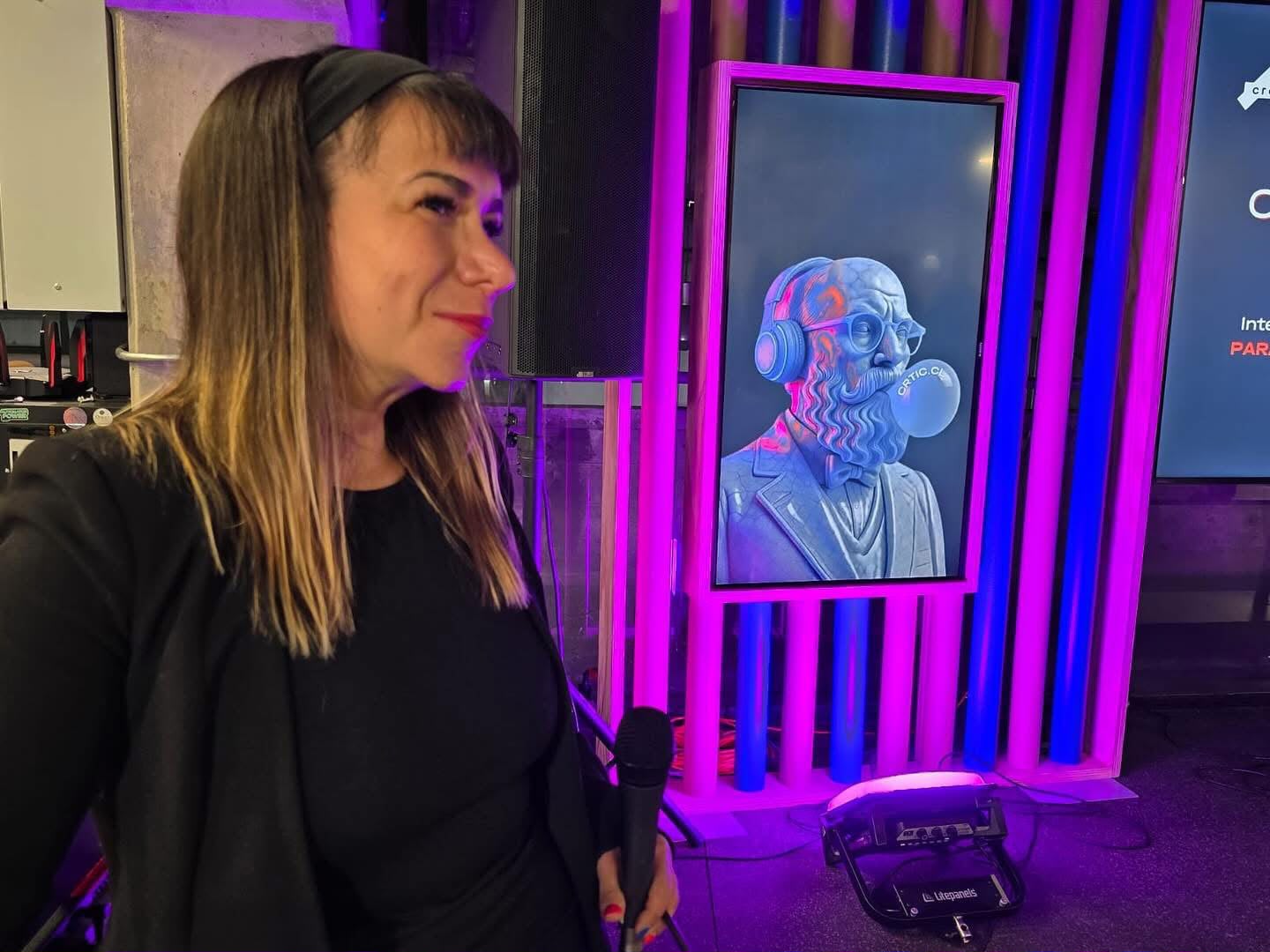
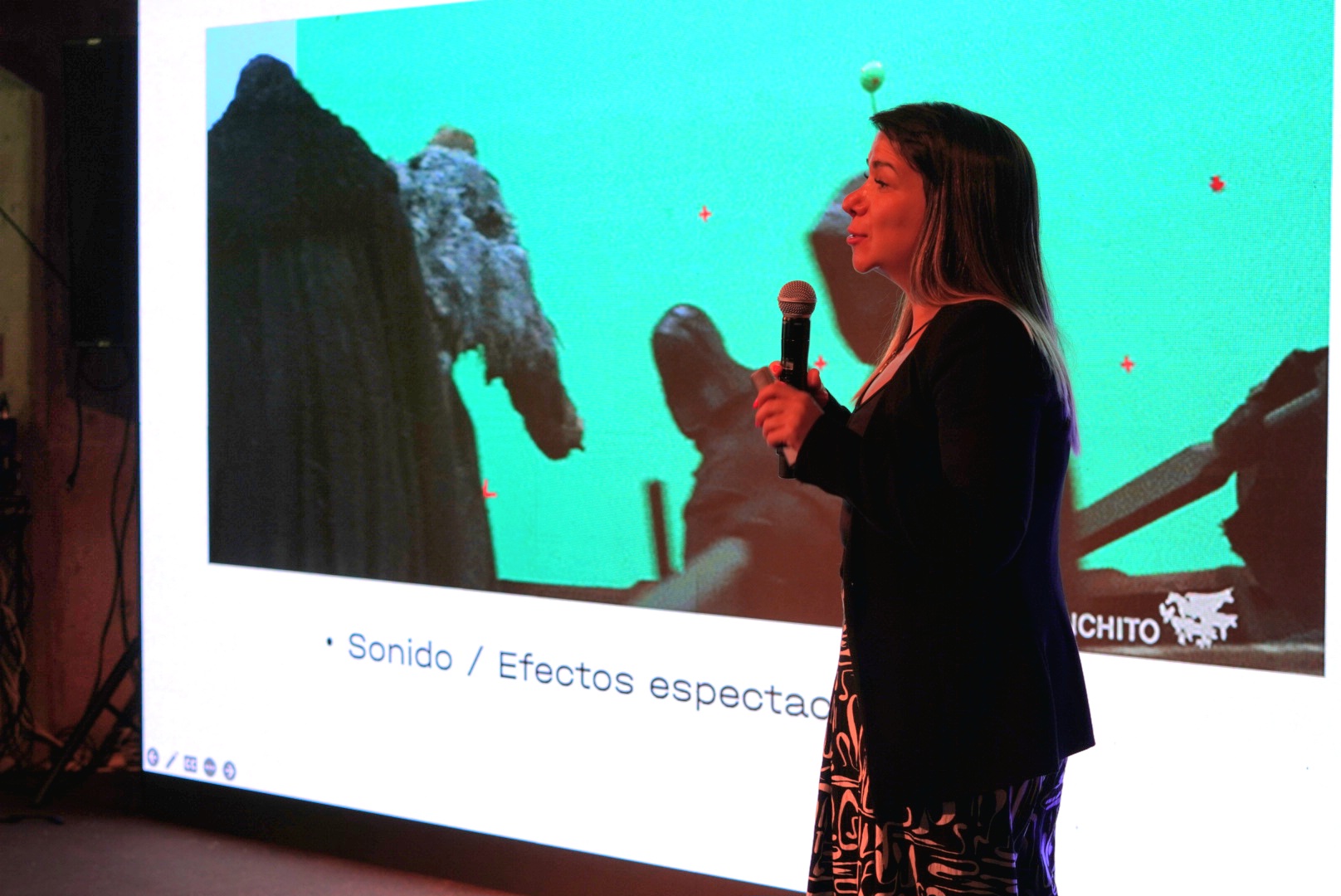
Image Credits
Marcela Piña – CRTIC
Popular
-

Portraits of the Valley
-

LA’s Most Inspiring Stories
-

Greg Hex Is Turning the Everyday Kitchen Knife Into a Modern Design Object
-

Rick Norris Learned That Building a Successful Business Means Building a Life You Actually Want to Live
-

How Olivia Rush Turned Survival Into a Mission to Help Others Keep Going
-

How Bibi Goldstein Is Helping Entrepreneurs Reclaim Their Time by Embracing the Power of Delegation


