




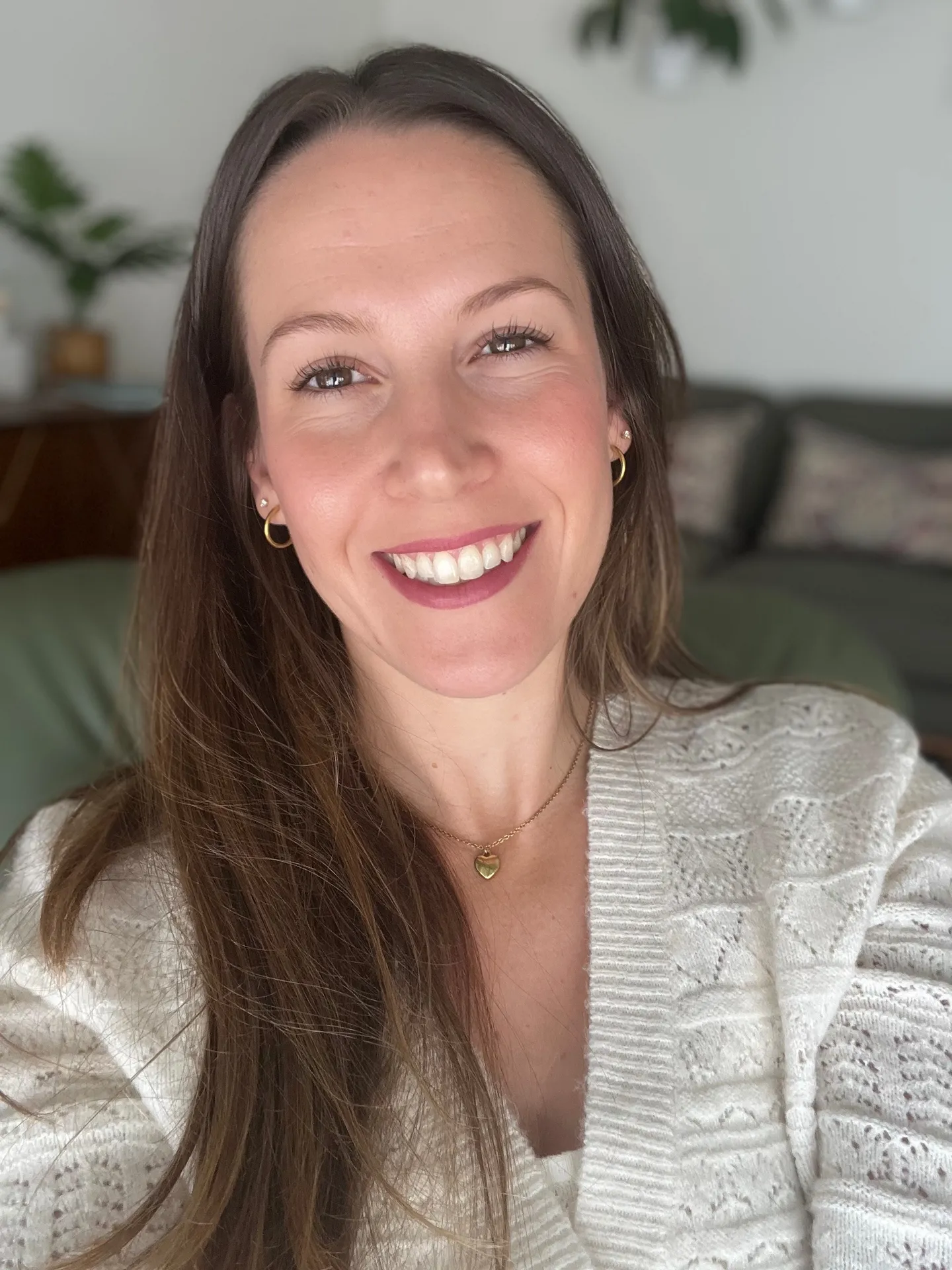
Today we’d like to introduce you to Danielle Ciccone.
Hi Danielle, thanks for sharing your story with us. To start, maybe you can tell our readers some of your backstory.
I’ve always been drawn to understanding why people feel and behave the way they do, especially when their reactions don’t seem to make sense on the surface. That interest led me into psychology immediately after high school and eventually into my work as a therapist. It’s really the only work I’ve ever done, and it is a huge part of my identity. I received my Bachelors degree from UCLA in 2009, and my Masters degree from the University of Pittsburgh in 2013.
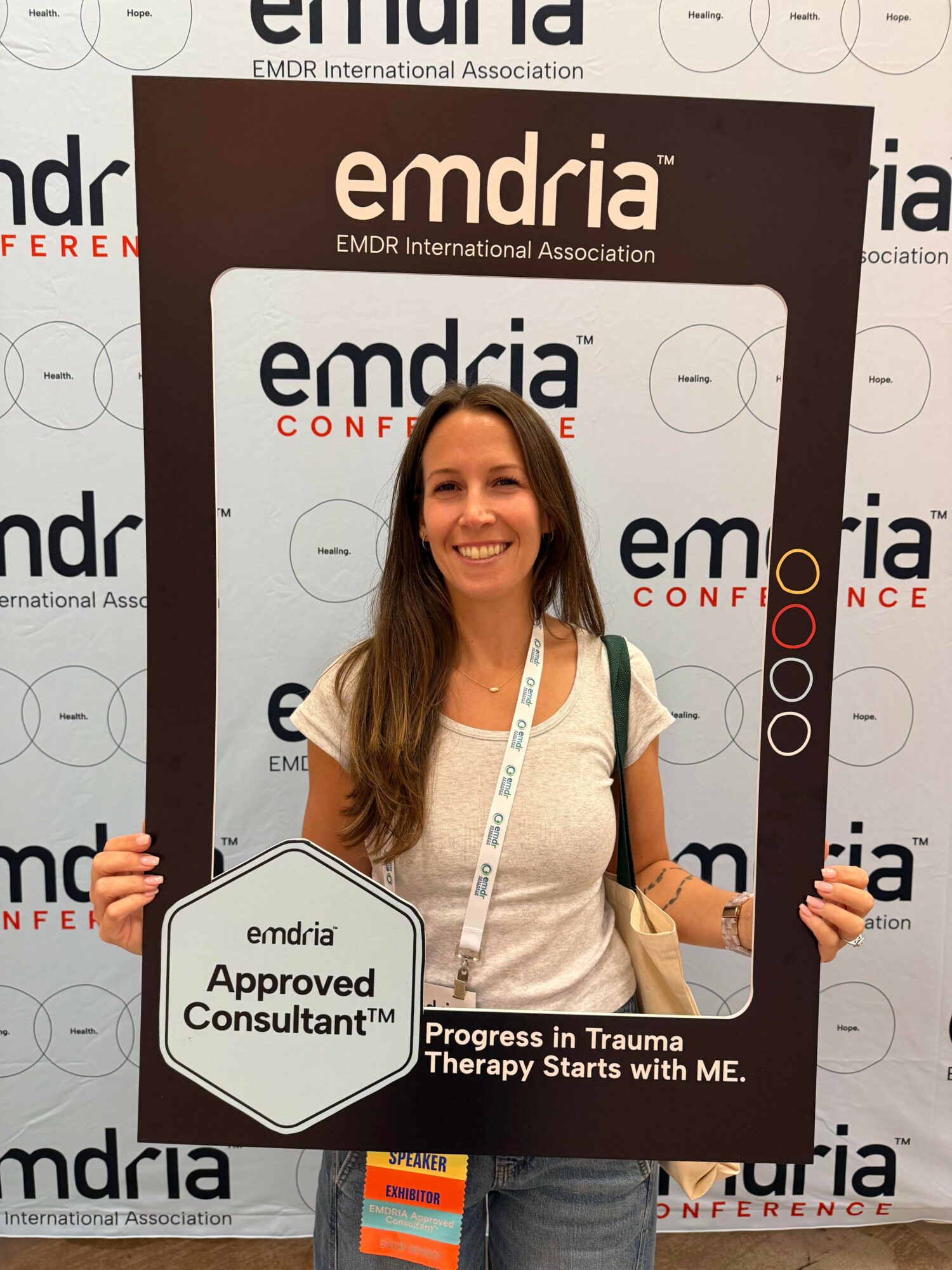
Today, I run Integrated Healing Center, my private practice in Thousand Oaks, where I work with adults experiencing trauma, anxiety, depression, addictions, and relationship challenges. EMDR therapy became central to my practice early on, because I saw how powerful it could be to help people process experiences that they could understand intellectually but still felt stuck in emotionally. I fell in love with this modality and followed the path to become an EMDRIA-Approved Consultant, so that I could support other EMDR therapists in their work. I also became trained in Internal Family Systems and Psychedelic Assisted Therapy, both of which blend so beautifully with EMDR to really enhance the work.
I became really curious about clients for whom trauma processing felt overwhelming or difficult to access. That curiosity led me to explore how low-dose ketamine might be integrated with EMDR therapy. My colleague Michele Topel and I began collaborating on this work, and what started as a clinical question grew into research, a treatment approach, and eventually the Ketamine Assisted EMDR Therapy Institute. We now train other EMDR therapists in this integration.
I continue to work directly with clients, and that is very important to me. The therapy room is where I’m reminded that every person brings a different history, different strengths, and different needs. That experience keeps my teaching grounded in the realities of clinical work. When I’m developing a course or answering a therapist’s question, I’m thinking about what it actually feels like to sit with someone in a difficult moment and make a thoughtful decision about what might help.
Teaching gives me something in return. The questions clinicians ask challenge me to explain my thinking more clearly, examine my assumptions, and stay open to perspectives I might not have considered. My work with clients informs what I teach, and teaching makes me a more reflective therapist. I value being able to do both.
Can you talk to us a bit about the challenges and lessons you’ve learned along the way. Looking back would you say it’s been easy or smooth in retrospect?
It hasn’t been a completely smooth road. When I started my private practice, I had to learn how to be a business owner while also becoming the therapist I wanted to be. There are so many decisions and responsibilities that have nothing to do with what happens in a therapy session, from finding clients and managing finances to setting boundaries around my time and energy. At the same time, the work itself asks a lot of you. People trust you with some of the most painful parts of their lives, and I’ve had to learn how to be fully present with them while also caring for myself well enough to keep doing this work over the long term. That balance has taken time, and it’s something I continue to practice.
Starting an educational institute brought a whole new set of challenges. Michele and I were developing an approach in an emerging area of practice, and we’ve had to think carefully about how to turn our clinical experience and early research into training that therapists can understand and use responsibly. There’s also a great deal of time-consuming work behind the scenes that people don’t see. But when we hear how therapists are using what they’ve learned to help their clients, the hard work feels incredibly worthwhile.
Through it all, I’ve learned to trust myself, know that I have important things to create and share with the world, keep going when things are difficult, and not let fear make my decisions for me.
As you know, we’re big fans of you and your work. For our readers who might not be as familiar what can you tell them about what you do?
My work has two connected parts. Integrated Healing Center is my private psychotherapy practice, where I provide therapy for adults dealing with experiences that can leave them feeling stuck. I started this practice in 2017. I specialize in EMDR therapy and also incorporate Internal Family Systems, Psychedelic Assisted Therapy, and other approaches based on what each person needs. I want clients to feel that therapy is a place where they can be understood with compassion and also do meaningful work toward change. I pride myself in using experiential methods that are more likely to induce transformational change, rather than supportive talk therapy. I like to do the deep work with people. I am so grateful that I get to do this work!
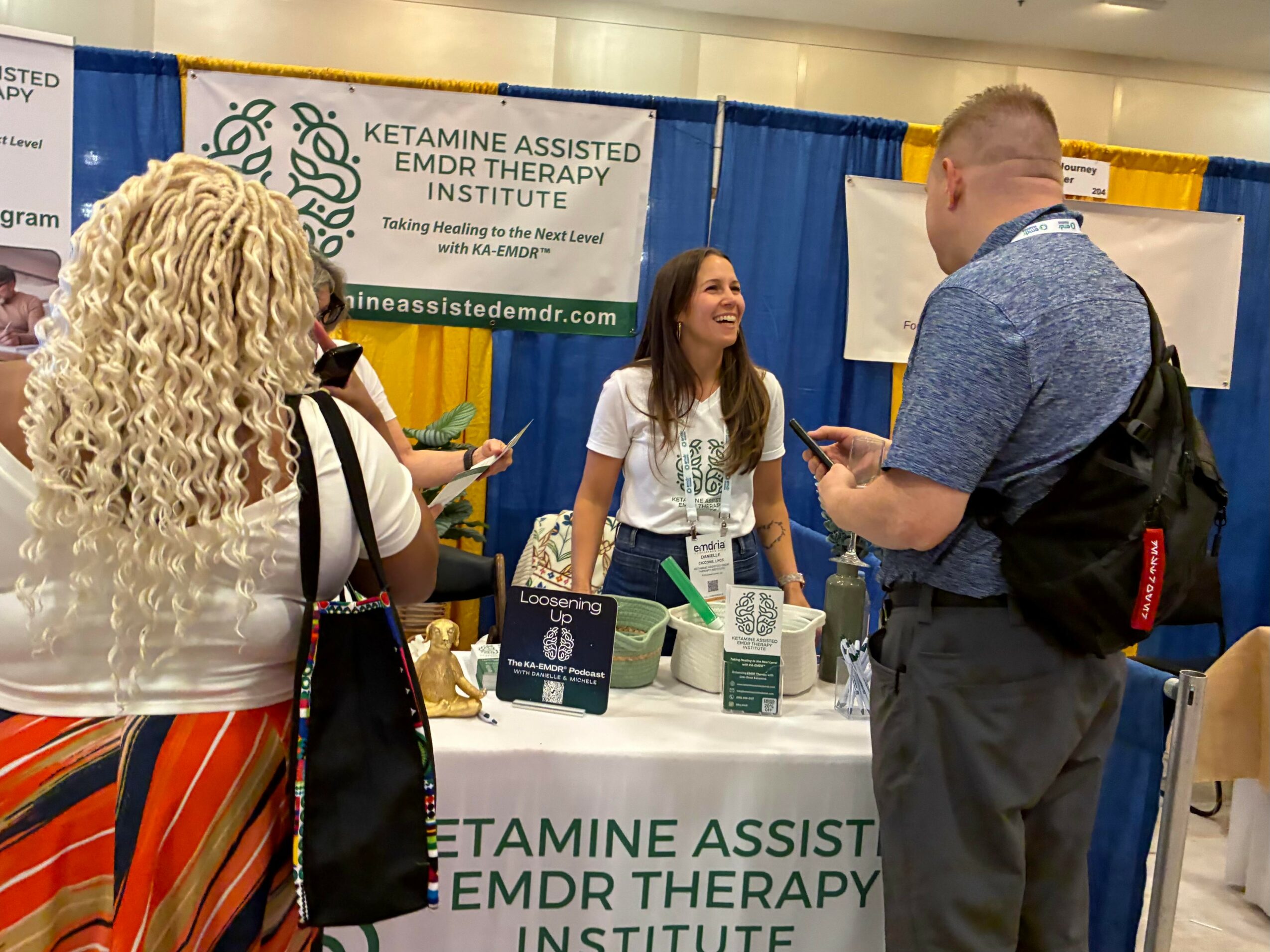
I’m also the co-founder of the Ketamine Assisted EMDR Therapy Institute, which I started with my colleague Michele Topel in 2024. Our institute trains EMDR therapists from all over the U.S., and even from multiple other countries, in the strategic integration of low-dose ketamine with EMDR therapy. We co-developed and teach a particular approach to combining ketamine and EMDR, called KA‑EMDR®. For some clients, EMDR brings them close to painful memories, emotions, or beliefs that have felt too overwhelming to face. They may want to do the work, but find themselves shutting down, pulling away, or struggling to stay present when it becomes intense. In KA‑EMDR®, low-dose ketamine may help the person to remain engaged with the process. We offer multiple training courses and consultation. Our teaching is grounded in clinical practice and in our published research on this novel approach that we have developed.
What connects both businesses is my interest in making trauma treatment more accessible and effective for people who have found the work difficult or overwhelming. In my private practice, I’m proud of the trust clients place in me and of the space we create together for work that can be both challenging and deeply meaningful. At the Institute, I’m proud that Michele and I have developed a clear method and found a way to teach it that therapists can understand and bring into their clinical work. The most meaningful part is the ripple effect: each therapist we train has the potential to help many clients who may have struggled to stay with trauma processing in the past. Knowing that the work we developed is reaching people we may never meet, and may help make healing feel more possible for them, is incredibly rewarding.
What would you say have been one of the most important lessons you’ve learned?
The most important lesson I’ve learned is to stay curious and always open to learning. As a therapist, it can be tempting to think that if you’ve learned the right method, you should always know what to do next. But people are more complex than any method. Some of the most valuable moments in my work have come from slowing down, listening closely, and being willing to ask a different question.
That lesson has shaped my work as a business owner, too. The institute
grew because Michele and I stayed curious about a clinical challenge we kept encountering, followed that question into research, and were willing to build something new. I’ve learned that you can be committed to your work and confident in what you’ve built while still being open to what you don’t know yet.
I’ve also learned to trust that there is a higher power guiding me through my life and my work. When I remember that I don’t have to figure everything out on my own, that I’m co-creating with an infinite source of wisdom and love, I can approach uncertainty with more openness and less fear. That trust doesn’t mean every decision is easy or that I always know where things are headed. It means I can take the next step, pay attention to what unfolds, and trust that I’m being led toward the path that’s right for me.
Contact Info:
- Website: https://integratedhealingcenter.com/
- Instagram: https://www.instagram.com/ka_emdr/
- LinkedIn: https://www.linkedin.com/in/danielle-ciccone-48017b13
- Youtube: https://www.youtube.com/@KA-EMDR?app=desktop
- Other: https://www.ketamineassistedemdr.com/
Popular
-

Greg Hex Is Turning the Everyday Kitchen Knife Into a Modern Design Object
-

Portraits of the Valley
-

LA’s Most Inspiring Stories
-

Rick Norris Learned That Building a Successful Business Means Building a Life You Actually Want to Live
-

How Olivia Rush Turned Survival Into a Mission to Help Others Keep Going
-

How Bibi Goldstein Is Helping Entrepreneurs Reclaim Their Time by Embracing the Power of Delegation


