




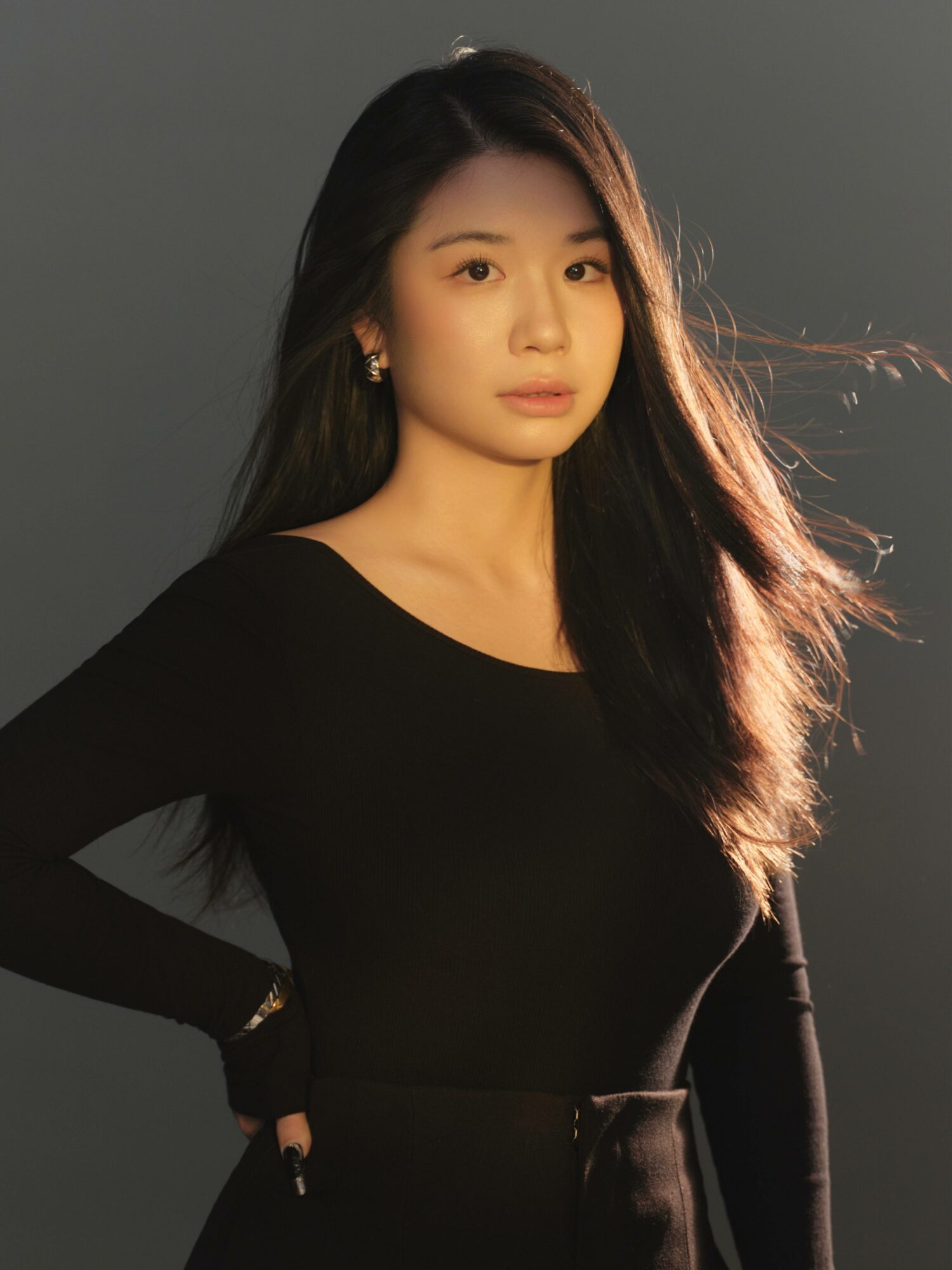
Today we’d like to introduce you to Mandy Chen.
Mandy, we appreciate you taking the time to share your story with us today. Where does your story begin?
My journey in film started with a simple curiosity about storytelling and a desire to understand how stories could connect people across different cultures. I studied Film Production at Michigan State University, where I first developed my foundation in filmmaking and discovered that I was drawn not only to directing, but also to the collaborative and problem-solving side of production.
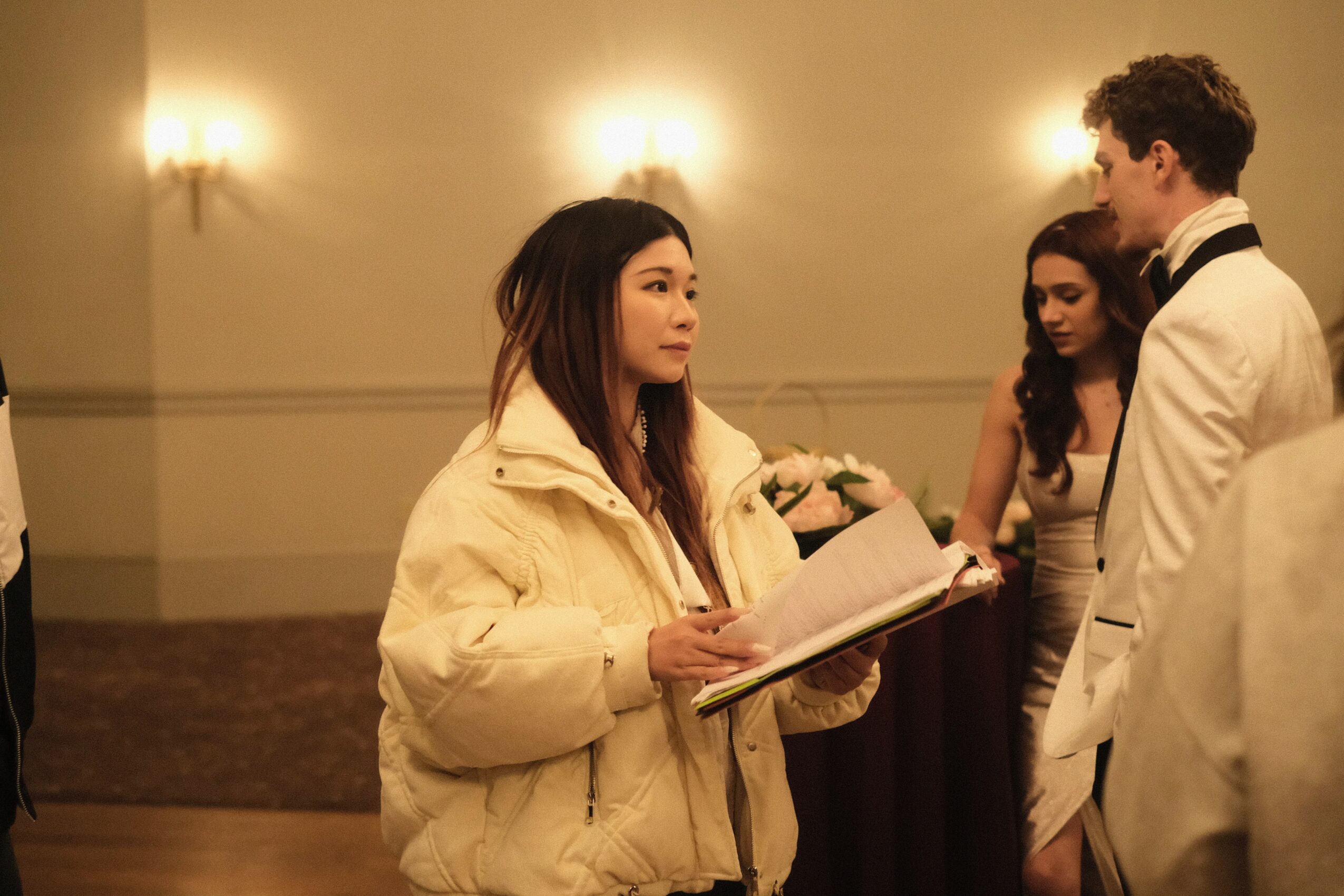
I later earned my MFA in Film and Television from Savannah College of Art and Design, where I had the opportunity to direct and produce a variety of narrative projects. After graduation, I continued working across film, advertising, digital content, and vertical storytelling, taking on roles as director, producer, and 1st AD. Working in different roles taught me how every part of a production contributes to the story and helped me become a more well-rounded filmmaker.
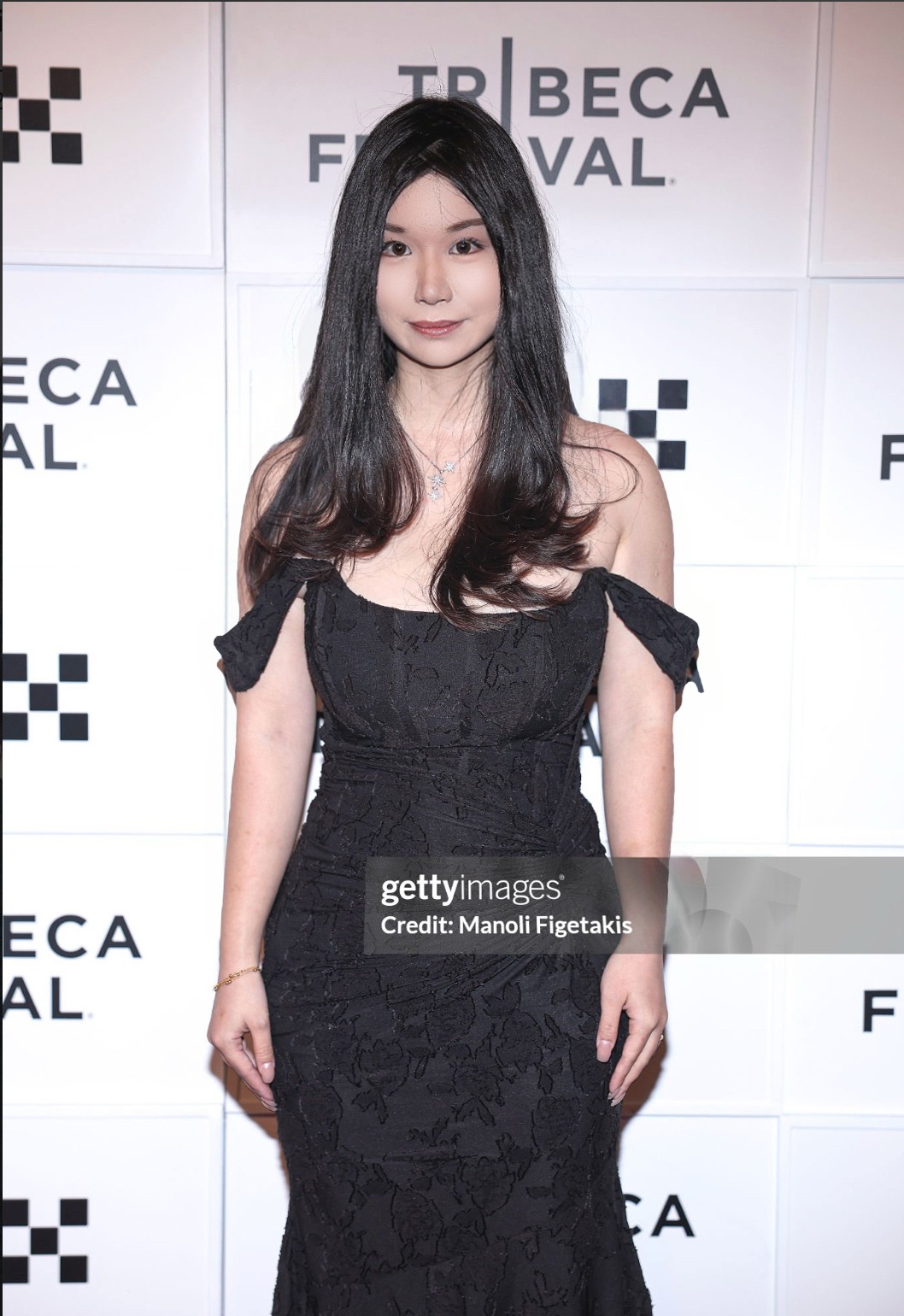
Over the years, I’ve had the opportunity to work on projects that reached millions of viewers, as well as independent films that were selected by festivals such as Tribeca. I’ve also worked with teams across different cultural and creative backgrounds, which has shaped the way I approach storytelling.
Today, I’m based in Los Angeles and continue to work as a director and producer. A big part of what drives me is bringing different perspectives together and creating stories that can connect with audiences beyond cultural or geographic boundaries. I’m still learning and evolving with every project, but I hope to keep building meaningful stories while creating opportunities for other filmmakers and voices along the way.
I’m sure it wasn’t obstacle-free, but would you say the journey has been fairly smooth so far?
It definitely hasn’t been a smooth road. Building a career in film is challenging on its own, and doing it in a different country while navigating a new culture and industry came with its own set of obstacles.
One of the biggest challenges was learning how to create opportunities for myself rather than waiting for them to come. Early on, I often had to take on different roles across a production, learn things on the job, and work with limited resources. There were projects that didn’t work out, opportunities I didn’t get, and plenty of moments when I questioned whether I was moving in the right direction.
Balancing the creative side of filmmaking with the business and logistical side has also been a learning curve. As a director and producer, I’ve had to learn how to communicate with very different kinds of people, manage budgets and teams, solve problems under pressure, and still protect the creative vision.
But those challenges ultimately became some of my most valuable experiences. They taught me to be adaptable, persistent, and resourceful. I’ve learned that a career in this industry rarely happens in a straight line. Every project, even the difficult ones, has taught me something and helped me become more confident in the filmmaker and producer I am today.
Appreciate you sharing that. What else should we know about what you do?
As a producer, one of the things I care most about is helping Chinese and Asian filmmakers tell stories about identity, culture, and the experience of finding where they belong. Coming from a Chinese background and building my career in the U.S., I understand what it means to navigate between different cultures, and that perspective has deeply shaped the projects I choose to work on.
Some of the projects I’m most proud of producing, including Winter Psalm, Chi Liang (Accident Nocturne), and Little Puppy, explore questions of identity, belonging, and self-discovery in different ways. For me, producing is not simply about making sure a project gets made. I want to create an environment where filmmakers feel supported in telling stories that are personal to them, especially stories that may not always be represented in mainstream film and television. Winter Psalm, for example, was selected for the Tribeca Festival, and that experience reinforced for me how meaningful it can be when deeply personal stories find an audience.
As a director, I feel a similar responsibility toward women’s stories. I believe filmmaking can give women a space to express experiences, emotions, and perspectives that are often overlooked or misunderstood. My short film Cocoon is one example of that. Directing it allowed me to approach the story from a deeply personal and empathetic perspective.
I think what sets me apart is that I don’t see producing and directing as completely separate roles. As a producer, I want to help other filmmakers find the confidence and resources to tell their stories. As a director, I want to use my own voice to tell stories that matter to me. At the center of both is the same goal: creating space for voices that deserve to be heard.
Can you share something surprising about yourself?
Something people might not know about me is that I’m actually a very curious person. I love asking people about their lives, where they come from, what shaped them, and why they see the world the way they do.
I think that curiosity is one of the biggest reasons I became a filmmaker. I’m fascinated by people who are very different from me, but also by the small experiences that make us surprisingly similar. Sometimes a conversation with someone I’ve just met can stay with me for a long time and eventually become an idea for a character or a story.
I don’t think filmmaking is only about having something to say. For me, it’s also about being willing to listen. The more people I meet and the more stories I hear, the more I realize how much there is that I still don’t know. And honestly, that’s one of the things I love most about this career.
Contact Info:
- Instagram: https://www.instagram.com/mmandy.cc
Popular
-

Greg Hex Is Turning the Everyday Kitchen Knife Into a Modern Design Object
-

Portraits of the Valley
-

LA’s Most Inspiring Stories
-

Rick Norris Learned That Building a Successful Business Means Building a Life You Actually Want to Live
-

How Olivia Rush Turned Survival Into a Mission to Help Others Keep Going
-

How Bibi Goldstein Is Helping Entrepreneurs Reclaim Their Time by Embracing the Power of Delegation


