





Today we’d like to introduce you to Melissa Shaver, MA, LMFT.
Hi Melissa, we’re thrilled to have a chance to learn your story today. So, before we get into specifics, maybe you can briefly walk us through how you got to where you are today?
My journey into therapy actually began when I was a child. After experiencing some difficult life events, I started therapy around the age of 10. At first, it felt strange to share such personal experiences with someone I barely knew. But over time, as trust developed, therapy became a safe place for me. My therapist used creativity, play, and genuine connection to help me process what I was going through, and that experience stayed with me long after our work together ended.
As I grew older, I noticed that people often felt comfortable opening up to me. Simple conversations with friends, acquaintances, or even strangers would sometimes turn into meaningful discussions about challenges, pain, and life experiences. I always felt honored when someone trusted me with their story, and those experiences planted the seed that helping others might be part of my future.
I attended California State University, Northridge, where I earned my degree in Psychology. I was fascinated by human behavior, relationships, and the complexity of the brain. Throughout my studies, I often reflected on the impact therapy had on my own life and the role it played in helping me become who I am today.
When I decided to pursue graduate school, I reached out to my childhood therapist. Having her re-enter my life as a mentor felt incredibly meaningful and helped solidify my decision to become a therapist myself. I went on to attend Phillips Graduate University, where I completed my master’s training in marriage and family therapy.
During my practicum, I worked at the Domestic Violence Center in Santa Clarita. It was there that I had the privilege of supporting survivors through individual therapy, group therapy, and art expression groups. I quickly discovered how powerful creativity can be in the healing process and developed a deep appreciation for the resilience of the individuals I served.
After graduate school, I worked for a nonprofit organization supporting foster youth and their communities. That experience broadened my understanding of trauma, attachment, and systemic challenges while reinforcing my commitment to helping individuals navigate difficult life circumstances.
Following the pandemic, I transitioned into private practice, where I continue to support children, adolescents, adults, and families. Looking back, my path has come full circle. The child who once sat in a therapist’s office unsure of what to expect became a therapist herself, helping others find healing, growth, and hope in their own journeys.
Can you talk to us a bit about the challenges and lessons you’ve learned along the way. Looking back would you say it’s been easy or smooth in retrospect?
I would not say it has been a completely smooth road, although I have been fortunate to have incredible mentors and colleagues along the way. One of the biggest challenges has been learning how to sit with the pain and trauma that clients bring into the therapy room. Early in my career, working with survivors of domestic violence and foster youth exposed me to stories that were heartbreaking and, at times, difficult to process. I had to learn how to be fully present and compassionate while also maintaining healthy boundaries and taking care of my own well-being.
Another challenge was building confidence in myself as a therapist. Like many clinicians, I experienced moments of self-doubt early on and questioned whether I was saying the right thing or helping enough. Over time, I learned that therapy is not about having all the answers. It’s about creating a safe, authentic relationship where healing can occur.
More recently, transitioning into private practice brought an entirely different set of challenges. In addition to being a therapist, I had to learn how to be a business owner, manage operations, market my services, and navigate the uncertainties that came with building something of my own.
While there have certainly been challenges, every one of them has helped me grow both professionally and personally. The work itself has always felt meaningful, and despite the difficult moments, I cannot imagine doing anything else.
Appreciate you sharing that. What should we know about Grounded Wellness?
My private practice, Grounded Wellness Group, serves individuals throughout the Los Angeles area with a focus on helping women navigate life’s challenges with greater confidence, resilience, and self-understanding. I specialize in perinatal and postpartum mental health, women’s mental health, anxiety, depression, and ADHD.
What sets my practice apart is the lens through which I view my clients. Rather than focusing solely on symptoms or diagnoses, I take a holistic approach that considers the whole person and their unique story. I believe emotional well-being is influenced by many interconnected factors, including relationships, life experiences, physical health, environment, identity, and daily habits. By looking at the full picture, we can often uncover deeper patterns and create more meaningful, lasting change.
In addition to individual therapy, I offer group experiences and community-based programming. One initiative I am especially excited about is the Girl Talk Series, a workshop designed for young girls that combines self-esteem building, emotional wellness skills, creativity, and connection. My hope is to help girls develop healthy coping skills and a positive sense of self early in life, before many of the struggles that bring adults into therapy become deeply rooted.
What I am most proud of, brand-wise, is creating a practice that feels approachable, authentic, and deeply human. I want clients to feel seen beyond a diagnosis or a set of symptoms. Whether someone comes to me during a season of anxiety, depression, a major life transition, motherhood, or simply feeling stuck, my goal is to help them better understand themselves and create a life that feels more aligned and fulfilling.
At the heart of everything I do is the belief that every person has a story worth understanding, and healing begins when we take the time to look at the whole picture.
Can you talk to us a bit about the role of luck?
I don’t tend to think about life in terms of luck. I think all of us will experience both fortunate and unfortunate circumstances throughout our lives. What has always mattered more to me is how we respond to those experiences.
There have certainly been difficult chapters in my own story, experiences that I would not have chosen for myself. At the time, they felt painful and unfair. But those experiences also shaped who I am, deepened my empathy, and ultimately influenced my decision to become a therapist.
The work I do today is, in many ways, a reflection of that belief. Every day I sit with people who have experienced loss, trauma, anxiety, depression, relationship struggles, and major life transitions. While we cannot always control what happens to us, we do have a choice in how we move forward and what meaning we make from our experiences.
If there is anything I am most grateful for, it is that some of the hardest moments in my life helped lead me to work that feels deeply purposeful. Those experiences gave me the opportunity to build a practice dedicated to helping others heal, grow, and recognize their own strength. To me, success is not about avoiding hardship—it’s about deciding what you will do with it.
Contact Info:
- Website: https://groundedwellnessgroup.com
- Instagram: @melissashavermft

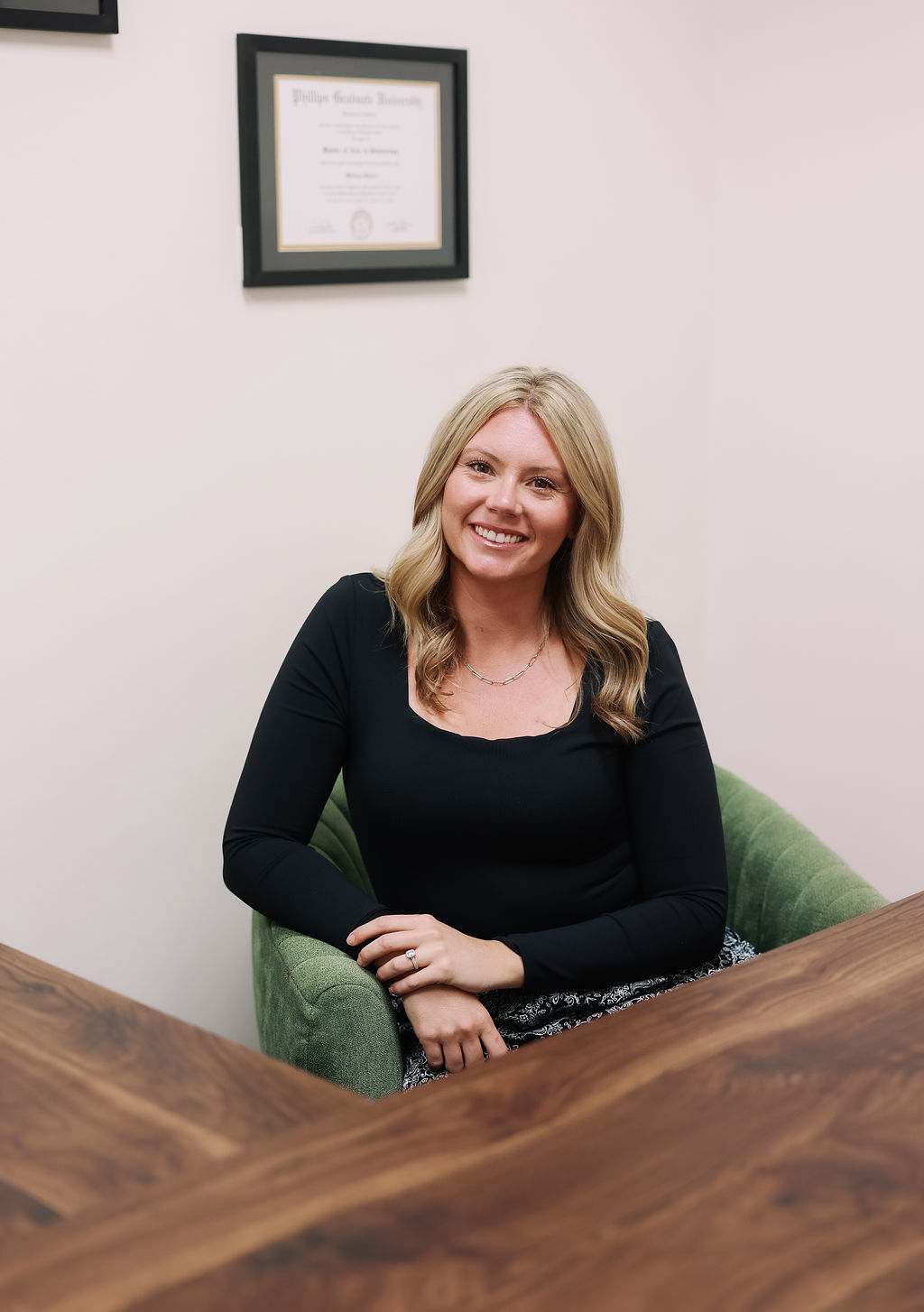

Image Credits
Kaylene Loaney
Popular
-

Joelle Brian Turned Heartbreak Into an EP That Chose Healing Over Bitterness
-

Why Jeff Zylstra Measures Success by Process, Not Predictions
-

Peter Joseph is Proving That Trust, Not Pressure, Builds a Lasting Business
-

Jillian Lapedus and Carolyn McGuire is Redefining What It Means to Grow Stronger With Age
-

LA’s Most Inspiring Stories
-

Portraits of the Valley


