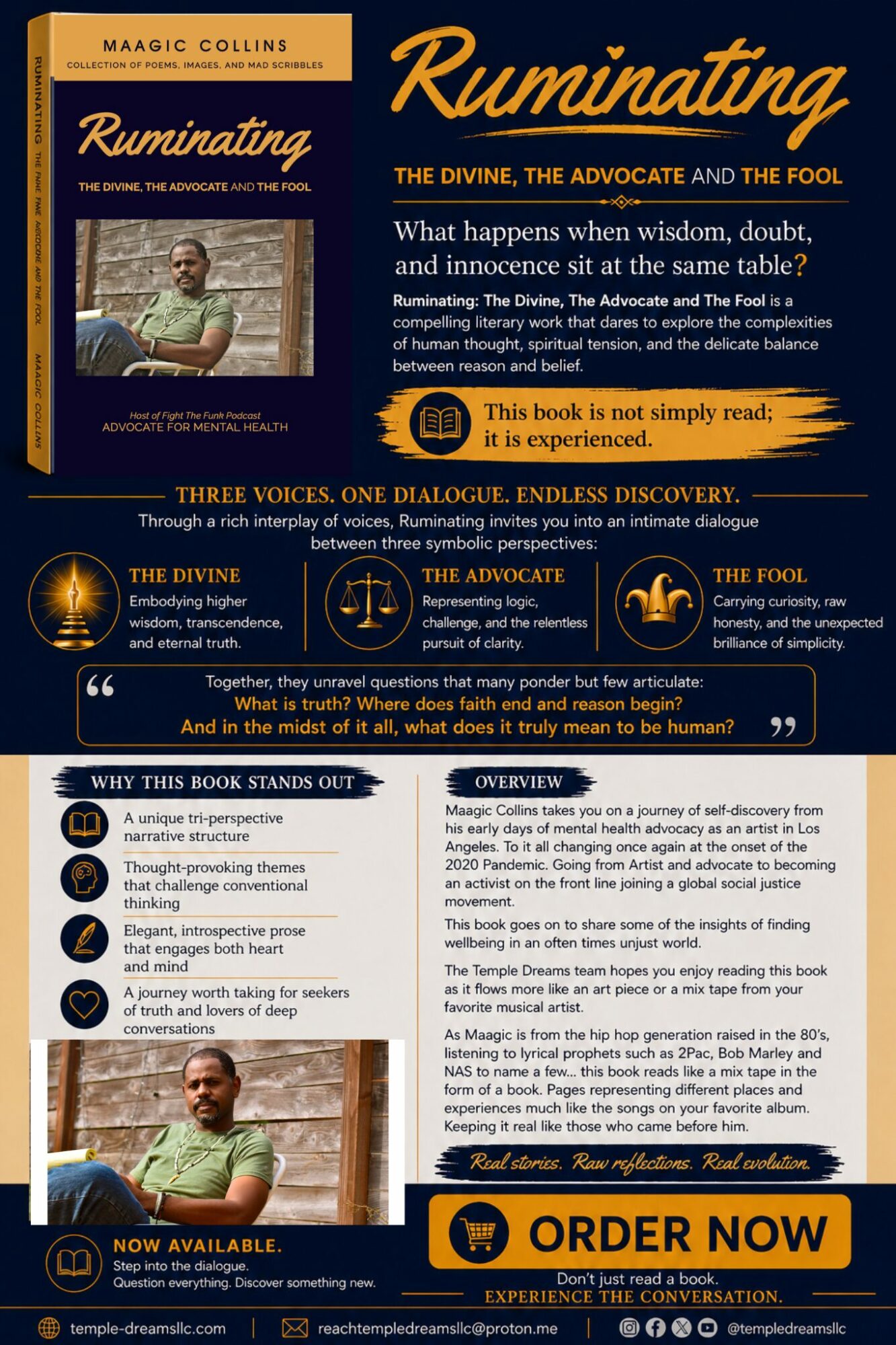
With Temple Dreams, Maagic Collins is carving out space for stories that challenge suppression and center truth, community, and lived experience. Born from a desire to protect creative freedom in an era of censorship, the platform uplifts voices often pushed to the margins — blending themes of mental health, activism, and spiritual growth. Rooted in personal resilience and hard-earned perspective, Maagic’s work as both publisher and writer reflects a commitment to fearless storytelling — inviting readers not only to engage with difficult conversations, but to find connection, healing, and collective strength through them.
Maagic, Temple Dreams was created to publish voices that might otherwise be overlooked. What inspired you to take that leap into independent publishing?
We started the business formally in 2025 for the purpose of being able to have the freedom of publishing books that normally would not make it to mainstream without powerful backing. In this time of book banning, rollbacks on civil rights, and attacks on DEI, our books would be banned before they ever get off the ground, especially in a lot of the more conservative areas in the country. Aside from the political winds changing every day, the core inspiration is to introduce literary works that inspire positive change for a more grounded life—publishing wisdom rooted in spiritual study, community advocacy, and the human journey.
In a time of increasing book bans, how do you see Temple Dreams positioning itself as a platform for freedom of expression and challenging conversations?
Temple Dreams, with these first two books, has already demonstrated a call to be fearless with your truth and speaking up for marginalized communities that do not have the words for what they’ve been forced to endure. The reality, no matter how hard we work at Temple Dreams, it will be the people who see our value that make all the difference. To go against suppression, these books have to be talked about and asked for at the local bookstores, libraries, and book clubs. The best way to rise up against silencing and suppression is to deliver the truth, and I believe that’s the beacon of light Temple Dreams works to uphold. This owning truth and fighting the whitewashing of history is something that marginalized communities have historically faced, and it takes a level of support to overcome.
Both of your published works touch on deep themes like community, mental health, and activism. How do you decide which stories are important to bring into the world?
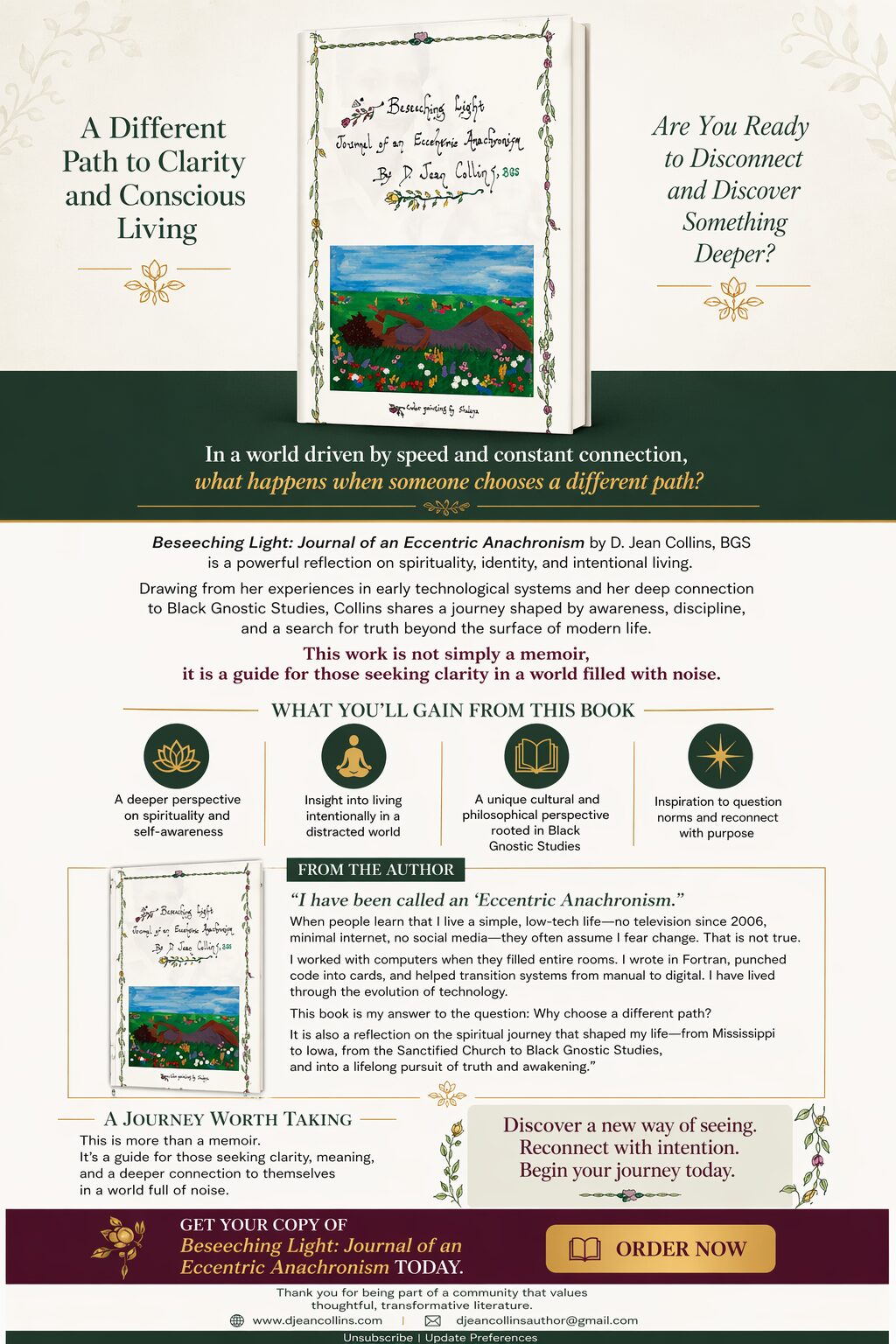
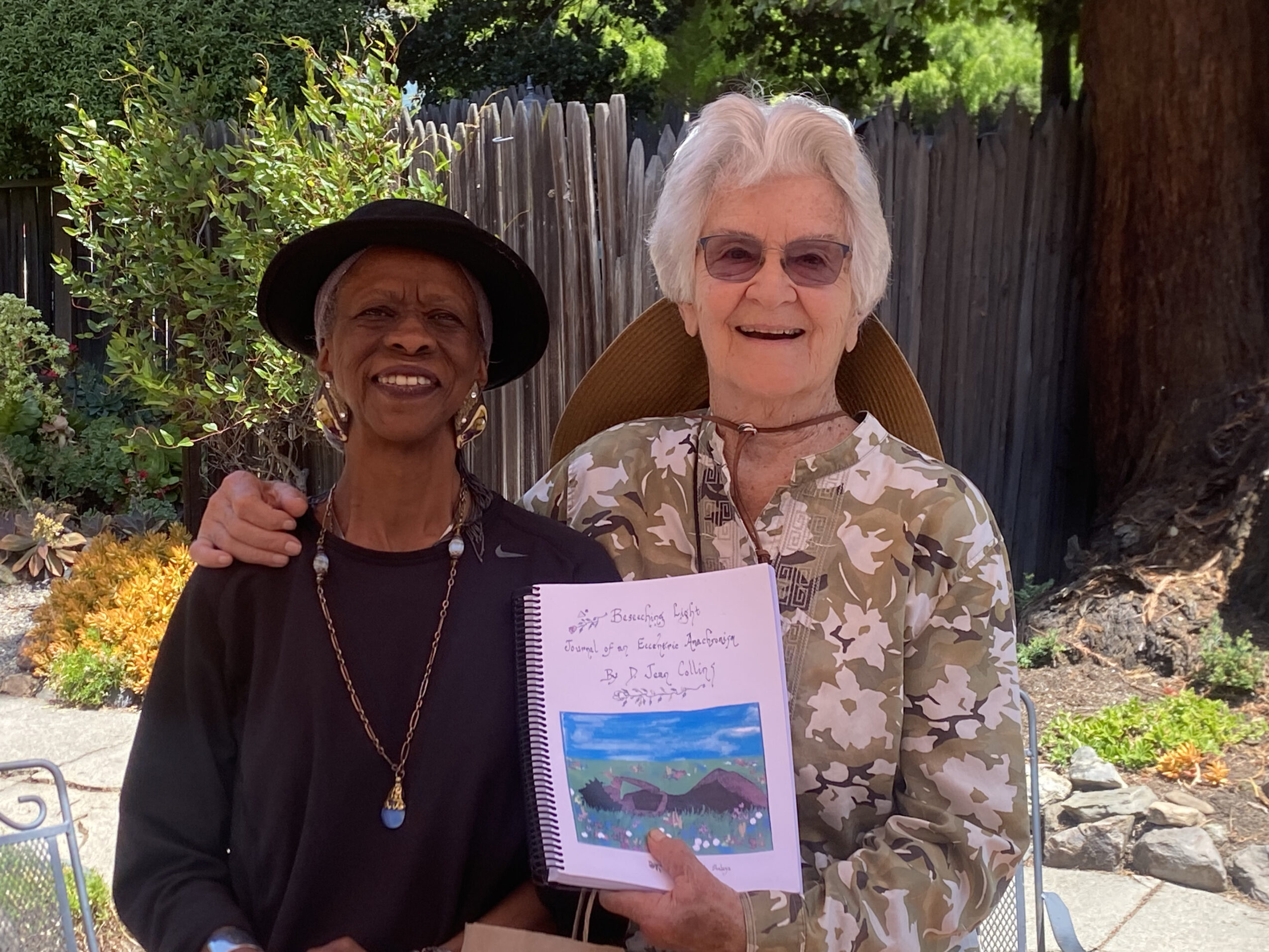
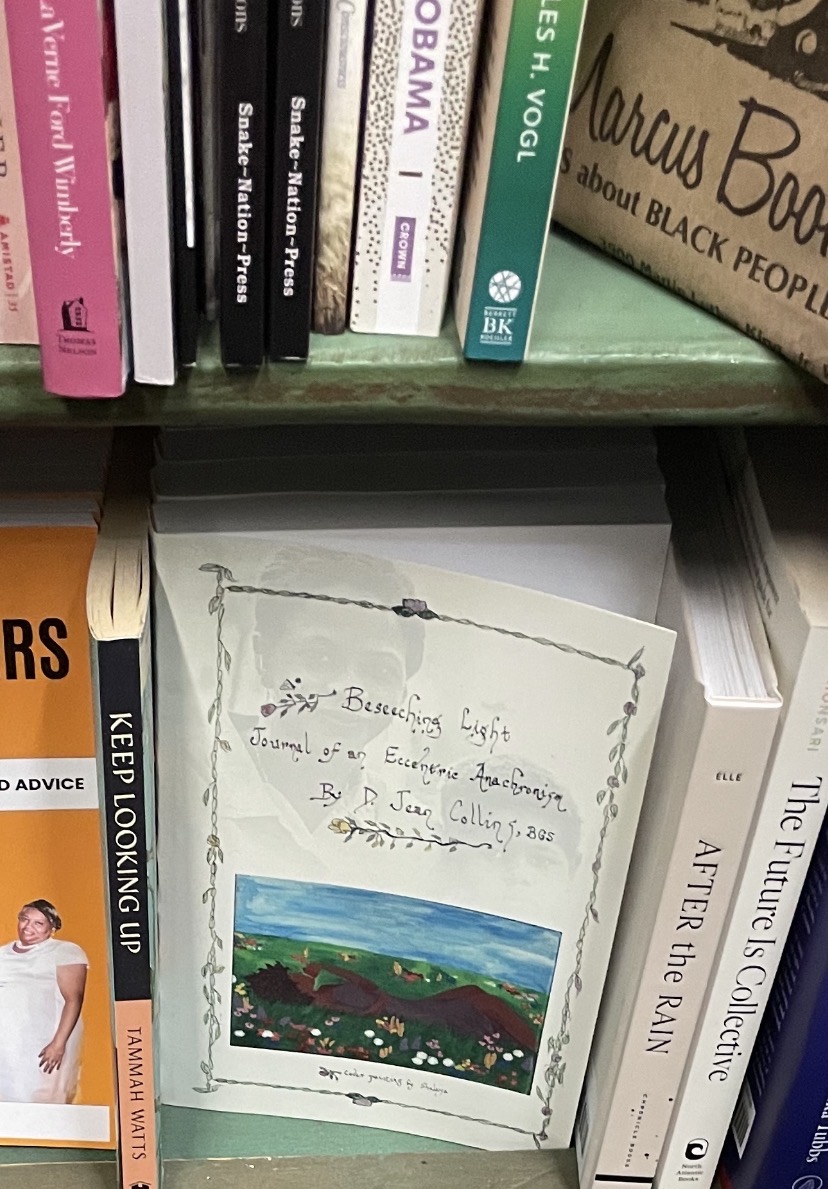
These themes depend on the creative flow that comes from the author. The themes are found in the rewrites, editors, and readers. Yet it starts with just knowing you have a calling and you need some creative space to get it down on paper. Coaching my mother through her book and finishing up my book, it was more about saying what was in your heart. What you’ve been wanting to write about? For me, it was writing about my experiences with mental health advocacy and all the good, bad and misconceptions that came about since I started the path. My mother was a different experience, and coaching her to a place where, even with her health, she could believe it was still possible. Before the book was finished, she had a massive heart attack that had her on life support, and through a true miracle, she pulled through, and we knew that was God or however you see God, it was a sign that we needed to finish the work. Once Beseeching Light was finished, we started seeing all the amazing themes that naturally come from a lifetime of wisdom and experiences.
Ruminating reflects a personal evolution from artist to activist. How did that transformation shape your voice as a writer?
Looking back on it, I hated it. I could not have felt more isolated at a time we were supposed to be unified. Initially, I was enthusiastic, trying to show up to all the marches and rallies. I was used to being the old MaagicMan that everybody universally loved and connected with. Whatever I could do for the movement, I tried to do it, tried to be everywhere. At the same time, I just didn’t have the resources or support and it wasn’t sustainable. As my efferts continued and I was more and more being burned out, the attacks became apparent, and noticing the lack of response from people I thought I was in movement with, who knew how I would be attacked, I felt deeply betrayed. It was a challenge to move on. Feeling heartbroken, disillusioned, and burned out, and dealing with a community that could not understand, exacerbated the disturbing political landscape. In a lot of ways, my life and career were sacrificed. I think I naivé at the start of 2020, didn’t understand how I’d be used in the movement nor politics. At the time of Ahmad Abrey’s death, I remeber seeing myself doing stand-up comedy as a betrayal to the movement. Looking back on it, I would have done better for the movement and myself by staying true to myself as an artist.
These experiences reshaped me deeply. I’ve learned everyone in the movement has to give themselves a bit of grace as most activist experience attacks on their humanity that they never exspected, a loss of what life was, once you cross over to activist work. When you speak truth to power there is a cost. Powerful individuals are not shy in letting you know they are now at war with you. It was told and conveyed to me in a lot of ways. This has informed me as a more fearless writer, I’ve already been put through things most would have never survived from my early life to adult life and my writing comes from that ‘knowing.’
As Temple Dreams continues to grow, what kind of impact do you hope your books have on readers and the communities they come from?
What impedes building up a beloved community will always be wealthy individuals that benefit more from profits over people and keeping communities divided and deprived of resources to be self-sufficient. What I’ve learned over the years is some of the most powerful tools in social engineering are the weaponization of othering, dehumanizing, and stigmatizing. It prevents people from unifying and working together. Temple Dreams works to be the light, we are just one of the many to challenge these practices of othering, but we are only human and our work is limited, we can’t do it alone. Support is everything, so here at Temple Dreams we know we are only as strong as those that support our efforts.
Link:
Screenshot