





Today we’d like to introduce you to Moran Bar Or.
Hi Moran, thanks for sharing your story with us. To start, maybe you can tell our readers some of your backstory.
I began my career in interior design over 15 years ago in Israel, working on a wide range of projects and developing a deep understanding of how people actually live within their spaces on a daily basis. Through years of hands on work, I was exposed not only to the aesthetic side of design, but also to the gap between how spaces are designed and how they are truly experienced by the people who use them.
Over time, I started to question the foundations of the field. Most design decisions are still driven by style, trends, or personal taste, while the real impact of the built environment on the human body, behavior, and long term well being is rarely addressed in a structured and practical way. This realization became a turning point in my professional path.
I began to expand my work beyond traditional design, researching and learning across multiple disciplines in order to better understand how environments influence people. This included studying human behavior, physiological responses, sensory perception, and the way daily interactions with space shape how we feel, think, and function. The goal was not theoretical knowledge, but the ability to translate these insights into real design decisions that can be applied in practice.
This process led to the development of my own methodology, the Morena System, which connects design, human experience, and environmental conditions into one structured framework for spatial decision making. It allows me to move from intuition to clarity, and to turn human needs and patterns into precise planning decisions across layout, materials, light, and atmosphere.
Alongside my work across Israel and Europe, and now based in Los Angeles, I continue to refine and apply this approach in different cultural and environmental contexts. Each project becomes an opportunity to test, validate, and deepen the system in real life conditions.
Recently, I published a book that presents this methodology and the broader shift it represents for the field of design. The book introduces a new professional language that views the built environment as an active system that shapes human experience over time, rather than a passive container defined by appearance alone.
At the same time, I am working on the next stage of this evolution through the development of a technology layer that translates this methodology into a more advanced, data informed system. The intention is to bridge design with measurable human responses, and to create tools that support better decision making from the earliest stages of planning.
Today, my work is focused not only on designing spaces, but on redefining the way we understand design itself. It is about shifting the conversation from how spaces look to how they actually work for the people who use them, and building a foundation for a future where design becomes a more precise, human centered discipline.
Alright, so let’s dig a little deeper into the story – has it been an easy path overall and if not, what were the challenges you’ve had to overcome?
It has definitely not been a smooth road. One of the main challenges was working in a field that is still largely driven by aesthetics and trends, while I was trying to introduce a deeper, more structured way of thinking about design.
Developing a methodology in a space that does not naturally operate this way meant that I often had to move without a clear framework around me. There was no existing system to rely on, and much of the process required building, testing, and refining ideas independently over time.
Another challenge was working across different markets and cultural environments, from Israel to Europe and now the United States. Each context comes with different expectations, working methods, and levels of openness to new approaches, which required constant adaptation while staying true to the core of my work.
At the same time, bridging multiple disciplines into one coherent system was a complex process. It required going beyond the boundaries of traditional design and translating knowledge from different fields into something that is both understandable and applicable in real projects.
These challenges, however, became a defining part of my path. They pushed me to clarify my thinking, strengthen the methodology, and build a foundation that is not dependent on trends, but on a deeper understanding of how environments influence people over time.
We’ve been impressed with Morena Bar Or – Refined Luxury Wellness Interior Architecture, but for folks who might not be as familiar, what can you share with them about what you do and what sets you apart from others?
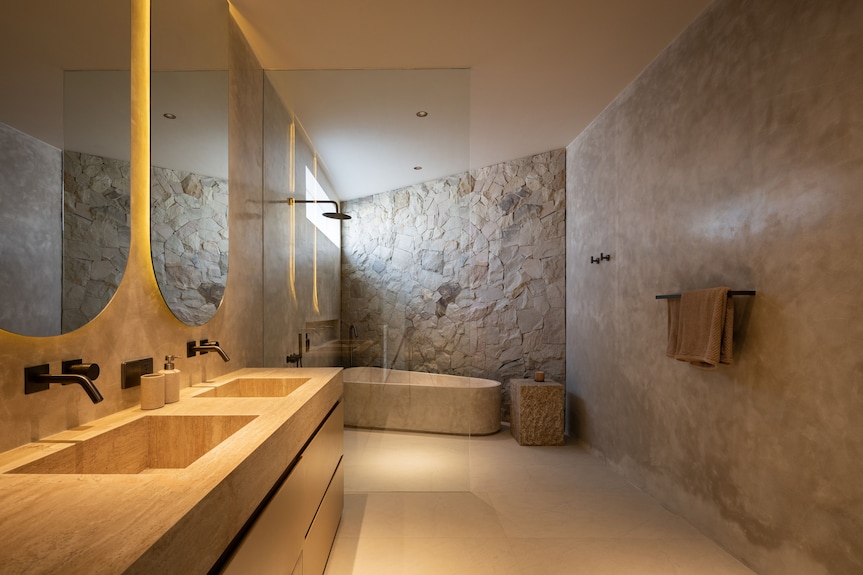
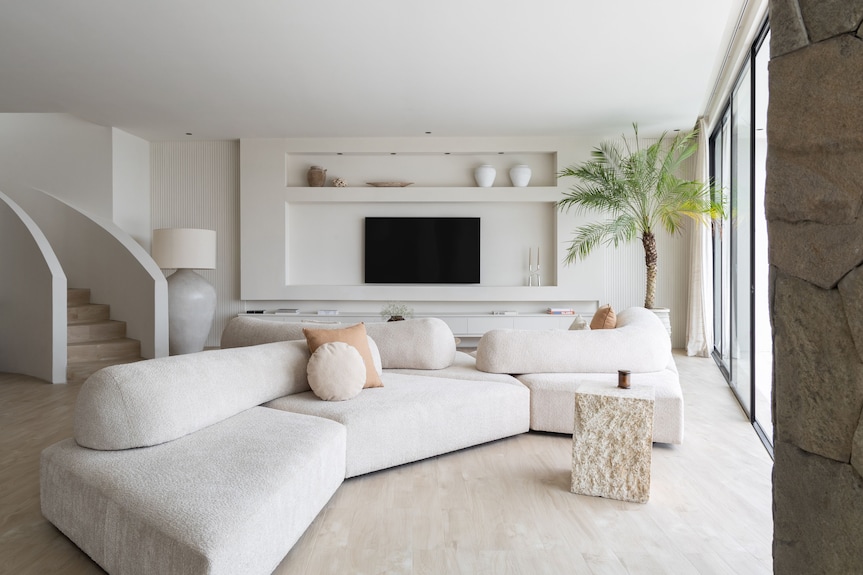
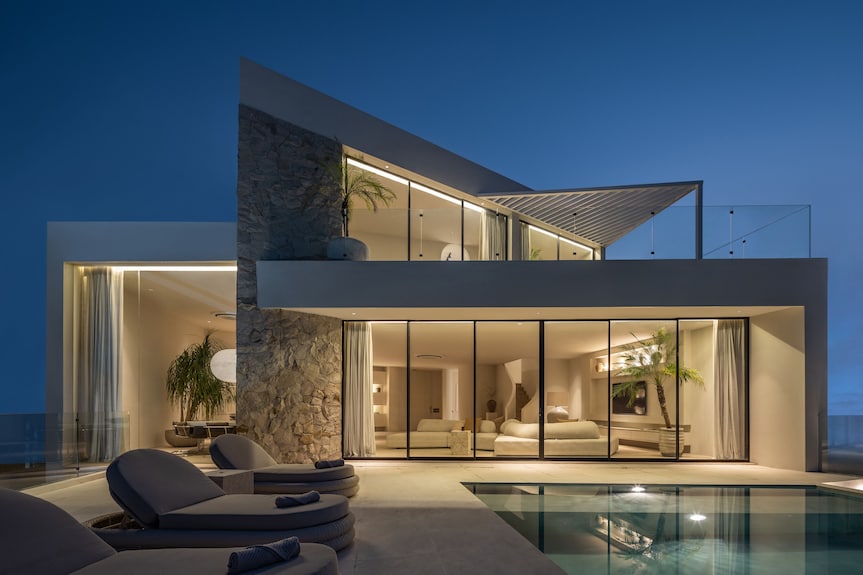
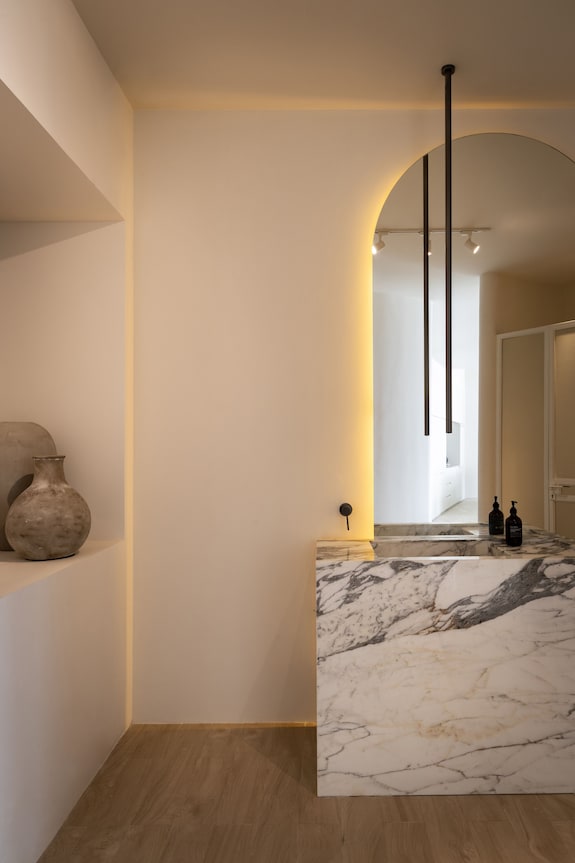
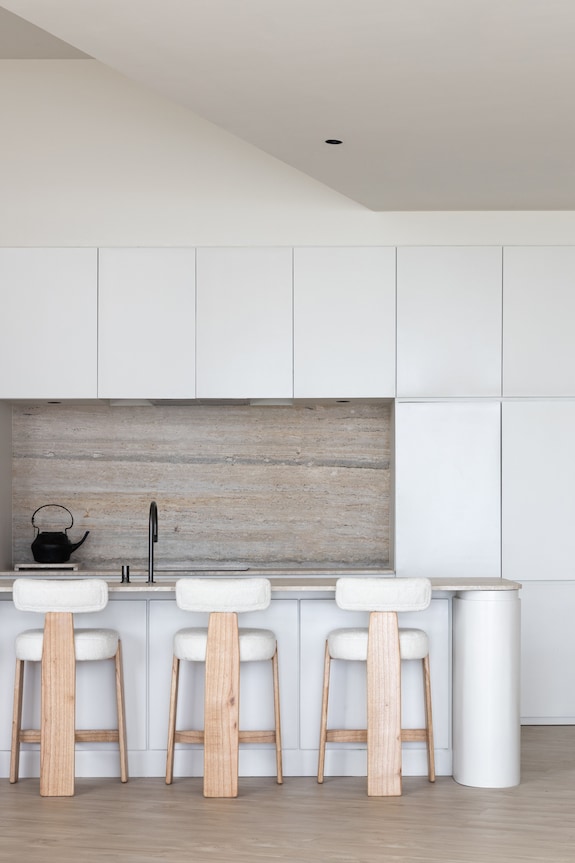
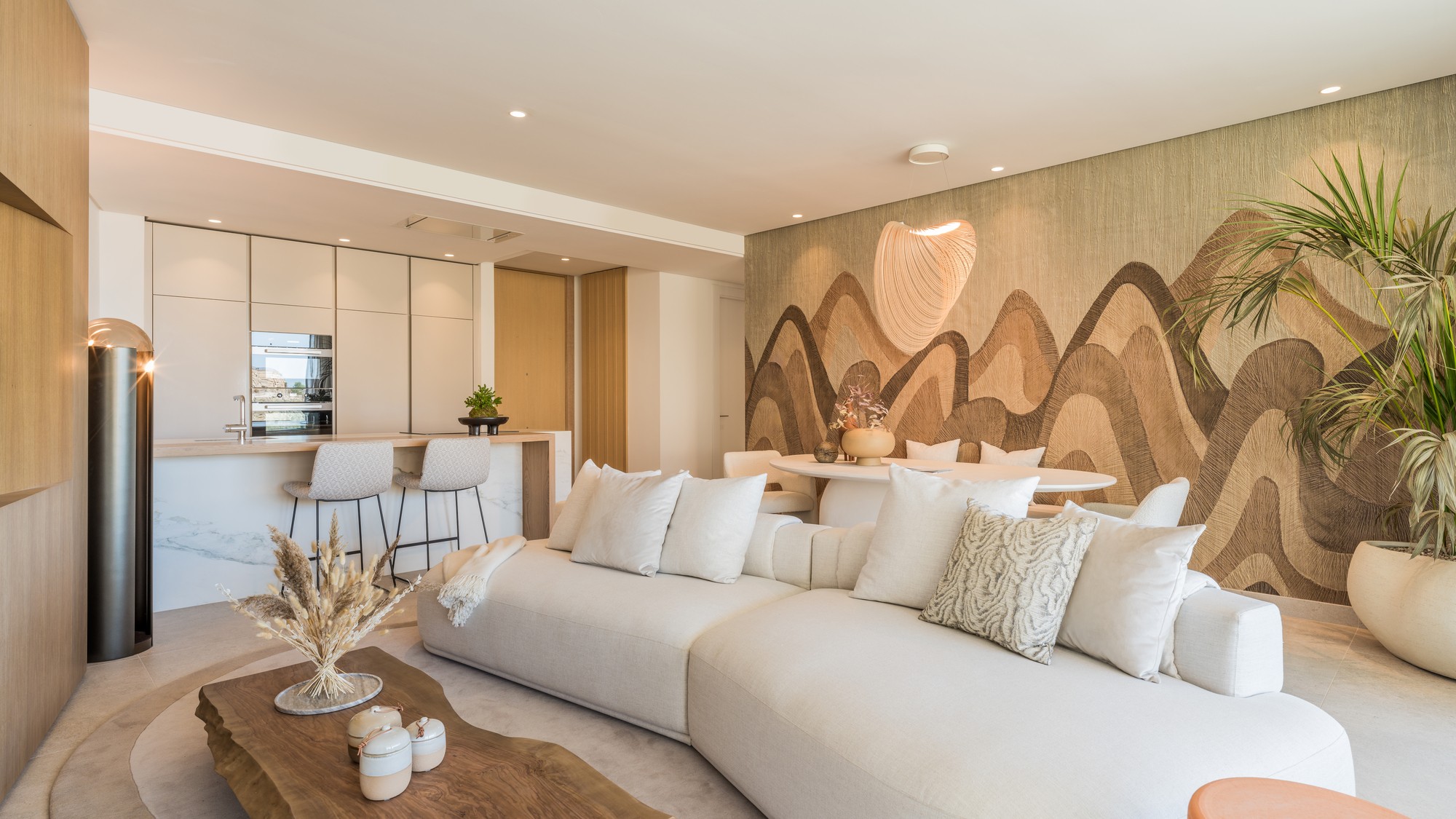
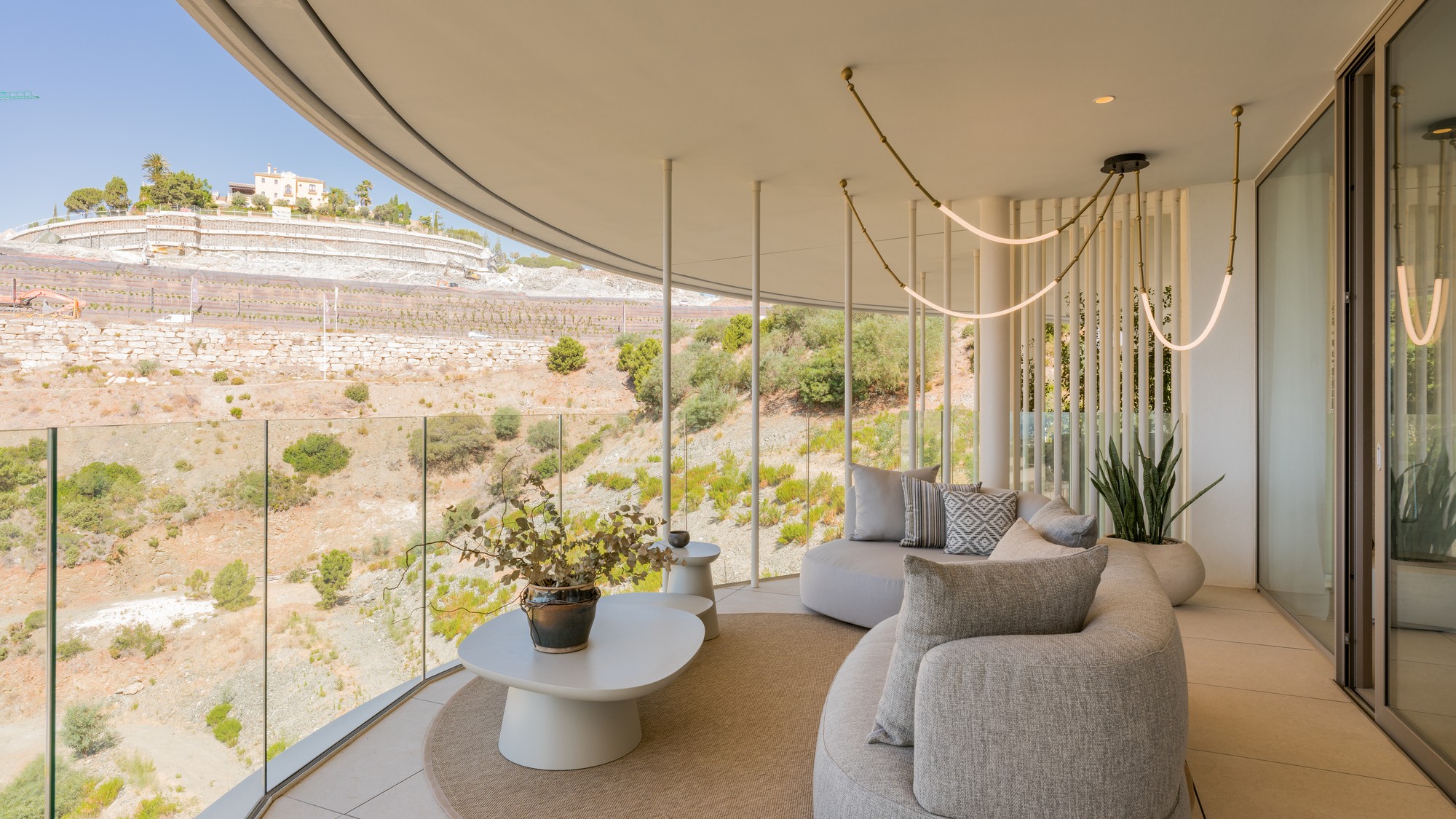
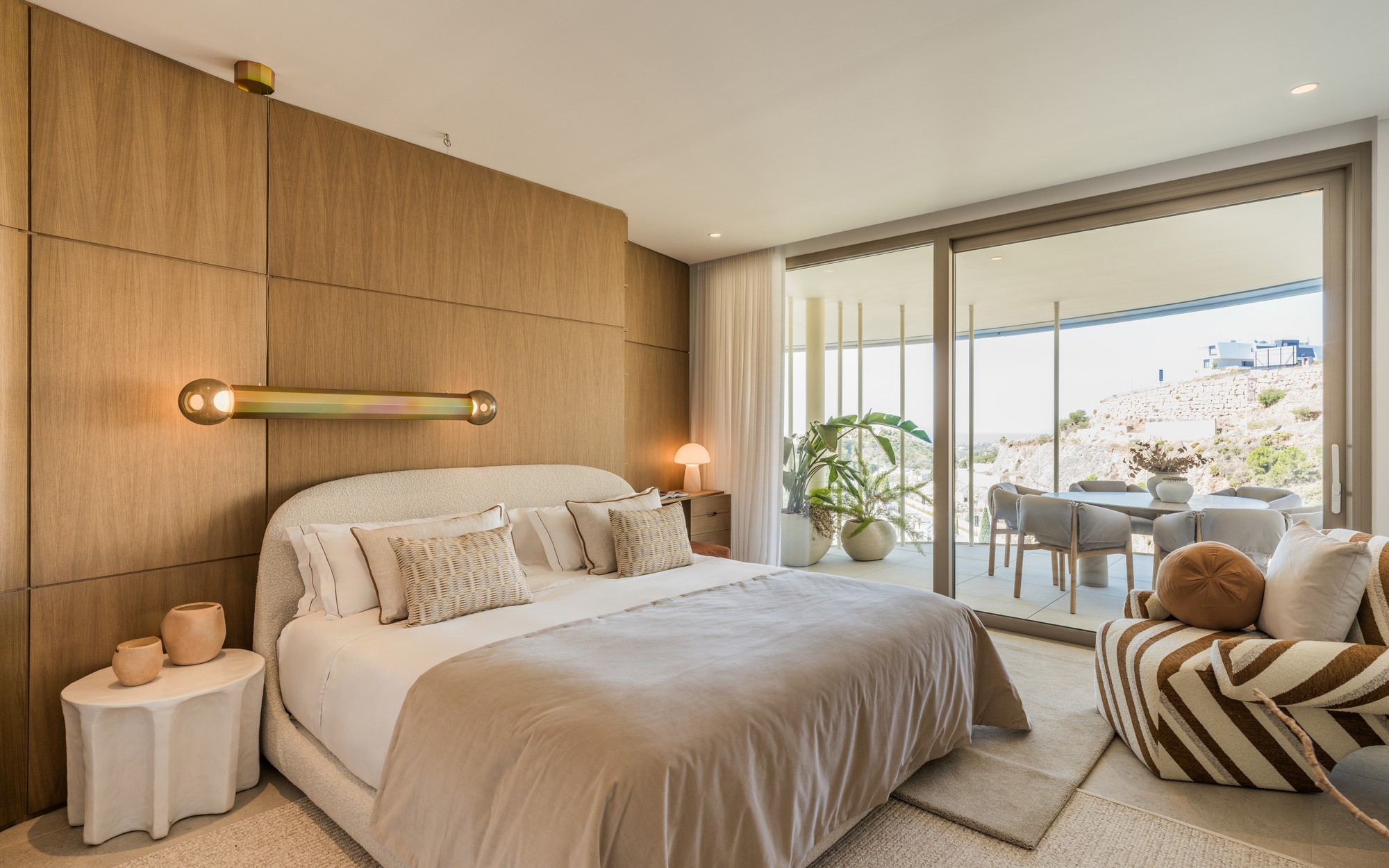
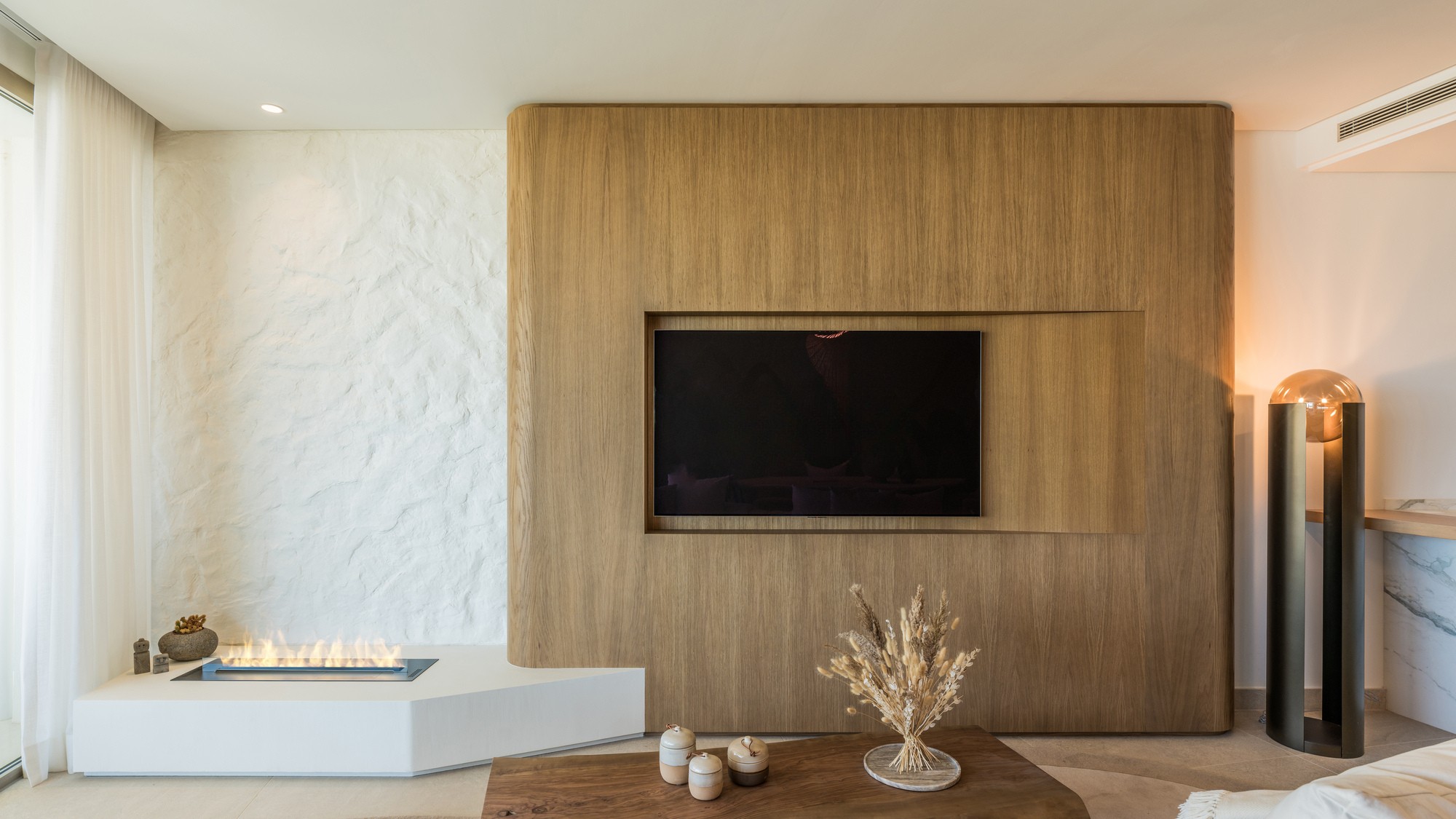
I operate within refined luxury interior architecture, working with private clients, developers, and design teams on high end residential and mixed use projects.
My work focuses on translating how people actually live, behave, and function into precise spatial decisions. This includes defining layouts that support daily routines, optimizing natural and artificial light exposure, selecting materials that influence comfort and sensory experience, and shaping environments that affect how people feel and perform over time.
What sets my work apart is the structured process behind it. I developed the Morena System, which allows me to move beyond intuition and turn human patterns into clear planning strategies. This brings a higher level of clarity to projects, reduces guesswork, and creates alignment between the client, the design, and the long term use of the space.
I am often brought into projects at early stages, where spatial decisions have the highest impact, working alongside architects and developers to define the direction before it becomes fixed. This allows the project to be shaped around real user needs rather than adjusted later.
Beyond individual projects, I am building a broader framework that expands this approach into a scalable system. This includes a published book that presents the methodology, as well as ongoing development of a technology layer designed to support more precise and human centered decision making across the industry.
I am particularly focused on collaborations with developers, architects, and teams who are working on projects where quality, long term value, and user experience are central to the outcome.
What do you like best about our city? What do you like least?
What I appreciate most about Los Angeles is not only the diversity of environments and lifestyles, but its position as a global center of influence. Design, culture, and ideas that develop here often extend far beyond the city and shape conversations worldwide. That level of impact creates a unique opportunity to introduce new ways of thinking and reach a broader audience.
This was one of the main reasons I chose to base my work here and bring my methodology to this market. Los Angeles allows for both experimentation and visibility, making it a powerful environment for developing and scaling new approaches in design.
At the same time, what I find more challenging is the gap between the potential of the city and how some spaces are actually planned and experienced. There is still a strong emphasis on visual outcome, while the deeper impact of the environment on daily life is often overlooked. For me, that gap represents an opportunity to rethink how spaces are designed and to move toward a more intentional and human centered approach.
Contact Info:
- Website: https://moranid.com/
- Instagram: https://www.instagram.com/barormoran/?igshid=NjY2NjE5MzQ%3D
- LinkedIn: https://www.linkedin.com/in/moranbaror
- Other: https://linktr.ee/barormoran

Popular
-

Greg Hex Is Turning the Everyday Kitchen Knife Into a Modern Design Object
-

Portraits of the Valley
-

LA’s Most Inspiring Stories
-

Rick Norris Learned That Building a Successful Business Means Building a Life You Actually Want to Live
-

How Olivia Rush Turned Survival Into a Mission to Help Others Keep Going
-

How Bibi Goldstein Is Helping Entrepreneurs Reclaim Their Time by Embracing the Power of Delegation


