




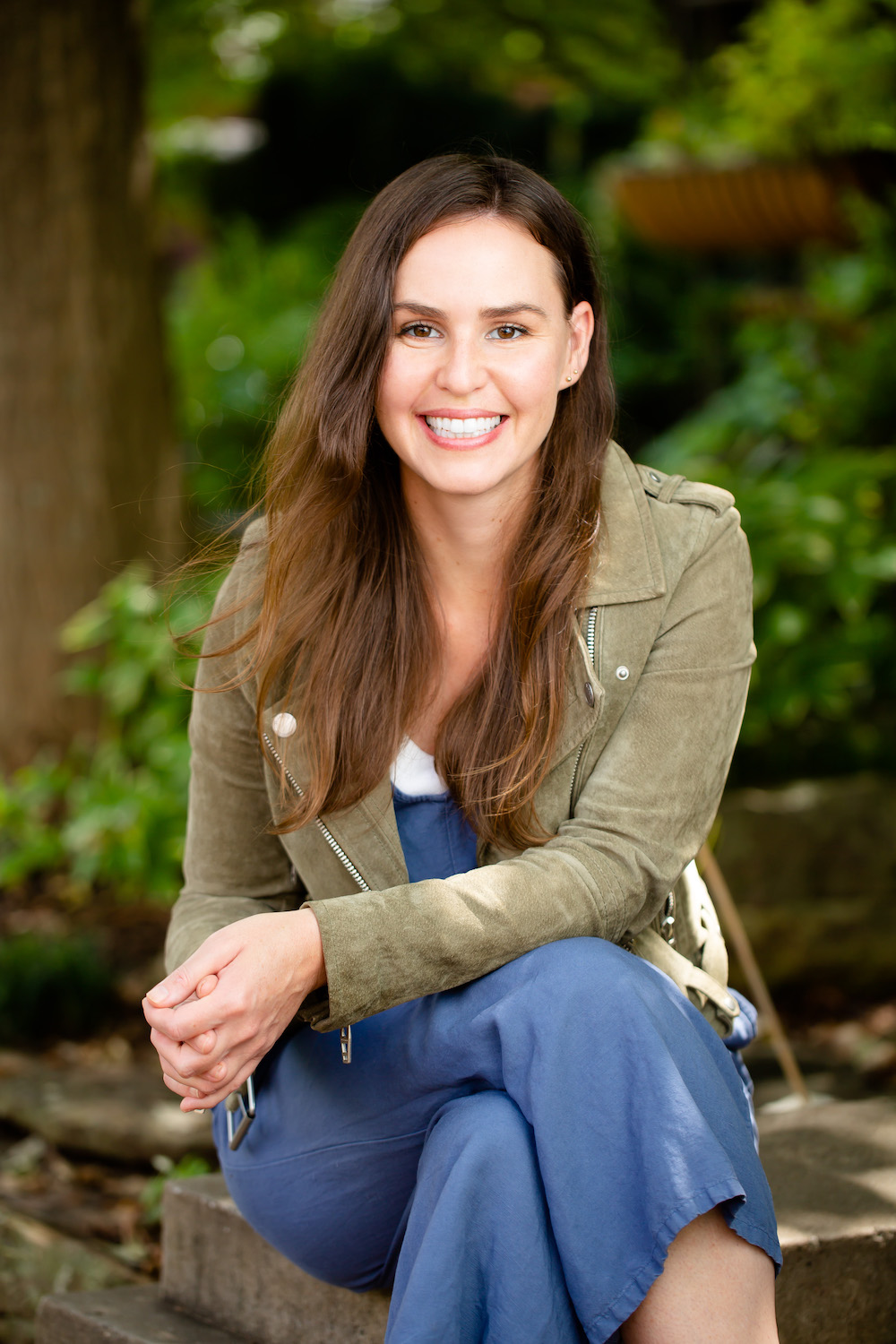
We’re looking forward to introducing you to Faith Ford. Check out our conversation below.
Faith, really appreciate you sharing your stories and insights with us. The world would have so much more understanding and empathy if we all were a bit more open about our stories and how they have helped shaped our journey and worldview. Let’s jump in with a fun one: What do you think is misunderstood about your business?
The biggest misconception is that I’m a landscaper.
I’m not.
I design raised-bed kitchen gardens — edible rooms within a landscape. My work isn’t ornamental landscaping. It’s creating functional, food-producing spaces rooted in soil health.
Floracotta® is a regenerative kitchen garden consultancy based in Los Angeles. Everything I create centers on living biology and open-pollinated plants — because when the soil is healthy, plants thrive.
It’s not just about aesthetics.
It’s about building a living system that works.
When people understand how that system functions, they stop guessing — and start stewarding.
Can you briefly introduce yourself and share what makes you or your brand unique?
I’m Faith Ford, founder of Floracotta®, a Los Angeles–based regenerative kitchen garden consultancy.
I design and install raised-bed kitchen gardens built on soil-first, regenerative principles. These are intentional, edible spaces created specifically for growing food successfully and sustainably.
This spring, I’m launching my open-pollinated seedling nursery for the first time. I grow vegetable starts in soil blocks, nurturing them with regenerative methods from seed. Gardeners can select from seasonal offerings or place custom orders with a lead time of 6-10 weeks.
The philosophy behind everything I do is simple: start with healthy soil biology, and everything else becomes easier.
Great, so let’s dive into your journey a bit more. What’s a moment that really shaped how you see the world?
What’s a moment that really shaped how you see the world?
In 2019, I planted a large garden simply because I felt called to — for the first time since childhood.
When the pandemic slowed life down, I began paying closer attention to our farming systems and how deeply they affect our health. Watching Kiss the Ground and The Biggest Little Farm reframed agriculture for me — not as extraction, but as restoration.
I went on to study soil biology at the Soil Food Web School.
That’s when soil stopped being “dirt.”
I learned that our soils already contain vast mineral reserves. What isn’t missing is minerals — it’s biology. Microbes and fungi unlock the mineral nutrients already present.
Soil is not inert.
It’s a living system.
That realization reshaped how I see everything. When we restore biology, we restore function. When we restore function, we restore health.
It gave me direction when the world felt uncertain.
We don’t fix systems by force.
We restore them by supporting life.
What did suffering teach you that success never could?
Suffering taught me how to succeed in the garden.
In 2019, I followed all the “right” steps — and still had disappointing yields. That frustration forced me to look deeper. I realized the minerals were already present. What was missing was living soil biology.
I learned something bigger: you can memorize instructions, but you only understand systems when something fails.
Success teaches repetition.
Suffering teaches understanding.
There’s also a practical side to this in my business. Many clients call me after they’ve struggled. That experience makes them more open — but it can also mean beds or soil were set up incorrectly, and soil is heavy. It’s not easy to redo.
The ideal moment to call me is at the beginning. But I’ve learned that struggle creates readiness. When someone has seen what doesn’t work, they’re far more willing to build something that will.
Next, maybe we can discuss some of your foundational philosophies and views? What are the biggest lies your industry tells itself?
One of the biggest lies in modern agriculture is that we need pesticides, GMOs, and synthetic fertilizers to feed the world.
For millions of years, ecosystems thrived without synthetic inputs. Nature already built a system — rooted in living soil.
What we’re often missing isn’t chemistry.
It’s biology — the biology that unlocks the mineral nutrients already present.
When soil life is restored, soil structure improves, nutrients cycle, carbon is stored, water is retained, and plants naturally regulate pests.
Instead of constantly adding inputs, we should be rebuilding biological systems.
Because when biology is restored, many of the “problems” we try to control begin to stabilize themselves.
Working with nature isn’t nostalgic.
It’s systems thinking.
The future of agriculture isn’t more force — it’s more life.
Before we go, we’d love to hear your thoughts on some longer-run, legacy type questions. Are you doing what you were born to do—or what you were told to do?
I’m doing what I was born to do — but I didn’t recognize it at first.
I moved to Los Angeles in my early twenties for school, and like many people here, access to land wasn’t part of daily life. Gardening became out of sight, out of mind.
But the signs were always there.
As a child, I tended a small edible garden lined with marigolds, growing peppers and tomatoes. I searched for four-leaf clovers in the grass and foraged for berries. My mom would cut lily-of-the-valley and place it by my bed — that delicate, sweet fragrance still brings me back to my earliest memories.
Later, I volunteered at Turtle Lake Refuge in Durango, Colorado, learning about wild foods and living in relationship with the land.
I was always drawn to edible plants and natural systems — I just hadn’t connected the dots yet.
In 2019, when I finally had access to a small patch of soil again, I felt an undeniable urge to plant. Something clicked.
Looking back, it feels inevitable. The threads were always there — waiting for the right season to come together.
Looking back, the wandering wasn’t random — it was preparation.
Contact Info:
- Website: https://www.floracotta.com
- Instagram: floracotta
- Linkedin: https://www.linkedin.com/in/faithford/
- Twitter: floracotta
- Facebook: https://www.facebook.com/floracotta
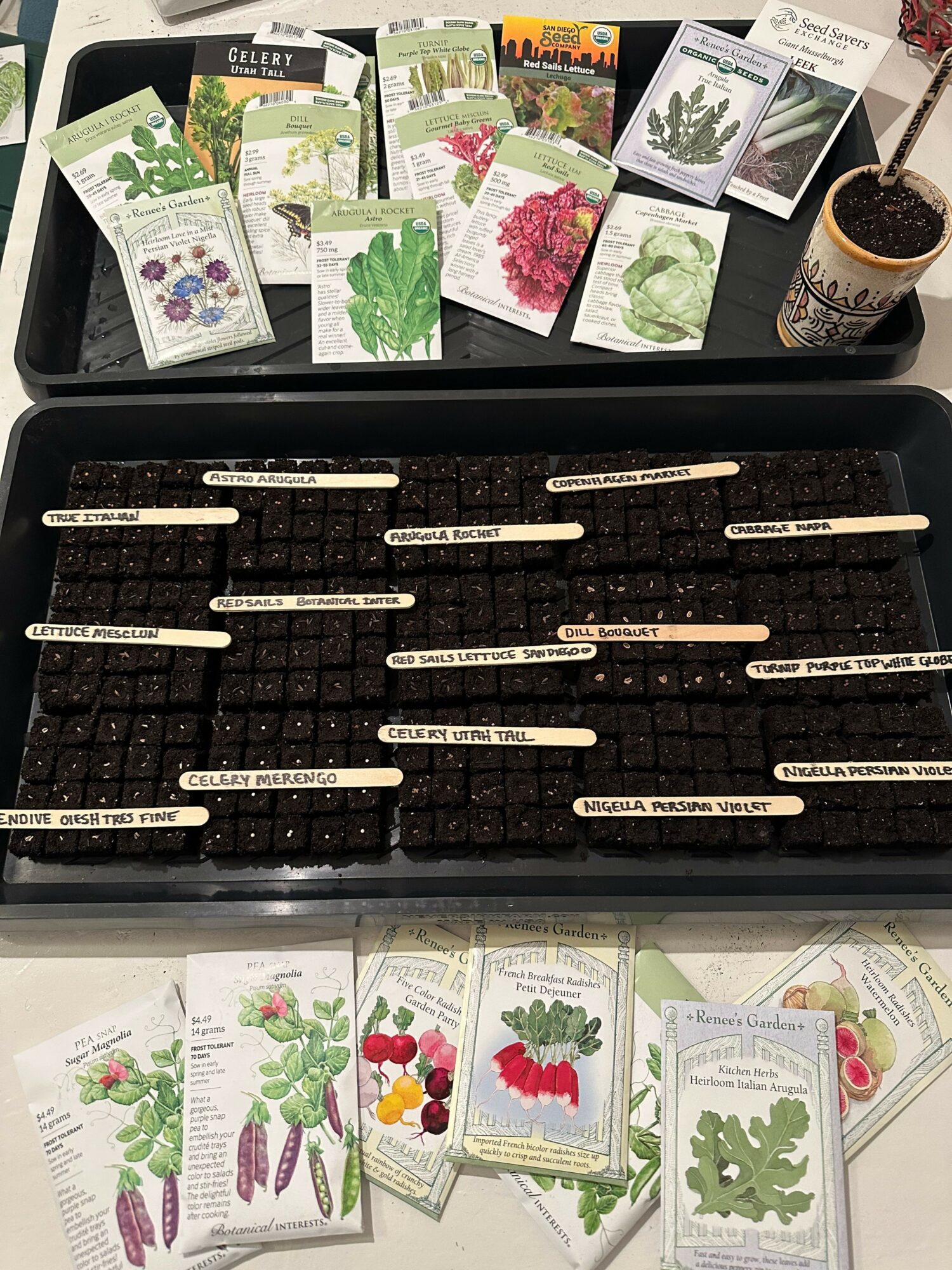
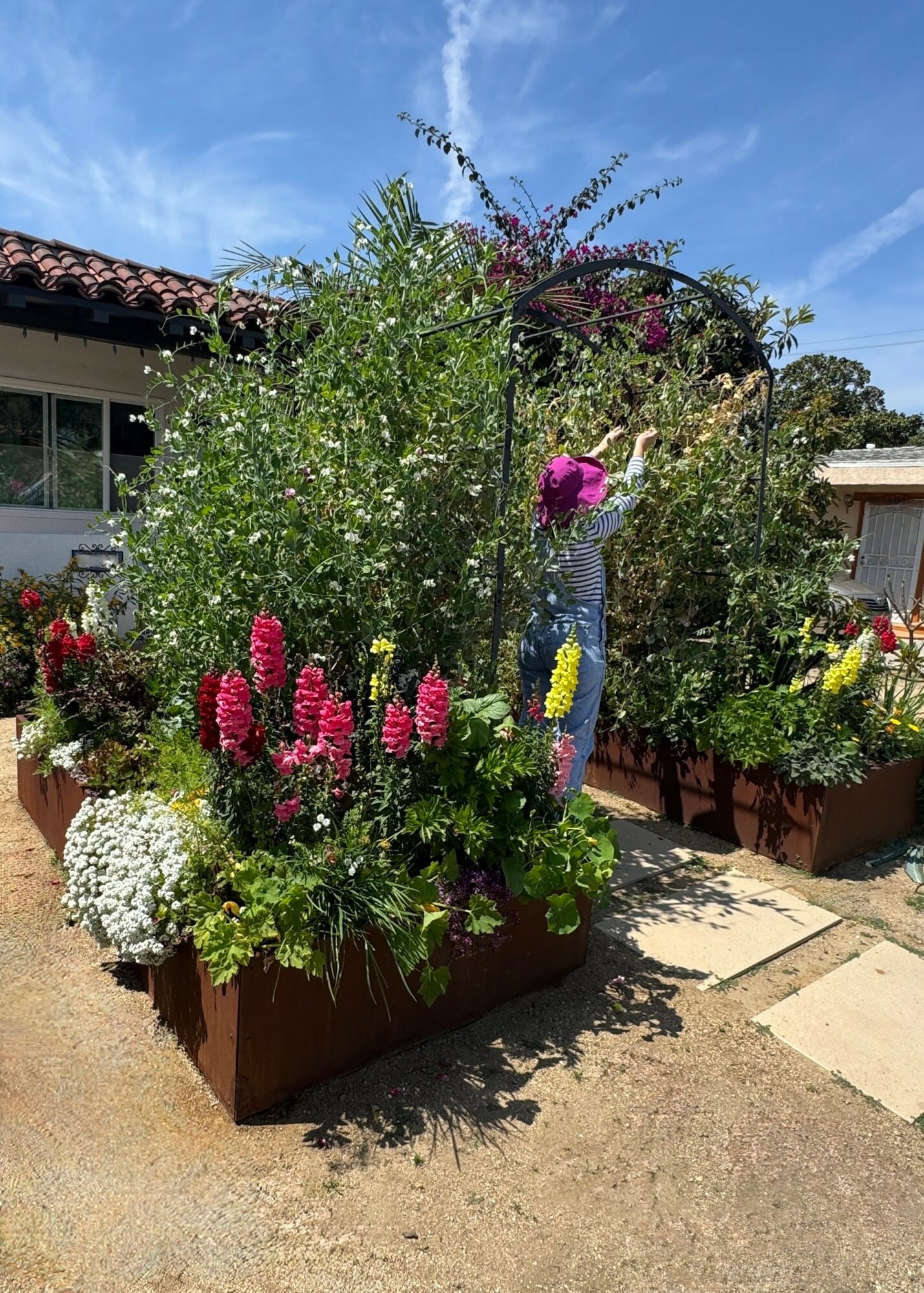
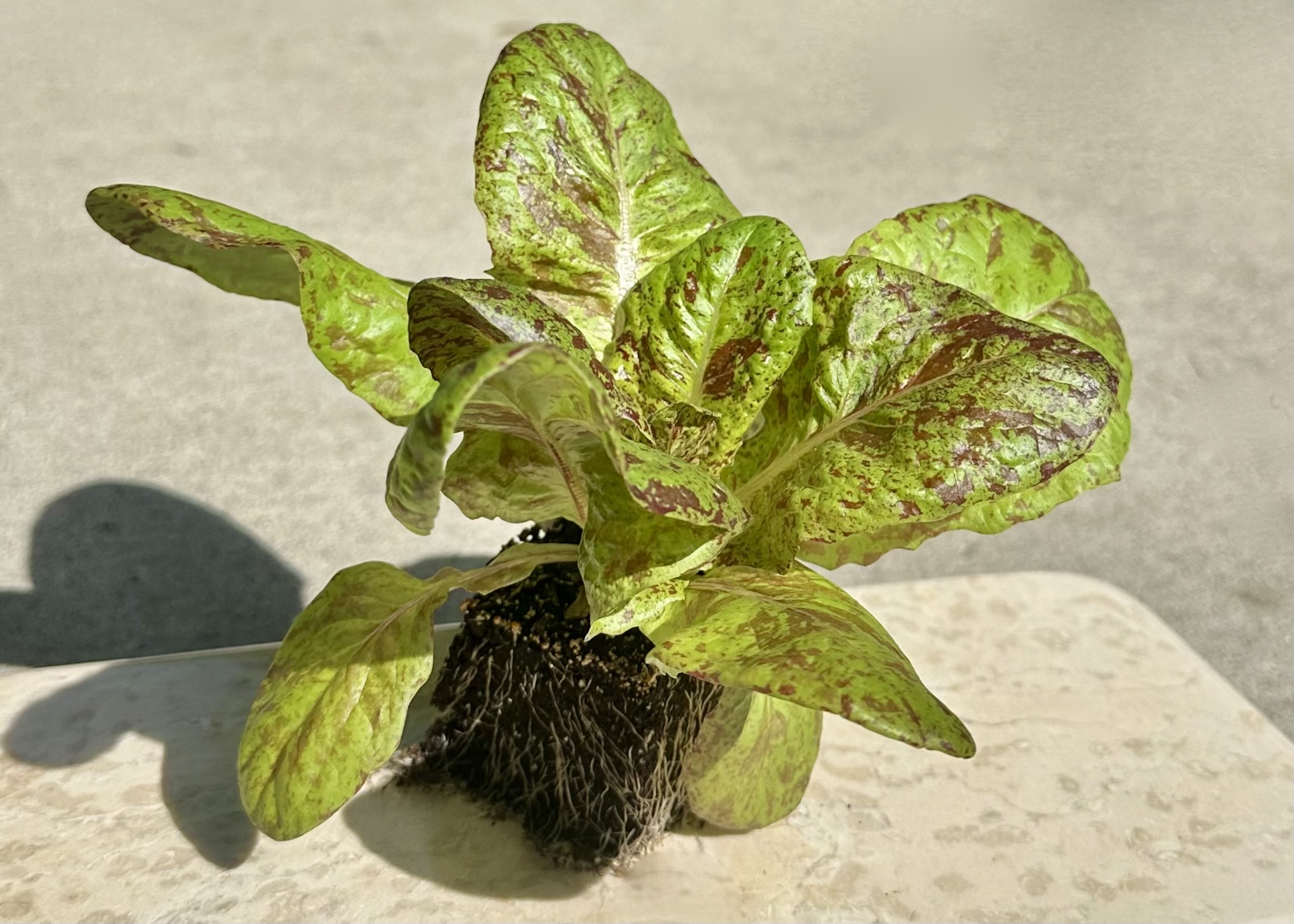
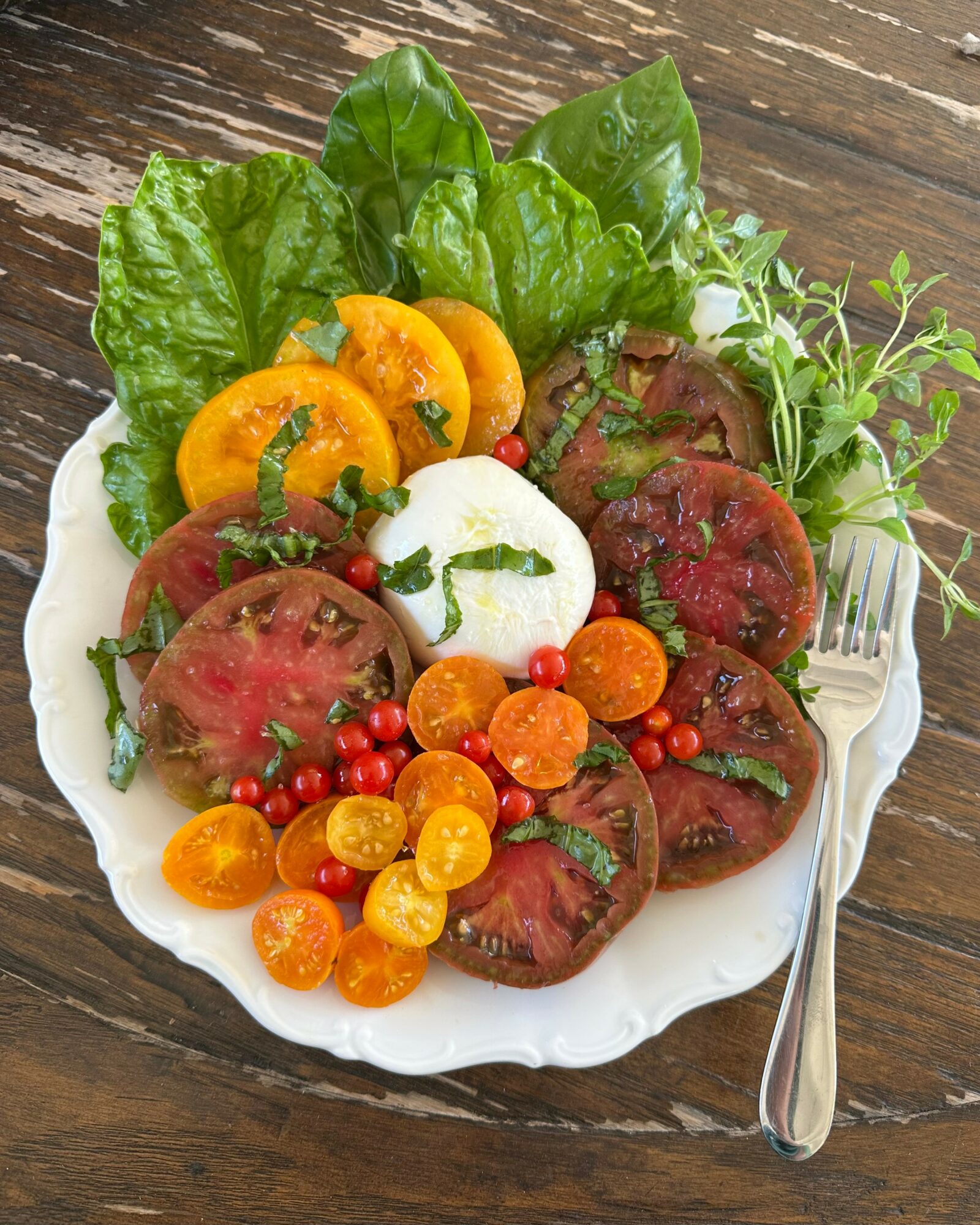
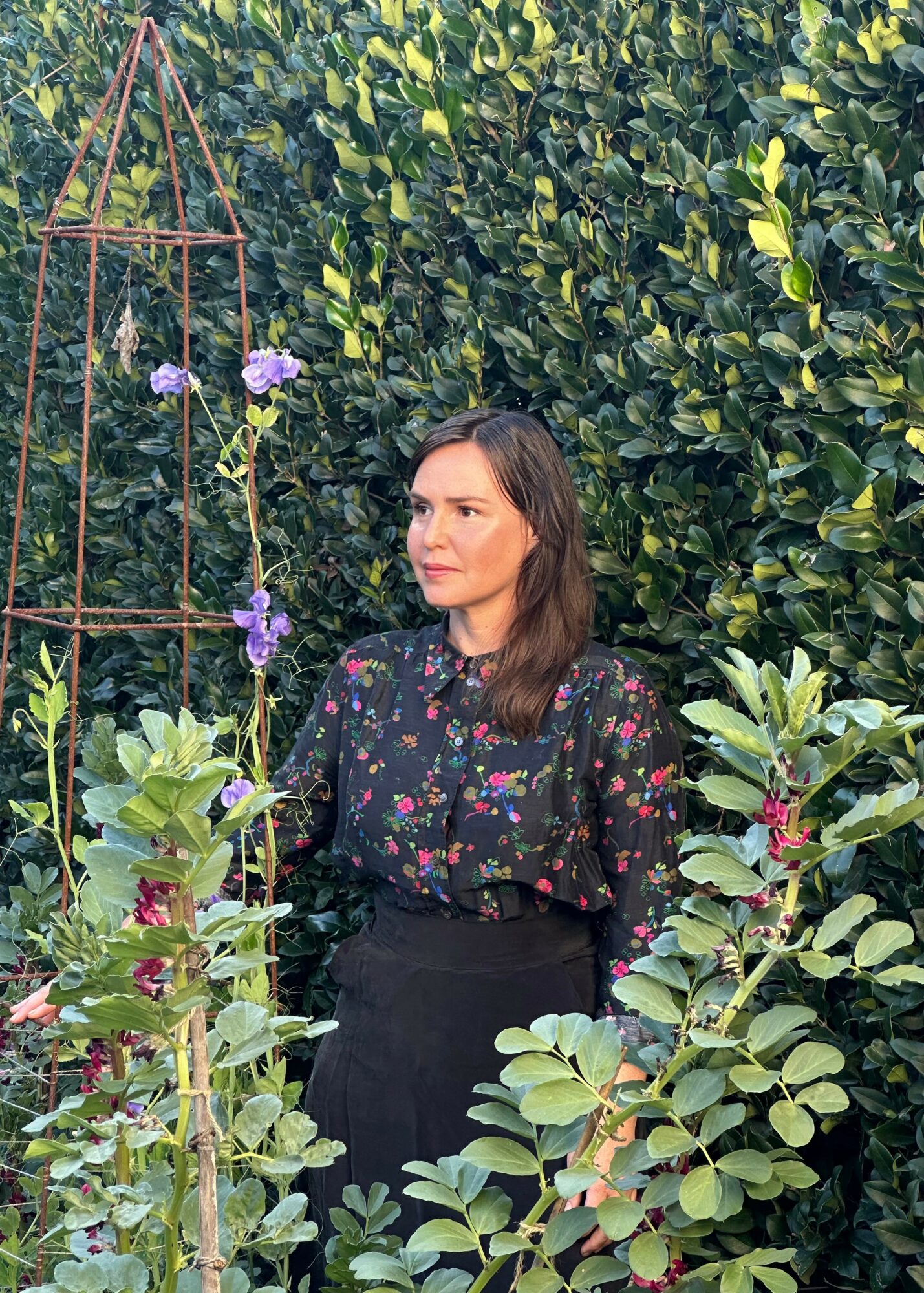
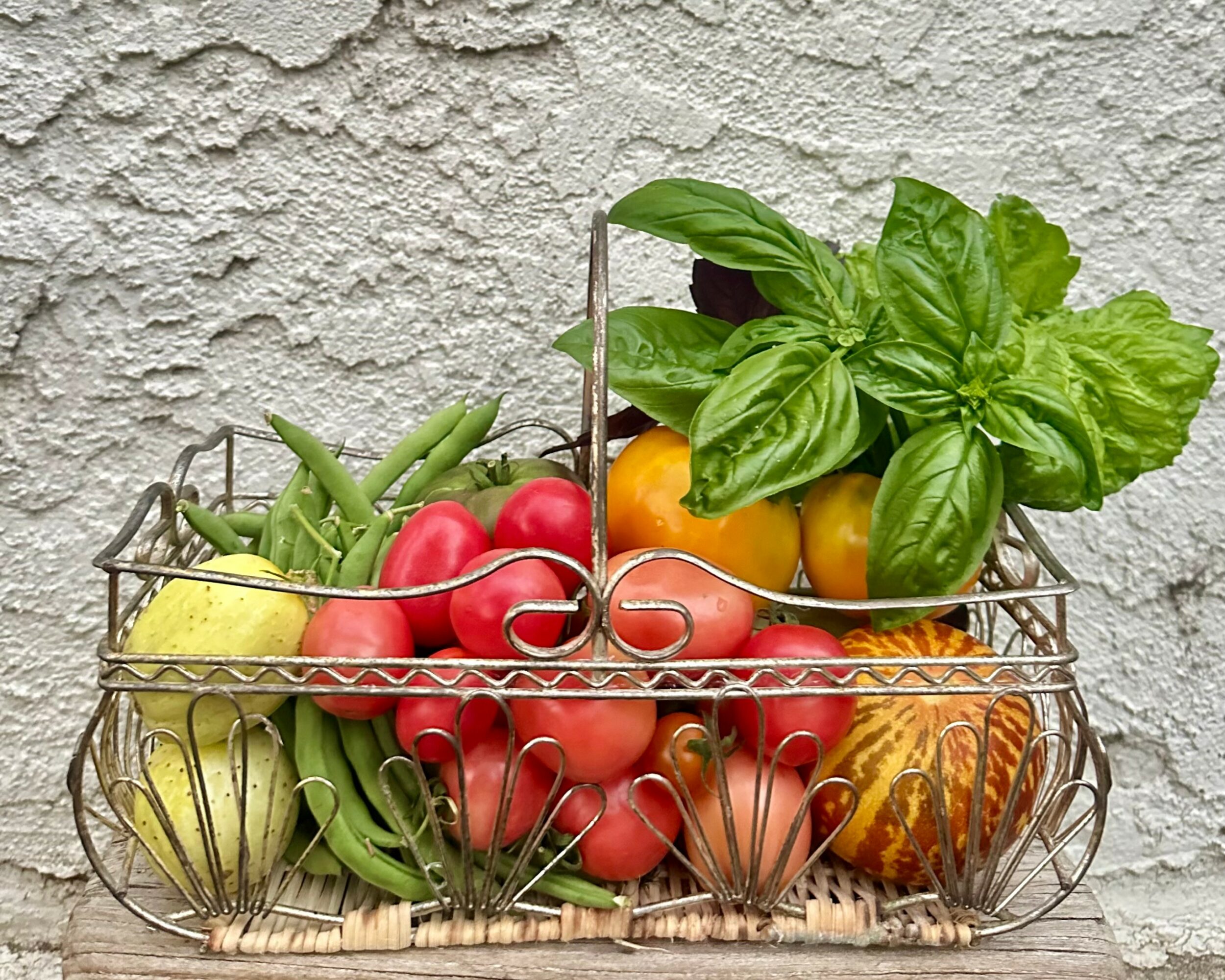
Image Credits
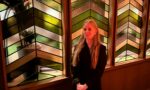
Photo by Daniel Moody (headshot).
All other images by Faith Ford.
Popular
-

Linda Kneidinger on Building Lasting Change Through Small Steps and Self-Compassion
-

Jolana Nika on Redefining Modern Connection Through Intentional, Real-Life Experiences
-
What did suffering teach you that success never could?
-
Who saw you clearly before you could see yourself?
-

Who taught you the most about work?
-

Is the public version of you the real you?


