




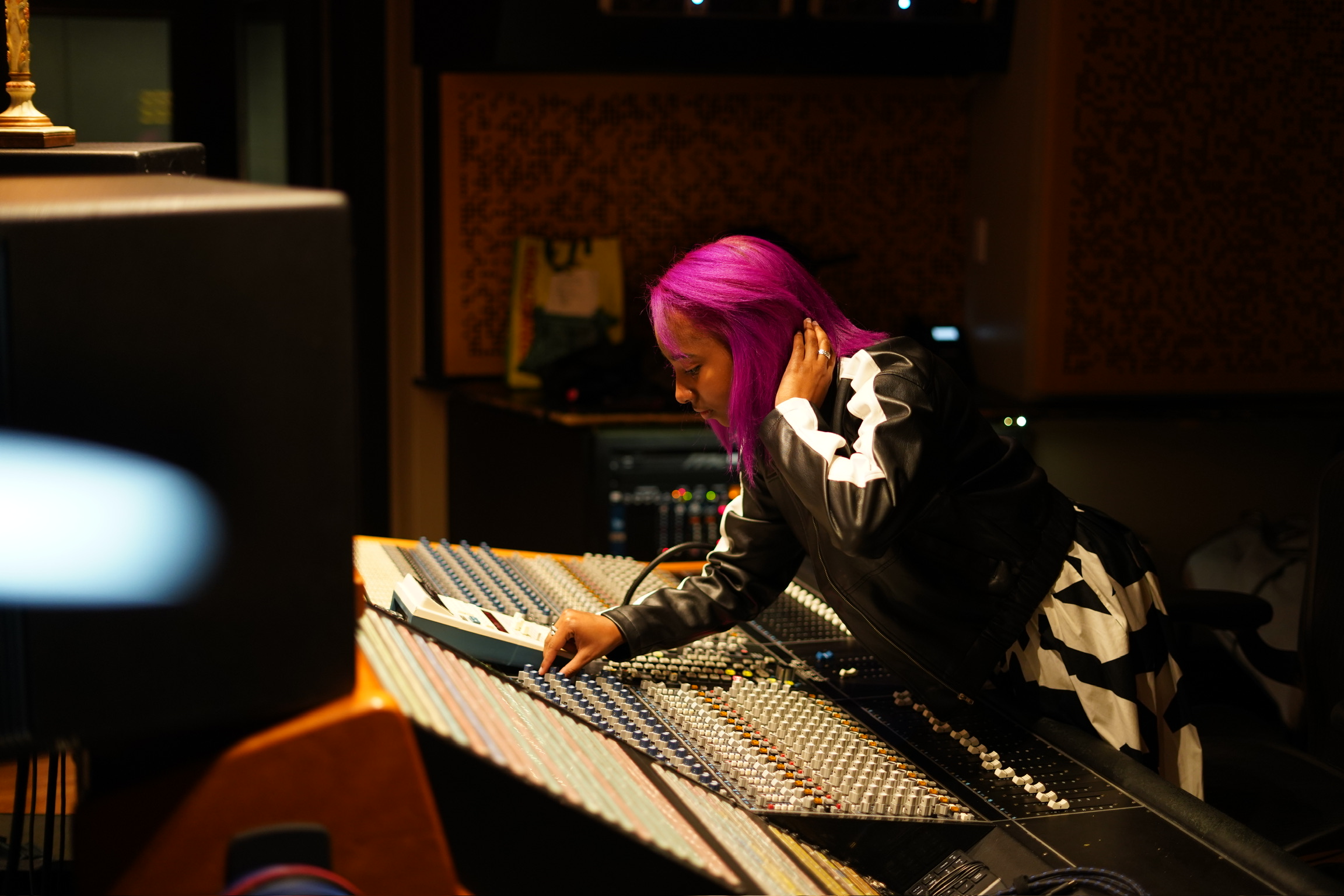
Today we’d like to introduce you to Paulina Nuamah.
Hi Paulina, can you start by introducing yourself? We’d love to learn more about how you got to where you are today?
I started singing and learning piano in kindergarten and joined choir in elementary school. I’ve also been writing poems for as long as I can remember, which naturally turned into songwriting over time.
I also moved around a lot growing up, which meant learning from a wide range of teachers and coaches. That exposed me to different approaches to music and creativity early on, and made me really adaptable in how I learn and collaborate.
In middle school, I joined choir and band, playing trumpet. The summer before high school was when I first started producing on GarageBand on my phone, just experimenting and figuring things out on my own. That led me to a summer program where I was introduced to Ableton Live, and from there, I started recording my own songs at home and really developing my production skills.
In high school, I rejoined choir and also started a club called the Composers Club, where people would come together weekly to write music and share ideas. That was my first experience building a creative space, which is something I still care a lot about in the work I do now.
I later attended Interlochen for a songwriting program, which introduced me to other artists who were just as serious about music as a career. That was a turning point for me in realizing this was something I wanted to fully commit to.
After high school, I went to Berklee College of Music and double majored in Music Production & Engineering and Electronic Production & Design. I knew I wanted to be involved in music, but more so in a collaborative role—working with artists to help bring their ideas to life.
While Music Production & Engineering grounded me in recording, mixing, and working in studio environments, Electronic Production & Design pushed me more creatively. It’s where I really started developing my own sound—experimenting with sound design, texture, and how electronic elements can shape the emotional identity of a track.
While I was in school, I also sought out hands-on experience in different areas of the industry. I interned as a live sound engineer at Loretta’s in Boston, which introduced me to the live performance side of music and how to think quickly in real-time environments. I also interned at Blackbird Studio in Nashville, where I learned the role of a runner and got a closer look at the inner workings of high-level studio sessions.
Later, I worked as an assistant engineer at Mad Oak Studios in Boston, which gave me the opportunity to record my own bands and artists. That was a big moment for me, because it was the first time I was able to really start shaping my own sound while working directly with collaborators.
College is where everything really clicked. I got to work in studio environments, learning how to record and work with analog gear, while also diving deeper into digital production, sound design, and writing for visuals.
Since graduating, I’ve spent most of my time continuing to develop my sound and refine my skills. I’m working toward releasing more of my own music, but a big part of that process has been figuring out what I bring into a room—how I can elevate a track and contribute something meaningful to the artists I work with.
At this point, I think of production as both technical and emotional. It’s not just about making something sound good—it’s about creating a feeling, or even a world, through sound.
Alright, so let’s dig a little deeper into the story – has it been an easy path overall and if not, what were the challenges you’ve had to overcome?
It hasn’t been a completely smooth road. A lot of my challenges have been internal—dealing with self-doubt, impostor syndrome, and comparing myself to others, especially in spaces where everyone is extremely talented.
Over time, I’ve had to learn how to shift my focus away from comparison and more toward growth and consistency. Confidence doesn’t really come from feeling ready—it comes from showing up and doing the work anyway.
Another challenge has been navigating sessions when things don’t go as planned. Early on, I would get overwhelmed or freeze up when something technical went wrong. Now, I’m able to stay calm, troubleshoot, and keep the session moving.
I’ve also realized that energy matters just as much as technical skill. If the room feels off, it affects the music, so I try to move in a way that supports the artist and keeps things feeling open and collaborative.
At the end of the day, the goal is always the music—not trying to prove something, but helping bring the best version of a song to life.
Alright, so let’s switch gears a bit and talk business. What should we know about your work?
I’m a freelance music producer and mixing engineer, and I also work at The Village Recorder as a studio runner, supporting sessions and helping maintain the studio environment.
Being in those spaces has taught me a lot about how sessions actually function at a high level—how important adaptability, attention to detail, and energy are, especially when things are moving fast.
My work mainly focuses on production and mixing, and I’m especially interested in shaping the emotional tone of a track—how it feels, not just how it sounds. I’ve worked across a range of genres, which I’m really proud of, because it’s helped me stay flexible while still developing my own sound.
I think what I’m most proud of right now is developing my own sound—taking everything I’ve learned across different environments and shaping it into something that feels intentional, cohesive, and uniquely mine.
I’m especially drawn to pop, rock, and metalcore, and I love blending electronic elements like synths and foley with more acoustic instrumentation. I tend to approach songs in a cinematic way, thinking about how each sound contributes to an overall atmosphere, almost like building out a scene.
I approach music like storytelling—often inspired by dystopian and cinematic worlds, and driven by emotions like tension, betrayal, and anger. I’m really interested in building that journey through sound, blending intense, high-energy moments with more atmospheric, detailed ones.
A big influence on my sound has been Nine Inch Nails, especially their work on Tron: Legacy. That blend of industrial, electronic, and cinematic elements really shaped how I think about intensity and texture.
Some of my other inspirations include Bring Me The Horizon, VOILÀ, Twenty One Pilots, and Zedd, as well as composers like Ludwig Göransson and Daniel Pemberton.
I think what’s starting to set me apart is that balance between technical precision and creative intuition. I care about getting things right on a technical level, but I’m just as focused on whether something actually feels right.
At the core of it, I’m always trying to pull the most out of a track—whether that’s through arrangement, sound design, or subtle details that make something hit harder and feel more alive.
Right now, a lot of my work is still in development, but very intentional. I’ve been focused on building a sound that feels distinct and cohesive, and I’m actively looking to collaborate with artists in the pop, rock, and alternative spaces who connect with that direction.
Is there a quality that you most attribute to your success?
One of the most important qualities for me has been my willingness to put myself in situations where I have to learn quickly, even if it’s uncomfortable.
I also think being able to balance creativity with logistics is really important—knowing when to focus on the technical side and when to let things flow.
I’d also say adaptability plays a big role. Being able to walk into different environments, read the room, and support what the artist or session needs in that moment is something I really value.
I also really value being able to integrate an artist’s style with my own, regardless of genre—bringing my perspective while still supporting what makes them unique. As much as I’m drawn to certain styles, I want to be able to work across all kinds of material and meet new, interesting people through that process.
I also really value being someone people enjoy working with—creating an environment where artists feel comfortable, supported, and able to take creative risks.
And honestly, I try not to take everything too seriously. Sessions work best when there’s a sense of ease. People make their best work when they feel comfortable, so I try to help create that kind of environment whenever I can.
Pricing:
- Please reach for quotes.
Contact Info:
- Website: https://aulinmusic.wixsite.com/aulin-music
- Instagram: https://www.instagram.com/aulinmusic/
- LinkedIn: https://www.linkedin.com/in/paulina-nuamah/
- Other: https://credits.muso.ai/profile/ab8fe39f-fa79-4190-8f54-39d31a164a35
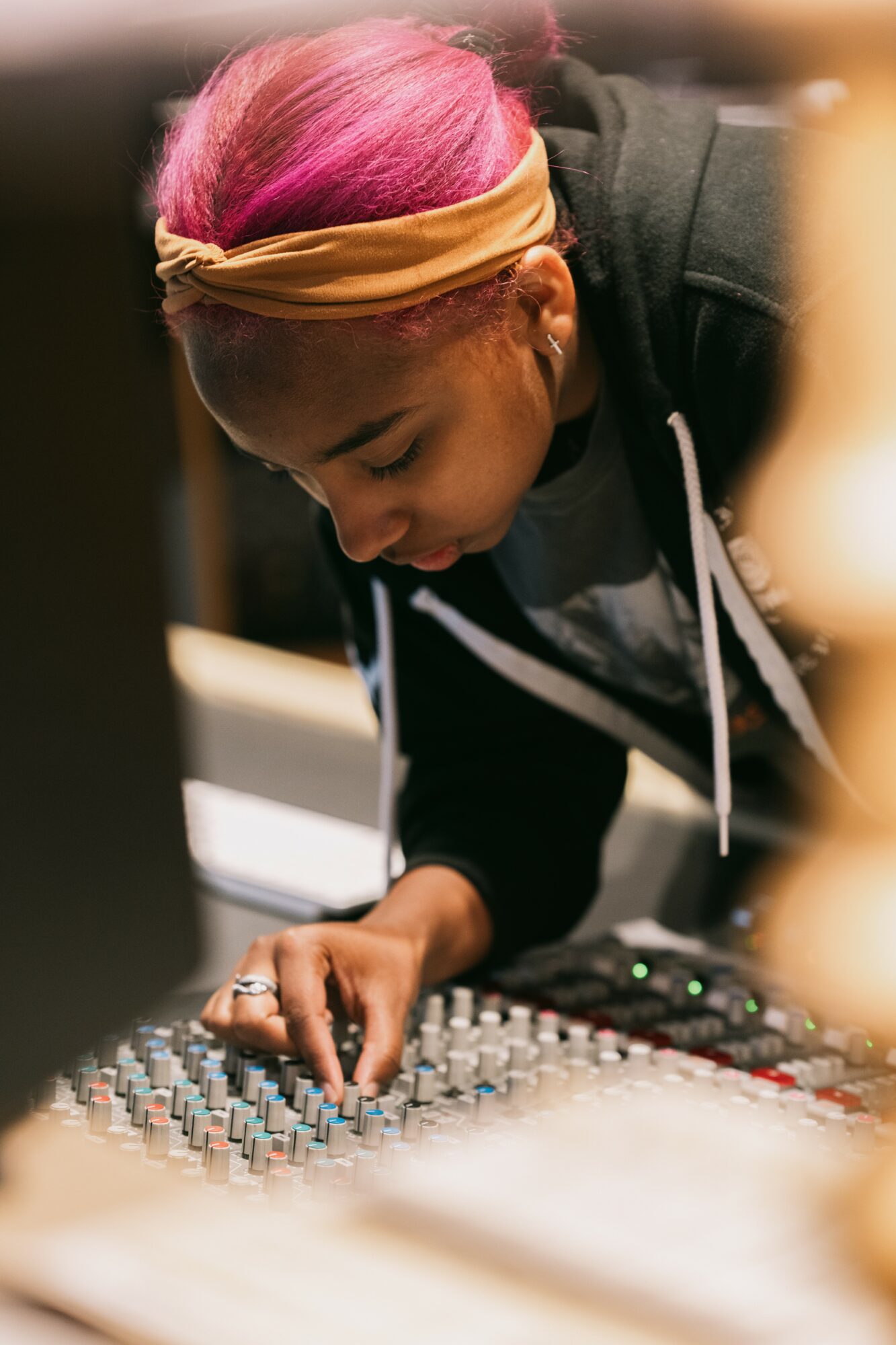
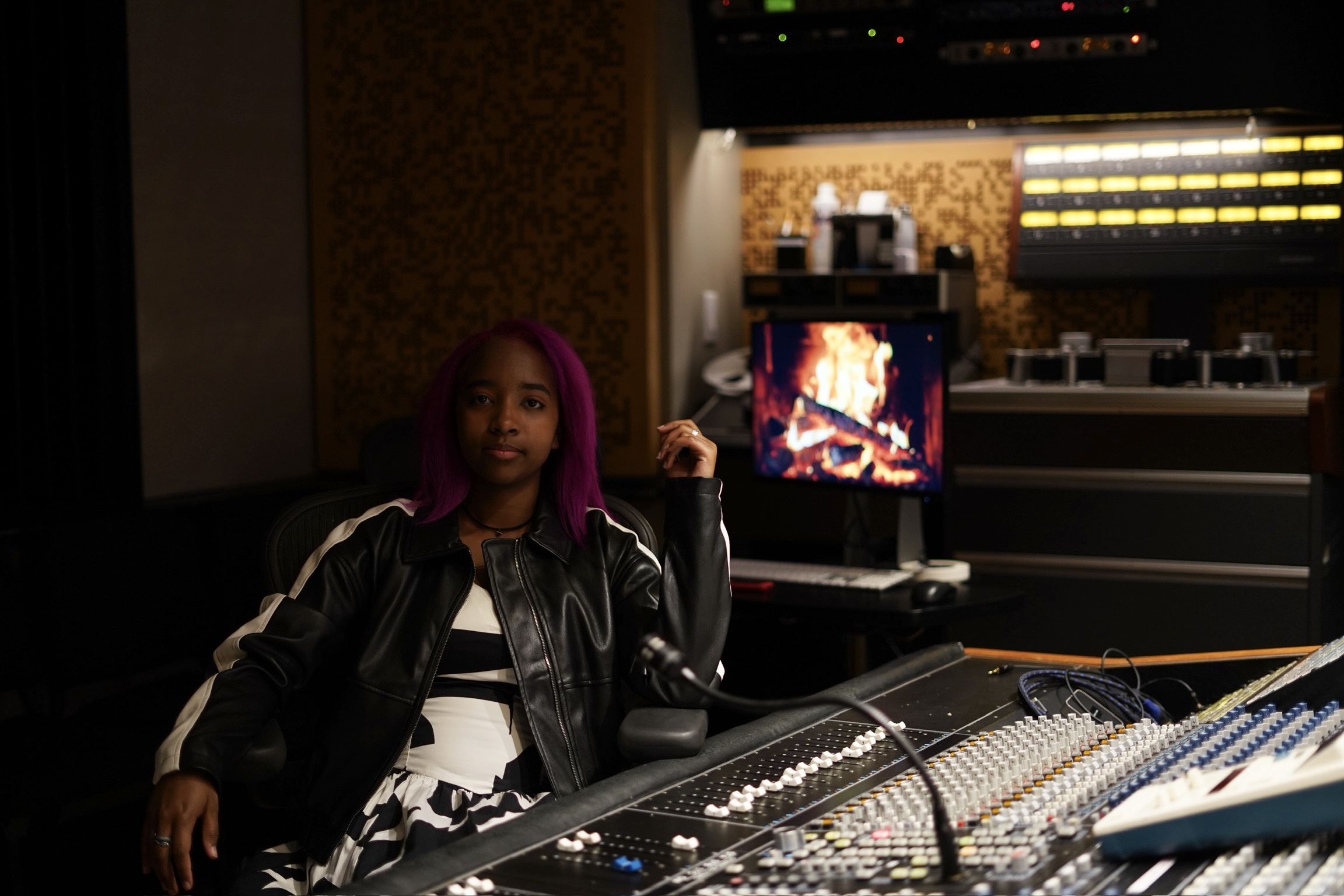
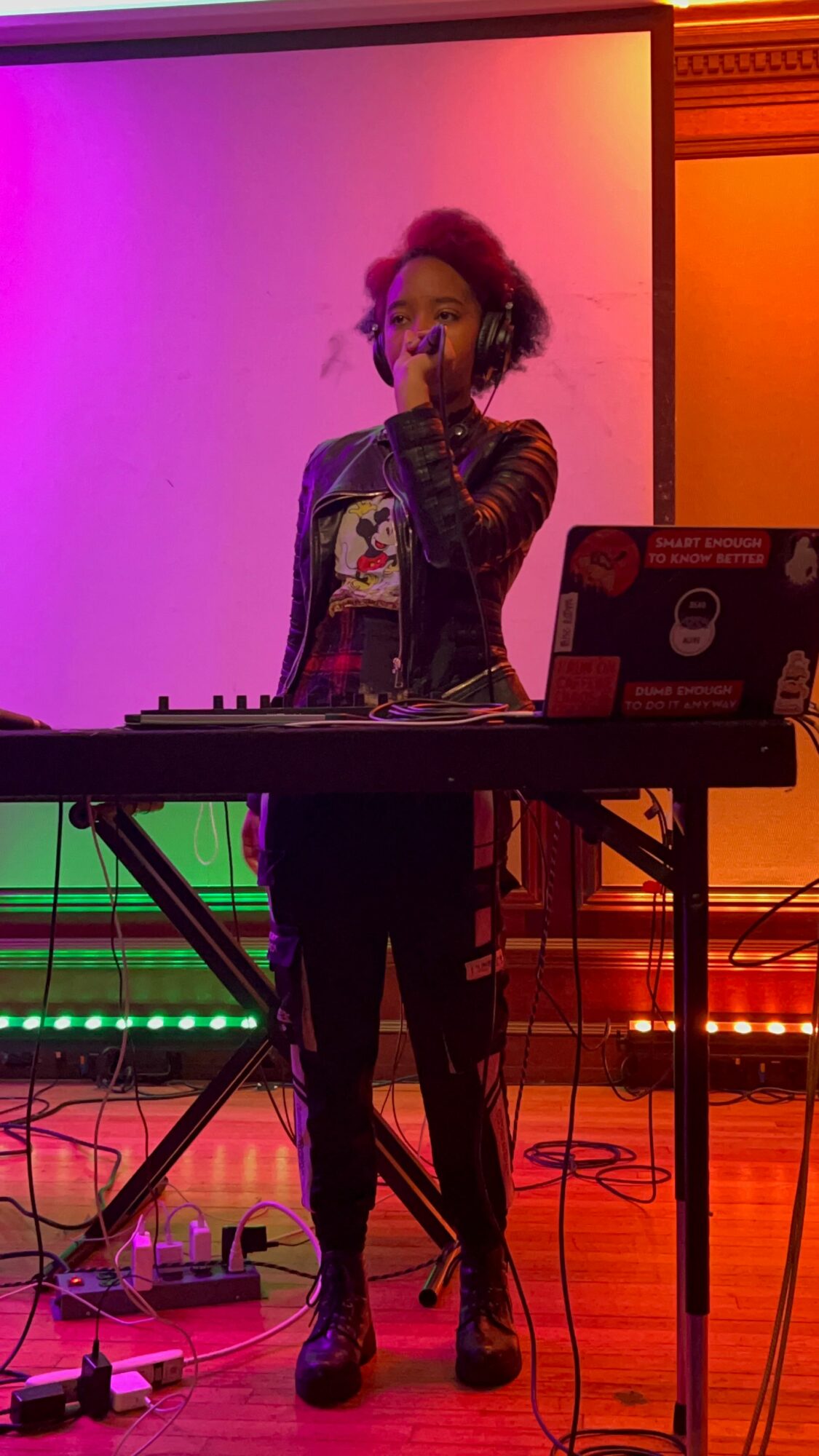
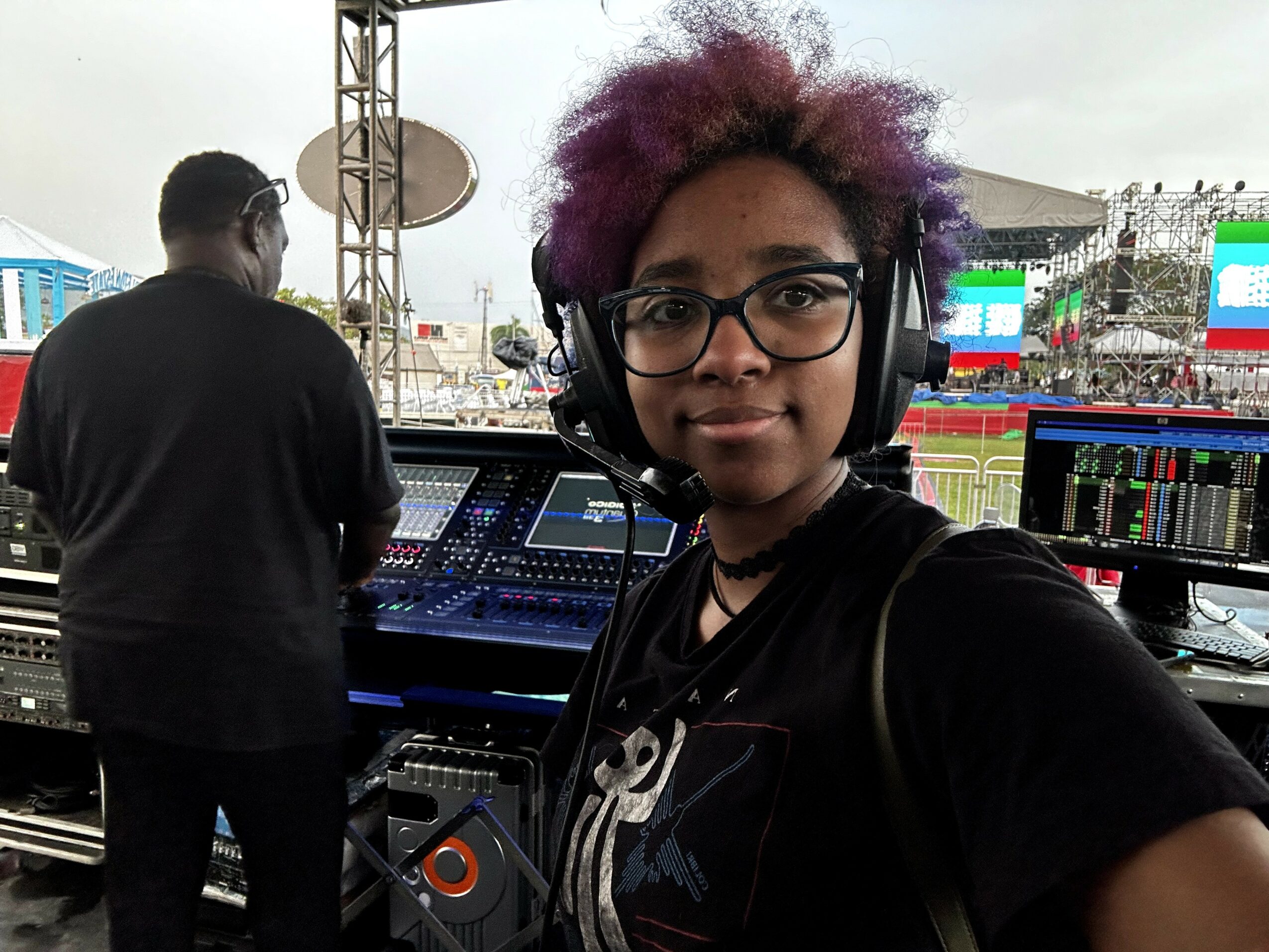
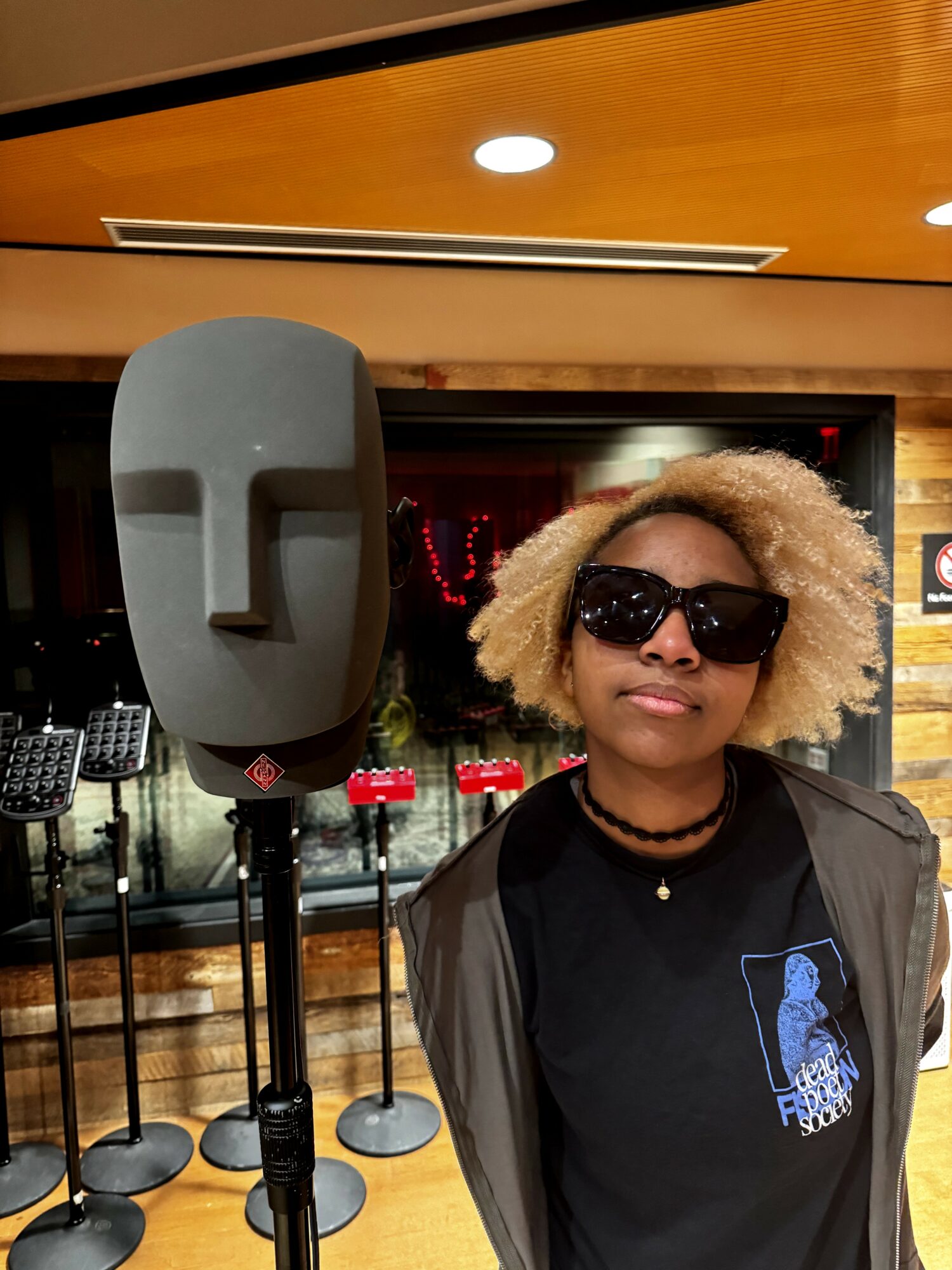
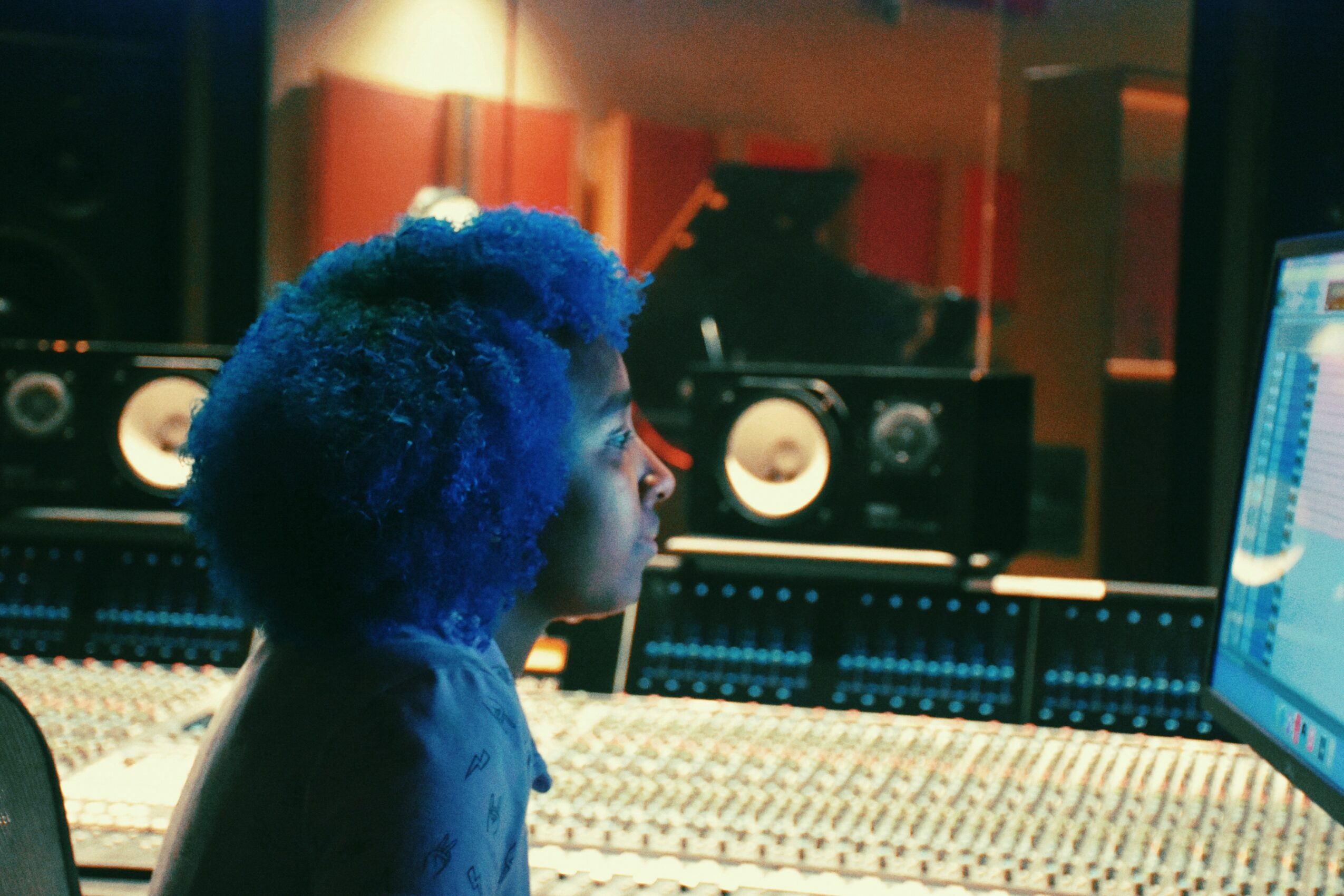
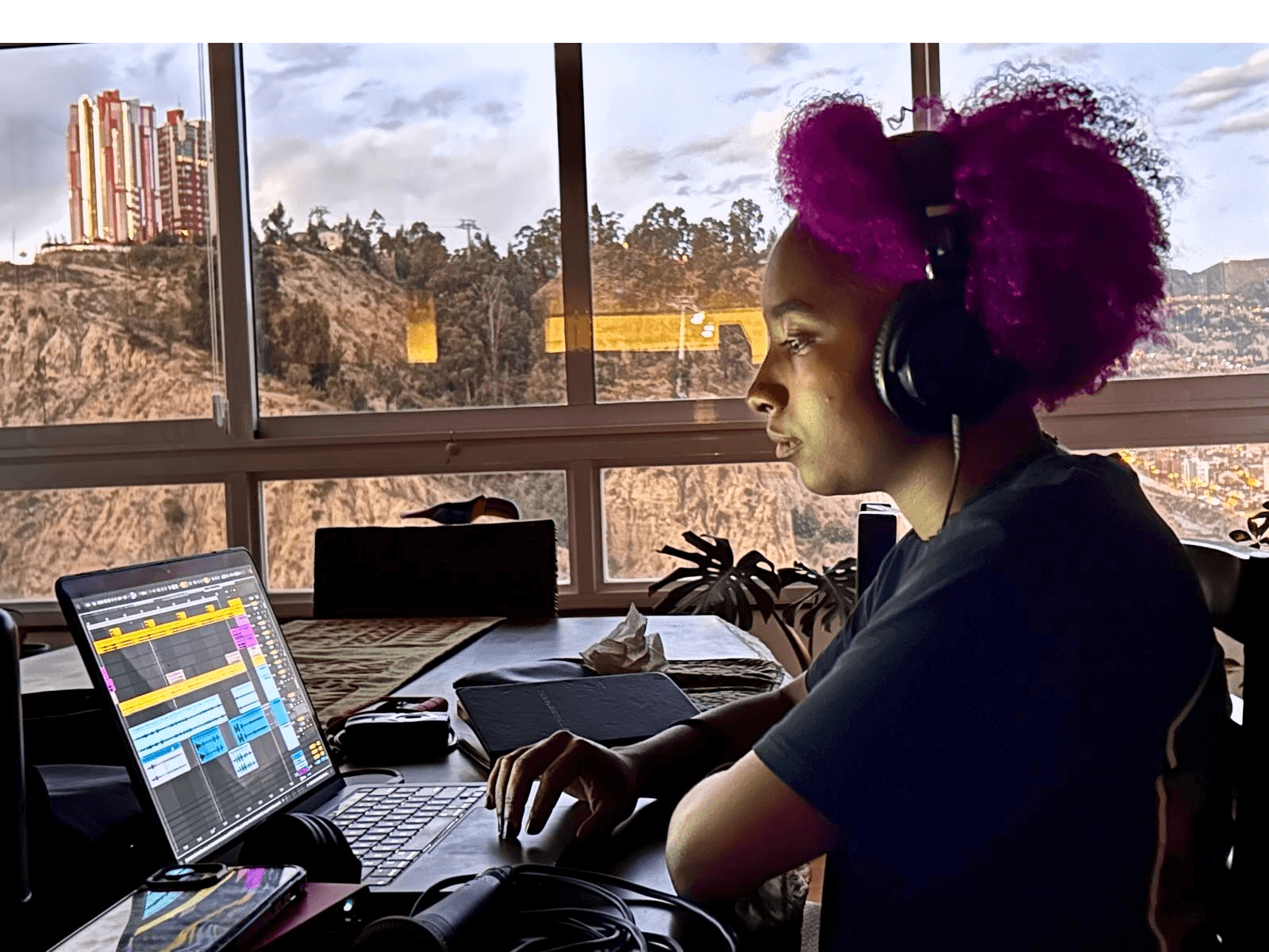
Image Credits
1. Thoughts by Elia 2. Simon Whitehead 3. Ella Plank 4. N/A 5. N/A 6. N/A 7. Hazel Ho
Popular
-

Portraits of the Valley
-

LA’s Most Inspiring Stories
-

JordanL on ‘Breathe,’ Belief, and Building a Movement Beyond the Music
-

Megan Birney Rudert on How Access to Light Is Powering a More Sustainable and Equitable Future
-

Linda Kneidinger on Building Lasting Change Through Small Steps and Self-Compassion
-

Jolana Nika on Redefining Modern Connection Through Intentional, Real-Life Experiences


