




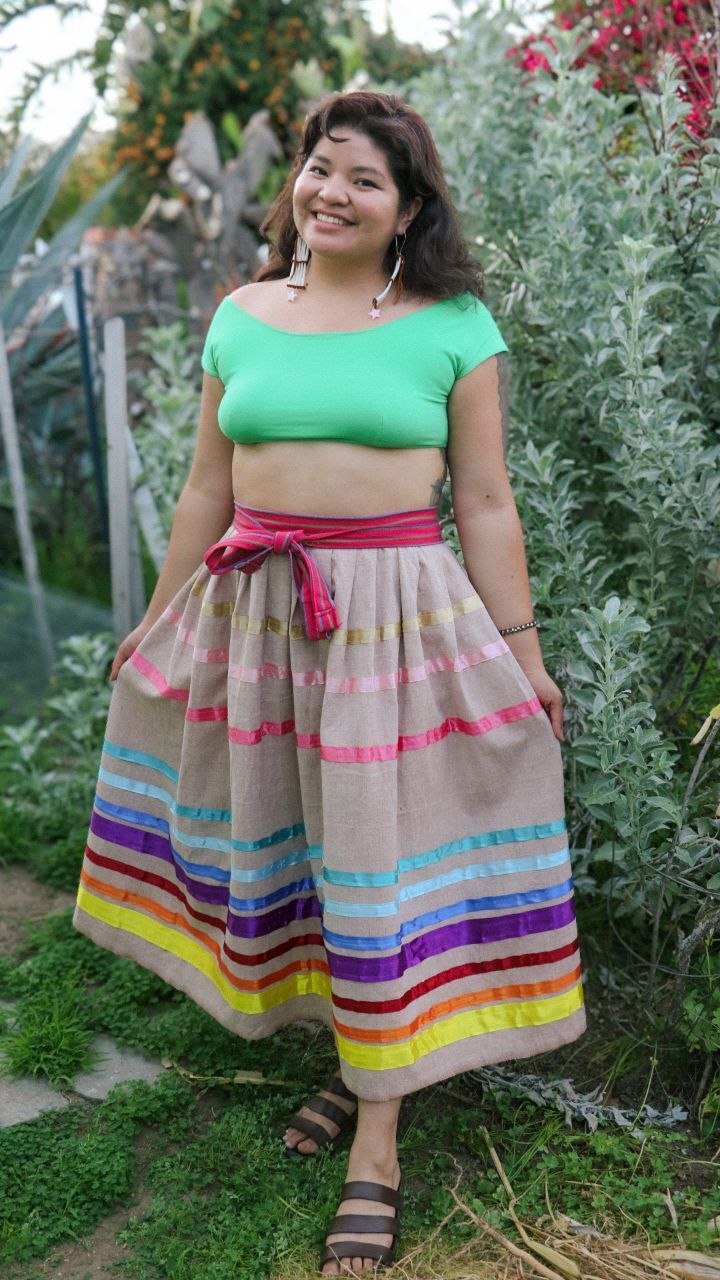
Today we’d like to introduce you to Mónica S Moncada.
Hi Mónica S, so excited to have you on the platform. So before we get into questions about your work-life, maybe you can bring our readers up to speed on your story and how you got to where you are today?
Corn and maize have always been part of my life. I remember our yearly month-long trips to Mexico after powering through a three-day, no-stop road trip to our pueblo (village) in Zirahuén in Michoacán, México (about four hours west of México City). This is P’urhépecha country, part of its ancestral meseta, which is essentially the mountainous region, and located within it–two of our most sacred lakes, Lago de Pátzcuaro and Lago de Zirahuén. Just 20 years ago, the smell of pine welcomed my nose throughout the meseta, and I was met with bright, green oceans of milpa, or corn stalks grown with other local foods. Now, it is hot, the pine tree Elders from thousands of years ago have been violently cut and replaced by thirsty, exploitative avocado trees. The green ocean almost completely dried up.
I start my story with this picture of a lush, green pine and oak forest to a now windy, hot dry mountain town with avocado orchards to paint what fuels my business, Charandeando. Charandeando is a play on words in two languages that are spoken in the region: P’urhépecha and Spanish. “Charanda” is the Spanish way to write “red clay dirt” in P’urhépecha, and our moonshine also shares the same name. I made it into a verb (“-eando”) that makes it mean several things but essentially exploring, going out and about, and hanging out. My goal with this project is to preserve the remaining pines and revitalize corn and maize farming in my region. I welcome guests to my ancestral lands by offering tours and workshops of Michoacan to learn from the land and give awareness of what they can do to support the people and the land.
I use this name to represent my venture as someone who was not born in the pueblo but the pueblo was always a home. I was born and raised in Sylmar, CA, and I had the naive assumption that every Mexican American kid knew where they came from and had some kind of connection to their Indigenous peoples. High school and college was when I realized folks simply identified with their nationalities and had identity crises throughout their lives. I was very blessed that this wasn’t my case and I grew up in the part of LA and the Valley that was country. Now, it is just a bunch of gated commununities with no backyards or frontyards for chickens, but when I was young it was normal to hear several farm animals and people walking their horses. Sylmar and Zirahuén were one in the same in my childhood.
Fast forward UC Berkeley undergrad and several nonprofits over the course of 10+ years that dealt with either Indigenous and Native culture, Mexican American history, feminist public health, or a combination of all three, I find myself as Charandeando. Charandeando invites people to my pueblo to visit and connect with locals, and learn traditional ecological knowledge techniques used to grow and process corn and maize. I find myself creating new friendships and building communities with inspiring folks interested in sharing their peoples’ Indigenous knowledge who are also aiming to heal the land rather than extract. Along the way, I was told by my father to pick up embroidery once again and if I expect guests of mine to learn new things when they visit my pueblo, I should also pick up new skills. Embroidery and textile work has also been the way I have gotten people to notice my overall work, so it speaks in ways the words I know cannot.
This year is amalgamation of seemingly chaotic and sporadic work I’ve done satisfying the craving of all my interests, but it in a way that is more than myself. I want to protect what is left beyond the next 7 generations, and awaken in folks that nature is symbiotic to our existence, while goofing off and joking along the way.
I’m sure it wasn’t obstacle-free, but would you say the journey has been fairly smooth so far?
My journey had several bumps along the way that seemed to come with no resolution, just a permanent climax and state of grief for my family and I. If it wasn’t for us being raised as people who knew who we were, I would have been lost. One of the struggles that shaped my dedication to the land was when we got the news in May of 2009 that my beloved cousin died during the invasion of Iraq while he was leading a fleet of humvees as a military police officer. What does it mean to give your life to the land and not in the name of greedy billionaires, but of devotion and gratitude to the land you came from and the land that raised you? I will give my life to Turtle Island, but not die for it.
Knowing this difference is what reminds me to look beyond governments and connect with the folks who share this planet. Everyone is connected, and we should support one another to protect our home. I take this heart with me wherever I go and center my work with the original peoples of the lands I visit. For my guests who come to my pueblo, I give them historical and present day history and news so they can build appreciation for the land, and join our P’urhépecha-led efforts in protecting it.
As you know, we’re big fans of you and your work. For our readers who might not be as familiar what can you tell them about what you do?
I am a storyteller, agriculturist and educator that has been yapping nonstop since before I could talk, and rolling around in dirt before I could walk. As an archaeologist and anthropologist by training, I specialize in helping Native American communities preserve their cultural traditions, oral histories, and material culture by making them easy to digest via creating hands-on, playful workshops. Throughout my life, I have been in and out of farms and urban gardens and served as a UC Master Gardener of Los Angeles County, but something in me decided to combine my expertise, schooling and upbringing. The offerings I have now are leading tours of my pueblo of Zirahuén, Michoacan through a lens and understanding of colonialism and its on-going aftermath while centering P’urhépecha communities who continued to thrive against all odds. Additionally, I offer hands-on workshops sharing traditional techniques and skills specific to my community and greater Pan-Indigenous knowledge, such as tamale making using corn cultivated from my family’s lands to embroidery sessions exploring the cross-national exchange of symbols as a result of the Spanish Conquest and beyond.
One of my latest milestones was further developing my artistic skills with textile work where I can use embroidery and traditional cotton fabric, called “manta.” to showcase all that I represent. I am working on relearning my Indigenous language of P’urhépecha but, for now, the words of my grandmothers translate to every stitch. I hand-embroider both traditional patterns and modern day phrases like “Land Back” on manta fabric. The manta fabric is either handmade by floor or waist loom and learning to read the fabric is a skill on its own. I combine my transnational experiences and P’urhépecha roots to share traditions and knowledge with folks who wish to reconnect with their Indigeneity, as well as, develop trade and connections with Indian County here in the states.
Can you share something surprising about yourself?
I had not picked up a needle for over 20 years. I had really thought art wasn’t something I could just pick up again. I mostly focused on storytelling and urban farming more than anything else, so I thought exploring the arts as an artist was not a path I could take. However, I am blessed that I have my beautiful mami who patiently reminded me what she had once taught me as young child in elementary school. My father encouraged me to relearn and I started my first piece on October 2025. I designed my first pattern using bits of patterns I found online. I made a pillowcase with kuffiyeh patterns and a watermelon in the center for one of my beautiful Palestinian friends. From there, I place my heart, beliefs and prayers onto every piece I create.
Contact Info:
- Instagram: https://www.instagram.com/charandeando/
- Facebook: https://www.facebook.com/charandeando.mx
- LinkedIn: https://www.linkedin.com/company/charandeando/
- Twitter: https://x.com/charandeando
- Youtube: https://www.youtube.com/@charandeando
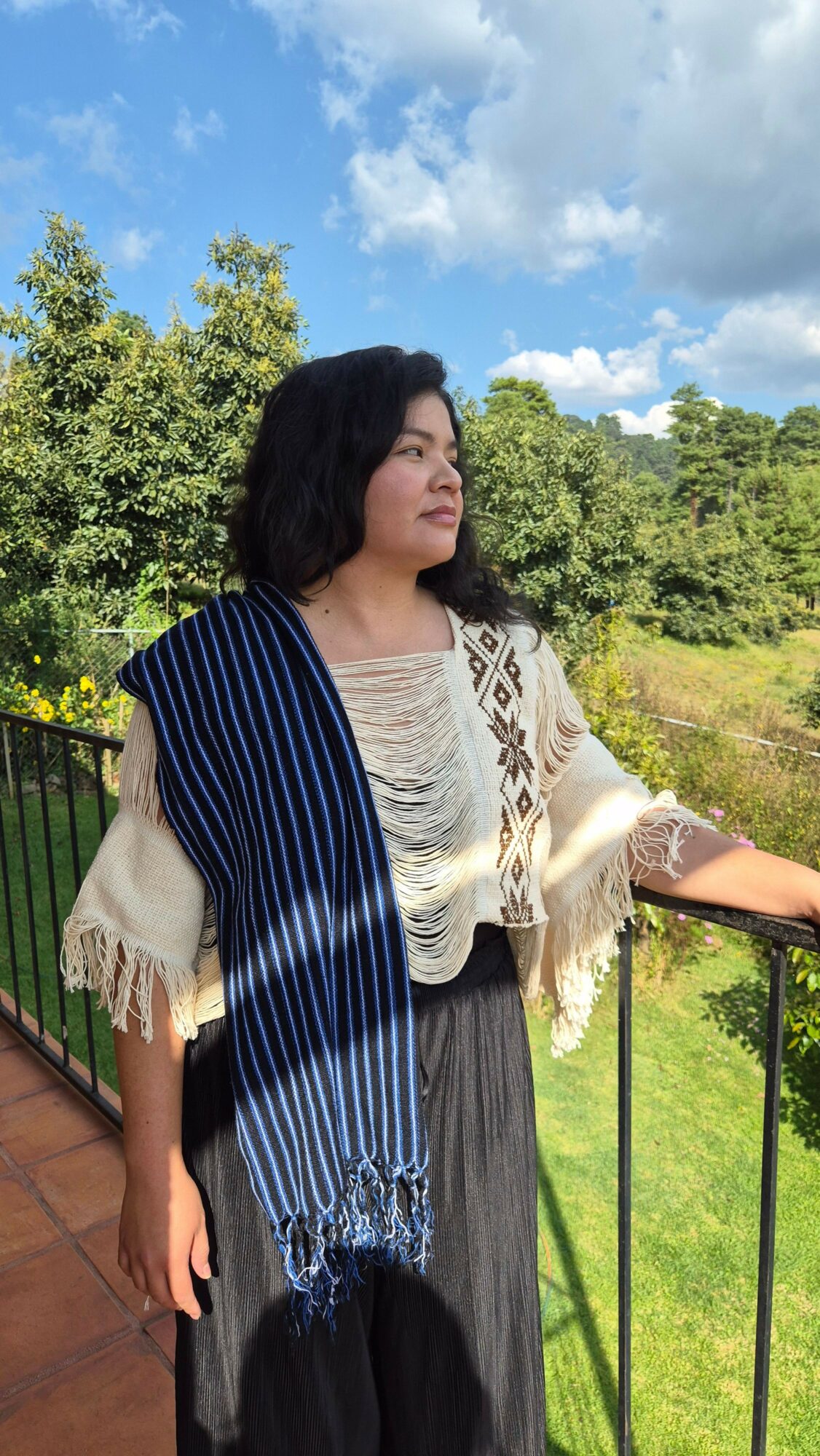
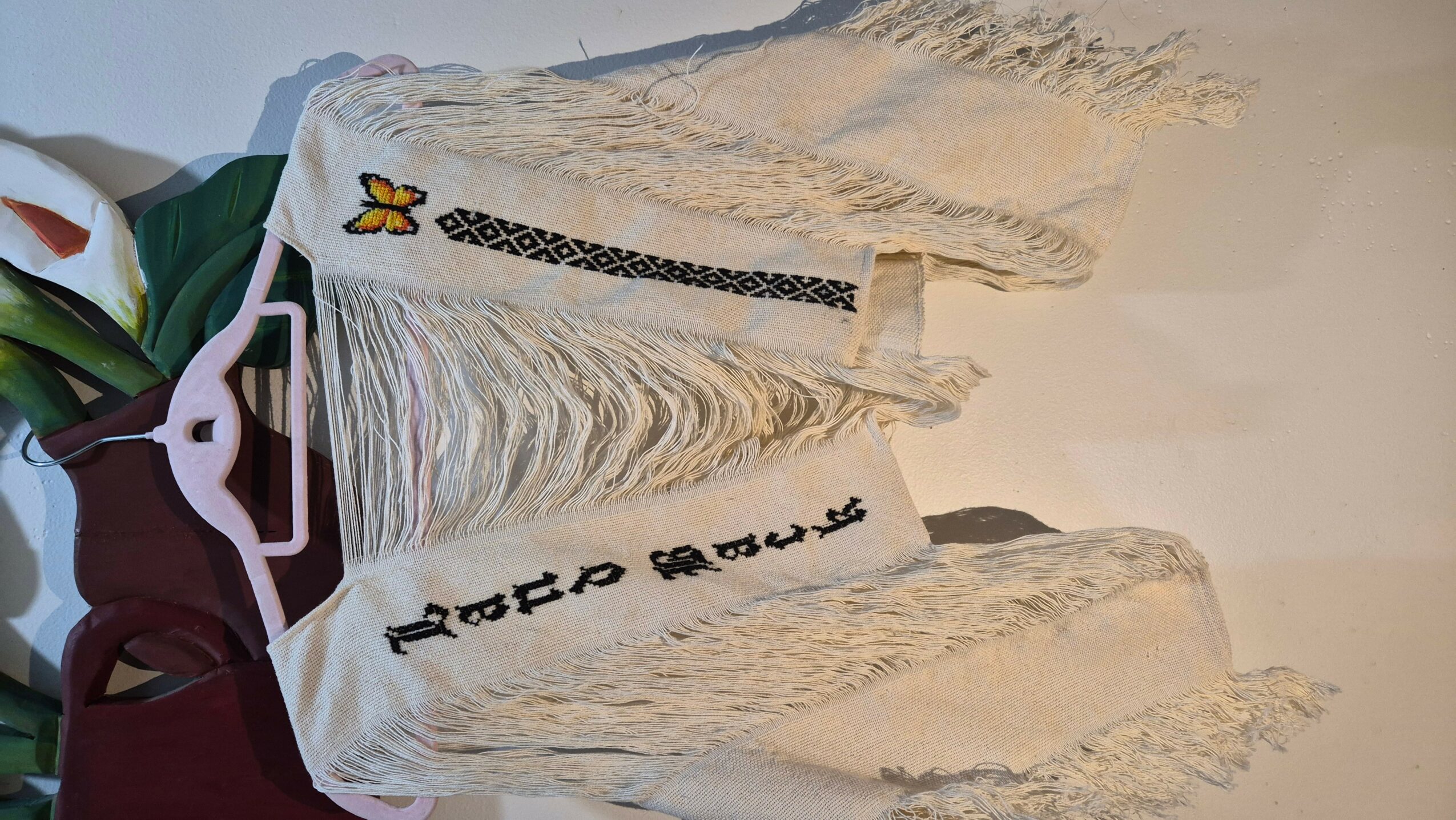
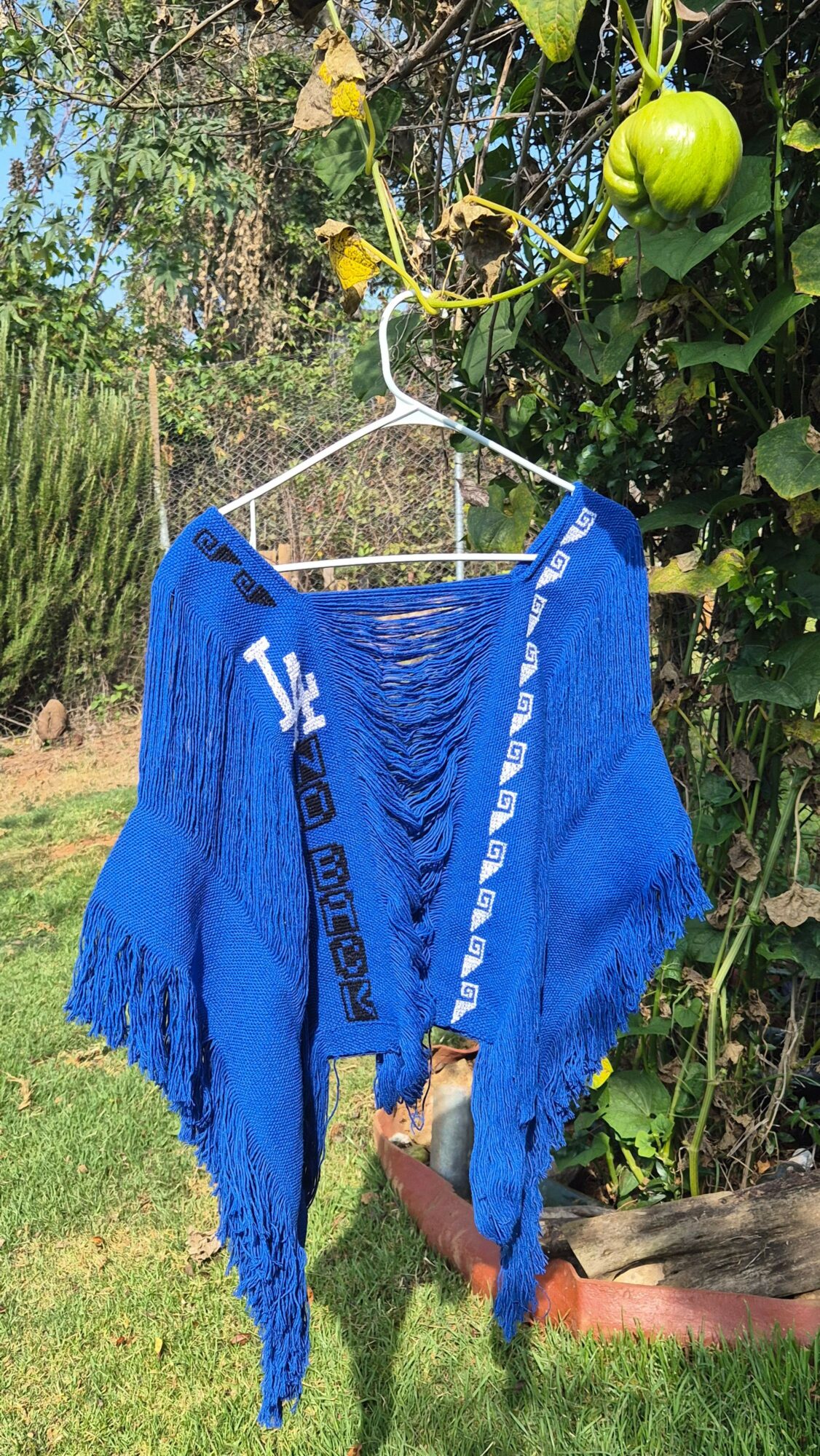
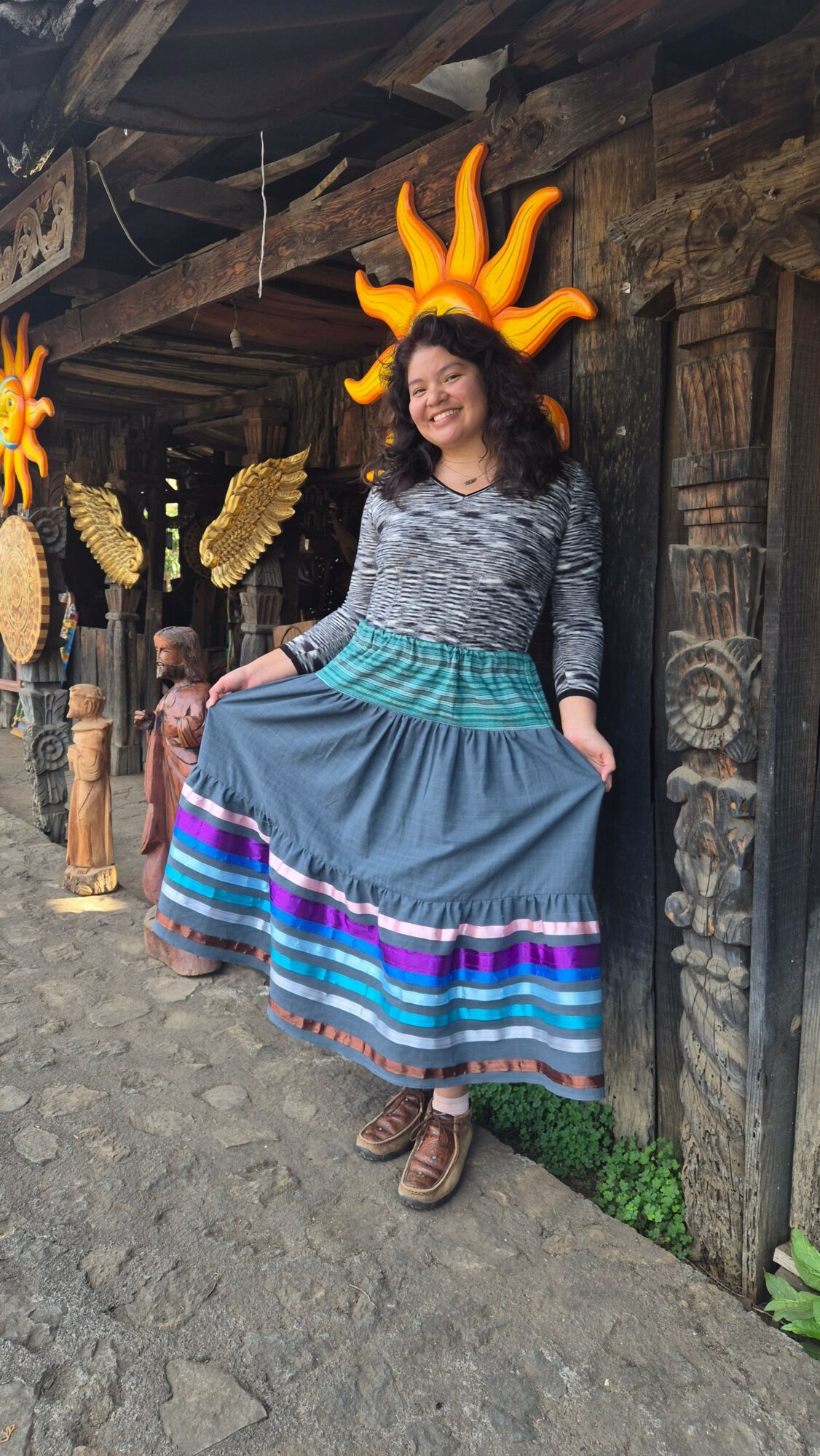
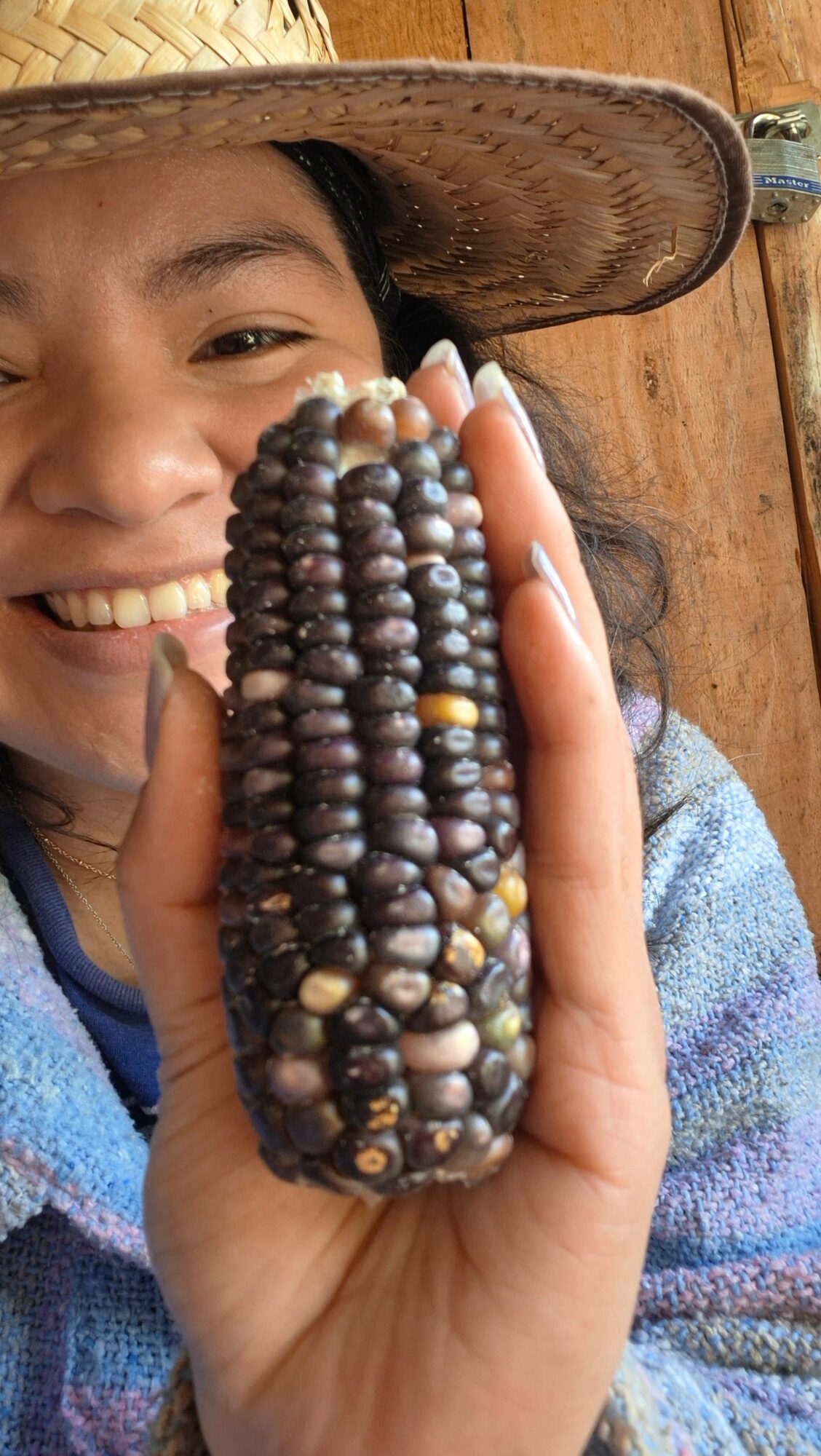
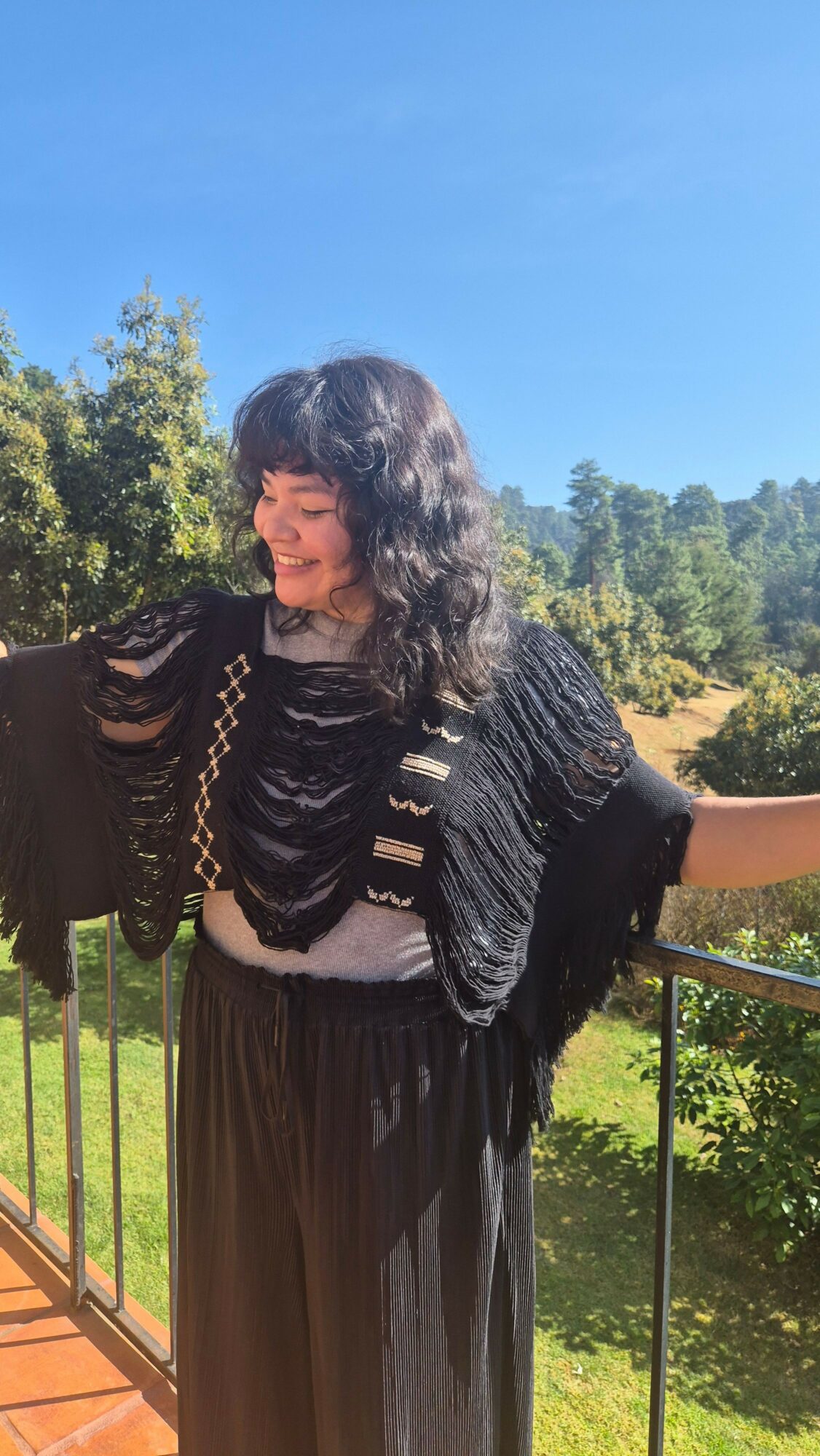
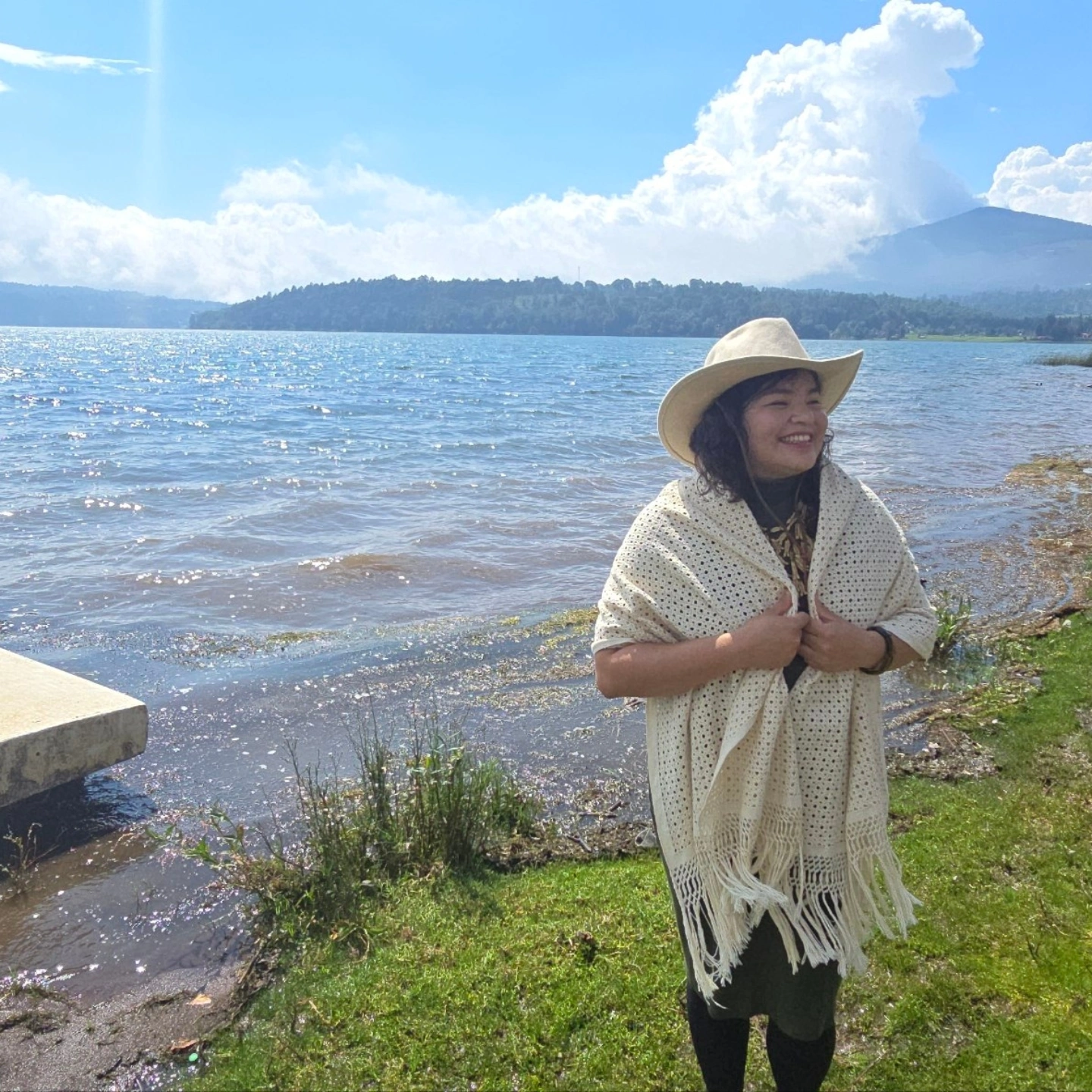
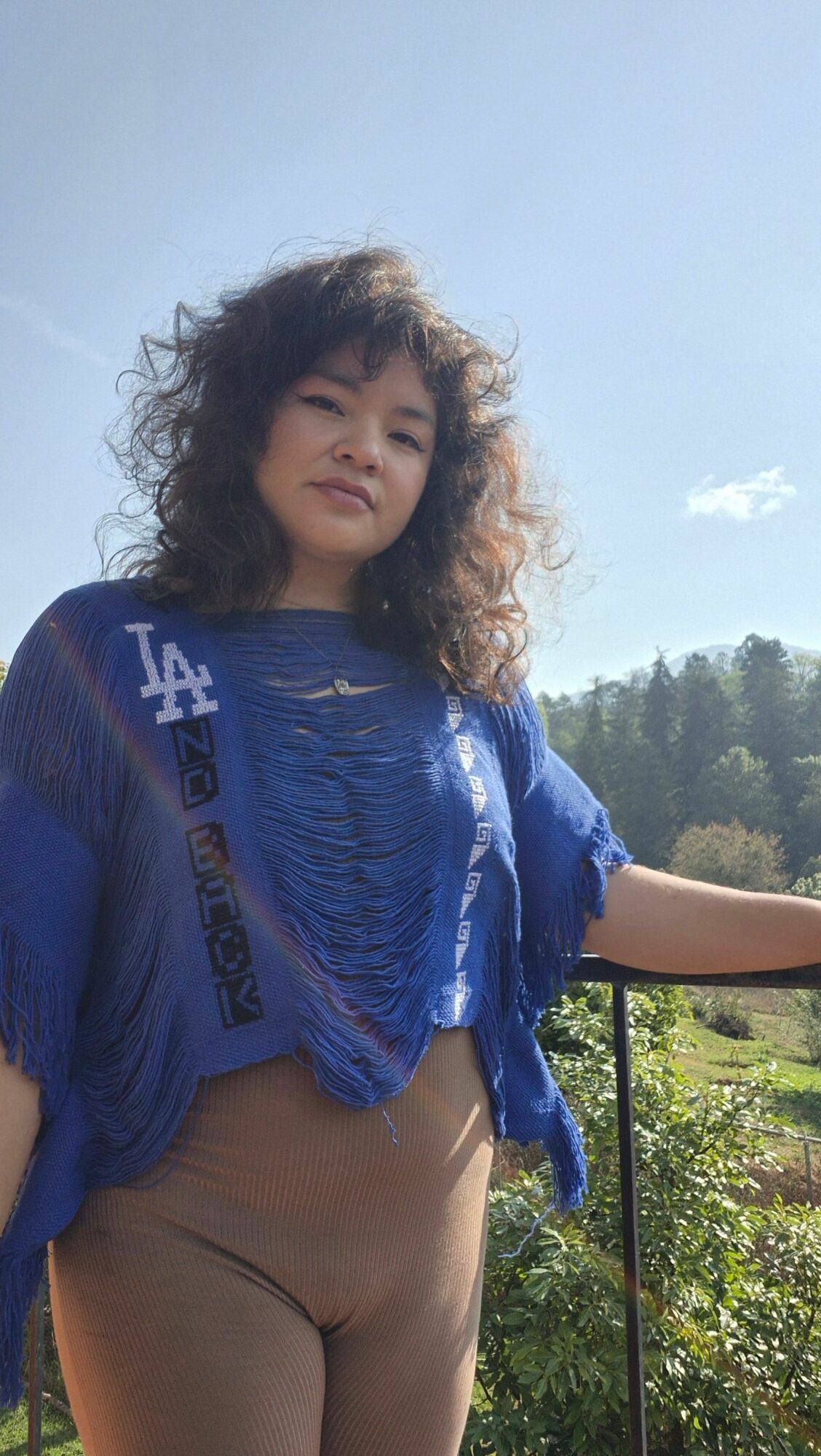
Image Credits
Xochitl Sanchez Moncada, Maria Soledad Moncada, Monica S Moncada
Popular
-

Portraits of the Valley
-

LA’s Most Inspiring Stories
-

Matthew Hill on Turning Holiday Rituals into Haunting, Habit-Forming Storytelling with Long Winter Nights
-

Linda Villines on Releasing Stored Struggle and Reclaiming Ease Through the Body
-

Candice Swanson on Honoring the Sacred Early Days of Motherhood Through Intentional Photography
-

Michael Johnson on Telling Untold Stories of Identity and Leadership Through SQUAD


