




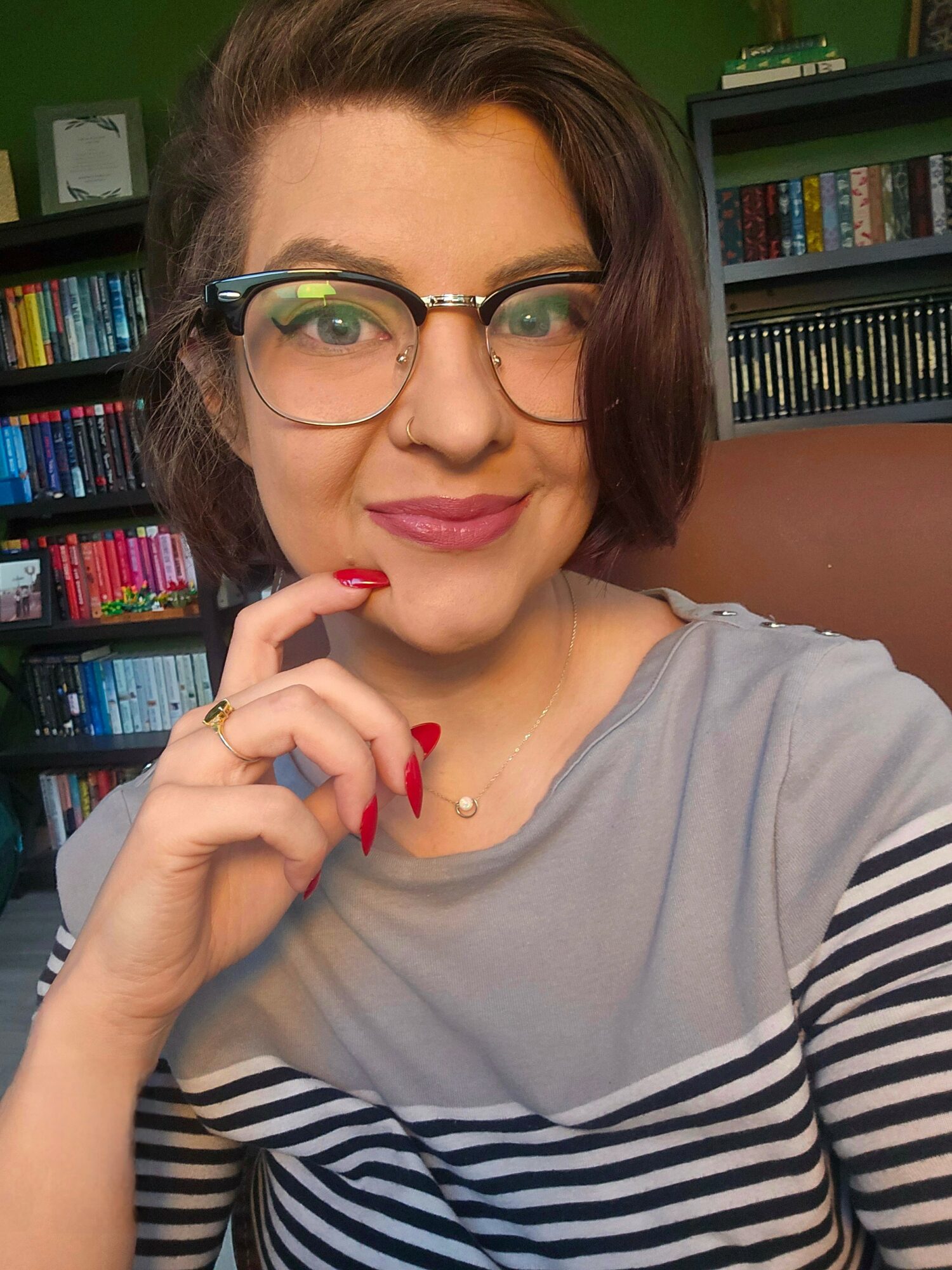
Today we’d like to introduce you to Kali Murry.
Hi Kali, thanks for joining us today. We’d love for you to start by introducing yourself.
I always start my story by noting that I come from a family of “helpers.” Many of my family members are social workers, teachers, and nurses, so being in the helping profession has been modeled for me my whole life and deeply ingrained in my values.
I’ve always had a strong curiosity about people, not just how they think, but how they experience life. I find the idea of resilience incredibly powerful, and I hold onto the belief that we are not defined by what has happened to us, but by how we move forward. I have known for as long as I can remember that I wanted to be a therapist, and I genuinely feel I’ve found my passion in life. My mother, who is now retired, was a school guidance counselor, and some of my favorite memories are attending counseling conferences with her, first as a child, and later together as professionals.
I grew up with my fair share of challenges, including navigating a debilitating chronic illness starting at age 15. That experience taught me how to advocate for myself, deepened my empathy for others, and showed me the importance of community and connection.
I hold both my BSW and MSW from the University of Southern Indiana, and I’ve always felt drawn to understanding emotional experiences without turning away from the uncomfortable moments. I even had to wait to start my first social work job because although I had graduated and was fully qualified, I was too young to meet the age requirement.
Throughout my life, I’ve done a lot of healing and continue to be in therapy myself. I hope that shows others there is no shame in seeking help. Life is hard, and having a space that is fully yours can make a profound difference. It’s also a reminder that just because we “know” something doesn’t mean we can easily apply it in our own lives. I’ve had patients ask, “How do you always know what to say?” and the truth is, it’s often easier to support someone else than ourselves. A common therapy phrase is “what would you tell a friend?” It can sound simple, but it’s incredibly powerful. Even I would offer a friend far more compassion and clarity than I sometimes offer myself.
Through my work, I’ve become especially drawn to bottom-up approaches, focusing on the body and somatic experience rather than just thoughts. I specialize in trauma, chronic illness, grief, and sex-related topics, and what I consistently see is that many people are disconnected from their bodies. When I work with patients, we often start with what I call “body, body, body” checking in with the body’s needs before moving into next steps. I also prioritize sharing the “why” behind interventions, helping patients understand the science of what’s happening in their body and how different tools support regulation. It’s often not a lack of understanding what would help, but rather not being able to feel it or access the physical motivation to follow through.
I’ve worked across many settings like schools, home-based care, outpatient, and telehealth and with a wide range of ages, starting as young as two years old. I value meeting each person exactly where they are. Being a therapist is not easy work, but I wouldn’t trade it for anything. I feel deeply honored that people trust me to walk alongside them in their healing.
What I’ve learned is that one of the most meaningful things you can do for someone is simply show up. When someone feels unseen, overwhelmed, or stuck, presence alone can be incredibly powerful. Most people aren’t looking for a perfect solution, many situations don’t have one. But feeling supported can change everything. In the last 15 years, we’ve learned so much about trauma and the brain, including the fact that healing and repair are possible through therapy.
I’m often asked how I sit with people’s trauma every day. While I’ve heard incredibly difficult stories, what stands out most to me is the honor of being trusted, that someone felt safe enough to not be “too much,” and to let me hold part of what they’ve been carrying. While I may hear these stories, my patients have lived them. And what inspires me most is their willingness to keep showing up for themselves.
Therapy is hard. It’s uncomfortable, and it takes work. But healing is always worth it, and I’m in awe every day of people choosing themselves. Even in the hardest moments, I see so much hope: people finding their voices, taking action, and doing things they once thought were impossible.
This work continues to inspire me, and I’m grateful to still feel so passionate about it over ten years later.
Alright, so let’s dig a little deeper into the story – has it been an easy path overall and if not, what were the challenges you’ve had to overcome?
I don’t think “smooth” has ever been a word to describe my life but it has been clear. I’ve always been driven to help others and become a social worker.
Because of my chronic illness, I missed a lot of school, especially in high school, and there were times I wasn’t sure I would graduate on time. My family was incredibly supportive in helping me advocate for myself and seek care, but it took a lot of effort and resources.
Knowing my long-term goal, I pursued my BSW intentionally so that if I wasn’t able to continue on to my MSW, I would still be able to work in the field. Along the way, I’ve also navigated personal challenges that required me to be mindful of my own healing and boundaries. This has been important in ensuring I don’t bring unresolved experiences into my work with patients.
Being a therapy client myself has also deepened my respect for how difficult change really is. Therapy isn’t just emotional: it’s mental, physical, and often uncomfortable work. As I’ve grown in my own life, I’ve been able to better empathize with my patients and recognize the importance of creating a space where they feel both safe and supported.
Can you tell our readers more about what you do and what you think sets you apart from others?
I am a clinical psychotherapist (LCSW) specializing in trauma, chronic illness, grief, and sex therapy. My work focuses on helping people move beyond intellectual understanding and into deeper emotional and physical processing so they can truly heal and move forward.
What sets my approach apart is that I don’t stop at insight. Many people come into therapy already knowing why they feel the way they do, yet still feel stuck. That’s because understanding alone doesn’t create change if the body and nervous system don’t feel safe enough to shift. I focus on how experiences are held in the body and work directly with the nervous system to create real, sustainable change.
While I draw from modalities like EMDR and IFS, the core of my work is helping people reconnect with their body. I often describe my approach as “body, body, body” starting with what is happening physically before trying to problem-solve cognitively.
For many of my patients, the issue isn’t a lack of insight, it’s disconnection. Their body may be in a chronic state of stress, shutdown, or overwhelm, making it difficult to access the tools they already know would help. By slowing things down and bringing attention to the body, we begin to build awareness, regulation, and eventually trust within themselves. This allows patients to respond differently in moments of distress rather than feeling hijacked by automatic reactions.
I also place a strong emphasis on helping people understand the “why” behind what we’re doing. I incorporate psychoeducation around the brain and body so patients can make sense of their experiences, which often reduces shame and increases a sense of control.
Another core part of my work is the use of metaphor and imagery. These aren’t just ways of explaining concepts, they help bridge the gap between cognitive understanding and emotional experience. When someone can feel what something means, not just understand it, that’s when change becomes more accessible and lasting. I also take a very practical approach. I help patients build strategies that are actually usable in real-life moments of stress, not just within the therapy session. The goal is for them to leave with tools they can rely on when things feel overwhelming, not just insight into why they feel that way.
I don’t view therapy as “fixing” people. Instead, I see it as helping people become more aligned with themselves: learning to listen to their body, trust their internal experiences, and respond in ways that support their well-being. What I’m most proud of is the space I create. My patients know they don’t have to perform, minimize, or explain themselves to be understood. They can show up exactly as they are, and we work from there.
Where we are in life is often partly because of others. Who/what else deserves credit for how your story turned out?
I have had so many wonderful people to help me along my journey. From my mother and loved ones, to professors, to mentors, to colleagues, and to patients.
My mother was a great source for me growing up with allowing me to tag along to the counseling trainings, helping support me throughout my schooling, and helping me advocate while I navigated being chronically ill. I have had amazing mentors who have encouraged and inspired me along the way throughout my journey and who I am forever grateful for. I have loved ones who have also supported not only my professional growth but personal growth which has allowed me to only become stronger and more passionate about mental health. My own therapist has been such a huge support in navigating my own life and the reminder that to help others you also must help yourself.
I love and adore all of my patients. The fact that they keep showing up for themselves continues to inspire me to show up too. They push me to also not be a hypocrite and ensure that I am taking and applying my own advice. They give me motivation to learn more to be able to support them better as we navigate together to create their best and healthiest lives. Everyone deserves healing and hope and support.
Contact Info:
- Website: https://pacificmindhealth.com/provider/kali-murry/
- Instagram: @kmurrytherapy
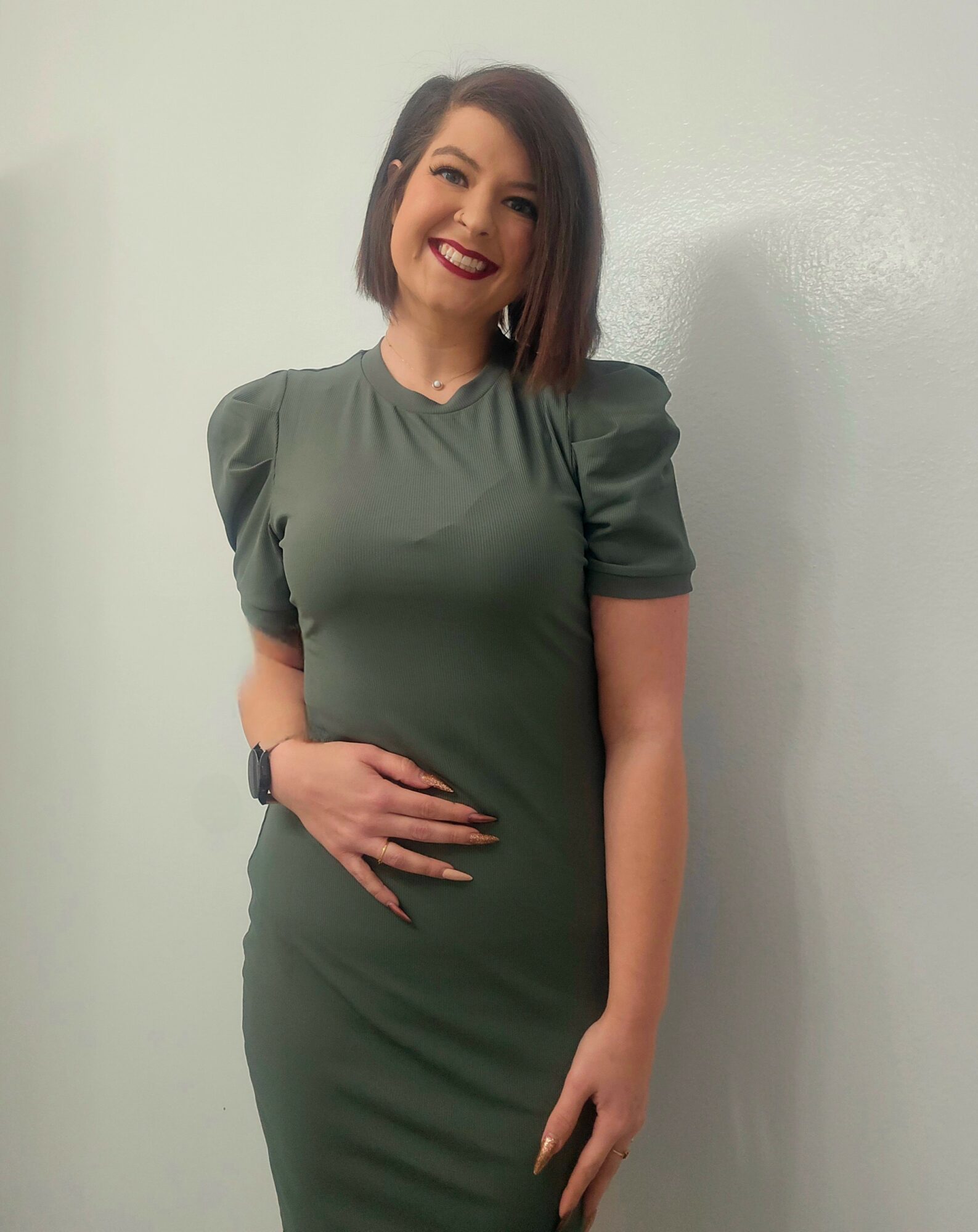

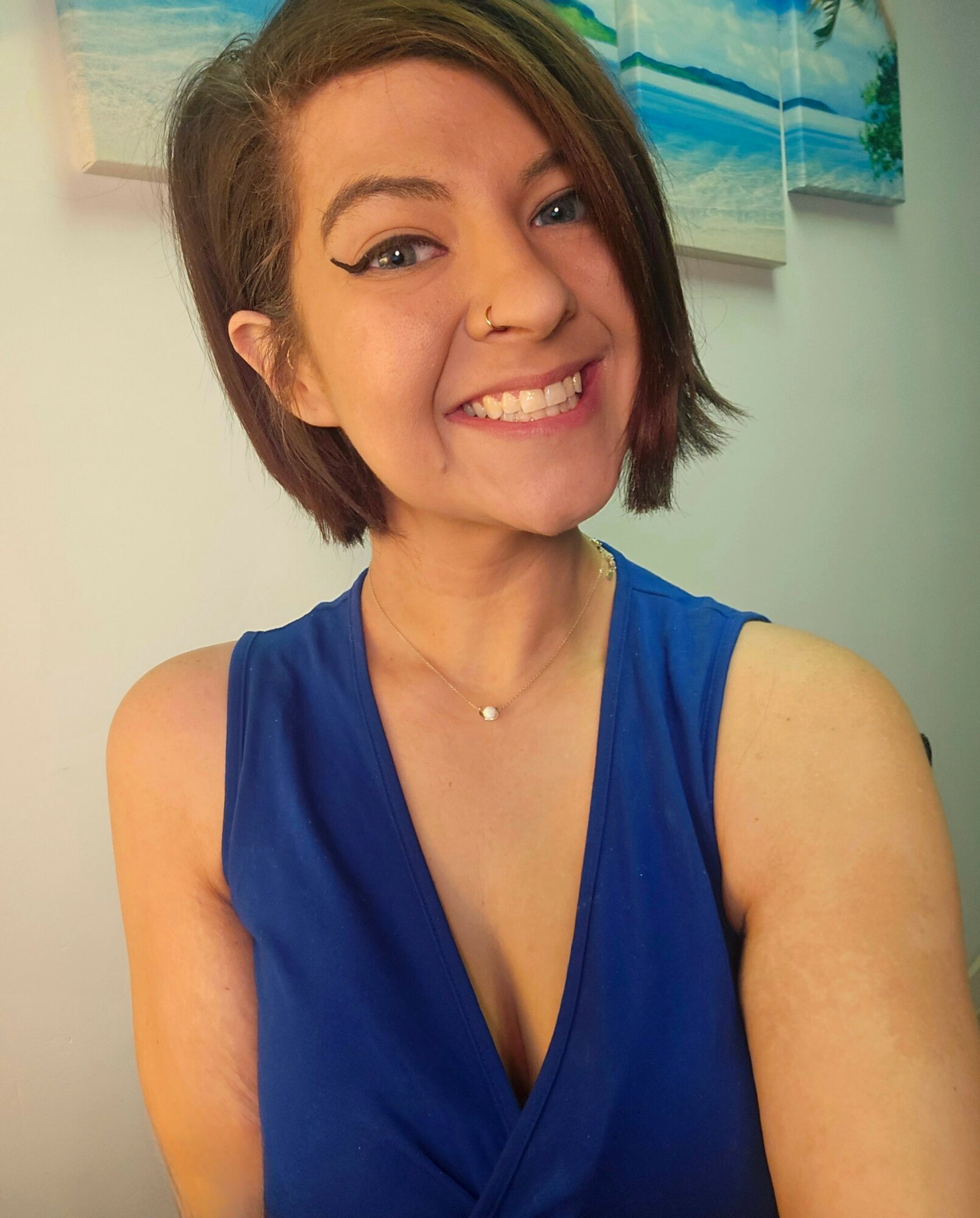
Popular
-

LA’s Most Inspiring Stories
-

JordanL on ‘Breathe,’ Belief, and Building a Movement Beyond the Music
-

Megan Birney Rudert on How Access to Light Is Powering a More Sustainable and Equitable Future
-

Linda Kneidinger on Building Lasting Change Through Small Steps and Self-Compassion
-

Jolana Nika on Redefining Modern Connection Through Intentional, Real-Life Experiences
-

What did suffering teach you that success never could?


