




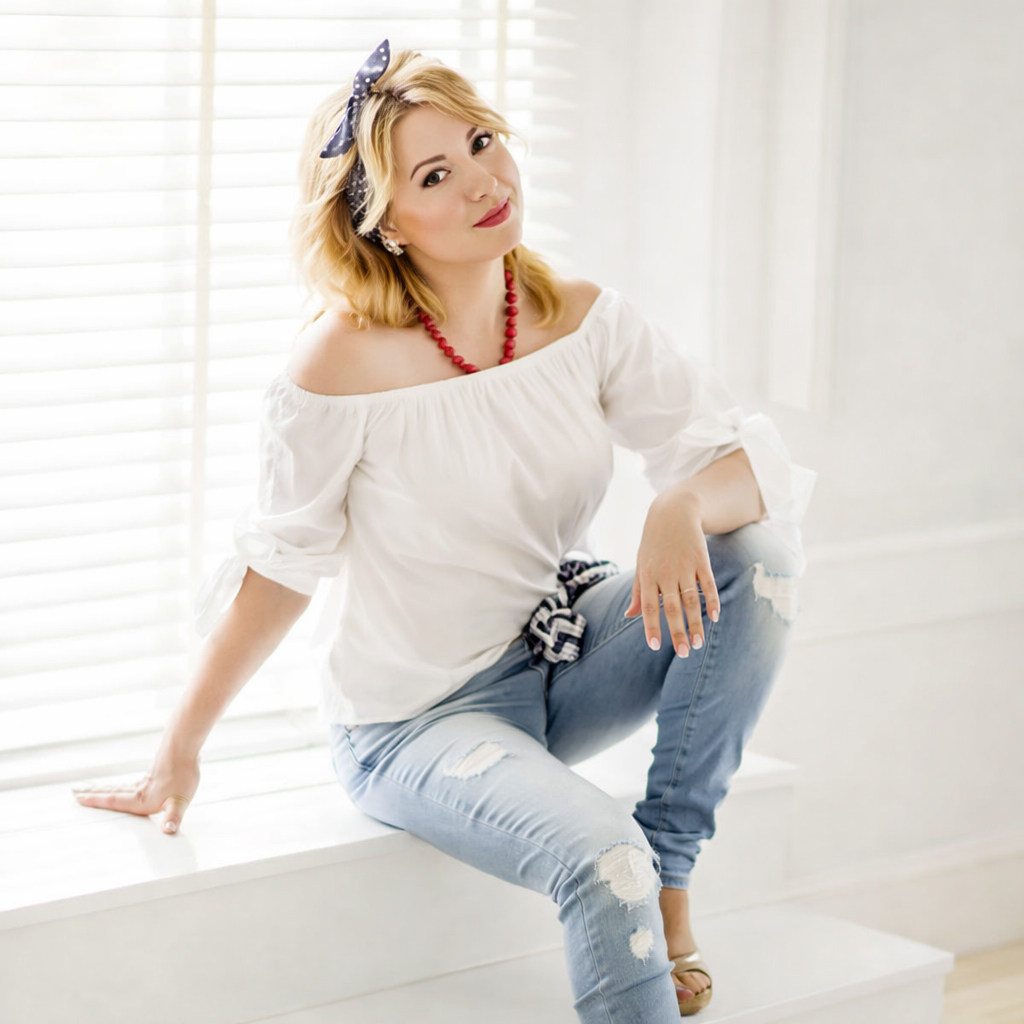
Today we’d like to introduce you to Julie Erazo.
Hi Julie, thanks for sharing your story with us. To start, maybe you can tell our readers some of your backstory.
I’m originally from Ukraine, where I built my career as an architect, working in interior design and teaching at the university level in Kyiv. That was my world for many years. When I moved to the U.S. after getting married, I had to start over. It wasn’t easy, but at the same time, I saw it as a chance to build something of my own.
I started my design and 3D visualization business online from the Midwest, working with clients across the country. At the beginning, everything felt uncertain. I didn’t have connections, I didn’t have a network, so I had to rely completely on my work and my skills.
What I didn’t expect was how naturally my work would connect with clients in California.
One of my early projects was for a homeowner in Irvine who was struggling to rent out her property at the price she wanted. We redesigned and visualized her backyard to make it feel more complete, more elevated, more intentional. When she saw the final result, everything shifted. She was able to rent it out quickly and at a better value. That moment stayed with me. It made me realize that what I do is not just about visuals. It actually helps people move forward, make decisions, and even improve their financial outcomes.
From there, things started growing in a very organic way in Orange County. I met someone locally who really believed in my work and began introducing me to people in the community. My projects were shared in local and county magazines, and slowly, more clients started reaching out.
Even though I’m based in Indiana, I’ve built real relationships with clients in Southern California. It doesn’t feel distant to me. In a way, it feels like I have a second presence there.
What I do is fully remote, but the impact is very real. I help people see their spaces before they exist, make confident decisions, and create something they truly connect with.
Right now, I’m continuing to grow across the U.S., with a strong focus on Los Angeles and Orange County. I would love to eventually have a physical presence as well, but for now, I’m building something that shows that good design is not limited by location. It’s about vision, trust, and the ability to bring an idea to life.
We all face challenges, but looking back would you describe it as a relatively smooth road?
It definitely hasn’t been a completely smooth road. One of the biggest challenges for me has been adapting to a new environment as a foreigner.
English isn’t my first language, so in the beginning communication was not always easy. I had to really push myself to talk more with people, take on conversations, and practice constantly. Even now, I’m still improving. When you’re building a business and learning a language at the same time, it adds a lot of pressure.
But honestly, one of the biggest and most unexpected challenges was switching from the metric system to the imperial system. That was huge for me.
All my life, I studied and worked in metric. Millimeters, centimeters, meters. As an architect, that system is very precise and natural. It becomes second nature. You feel the scale, the proportions, everything just makes sense.
Then I came here, and suddenly everything is in inches and feet. It felt completely unnatural at first. I remember thinking, how do I even visualize this? It honestly felt like learning a new language all over again, just in numbers.
When you’re used to thinking in millimeters, switching to inches is not a small adjustment. It changes how you understand space. It took me a couple of years to really feel comfortable with it, and even now I still catch myself converting things in my head.
It sounds simple, but for me it was a major shift, especially coming from teaching architecture at a university where everything was based on metric precision. Suddenly I had to retrain my brain while still delivering professional work.
So yes, there were definitely challenges, but at the same time they pushed me to grow much faster than I expected.
As you know, we’re big fans of you and your work. For our readers who might not be as familiar what can you tell them about what you do?
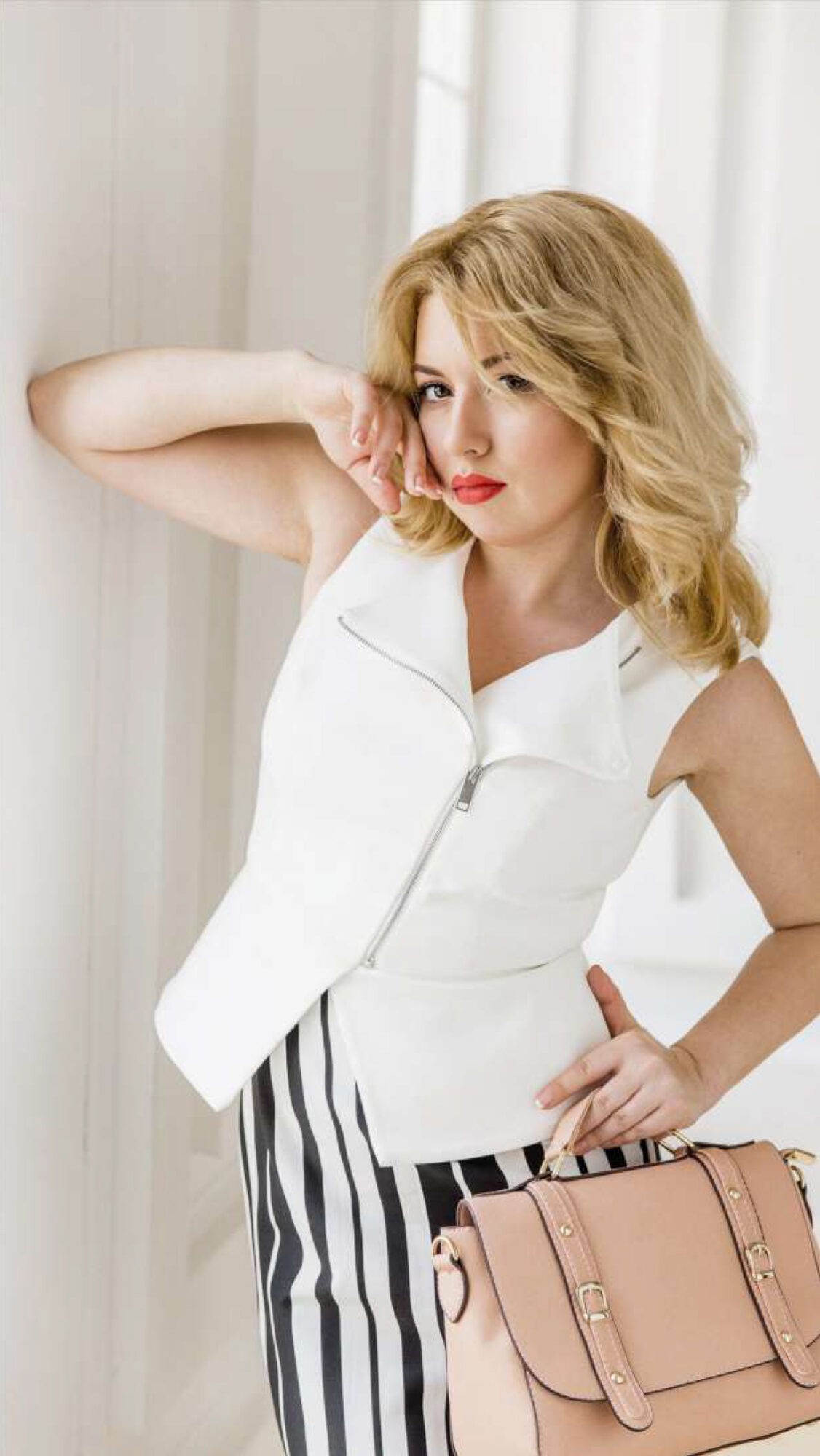
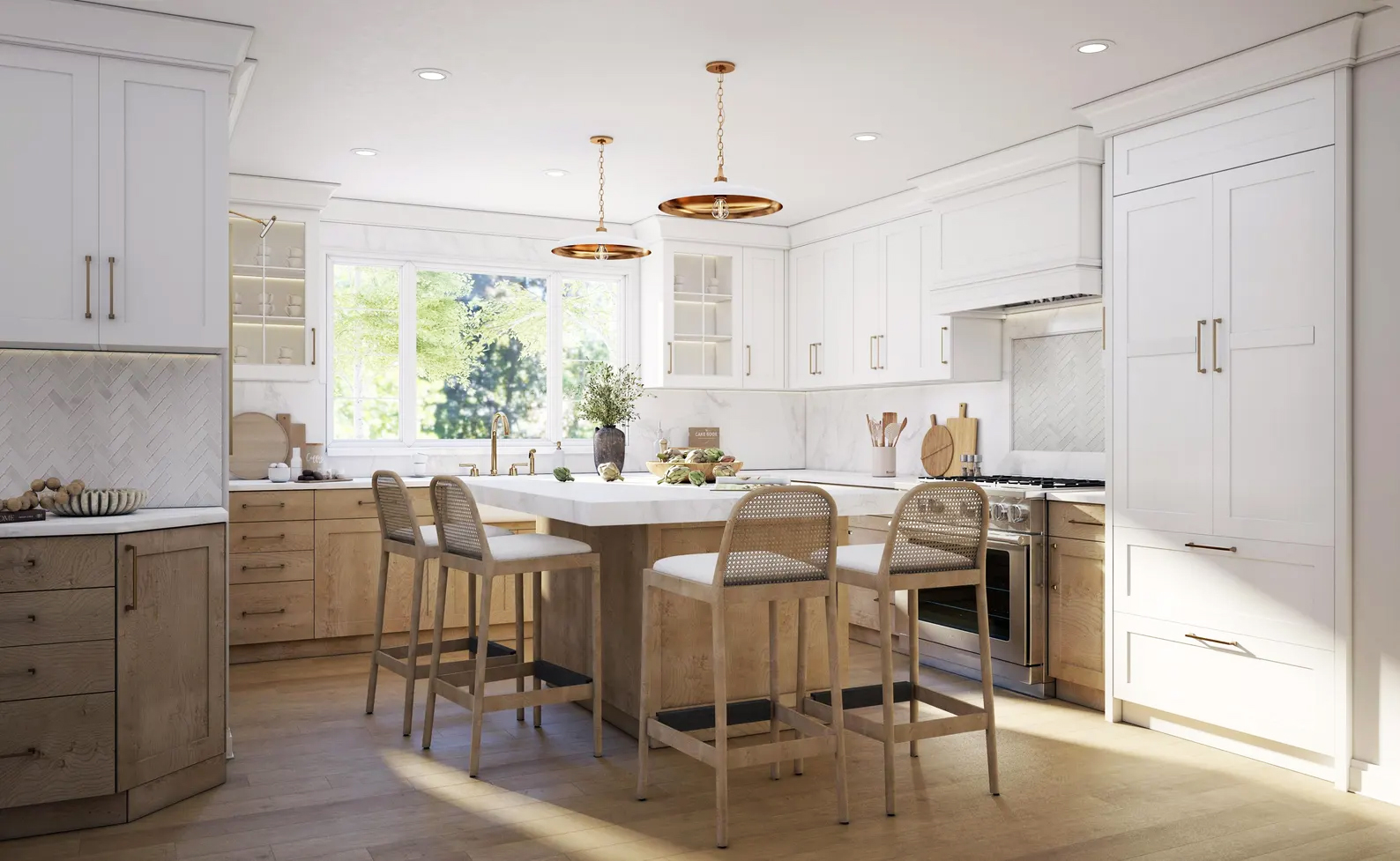
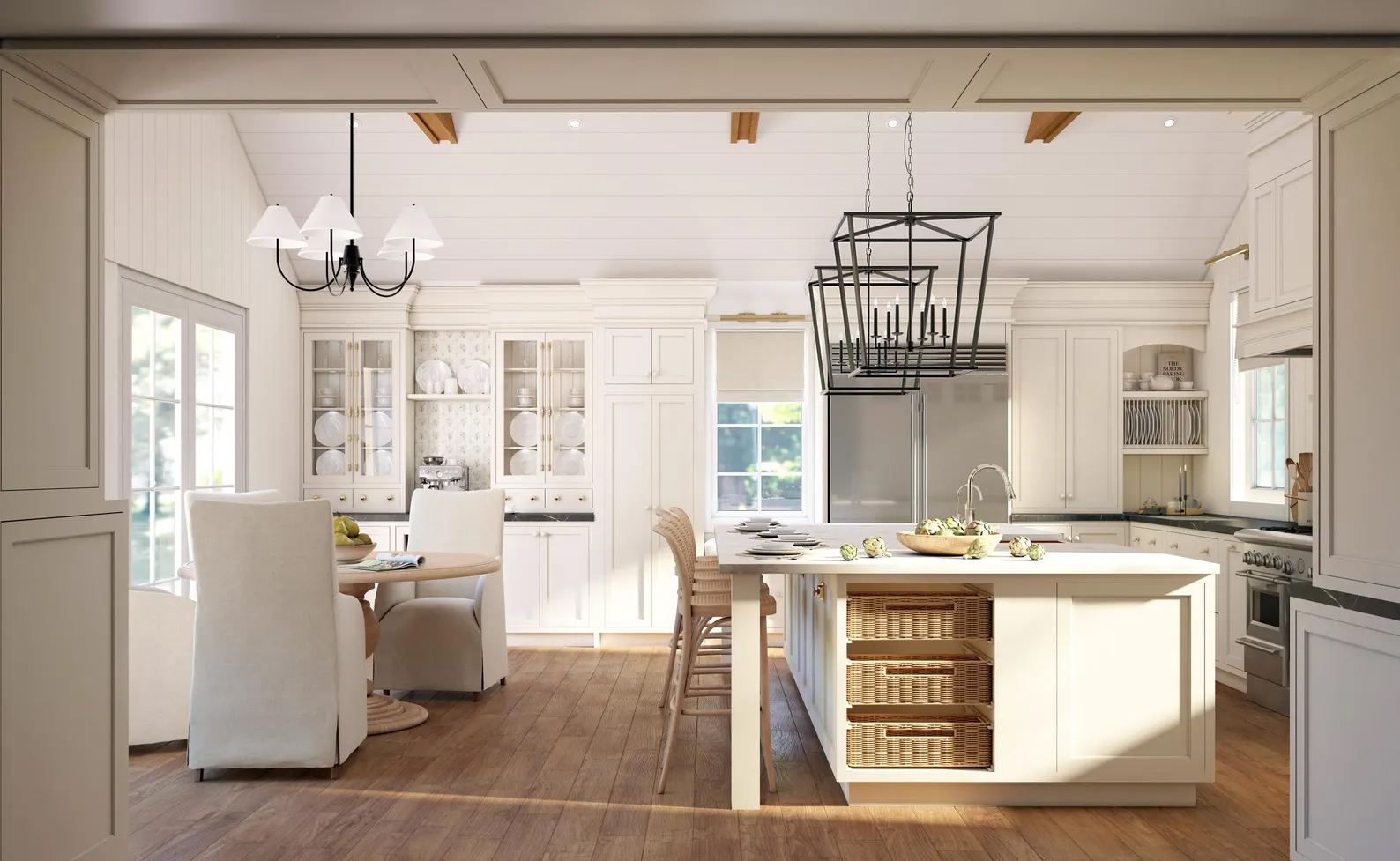
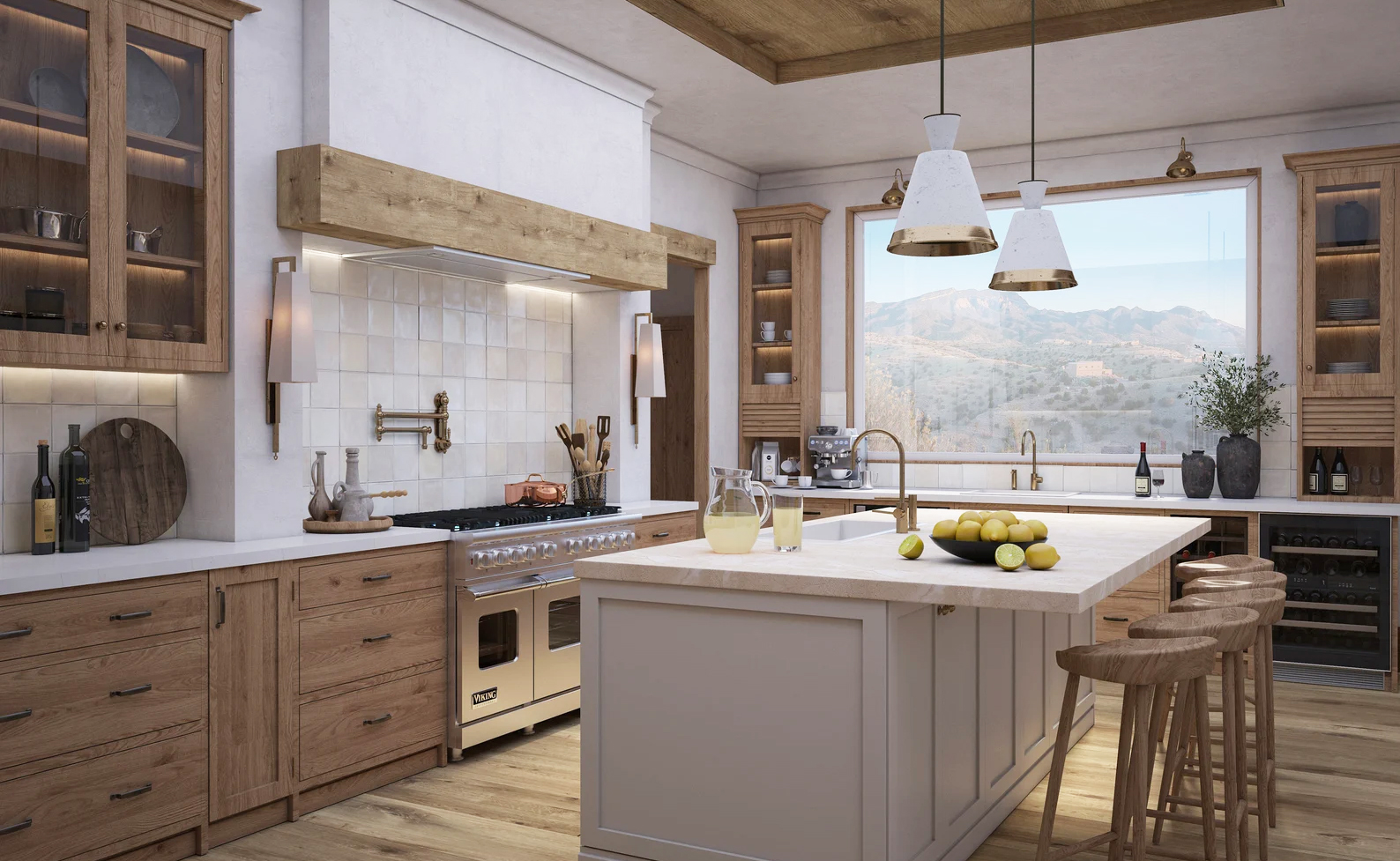
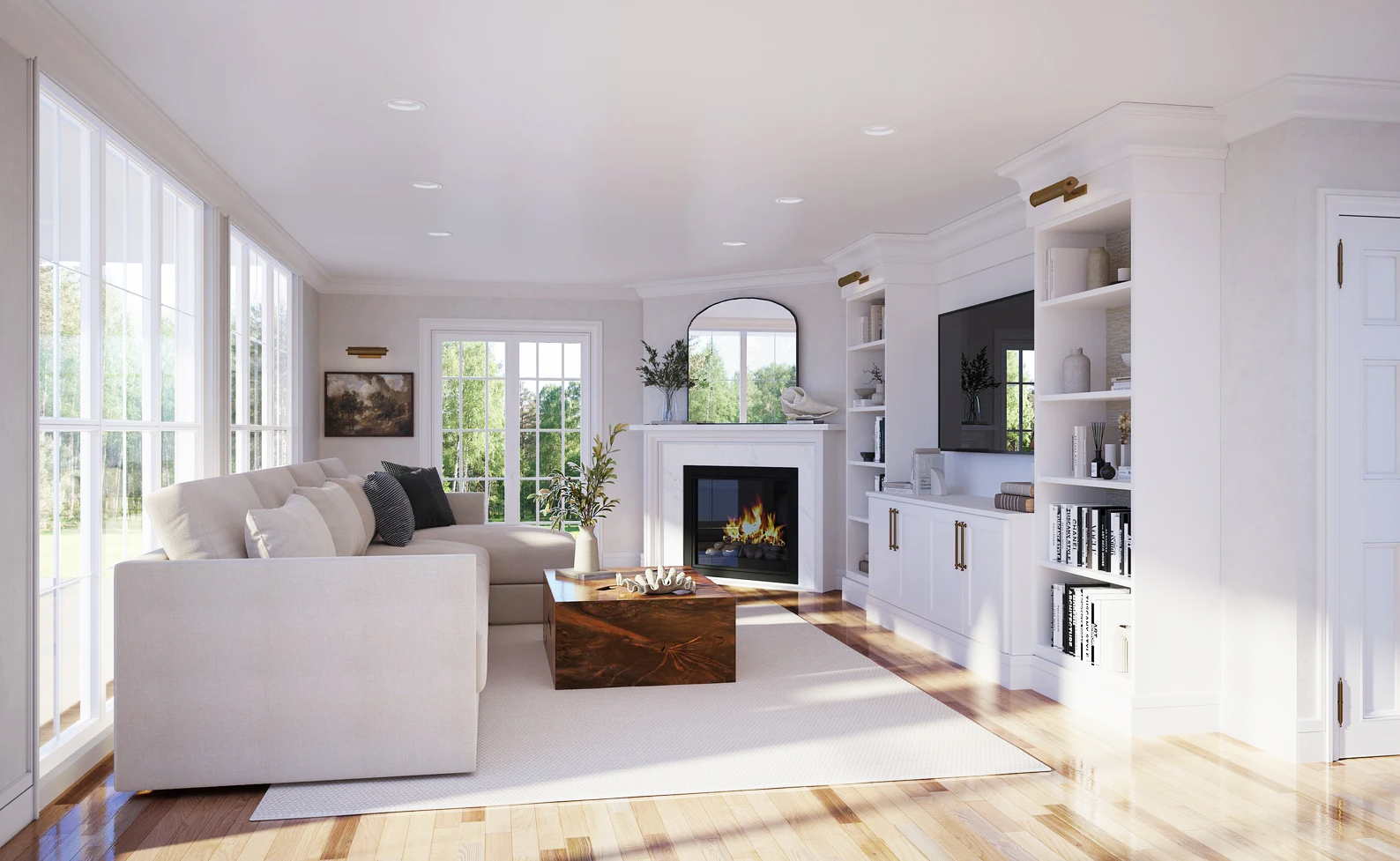
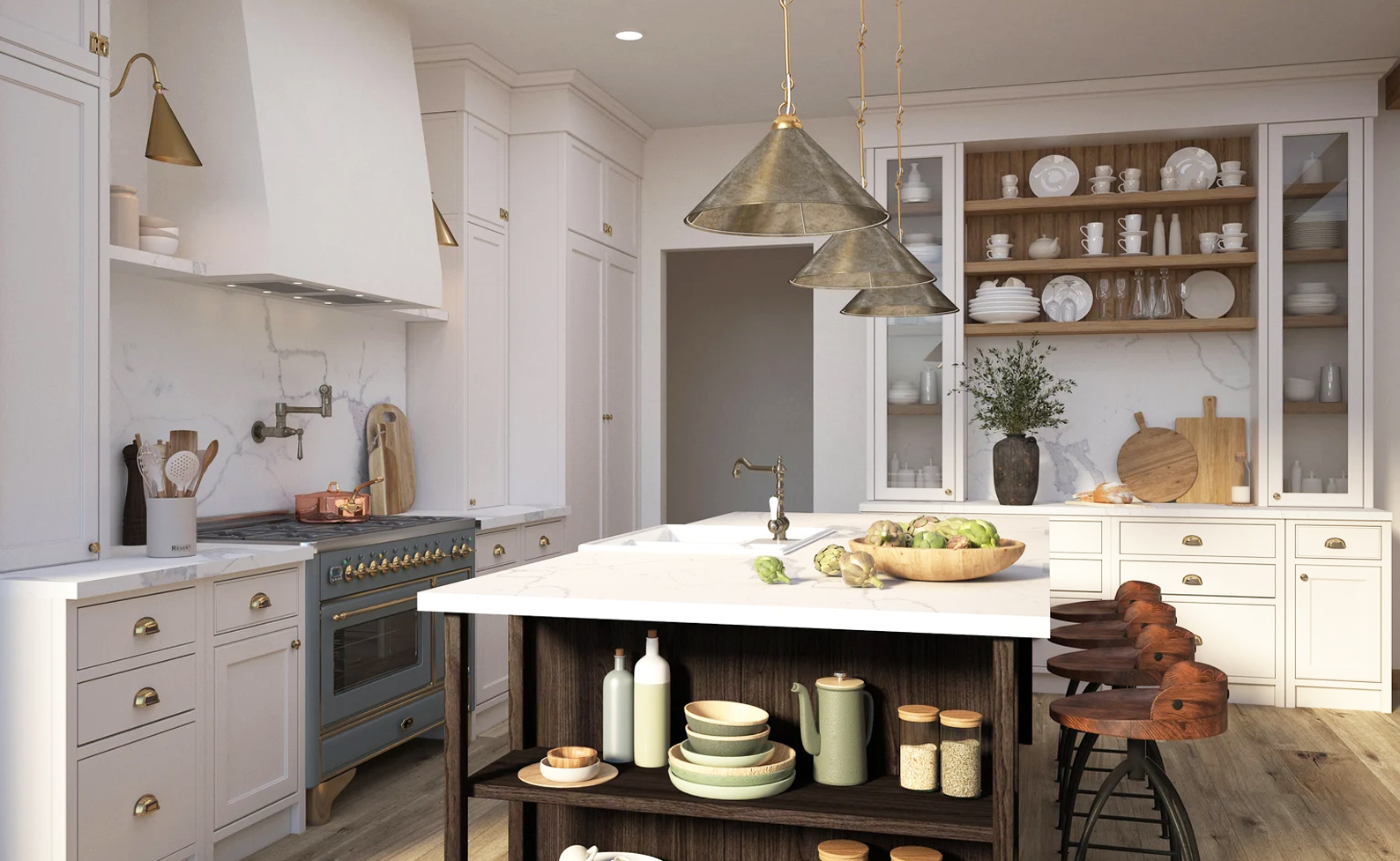
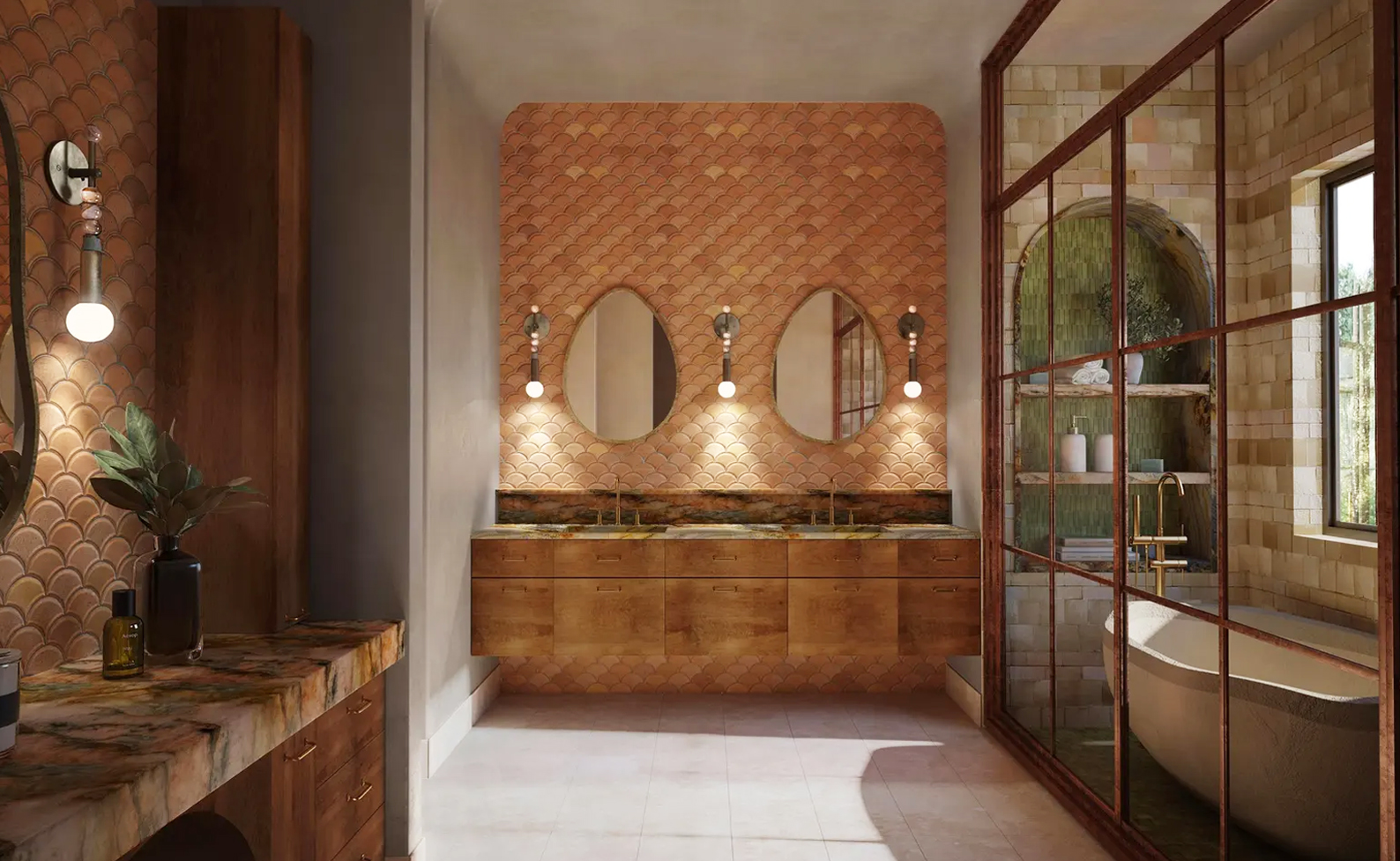
I specialize in architectural and interior design visualization. My work usually starts from an idea or a rough plan, and I turn it into a fully detailed, realistic visual that people can actually see and understand before anything is built.
What makes my approach different is that I do everything myself. I don’t just apply finishes or decorate a space. I model the entire structure from the ground up. Every wall, every trim detail, and every interior element is carefully built and thought through. For me, it’s important that the space not only looks good but also feels real and makes sense.
Because of my background in architecture, I understand how things are actually constructed, not just how they appear. That helps me create visuals that are both beautiful and accurate.
When I started working in the U.S., I noticed that many architects and designers don’t always work directly in 3D modeling. A lot of it gets passed on to someone else. For me, this has always been a core skill, so I built my business around it.
I didn’t have many local connections in the beginning, so I had to rely on my work and build everything from there. Most of my clients came through online platforms and word of mouth, including people from different parts of the country.
What I’m most proud of is that I was able to build this business on my own in a new country and grow it across the U.S., including places like Orange County and Los Angeles.
I think what really sets me apart is the level of detail and care I put into every project. I treat each space as if it will be built exactly the way I design it, and that changes how I approach everything.
If you had to, what characteristic of yours would you give the most credit to?
I think the most important quality behind my success is hard work and consistency.
For me, it’s very simple. The more time and effort you put into a project, the better the result will be. I don’t really separate work from life in a traditional way. When you truly care about what you do and you have a clear goal, you don’t think in terms of weekends or holidays. You just stay focused and keep going.
At the same time, I’ve learned that patience is just as important. Growth doesn’t happen overnight, especially when you’re building something on your own in a new place. You have to trust the process and give it time.
I also see time itself as one of the most valuable things we have. It’s a luxury, and I try not to waste it. Every project, every step forward matters to me, because it all builds toward something bigger.
For me, success is not just about talent. It’s about showing up every day, staying disciplined, and continuing to improve no matter what.
Contact Info:
- Website: https://julieerazo.com
- Instagram: https://www.instagram.com/design_interior_visualization/

Popular
-

Linda Kneidinger on Building Lasting Change Through Small Steps and Self-Compassion
-

Jolana Nika on Redefining Modern Connection Through Intentional, Real-Life Experiences
-
What did suffering teach you that success never could?
-
Who saw you clearly before you could see yourself?
-

Who taught you the most about work?
-

Is the public version of you the real you?


