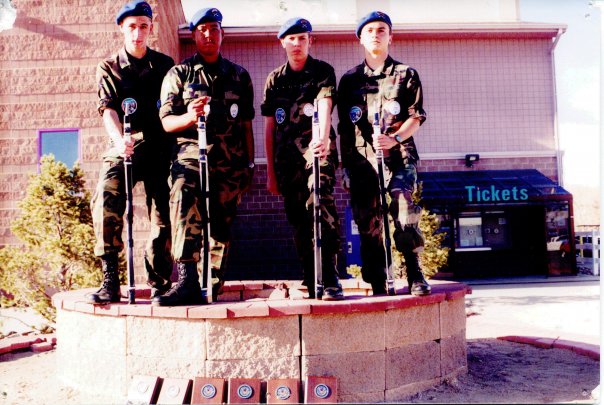
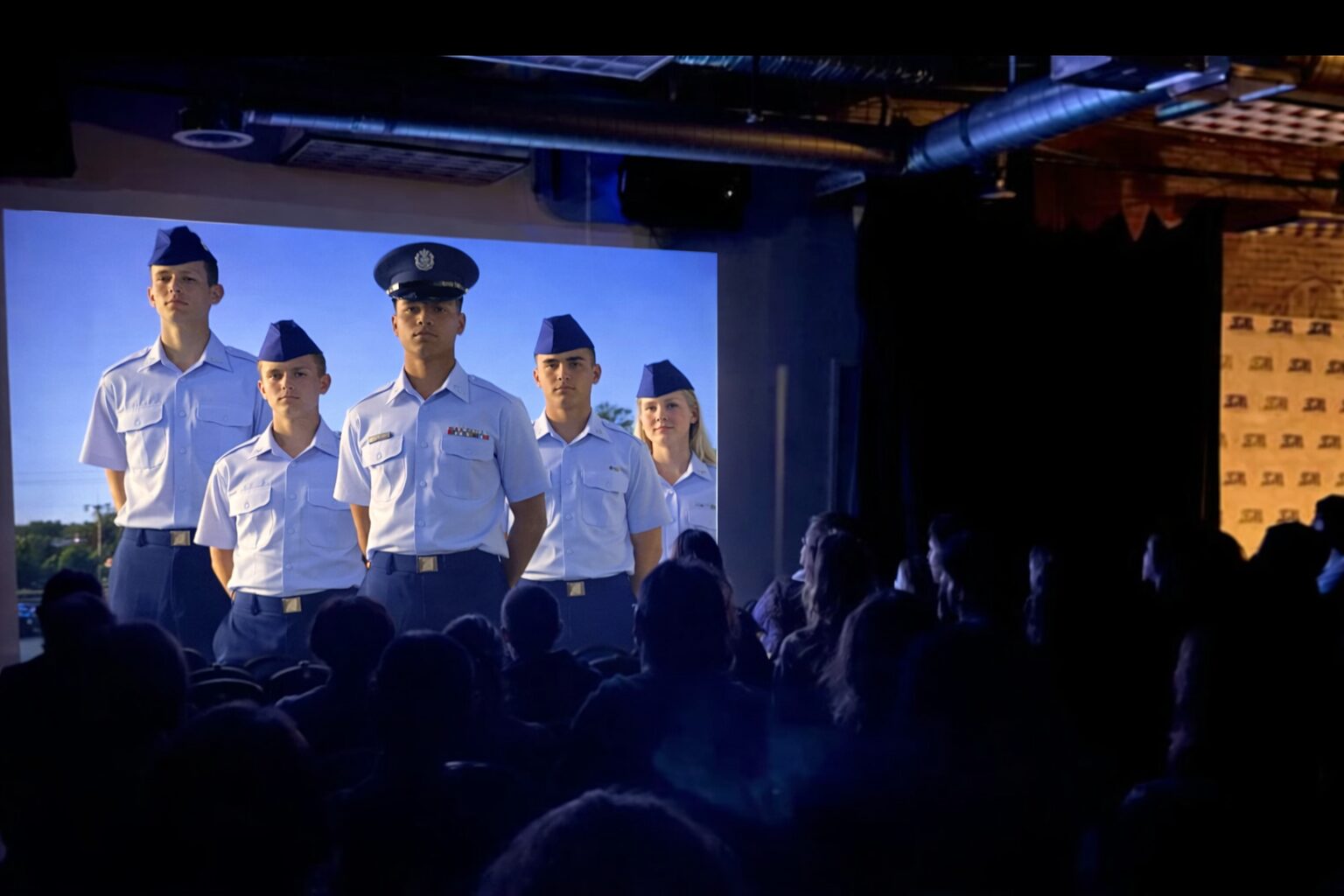
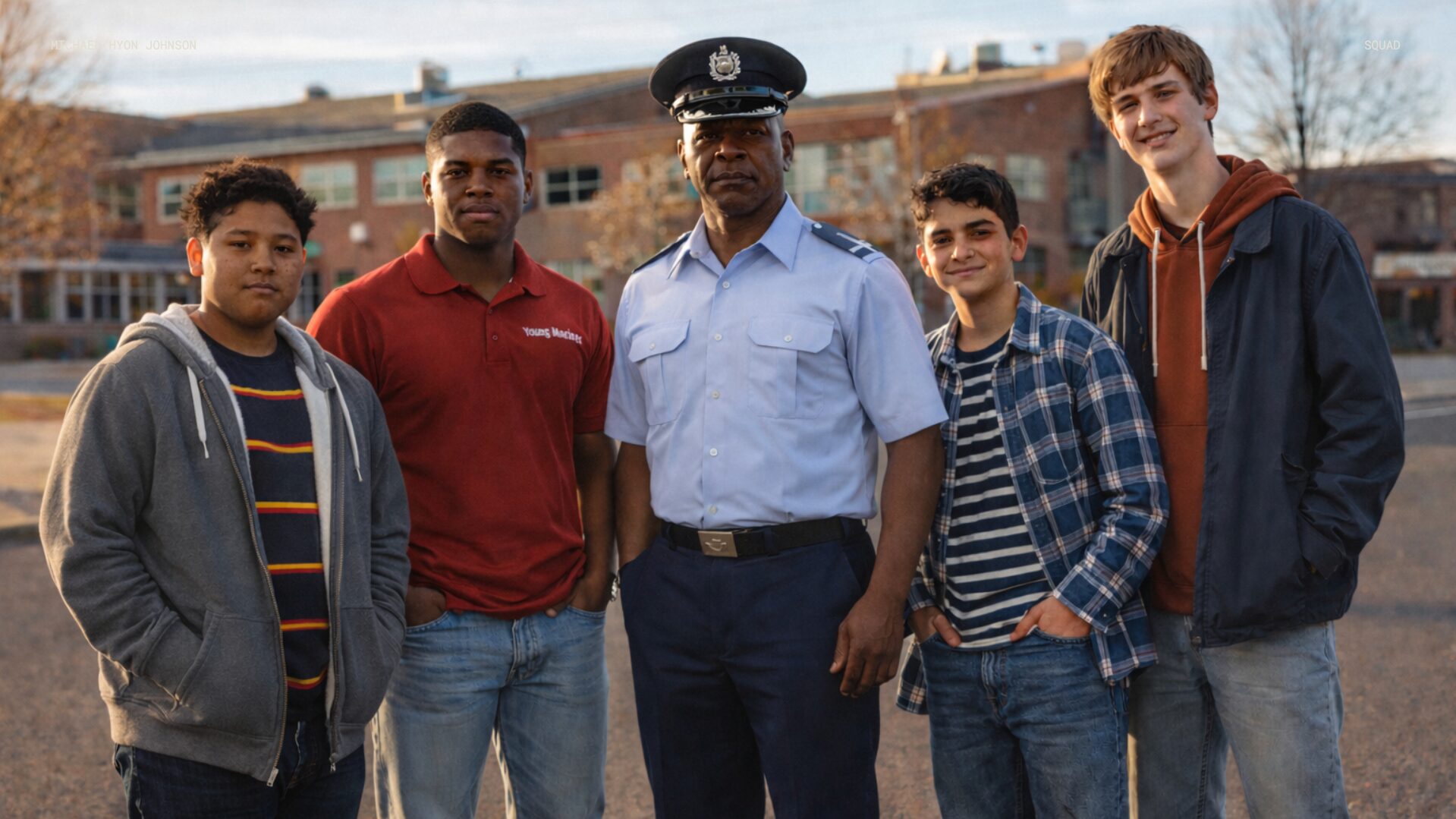
With SQUAD, Michael Johnson brings a rarely seen world into focus, using the structure of JROTC to explore deeper themes of identity, pressure, and belonging. Drawing from his own military background, he approaches the story with nuance — highlighting how discipline can both shape and challenge young people as they navigate who they are. At its core, the film isn’t just about uniforms or systems, but about the universal search for connection and self-understanding during some of life’s most formative years.
Michael, SQUAD explores the lives of high school JROTC cadets. What inspired you to tell this particular coming-of-age story?
SQUAD came from a very specific feeling I remember as a teenager being inside a system that demands discipline before you fully understand yourself. JROTC is one of the few spaces where young people are asked to lead, perform, and represent something larger than themselves while still figuring out who they are.
What stood out to me is that while less than one percent of Americans serve in the military, around three percent of high school students participate in JROTC. It is a world that exists in plain sight but is still widely misunderstood. That gap between visibility and understanding made it feel like the right lens for a coming of age story about pressure, identity, and belonging.
As a former Air Force veteran turned filmmaker, how has your personal experience shaped the themes of discipline, identity, and leadership in the film?
My experience in the Air Force gave me a real understanding of how discipline can be both constructive and damaging depending on how it is taught and internalized. There is a version of discipline that builds confidence and clarity, and another version that can suppress individuality or turn into control.
That tension is at the core of SQUAD. The film is not about the military itself, but about how young people interpret systems of authority. When you place that kind of structure on teenagers who are still forming their identity, leadership becomes complicated. It is not clean or heroic. It is messy, earned, and sometimes flawed.
You’re launching a crowdfunding campaign at a critical stage. What has the process of building support and awareness for this project been like so far?
It has been both challenging and clarifying. Building support from the ground up forces you to be very direct about what the project is and why it matters. You are not relying on industry validation. You are asking people to connect with the story immediately.
Right now, the focus is on reaching people who either see themselves in this experience or are curious about a world they have only seen in their periphery or haven’t been completely exposed to. JROTC is familiar to some but universal to everyone because it’s about finding community and your tribe during the awkward teenage years that we’ve all experienced. Taking ownership to fund this project means bringing light to a niche community and bringing new audiences to a world they may not be familiar with. Every follow, every share, every conversation is part of building that bridge.
https://seedandspark.com/fund/squadajrotcfilm
What do you hope audiences, especially those unfamiliar with JROTC, will gain or better understand through this film?
I want audiences to see the humanity behind the uniforms. JROTC is often reduced to assumptions, but it is made up of young people dealing with pressure, ambition, insecurity, and the need to belong. The program is unique to the US and it’s a perfect world to see kids of different races, theologies, identities, economic circumstances all joining and working together because they’re all searching for connection and belonging. Unlike any high school sport, band, or club – JROTC attracts a unique kind of high schooler who feels outcast, more so than any of the other atypical cliques we’ve seen portrayed in movies and TV.
For most viewers, this will be a window into a world they have seen but never really understood. Even without a direct connection to JROTC, the experience of trying to prove yourself, trying to lead, or trying to find your place is universal. The goal is to make that emotional experience feel immediate and recognizable.
Looking ahead, what is your vision for SQUAD and the impact you hope it will have once it’s completed?
My vision is for SQUAD to feel grounded, immediate, and emotionally honest. I want it to resonate with young people who rarely see themselves portrayed in this kind of environment, and also challenge broader audiences to rethink how we view discipline and leadership at a young age.
Because this is a world that sits just outside of most people’s understanding, the opportunity is not just to tell a story but to shift perspective. If the film can stay with people and spark conversations about mentorship, identity, and the systems we place young people in, then it has done what it set out to do.
Links: