




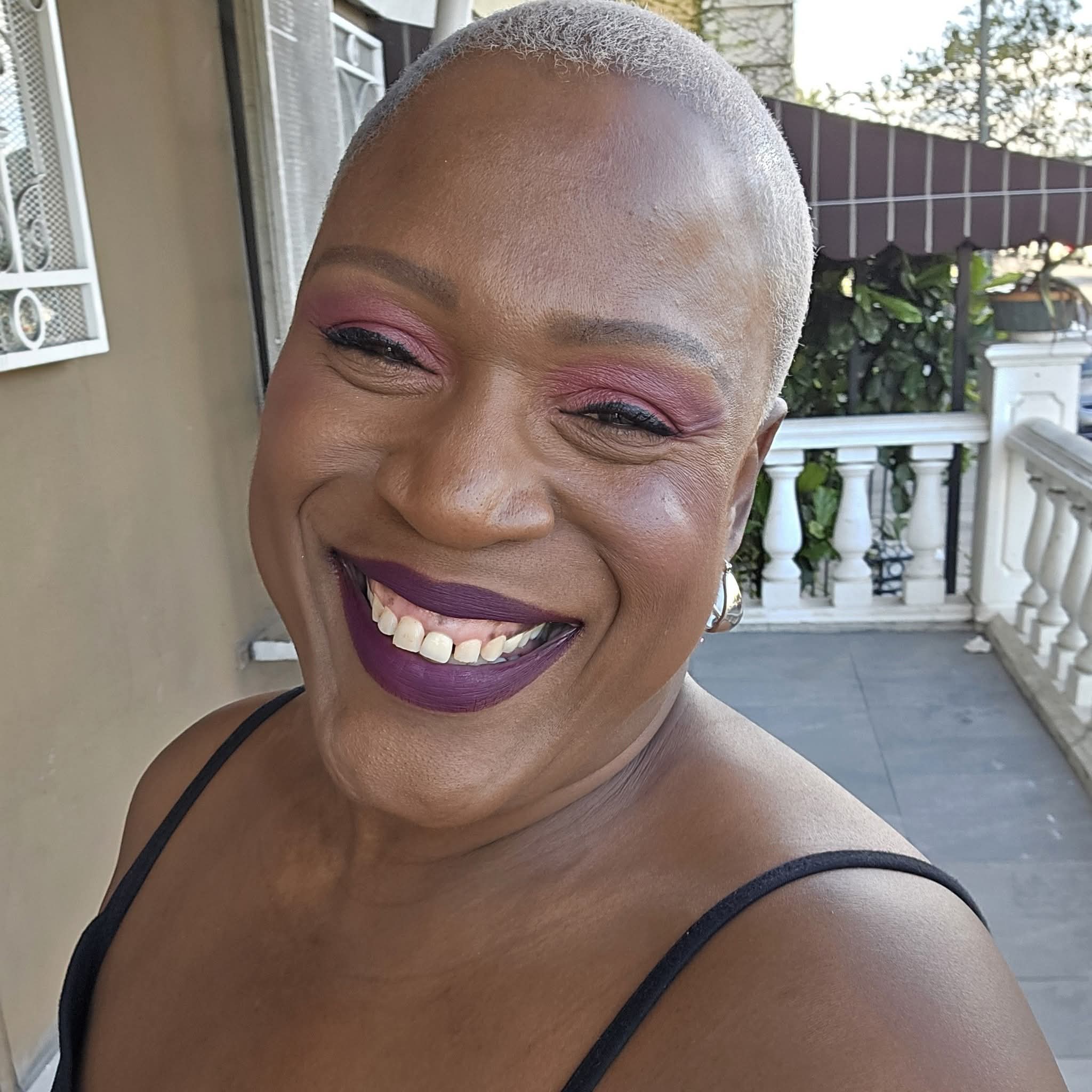
Today we’d like to introduce you to Adargiza De Los Santos.
Adargiza, we appreciate you taking the time to share your story with us today. Where does your story begin?
Hi, I’m Adargiza De Los Santos. Brooklyn born, Dominican-raised, Afro-Latina to my core — and yes, all of that matters, we’ll get to that.
My mom was an immigrant who raised 8 kids by herself. 8. Sola y sin ayuda. I don’t know how she did it honestly, and I say that as someone who can barely keep a plant alive. She had her limitations like we all do, but she did the best she could with the tools she had, and that woman shaped everything in me that fights, that shows up, that refuses to quit. So this whole story really starts with her.
I grew up in Brooklyn straddling two worlds — Dominican household, American everything else — code-switching before I even had a word for it. And somewhere in there I found storytelling, which turned out to be the one thing that made sense in both languages. Porque sí, that in-between space? That’s actually where all the good stuff lives.
I’ve lived in New York, Houston, Puerto Rico, and Spain, and each place cracked me open a little differently. Spain in particular wrecked me in the best way. Someone there asked me a simple question: what are five things you love to do? And I could not answer. I hadn’t touched art in over ten years. An artist, completely disconnected from her art. Pero así fue. By the end of that summer I had my list: act again, get deeper into my Dominican roots, teach, make art, and sing.
The wild part? I’ve done all of them — and the road back to each one had its own story. The acting one is really an Angela Garcia story. She’s one of my best friends from high school, and around 2004-2005 she was working in Museum Education and got me into the field. What I didn’t realize at the time was that Museum Education was quietly reigniting everything. I had to research artists, memorize their stories and their context, craft tours, and deliver them live — and one day it hit me: I was doing monologues. I was memorizing scripts. Angela essentially handed me my way back to acting without either of us fully realizing it. That’s the kind of friend she is. Esa es mi gente.
The singing came later and happened here in LA — a friend brought me to the Golden Bridge Choir and it was, genuinely, a saving grace. Poco a poco, I came back to myself.
I moved to LA in 2008, right into the writers’ strike. Not exactly a welcome mat. But I came anyway because storytelling isn’t something I chose, it’s something I am. Soy Griot.
I’m an actor with over 30 credits — which, side note, I did not fully register until a friend looked at me recently and said “you know you’re a working actor, right?” and I genuinely had to think about it. I’ve been so busy surviving this city that I forgot to clock what I actually built. Very me. This season you can catch me on Ted, The Pitt, and The Lincoln Lawyer. I also recurred on Abbott Elementary and The Horror of Dolores Roach. Some other credits include 9-1-1: Lone Star, Grey’s Anatomy, This Is Us, Shameless, Bosch, Criminal Minds, Castle, Animal Kingdom… and a few others that IMDb reminds me of before I do. Slow and steady, but we’re here.
Before LA, I was a Museum Educator in New York City — at El Museo del Barrio, The Museum of the City of New York, and The Queens Museum of Art — using storytelling in galleries and classrooms instead of on sets. The throughline was the same as everything else I’ve ever done: give people access to something that was never meant for them. Build the door if it doesn’t exist. Ya tú sabes.
Has this road been smooth? Mija, no. Esta ciudad will humble you real quick. It has been financially brutal in ways that are hard to explain if you haven’t lived it. Actors fund this town in ways people don’t see — headshots, reels, classes, coaching, websites, constantly updating materials because your hair changed or your face changed or the industry changed. It adds up. I have been behind on rent, behind on my car payments — my car got repoed within the last three years, so yes, it got very real. And still I kept going, mostly on faith and stubbornness and whatever was in the fridge.
When things got really hard, my family showed up the way families do when they don’t have much but show up anyway — everybody throwing in $2, $3, $4 until it rounded up to something. That kind of love I don’t take lightly. Nunca.
Some friends strongly encouraged me to do a GoFundMe, and I finally took their advice. With the money raised, I paid my rent, cleared back rent, got out of debt, and got myself stable at a time when I genuinely didn’t know how I was going to make it. And to every single person who gave — especially those who sent $5 and said “I’m sorry, this is all I have” — gracias, de corazón. I knew what that sacrifice meant. You helped me survive.
What none of us fully understood at the time was what was actually driving the crisis.
I received a late ADHD diagnosis — combined type, both flavors, overachiever that I am. And the moment I stopped masking, my body finally let go of the decades of effort it had taken to hold everything together and said: we’re done. Adiós. I went into full autistic burnout — narcolepsy, complete dysregulation, a new specialist every other month for about two years as different systems broke down. I lost my executive functioning. And I don’t mean that casually — I mean it reverted. The things most adults do on autopilot — knowing when to eat, when to sleep, when to shower, when to rest — I lost all of that. I was essentially operating like a child who needs someone to say hey, food’s on the table, go take a shower, time for bed. I couldn’t work. I couldn’t support myself. I was navigating a life I no longer recognized, while simultaneously trying to understand what was happening to me, while simultaneously trying to work through a system that was not built for people like me. Era mucho.
Then came the autism diagnosis, following the ADHD diagnosis — and 50 years of my life snapped into focus. Every adult who called me lazy, unfocused, unreliable, no ambition, “too much” — that was never a character assessment. That was a nervous system they didn’t understand, and that I didn’t understand either. Not wrong. Different.
And I’m still figuring out what that means in real time — because this version of me is brand new, even to me. My nervous system now operates by its own rules, and there’s no warning when it decides to clock out. Not for me, not for the people around me. I can be fine and then suddenly I’m not — overstimulated, shut down, nonverbal. I can walk into a room and not realize I’m talking above the noise level of everyone around me. I can cancel plans not because I don’t care but because my body has left the building and taken my words with it. I can send a meme but I cannot have a conversation — and I know how that sounds, but that’s exactly how a shutdown works. The people close to me are adjusting to this, and I’m adjusting to this, and honestly some days that adjustment is harder than others. Así es la cosa.
What I really need people to understand is that there is no warning. I can’t text you ahead of time to say hey, my nervous system is about to go offline, reschedule everything. It doesn’t work that way. And when I come back online I will reach out — but pressing me while I’m down, asking why I didn’t call, suggesting I just take my medication as if there’s a pill that cures autism — that’s not how any of this works. Medication is not a cure. Autism is not a phase. This is just how my nervous system moves in the world now. I’m learning it. I’m asking for grace while I do. And I am absolutely done apologizing for it.
And right in the middle of all of that, I found out my mother was sick. She’d been keeping it from me — because that’s what our mothers do, they protect us even when we need to be the ones showing up for them.
What I also didn’t see coming was what her illness would reveal. In those final months, as I was deep in my own diagnosis and learning the language of it, I started to recognize things. The way she’d get overwhelmed and just leave — walk out of the house for hours without warning, saying only I just have to walk, I’m overwhelmed. The bursts of anger that came out of nowhere and hit hard. The way she’d say something completely true but not at all kind, and then genuinely not understand why everyone was upset — but it’s true, she’d say, I don’t understand. I always thought those were just clashes between two strong personalities. But learning what I now know, I believe my mother was autistic and never knew it. She never had the language for it. She never had anyone hand her a framework for why her system worked the way it did. And menopause — which changes brain chemistry in ways that hit autistic women especially hard — that was when things between us were at their most difficult. The clashes, the overwhelm, the volatility. It all makes sense now in a way that breaks my heart a little, because she carried so much. She survived my father’s abuse — physical, emotional, mental — she raised eight children alone in a country that wasn’t hers, and she did it all without ever knowing that her nervous system was working overtime every single day. My brain keeps doing this fast-forward and rewind through every memory, recontextualizing everything. She wasn’t difficult. She was undiagnosed, unprotected, and doing her absolute best. Igual que yo.
She passed away two weeks after my birthday. I turned 51 this past Friday, April 10th. She passed away on April 24th. So right now, this Sunday that I’m writing this, I’m just days into the anniversary of the hardest year of my life. I am actively in mourning, in real time, while also still climbing out of burnout. Con todo. I say that not for sympathy but because I think there’s something important about naming that you can be in the middle of the hardest season of your life and still be building. Still be here. Still be loud.
Now — about being Afro-Latina. I am not a trend. Afro-Latino has become a buzzword in Hollywood in the last few years — something clickable, something marketable — and while I’m glad for the increased visibility, we have been here. We have been fighting for a very long time before it became useful to anyone’s algorithm. When I was auditioning for Latina roles I was rarely what they were looking for, because Latin American television — which is where Hollywood takes its cues — has historically not represented us at all, or when it does, we’re the maid, the criminal, the caricature. That is what we’ve been working against. That is the story that needs to change.
I’m co-founding Love Mi Language with Angela Garcia — one of my best friends from high school, fellow daughter of Dominican immigrants, fellow Afro-Latina who grew up doing the same cultural tightrope walk I did. Our first move is launching merchandise, coming very soon, and it is just the beginning. The mission is to amplify Afro-Latino stories, build genuine community, and make sure anyone who grew up feeling like they existed in the margins knows there is always a place for you. Siempre. I’m also building Mira Mira Productions with that same intention: centering the stories Hollywood keeps leaving on the table. Both are in development, not fully launched yet — and I’m okay saying that because the mission is already alive in how I move and who I fight for.
I also have to talk about disability advocacy because it is inseparable from everything else I now do. Right now there are so many Black & Brown women — especially in their 40s and 50s — being diagnosed with autism and ADHD, and some people want to call it a fad. It is not a fad. We were never included in the research. We were never in the studies. Instead we got labels: “angry Black woman,” “spicy Latina,” “too emotional,” “too intense.” Those are women whose nervous systems were dysregulated in environments that were never built for them, being punished for something completely outside their control. I lived that for 50 years. And my mother lived it for her whole life without ever getting an answer. That is what fuels me.
I speak openly about having autism and ADHD, and some people find that uncomfortable — they say don’t use it as a crutch. And I find that genuinely funny, because I’ve been living with this my entire life. I’m just now talking about it. That you experience my clarity as inconvenient is, respectfully, a you problem.
I no longer apologize for how I move through the world. I no longer ask permission to exist as I am. And I’m here especially for the people who can’t say that yet — the ones who are still being told something is wrong with them, who are one diagnosis away from their whole life making sense.
My mission has always been to give voice to the voiceless. It was true in the museum galleries. It’s true on set. It’s true in everything I’m building right now.
I’m here. I’m loud about it. Y no me voy a ningún lado.
Would you say it’s been a smooth road, and if not what are some of the biggest challenges you’ve faced along the way?
My apologies I didn’t know this would come in sections. I hope I’m not making more work foe you. Lol:
Has it been a smooth road? Mija, no. Esta ciudad will humble you real quick.
It has been financially brutal in ways that are hard to explain if you haven’t lived it. Actors fund this town in ways people don’t always see — headshots, reels, classes, coaching, websites, constantly updating materials because your hair changed or your face changed or the industry changed. It adds up fast. I have been behind on rent, behind on my car payments — my car got repoed within the last three years, so yes, it got very real. And still I kept going, mostly on faith and stubbornness and whatever was in the fridge.
When things got really hard, my family showed up the way families do when they don’t have much but show up anyway — everybody throwing in $2, $3, $4 until it rounded up to something. Nunca take that lightly. Some friends strongly encouraged me to do a GoFundMe, and I finally took their advice. With the money raised I paid my rent, cleared back rent, got out of debt, and got myself stable at a time when I genuinely didn’t know how I was going to make it. To every single person who gave — especially those who sent $5 and said “I’m sorry, this is all I have” — gracias, de corazón. You helped me survive.
What none of us fully understood at the time was what was actually driving the crisis. I received a late ADHD diagnosis — combined type, both flavors, overachiever that I am. And the moment I stopped masking, my body finally let go of the decades of effort it had taken to hold everything together and said: we’re done. Adiós. Full autistic burnout — narcolepsy, complete dysregulation, a new specialist every other month for about two years. I lost my executive functioning, and I don’t mean that casually. The things most adults do on autopilot — knowing when to eat, when to sleep, when to shower — I lost all of that. I couldn’t work. I couldn’t support myself. I was navigating a life I no longer recognized while simultaneously trying to figure out what was happening to me and work through a system that was not built for people like me. Era mucho.
Then came the autism diagnosis — and fifty years of my life snapped into focus. Every adult who called me lazy, unfocused, unreliable, “too much” — that was never a character assessment. That was a nervous system they didn’t understand, and honestly, neither did I. Not wrong. Different.
And right in the middle of all of that, I lost my mother. So yes — the road has been a lot of things. Smooth is not one of them. But I’m still on it. And that counts for something.
As you know, we’re big fans of you and your work. For our readers who might not be as familiar what can you tell them about what you do?
I’m an actor and storyteller. That’s the short answer. The longer answer is that I’ve spent my entire career finding ways to put underrepresented stories in front of people who needed to see them — whether that was in a museum gallery in New York or on a screen in LA.
I have over 30 credits. This season you can catch me on Ted, The Pitt, and The Lincoln Lawyer. I’ve also recurred on Abbott Elementary and The Horror of Dolores Roach, with credits that include 9-1-1: Lone Star, Grey’s Anatomy, This Is Us, Shameless, Bosch, Criminal Minds, Castle, Animal Kingdom… and a few others that IMDb reminds me of before I do. Slow and steady, but we’re here.
Before LA I was a Museum Educator — at El Museo del Barrio, The Museum of the City of New York, and The Queens Museum of Art — and what I didn’t realize until much later was that those years were also acting training. Memorizing artists’ histories, crafting tours, delivering them live to rooms full of strangers? That’s a monologue. That’s a script. That’s performance. One of my best friends from high school, Angela Garcia, opened that door for me, and it quietly handed me my way back to acting. I don’t think either of us fully understood what she’d done until years later.
What do I specialize in? Honestly — truth. I specialize in characters who don’t get to be complicated on screen, and I make them complicated anyway. I’m an Afro-Latina woman who has spent years auditioning for rooms that didn’t know what to do with me, in an industry that took its cues from a Latin American television landscape that historically didn’t include us — or when it did, reduced us to a maid, a criminal, a punchline. I refused to shrink to fit that. Still do.
And I have to say this clearly: I did not build this career alone. Not even close. I have been blessed with mentors and allies in this business who are the reason certain doors opened at all — and I don’t take that lightly for a single second. There are casting directors — white casting directors — who went out of their way to say hey, I have this Afro-Latina, she’s Black and she speaks Spanish, and put my name in rooms I didn’t even know I was being considered for. Those are people who used their access on my behalf. Those are real allies — not allies in the hashtag sense, allies in the I’m going to put my credibility behind this person sense. To every mentor, every champion, every person who held a door open or slipped my name into a conversation — gracias. You are woven into every single one of those 30 credits. I see you and I don’t forget.
What sets me apart is that I move through this work as an advocate first. I’m co-founding Love Mi Language with Angela Garcia — our first move is launching merchandise very soon — with a mission to amplify Afro-Latino stories and build real community through media and live experiences. I’m also building Mira Mira Productions with that same intention: centering the stories Hollywood keeps leaving on the table. Both are in development, and the mission is already alive in everything I do.
What am I most proud of? Honestly — that I’m still here. That after every strike, every financial crisis, every diagnosis, every loss, I did not stop. I have over 30 credits and a friend had to point that out to me because I was too busy surviving to notice. That’s not a gap in my self-awareness, that’s just what it costs to build something real in this industry when nobody handed you anything. I’m proud of every single credit. I’m proud of the doors I’ve opened for myself when no one else was opening them. And I’m proud that the work I’m building now — Love Mi Language, Mira Mira, all of it — is finally the work that was always supposed to exist. Llegó su momento. Its time has come.
We’d love to hear about any fond memories you have from when you were growing up?
This question stopped me in my tracks, not going to lie. My childhood was complicated — we didn’t do vacations, we didn’t do a lot of the things that make for easy “fondest memory” answers. But when I sat with it, what came up immediately was the house parties.
My mother was an extraordinary cook. I mean extraordinary. Her pernil — roast pork, what some of us in the Caribbean also call lechón — her seasoning was out of this world, and everybody knew it. If there was a family gathering, people were coming specifically for her food. That was not up for debate. Mami’s pernil was the reason you showed up.
And those parties — the music, the dancing, the whole family packed into whatever space we had — those are the memories I hold closest. Because in those moments my mother was joyous. Fully, completely happy. She would light up. She would dance. She would laugh in a way that filled the whole room. That version of her — relaxed, surrounded by people she loved, in her element — I miss her so much it’s hard to put into words. Especially now, a year into grieving her, those memories feel even more precious.
I didn’t have a lot of childhood in the traditional sense. But I had those parties. I had her cooking. I had that music. Y eso me lo llevo para siempre. That I carry with me forever.
Contact Info:
- Instagram: adargizadelossantos
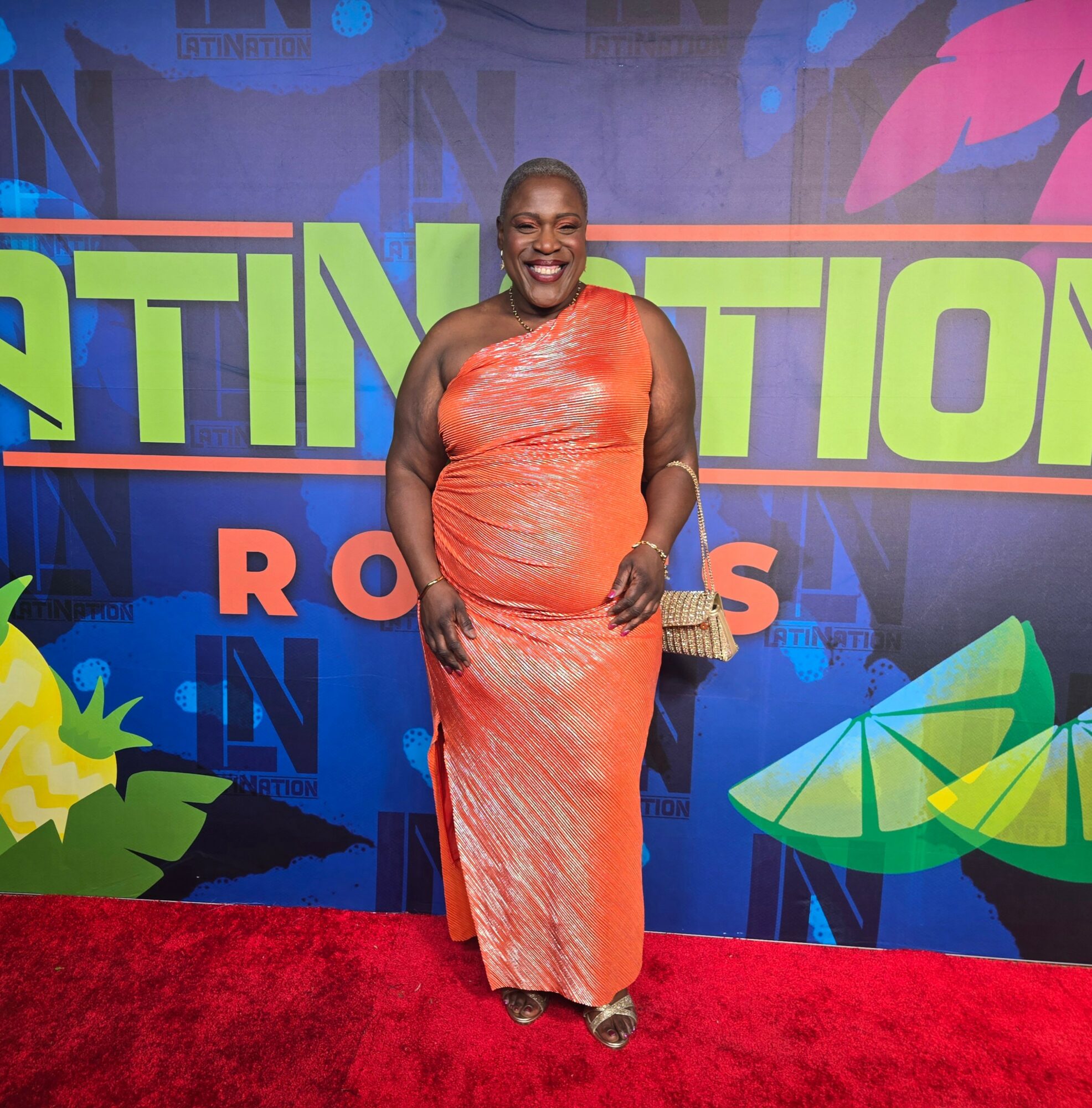
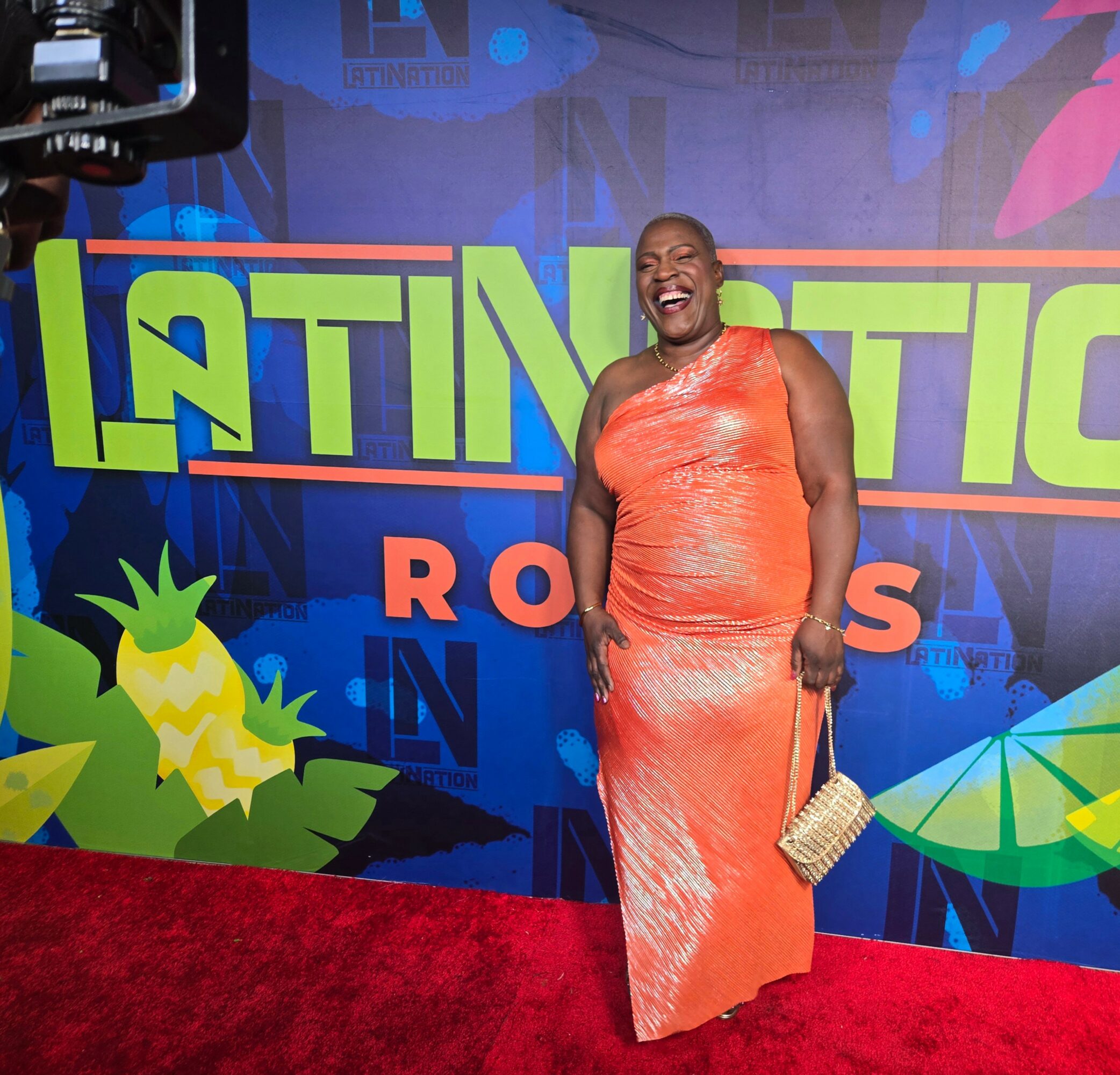
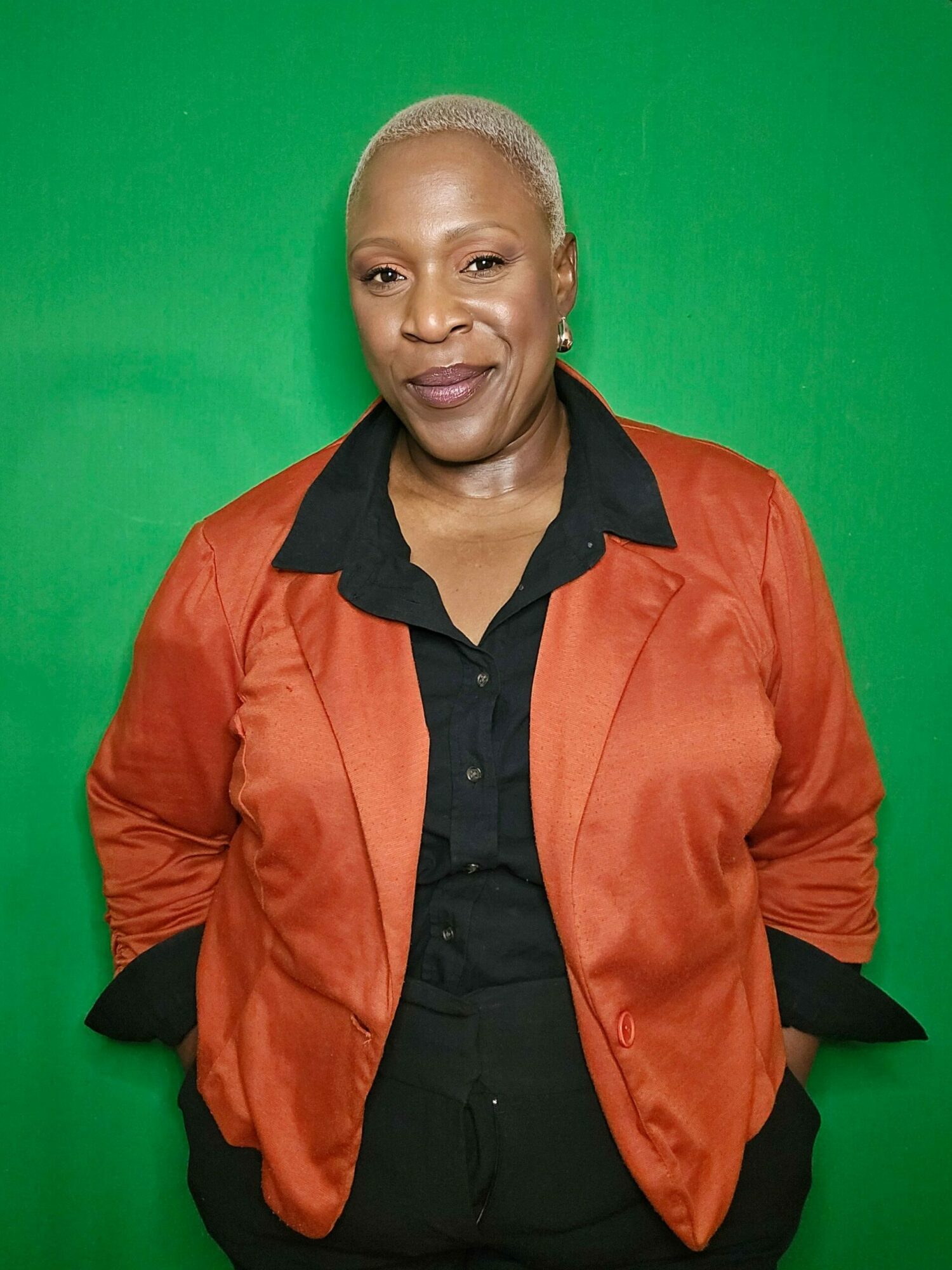
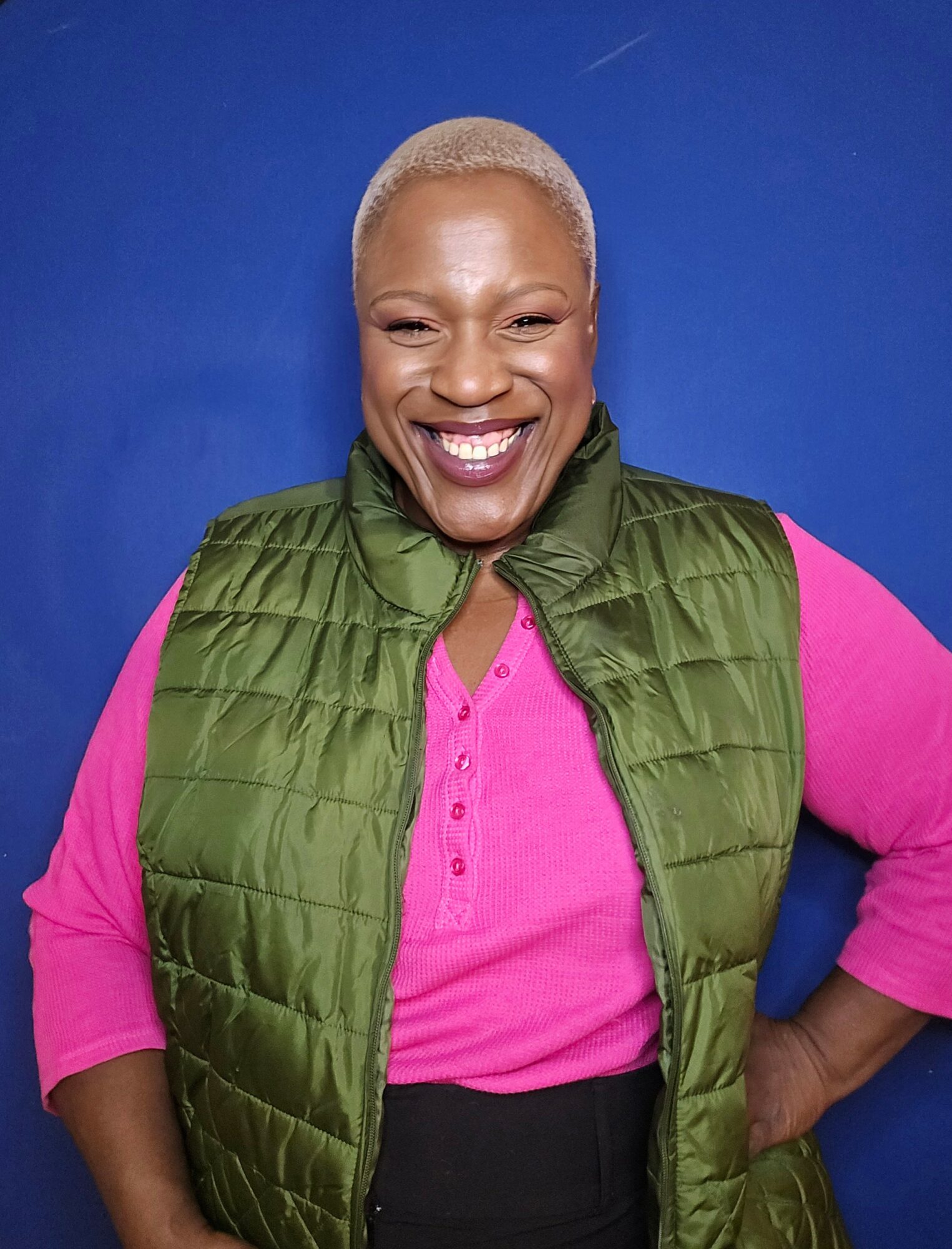
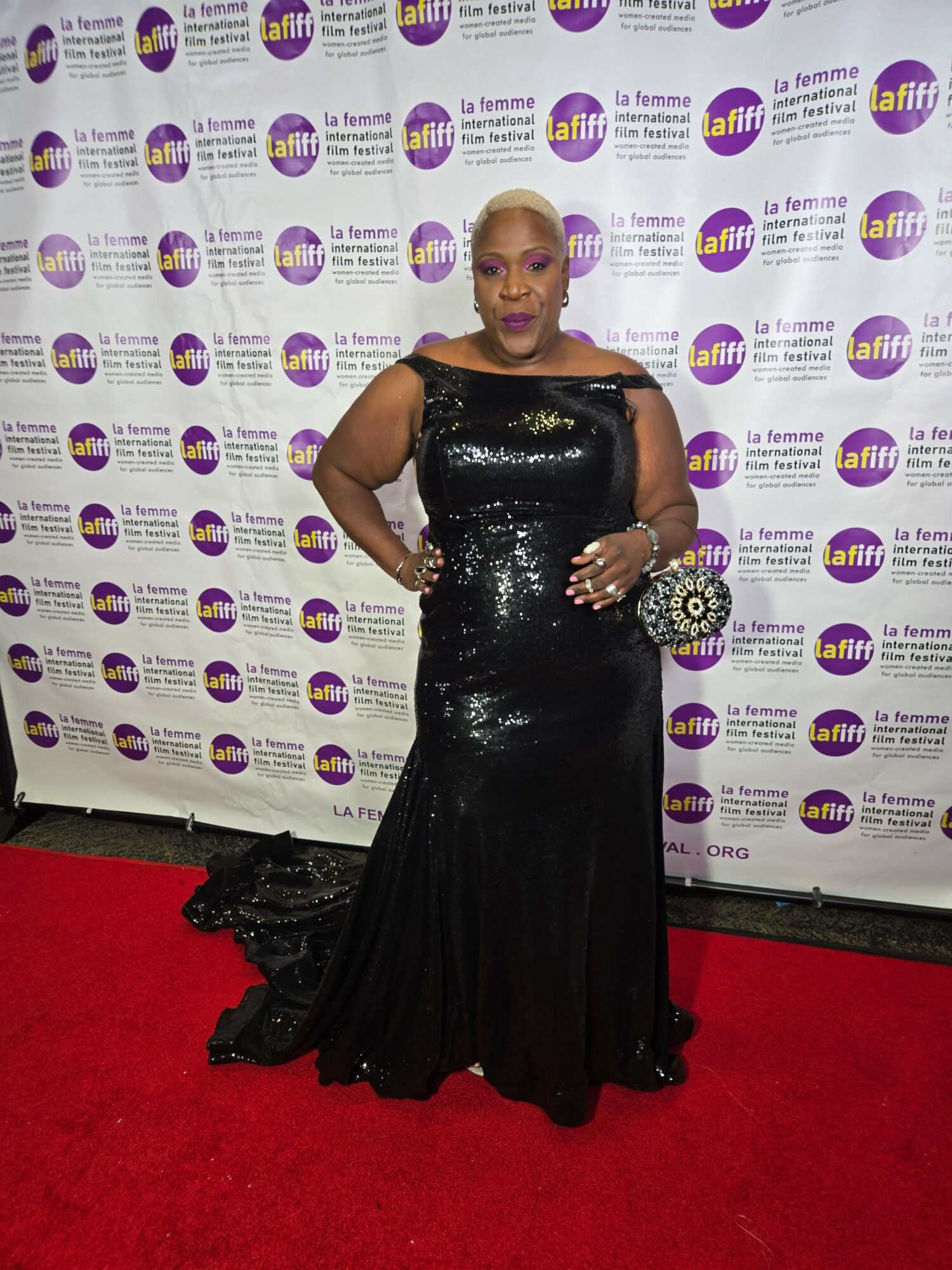
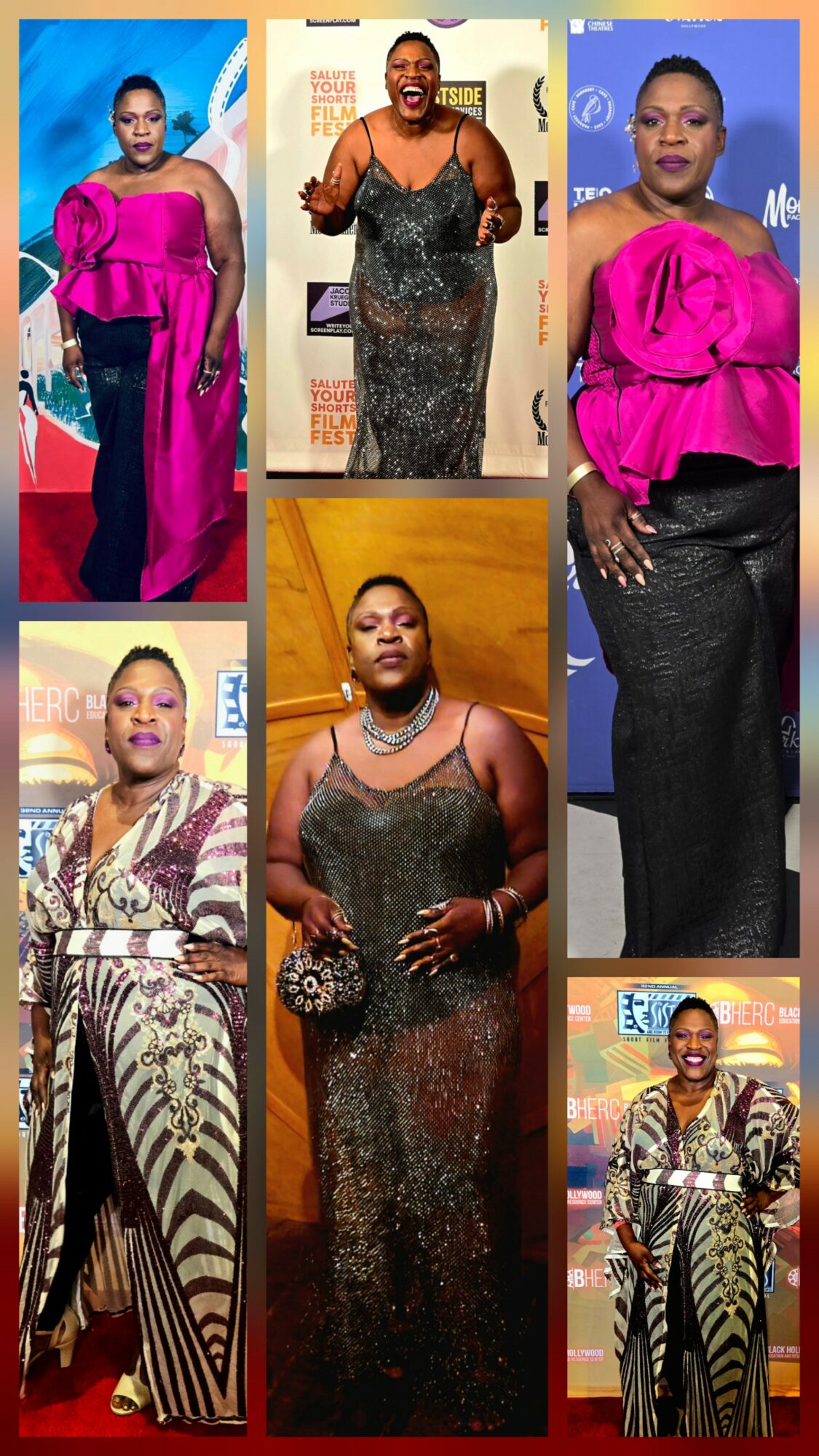
Image Credits
All images were shot with my android phone
Popular
-

Linda Villines on Releasing Stored Struggle and Reclaiming Ease Through the Body
-

Candice Swanson on Honoring the Sacred Early Days of Motherhood Through Intentional Photography
-

Michael Johnson on Telling Untold Stories of Identity and Leadership Through SQUAD
-

Owning the Narrative: Drew Dusterhoff Steps Into Power with Lincoln Must Die
-

Portraits of the Valley
-

LA’s Most Inspiring Stories


