




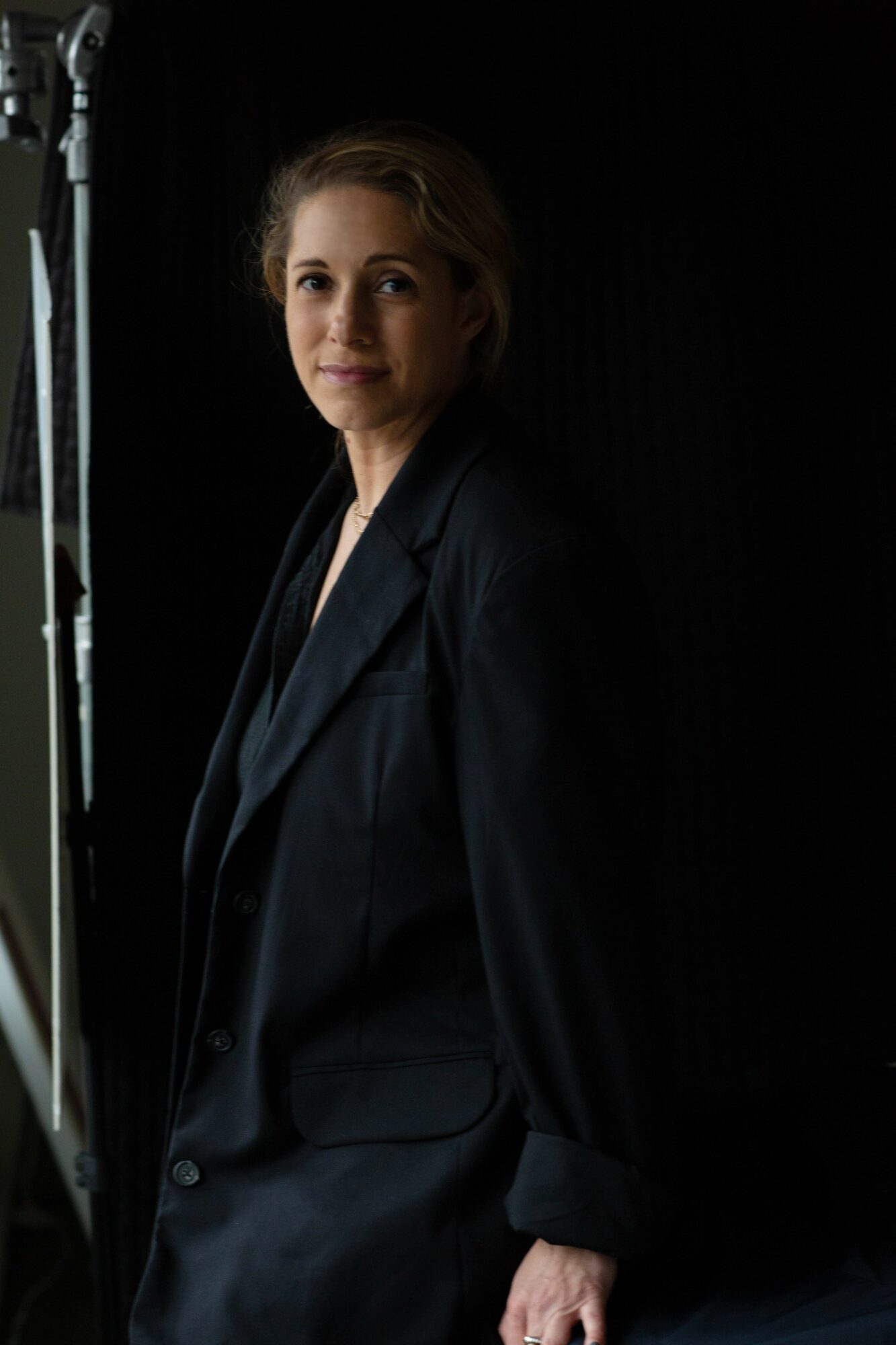
Today we’d like to introduce you to Mikaela Shwer.
Hi Mikaela, so excited to have you with us today. What can you tell us about your story?
I am currently a documentary editor and filmmaker, and many parts of my past have helped me get here in ways I could never have imagined when I was younger. I was raised in Phoenix, Arizona, as a first-generation American by my mother, an incredibly creative artist, and my father, a neonatologist devoted to helping children. A main contributor in my most recent film, Liz, recently told me that my work as a documentarian combines the work of both my parents, which was pretty special.
I began studying Media Arts and Journalism at the University of Arizona and got my start as an intern editing sports segments for a local news station. After deciding to pursue documentary filmmaking, I fell in love with the power of editing even more. I love that every documentary edit is a puzzle, and that you can give 20 editors the same 100+ hours of footage, and each will see it differently and truly leave their own mark on the final story. I was very lucky to work my way up from intern to editor while gaining a masterclass from incredible filmmakers and their teams, since much of the learning in this field really only comes with getting into the work itself.
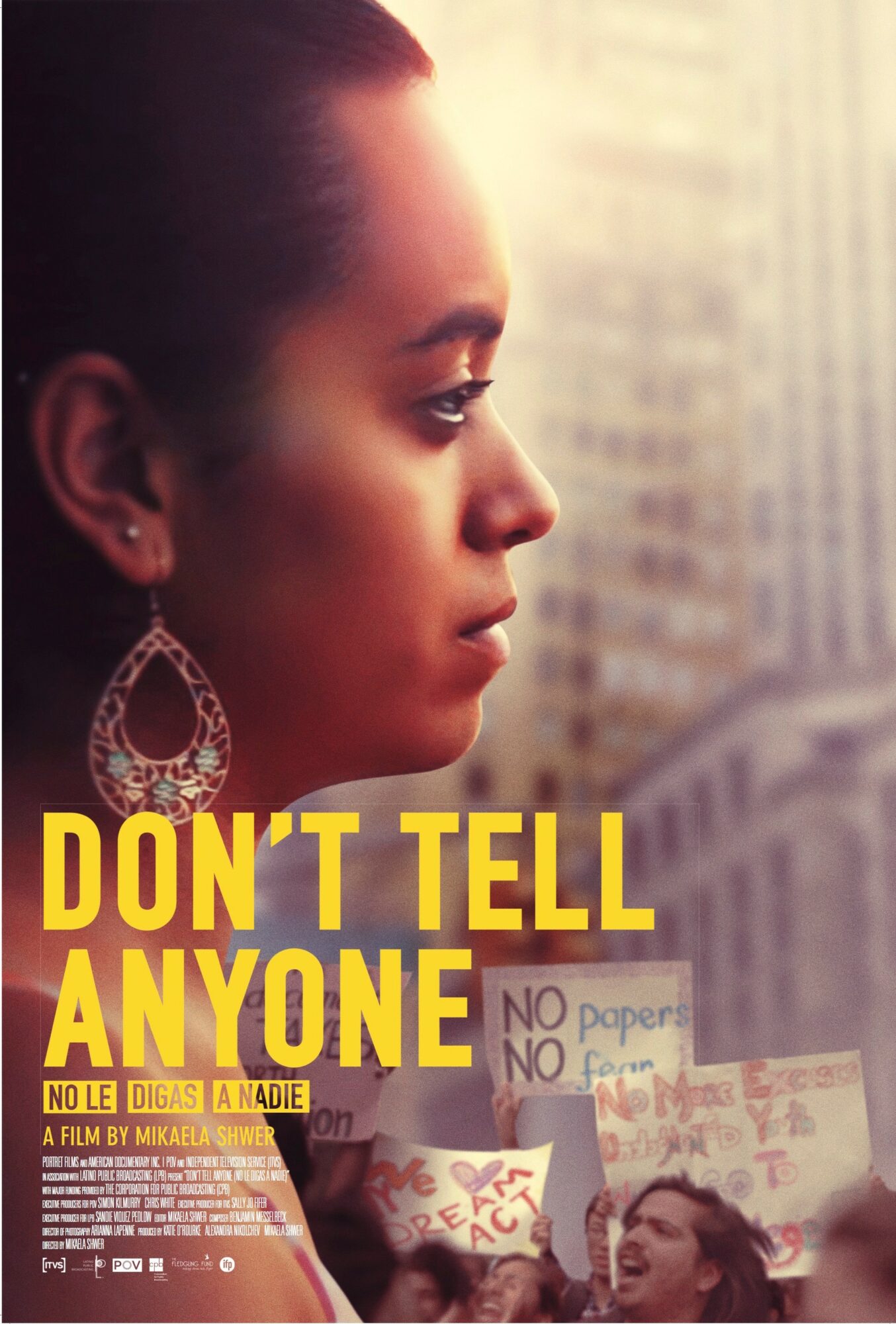
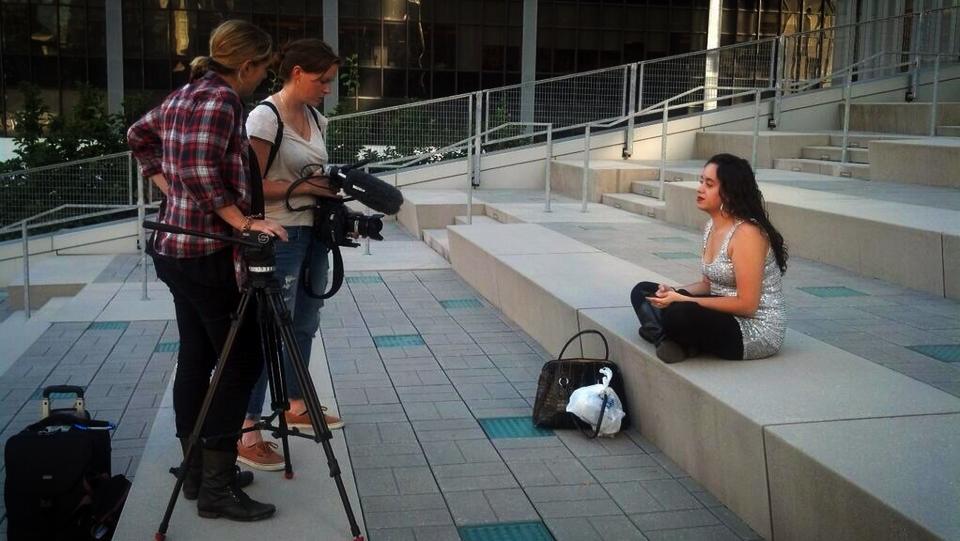
My directing career began in 2012. When Deferred Action for Childhood Arrivals (DACA) was created, I met immigrant activist Angy Rivera, who had started an online advice column for undocumented youth, and I approached her about making a short documentary about DACA and her column. As I spent time with Angy and her family, her story developed further, and thanks to Angy’s trust in me, the film expanded to the feature documentary, Don’t Tell Anyone/No Le Digas a Nadie.
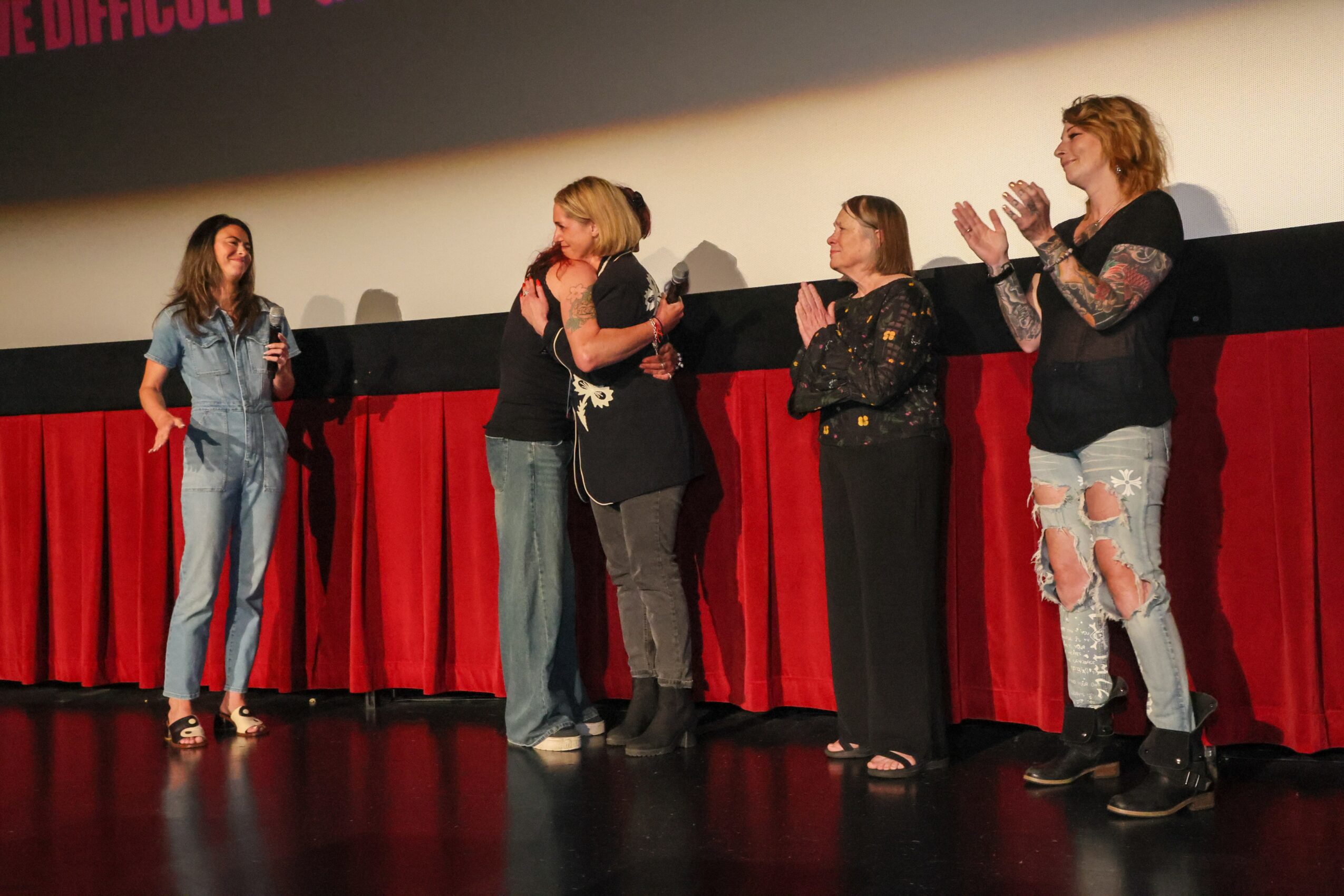
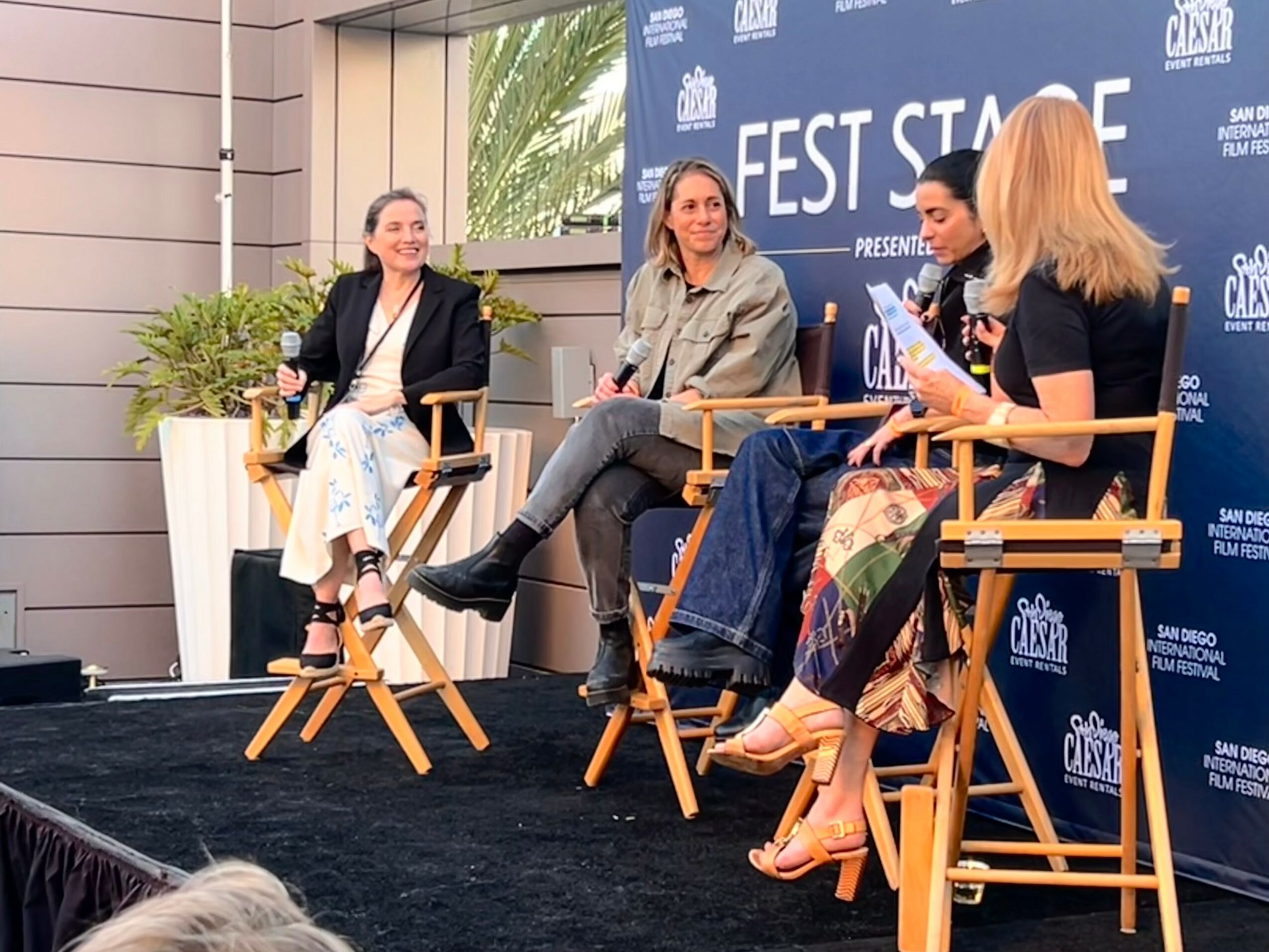
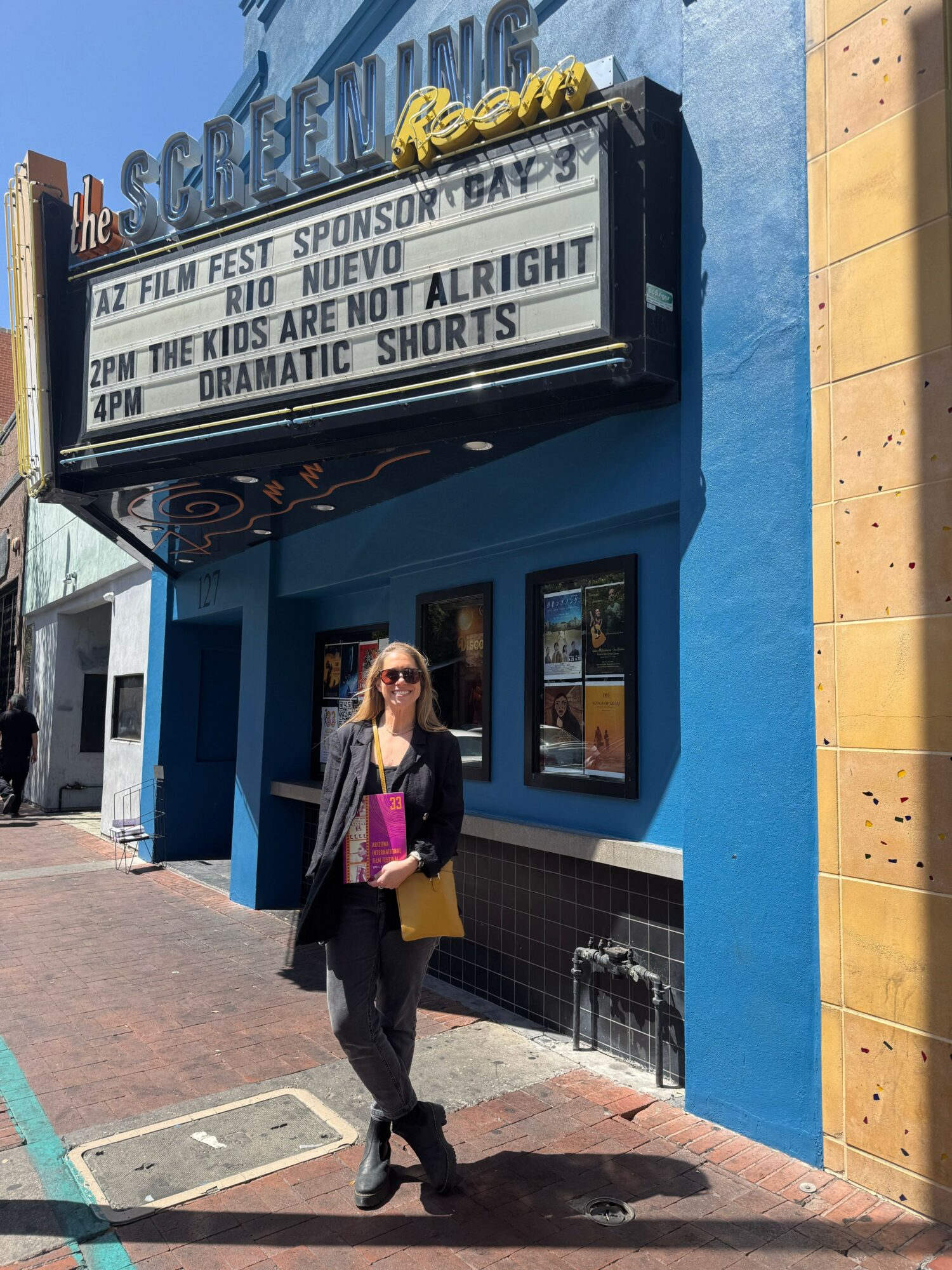
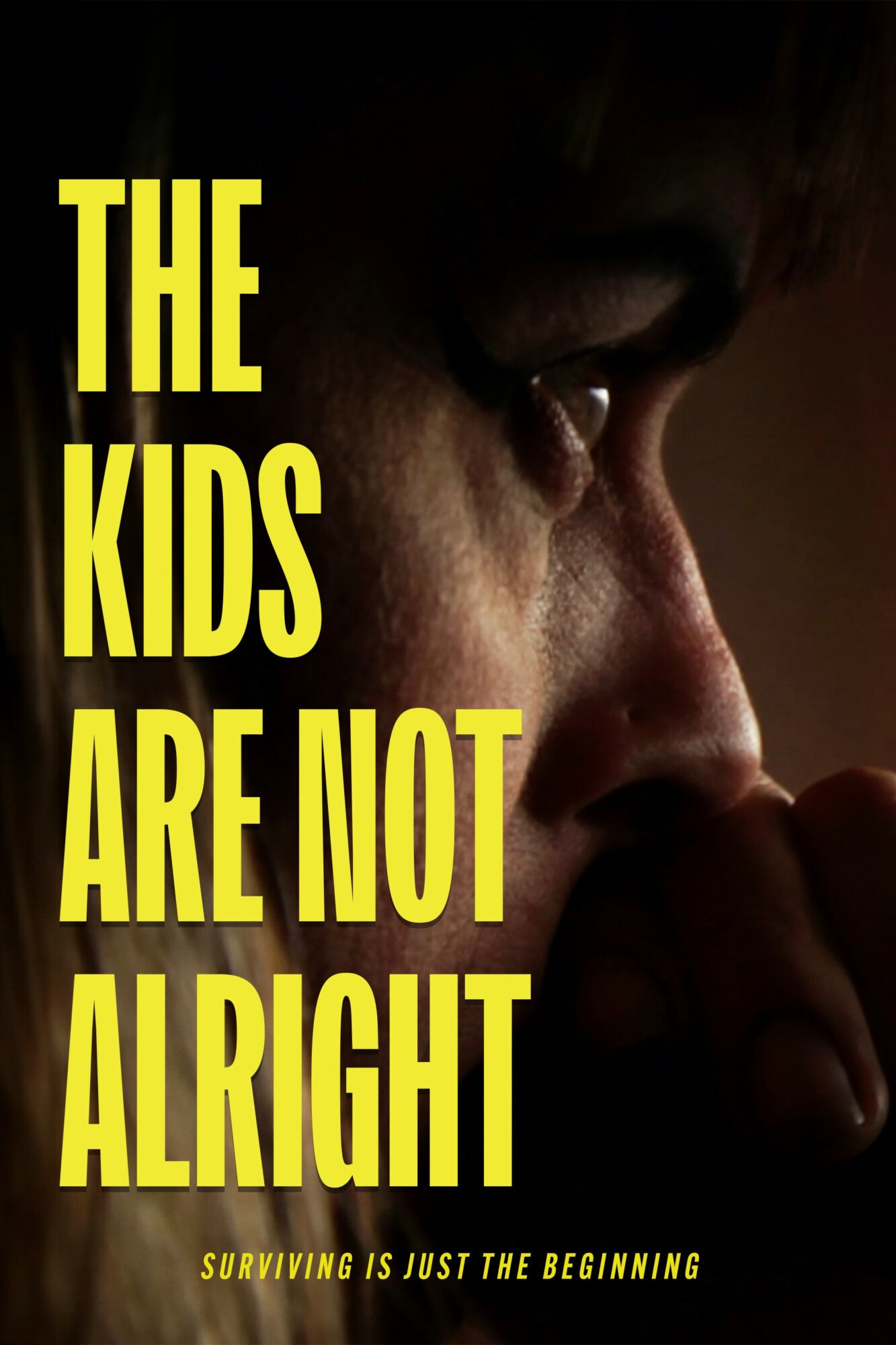
After moving to Los Angeles in 2015 to pursue a documentary about the controversial therapeutic organization Synanon, I became aware of its connection to the Troubled Teen Industry, a problematic network of for-profit programs claiming to “fix” children. It took me back to my upbringing in Phoenix. In high school, I knew many kids who were sent away to these programs, but I had never fully comprehended the abuse that occurs there, as well as the long-lasting impacts of this industry. I pivoted to a film about this topic and met incredible survivors who bravely shared their stories, allowing us to follow their journeys of perseverance, healing, and the pursuit of justice. After 10 years of working on the film, The Kids Are Not Alright had a great year on the festival circuit and is preparing for a wider digital release later this spring.
Can you talk to us a bit about the challenges and lessons you’ve learned along the way. Looking back would you say it’s been easy or smooth in retrospect?
There have been many challenges along the way. Most of my career has consisted of two jobs at once, first to pay the bills while gaining experience, and then to help fund my own films. So it’s been a few decades of very little sleep, but it luckily hasn’t diminished my passion for the work. Now that my recent film is complete, I’m looking forward to finding a little more work/life balance with one job at a time…at least until the next idea strikes.
The major challenge, though, has been the responsibility of sharing real people’s stories with care. To me, it’s a very important part in the editing process, but even more so as a director. For most of my career, I was in an edit bay, without experiencing the relationships between crew and contributors in documentary film. So when I began to make my own films, it was a learning process as I went. Both of my films have shared intimate stories of trauma, particularly child abuse. I’m very aware that I’m not a therapist, and the ethics of coming into someone’s life and asking them to share some of their darkest memories for the sake of a film isn’t something I take lightly. I know I didn’t do everything perfectly, but I’ve tried to learn along the way.
Thanks for sharing that. So, maybe next you can tell us a bit more about your work?
As an editor, I’ve been very lucky to collaborate with incredible filmmakers, including Liz Garbus, Kirby Dick, Amy Ziering, Ric Burns, Anthony Caronna, and, currently, Frank Marshall on projects for Netflix, HBO, PBS, Hulu, and Apple TV. I was an editor, writer, and co-producer on HBO’s Allen v. Farrow, a four-part series that received seven Primetime Emmy Award nominations, as well as nominations from the American Cinema Editors, the Cinema Eye Honors, and the Hollywood Professional Association. Other editing highlights include Netflix’s record-breaking Harry & Meghan, HBO’s Last Call, praised for its empathy and nuance, and Netflix’s critically acclaimed Gone Girls: The Long Island Serial Killer, where I served as lead editor and story producer.
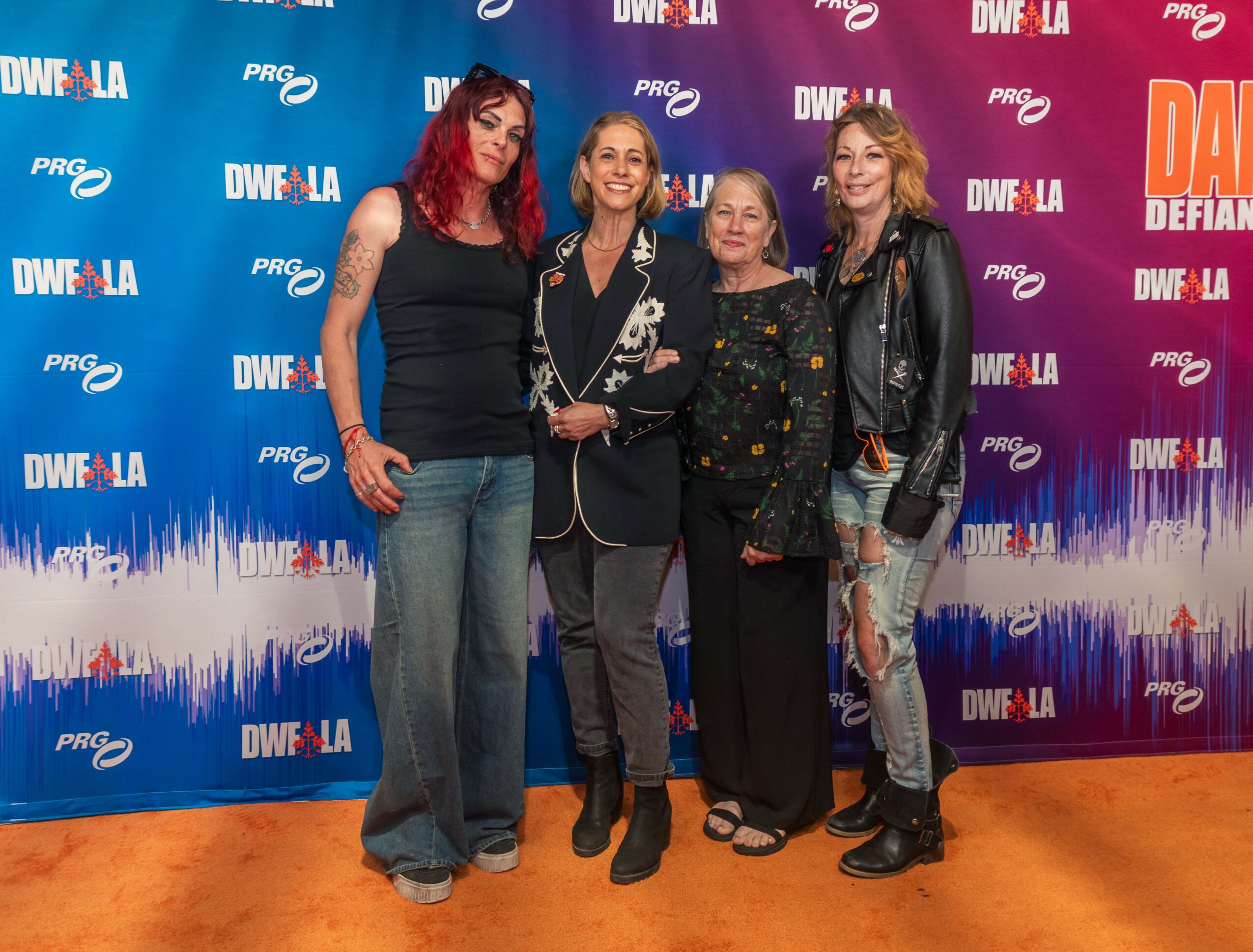
My debut feature documentary as a director, Don’t Tell Anyone/No Le Digas a Nadie, premiered on PBS/POV in 2015, has screened at hundreds of educational institutions, and earned the prestigious George Foster Peabody Award. My second film, The Kids Are Not Alright, won the Audience Award at its premiere at Dances With Films in New York in 2024 and has since made waves on the festival circuit, collecting multiple audience and director awards. I am so thrilled to finally share it with a larger audience through a digital release this spring.
Networking and finding a mentor can have such a positive impact on one’s life and career. Any advice?
My advice is just to reach out! I’ve made some great connections this way, and I try to pay it forward. When I was an Assistant Editor, editing mentors were so important not only for finding my footing as an editor, but also for managing relationships with directors and producers and advocating for myself. I’ve also learned lessons from the younger generation coming up. As I was starting in the industry, it was work until you drop, overnight shifts, and an overall extremely stressful, somewhat obsessive focus on work from the top down. Once I had worked my way up and had people to delegate to, I started to emulate that mindset among my colleagues, and it took a few wise editors and younger assistants with boundaries to help me soften my own approach and outlook on the work.
Contact Info:
- Website: https://portretfilms.com/
- Instagram: @thekidsarenotalrightdoc
- Facebook: https://www.facebook.com/profile.php?id=615806819011
- Other: https://www.thekidsarenotalrightdoc.com/
Popular
-
Matthew Hill on Turning Holiday Rituals into Haunting, Habit-Forming Storytelling with Long Winter Nights
-

Linda Villines on Releasing Stored Struggle and Reclaiming Ease Through the Body
-
Candice Swanson on Honoring the Sacred Early Days of Motherhood Through Intentional Photography
-

Michael Johnson on Telling Untold Stories of Identity and Leadership Through SQUAD
-
Owning the Narrative: Drew Dusterhoff Steps Into Power with Lincoln Must Die
-

Portraits of the Valley


