




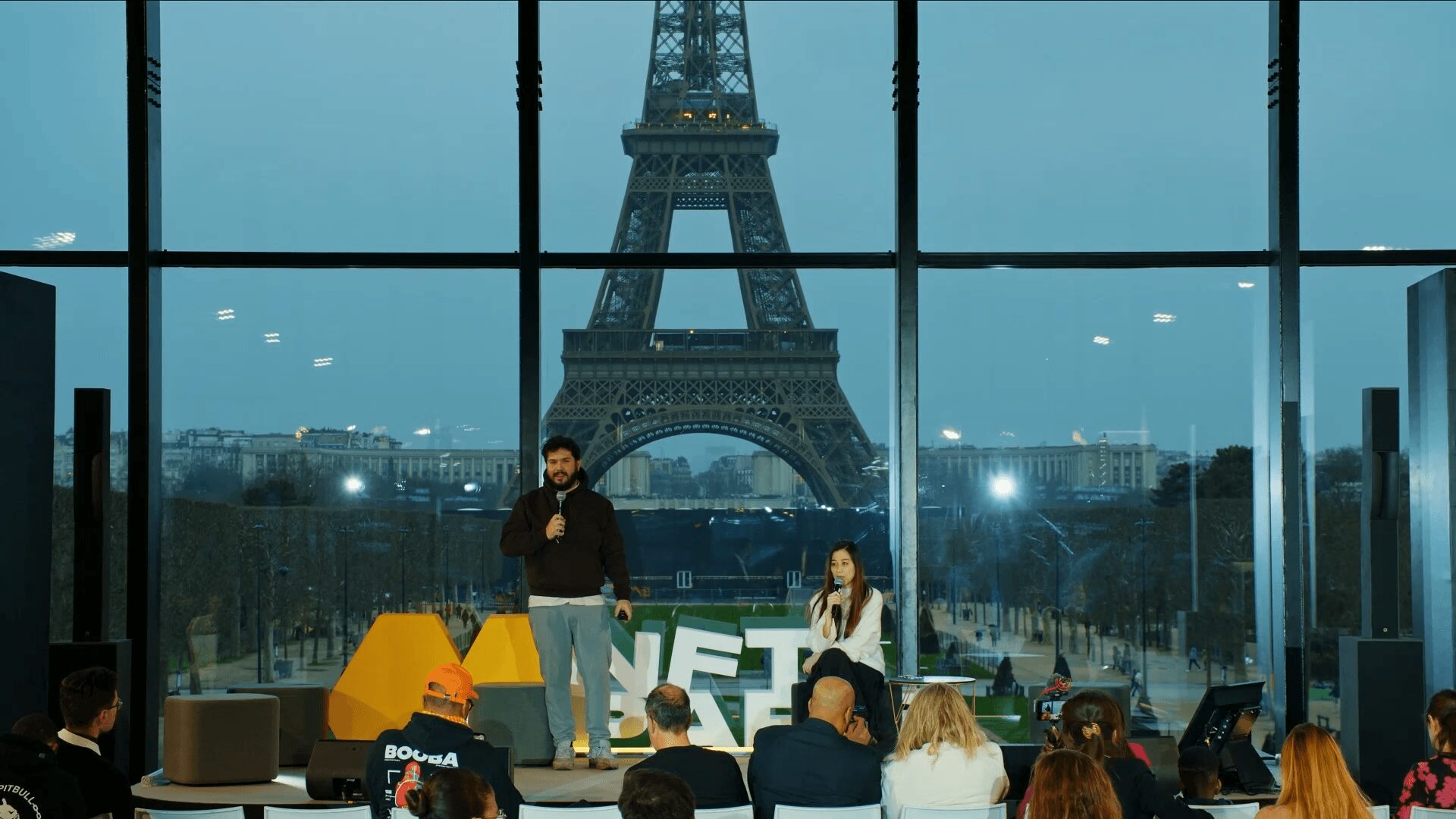
Today we’d like to introduce you to June Kim.
Hi June, please kick things off for us with an introduction to yourself and your story.
Tracing the Invisible Thread
A Los Angeles Story
Most of my life has been about following an invisible thread.
I grew up connected to two families, my mother’s side in Korea and my father’s side in the United States. As I became an adult, I sought a wider world, and my life as an independent adult began in Los Angeles.
In East Asian mythology, there is a legend of the Redthread, an invisible connection that binds people together and never breaks. I did not consciously think about it at the time, but moving between East and West, and between the digital and the physical, my life has always unfolded along those unseen connections.
After settling in LA, I independently prepared to apply to ArtCenter College of Design in Pasadena, a highly competitive private art school that many people discouraged me from pursuing. I was ultimately admitted with a scholarship through figure drawing, using a portfolio I built on my own. Because I had never received formal art training in either Korea or the United States, no one believed I would be accepted. Yet earning that acceptance, despite doubt and opposition, taught me for the first time what it meant to fully take responsibility for my own choices.
I went on to study motion graphics and built my career as a visual and motion designer, working for over a decade across Santa Monica, Venice, Hollywood, and New York. During that time, I was recruited as an Art Director at Apple, where I helped shape the brand’s social media identity system, creative concepts, and motion design language.
From the outside, it looked like a stable and successful career. But internally, one question never left me.
I realized I had been moving along what appeared to be the right path, without fully knowing if it was my own.
Was this life truly mine?
In 2017, while continuing my professional career, I held my first physical installation solo exhibition, Intersection, in Los Angeles.
That process later led to my solo exhibition Amaurosis: Destitute of Vision (2021) at 825 Gallery in West Hollywood. It was my first exhibition to merge physical installation with digital work. In response to limited gallery access, I also created a virtual physical installation so the work could be experienced without being there in person. This exhibition marked a clear turning point in both my life and my practice.
From there, my work naturally expanded across cities and borders.
In 2023, I presented an AI-collaborative Redthread Vision media artwork at Saatchi Gallery in London, alongside immersive public art projects at Outernet London. That same year, at Frieze Seoul and the Christie’s event during Korean Blockchain Week, I presented public media art combining early generative AI with 3D. I am deeply grateful to Minhyun Kim of AI Network for believing in and supporting my work at an early stage.
In 2024, I held a solo show at NFT Paris. In 2025, I was invited to exhibit at the Paris AI Action Summit, in an exhibition supported by Meta France and Microsoft France, where I presented my work as one of five global AI artists at the Musée des Arts et Métiers. I am especially grateful to the French curators Annelise Stern, Brian Beccafico, and Dimitri Daniloff for their trust and support.
I am currently based in Los Angeles, running 528 Lab, with an ongoing connection to Seoul. 528 Lab is a research-driven production focused on AI-collaborative moving image and media art, developed through storytelling and future spatial vision.
In Los Angeles, Chadwick Halbritter of CKH:MOD collaborates as an AI Advisor, Director, and Consultant. He is a veteran director in the advertising and motion design field, leading 3D- and AI-driven direction, and is also a Commercial Emmy Award winning creative director.
International projects across Seoul, London, Tokyo, Stockholm, and Paris are now converging into ongoing research and experimentation in Los Angeles. Through 528 Lab, I continue to expand these global experiences into a long-term vision, exploring how media art can be lived, felt, and experienced within physical space.
How do invisible connections take form?
I do not see myself as finished. But I know that in this city, I am learning how to live in a way that stays true to those connections, and true to myself.
I don’t see myself as someone with answers, but as someone who continues to follow questions, and see where they lead.
Can you talk to us a bit about the challenges and lessons you’ve learned along the way. Looking back would you say it’s been easy or smooth in retrospect?
Tracing the Invisible Thread
In 2019, I was recruited as an Art Director for Apple’s social media. The team was in its early stage, before a clear visual identity had been established, and I was responsible for designing the platform’s identity system and defining its motion design language. To bring that system to life, I collaborated with creators around the world, shaping content through art direction. From the outside, everything seemed to align perfectly.
After work, I often sat alone in a nearly empty library, flipping through books and magazines. Even without reading everything, simply having access to that vast archive gave me a sense of intellectual fullness and quiet happiness. At the same time, within that seemingly ideal environment, a clear personal vision kept moving inside me. Not making my own work, not sharing it with the world, gradually began to feel like a betrayal of myself.
I tried to balance my job with personal work, but the pace was unsustainable. Long hours left me exhausted, friendships and travel faded away, and my dining table became a makeshift workbench where I continued early Redthread sculptural experiments late into the night. Then the global pandemic began, and life narrowed to the boundaries of home.
In 2021, while preparing a solo exhibition at the West Hollywood 825 Gallery, I took on a challenge I had never attempted before: a room-sized installation at a scale entirely new to me. Spending nearly a year confined at home while completing the work was physically and mentally demanding, but finishing it brought a clear sense of accomplishment. With in-person visits limited, I chose to merge the physical installation with a digital environment, completing Amaurosis: Destitute of Vision (2021) as a hybrid exhibition. Through this decision, work that had existed only in Los Angeles began to reach audiences in other cities, opening a path toward broader global connection.
That experience became a turning point. It reshaped how I approached making and sharing work, and in 2022 I began integrating early generative AI into my media art practice. What started as an extension of the physical–digital relationship grew into nearly two years of focused research. Looking back, this entire arc feels like a continuation of the invisible Redthread: an effort to sustain connection through moments of separation and change.
Today, in Los Angeles, I work under the name 528 Lab, connecting artificial intelligence, space, and storytelling into a single language.
Thanks for sharing that. So, maybe next you can tell us a bit more about your work?
I am a director building human-centered systems that shape how connections are experienced across art and technology.
My work moves across physical installation, digital media, and AI-driven systems, translating invisible ideas and relationships into immersive experiences in space.
This direction continues through 528 Lab, where I develop AI-driven storytelling and spatial media. What began as immersive and installation-based work has expanded into building a story-centered pipeline, including AI-driven moving image and film. I am actively developing and directing projects that bring together visual language and narrative as a unified system.
I developed Redthread, rooted in an Eastern philosophy of unseen connections. It is not just a theme, but an operating structure that shapes how connections form, evolve, and are sustained over time. Rather than focusing on individual objects, I design systems and conditions where connections can emerge and be experienced.
One of the key turning points in my practice came during the pandemic, when I completed a room-scale installation for my solo exhibition Amaurosis: Destitute of Vision (2021), integrating physical and digital space for the first time. This shift allowed my work to extend beyond a single location, opening new possibilities for global reach and collaboration.
The current AI era is rapidly expanding, enabling anyone to generate images and experiences. However, technology alone is not enough to define authorship. I believe what will matter most is not the tool itself, but the strength of the narrative, the concept, and the systems of connection built around it.
This direction has already extended into international contexts, including presentations at the Paris AI Action Summit and the French National Museum of Arts and Technology, where I was invited as the only Korean American artist among a small group of participating artists.
Building on this direction, I have been developing AI-driven film work, exploring how storytelling and visual systems can operate together. Rather than creating standalone images, I focus on building experiences and narratives that people can return to and remember, while actively expanding this approach through ongoing projects.
What sets me apart is not only the work I create, but how I approach it. I move across art, technology, and storytelling, building systems that allow ideas, people, and experiences to connect and evolve together over time.
Are there any books, apps, podcasts or blogs that help you do your best?
The books I tend to recommend are not theoretical, but practical. We are living in a time where things change quickly, and I believe we are all, in some way, the managers, visionaries, and executors of our own lives. Because of that, I value resources that can be applied regardless of industry or expertise.
One book that left a strong impression on me is “What If a Female Manager of a High School Baseball Team Read Peter Drucker” by Natsumi Iwasaki. It is based on the ideas of Peter Drucker, often referred to as the father of modern management, and tells the story of a beginner manager transforming an underperforming high school baseball team. It reads like a novel, but it carefully walks through the core principles of leadership, organization, and performance in a very accessible way. What I found most valuable is that it is not just inspiring, it is directly applicable to real work. This book was recommended to me by a founder I deeply respect, who told me it was something she almost wanted to keep to herself.
Another book I enjoyed is “Concept Training” by Kentaro Hayashi. It focuses on how to begin, how to define a concept, and how to communicate it effectively. While it is rooted in advertising, I believe the ideas extend far beyond that. Concept building, positioning, and storytelling are foundational not only in campaigns, but also in personal branding and creative direction. Coming from a background in advertising and brand storytelling, I found it especially engaging.
In terms of tools, as someone building an AI lab while continuing a creative practice, there are a few I would recommend. Tools such as Claude can be used as AI agents to help organize complex systems, including data structuring, documentation, workflow design, and production scheduling. Lovable is another interesting tool that allows you to turn ideas into code through natural language, making it easier to quickly prototype ideas.
I do not follow a specific podcast regularly, but I often explore conversations around AI, technology, Web3, and digital art. I usually discover them through platforms like X or LinkedIn and listen based on curiosity. Compared to reading articles, podcasts often provide a much denser and more nuanced understanding, especially when it comes to emerging technologies that have not yet been fully documented. I find them to be a valuable way to stay close to evolving ideas between art and technology.
More than consistently consuming specific resources, I place more importance on observing the current landscape and applying what I learn. When new tools or ideas emerge, I try them myself and think about how they can connect to my work. That process has been the most meaningful for me.
Pricing:
- AI Consulting (automation, AI systems)
- Advertising & Branded Content
- Film & AI Filmmaking
- Creative Direction & Design Systems
- Creative Direction & Design Systems
Contact Info:
- Instagram: https://www.instagram.com/june_redthread/
- LinkedIn: https://www.linkedin.com/in/june-kim-19968110/
- Twitter: https://x.com/june_redthread
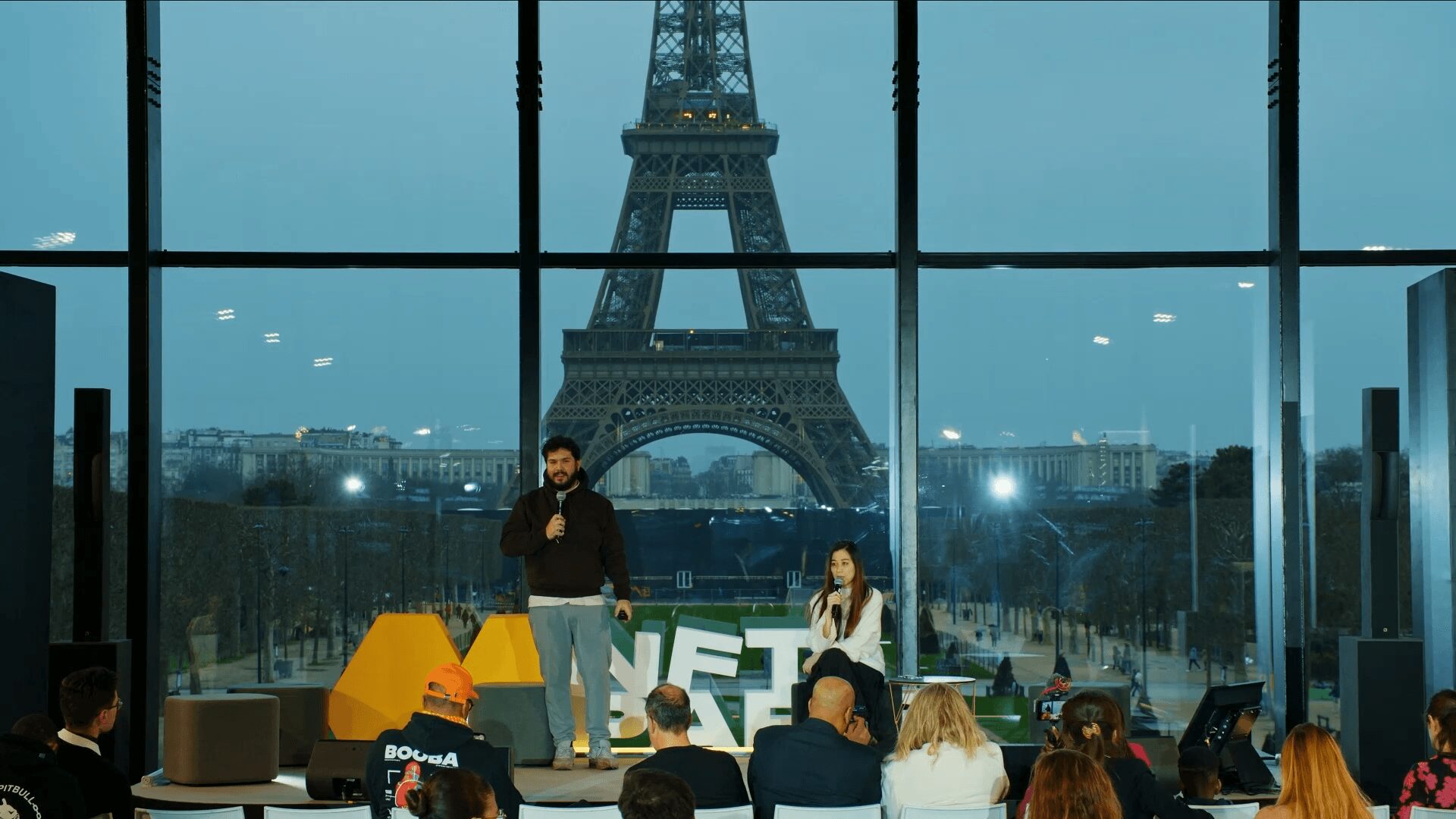
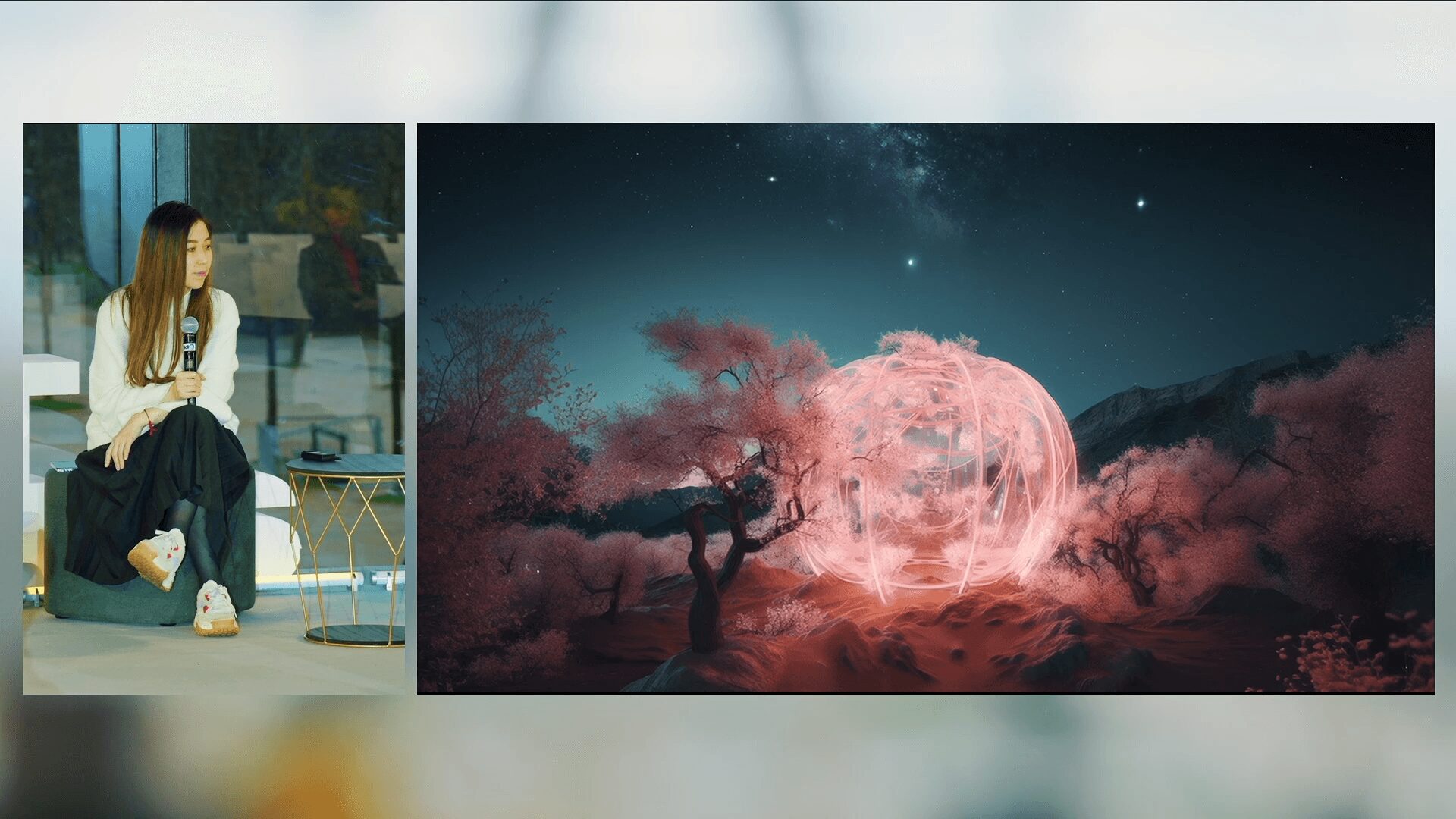
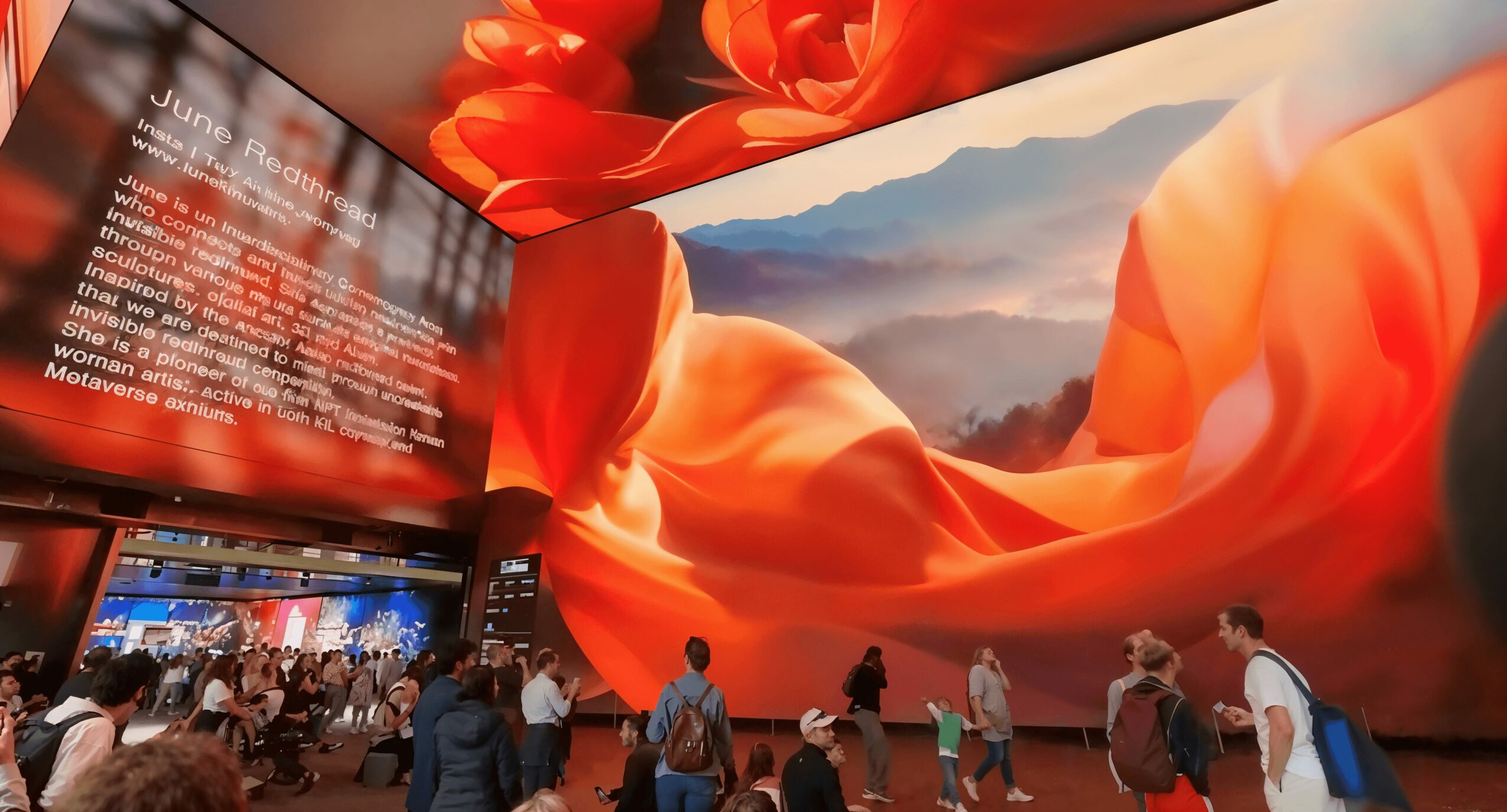
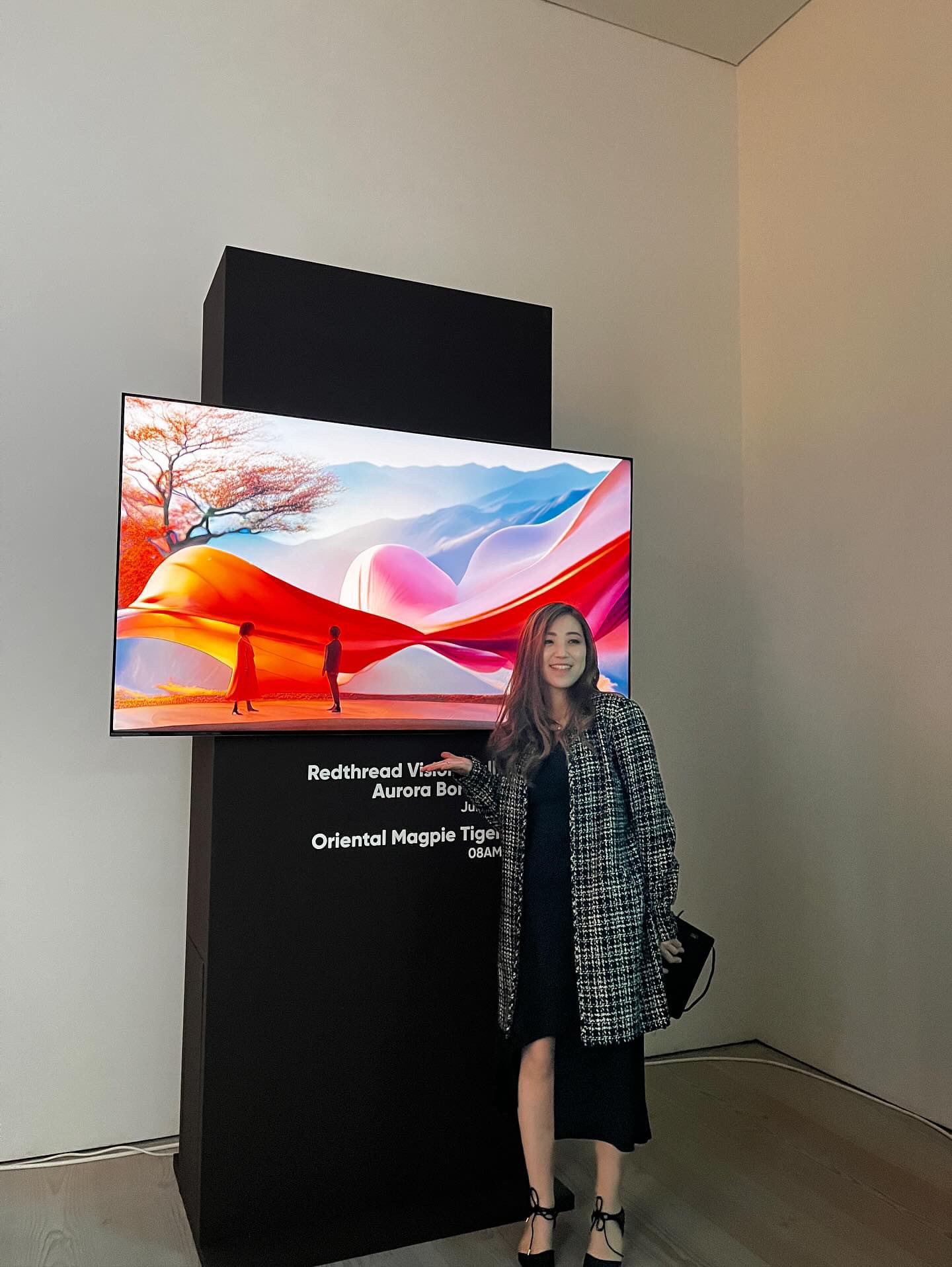
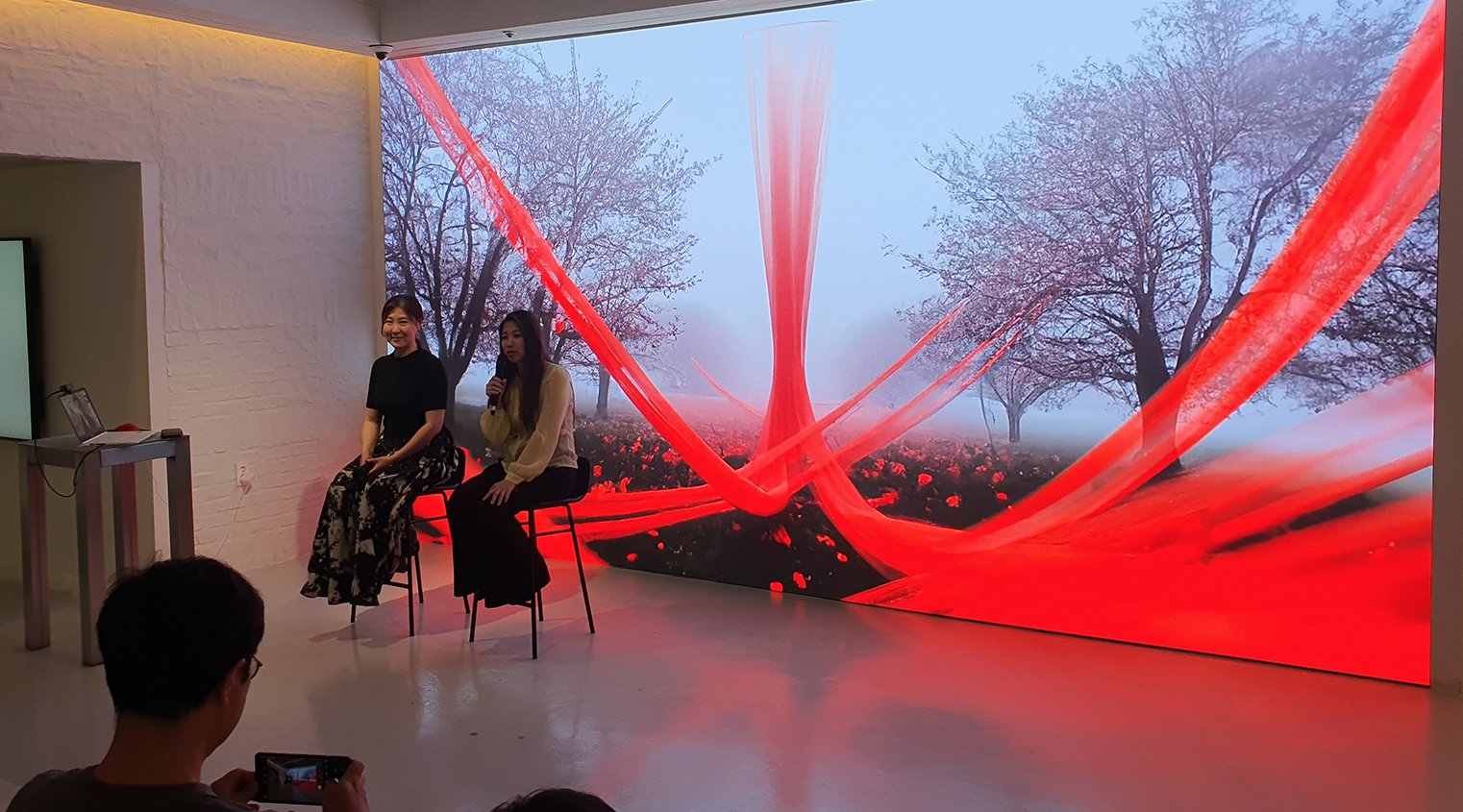
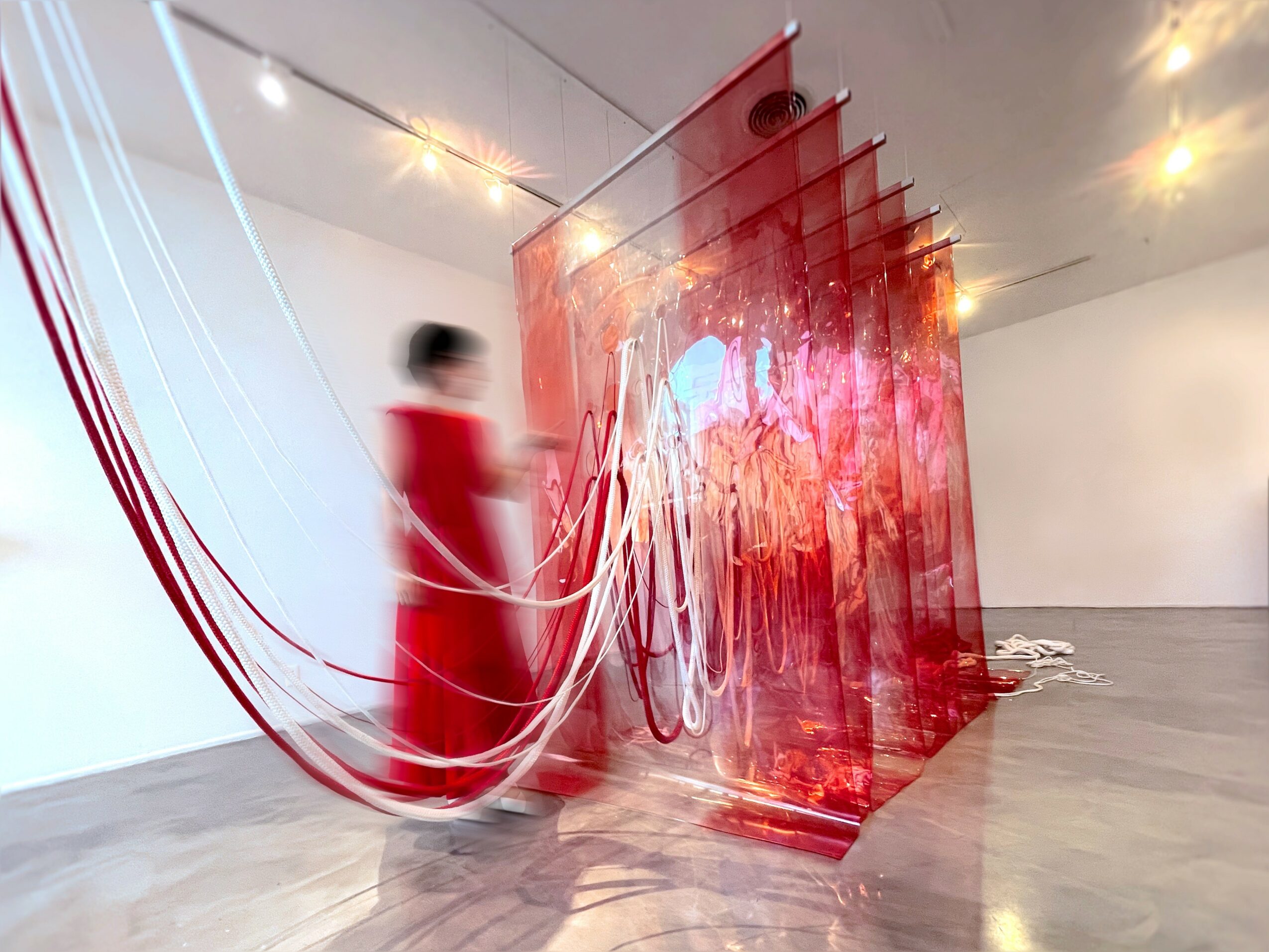
Image Credits
June Kim, Artist & Founder
NFT Paris 2024, Eiffel Stage
Grand Palais Éphémère, Paris
Physical & AI Art
Presented by
Brian Beccafico & Annelise Stern
Popular
-

Que Johnson on Building Brands That Last: From Visibility to True Market Authority
-

Christina Wren Steps Into the Director’s Chair to Tell Stories That Feel Like Home
-

Portraits of the Valley
-

LA’s Most Inspiring Stories
-
JordanL on ‘Breathe,’ Belief, and Building a Movement Beyond the Music
-
Megan Birney Rudert on How Access to Light Is Powering a More Sustainable and Equitable Future


