





Today we’d like to introduce you to Jeffrey Ptak.
Hi Jeffrey, we’d love for you to start by introducing yourself.
My journey into chiropractic began with my own search for healing.
I was born with severe asthma and spent much of my childhood in emergency rooms. By my teenage years I relied on multiple inhalers every day, and doctors sometimes warned my parents that I might not survive severe attacks. Like many kids, I dreamed of playing baseball and becoming a pitcher, but even running wind sprints could trigger an attack that sent me back to the emergency room.
Those early experiences sparked a deep curiosity about the human body and eventually led me into a PhD program studying neuropsychology.
But during graduate school, years of stress and exhaustion caught up with me. One day while bending over to make my bed in my New York City apartment, two discs in my spine ruptured. I collapsed onto the floor and couldn’t move. Living alone on the fifth floor of a walk-up, I lay there for five days before anyone found me.
After two years of treatment, doctors recommended spinal surgery. Instead, I discovered chiropractic. That decision changed everything. My spine began to healand within months, my lifelong asthma disappeared.
That experience revealed something profound to me: the body carries an extraordinary intelligence and capacity to heal when interference is removed.
For the past 40 years I’ve dedicated my life to helping others reconnect with that innate healing potential. In many ways, the work I do today is simply helping others discover the same healing capacity that I once had to discover for myself.
Would you say it’s been a smooth road, and if not what are some of the biggest challenges you’ve faced along the way?
Not at all. In many ways the biggest struggle early in my career was rediscovering what I had originally fallen in love with.
Before chiropractic school I had been under the care of a remarkable chiropractor, Dr. Costello, who practiced in a deeply principled way. I assumed that all chiropractic schools taught from that same foundation. I chose a school in Southern California mostly because I had lived on the East Coast for my first 27 years and wanted a change of environment. I honestly thought all chiropractic colleges were essentially the same.
I quickly learned that wasn’t the case.
Some schools teach chiropractic from a more philosophical perspective, while others approach it more from a medical model. When I graduated, I found myself confused. My training had pushed me toward “playing doctor” rather than trusting the body’s innate intelligence to heal when interference is removed.
The first eight years of practice were frustrating because I knew what chiropractic looked like when practiced the way my original chiropractor had shown me but my own practice didn’t yet reflect that.
That began to change when I sought out mentorship and coaching. One of my most important mentors was Dr. Jim Sigafoose, who at the time ran the largest solo chiropractic practice in the world. Through his guidance, and through years of seminars and study, I rediscovered the principles that had originally inspired me.
Along the way I also began participating in chiropractic mission work around the world. In one week alone in Panama, our team served over 385,000 people. I later became a founding member of CREW (Chiropractors Restoring Energy Worldwide), participating in service trips to Cuba, the Dominican Republic, South Africa, and underserved communities in Los Angeles.
Those experiences reminded me that chiropractic, at its best, is about service, connection, and helping people reconnect with their body’s incredible capacity to heal.
Appreciate you sharing that. What should we know about Ptak Family Chiropractic?
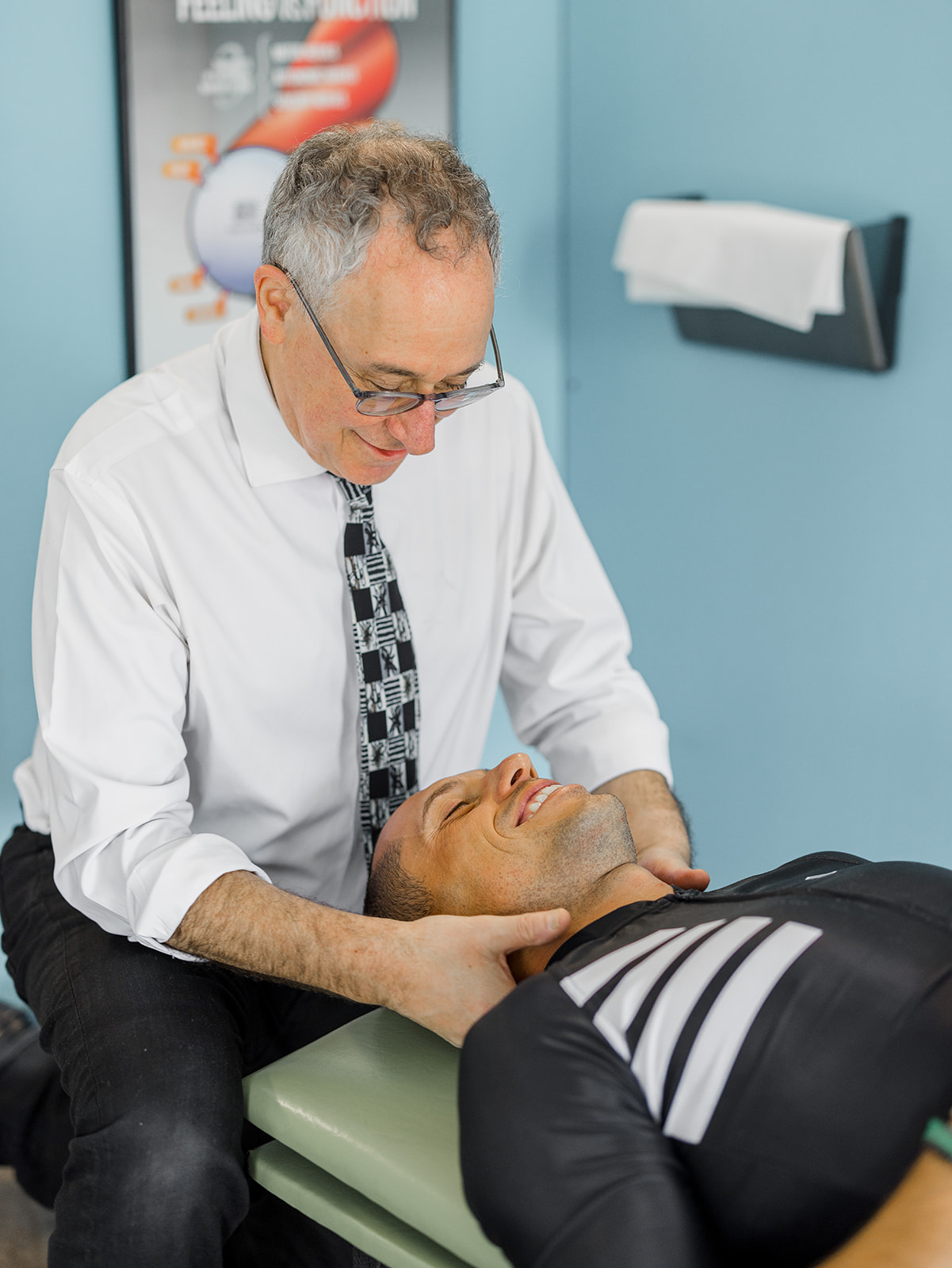
At Ptak Family Chiropractic, we specialize in what is known as Corrective Care. The easiest way to understand that is to contrast it with symptom care. Many healthcare approaches focus primarily on relieving symptoms. Our goal is different, we work to correct the underlying spinal and neurological patterns that create those symptoms in the first place.
Our care is designed to activate the brain and nervous system so the body can function and heal more effectively.
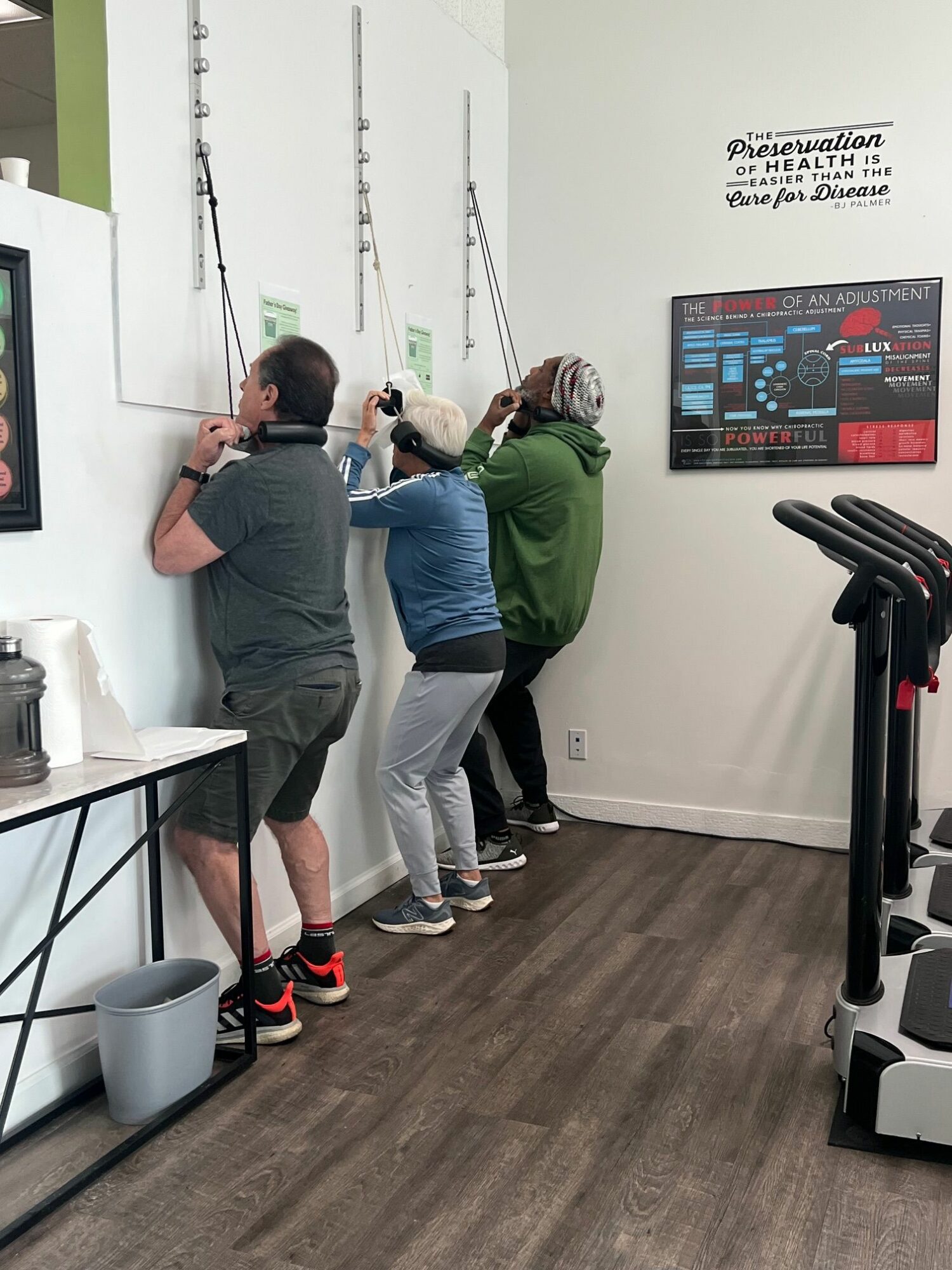
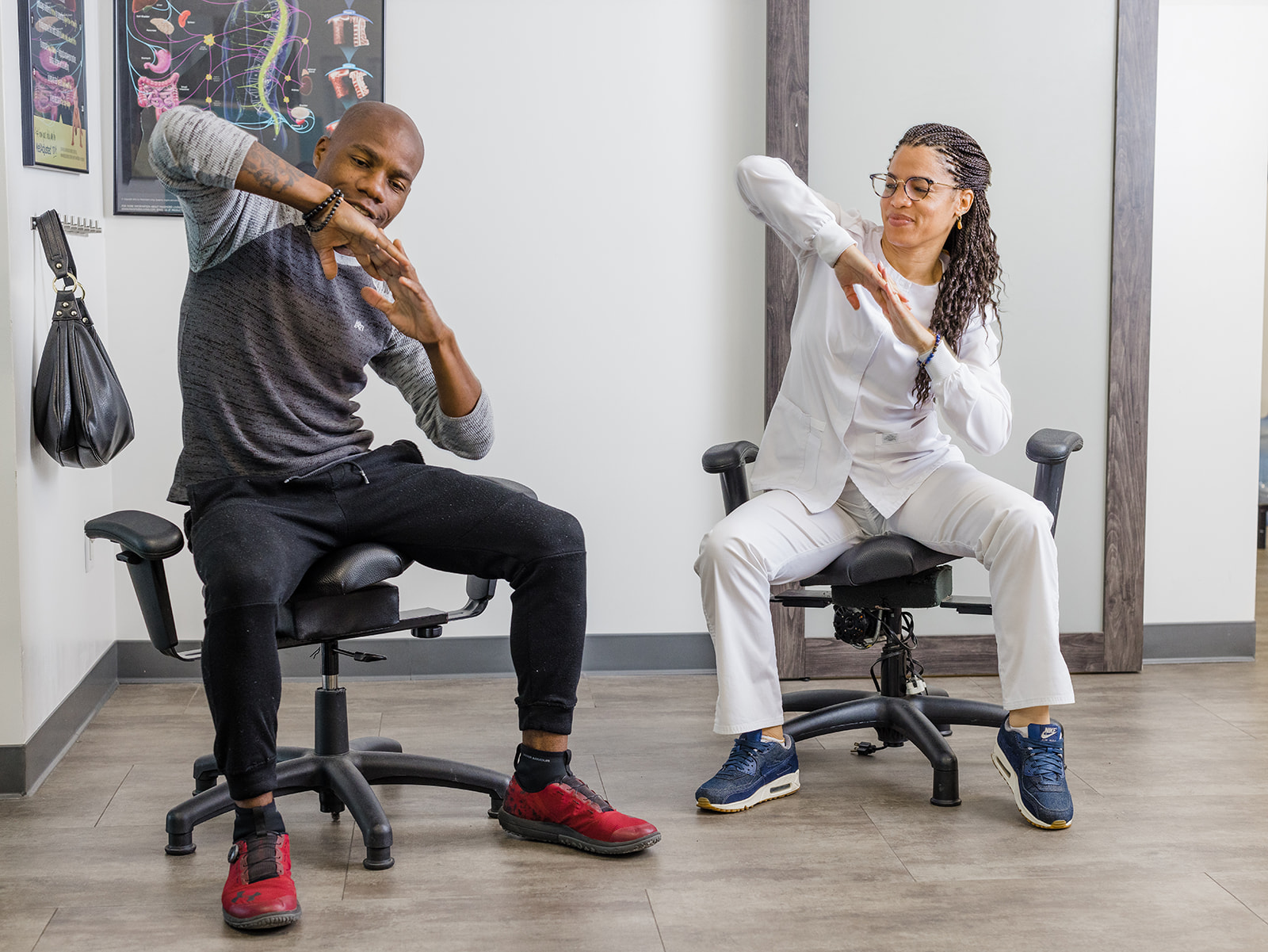
Each visit begins with preparation. Patients start by drinking a mineralized solution and performing a series of guided warm-up exercises designed to hydrate and decompress the spine and surrounding tissues. This helps the muscles, ligaments, and discs become more flexible and responsive before any corrections are made.
After about 20–30 minutes of preparation, our doctors perform specific spinal or extremity corrections. Because the body has already been prepared neurologically and physically, those corrections are easier for the body to accept and integrate.
We consider our work a system of care rather than a single technique. Every patient is different, so we adapt our protocols based on the needs of the individual rather than forcing everyone into the same approach. We incorporate both neurological and musculoskeletal exercises to strengthen the body and support long-term change.
Our goal is not simply temporary relief, but lasting improvement. Once corrections are achieved, we often recommend wellness or maintenance care so patients can maintain their progress and prevent old issues from returning.
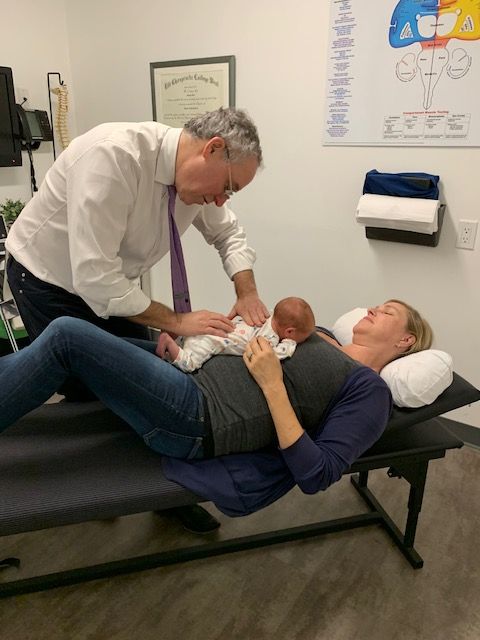
Over the years we’ve cared for people of every age, from premature babies in incubators to patients over 100 years old. What matters most to us is listening carefully and creating a care plan that supports each person’s unique health journey.
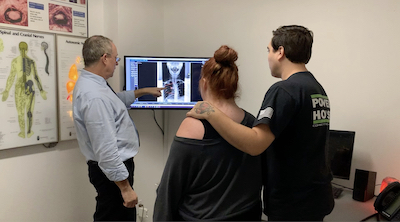
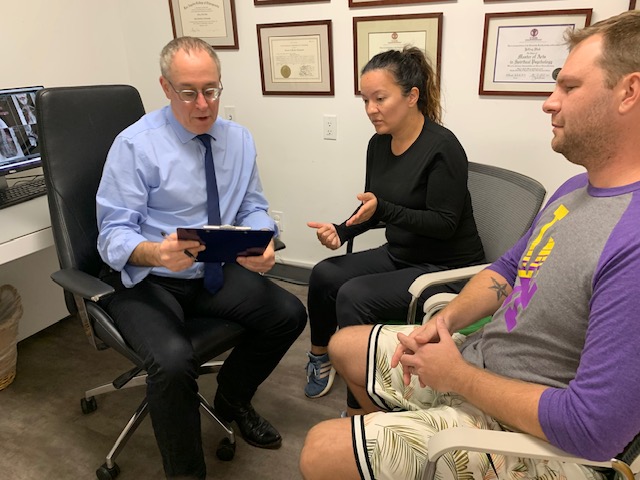
We also believe strongly in accessibility and honesty. Anyone can sit down with one of our doctors for a consultation at no charge. If we believe we can help, we’ll explain how. If we feel another type of care would serve them better, we will gladly refer them to the right provider.
Our guiding philosophy is simple:
We listen. We care. We get results.
Where do you see things going in the next 5-10 years?
Chiropractic is at an interesting crossroads right now. On one hand, more people than ever are searching for natural ways to support their health, manage stress, and improve how their bodies function. On the other hand, I do have some concerns about the future of the profession.
One challenge is that we simply need more chiropractors. The demand for natural, nervous-system-based care continues to grow, but the cost of professional education has risen to a point where many talented young people feel it is out of reach.
There is also still some misunderstanding about chiropractic. For many years the profession has had to work through skepticism or the perception that chiropractors are somehow “not real doctors.” Fortunately, that perception continues to shift as more people experience the results chiropractic care can provide.
Another trend I see is the explosion of health gadgets, devices, and quick-fix solutions. While technology certainly has its place, it can sometimes distract people from the fundamentals of health, how the nervous system functions, how the body adapts, and how lifestyle choices influence well-being.
Ultimately, I believe the future of healthcare will involve people taking greater personal responsibility for their health. In our practice we often talk about seeking assurance rather than insurance, meaning helping people build a level of health and resilience that allows them to live fully, rather than simply reacting to illness after it appears.
If chiropractic continues to focus on supporting the body’s innate ability to heal and adapt, I believe it will play an increasingly important role in the future of healthcare.
Pricing:
- Only that our consultations are free. That we never chargen to sitn down and tlak with someone about there health and to see if we can help
Contact Info:
- Website: https://www.ptakfamilychiropractic.com
- Facebook: https://www.facebook.com/jeffrey.ptak.dc
Popular
-

Portraits of the Valley
-

LA’s Most Inspiring Stories
-

Matthew Hill on Turning Holiday Rituals into Haunting, Habit-Forming Storytelling with Long Winter Nights
-

Linda Villines on Releasing Stored Struggle and Reclaiming Ease Through the Body
-

Candice Swanson on Honoring the Sacred Early Days of Motherhood Through Intentional Photography
-

Michael Johnson on Telling Untold Stories of Identity and Leadership Through SQUAD


