




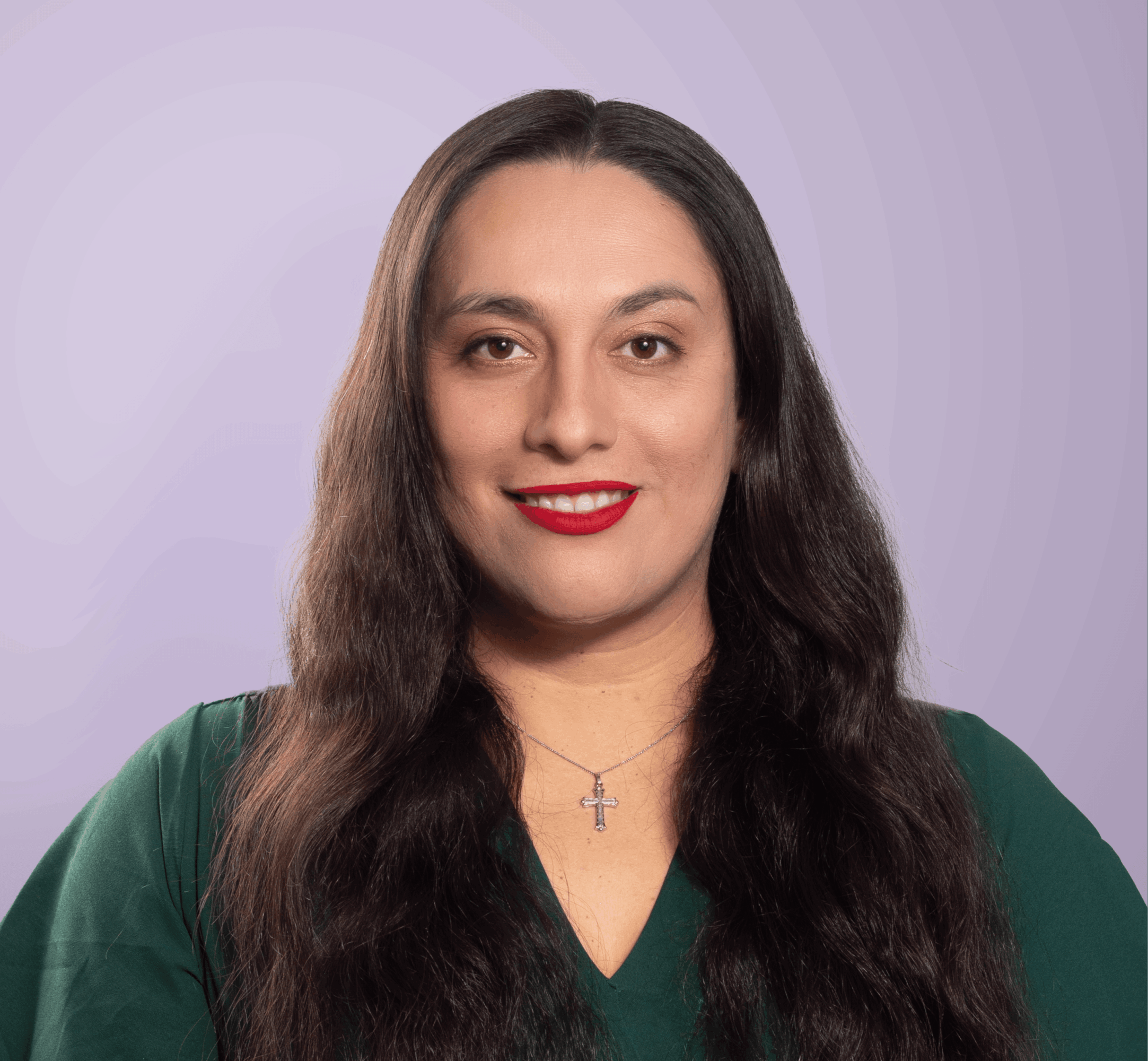
Today we’d like to introduce you to Jimena Sandoval.
Hi Jimena, thanks for sharing your story with us. To start, maybe you can tell our readers some of your backstory.
I was born in El Salvador and raised in a country where being visibly different often meant being unsafe. From a very young age, I understood that my existence as a trans woman, even before I had the language for it, would not be simple. But I also understood something else: my voice mattered.
I studied Social Communications at the Universidad Centroamericana José Simeón Cañas (UCA), where I began to see storytelling not just as a profession, but as a tool for survival and transformation. Journalism, public relations, and media became my language of resistance. I learned that narratives shape power, and I knew I wanted to reclaim the power that had been taken from me as a misunderstood queer child.
My journey has not been linear. Like many trans women, especially trans Latina immigrants, I’ve navigated instability, economic barriers, and systemic exclusion while coming into my identity. Migration reshaped my life. Arriving in the United States meant rebuilding everything, community, credibility, opportunity, from scratch. But it also meant possibility.
In Los Angeles, I deepened my work in advocacy and communications, eventually serving as PR and Marketing Specialist for one of the largest trans-led organizations in the country. There, I worked to amplify the voices of trans immigrants and advocate for healthcare, housing, and dignity. That experience transformed me. It showed me that communication is not cosmetic; it is structural. It can open doors or close them.
That understanding led me to found Noisy Digital, soon to be relaunched, a trans-led marketing agency created to serve 2SLGBTQIA+ communities and marginalized entrepreneurs too often excluded from traditional marketing spaces. I built it because I was tired of seeing our stories told incorrectly, or not told at all. We deserve a strategy. We deserve excellence. We deserve ownership over our narratives.
Alongside my agency work, I am a writer and producer developing narratives and investigative projects that explore trans survival, migration, healthcare access, and sex work, stories frequently sensationalized but rarely told with care and dignity. My upcoming audio platform, The Resistance Bunker, is an intimate archive of conversations within our community: raw, complex, and unapologetic.
Everything I do sits at the intersection of storytelling and liberation. My work is personal because it comes from lived experience. I have waited years for gender-affirming surgeries within a politicized healthcare system. I have witnessed friends deported, incarcerated, or erased. I carry those stories with me.
Today, I stand not only as a founder and communicator, but as a bridge between communities and institutions, between trauma and power, between invisibility and amplification.
My story is still being written. But at its core, it has always been about this: reclaiming narrative as a form of survival, and turning survival into strategy.
Would you say it’s been a smooth road, and if not what are some of the biggest challenges you’ve faced along the way?
It has absolutely not been a smooth road. Being a trans Latina immigrant means navigating multiple systems that were never designed with you in mind. I’ve faced economic instability, housing uncertainty, healthcare barriers, and professional spaces that either tokenized me or underestimated me. There were moments when doors didn’t just close; they were never open to begin with.
When I entered media and communications, I quickly realized that diversity is often celebrated in language but not in structure. I was invited into rooms to “represent,” but not always empowered to lead. Funding frequently flows to institutions that speak about marginalized communities, not to those of us who actually belong to them.
Immigration added another layer of complexity. Rebuilding credibility in a new country while navigating legal and economic survival is not easy. There is an invisible emotional labor in constantly proving your legitimacy in spaces that question your expertise.
Healthcare has been one of the most painful challenges. I have waited years for gender-affirming surgeries within a politicized medical system that treats trans bodies as debates rather than human beings. Living in that limbo impacts everything: your mental health, your work, your sense of stability.
Entrepreneurship brought its own tests. Building a trans-led marketing agency in the Trump era has meant pursuing growth at a time when support for trans people is steadily eroding, politically, culturally, and economically. In an environment where our rights are debated in headlines and our existence is framed as controversial, success carries a particular heaviness. Visibility can feel both powerful and risky.
It has meant pitching to clients unaccustomed, and sometimes resistant, to seeing someone like me at the head of strategy. It has meant navigating markets shaped by fear-based politics, shrinking DEI commitments, and institutions retreating from public alignment with trans communities. I had to learn to negotiate firmly, to value my intellectual labor without apology, and to resist shrinking myself to make others comfortable in a time when comfort is often prioritized over justice.
There were moments of exhaustion, moments when invisibility felt like it might be easier. But every challenge sharpened my clarity. Every rejection refined my purpose. I’ve been fighting since I can remember.
What sustained me was community: trans women who share resources when there is nothing left to give; immigrant organizers building power from scratch; artists and journalists who understand that storytelling is not decorative, it is political.
So no, it hasn’t been smooth. But it has been intentional. And every obstacle has shaped the kind of leader I am becoming, one committed to building structures where we don’t have to struggle alone.
As you know, we’re big fans of you and your work. For our readers who might not be as familiar what can you tell them about what you do?
I work at the intersection of storytelling, strategy, and liberation. I’m a social communicator, PR strategist, marketer, and producer, and the founder of Noisy Digital, the first trans-led marketing agency in Los Angeles dedicated to serving 2SLGBTQIA+ communities and historically marginalized entrepreneurs.
My professional journey in the United States began at Project Bread in Boston, where I connected people facing food insecurity to SNAP and resources. Then, I moved to Los Angeles, and I started working for Bienestar Human Services, where I worked as a Housing Specialist alongside Brenda Del Rio Gonzalez. Supporting LGBTQ+ individuals living with or vulnerable to HIV through housing stability taught me that survival is structural. It grounded my understanding that communications and advocacy must always be accountable to material realities, housing, healthcare, and safety.
From there, I joined The TransLatin@ Coalition as PR and Marketing Specialist, working closely with Bamby Salcedo and Maria Roman-Taylorson. In that role, I helped amplify trans immigrant voices nationally and strengthened campaigns focused on healthcare access, detention advocacy, and economic justice. That experience solidified my understanding that narrative is infrastructure; it shapes funding, policy, and whose lives are seen as legitimate.
After that chapter, I founded Noisy Digital. Building the first trans-led marketing agency in Los Angeles was both visionary and necessary. However, during the Trump era, as political hostility toward trans communities intensified and institutional support began shrinking, I made the strategic decision to pause its expansion and recalibrate. That moment forced me to think beyond visibility, toward sustainability.
In that transition, I began collaborating with Palabra, where I have written pieces elevating TGI existence through ethical journalistic standards. My work there insists on nuance, dignity, and political clarity in a media landscape that often distorts or/and ignore trans lives.
At the same time, I began developing The Resistance Bunker in collaboration with the Connie Norman Transgender Empowerment Center, FLUX, and alongside Scottie Jeanette Madden. The platform will serve as an audio archive of intimate, unfiltered conversations within trans communities, preserving testimony, strategy, joy, and resistance on our own terms.
My work also expanded into research and public health partnerships with Charles R. Drew University of Medicine and Science (CDU), where I collaborate with research teams committed to health equity. I continue to be part of those efforts, bridging storytelling with community-informed research.
Currently, I am part of Altavoz Lab, an incubator for community and visual journalists led by Valeria Fernández, alongside respected leaders in journalism such as Ruxandra Guidi and Yunuen Bonaparte. Occupying that space as a transgender woman is deeply meaningful. It represents not just professional growth, but a structural shift, being mentored, challenged, and supported in investigative journalism spaces that have historically excluded us.
I am currently developing two investigative projects: one in collaboration with CDU and St. John’s Community Health, and another with the California LGBTQ Health and Human Services Network. Both focus on structural inequities affecting trans and LGBTQ communities, centering lived experience alongside institutional accountability.
As a producer, I am developing a podcast project with Mariana Marroquin that centers leadership, political memory, and lived experience.
Because of my work across advocacy, communications, journalism, and community infrastructure, I have been honored with recognitions from the California State Senate, the San Francisco Board of Supervisors, and the City of West Hollywood. I was also selected for the Namesake Program by Thrive Causemetics, which named a Brilliant Eye Brightener shade Jimena™ in recognition of my impact. These acknowledgments represent more than awards; they signal that trans leadership, storytelling, and strategy are reshaping both institutions and culture.
What I’m most proud of is building continuity across systems, from housing services to advocacy communications, from marketing strategy to investigative journalism. Throughout my journey, I have had the privilege of encountering leaders, researchers, organizers, and journalists who sharpened my political clarity and expanded my vision.
What sets me apart is that my strategy is lived. I do not approach storytelling as an outsider analyzing a demographic; I am part of the communities I serve. I understand the emotional and political stakes behind every narrative.
I blend emotional intelligence with structural thinking. I can hold a deeply vulnerable story, and then build a framework around it that is strategic, ethical, and transformative.
At the core of everything I do is this belief: marginalized communities deserve not only visibility, but excellence. Not only survival, but ownership.
My work exists to ensure we claim both.
Is there any advice you’d like to share with our readers who might just be starting out?
The first thing I would say is this: don’t wait for validation to begin.
When you come from a marginalized background, especially as a trans person, an immigrant, or someone without generational access, it’s easy to feel like you need to be “more ready” than everyone else. More polished. More credentialed. More proven. I wish I had known earlier that clarity and commitment matter more than perfection.
Start before you feel fully prepared. You will grow into your capacity. Confidence is built through action, not before it.
I also wish I had understood that access is often built, not granted. The rooms you’re trying to enter may not have been designed with you in mind, and that’s not a reflection of your worth. Sometimes your path won’t be about fitting in. It will be about building something new, something more ethical, more inclusive, more sustainable.
Protect your intellectual labor. Charge for your expertise. Learn how to negotiate without apology. For many of us who come from communities that are used to overgiving, especially women, queer people, and immigrants, sustainability can feel uncomfortable. But sustainability is not selfish; it’s strategic. You cannot build long-term impact if you are constantly depleted.
Another lesson: your story is powerful, but you don’t owe it to everyone. Be intentional about where you share your vulnerability. Not every stage deserves your truth. Discernment is a form of self-respect. And build community, not just a résumé.
Relationships will sustain you in ways accolades cannot. Collaborate with people who share your values. Seek mentors, but also build peer circles where you can exchange knowledge, resources, and honesty. Success that isolates you is not success; it’s burnout waiting to happen.
I would also say: understand that doubt will visit you. Especially when you are building something that doesn’t yet exist in the mainstream. There will be moments when the world doesn’t understand your vision. That doesn’t mean the vision is wrong. It may simply mean you are early.
If I could tell my younger self one thing, it would be this: your voice is not too much. Your ambition is not unrealistic. Your perspective is not a liability. You are allowed to take up space, fully, strategically, unapologetically. The world may not immediately understand what you’re building. Build it anyway.
Contact Info:
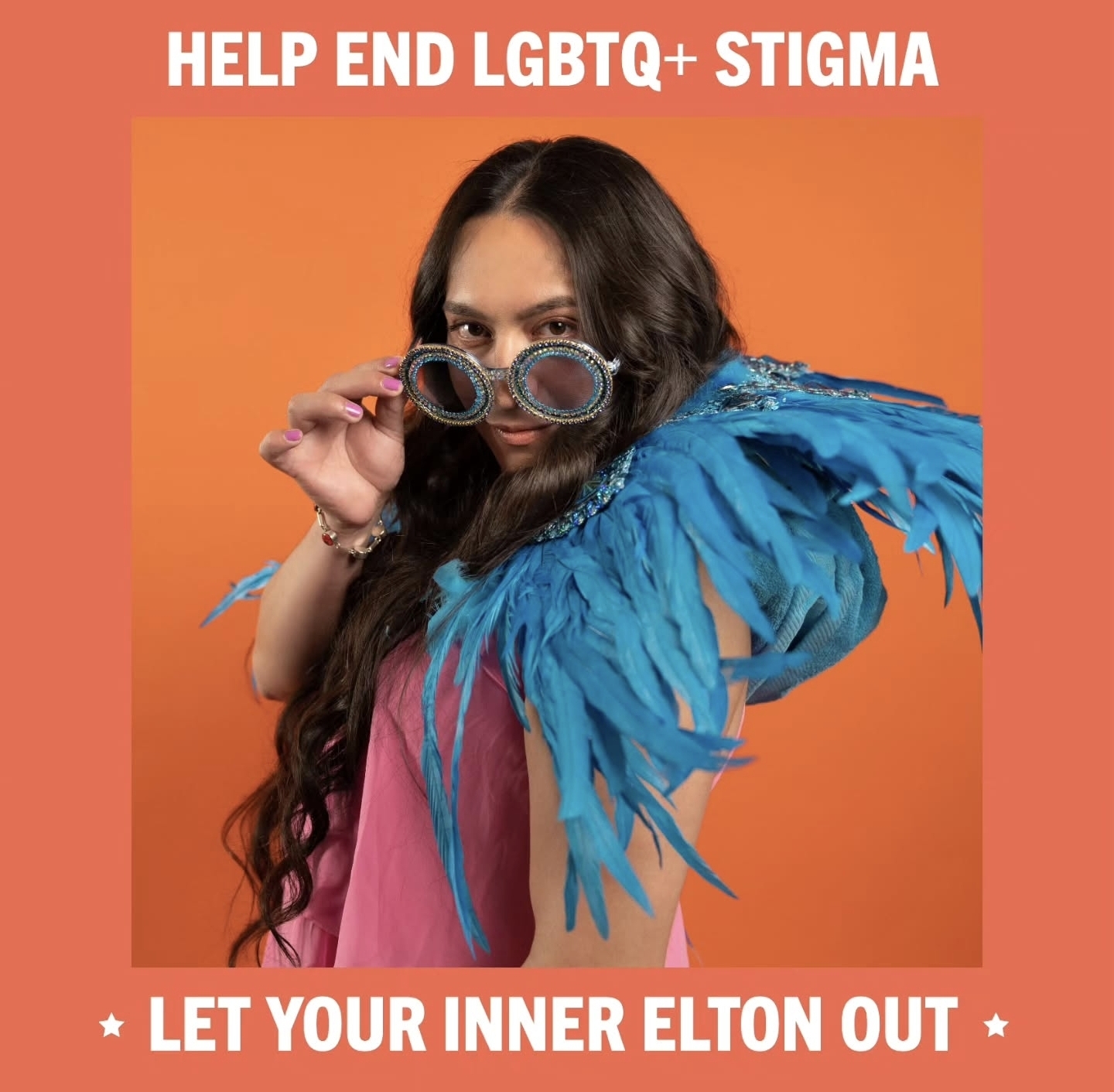
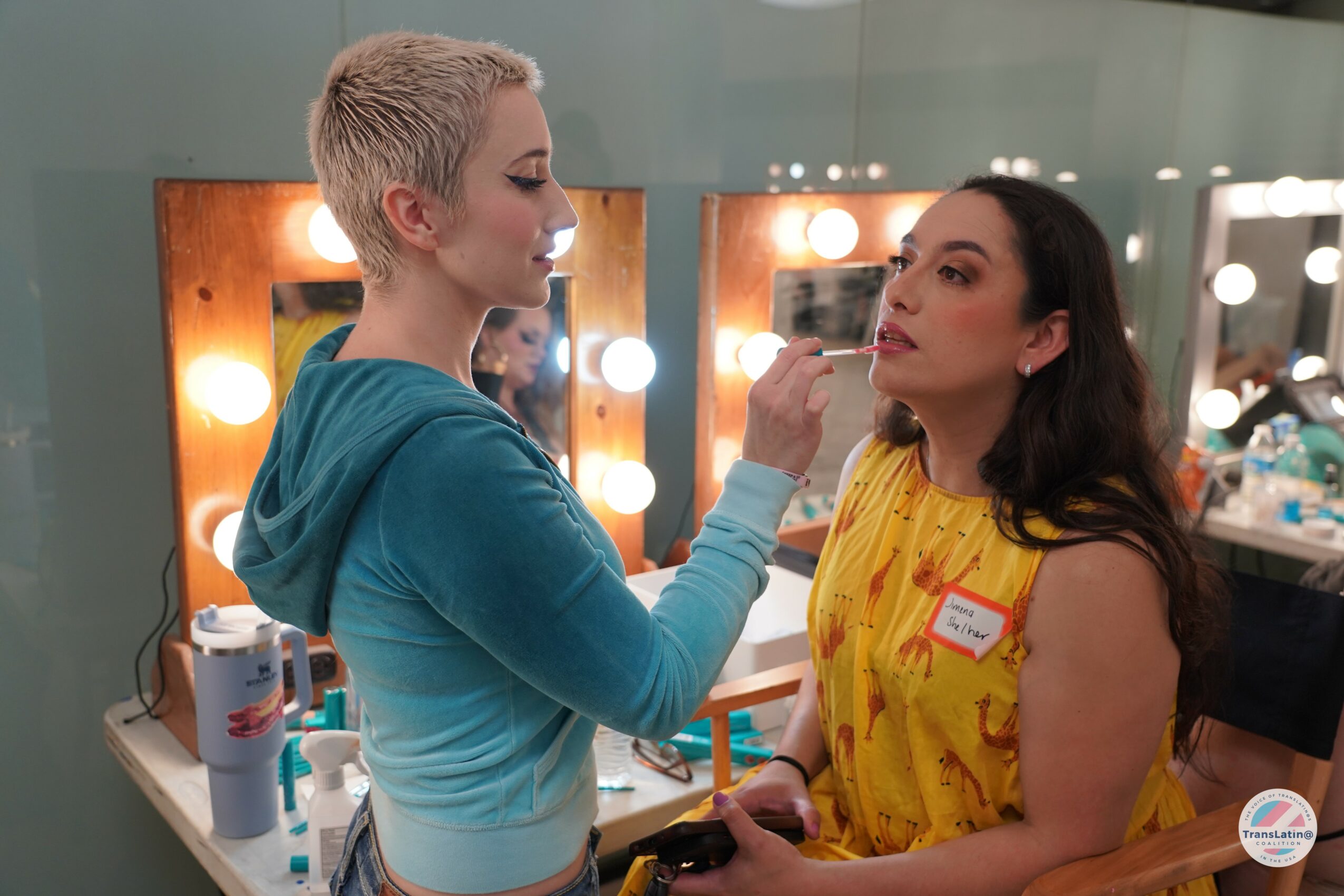
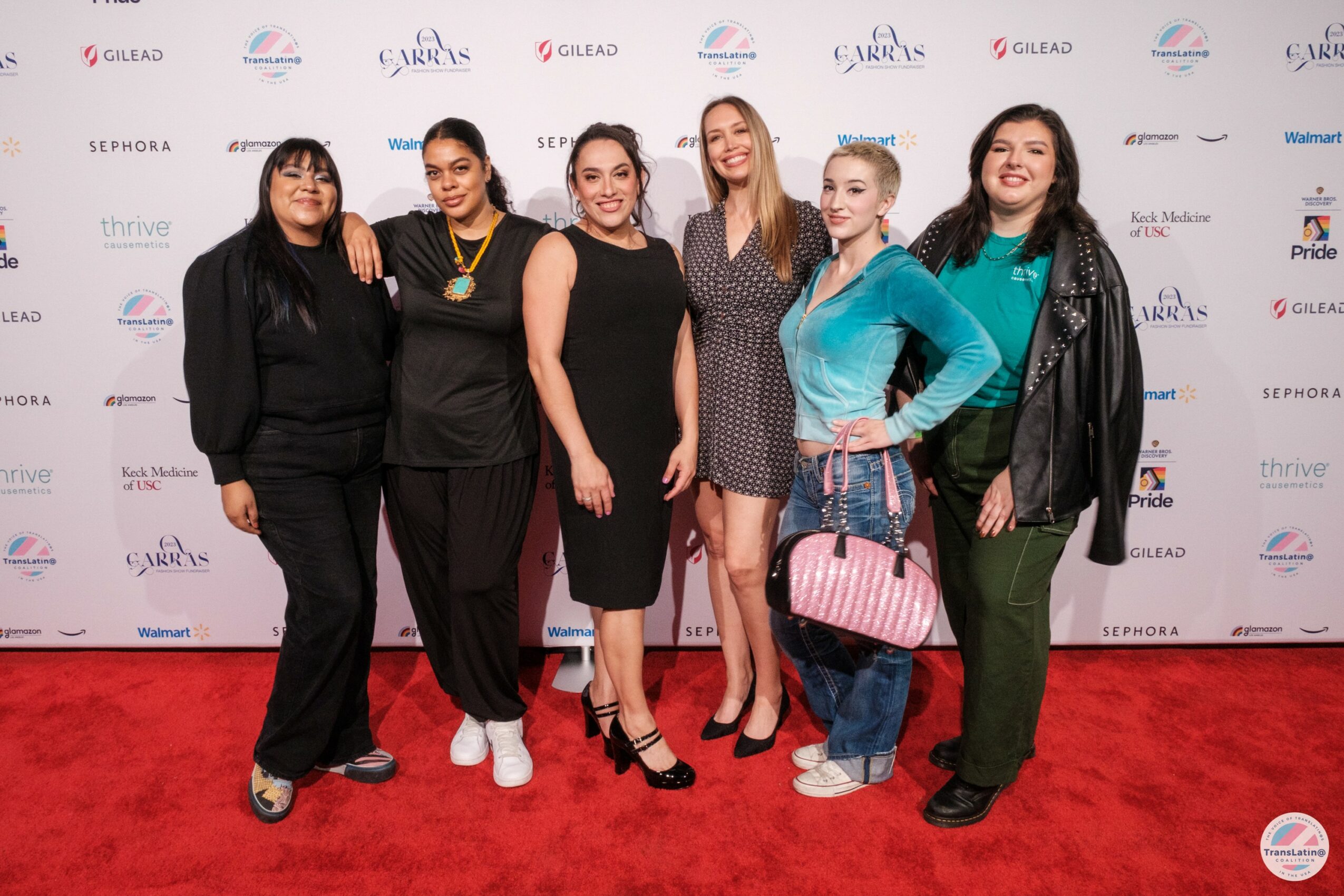
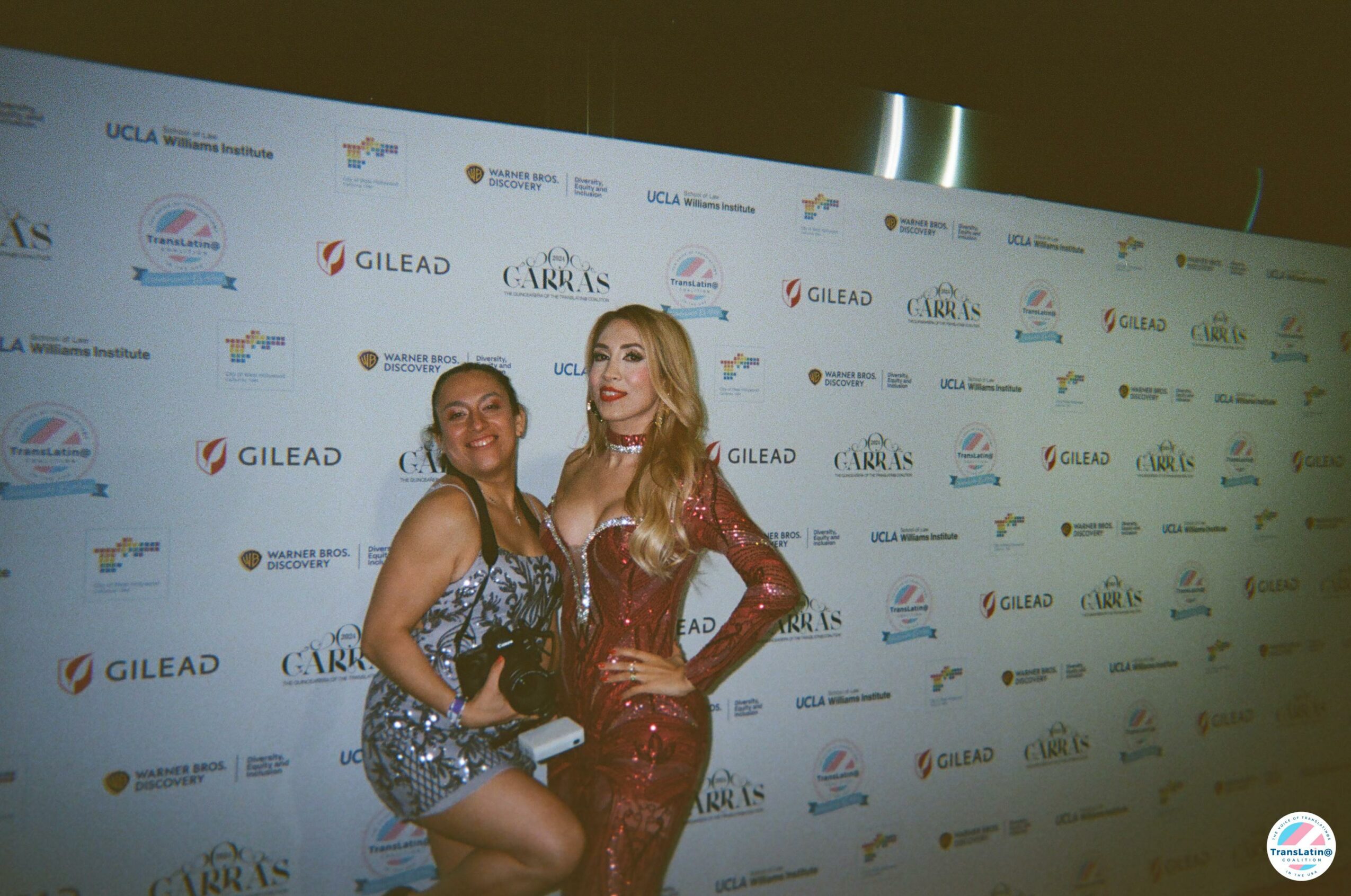
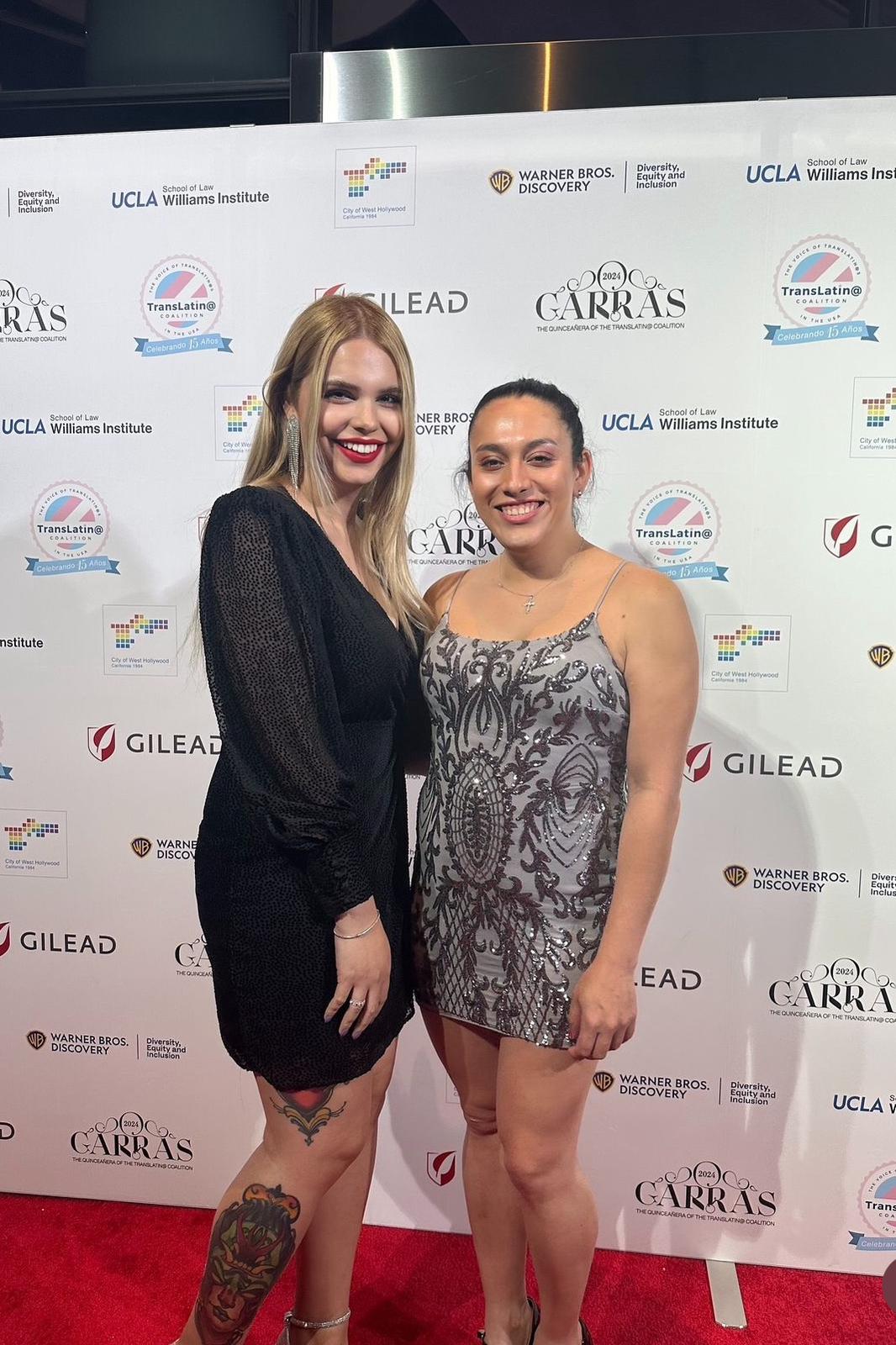
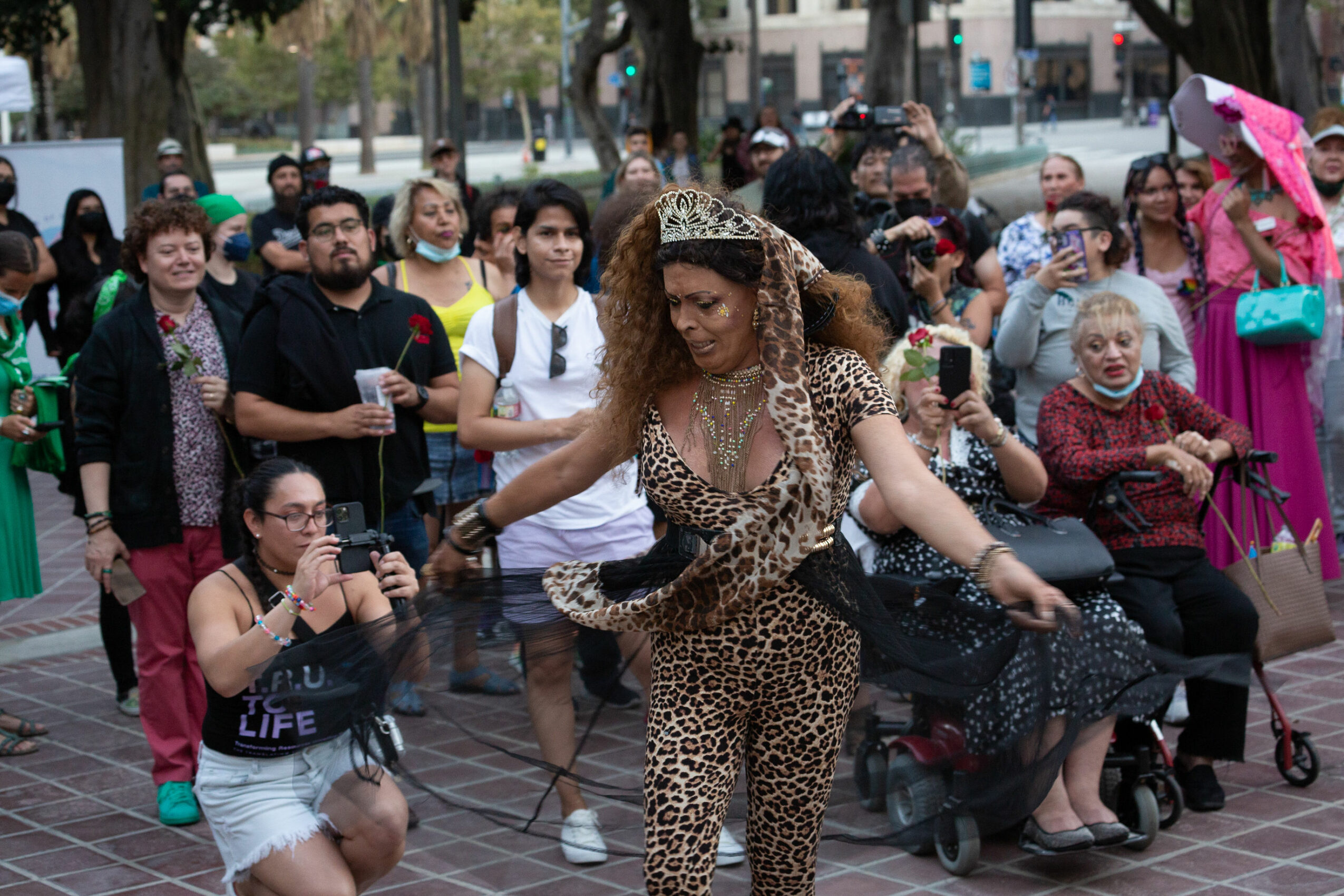
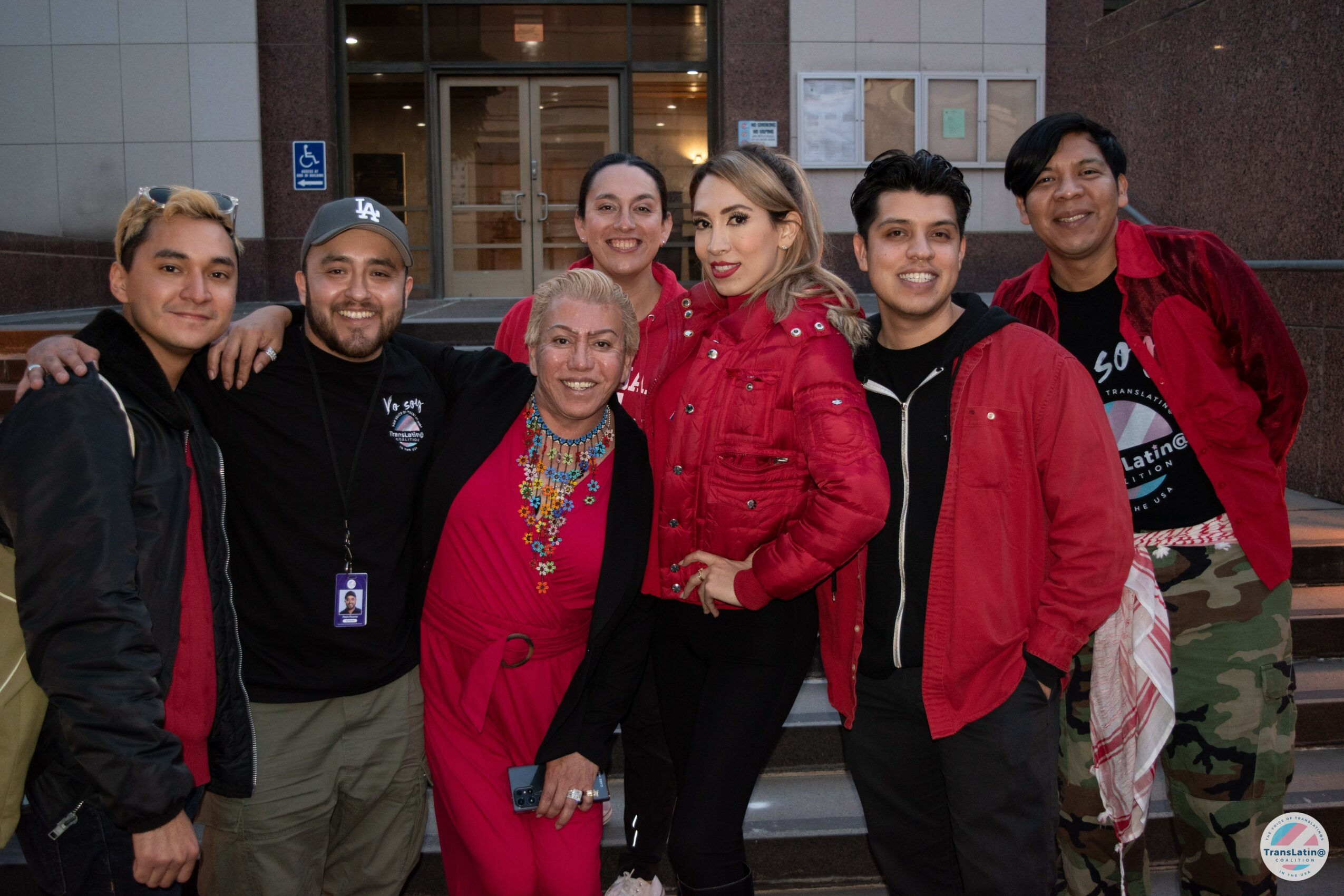
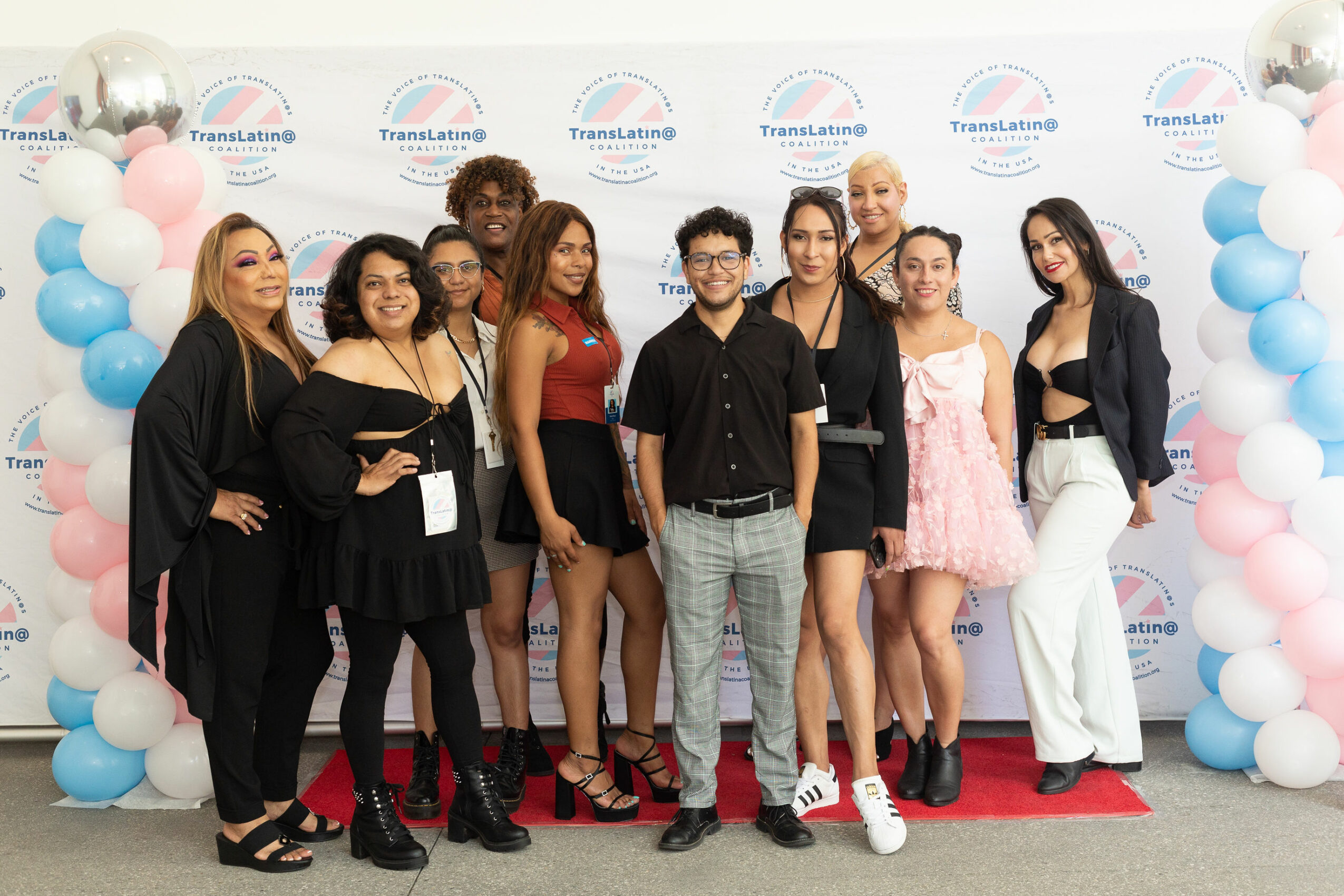
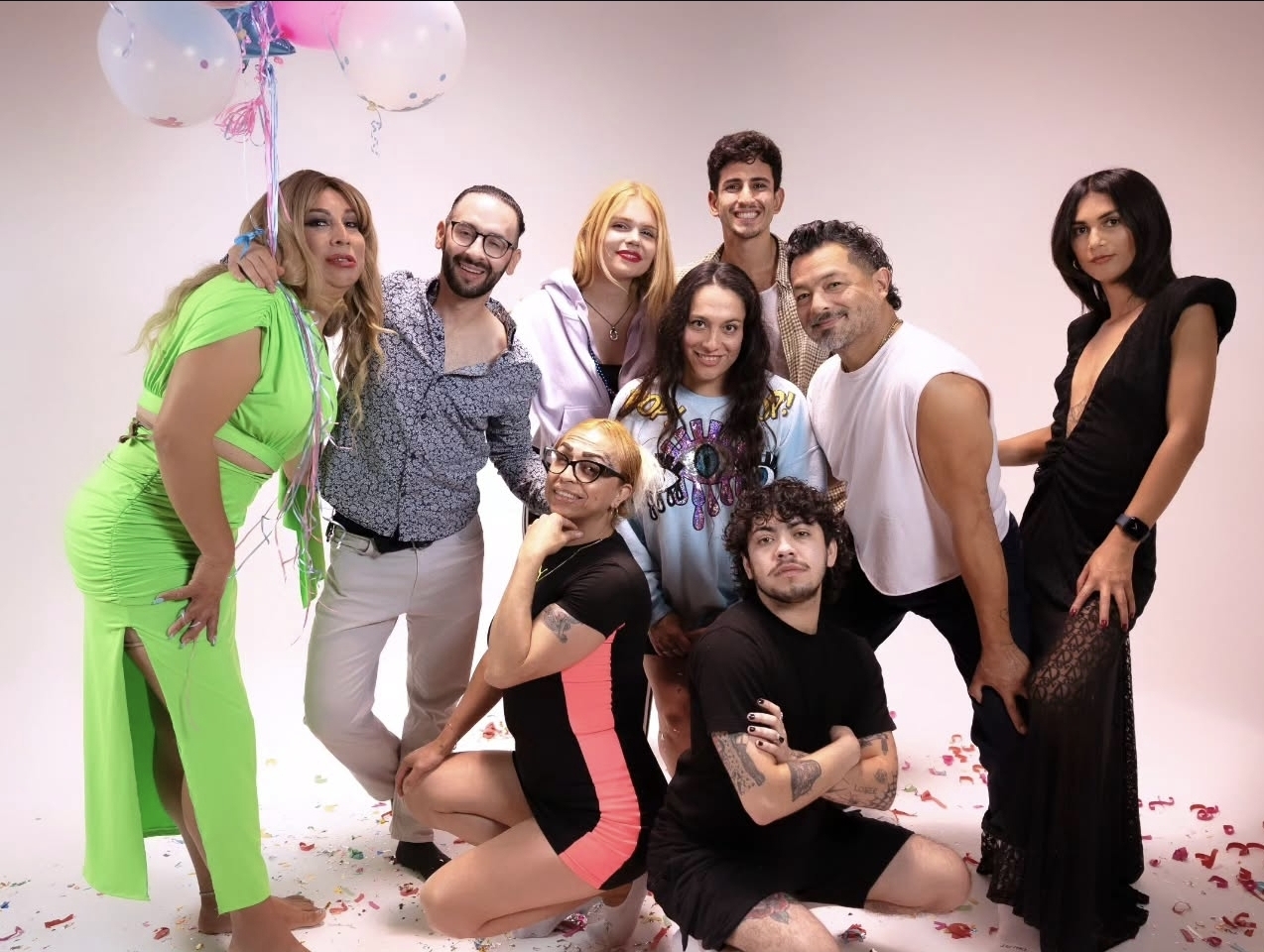
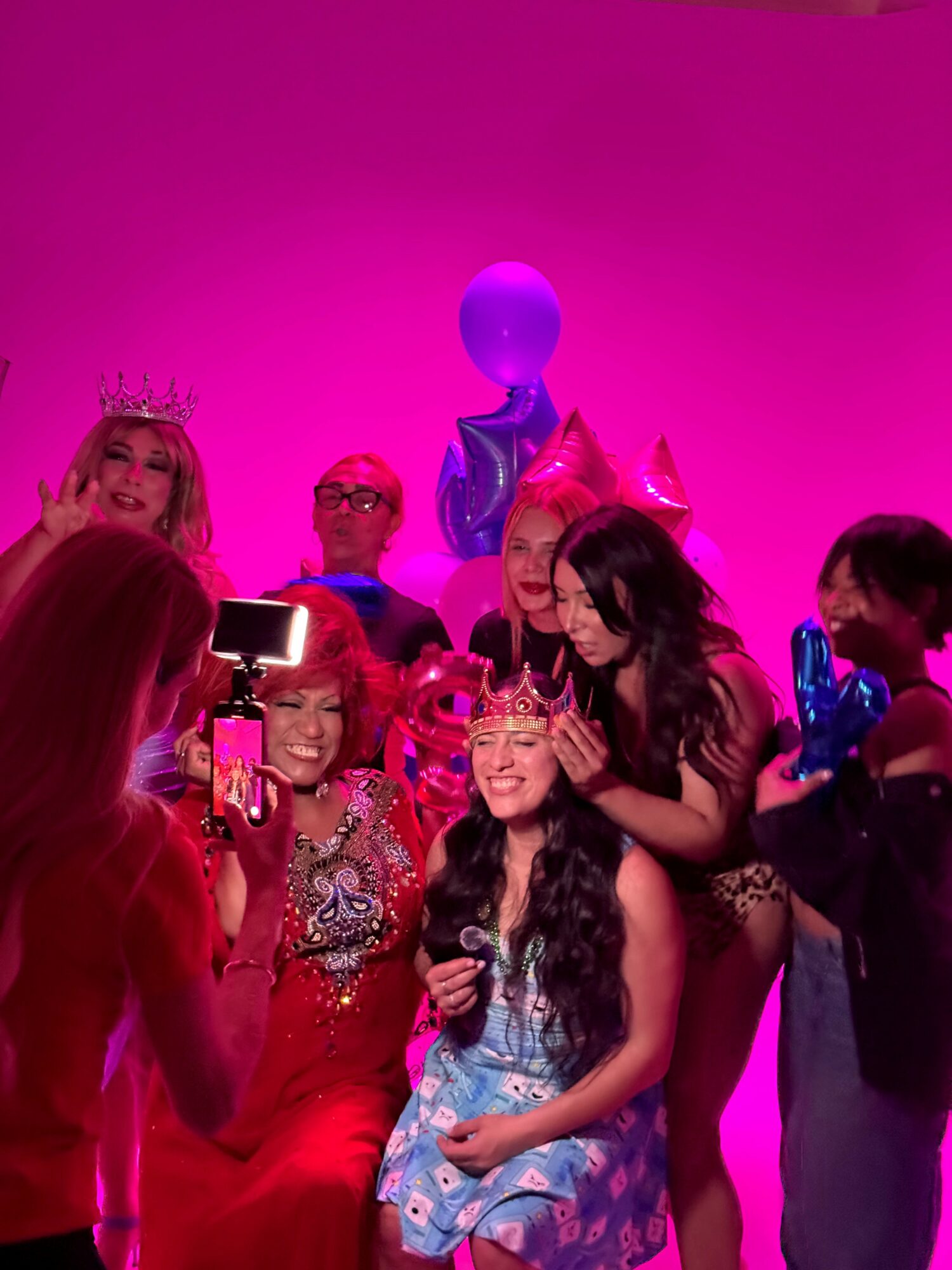
Image Credits
1 Elton John Aid’s Foundation (EJAF), Let Your Inner Elton Out Campaign.
2 The TransLatin@ Coalition (TLC) GARRAS 2023.
3 The TransLatin@ Coalition (TLC) GARRAS 2023
4 The TransLatin@ Coalition (TLC) GARRAS 2024.
5 The TransLatin@ Coalition (TLC) GARRAS 2024.
6 The TransLatin@ Coalition (TLC) Give Us Roses Rally.
7 The TransLatin@ Coalition (TLC) Show Us Love Rally.
8 The TransLatin@ Coalition (TLC) In-Transition at The Hammer.
9 Noisy Digital, Chosen Family Campaign.
10 Noisy Digital, Chosen Family Campaign.
Popular
-

Christina Wren Steps Into the Director’s Chair to Tell Stories That Feel Like Home
-

Portraits of the Valley
-

LA’s Most Inspiring Stories
-

JordanL on ‘Breathe,’ Belief, and Building a Movement Beyond the Music
-

Megan Birney Rudert on How Access to Light Is Powering a More Sustainable and Equitable Future
-

Linda Kneidinger on Building Lasting Change Through Small Steps and Self-Compassion


