




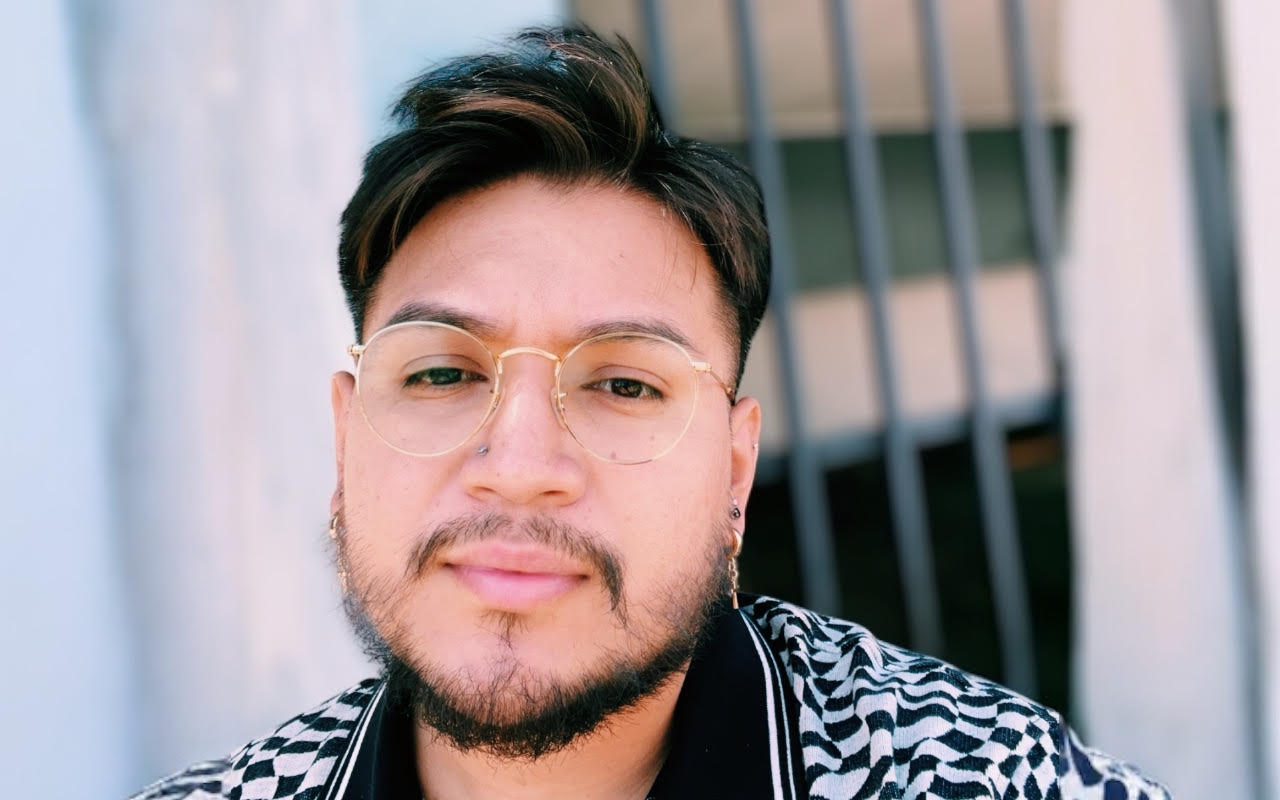
Today we’d like to introduce you to David Quiroz.
David, we appreciate you taking the time to share your story with us today. Where does your story begin?
My story starts in Michoacán, Mexico, in a small town called Tuxpan, just outside of Morelia. My family is deeply rooted in that land. I come from a long line of farmers and ranchers who harvest avocados, which is probably why I still feel most grounded when I’m working with my hands, planting, and being in the soil.
My family immigrated to the United States in 1995. We first settled in San Fernando and then moved to Pacoima shortly after, where I’ve spent most of my life. I was brought here at just one year old, so I’ve always lived between two places, one I come from and one I’ve had to learn to call home.
I’m really a product of my community. I attended Vaughn Next Century Learning Center, the first charter school in the Northeast Valley, and I grew up in some of the first waves of expanded learning programs. I was part of LA’s BEST and programs like the Boys & Girls Club, spaces that kept me safe, gave me structure, and helped shape who I am. Those programs mattered. They still matter.
I learned pretty early on how society looked at me. As a product of free programming, free school lunches, and state-funded education, I knew I was different from a lot of kids my age. At home, I was the translator and the bookkeeper. When my dad had jobs and his bosses wouldn’t pay him on time, I’d be the one on the phone, my small ten-year-old voice saying, “My dad said you haven’t paid him.” I didn’t fully understand everything, but I understood enough. That responsibility, that urgency, that need to speak up.
I think my whole life shifted during my senior year of high school. I was devastated when I learned I couldn’t go to college because of my immigration status. The truth is, I had no status, which meant I couldn’t apply for state or federal financial aid. It was a hard realization, one of those moments that stays with you. It felt like my dreams had an expiration date, and that date was my graduation.
That year after graduating was one of the hardest of my life. I would wake up every day with nothing to do, no school, no official job, no clear direction. It was heartbreaking. I felt stuck, and if I’m being honest, I felt like nothing.
Things began to shift when I started volunteering. I went back to the same spaces that had once shaped me, those after-school programs and community centers, and I gave my time there. It gave me purpose again, even in a moment when everything felt uncertain.
Then something happened that felt almost unreal. DACA was announced. I remember the disbelief among so many young immigrants. Is this real? Work permits? Protection from deportation? It felt impossible. But it was real. A year later, I received DACA, and just like that, the dreams I thought had disappeared came back out of the shadows.
I went on to attend California State University, Northridge, where I completed my B.A. in English, my teaching credential, and my master’s, all in seven years. Yes, that fast. I meant business. For me, it wasn’t just about earning degrees. It was about making the most of an opportunity I wasn’t sure I’d ever have, about gratitude, and about proving to myself and to my family that it was all worth it.
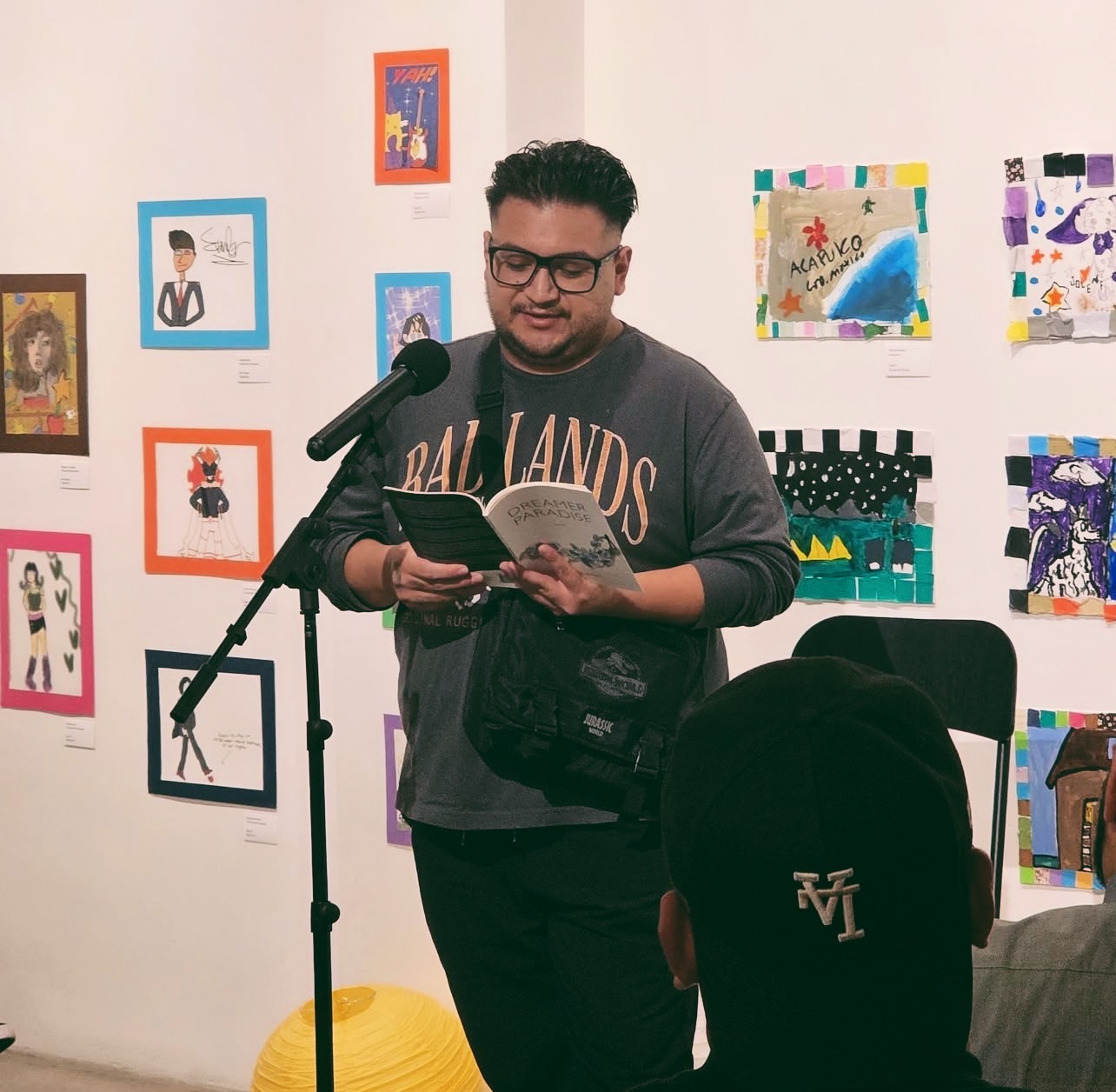
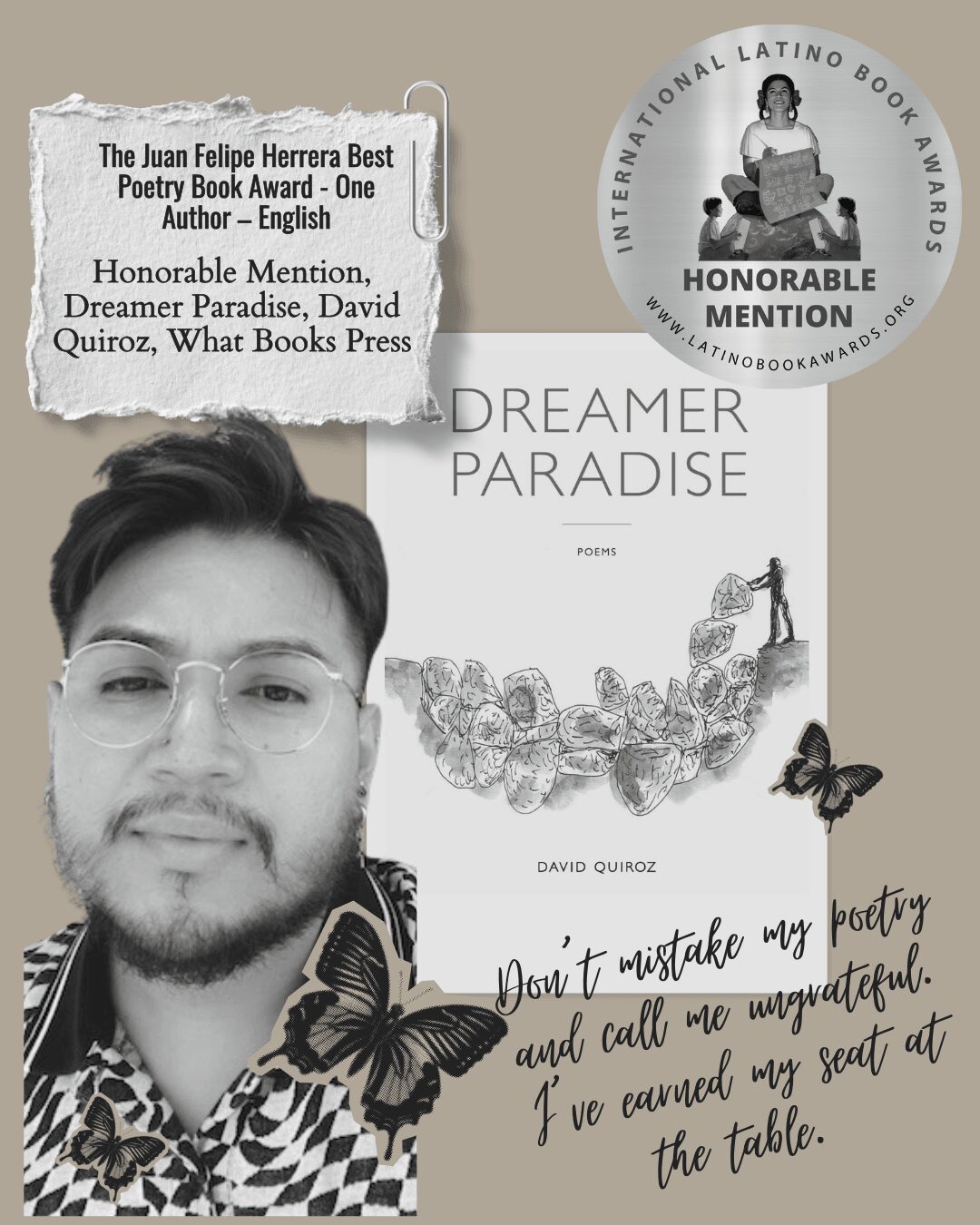
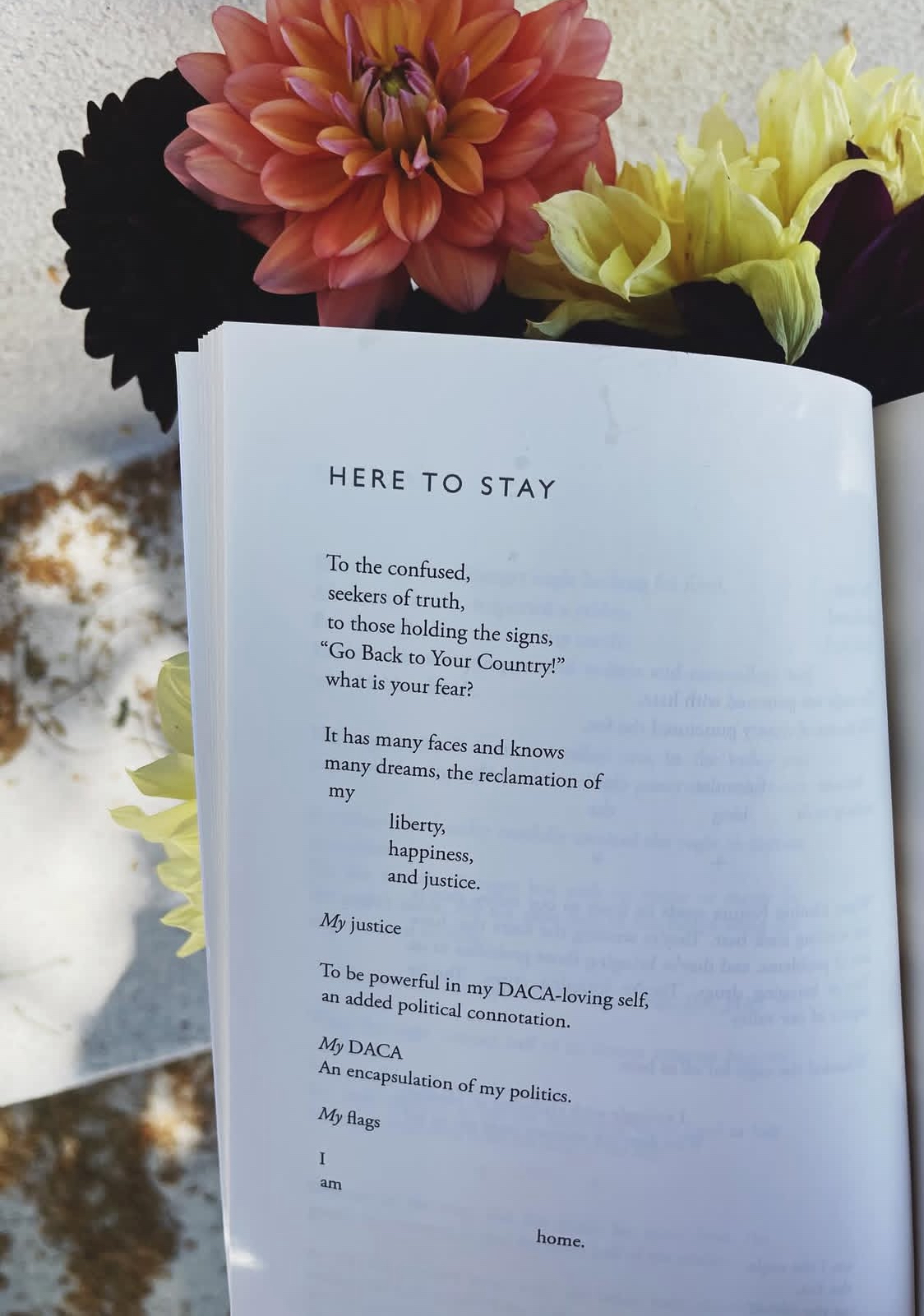
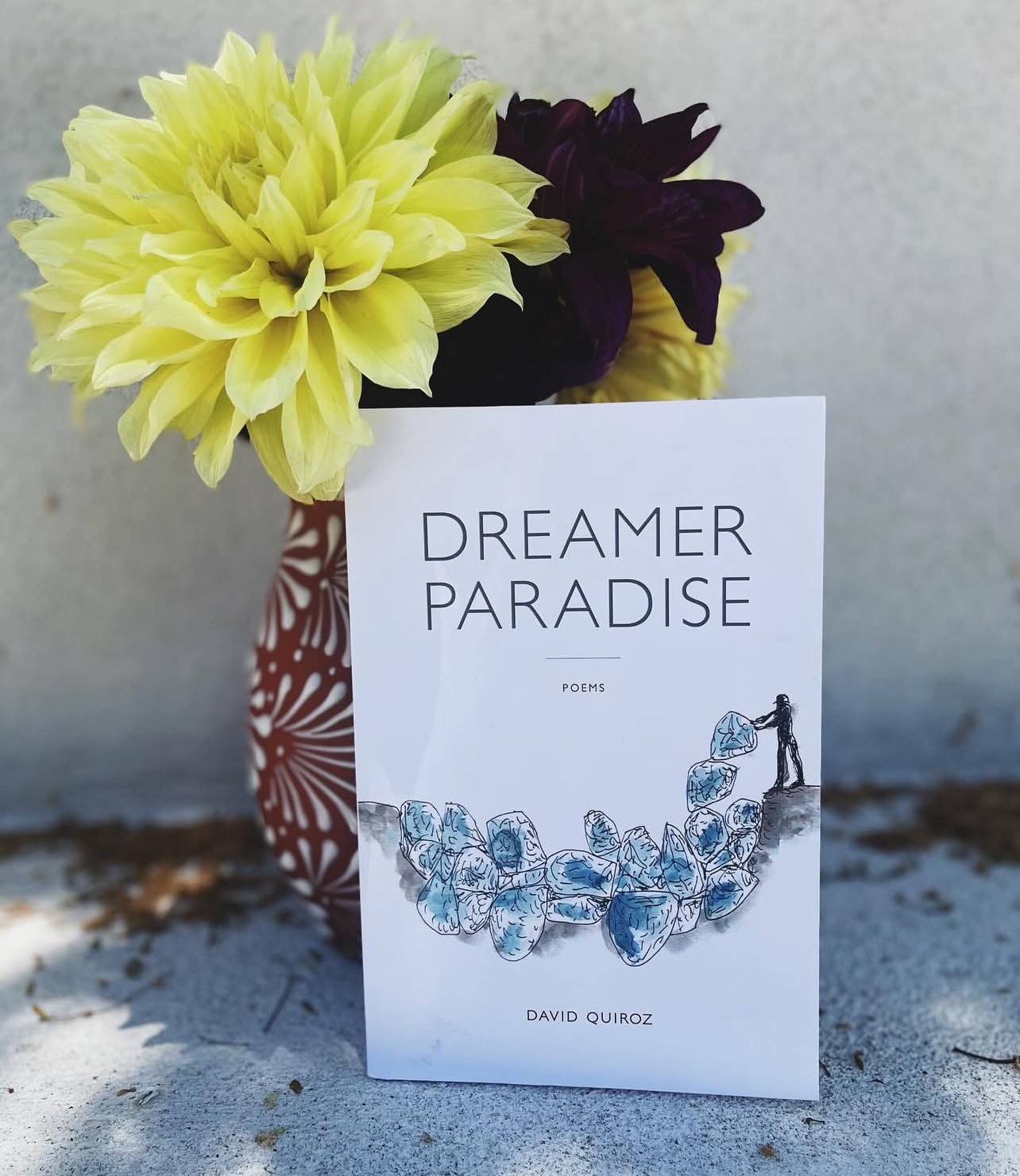
Now, years after graduating, I’m in my eighth year of teaching. Alongside that, I’ve dedicated myself to writing. My first full-length poetry collection, Dreamer Paradise, was published in 2024 and has since been recognized with an Honorable Mention at the International Latino Book Awards under the Juan Felipe Herrera Poetry Award, named after the former U.S. Poet Laureate whose work has been foundational for so many writers like myself.
I’ve had the opportunity to attend the Macondo Writers Workshop, a nationally respected and selective writing community founded by Sandra Cisneros that centers writers of color and social justice. I’ve also been part of the Association of Writers & Writing Programs, one of the largest literary conferences in the country.
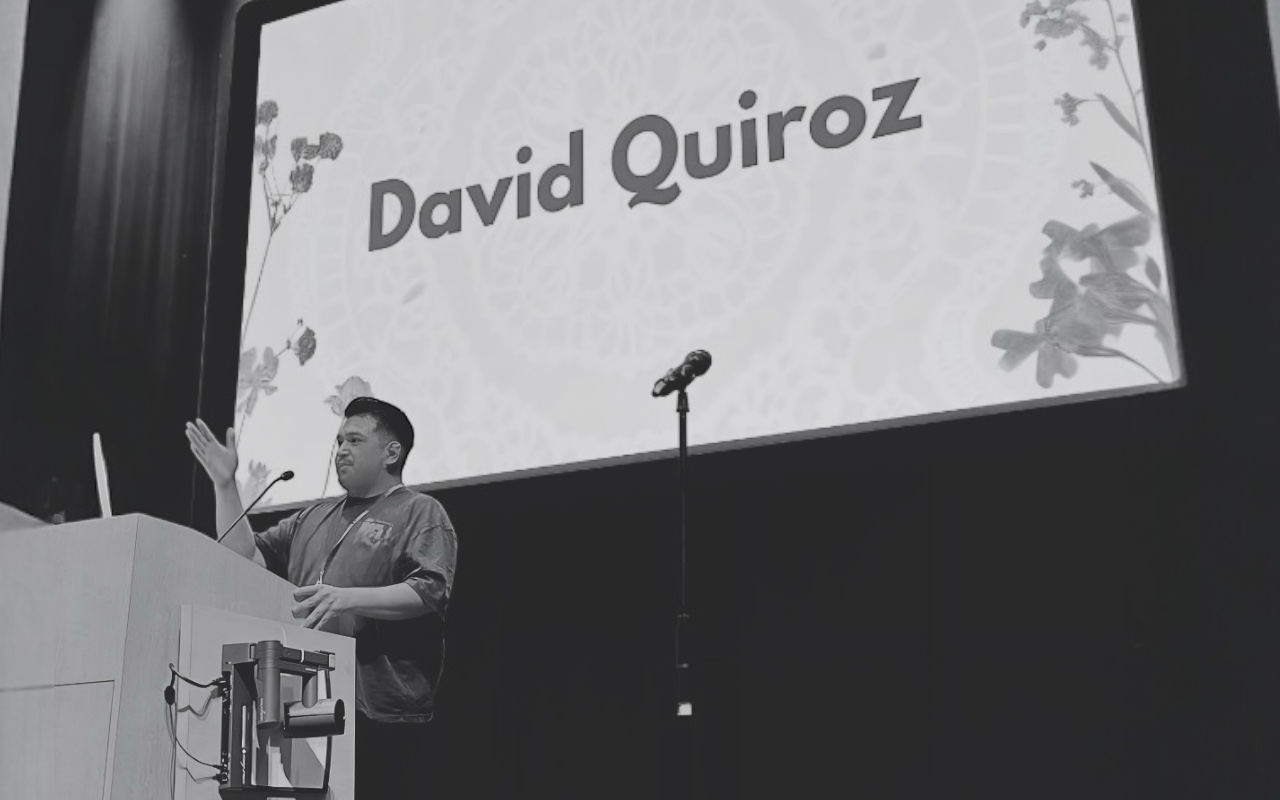
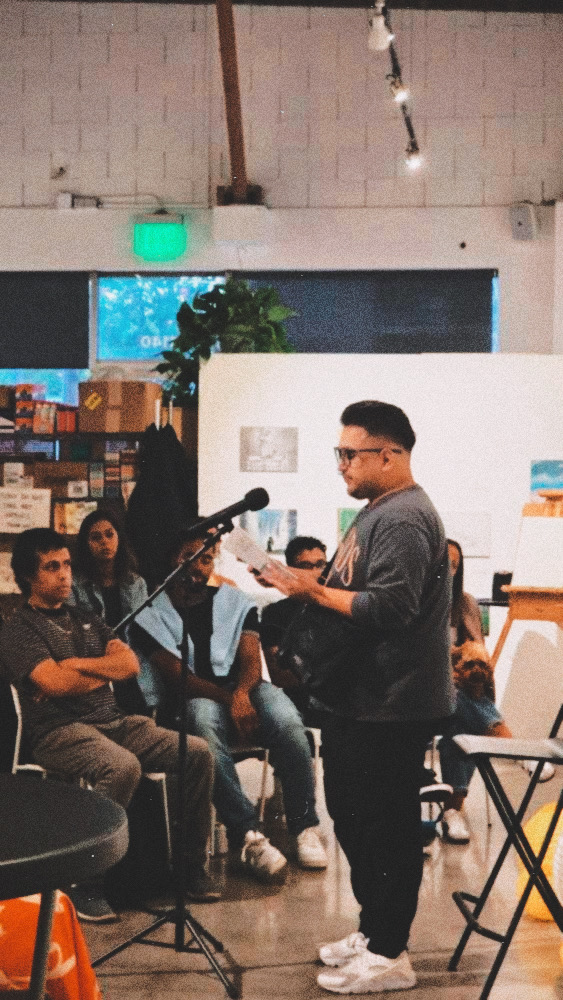
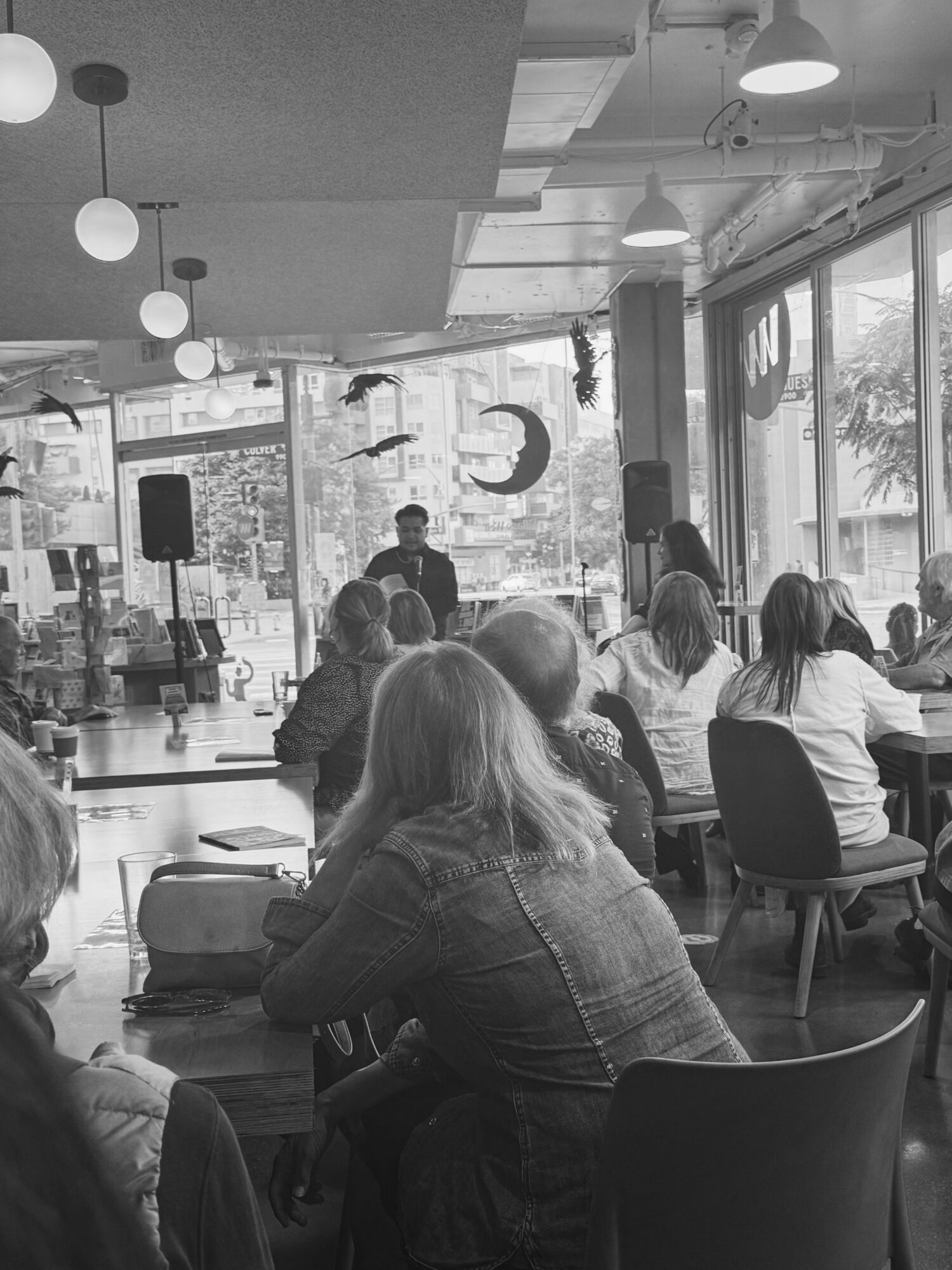
I’ve sat on panels, been in conversation with other writers, and now, this April, I’ll be part of the Los Angeles Times Festival of Books.
When I think about it, it’s wild. There was a time when I thought everything would end after high school. Now, I’m here, teaching, writing, and continuing to build something I once thought wasn’t possible.
Can you talk to us a bit about the challenges and lessons you’ve learned along the way. Looking back would you say it’s been easy or smooth in retrospect?
It hasn’t been a smooth road. Not even close.
One of the biggest challenges has been being the first at everything. People talk a lot about generational wealth, but they don’t always talk about generational knowledge. I didn’t have that. I don’t come from a long line of professionals. I’m the first—first educator, first writer. So much of this, I had to figure out on my own.
There were moments that felt like divine intervention, like something was opening a door right when I needed it most. But even then, I still had to walk through it without a roadmap.
I didn’t always know how to navigate systems, how to apply, who to ask, or even what questions to ask. I learned through trial and error, through rejection, and through showing up anyway.
And there were very real, day-to-day challenges too. Sitting in classrooms where maybe only four to seven students were Latino. Feeling that difference. Learning the hard way in college that no one is going to remind you about deadlines. Missing assignments because I didn’t fully understand the syllabus yet, and realizing quickly that professors weren’t going to chase you down. That’s college. You either adapt or fall behind.
As a writer, rejection has been part of the journey too. It has happened, and it will continue to happen. That’s part of the work.
But honestly, even though my parents didn’t always have the answers, and sometimes had none at all, they gave me something just as important. They let me pursue my dreams. They didn’t charge me rent. They made sure I was fed. They helped with gas when they could. That meant everything to me.
My challenges and obstacles were real, and they were difficult, but they were also necessary. I needed them. They shaped me into who I am today. They taught me resilience, patience, and how to keep going even when things felt uncertain.
So no, it hasn’t been smooth. And honestly, I don’t expect it to be. Challenges will continue to exist for me, and I welcome them.
Can you tell our readers more about what you do and what you think sets you apart from others?
I’m a proud DACA poet. Not the first, and definitely not the last, but part of a generation that continues to push these stories forward. My work is rooted in identity, immigration, love, and what it means to exist in between worlds. I write from lived experience, and that honesty is what people connect with.
Professionally, I’m also an educator. I teach in the same kind of community that raised me, and that work deeply informs my writing. I’m always thinking about voice, access, and whose stories get centered, both in the classroom and on the page.
I no longer see myself as an emerging poet. I’m established. I’m recognized. I’m invited into spaces and conversations that once felt out of reach. That’s something I’m proud of, not just for myself, but for what it represents.
My first full-length collection, Dreamer Paradise, was published in 2024 and recognized by the International Latino Book Awards. That book opened doors for me, but it also opened conversations.
Now I’m working on my second collection, Sinvergüenza, with FlowerSong Press. It feels like an extension of Dreamer Paradise, almost like a part two. It continues to explore what it means to be Mexican, DACA, and queer, fully and unapologetically.
What sets me apart is that I’m not just writing about these experiences, I’m living them and bringing them back into my community. I’m teaching, mentoring, and creating space for young people who might be navigating similar paths. My work doesn’t exist in isolation. It’s connected to where I come from and who I show up for.
What I’m most proud of is that I’ve been able to turn my story into something that not only represents me, but resonates with others.
What has been the most important lesson you’ve learned along your journey?
The most important lesson I’ve learned is that patience is everything. You have to be patient with yourself, with the process, and with the timing of your life.
But alongside that, you have to lead with kindness and love in everything you do. Be humble. Have manners. Say yes, please, and always say thank you. Those might seem like small things, but they’re not. They’re the things I grew up with, the nuances of being Latino, the way we’re taught to move through the world with respect and care for others.
I carry that with me into every space I enter. Whether it’s a classroom, a panel, or a conversation, I try to show up grounded in those values.
And I remind myself often, you never know who’s watching you or listening to you. That first impression matters. But more than that, the way you consistently show up matters even more.
Pricing:
- Dreamer Paradise (2024) is available for purchase online (Amazon and through What Books Press)
- Available for school visits, workshops, and speaking engagements (pricing varies depending on scope and location)
- Books are also available at live events, readings, and festivals such as the Los Angeles Times Festival of Books
Contact Info:
- Instagram: https://www.instagram.com/qdapoet/
Popular
-

Christina Wren Steps Into the Director’s Chair to Tell Stories That Feel Like Home
-

Portraits of the Valley
-

LA’s Most Inspiring Stories
-
JordanL on ‘Breathe,’ Belief, and Building a Movement Beyond the Music
-
Megan Birney Rudert on How Access to Light Is Powering a More Sustainable and Equitable Future
-
Linda Kneidinger on Building Lasting Change Through Small Steps and Self-Compassion


