




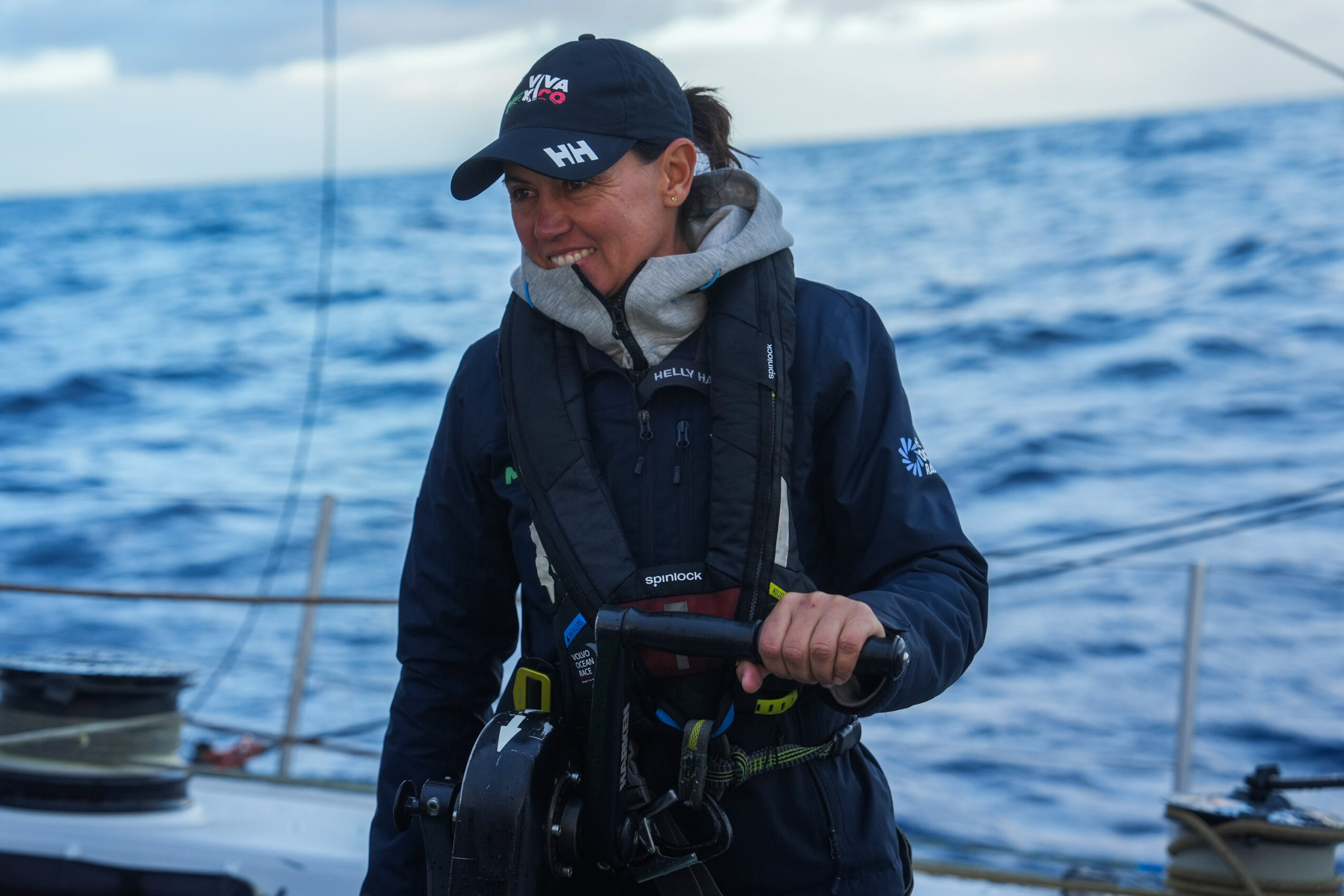
Today we’d like to introduce you to Tania Elias Calles.
Hi Tania, it’s an honor to have you on the platform. Thanks for taking the time to share your story with us – to start maybe you can share some of your backstory with our readers?
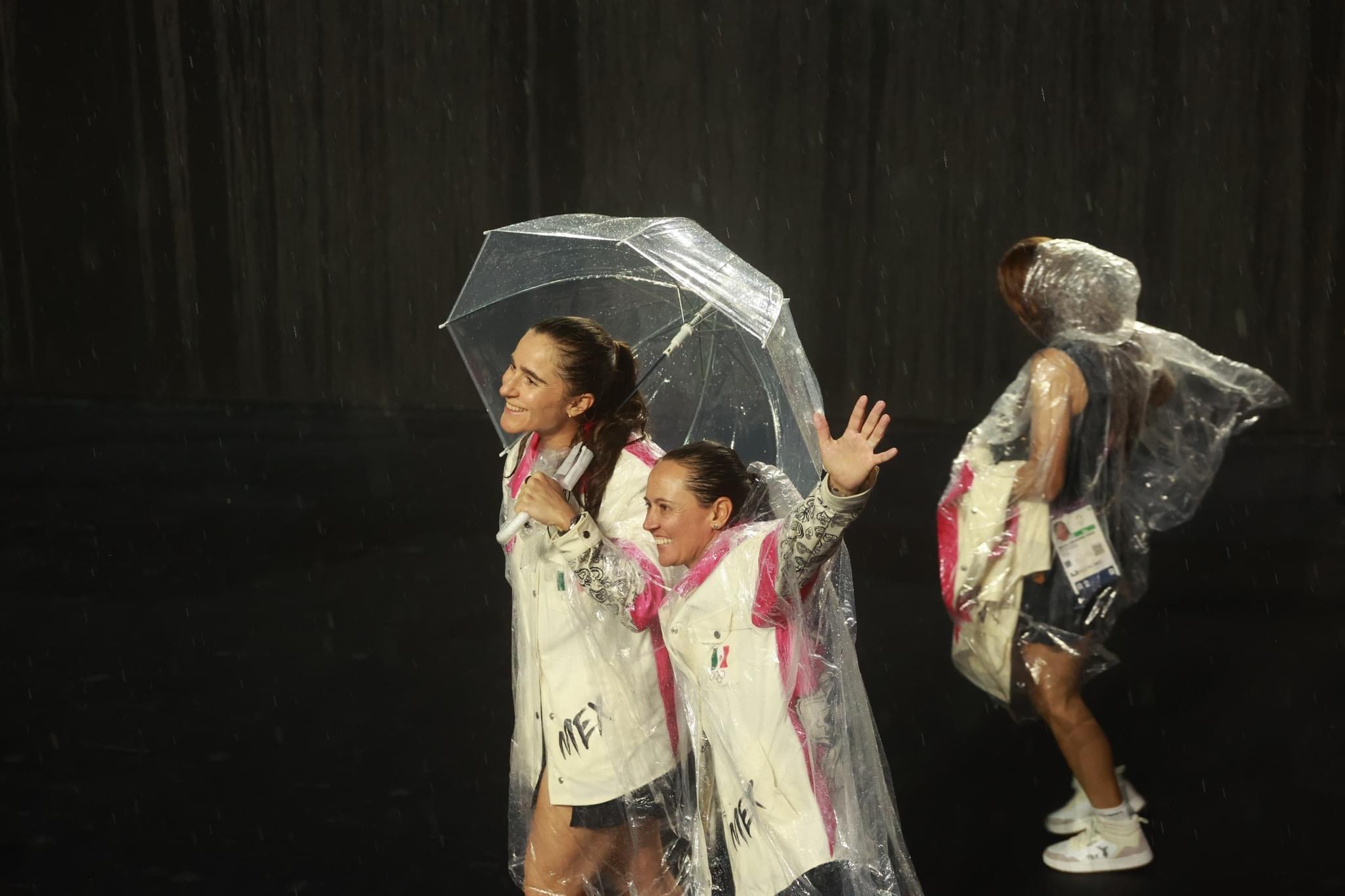
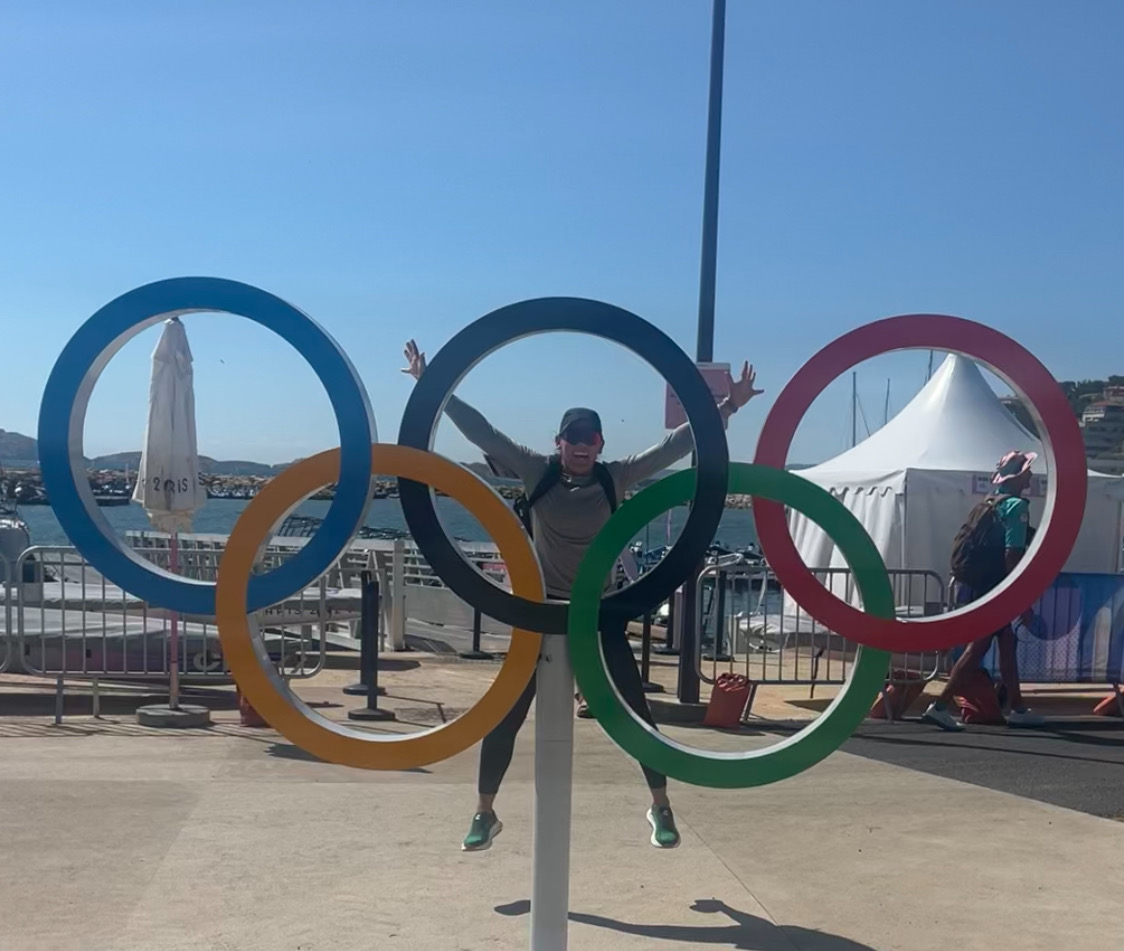
I’m originally from Mexico, and sailing has shaped most of my life. I started sailing when I was seven years old, and what began as a passion eventually became a professional path. Over the years, I represented Mexico in four Olympic cycles in the women’s single-handed class, and at one point I reached a lifelong dream, I was ranked number one in the world and became one of the favorites to win an Olympic medal. An injury interrupted that dream, but it also brought tremendous learning and a different perspective on how I see the process. That journey taught me a lot about resilience, discipline, and performing under pressure.
After many years competing, I became increasingly interested in what happens beyond the athlete’s individual performance, how teams are built, how systems support athletes, and how you create environments where people can truly thrive. That led me to start working more on the leadership and development side of sport. I directed a high-performance project in Mexico called Somos México, focused on supporting the next generation of Olympic athletes. In that role, I also worked on fundraising and sponsorship.
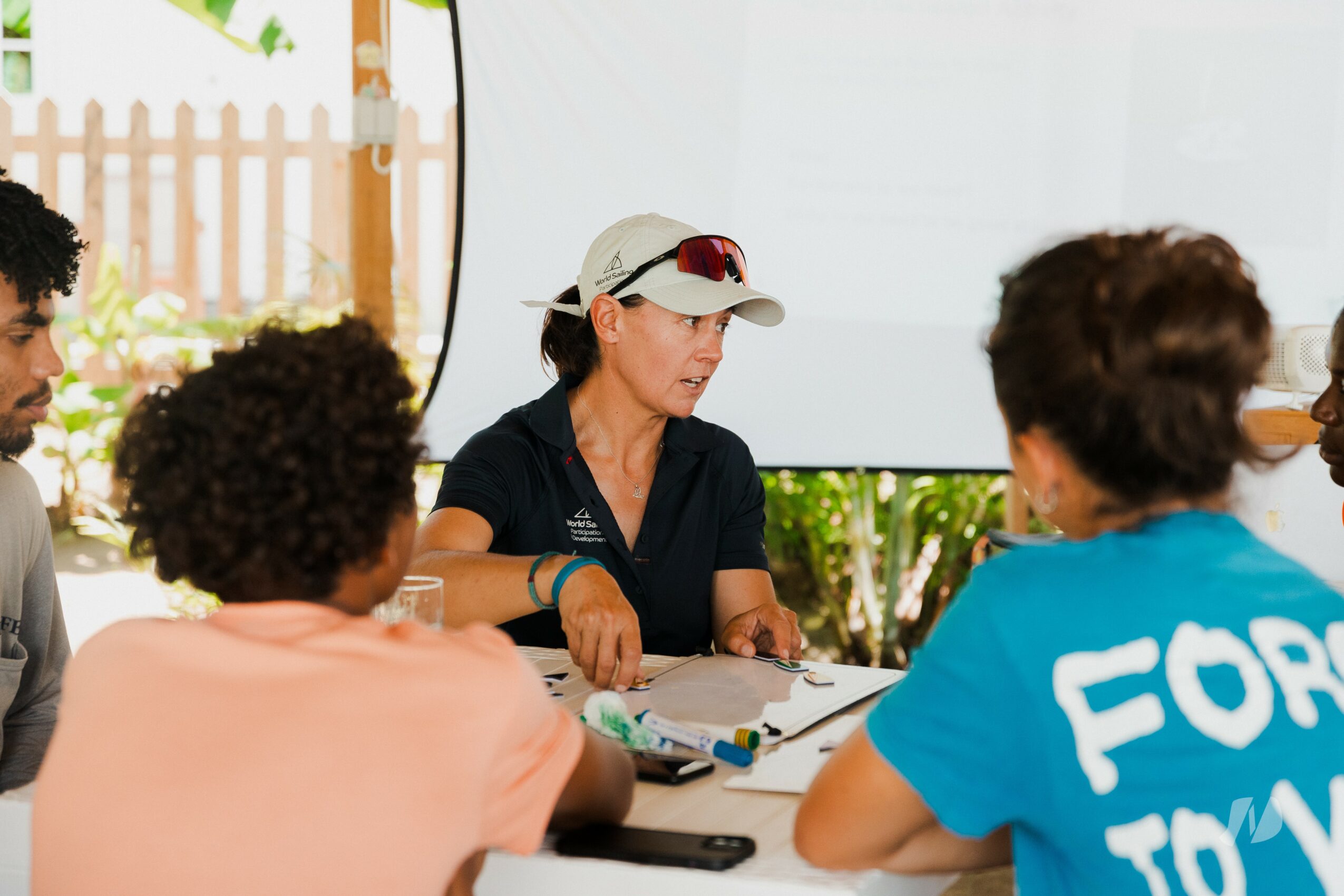
More recently, I’ve been working internationally with World Sailing as a coach developer, coaching Olympic athletes and helping develop coaches through the Emerging Nations Program. I also fulfilled another lifelong dream by being part of the Mexican crew in The Ocean Race VO65 class, which was another incredible team experience in 2023.
Today my work sits at the intersection of high-performance sport, leadership, and mentorship. I’m currently directing the Junior Sailing program at Balboa Yacht Club in Newport Beach, California. It’s both an exciting opportunity and a tremendous challenge helping develop young sailors while building a culture that values a sense of belonging, excellence, teamwork, and a lot of personal growth.
Can you talk to us a bit about the challenges and lessons you’ve learned along the way. Looking back would you say it’s been easy or smooth in retrospect?
It definitely hasn’t been a smooth road. Like most high-performance journeys, it has had incredible highs but also very difficult moments. One of the biggest challenges I faced was an injury at a critical point in my career, when I was ranked number one in the world and preparing for the Olympic Games in 2008. That was extremely hard because it interrupted a dream I had been working toward for many years.
High-performance sport also takes a significant toll on your personal life. It affects your social life, family life, and what most people would consider a “normal” life. It can be a very lonely journey, with many sacrifices and difficult decisions that are necessary if you want to compete at the highest level.
Coming from Mexico added another layer of challenge. The sports system can be very difficult to navigate, and in many cases athletes have to build their own support structures. Fundraising becomes essential, because without financial support it’s very hard or impossible to sustain an Olympic campaign. Often there isn’t a multidisciplinary team or a strong system backing you from the beginning, so many of the struggles and responsibilities fall on the athlete. That makes the journey harder than what many athletes in other countries experience.
Thanks for sharing that. So, maybe next you can tell us a bit more about your work?
Today, one of my biggest responsibilities is directing the Junior Sailing program at Balboa Yacht Club in Newport Beach, California. It’s an incredibly impactful program for the club and also an important pathway for the future of the sport in the United States. I’m responsible for the overall vision of the program, which spans from the learn to sail level with children as young as six years old, all the way to the racing teams with sailors from about nine to eighteen years old competing in different classes.
The role goes far beyond managing a program. I work closely with the coaches who deliver each of those sessions and apply the same development approach with them supporting them as leaders so they can create the best possible learning experience for the sailors. It’s a position with a lot of responsibility and pressure, from meeting budgets and participation targets to supporting competitive results. But above all, my priority is always the human side of sport: making sure we are developing values, strong habits, discipline, and a love for the process and the effort, not just focusing on results.
What I’m most proud of is being able to contribute to an environment where people grow, whether that’s the athlete discovering their potential, young sailors falling in love with the sport, or coaches developing their own leadership style. For me, success is when performance and personal development grow together.
What sets me apart is that I’ve lived high performance and leadership from many perspectives, from being a young Mexican girl with a dream, to becoming one of the best in the world and Olympic athlete, a coach, program leader, and now coach developer for the international governing body of the sport. That combination allows me to understand both the demands of elite sport and the importance of building systems, cultures, and people that sustain performance over time. It also allows me to be empathetic with the families and sailors who are just beginning, or who may have fewer financial resources, because I’ve experienced that reality myself.
Can you share something surprising about yourself?
Something that might surprise people is the level of persistence I bring when I put my mind to something. I truly believe there is always a way to achieve what you have in mind, you just have to be willing to find the “how.”
At one point in my Olympic campaign, shortly after my injury, most of my sponsors left and the national sports institute stopped believing in me. Funding suddenly became a huge challenge. So I decided to do something very unconventional to raise money for my preparation for the London 2012 Olympic Games.
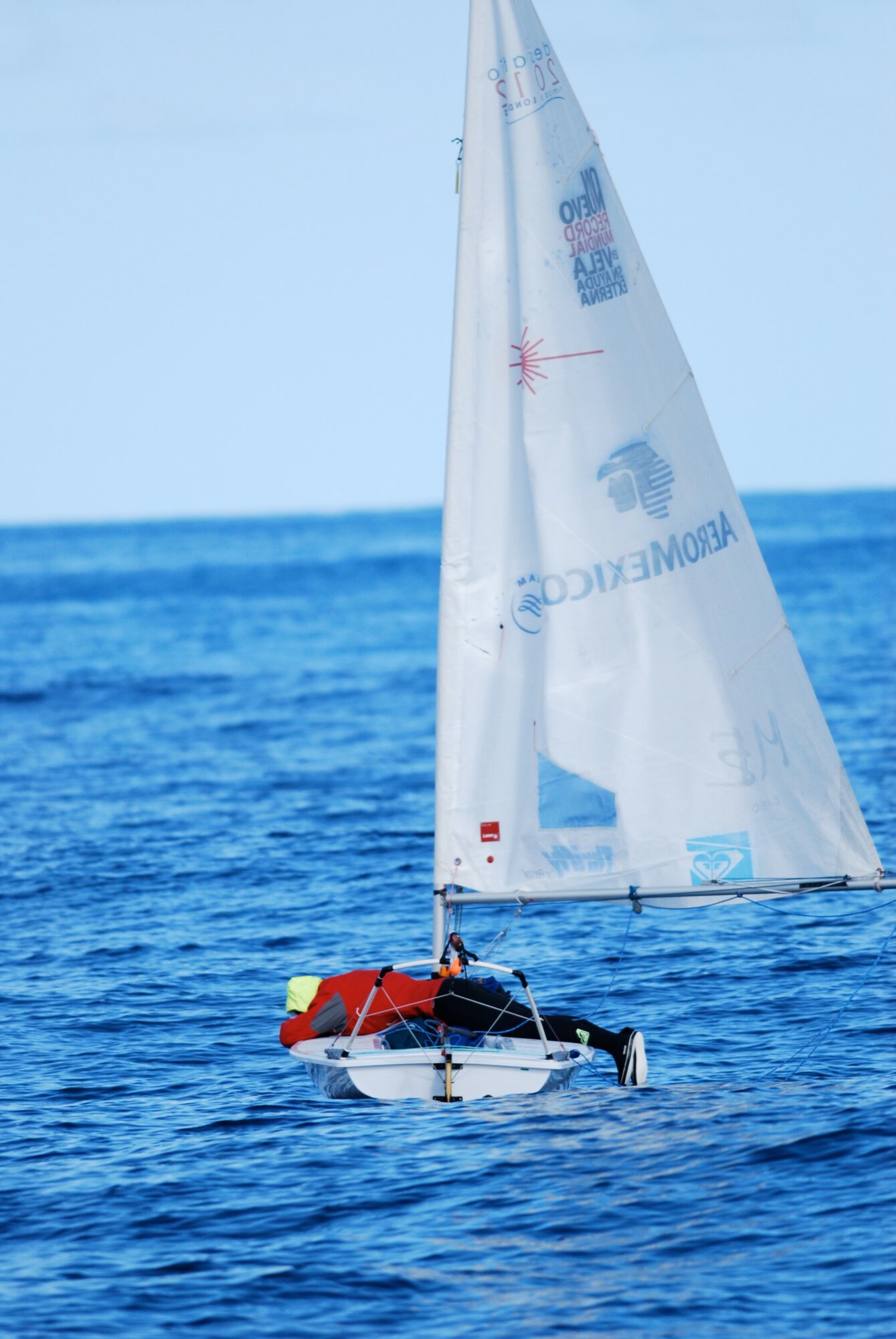
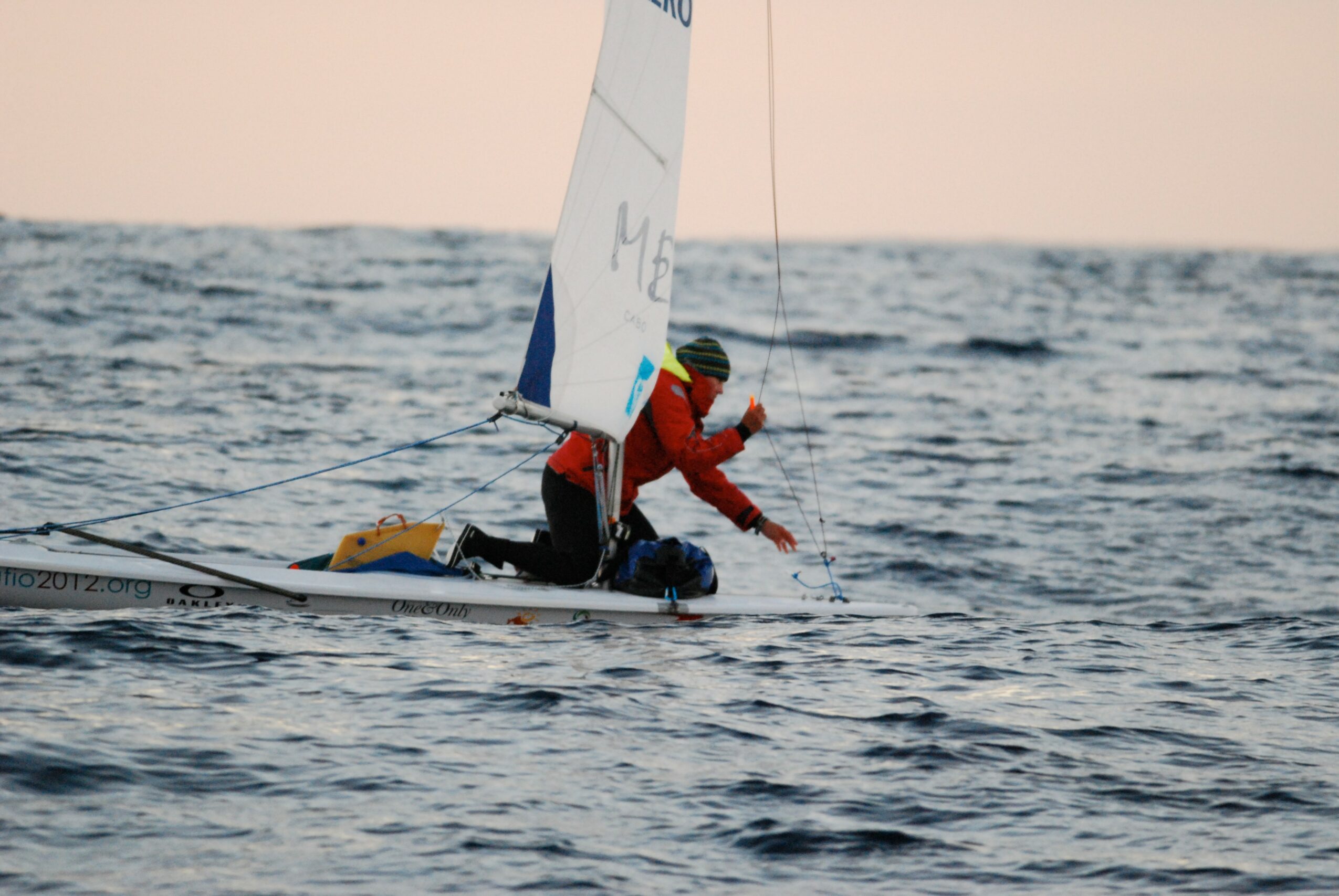
I sailed alone and unassisted from Cabo San Lucas to Puerto Vallarta, Mexico, about 300 nautical miles, on a 14-foot dinghy, an ILCA 6, which is a tiny boat that isn’t designed for offshore sailing
The goal wasn’t just the adventure. I was willing to put everything on the line to draw attention from sponsors and companies that could support my final Olympic campaign. The journey ended up becoming a Guinness World Record for the longest distance sailed solo by a woman on that type of boat, and it’s a record that still hasn’t been broken. Honestly… I’m not sure who would try. Maybe someone even crazier!
For me, that experience represents something very personal that I am super proud of. It reflects the mindset I’ve carried throughout my career, the belief that even when the path isn’t obvious and sometimes overwhelming, if you’re committed enough, you can create opportunities and move forward.
Contact Info:
- Instagram: https://www.instagram.com/taniacalles
Popular
-

Christina Wren Steps Into the Director’s Chair to Tell Stories That Feel Like Home
-

Portraits of the Valley
-

LA’s Most Inspiring Stories
-

JordanL on ‘Breathe,’ Belief, and Building a Movement Beyond the Music
-

Megan Birney Rudert on How Access to Light Is Powering a More Sustainable and Equitable Future
-

Linda Kneidinger on Building Lasting Change Through Small Steps and Self-Compassion


