




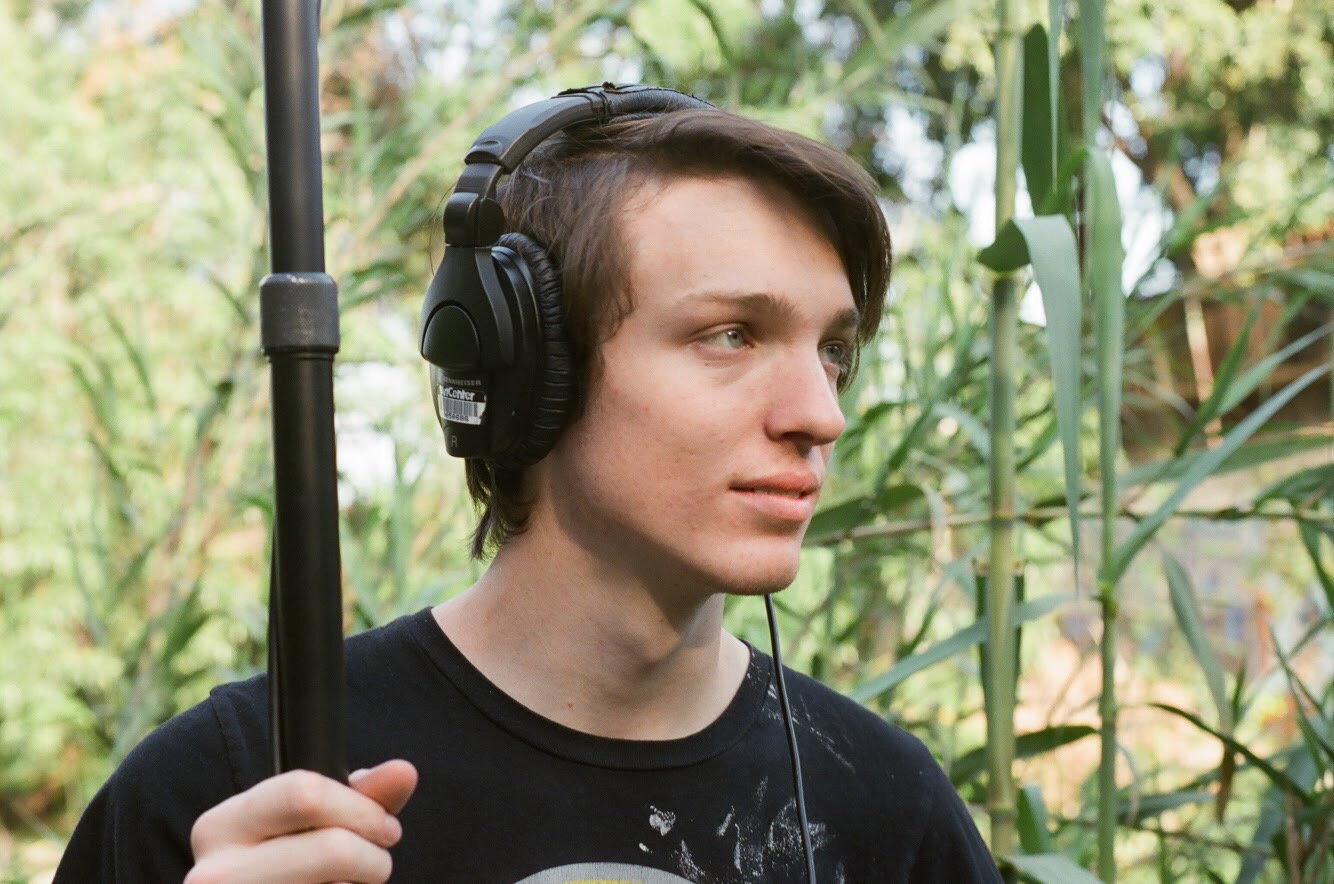
Today we’d like to introduce you to Luc Benson.
Hi Luc, we’d love for you to start by introducing yourself.
I’ve been a total film nut my entire life and I’m not expecting that to change any time soon. Film is too contradictory to get sick of or bored with, and the more you see the contradictions in film the more you learn to see contradictions in everything. I went to a high school with a film program, which was my introduction to making films that weren’t chronologically shot with an iPod camera. Afterwards I attended Art Center College of Design for film with an emphasis in directing. I directed several short films and edited the 2019 feature documentary “Nightcrawlers.” At the time I was reading a lot of writings by Kracauer, Brecht, Sontag, & Eisenstein, who all influenced my work quite a bit. I find it more fulfilling to work from a defined theoretical perspective. Making a film always challenges this perspective, and then your perspective changes, you make another film which challenges the new perspective, and so on. It’s hard to run out of ideas when your aims are relatively small like that. I still make films, mostly on my own using my camera and microscopes. I also do a lot of freelance editing work. I love editing other directors’ narrative films and documentaries. I’ve also worked on interviews, commercials, podcasts, and other things that have come my way.
Would you say it’s been a smooth road, and if not what are some of the biggest challenges you’ve faced along the way?
Film has existed as a commodity first and an art second since the beginning, so it can be difficult to find a path forward when your aims are a little less in the vein of the former. A film doesn’t have the scarcity that allows many other arts a little liberty in the American economy. I’m not a business minded person, which in a way allows me my own liberties, but it also makes the path a little muddy. I’m fine with that!
Appreciate you sharing that. What else should we know about what you do?
I’ve made most of my recent work using compound and stereo microscopes. I first started making microscope films in 2021 with “Even More American Graffiti.” It was shot over the course of a few hours, mostly as test footage. I filmed as I attempted to learn how the microscope functioned, how the camera adapter worked, how the light filters looked, etc. I was filming a few drops of pond water that I had collected, and during filming, the heat from the microscope light caused the water to dissolve. This created air bubbles, which expanded until the entire slide was consumed, killing all of the microbes. Before this I primarily edited using direct sound, but that isn’t a possibility on a microscopic level, so I used public domain jazz, blues, & folk recordings and made a soundtrack in a similar vein to how the radio was used in “American Graffiti” in relation to cross cutting. This went hand in hand with the color lens filters, which I treated in the same way color tinting would be used during cross cut sequences in some silent films. I was definitely influenced by the films of Jean Painleve and the zoopraxography of Eadweard Muybridge, so the idea was to connect their scientific uses of the camera, a somewhat scientific editing method, and a popular use of music. The music helped broaden the subject. The editing took much longer than the filming did.
Following this I made a longer film, “Death in Vegas,” which is about an hour. I filmed a pocket sized Elvis photo biography from cover to cover with a cheap USB microscope camera. The magnification made the text of the book into simplified Gysin / Burroughs styled cut ups. I edited these first, arranging them roughly chronologically so that they read through and made sense. The microscopic lens made the photos in the book into something more resembling dot clusters than photos. I cut these in between the text, making short burst montages, each image cut according to number of frames in fractions of 24. I tried to approach this like I was composing music and each 24 frames constituted a measure. This editing method was inspired by John Cage’s 1937 lecture “The Future of Music: Credo,” where he says, “The ‘frame’ or fraction of a second, following established film technique, will probably be the basic unit in the measurement of time. No rhythm will be beyond the composer’s reach.”
I edited the entire film silent, adding music after the fact, so the soundtrack can be swapped out for different versions depending on the viewing conditions. The attempt of the film was to on one hand create a more “honest” text document of Elvis through the cut ups, which distort a lot of the advertorial writing typical in a biography like that. The short montages between each text slide are meant to expand the text outside of the realm of biography, often through contradictory images, parallel fables, abstraction through dots, etc. The core of the film is about a man turned into pure commodity, the ultimate product, everything and its opposite.
Following that I made “Hare Today Gone Tomorrow,” and “Episode Seven,” which are both shorter films that mix microscope footage with regularly lensed material. I am currently working on a short film about blood called “Heem’ O Glo’ Bin.” I’m always trying to treat image, sound, and text as separate elements and I’m never trying to repeat myself, however I do quite frequently.
Is there anyone you’d like to thank or give credit to?
Connor Witt, Gerald Clamson, Carter Imperial, Krystle Kaiser, Demie Santone, & Tanner Falcon are all close friends, collaborators, and artists in their own right. Gerald introduced me to the microscope camera. Connor is a brilliant actor, writer, and longtime collaborator. Tanner is a great uninhibited writer with an infectious enthusiasm for wildlife.
Pricing:
- Day Rate for Video Editing – $400
- Microscope footage for projects or music videos – Project Dependant
- Flexible to the budget on interesting projects, especially narrative film & verite documentary editing. Feel free to reach out!
Contact Info:
- Instagram: https://instagram.com/lucbensonfilm
- Youtube: https://youtube.com/@lucbenson
- Other: lucjbenson@gmail.com
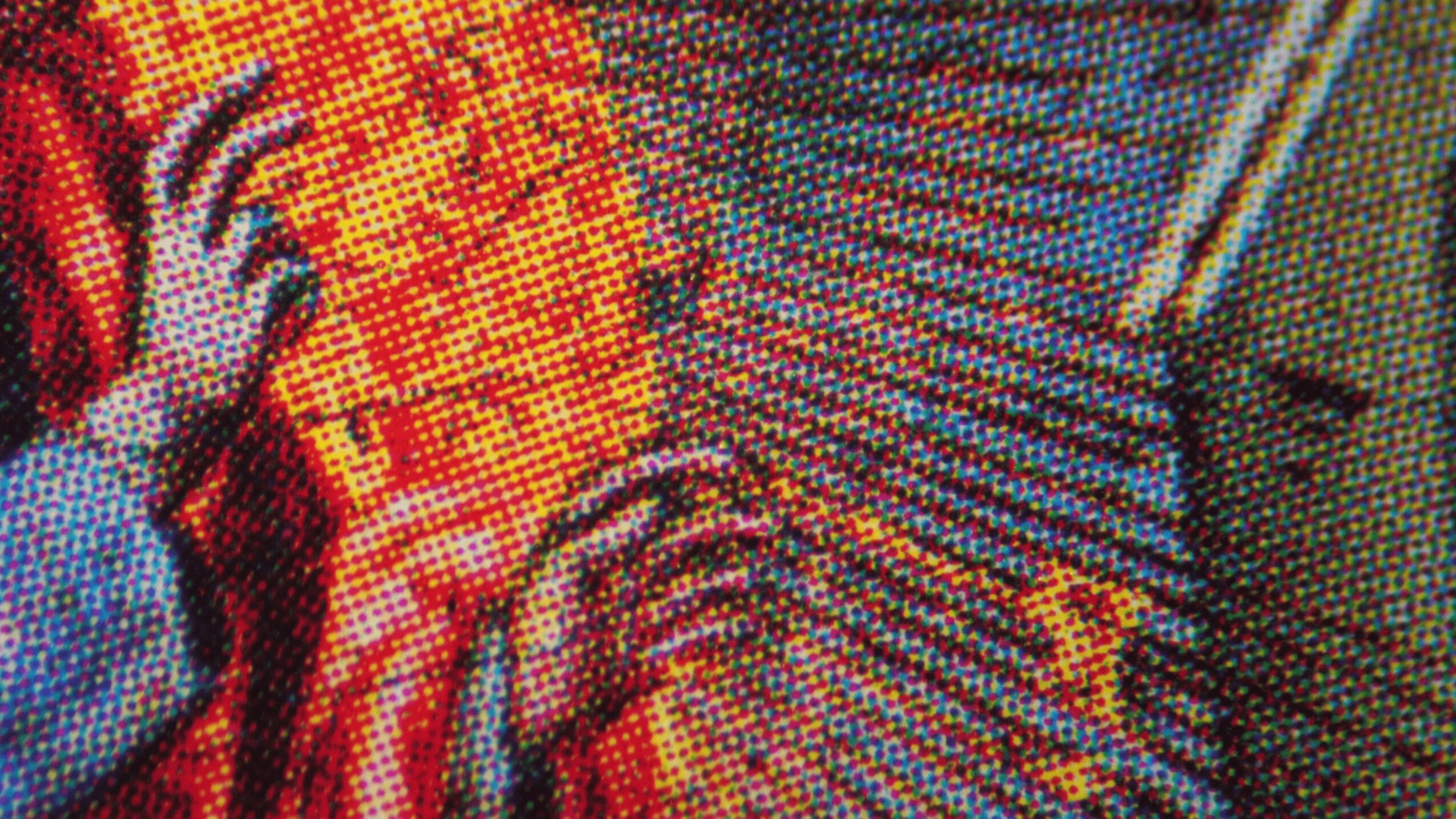
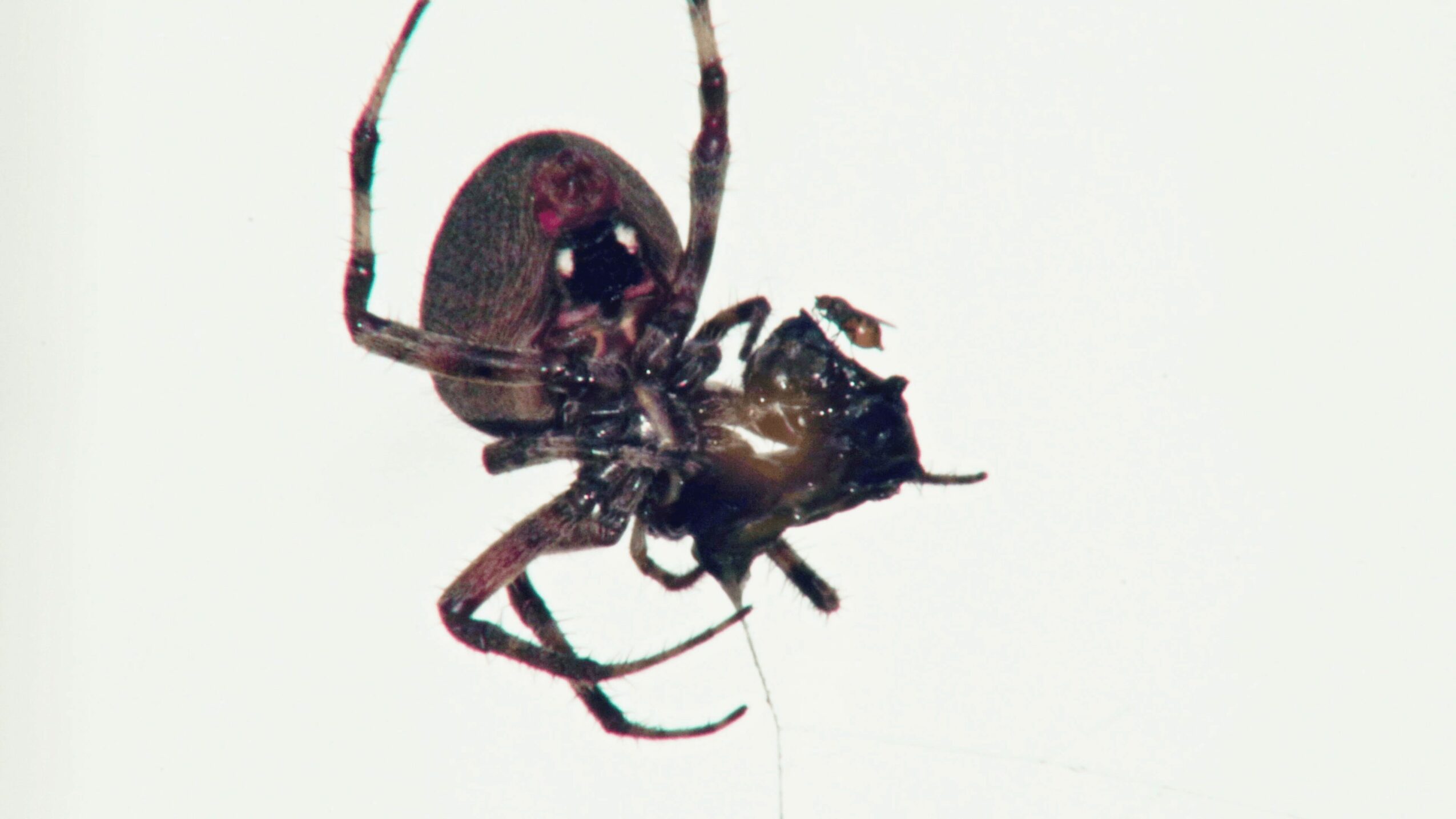
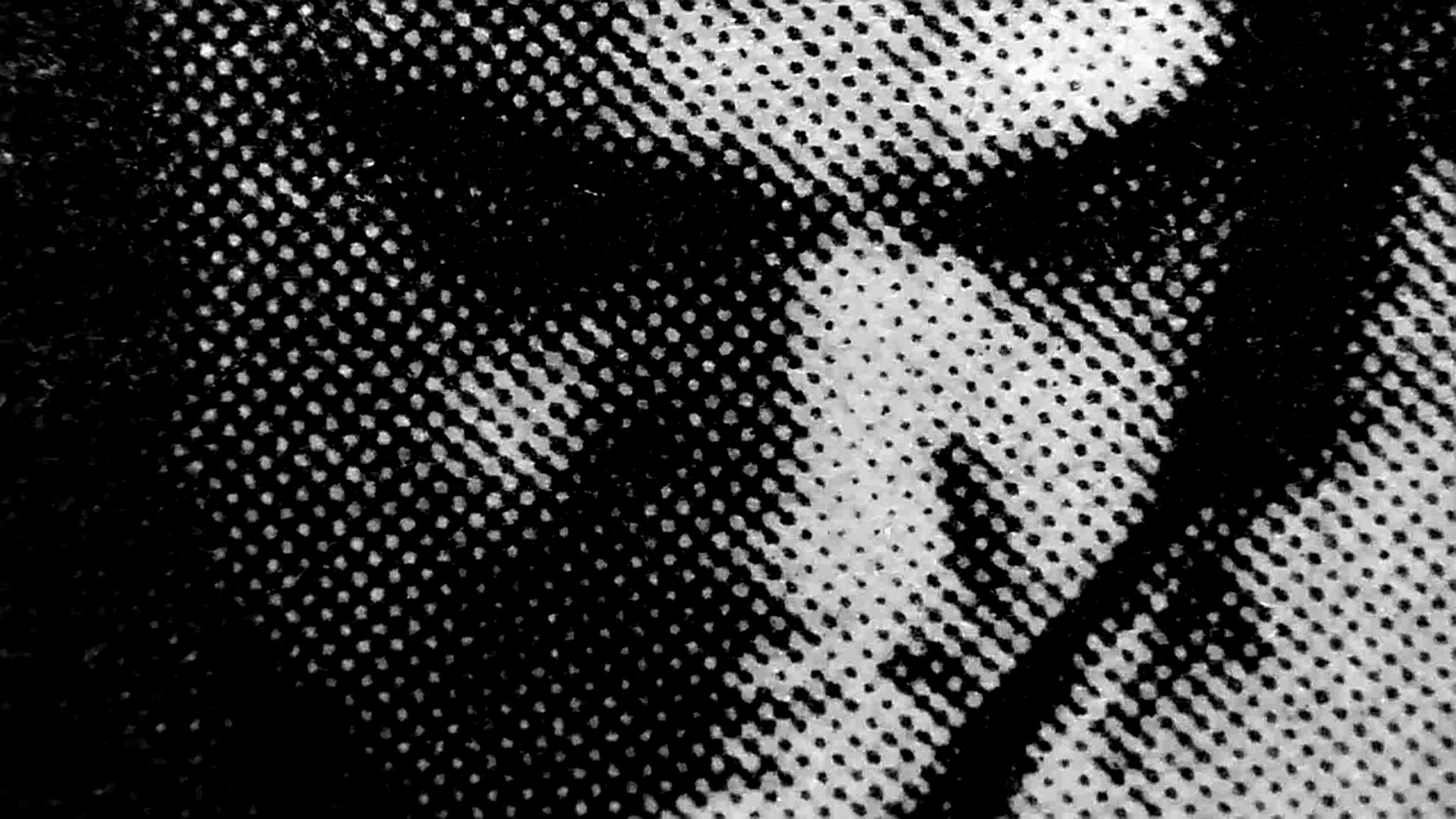
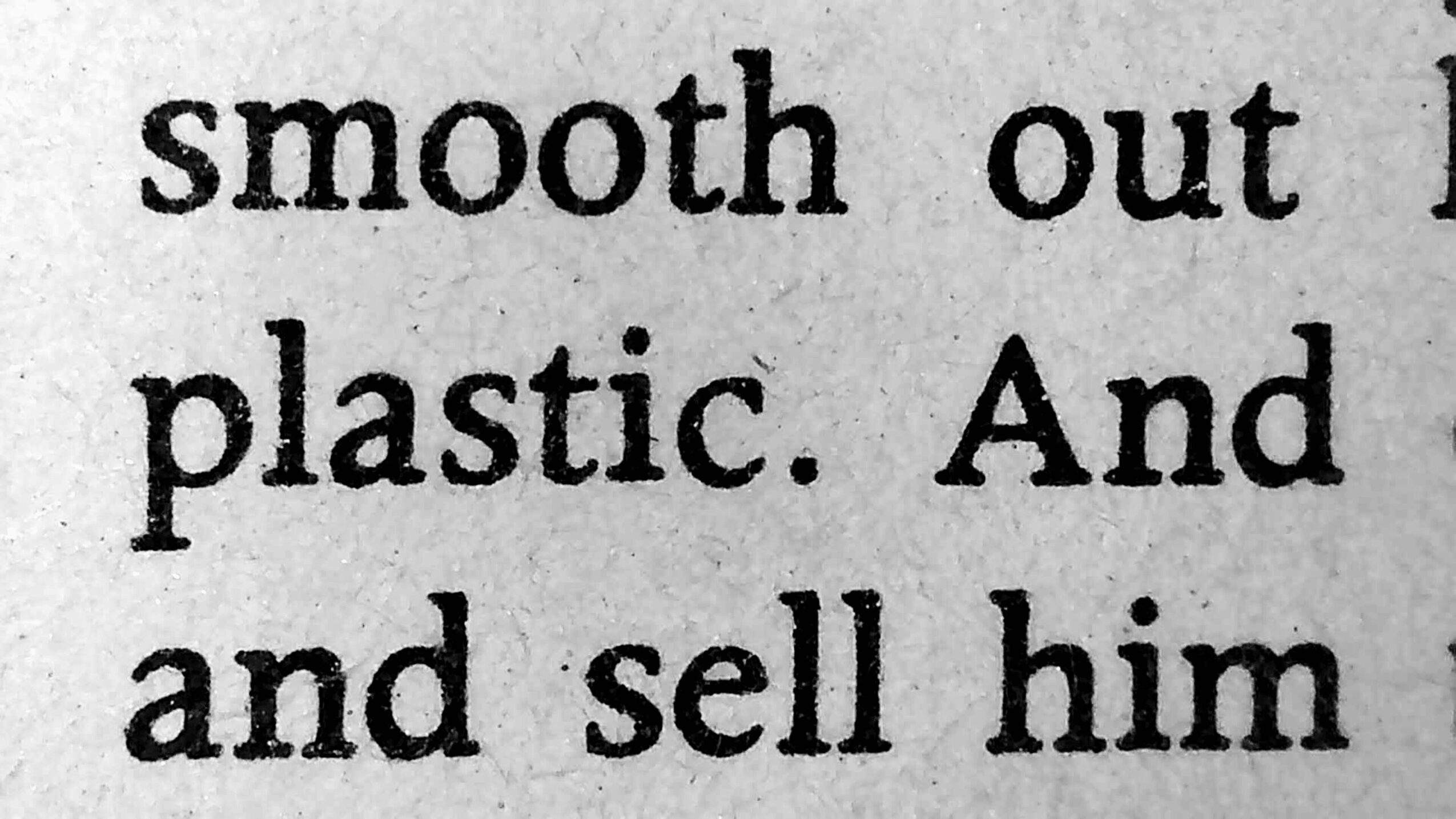
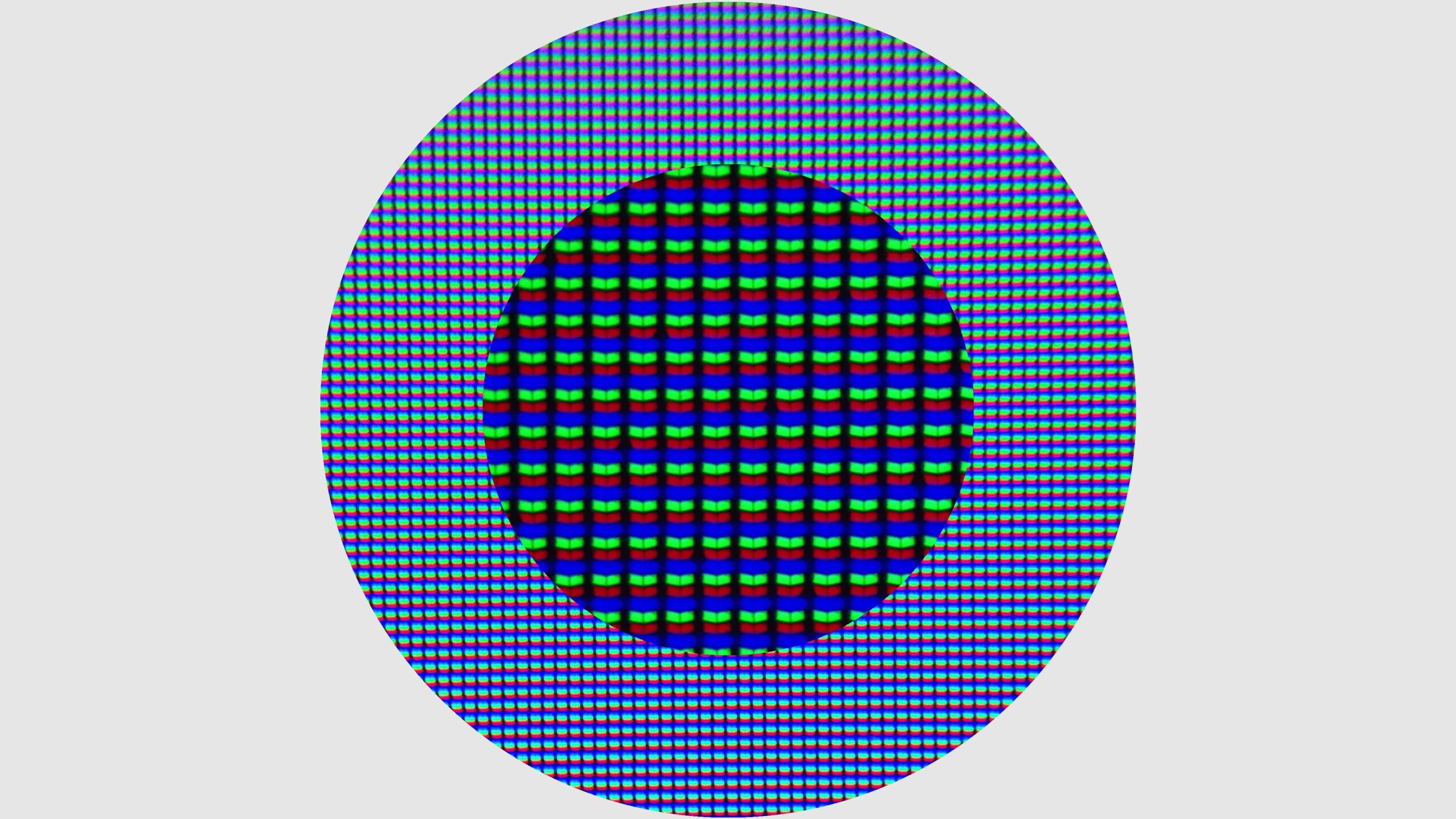
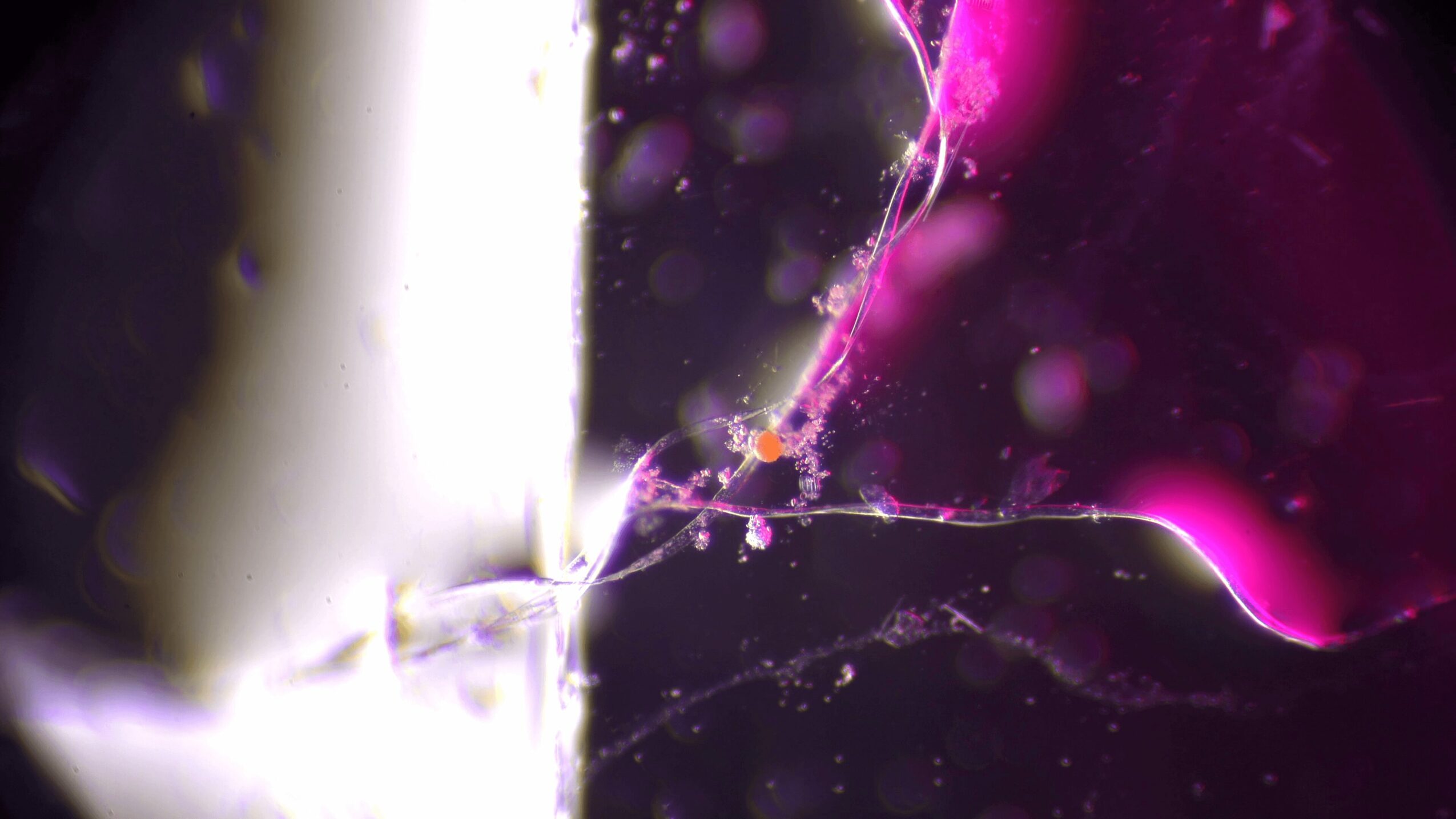
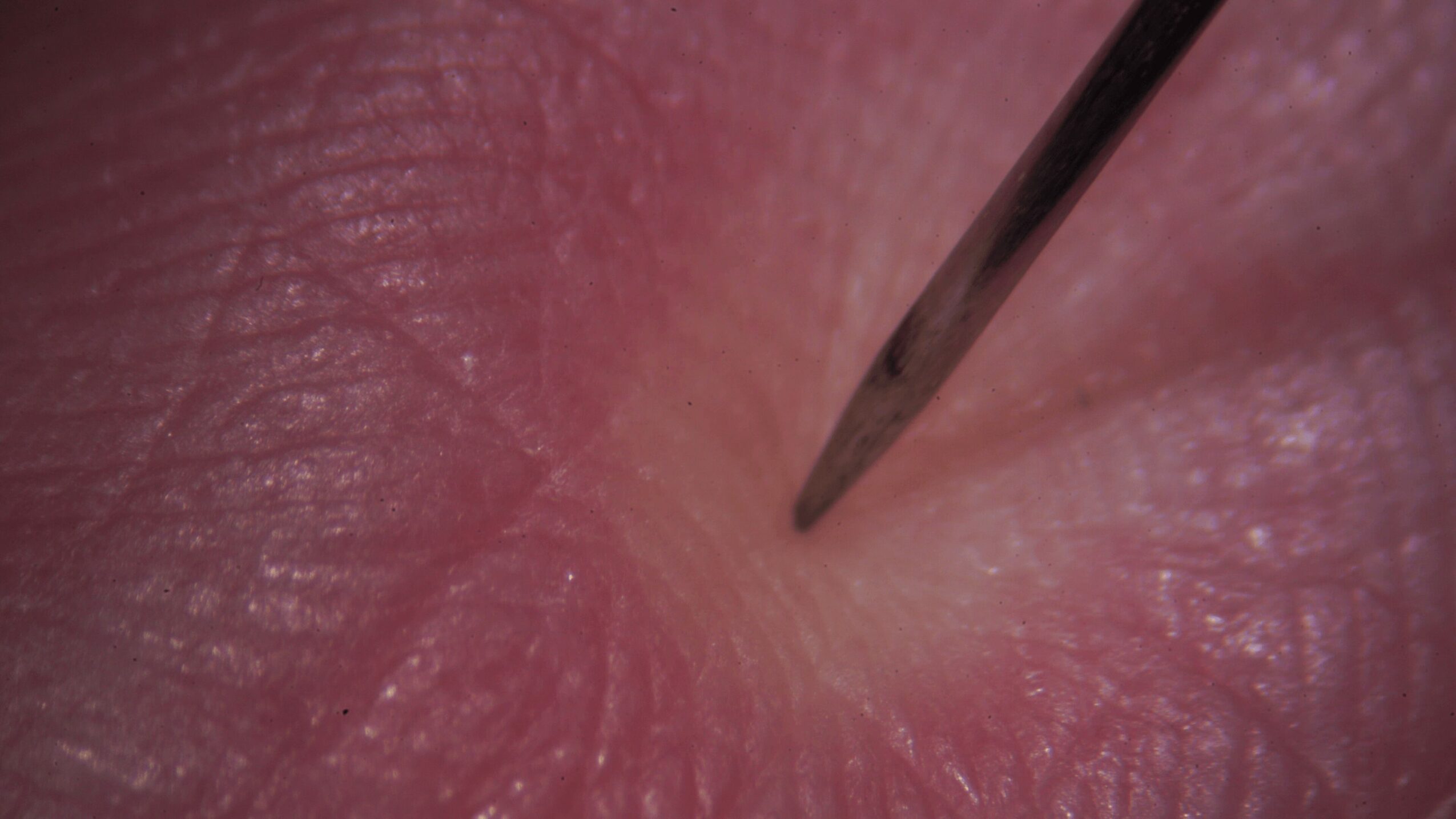
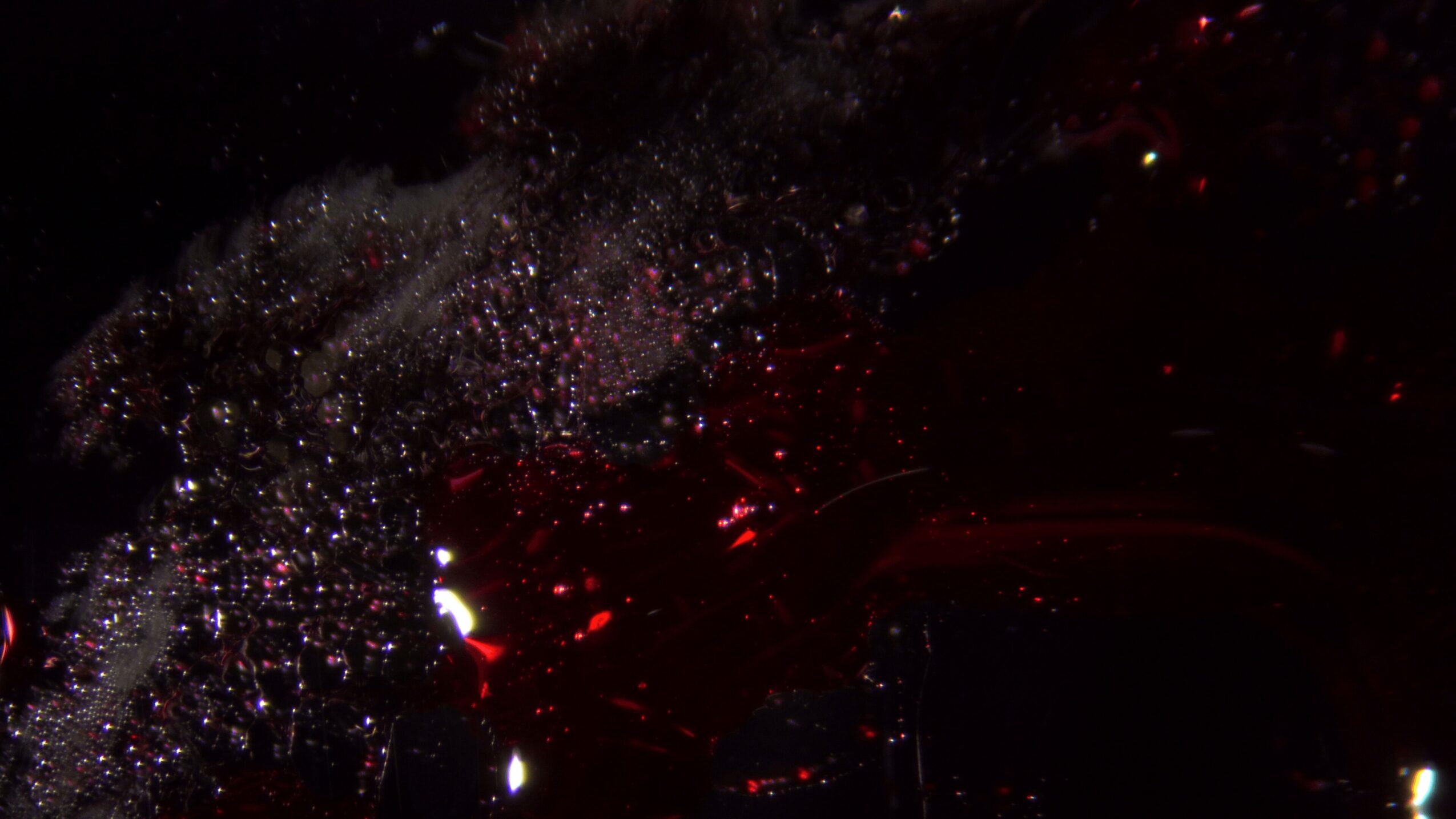
Image Credits
Portrait by Akerke Shatekova, Film Stills by Luc Benson
Popular
-

Christina Wren Steps Into the Director’s Chair to Tell Stories That Feel Like Home
-

Portraits of the Valley
-
LA’s Most Inspiring Stories
-
JordanL on ‘Breathe,’ Belief, and Building a Movement Beyond the Music
-
Megan Birney Rudert on How Access to Light Is Powering a More Sustainable and Equitable Future
-

Linda Kneidinger on Building Lasting Change Through Small Steps and Self-Compassion


