





Today we’d like to introduce you to Luis De Jesus.
Hi Luis, thanks for joining us today. We’d love for you to start by introducing yourself.
I was born in Puerto Rico and raised primarily in the Washington, D.C. suburbs. Before I attended art school, museums played a role in my art eduction. I would take the metro down to the National Mall and visit the National Gallery of Art/East Wing, the Corcoran, the Renwick, Hirschhorn and the Phillips Collection, which is still one of my favorite museums. In the 1980s, I attended Parsons School of Design in New York and the Yale Summer School of Art, and during my sophomore and senior year I also worked at a gallery in Tribeca on Saturdays. It was a front desk job where I welcomed visitors and offered information, and it also provided me the opportunity to meet and interact with numerous professional artists such as Mike Bidlo, Rosemary Castoro, Rick Prol, and Krzysztof Wodiczko. For a young person, this was quite thrilling. After completing my studies at Parsons, I secured a full-time position at Baskerville & Watson in SoHo, thanks to its director, Carole Anne Klonarides, and a few years later, I joined Cable Gallery down the street. Both galleries were recognized for their exciting programs and working with younger artists like Sherry Levine, Carroll Dunham, Richard Prince, Louise Fishman, Christopher Wool, R.M. Fischer, and Ashley Bickerton, among others. They played a significant role in the alternative art scene and were crucial in influencing my own artistic path. The economic downturn in the early 1990s provided me with the opportunity to transition to the museum sector.
In 1990, I received a year-long NEA-funded Curatorial Internship at the New Museum, where I had the privilege of working alongside its visionary founding director, Marcia Tucker. As part of the internship, I was given the opportunity to organize an exhibition that aligned with my strong interest in socially and politically centered art. The exhibition, titled “SPENT: Currency, Security, and Art on Deposit,” offered a critical (and at times, humorous) perspective on social and institutional structures during a period of economic, social, and political turmoil. It featured emerging artists such as Glenn Ligon, Gary Simmons, Moyra Davey, Paul Ramirez Jonas, Jessica Diamond, Donald Moffett, Julia Scher, and Carrie Mae Weems, many of whom were showcasing their work in a museum for the first time. Furthermore, I had the chance to contribute to “The Decade Show: Frameworks of Identity in the 1980s,” a major collaborative exhibition that explored themes of identity, politics, sexuality, and race, which was held across the New Museum, the Museum of Contemporary Hispanic Art, and The Studio Museum in Harlem.
From there, I moved on to The Americas Society on Park Avenue, which is dedicated to promoting education and dialogue on contemporary political, social, and economic issues in Latin America, the Caribbean, and Canada. It also hosts contemporary and historical exhibitions from those same regions. Meantime, I was still a practicing artist and participated in several residencies, including the Longwood Arts Project in the Bronx and The Bronx Museum AIM Fellowship. I was also included in a group exhibition organized by Juan Sanchez at Hunter College Gallery as well as an exhibition at the Stedelijk Museum Bureau Amsterdam. The mid-90s were a challenging time for New York galleries but I found work as the exhibitions director at the AIGA and The Art Directors Club, two media industry organizations. This was followed by a stint as a landscape designer (where I made more money than I had working in galleries) and I even dabbled in acting on the side. Like many others, September 11 (9/11) was a wake-up call and I realized that I wanted to return to my first love, which is art, but I was also ready to move on. I started a digital limited edition print business (unfortunately, ahead of its time), and a year later decamped for Tucson and then on to Southern California. I opened Luis De Jesus Seminal Projects in San Diego with my partner, Jay Wingate, in September 2007 and in 2010 relocated to LA where we rebranded as Luis De Jesus Los Angeles.
Would you say it’s been a smooth road, and if not what are some of the biggest challenges you’ve faced along the way?
We’ve faced numerous challenges since opening the gallery, including several recessions and downturns. When we opened the gallery in the fall of 2007 we were already seeing signs of the pending recession that fully manifested in 2008. We managed to ride it out by minimizing our overhead costs—although we did participate in fairs in Miami. In the fall of 2009, we decided to move from San Diego to Los Angeles in order to broaden our audience and seek bigger opportunities with artists, collectors, and curators. However, that came with its own set of challenges, the biggest being that we didn’t really know anyone in L.A. We originally planned to open on La Cienega Blvd, but on the day that we were to sign the lease we learned that another gallery had inserted themselves and with the help of Blum and Poe hijacked the lease. We were left without a space and back to square one. In early January 2010, we began our search again and found a space at Bergamot Station. I knew about Bergamot from previous visits but it wasn’t my first choice. Nevertheless, we figured that it would be a place to start, and it turned out to be a good decision because it allowed us to tap into an existing network and audience where we quickly gained a following. A year-and-a-half later Sam Freedman, who had moved his gallery from Bergamot to La Cienega alerted us to a space down the street, across from the Mandrake bar, and we jumped on it. We spent August renovating it, and opened in September 2011. Though it was only 1,500 square feet, the tall ceilings and natural light coming in from the front and rear entrances as well as the skylights made it feel much bigger than it was. We spent 10 years at that location and built a very loyal following among collectors, many of whom are still with us today.
Another challenge that we’ve faced is losing artists. We’ve given a number of artists their first solo exhibition in Los Angeles—including Deborah Roberts, Paul Anthony Smith, Heather Gwen Martin, and Peter Williams—only to lose them to more prominent galleries. I realize this is another common experience among galleries, but it doesn’t lessen the sting. We’ve also had several artists pull out of scheduled solo shows with short notice for the same reason. It’s disappointing when people don’t honor their commitments or are not transparent, and it’s particularly challenging because it disrupts to our programing. The same can be said for collectors who don’t honor commitments at art fairs.
Then there’s the learning curve of running a business, and an art gallery is a very specific type of business. You see a lot of galleries come and go after just a few years, and often it’s because they have little experience under their belt. My number one advice to people thinking of opening a gallery is to work in a gallery for a couple of years, minimum. The more experience, the better. And don’t expect to be profitable for at least several years.
Thanks for sharing that. So, maybe next you can tell us a bit more about your work?
I am a founding Partner and Director at Luis De Jesus Los Angeles along with my partner, Jay Wingate, who is Senior Director. He’s a great salesperson and I generally pass the sales on to him and our second director, Brianna Bakke. Although I do work on sales at art fairs, I focus primarily on our exhibition program—finding the artists that we exhibit and represent as well as scheduling the exhibitions.
One of my favorite parts of this job is meeting artists and doing studio visits. It’s an opportunity for me to get to know the artist and spend time with their work in their own surroundings. I enjoy getting into the weeds with artists and learning about their practice, though I’m careful when it comes to expressing opinions and suggestions. I have a way of getting to the heart of their practice and more often than not it results in the artist making new connections and revelations that they didn’t see previously or were not sure about. I’m really being a sounding board, and I think most artists appreciate it since they’re often working in a silo for long periods of time without any feedback or critical engagement. It’s really important for me to understand where they’ve been and where they’re going.
I like to say that the best relationships we have are those where there’s complete trust and collaboration between us and the artist, because in the end we are there for the artist—we are working on their behalf with their best interest in mind. We bring years of experience to the table and it’s imperative that we’re all transparent. We’ve learned through experience that we prefer to work with kind people that are easy to get along with because this business is hard enough as it is. We like to surround ourselves with people that we enjoy and where our energy and resources are valued. We’ve become very close with some of our artists, and have represented some of them for many years. It’s the same with everyone else that we deal with, whether it’s collectors or first time visitors to the gallery. We always greet everyone and make them feel welcome, including offering them water.
If we knew you growing up, how would we have described you?
I was creative from an early age. I was quiet, I observed a lot and daydreamed a lot. I once produced a circus in the yard with the help of my siblings. It turned out to be a one-day affair with a bed-sheet tent. But what I call my Big Bang moment, the moment that I was bit by the art bug, was when my kindergarten class visited the Ponce Museum of Art, a beautiful mid-century structure designed by Edward Durell Stone. I had never been to a museum before and I remember climbing the circular staircase with my schoolmates—in single file, of course—and looking up to see a large Old Masters painting hanging above the landing with a battle scene and a huge, ferocious lion about jump out and pounce on me.
After we moved to Washington, D.C., I began tending my uncle and aunt’s garden on the weekends, and continued to work through my tweens and teens doing various jobs, from newspaper delivery to gas station attendant to deli cook and waiter. But I also found comfort in making and learning about art. We were lucky to live in a large cultural hub and have neighbors and friends for whom art and music played a central role in their lives. In high school I ran on the varsity cross-country team, designed and produced the posters for our school theater productions, and enjoyed going on solo trips to the Mall to visit the museums and galleries. It was a time of discovery when I came into a sense of myself.
Contact Info:
- Website: www.luisdejesus.com
- Instagram: @luisdejesuslosangeles
- Facebook: @luisdejesuslosangeles #luisdejesuslosangeles
- Other: Vimeo: Luis De Jesus
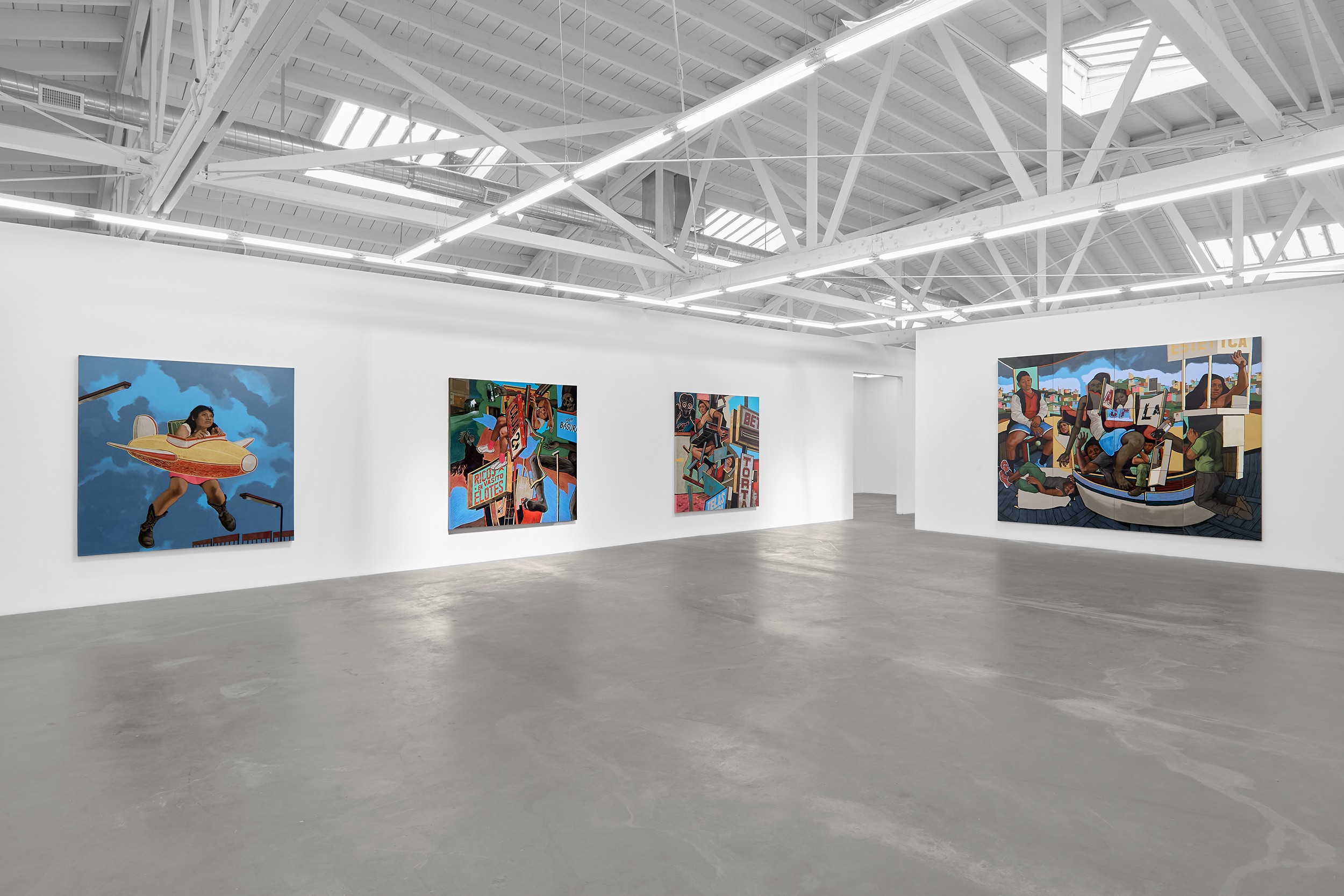
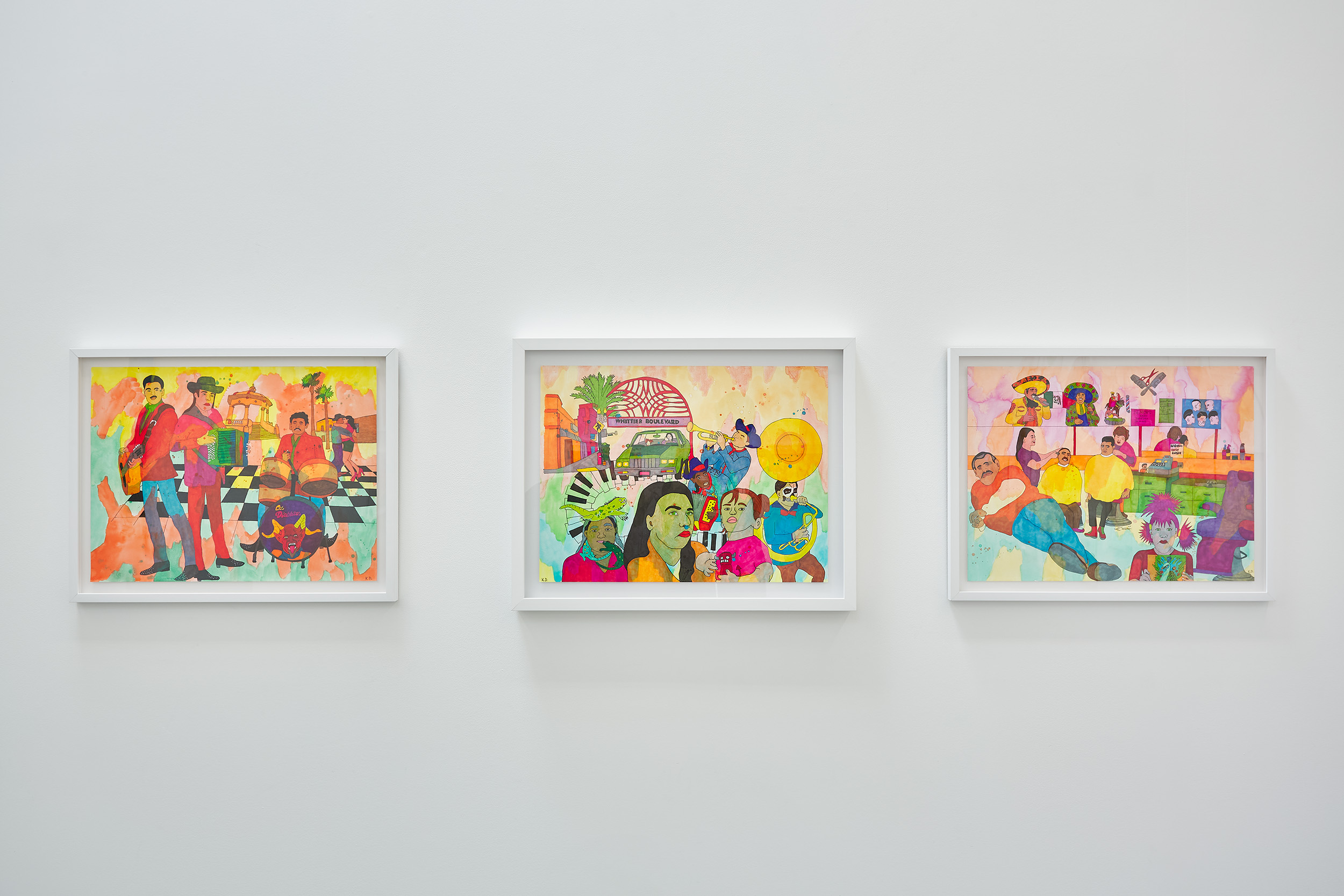
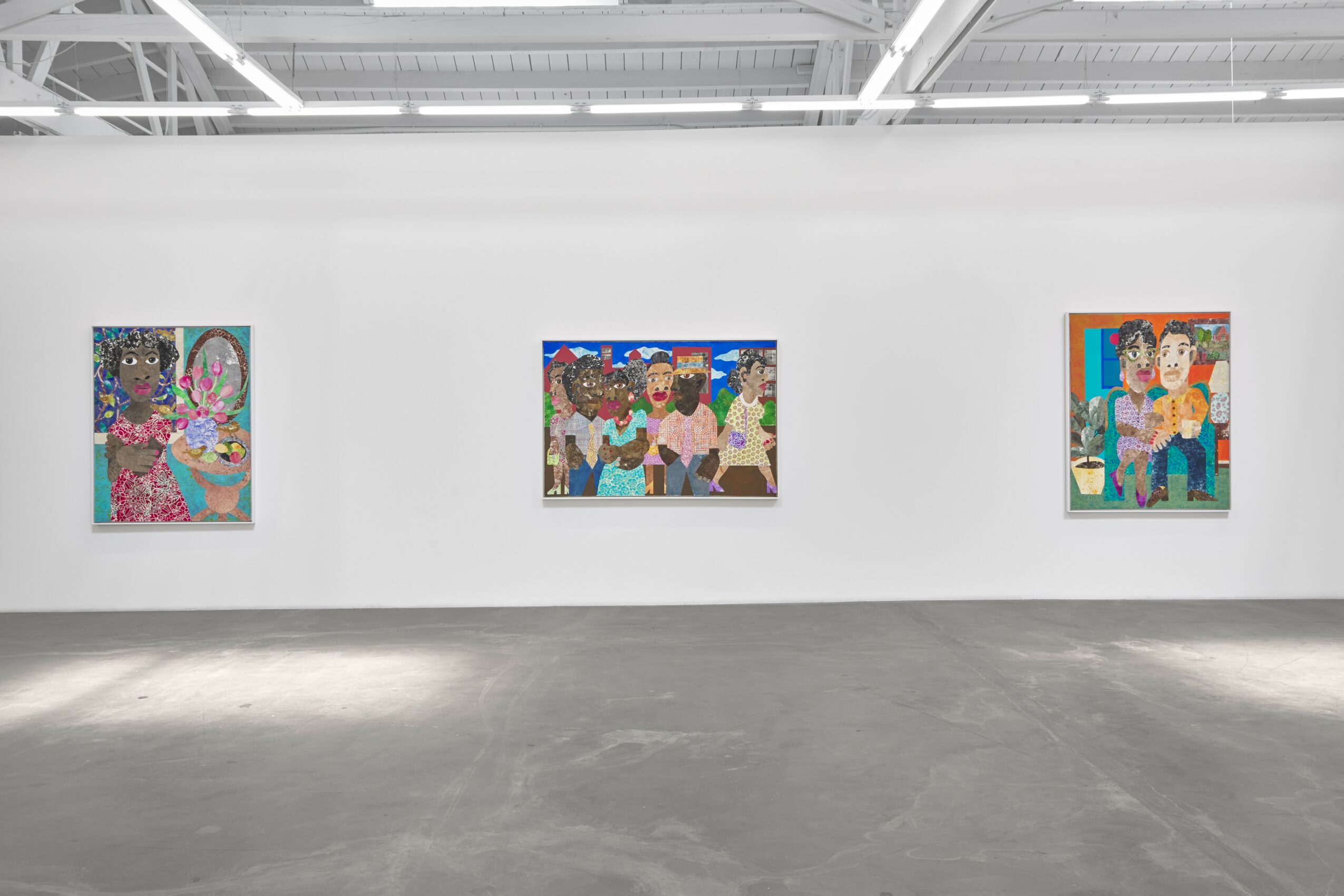


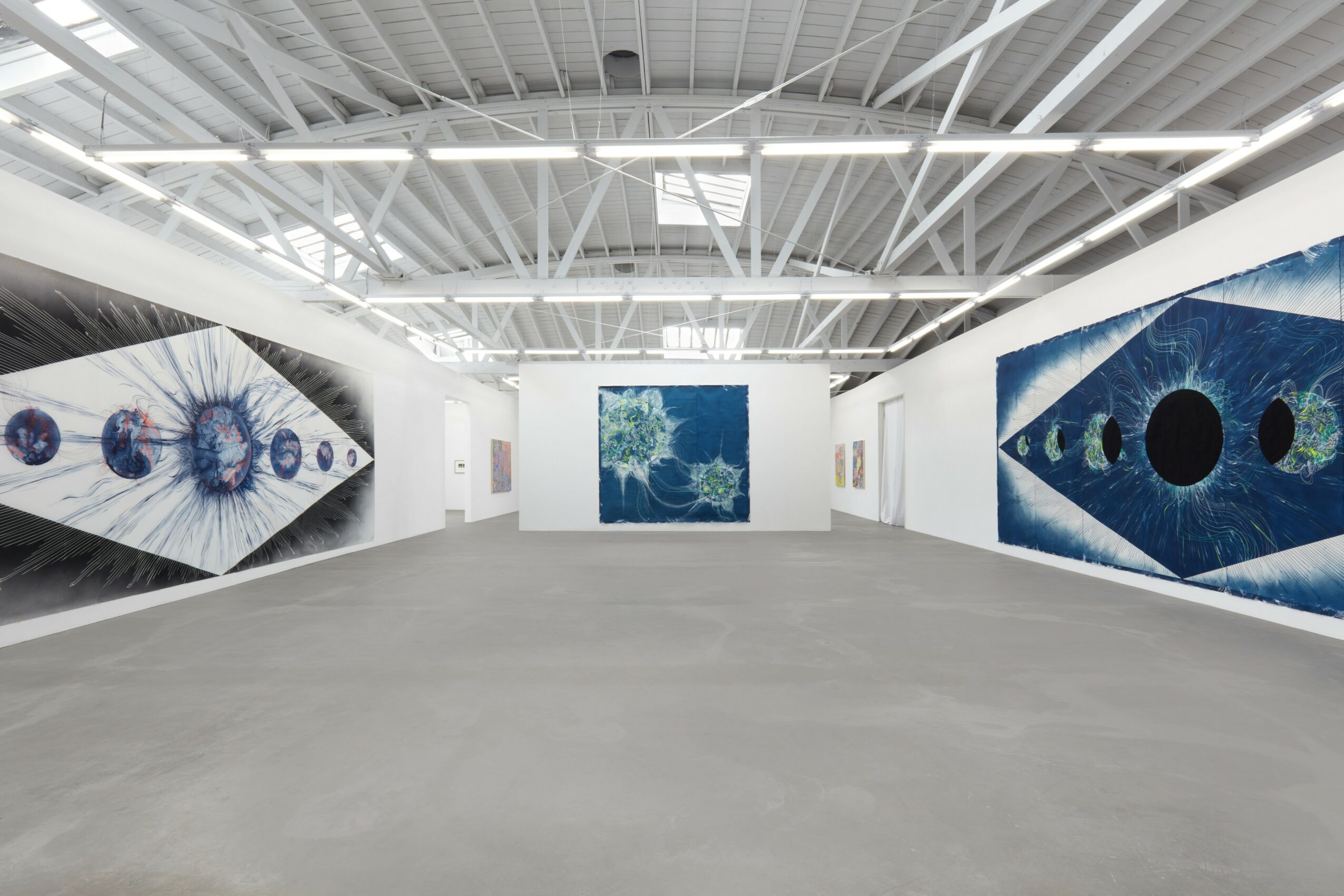
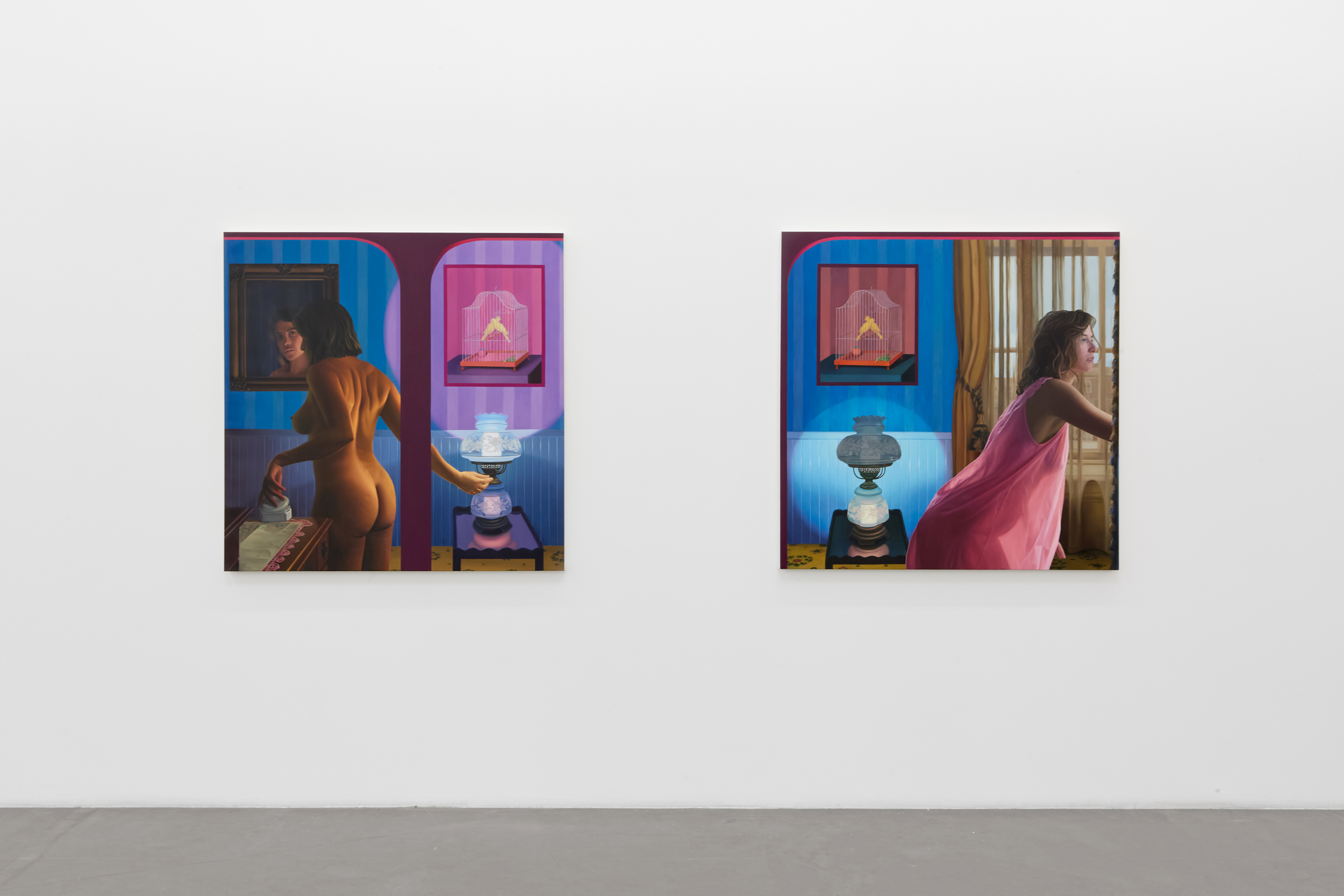
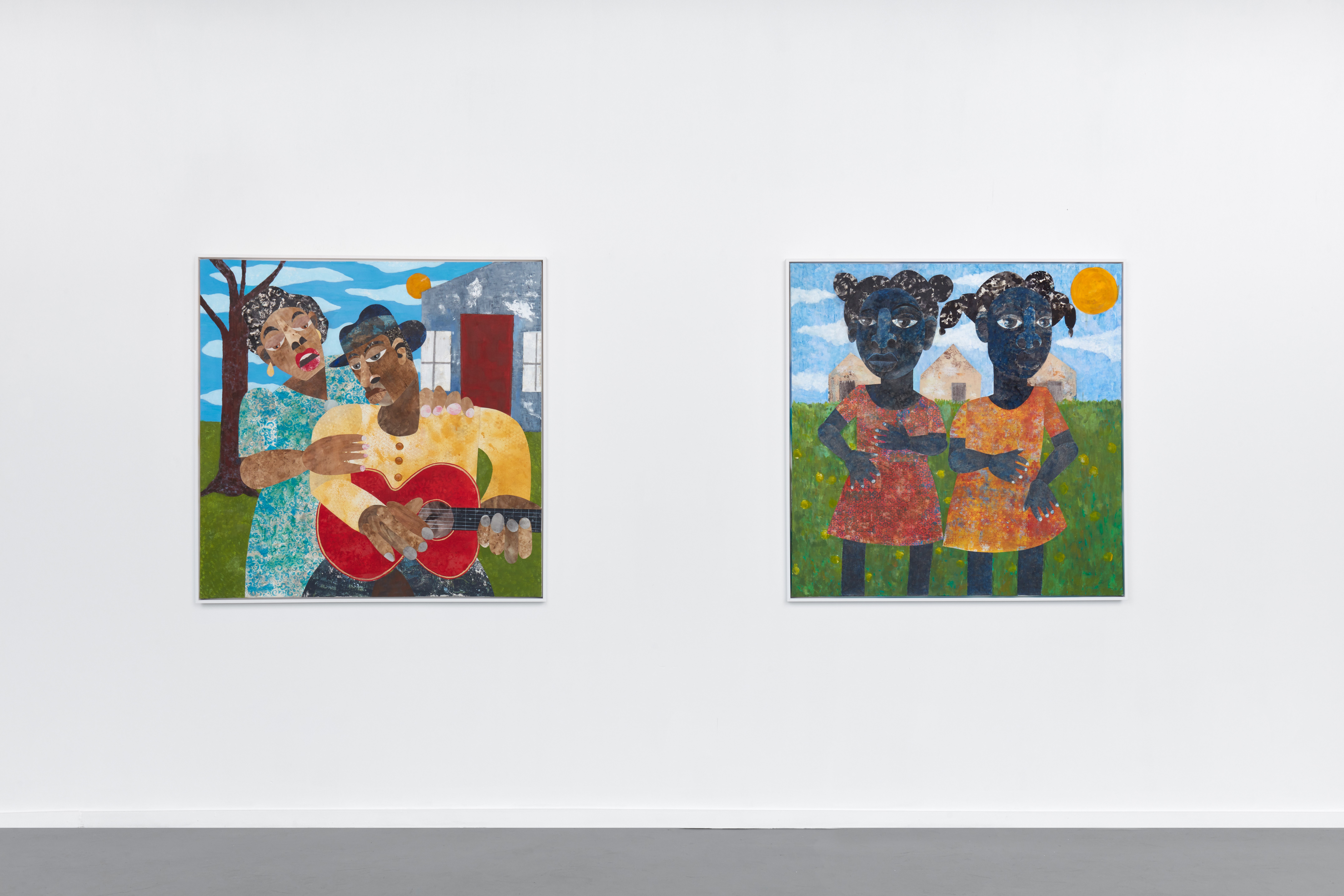
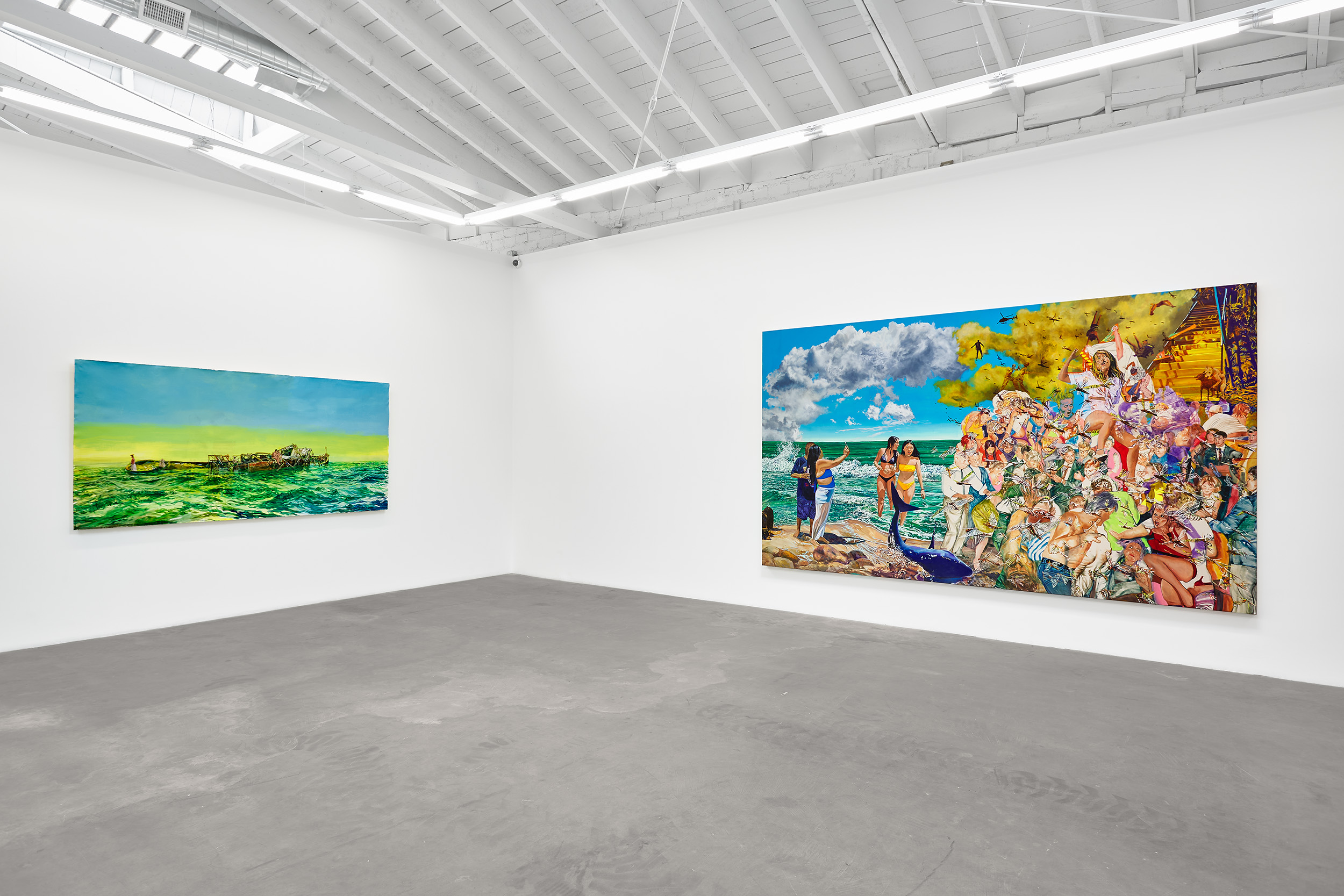
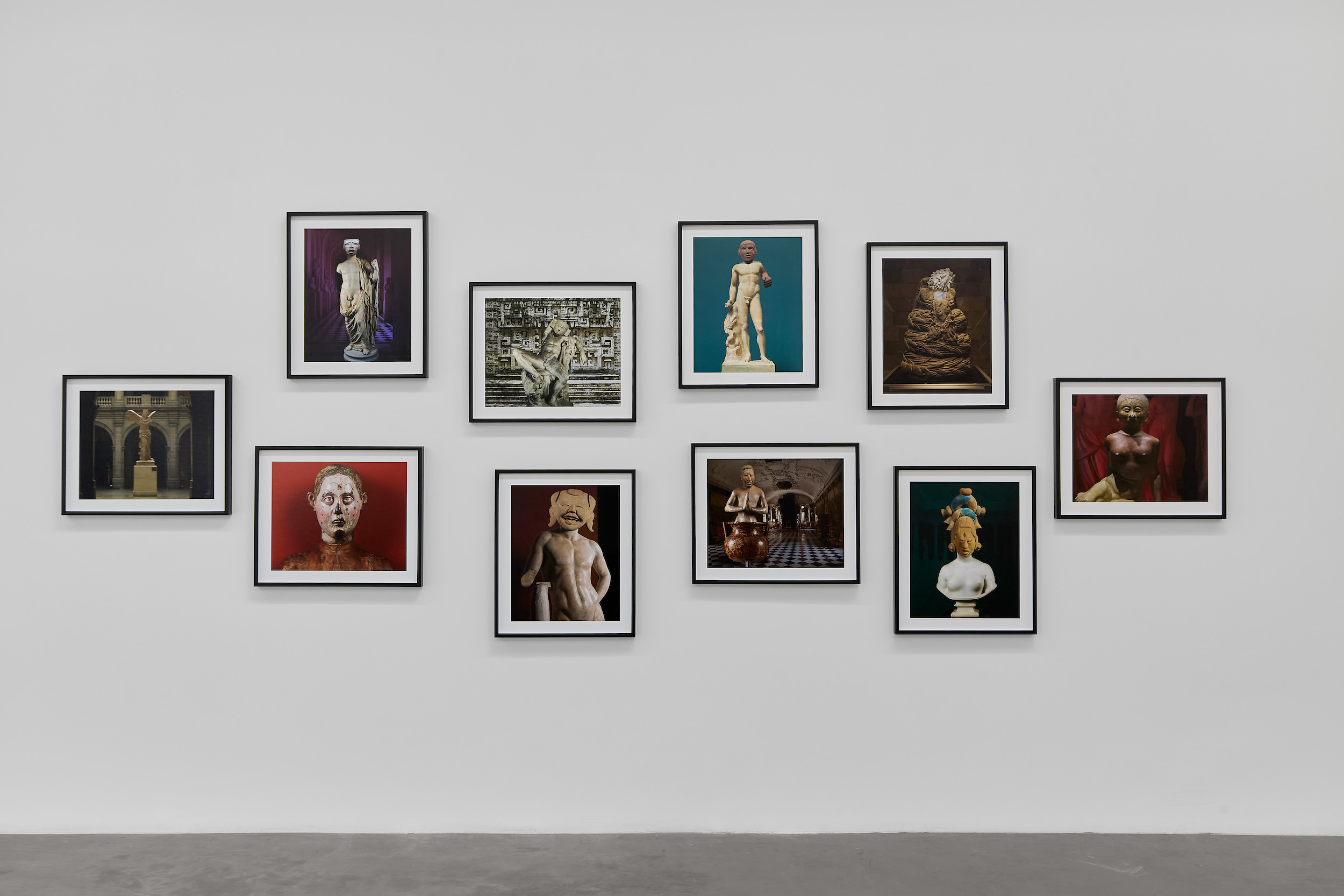
Image Credits
Portrait of Luis De Jesus by IO Studio By row, from top to bottom, left to right: Evita Tezeno, courtesy of the artist and Luis De Jesus Los Angeles June Edmonds, courtesy of the artist and Luis De Jesus Los Angeles Hector Dionicio Mendoza, courtesy of the artist and Luis De Jesus Los Angeles Lia Halloran, courtesy of the artist and Luis De Jesus Los Angeles Laura Krifka, courtesy of the artist and Luis De Jesus Los Angeles Evita Tezeno, courtesy of the artist and Luis De Jesus Los Angeles Hugo Crosthwaite, courtesy of the artist and Luis De Jesus Los Angeles John M. Valadez, courtesy of the artist and Luis De Jesus Los Angeles Karla Diaz, courtesy of the artist and Luis De Jesus Los Angeles Ken Gonzales-Day, courtesy of the artist and Luis De Jesus Los Angeles
Popular
-

Portraits of the Valley
-

LA’s Most Inspiring Stories
-

Matthew Hill on Turning Holiday Rituals into Haunting, Habit-Forming Storytelling with Long Winter Nights
-

Linda Villines on Releasing Stored Struggle and Reclaiming Ease Through the Body
-

Candice Swanson on Honoring the Sacred Early Days of Motherhood Through Intentional Photography
-

Michael Johnson on Telling Untold Stories of Identity and Leadership Through SQUAD


