




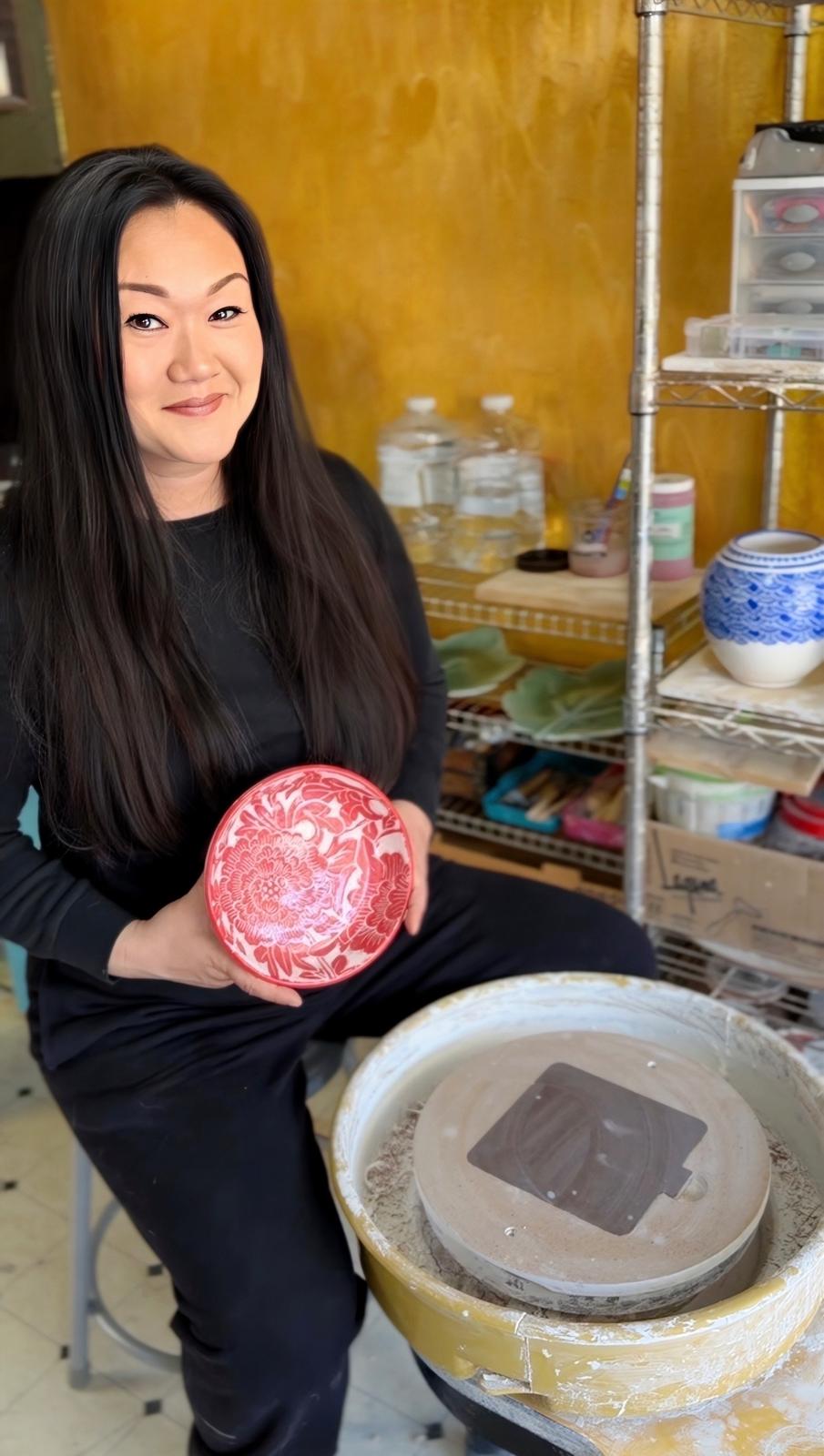
Today we’d like to introduce you to Grace Choi.
Hi Grace, we’d love for you to start by introducing yourself.
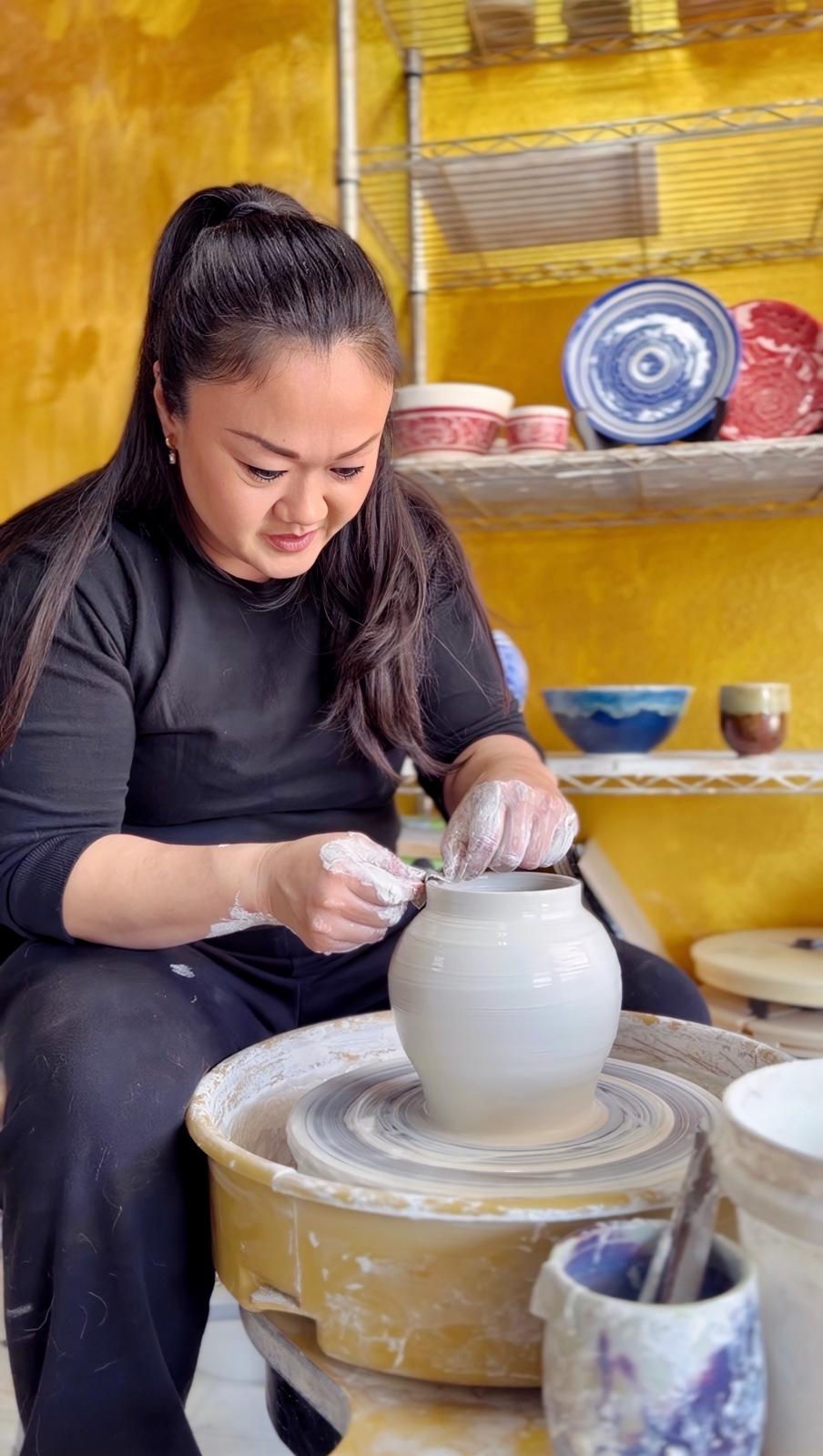
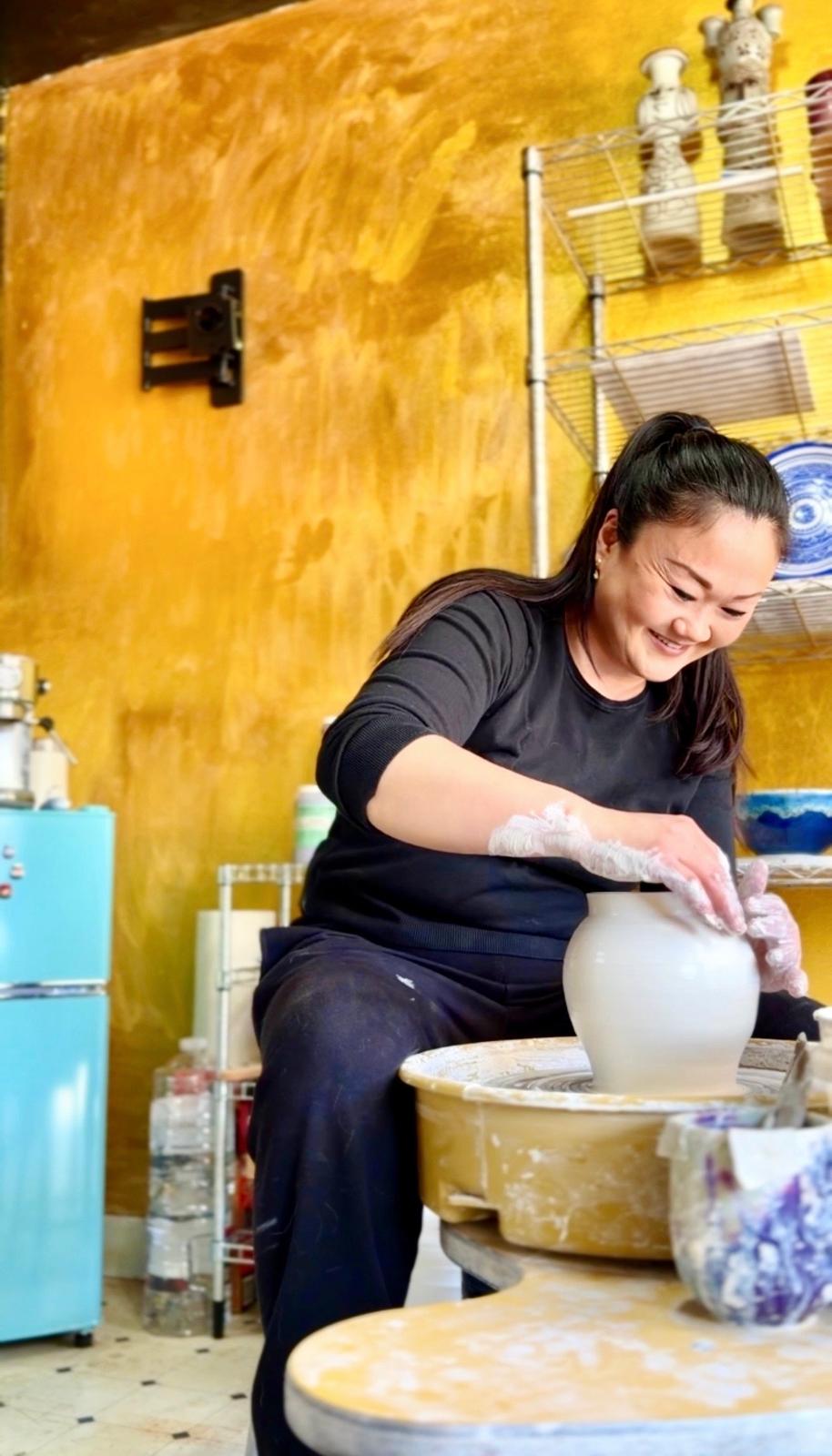
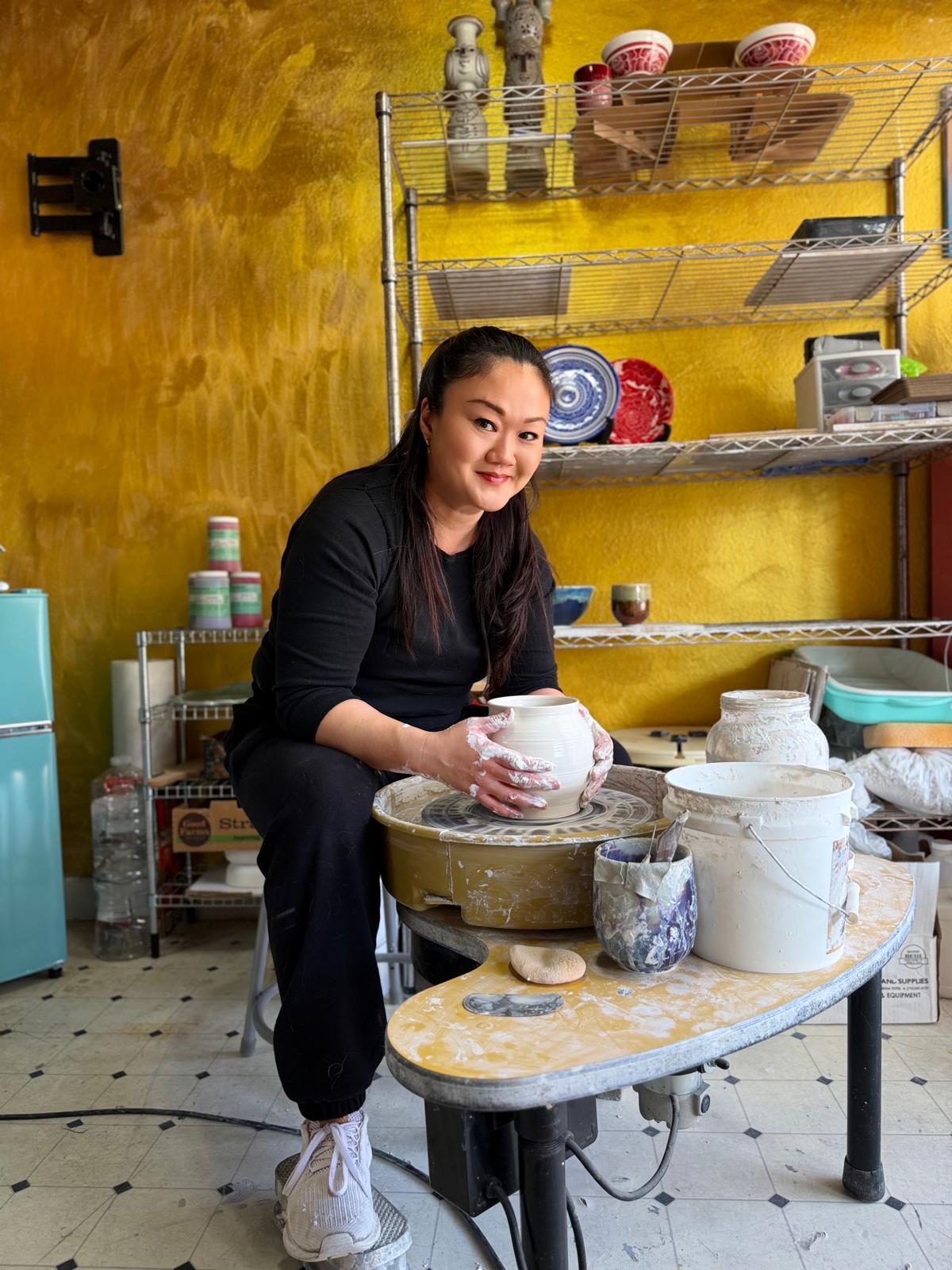
I started ceramics in high school, and I haven’t stopped since. It was a bumpy road at the beginning because I was placed in ceramics when my first-choice class wasn’t offered during that summer school session. So, at first, I merely completed the assignments as they were given. During the last three days of the session, we were finally allowed on the wheel, which was the exact moment I fell in love. The clay on the wheel offered a completely different sensation than hand-building. It was so smooth and hypnotic; I had never felt anything like it. I went on to major in Art and English at Boston College. Afterward, I earned my teaching credential in Art from Cal State Fullerton. I was unable to clear my credential within the allotted five years and subsequently let it expire in 2020 during COVID. Since then, I’ve been taking ceramics classes at Santa Ana College, sharpening my skills and becoming involved in the student community there. As of 2023, I’ve been focusing on creating a comprehensive portfolio in order to apply to graduate school. I intend to pursue a degree in Fine Arts because I believe deeply in the importance of art education. My goal is to be involved in art education and to serve the community that has so generously served me.
I’m sure it wasn’t obstacle-free, but would you say the journey has been fairly smooth so far?
The struggles I’ve faced on my road to becoming an art educator have shaped me, forcing me to build and rebuild the person I am today. My journey with mental health has been long and arduous. It took me ten years to fully accept my diagnosis and not allow it to define who I am. Ceramics has been a solid, grounding, and therapeutic force throughout my life. Whether I was aware of it at the time or not, it has always had a centering effect on me; pun intended. Just as a potter centers the clay before opening it up and shaping it, we must center ourselves first and foremost. At one point, I landed my dream job as a full-time high school ceramics teacher, but sadly, it was short-lived. I went off my medication, experienced a mental health crisis at school in front of my students, and was given the “option” to resign. After that, it became difficult to obtain another full-time position and clear my credential as required.
Selling my work has also been a struggle. I tend to sell better in person than online, so I participated in outdoor markets as a vendor. Staying consistent at these markets is challenging, but I committed to six consecutive months. However, the last three months, my sales were cut in half. It was devastating. I felt unappreciated. Was my work not good enough? Was I not good enough? What gives? For now, I’ve stepped back from those markets and am choosing to focus on building a strong portfolio, in order to apply for a graduate program and obtain a Master of Fine Arts degree in Ceramics.
Thanks – so what else should our readers know about your work and what you’re currently focused on?
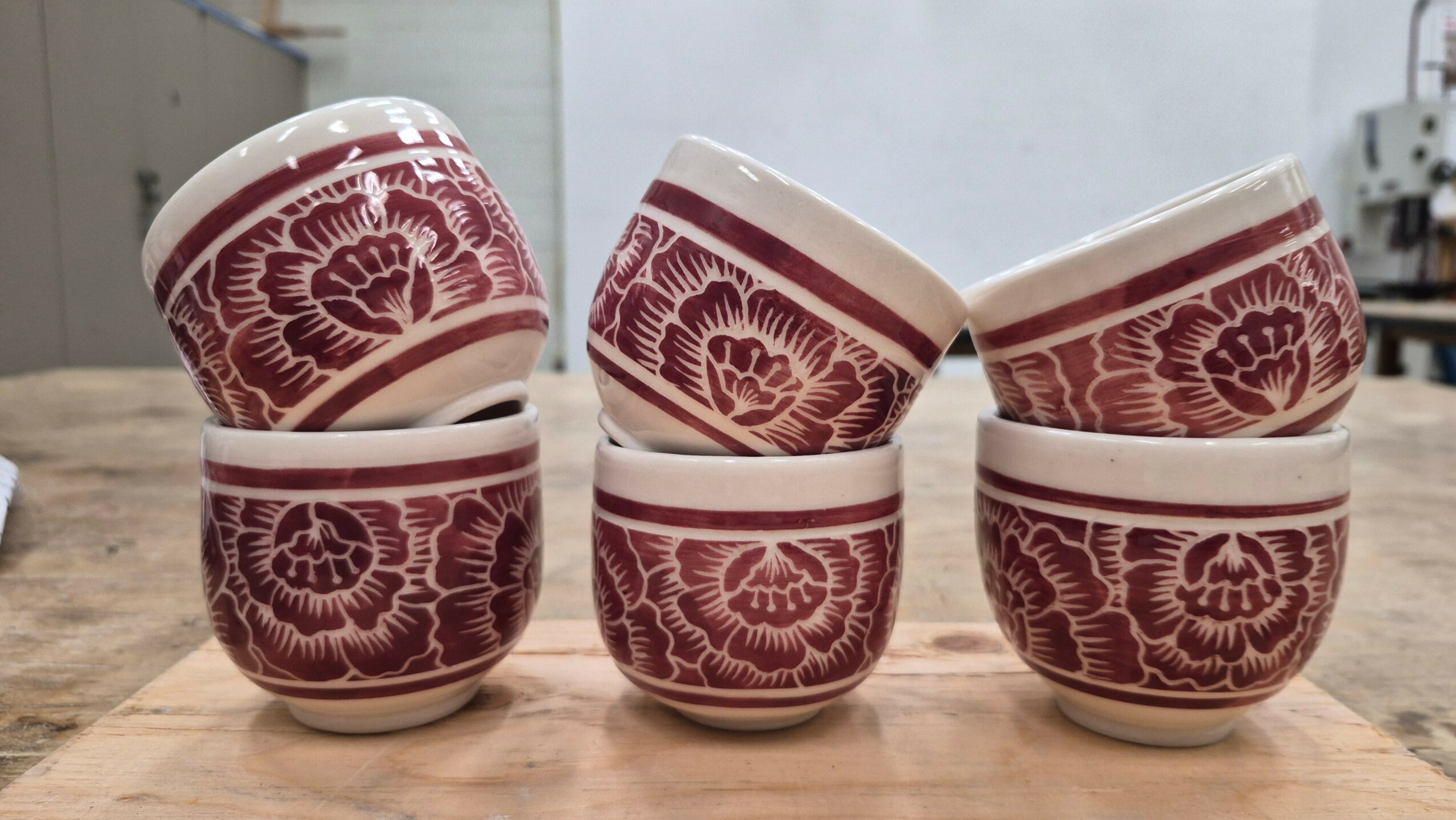
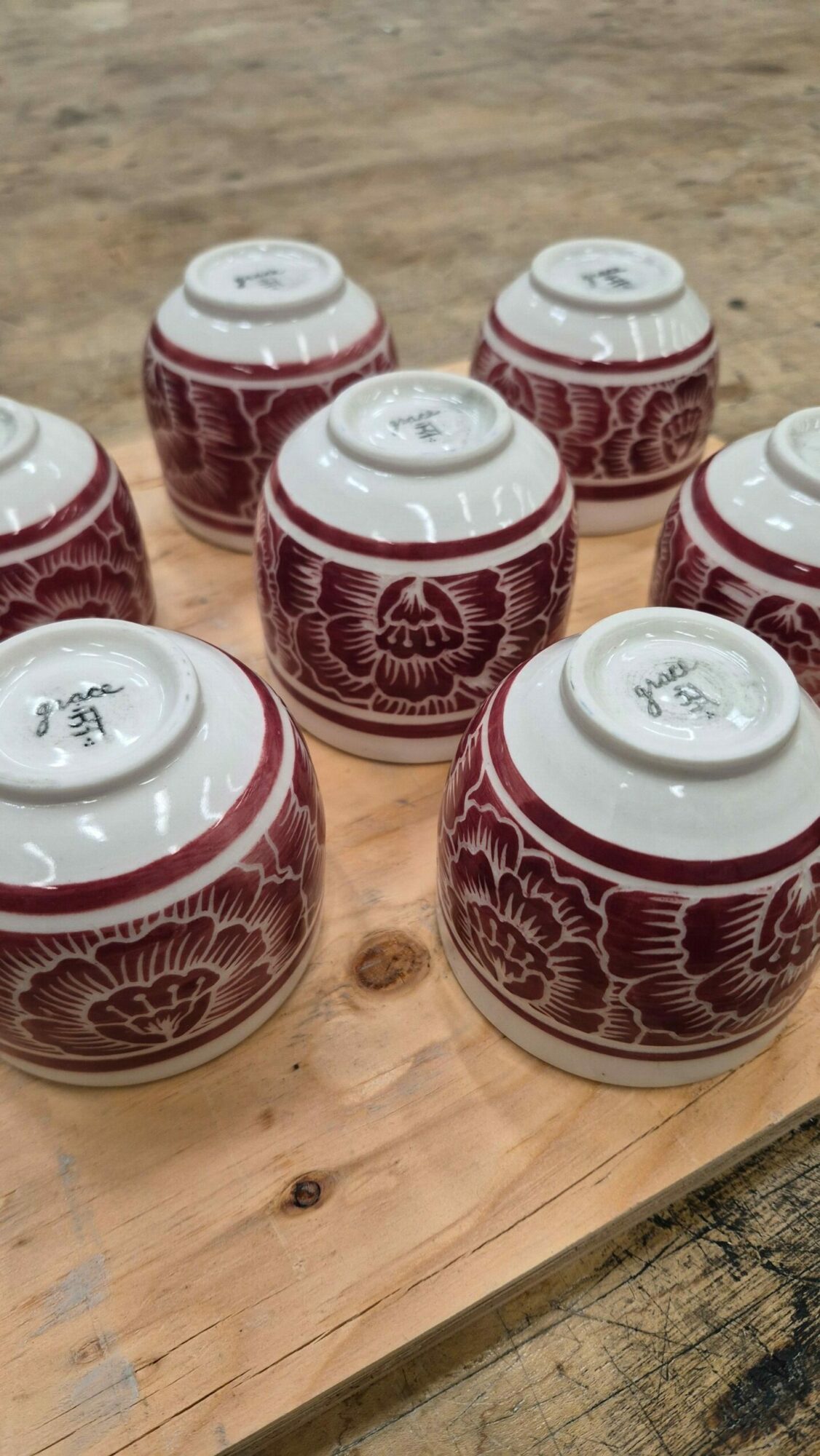
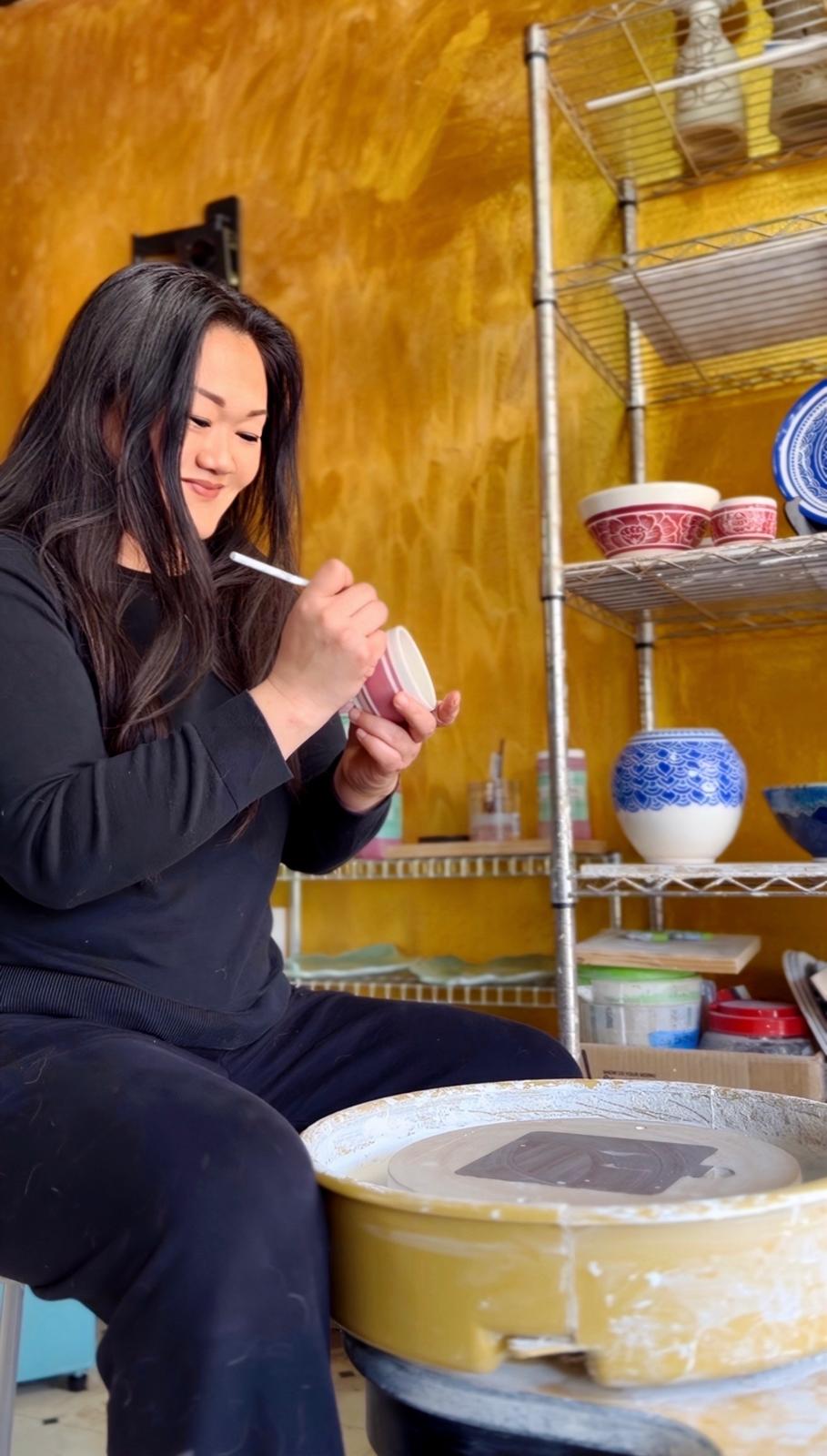
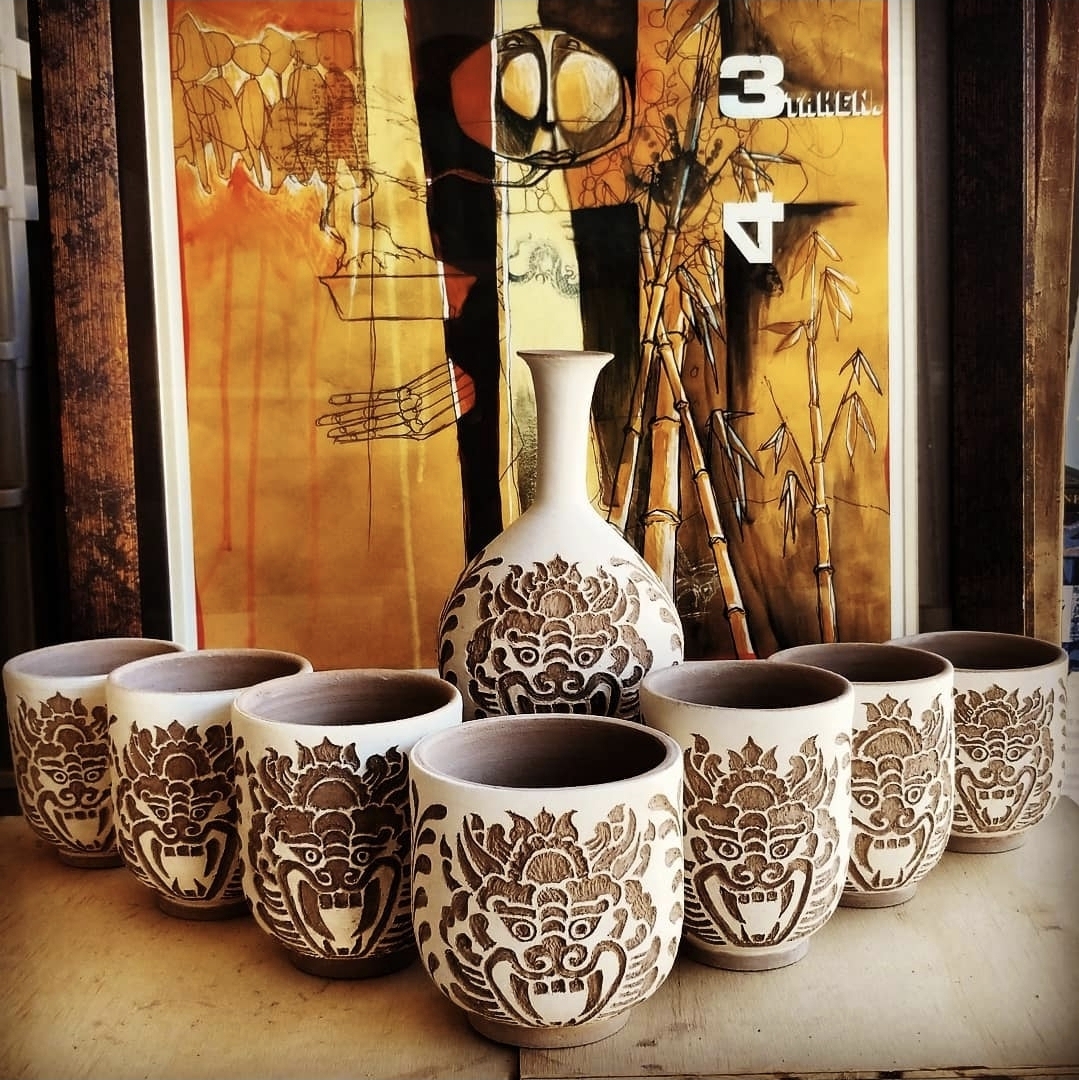
My work is rooted in Korean-inspired, high-contrast ceramics. I primarily work on the wheel and then carve or decorate my pieces at the greenware stage. I’ve found that applying decoration or design at this stage requires far more intention and forethought than the way I worked before. I freehand my drawings and designs, using the sgraffito technique for surface decoration. The color is applied while the clay is leather-hard, and then the design is carved or scratched away with a sharp tool. This process feels both deliberate and intimate, as each line must be confidently placed. My work is deeply centered in traditional Korean floral motifs, and I also enjoy working with the Korean goblin, or “dokkaebi”. I love carving and freehand drawing my designs onto cups, bowls, and vases.
Do you have any advice for those looking to network or find a mentor?
I find that taking classes at a community college or community studio is incredibly beneficial for beginners as well as more experienced artists. In those spaces, you’re exposed to many different styles and methods of working. You begin to see which work you admire and which pieces inspire you to push beyond what you’re currently doing. Bouncing ideas off one another in a community studio setting is also important and deeply conducive to growth. Being able to troubleshoot, ask questions, and genuinely engage with others opens the door to new perspectives and unexpected opportunities.
Contact Info:
- Instagram: @gracechoiceramics
- Facebook: https://facebook.com/gracechoiceramics
- Other: https://gracechoiceramics.etsy.com
Popular
-

Que Johnson on Building Brands That Last: From Visibility to True Market Authority
-

Christina Wren Steps Into the Director’s Chair to Tell Stories That Feel Like Home
-

Portraits of the Valley
-

LA’s Most Inspiring Stories
-

JordanL on ‘Breathe,’ Belief, and Building a Movement Beyond the Music
-

Megan Birney Rudert on How Access to Light Is Powering a More Sustainable and Equitable Future


