



Today we’d like to introduce you to Burton Morris.
Hi Burton, so excited to have you on the platform. So before we get into questions about your work-life, maybe you can bring our readers up to speed on your story and how you got to where you are today?
I was born in Pittsburgh, Pennsylvania, in 1964. When I was three and a half years old, I broke my femur bone after falling from playground monkey bars and spent months in a full-body cast. With little to do, I began to draw—Superman, Batman, Spider-Man. Those quiet days taught me how to slow down, observe, and imagine. I didn’t know it then, but that time trained my eye and planted the seed for everything that followed. My parents encouraged my creativity, and their belief in me made all the difference.
Pittsburgh shaped who I am. It’s a city built on hard work and creativity, and it’s also where Andy Warhol came from. Later, I came to understand how his work opened doors for artists like me to see everyday objects as meaningful and worthy of attention.
I studied at Carnegie Mellon University and earned my Bachelor of Fine Arts in 1986. I was drawn equally to fine art and design. After graduating, I worked as an art director in advertising, creating television commercials. That experience taught me a lesson I still live by: an image should communicate clearly and instantly.
In 1990, I founded Burton Morris Studios and began painting large-scale works centered on a single iconic image. By simplifying form and focusing on familiar objects, I wanted to create an immediate emotional connection: art that feels direct, optimistic, and accessible.
In 1993, I was selected to create art for the Absolut Vodka advertising campaign, a series first launched by Andy Warhol. This campaign brought national attention to my art. The following year, my work appeared on the television show Friends, beginning with its third episode. Over the next ten seasons, my paintings were prominently displayed in Central Perk coffee shop, where it became part of the show’s visual world. It was surreal to see my art woven into people’s everyday lives.
Since then, my work has appeared globally, from the Olympic Games and the Academy Awards, to the FIFA World Cup, the Montreux Jazz Festival, and the MLB All-Star Game, as well as in museums and galleries internationally. But at its core, my work still comes from that same place finding joy, meaning, and optimism in simple, shared symbols that connect us all.
Would you say it’s been a smooth road, and if not what are some of the biggest challenges you’ve faced along the way?
Early in my career, I faced the question every artist eventually does: how do I make a life doing this? The answer didn’t come from a single breakthrough. It came from countless small choices—show up every day, stay disciplined, be patient, and keep putting the work out into the world. Build the portfolio. Meet people. Keep learning. Keep improving. Most of all, keep going.
I’ve also learned that my work can be misunderstood. Pop art is often read as ironic or detached, but that’s never been my intention. I’m drawn to optimism, to energy, joy, and color. Choosing positivity isn’t always the easy path. I’m a naturally positive person, and I believe art has the power to uplift and make a meaningful, positive impact.
Life has tested me in ways that had nothing to do with art. In 2011, I was diagnosed with colon cancer. I went through surgery and a year of chemotherapy while raising three daughters with my wife, Sara, and continuing to run my studio. It was physically exhausting and mentally overwhelming. You try to stay yourself, and suddenly you feel changed. But the experience also brought clarity. It sharpened my sense of what matters—time, health, family, and the simple privilege of being able to create.
The challenge that remains constant for me is how to continue evolving while staying true to who I am. After more than thirty years, I’m still exploring that balance, and I see that pursuit not as a struggle, but as the work itself.
As you know, we’re big fans of you and your work. For our readers who might not be as familiar what can you tell them about what you do?
My work is a celebration of the modern icon. I am a painter of pop culture icons and have created my own style and language of pop iconography. I paint objects that people already carry emotionally: a steaming coffee cup, a swirling martini, a dancing popcorn box, the Statue of Liberty. Symbols of today’s pop culture. Coffee is ritual and identity, today’s culture in a cup. Popcorn is entertainment and shared joy. Liberty is belief. These are everyday motifs with a kind of quiet power. I have been painting these same icons for over 35 years but always trying to evolve these symbols in new ways.
My signature “energy shards” people recognize in my work, came from looking at 500-year-old Albrecht Dürer etchings as a kid at the Carnegie Museums in Pittsburgh. Those engraved hatching marks fascinated me. I didn’t know how he did it, so I tried to mimic it. Over time, those marks became more graphic, more energetic, like radiating slashes. Later I found another kindred spirit in Rockwell Kent, and even in Pierre Alechinsky’s comic-strip-like sensibility.
Technically, I’m meticulous. I work in acrylic paint because I want that flatter, graphic punch. It takes me four or five coats of paint to get the color right, the surface right, the impact right. The bold black outline isn’t decoration; it’s architecture. It holds the image together so the energy can expand outward.
My latest series of artworks are based on one rose icon, inspired by an exhibition I was part of two years ago for the iconic Chanel No 5 bottle. I am constantly evolving my art style, abstracting an icon, and trying out new techniques of painting.
Scale matters to me because it changes the viewer’s relationship to the object. A popcorn box on a monumental canvas becomes almost heroic. That shift of taking something familiar and giving it grandeur and making it larger than life is where the magic happens.
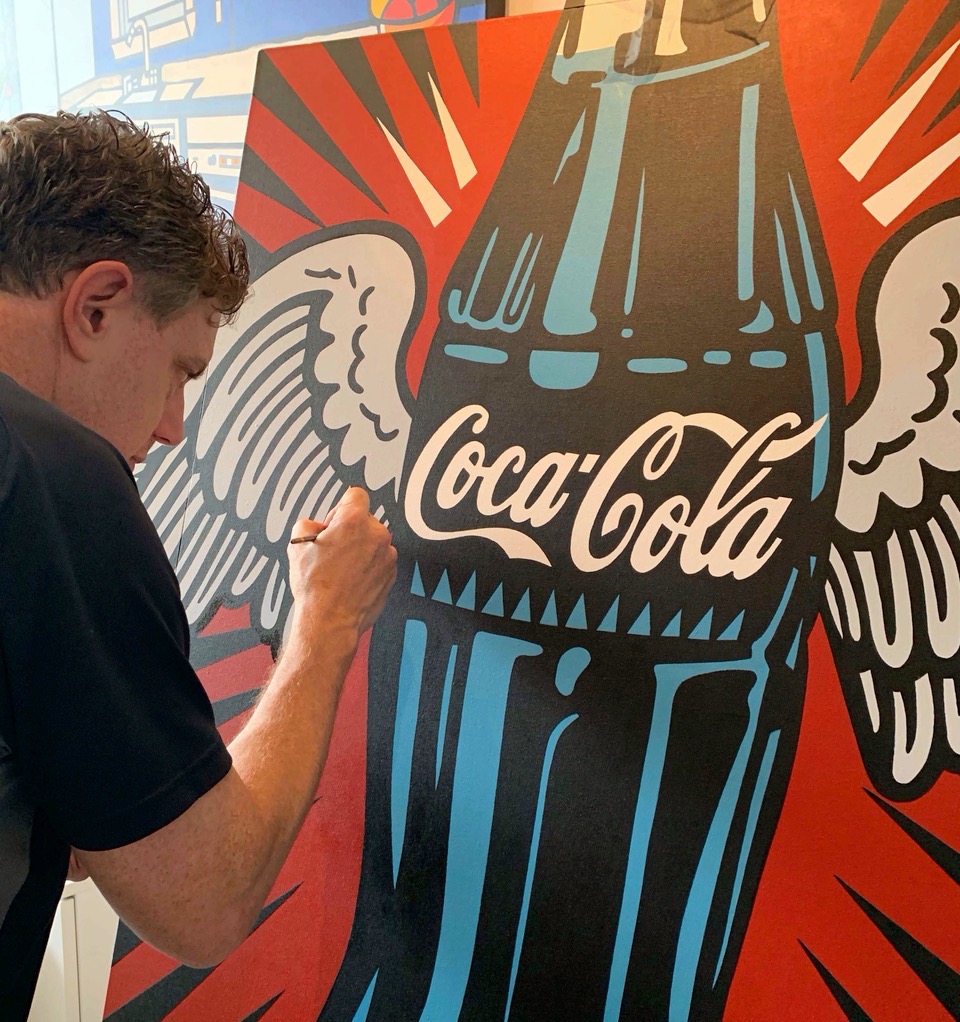
I’ve been fortunate that this visual language has traveled: galleries and museums globally, commissions for institutions such as The White House and The United Nations, collaborations with brands like Coca-Cola and Chanel, and collectors who live in culture at the highest level. But the goal has never changed: create something immediate, joyful, and unforgettable.
We’d be interested to hear your thoughts on luck and what role, if any, you feel it’s played for you?
Luck is real. I’ve had it.
“Friends” was, in many ways, a fluke—one of those surreal chains of events that starts with a T-shirt appearing on set, a phone call to Warner Brothers, and suddenly you’re walking onto a stage and meeting the cast. If that isn’t luck, what is? I could never have predicted that the show would take off like it did. Over the last 30 years, my art has been showcased worldwide because of its global success and my artworks have become part of today’s pop culture.
My advertising background taught me the power of branding and repetition, consistency, a recognizable mark. Warhol understood that better than anyone. I wanted people to see a painting and know immediately: that’s a Burton Morris. So I built a visual signature of artworks, with my distinctive energy shards and black outlines that defined my art style.
And maybe the deepest kind of luck is something else entirely: surviving cancer, getting to keep doing what I love, spending time with my family, and waking up with the desire to create. That’s the kind of fortune that changes you.
Contact Info:
- Website: https://www.burtonmorris.com
- Instagram: @BurtonmorrisArt
- Facebook: Burton Morris
- LinkedIn: Burton Morris
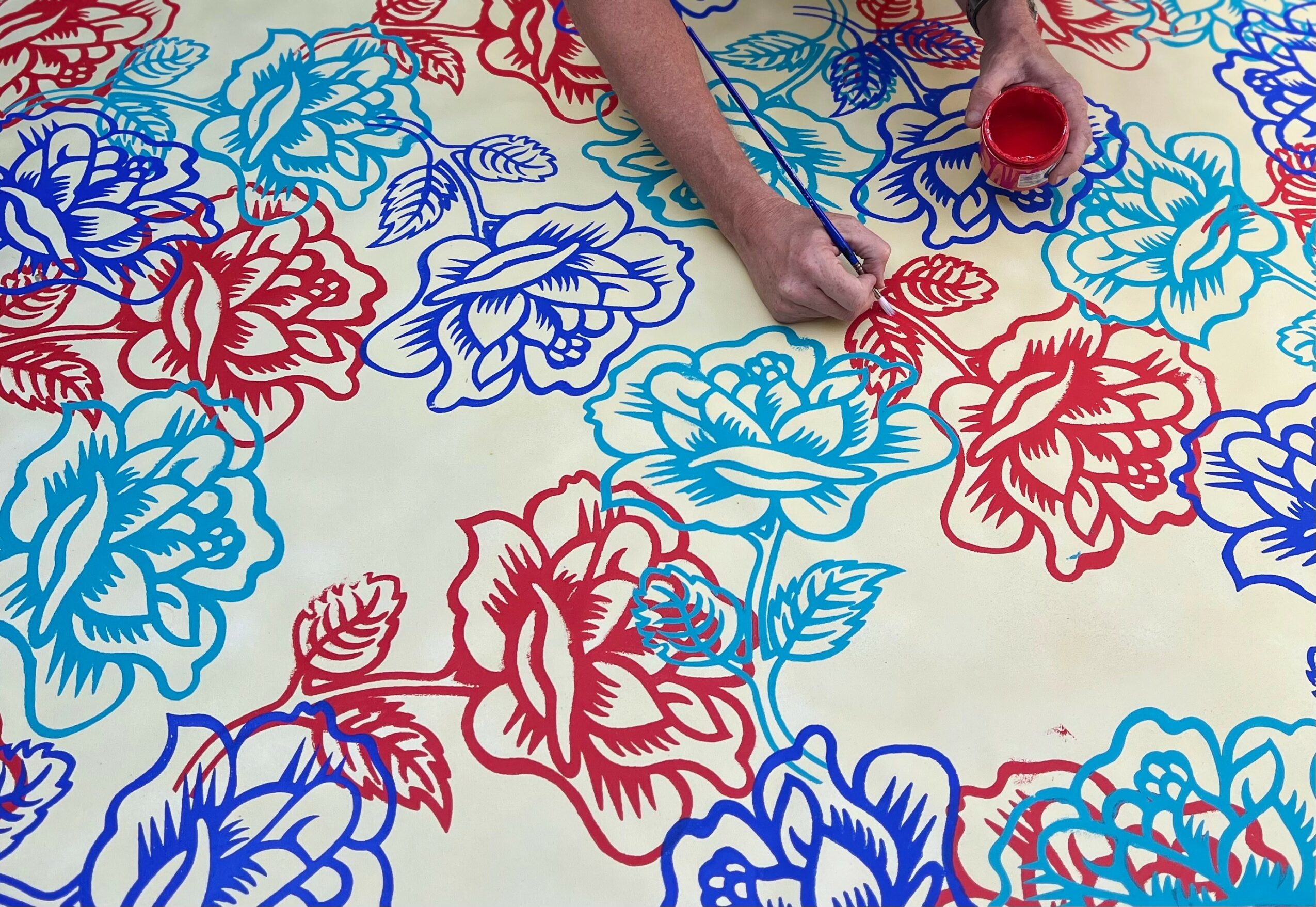
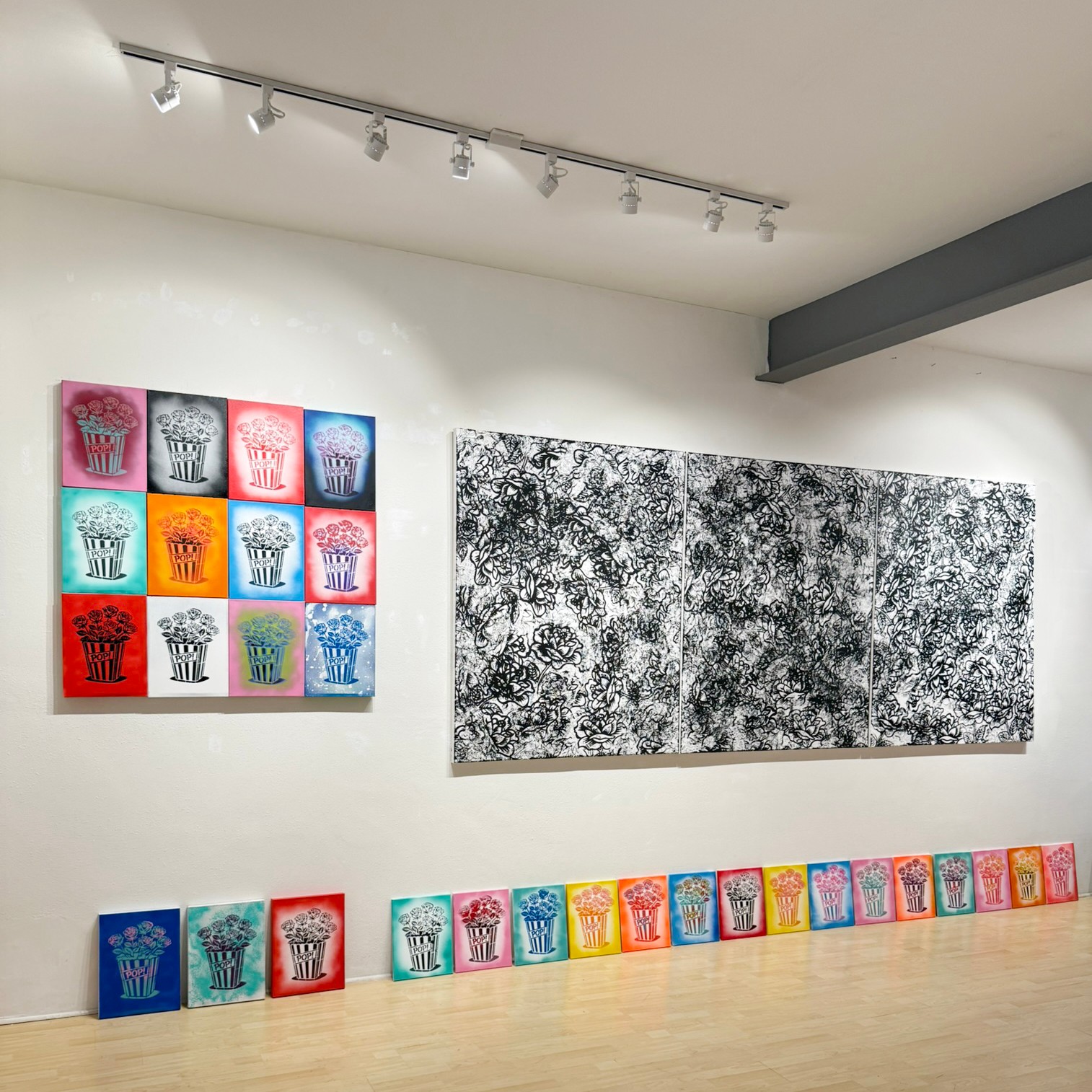
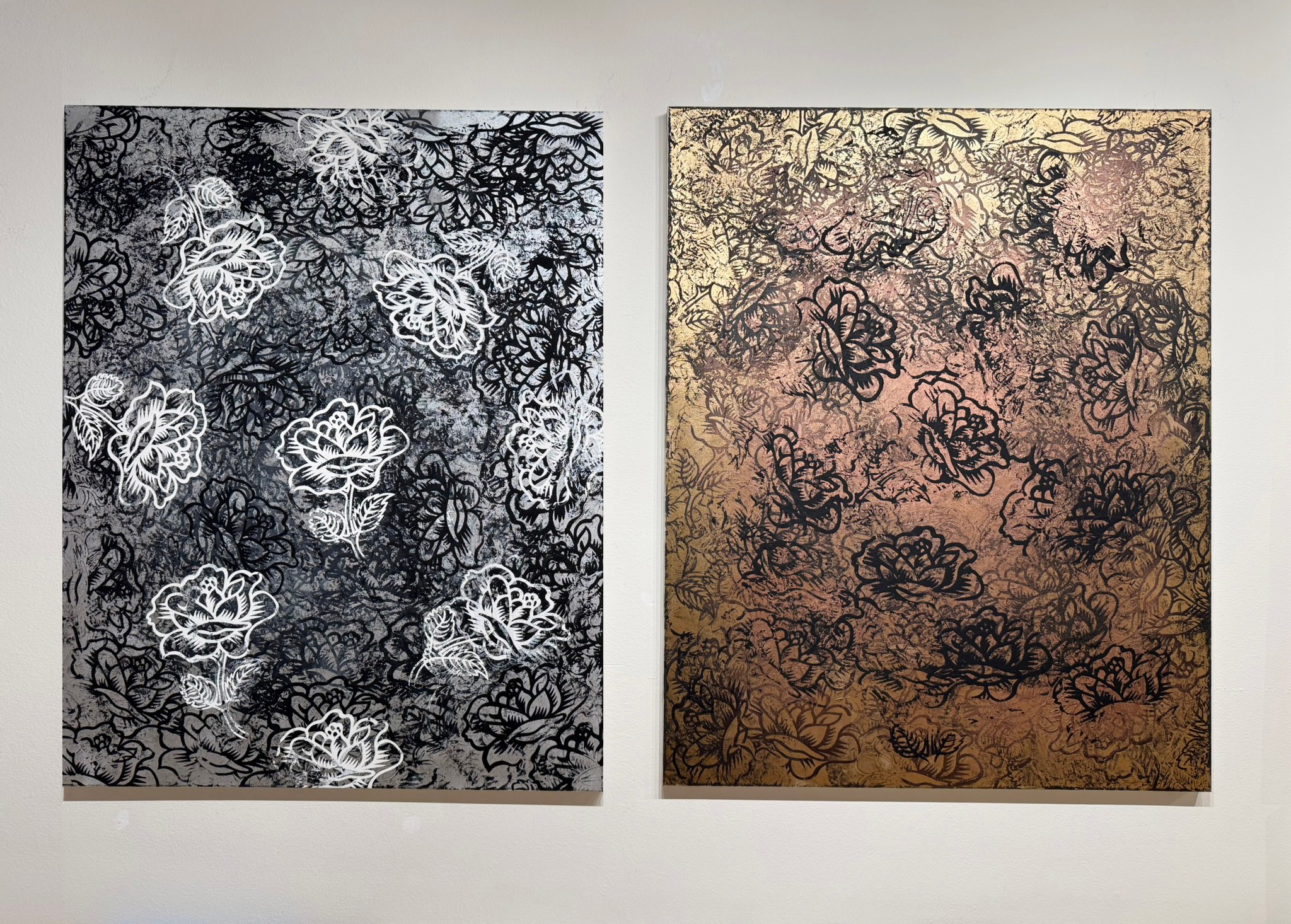
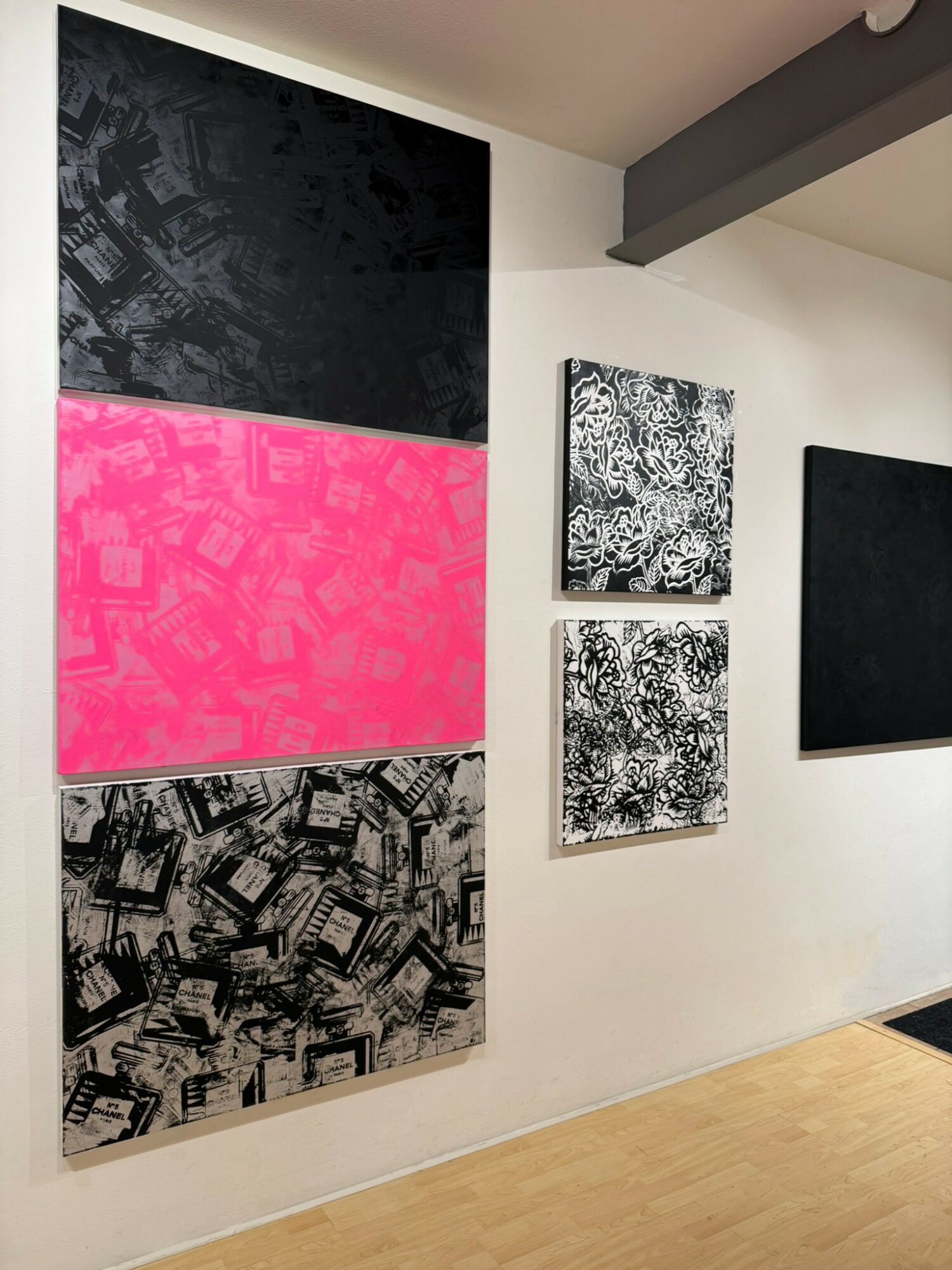
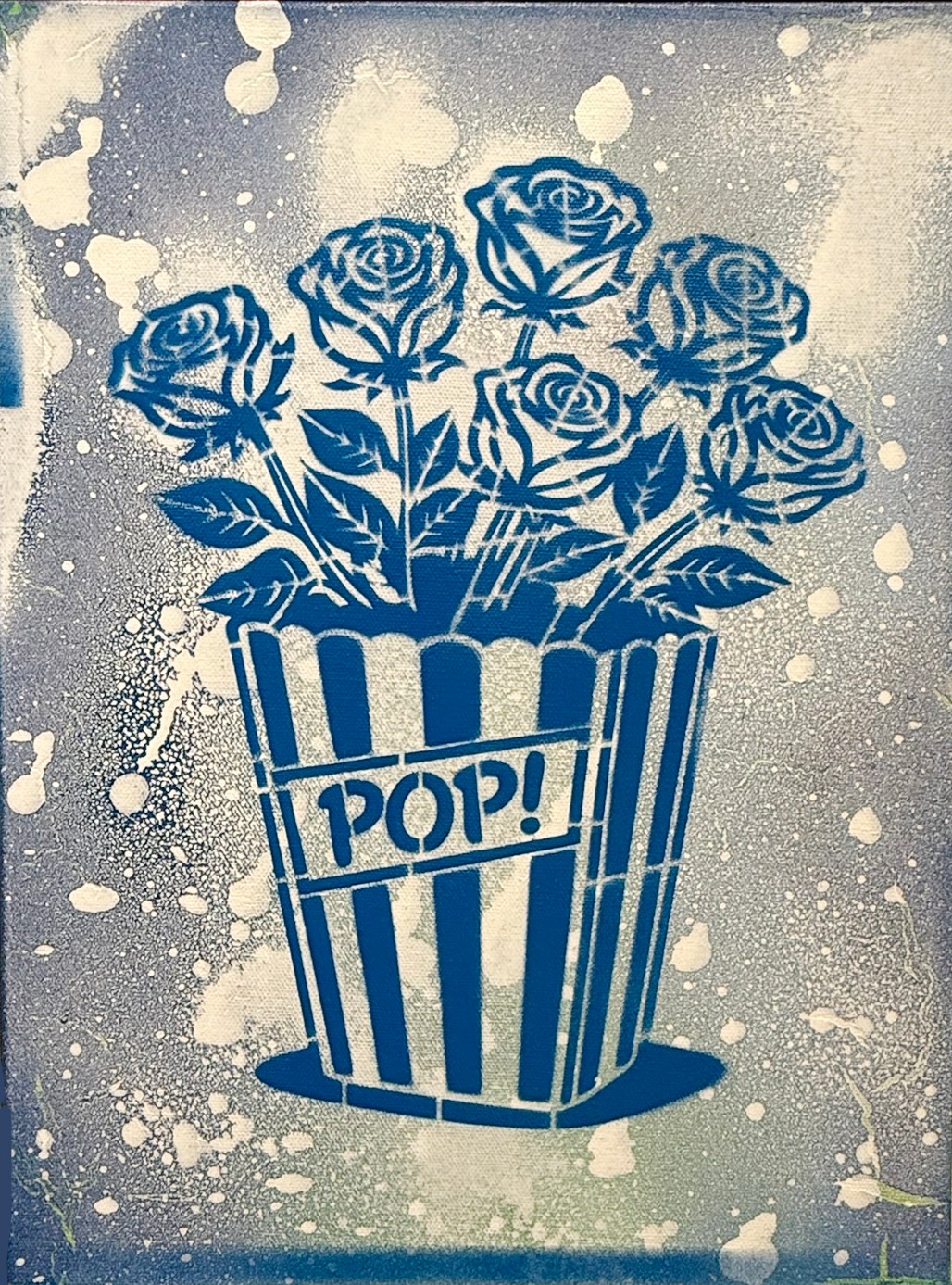
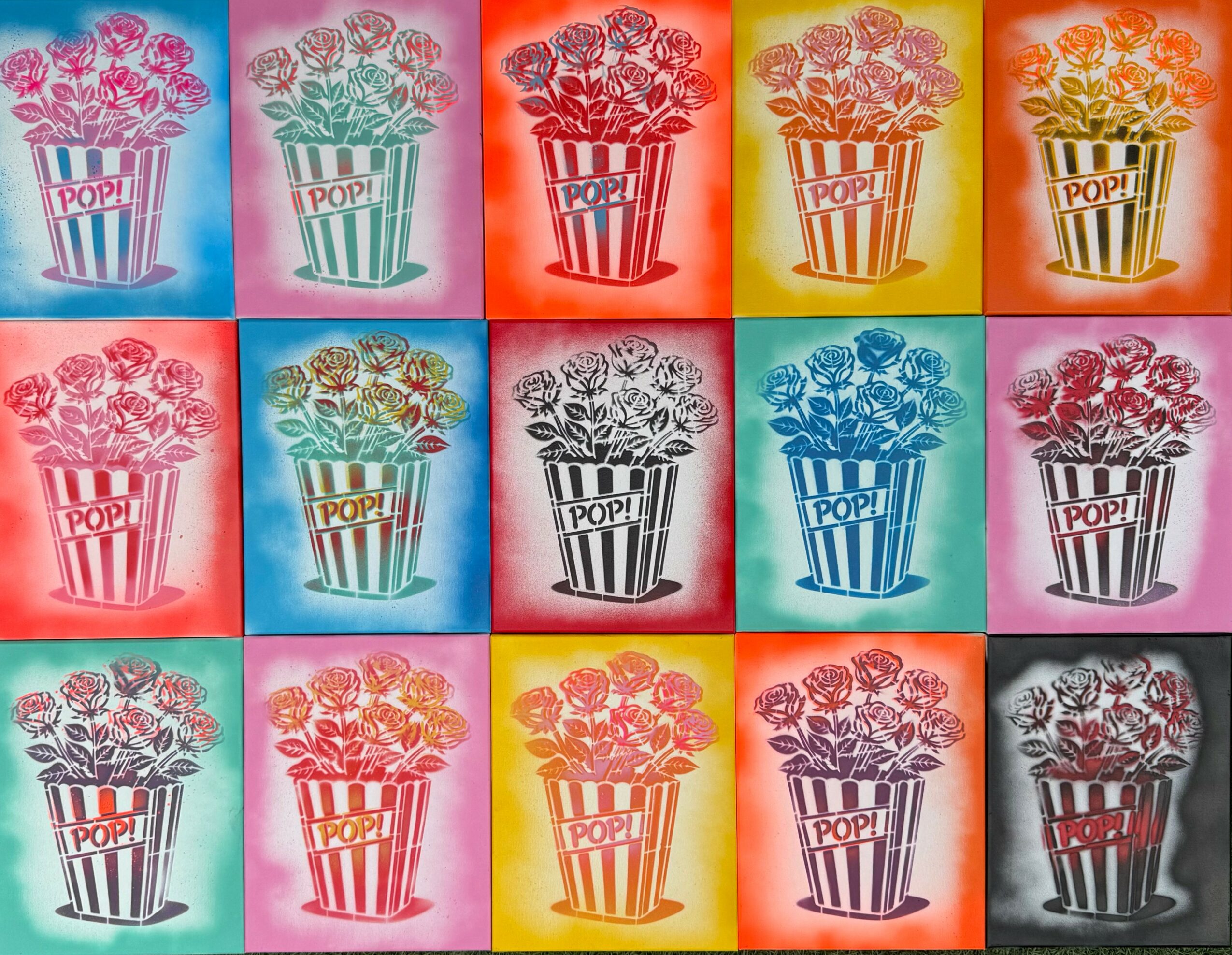
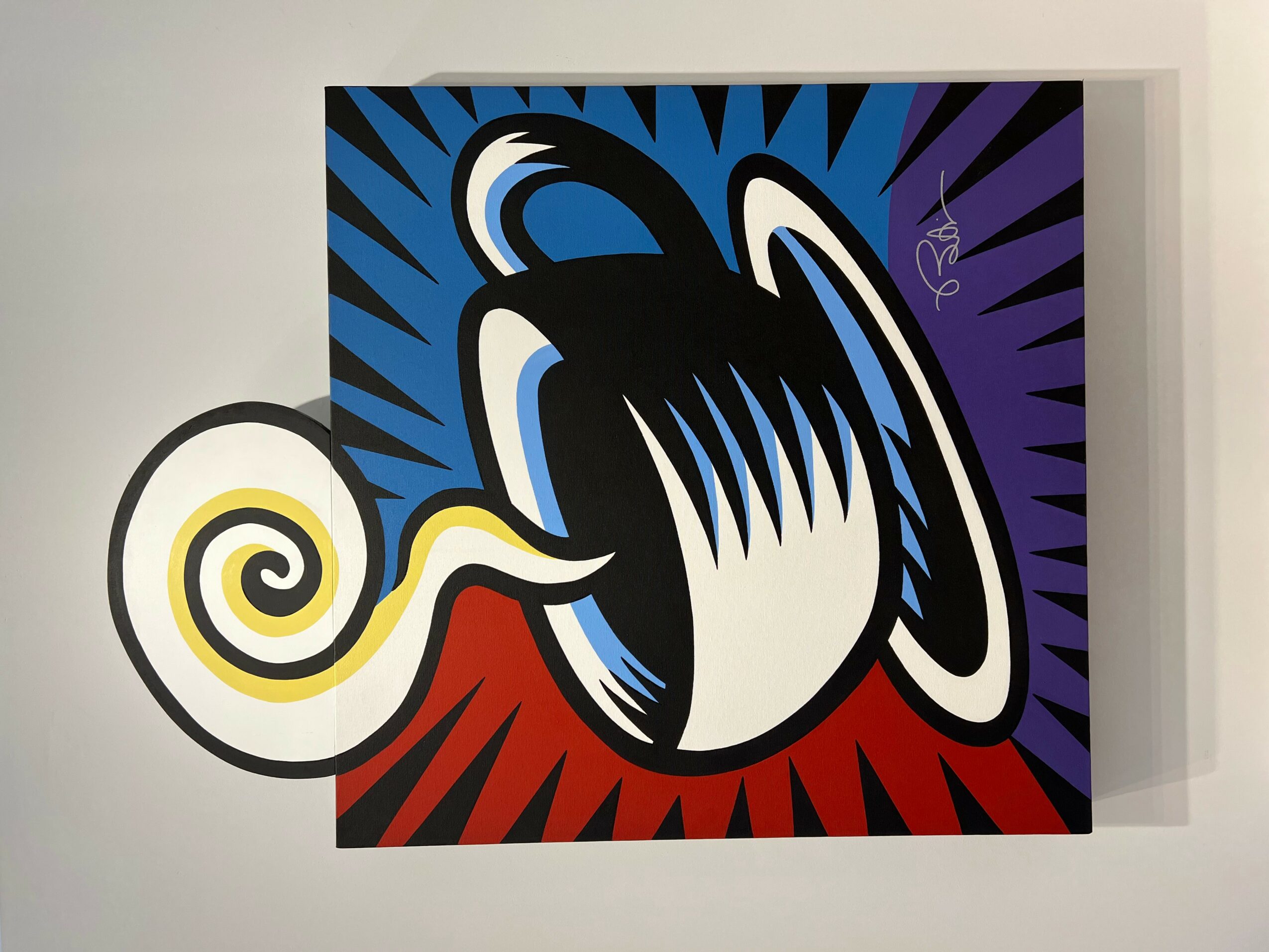
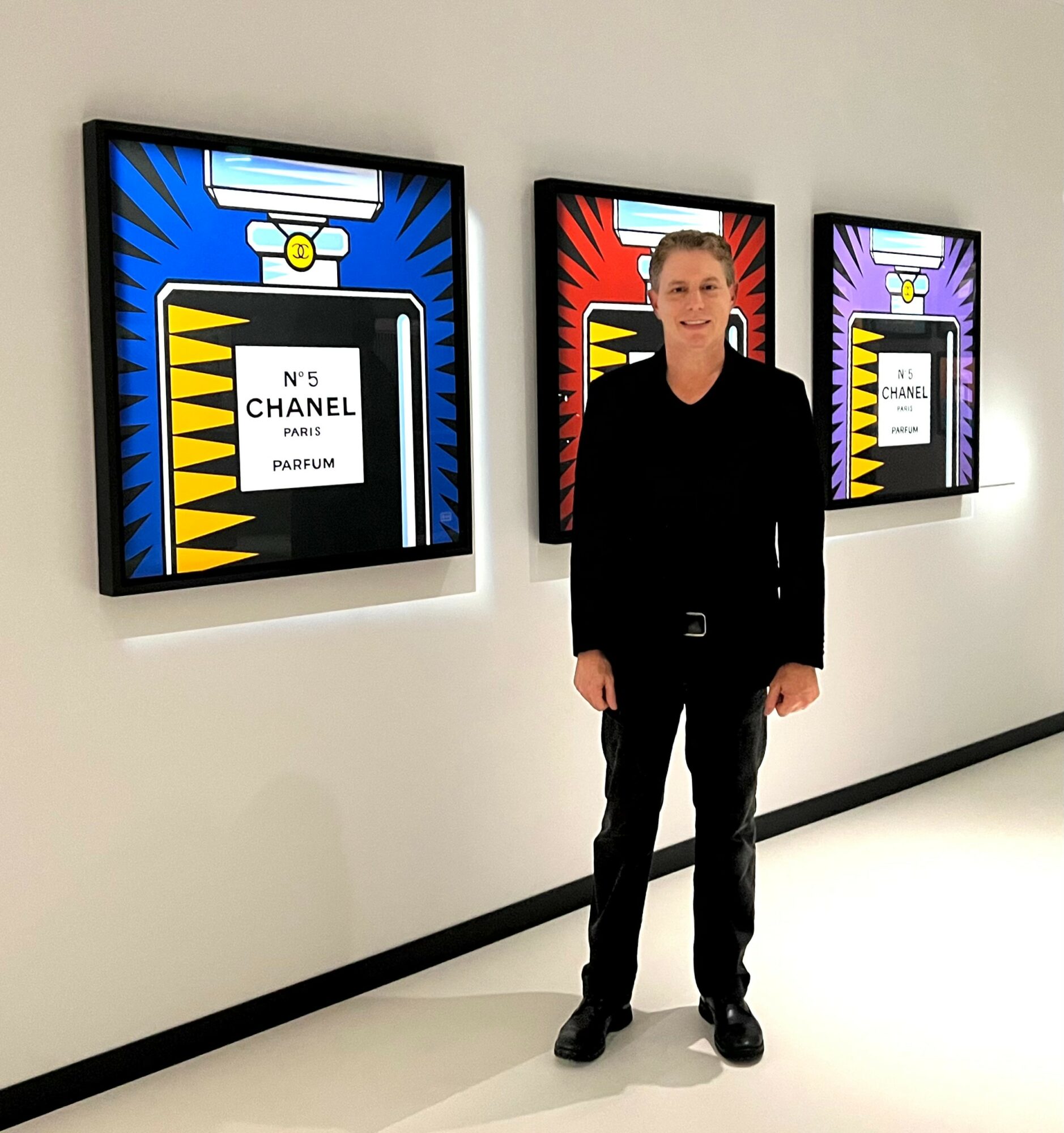
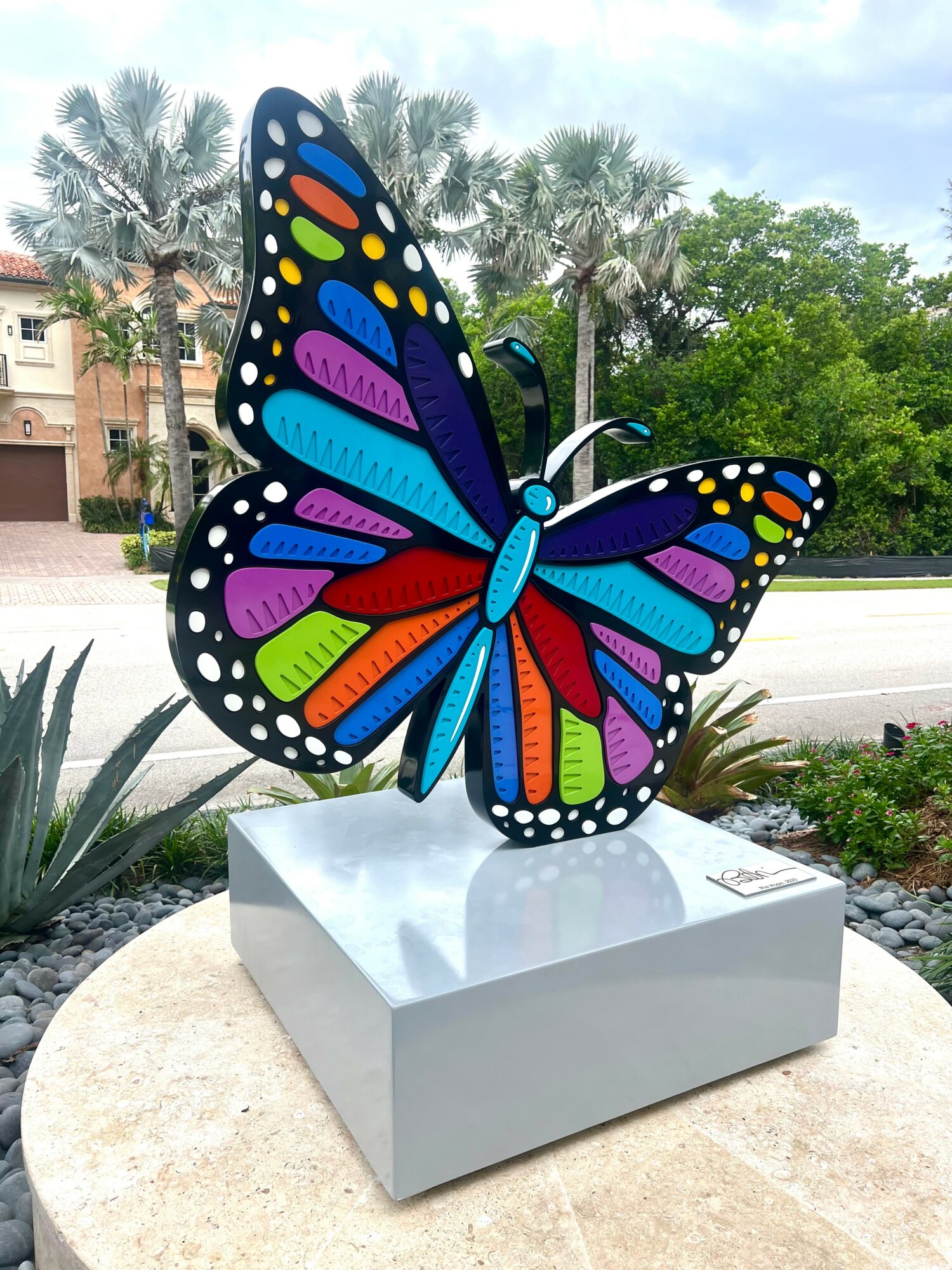
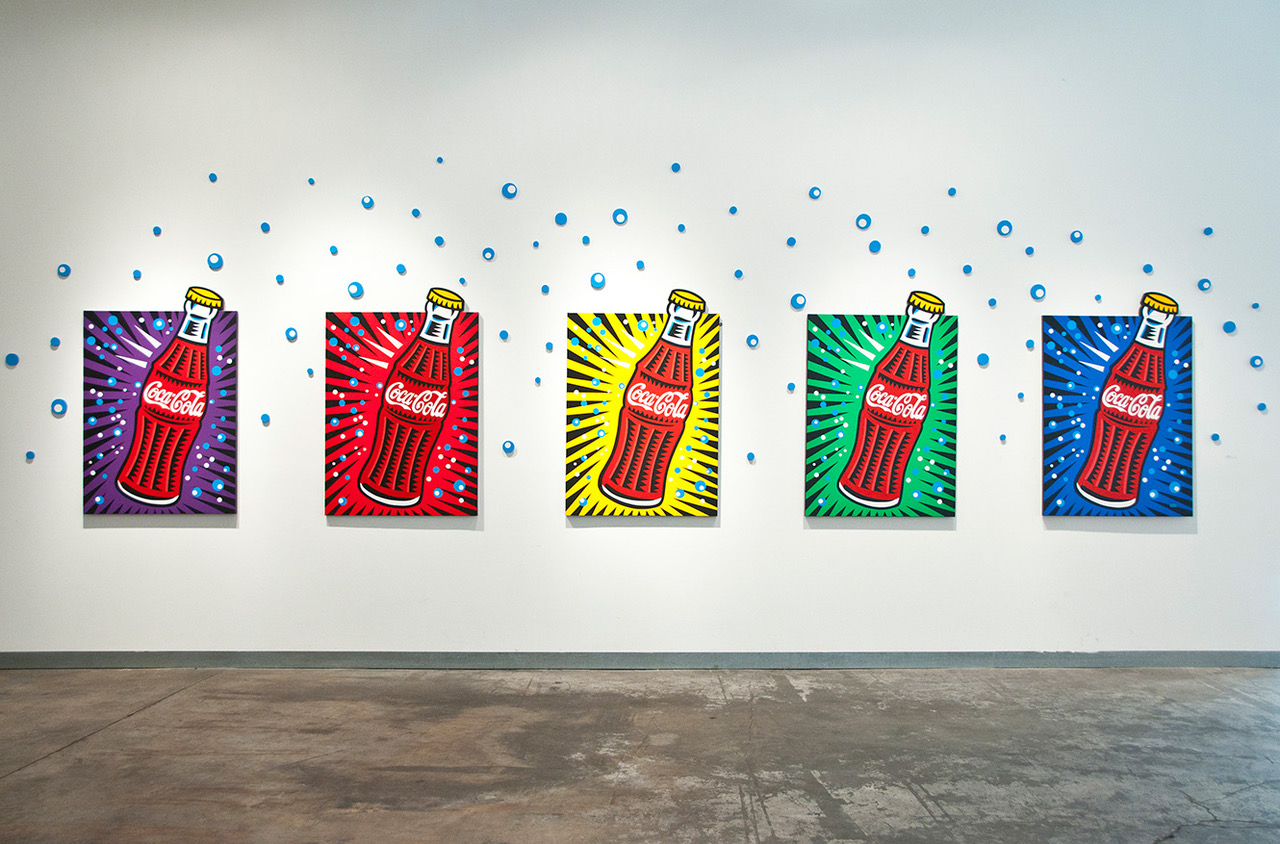
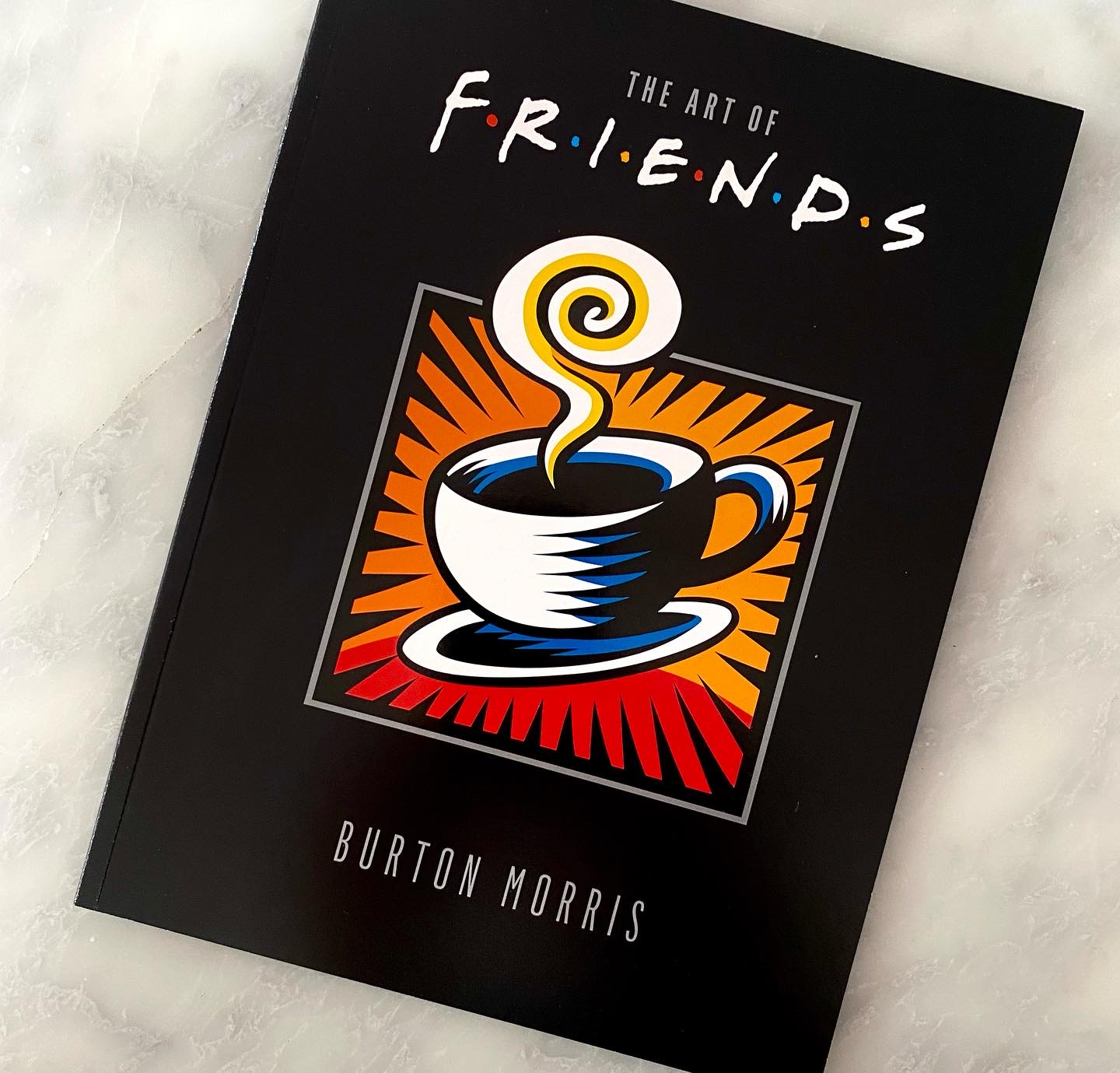
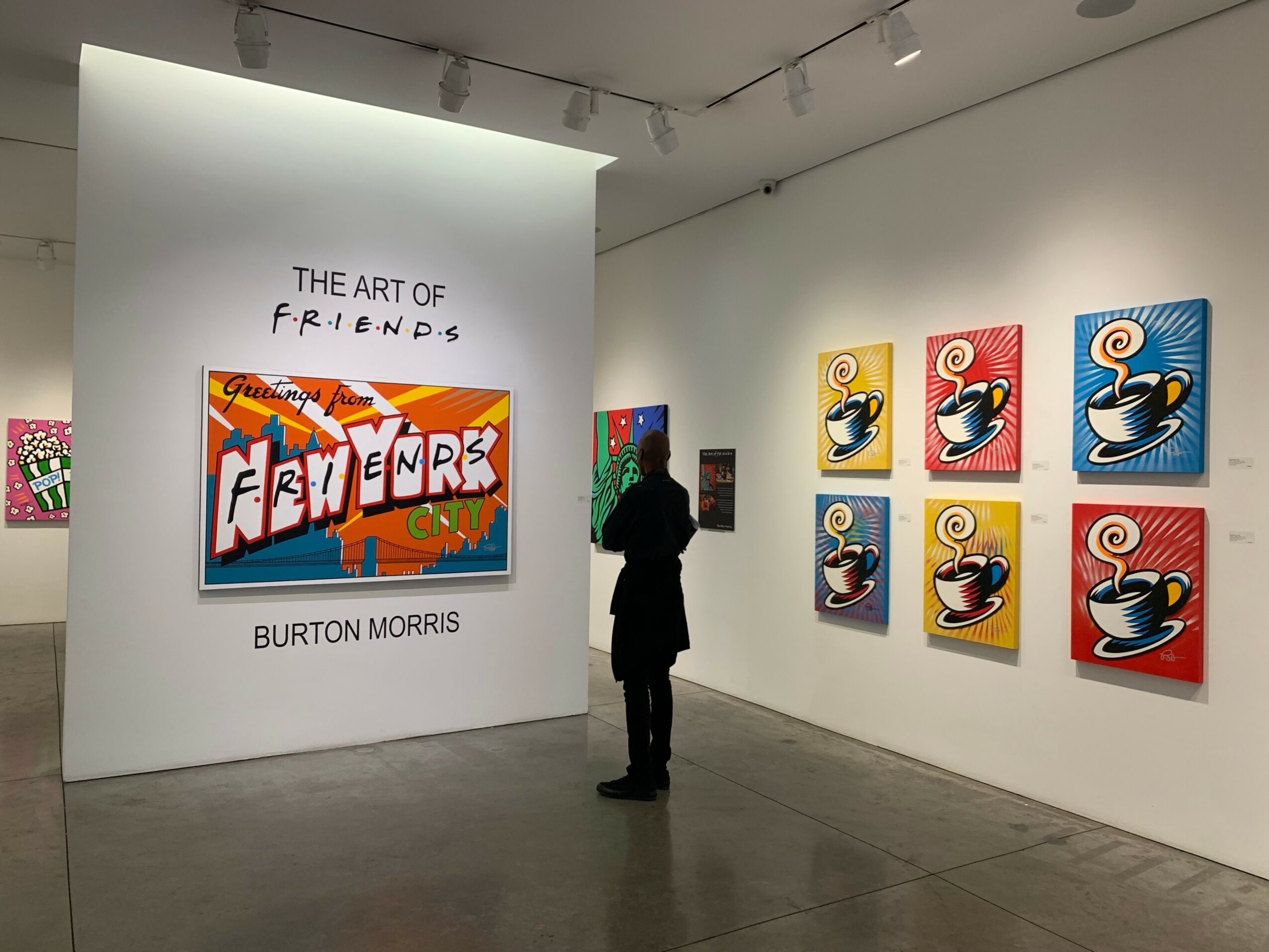
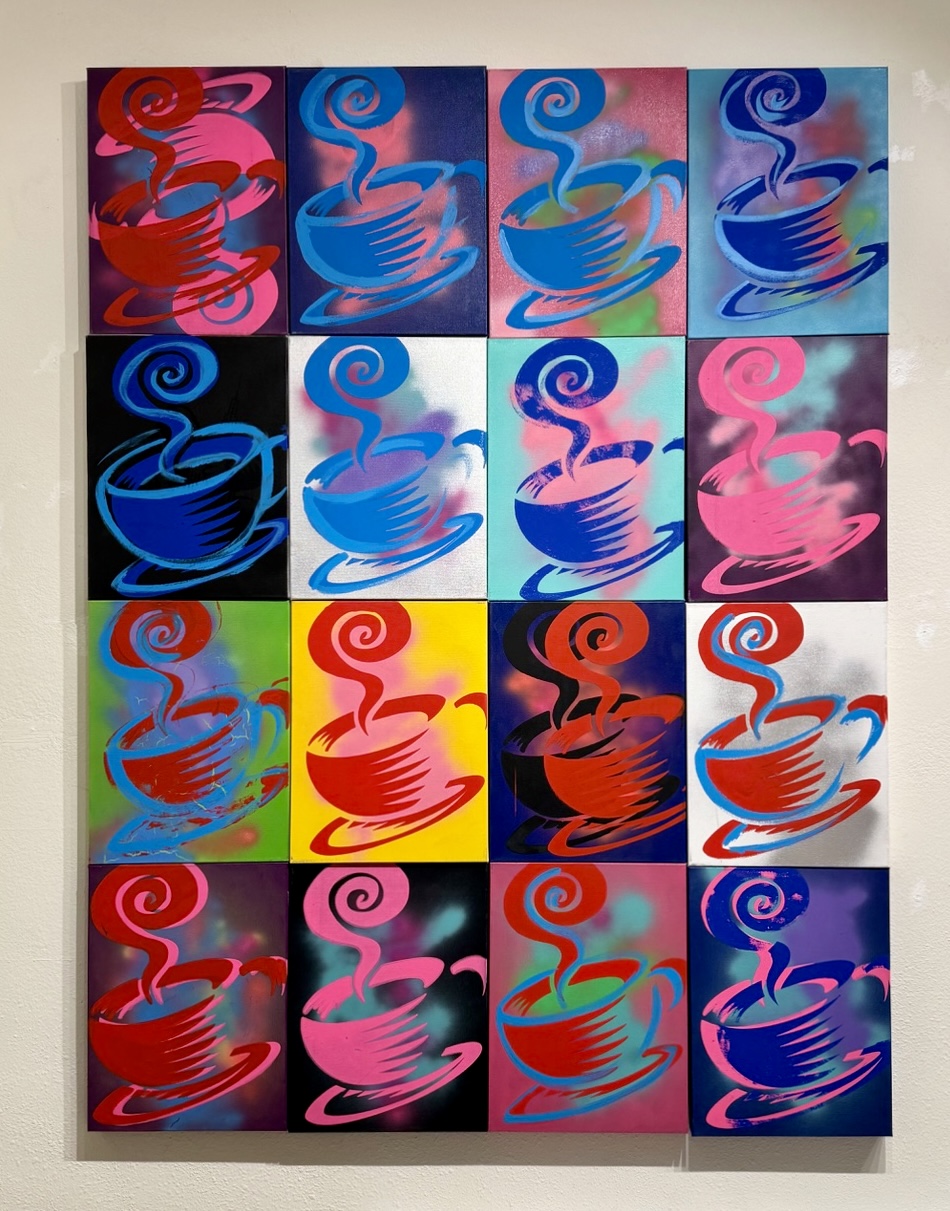
Image Credits
Burton Morris Studios
Popular
-
Que Johnson on Building Brands That Last: From Visibility to True Market Authority
-

Christina Wren Steps Into the Director’s Chair to Tell Stories That Feel Like Home
-

Portraits of the Valley
-
LA’s Most Inspiring Stories
-
JordanL on ‘Breathe,’ Belief, and Building a Movement Beyond the Music
-
Megan Birney Rudert on How Access to Light Is Powering a More Sustainable and Equitable Future


