




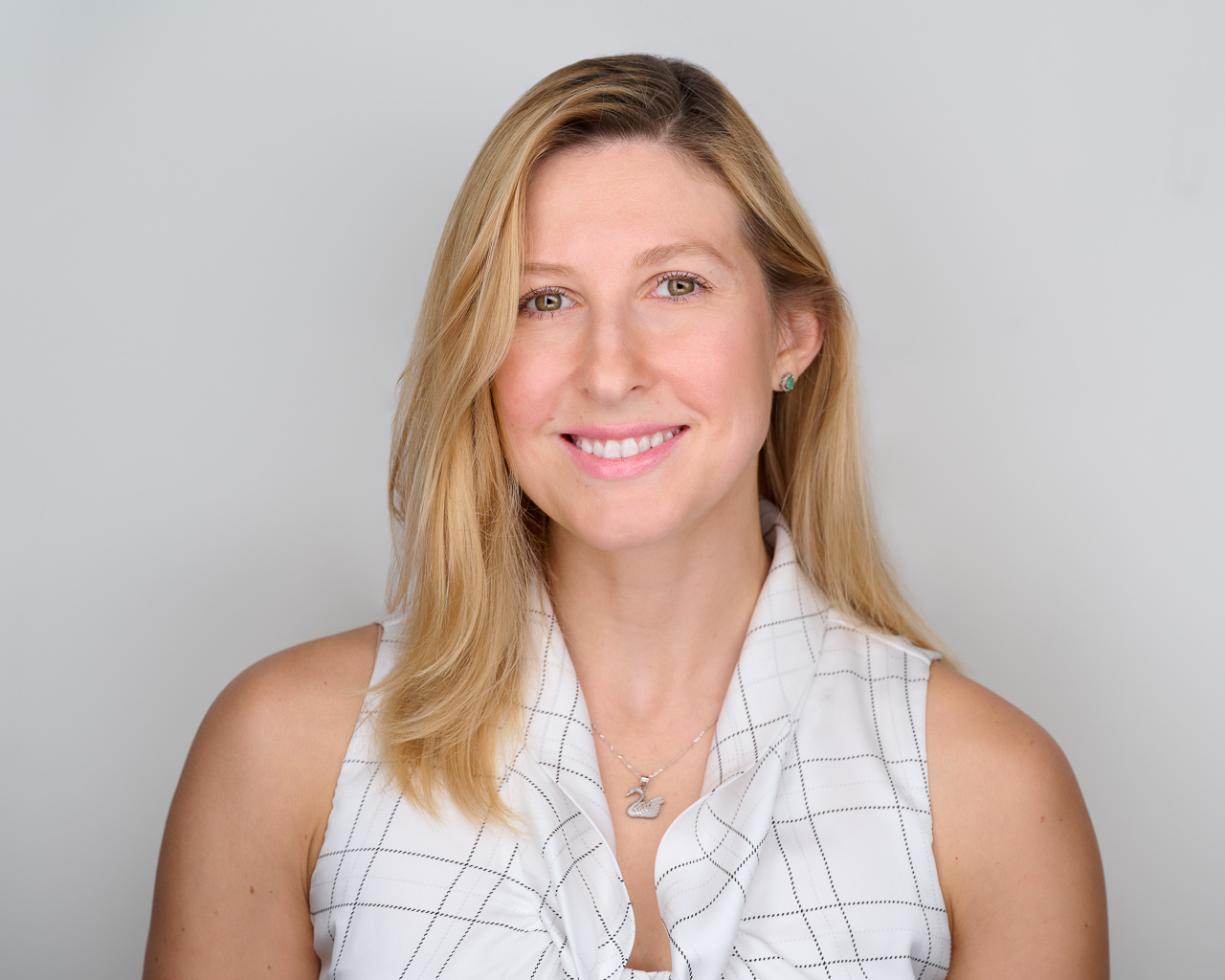
Today we’d like to introduce you to Yulia Stepanova.
Alright, so thank you so much for sharing your story and insight with our readers. To kick things off, can you tell us a bit about how you got started?
I was born in St. Petersburg, Russia, and by the age of eleven, I was already captivated by psychology. I found myself wondering why people behave the way they do and what shapes our identity.
But pursuing psychology in Russia at the time felt unrealistic. The field was still developing, opportunities were limited, and I was strongly discouraged from choosing it as a career. Eventually, I set the dream aside; though my fascination with the human mind never left.
When I moved to the United States at nineteen, I knew I have to pursue my dream. I began my studies in Sacramento, CA, earning my associate’s and then bachelor’s degree in psychology. Determined to understand where I truly belonged within the field, I immersed myself in various experiences. I volunteered in a research lab studying micro-expressions in infants and caregivers, worked as a domestic violence advocate supporting survivors in shelters and courtrooms, and served as a research assistant examining multicultural attitudes toward mental health. During my final year, I interned at the Sacramento County Coroner’s Office, assisting both in the office and at death scenes, an experience that deepened my interest in forensic psychology and strengthened my emotional resilience. At the same time, I worked at an anxiety treatment center, where I saw the transformative power of evidence-based therapy.
These experiences clarified something important: while forensic psychology deeply interested me, clinical psychology was my true calling.
I relocated to Southern California to pursue my Master’s degree in Clinical Psychology at California State University, Fullerton. During graduate school, I conducted my thesis research titled Mental Health Attitudes Among Russian–Speaking Immigrants in the United States, exploring stigma and help-seeking behaviors within immigrant communities — a topic closely tied to my own background.
During my second year of graduate school, I began my practicum at Straight Talk Counseling Clinic, a nonprofit clinic in Cypress. Under the supervision and mentorship of Dr. Arthur Holden, PhD, and Dr. Marilyn Davis, PhD — both former colleagues of renowned psychologist Dr. David Barlow — I received rigorous training in evidence-based treatment. Their mentorship profoundly shaped my clinical foundation.
After graduating, I transitioned into working alongside my supervisors in private practice. On their advice, I also joined College Hospital’s Intensive Outpatient and Partial Hospitalization Programs, where I worked with individuals experiencing severe mental health conditions, including schizophrenia, bipolar disorder, and personality disorders. This experience further strengthened my clinical depth and diagnostic skills.
After becoming licensed, I founded my own private practice in Newport Beach, California.
Psychology was once a dream I was told to abandon. Today, it is not only my profession — it is my passion.
Alright, so let’s dig a little deeper into the story – has it been an easy path overall and if not, what were the challenges you’ve had to overcome?
In the middle of building my career, life brought an unexpected challenge: I was diagnosed with cancer. I underwent aggressive chemotherapy and multiple surgeries — all while continuing to work. Being a therapist did not shield me from fear, grief, or the existential weight of illness. But it did give me tools. My understanding of psychology helped me navigate the emotional turbulence, tolerate uncertainty, and process the profound questions that arise when health and mortality are no longer abstract concepts.
Today, I am fully in remission. That experience deepened not only my resilience, but also my understanding of what it means to sit with vulnerability and still move forward.
As you know, we’re big fans of Yulia Stepanova . For our readers who might not be as familiar what can you tell them about the brand?
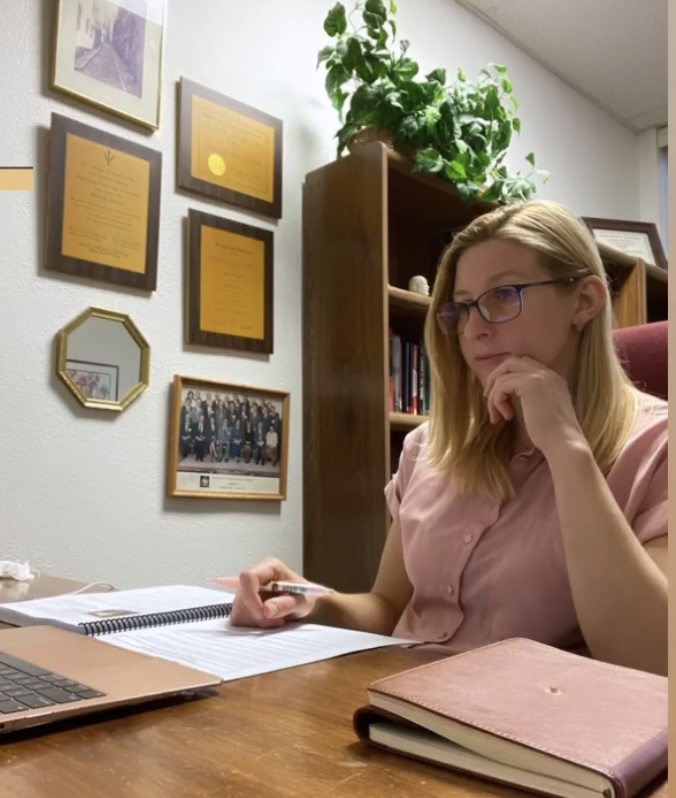
I work with individuals and families. I specialize in interventions designed to treat symptoms associated with depression, anxiety, stress, trauma, grief and loss, self-esteem concerns, OCD, bipolar disorder, personality disorders, difficulties with life and social skills, acculturation, life changes, and re-discovering self.
My therapeutic approach is rooted in a multi-theoretical perspective, allowing me to tailor interventions to each client’s unique needs. I draw from extensive training in evidence-based therapies, including cognitive behavioral therapy (CBT), dialectical behavior therapy (DBT), eye movement desensitization and reprocessing (EMDR), and psychodynamic modalities. I primarily work with adults and seniors, fostering healing, insight, and personal growth.
What distinguishes my work is my integration of psychology, neurobiology, and science. I believe that when clients understand the mechanisms behind their emotions and behaviors, shame decreases and empowerment increases. Knowledge becomes a tool for change.
At the core of my practice is a deeply client-centered philosophy. I prioritize autonomy and create a safe, flexible, and non-judgmental space where individuals can explore their inner world. My goal is not simply symptom relief, but lasting resilience, equipping clients with insight and skills to navigate life independently.
With extensive training and an enduring passion for psychology, I chose not to confine myself to a narrow specialty. This allows my clients to work with one therapist who understands a wide range of conditions and complexities, rather than seeking multiple providers for different concerns.
Beyond my clinical work, my interests in history, mythology, art, and science fiction enrich my therapeutic style. I often use metaphor and storytelling to help clients see their struggles and their strengths in new ways.
Can you talk to us about how you think about risk?
I don’t think of myself as a reckless risk-taker. I think of myself as someone who takes intentional risks when growth requires it. Moving to the United States at nineteen was my first major risk. I left behind familiarity, language, stability, and certainty. I didn’t have a guaranteed outcome; only a deep internal sense that if I didn’t try, I would regret it. That decision shaped the entire trajectory of my life.
Choosing psychology was another risk. I had already internalized years of discouragement about it being impractical or unstable. Pursuing it meant trusting my own voice over external doubt. It meant betting on myself.
Even the path I took within psychology involved risk. I placed myself in emotionally intense environments, including domestic violence shelters, courtrooms, death scenes at the coroner’s office, severe mental illness units. Those were not comfortable spaces. But I knew that growth often lives outside comfort. Each of those experiences stretched me emotionally and professionally.
Perhaps the most profound risk, though, was continuing to work while undergoing cancer treatment. Choosing to keep showing up, even in a limited capacity, gave me a sense of agency during a time when so much felt out of my control. It was not about proving resilience; it was about staying connected to what I love.
Contact Info:
- Website: https://YSpsychotherapy.com
- LinkedIn: https://www.linkedin.com/in/yulia-stepanova-a1098393/
- Other: https://www.psychologytoday.com/us/therapists/yulia-stepanova-newport-beach-ca/857804

Popular
-

JordanL on ‘Breathe,’ Belief, and Building a Movement Beyond the Music
-
Megan Birney Rudert on How Access to Light Is Powering a More Sustainable and Equitable Future
-

Linda Kneidinger on Building Lasting Change Through Small Steps and Self-Compassion
-

Jolana Nika on Redefining Modern Connection Through Intentional, Real-Life Experiences
-

What did suffering teach you that success never could?
-

Who saw you clearly before you could see yourself?


