




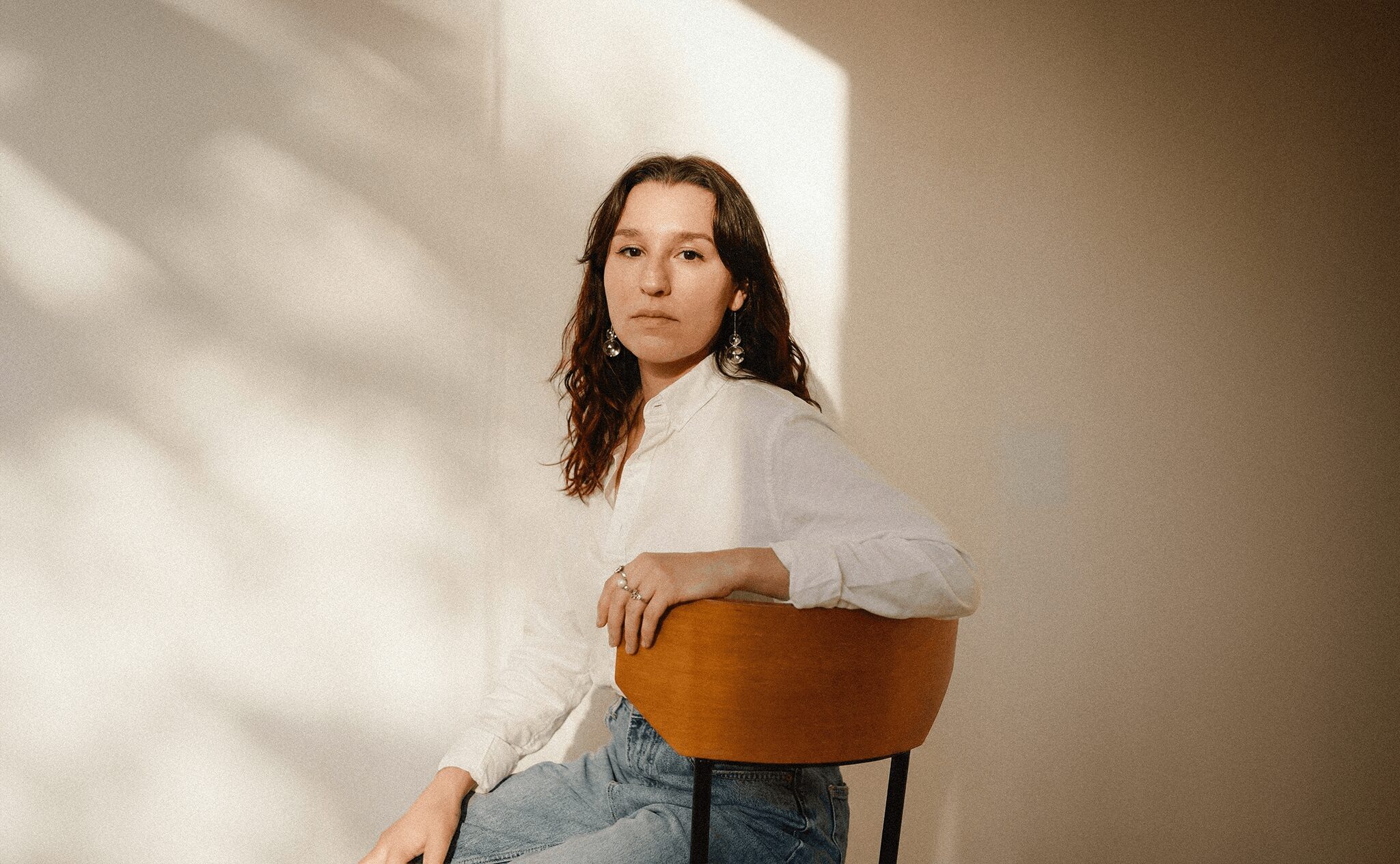
Today we’d like to introduce you to Lotta Glybotskaia.
Hi Lotta, it’s an honor to have you on the platform. Thanks for taking the time to share your story with us – to start maybe you can share some of your backstory with our readers?
I received a formal education in fine arts. At first, I explored the path of a contemporary artist, but I quickly realized how difficult it is to remain truly independent in the art world while maintaining a stable income. As a result, I began working as a designer alongside my artistic practice. Over the course of twenty years, I progressed from a technical designer to the position of creative director in advertising agencies in Saint Petersburg. I led major national projects, helped brands enter the market, and managed not only creative processes but also production.
I have always been interested less in form itself and more in meaning, metaphor, and visual systems. From the very beginning, it was important for me to understand how visual images generate meaning, shape experience, and help people navigate moments of uncertainty. This approach allowed me to work as an interdisciplinary practitioner — designing books, exhibition spaces, and events. Each project was conceived as a distinct universe with its own internal logic and visual language.
Alongside this work, I consistently maintained an independent artistic practice. After meeting my future husband, an engineer, we opened a lighting and decorative lamp studio together. It was our response to mass production — uniform Chinese string lights. We sought to restore uniqueness to simple objects, turning light into part of the interior and an emotional experience. I developed a line of colored matte light bulbs — more than twenty shades, including black. We collaborated with large event production projects and film studios, and created an extensive collection of handmade garlands and lighting installations for rental. This project gave me the opportunity, for the first time, to fully develop and manage my own brand. After relocating, the most difficult part was closing the studio and letting go of a project that brought joy and quite literally filled life with light. At the same time, the project was not entirely closed — it is now preparing for relaunch in Los Angeles.
After moving to Buenos Aires, I decided to create a Tarot deck — initially for myself, as a pedagogical and research project to practice working with serial illustration. I conducted numerous experiments with digital graphics, cyanotype, and collage. The result was my first deck, which attracted the attention of publishers even before its official release. However, I chose a different path and decided to publish the project independently. Since I did not have the budget to print a large run, I turned to crowdfunding and launched the project on Kickstarter. The campaign was successful due to careful and thorough preparation.
About three years have passed since then. During this time, I have completed several publishing projects, all of which were successful, and I now also help other authors publish their own work. It is fundamentally important to me that everything I create develops without external investment and without dependence on institutions. This is an independent practice in which community, trust, and reputation play a decisive role.
At present, I am working on several publishing projects related to divination systems. I am researching and restoring a sixteenth-century work considered one of the origins of the European divinatory tradition, employing allegories that later became widely known through Tarot. The outcome will be a deck and a book that reveal the close connections between medieval and contemporary philosophy. In parallel, I am developing a Tarot application that will allow users to work with multiple decks and access additional features. I am also currently testing a logistics system for crowdfunding campaigns that will help independent creators focus more on their creative work rather than on fulfillment management. At this stage, my practice extends far beyond design and illustration. My goal is to create products that make life easier and more meaningful for people who share my areas of interest.
Can you talk to us a bit about the challenges and lessons you’ve learned along the way. Looking back would you say it’s been easy or smooth in retrospect?
It hasn’t been a smooth road, and I don’t think it could have been. One of the main challenges has always been building an independent practice outside of established institutions — without stable funding, predefined structures, or external guarantees. This means taking responsibility not only for the creative work, but also for production, logistics, finances, and long-term sustainability.
Relocation was another major challenge. Moving across countries meant losing familiar professional networks, closing a studio I had built over many years, and rebuilding everything from the ground up in new cultural and economic contexts. Each move required adapting my workflow, production methods, and even the scale of projects.
Working at the intersection of art, design, publishing, and applied systems also brings its own difficulties. These fields operate on different timelines and expectations, and balancing research, authorship, and practical execution is an ongoing process.
Thanks for sharing that. So, maybe next you can tell us a bit more about your work?
My primary specialization lies in art direction and publishing. At the same time, I consciously avoid limiting myself to fixed disciplines. For me, creativity has no rigid boundaries, and I also see entrepreneurship as a form of creative practice. It is a process of building connections between real human needs, problem solving, and choosing the most appropriate way to implement those solutions.
It is important for me to work at my own pace and give close attention to quality. I personally oversee every stage of the process, from concept and research to visual execution, production, and distribution. This approach requires broad expertise and a high level of responsibility, but it allows me to maintain the integrity of each project and preserve a clear authorial vision.
I am proud that I was able to step partially outside established systems and continue developing my work during periods of significant change. In recent years, the industry I previously worked in was heavily affected, first by the pandemic and later by wider economic and social shifts. During that time, I had to reassess my plans quickly, let go of familiar formats, and build new directions for my practice.
I did not stop at what I had already achieved and shifted toward publishing and the development of my own products, from lighting objects to independent publishing projects. This experience taught me adaptability, independence, and the ability to recognize opportunities where traditional structures begin to fail.
Can you tell us more about what you were like growing up?
As a child, I was an outsider, and that remained true until I was about sixteen. I had very few friends, so my interests were focused on books and creative activities. My mother was an artist and my father was a musician. I often spent time with my father’s friends, and there was always something happening in our home: people, conversations, rehearsals, constant movement. I listened closely to what adults talked about and tried to understand their conversations.
My parents were members of a Sufi order, and most of the books in our home were related to psychology, philosophy, and mysticism. I read everything I could get my hands on. I attended an under-resourced school where bullying was common, and I became one of its targets. At some point, the situation escalated to the involvement of the police. After that, I transferred to a religious school, where things were not much better. My interests often felt beyond my age, and my appearance was different from others, so I felt like an outsider in most environments.
Building relationships was difficult for me, possibly due to autistic traits that were not recognized or diagnosed at the time. By the age of sixteen, after moving to a new school, I was able to rebuild myself from the ground up and was no longer a withdrawn person.
I spent part of my childhood living with my grandmother, who was a teacher. Those were some of the calmest periods of my life. I spent summers with her in our house in Belarus, living a quiet rural life with a much slower pace.
Contact Info:
- Website: https://www.unainspace.com
- Instagram: https://www.instagram.com/una_in_space
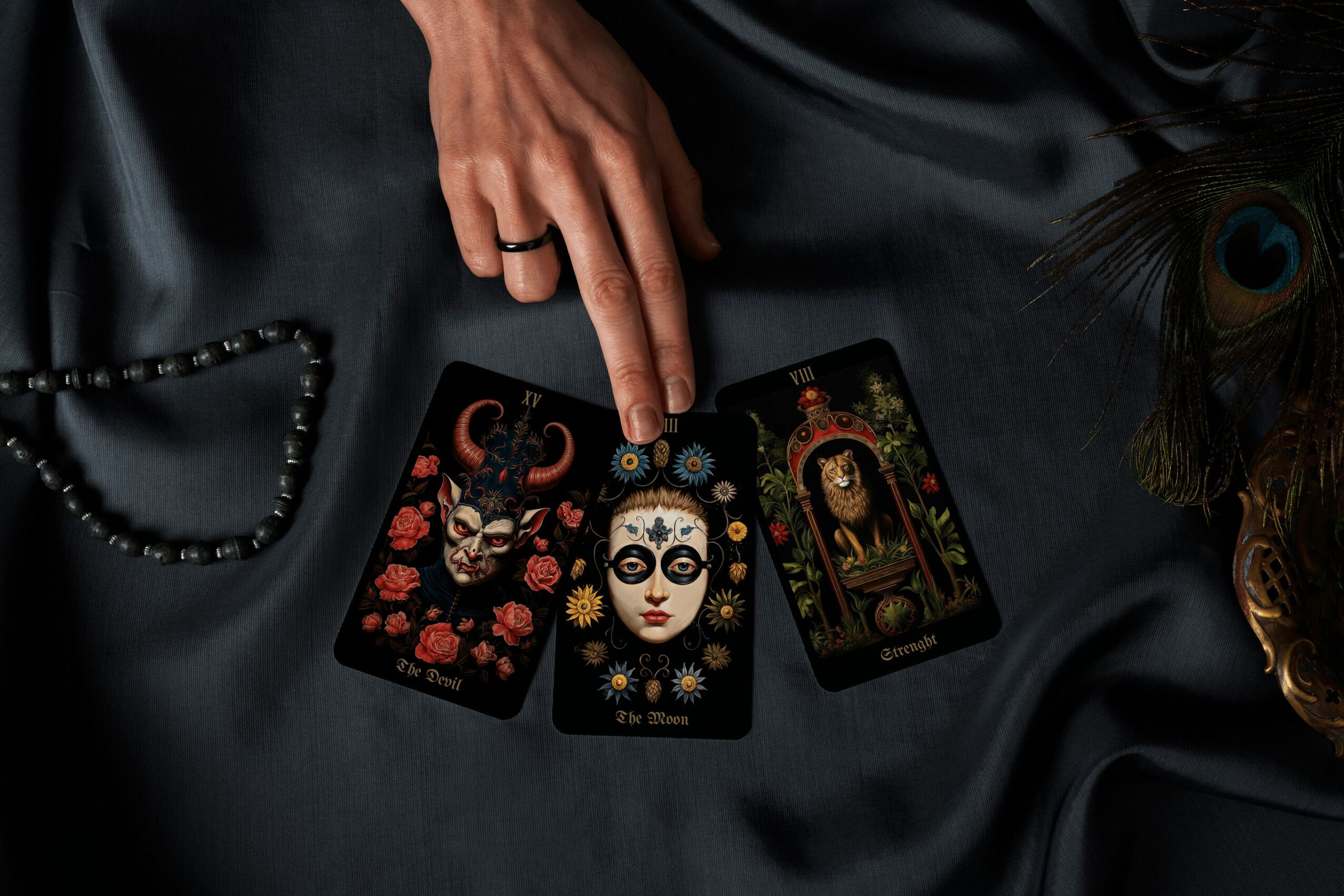
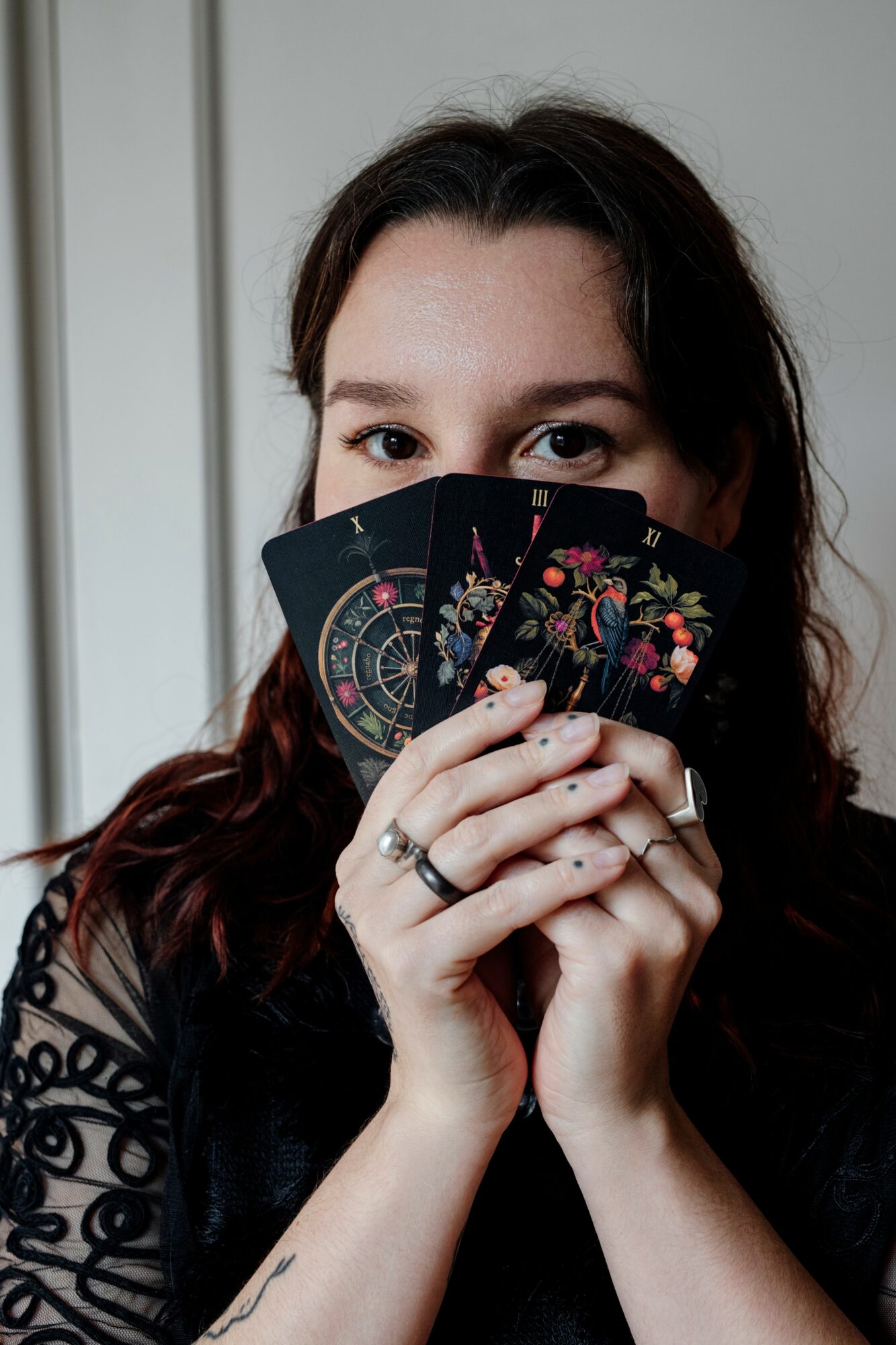
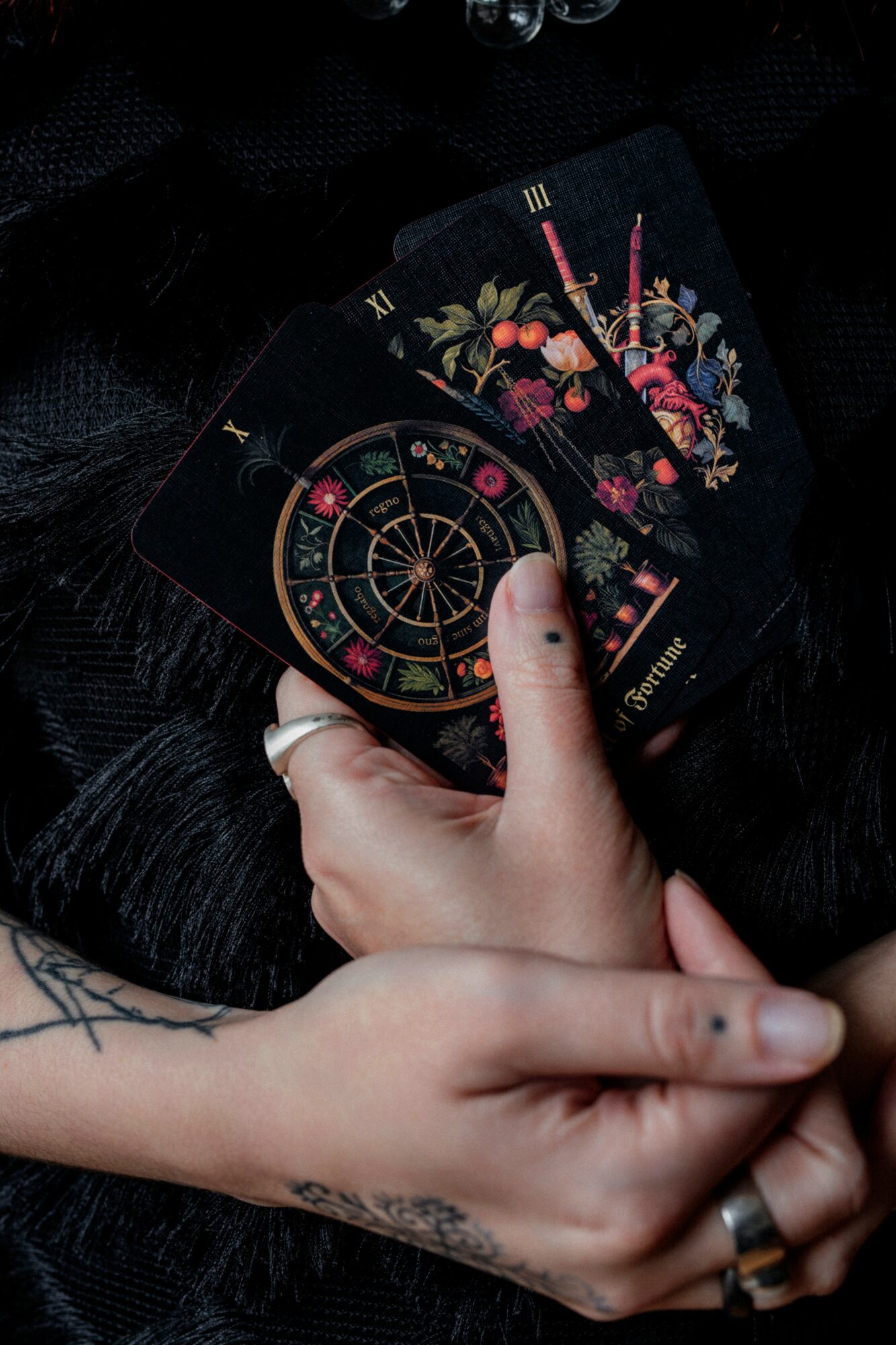
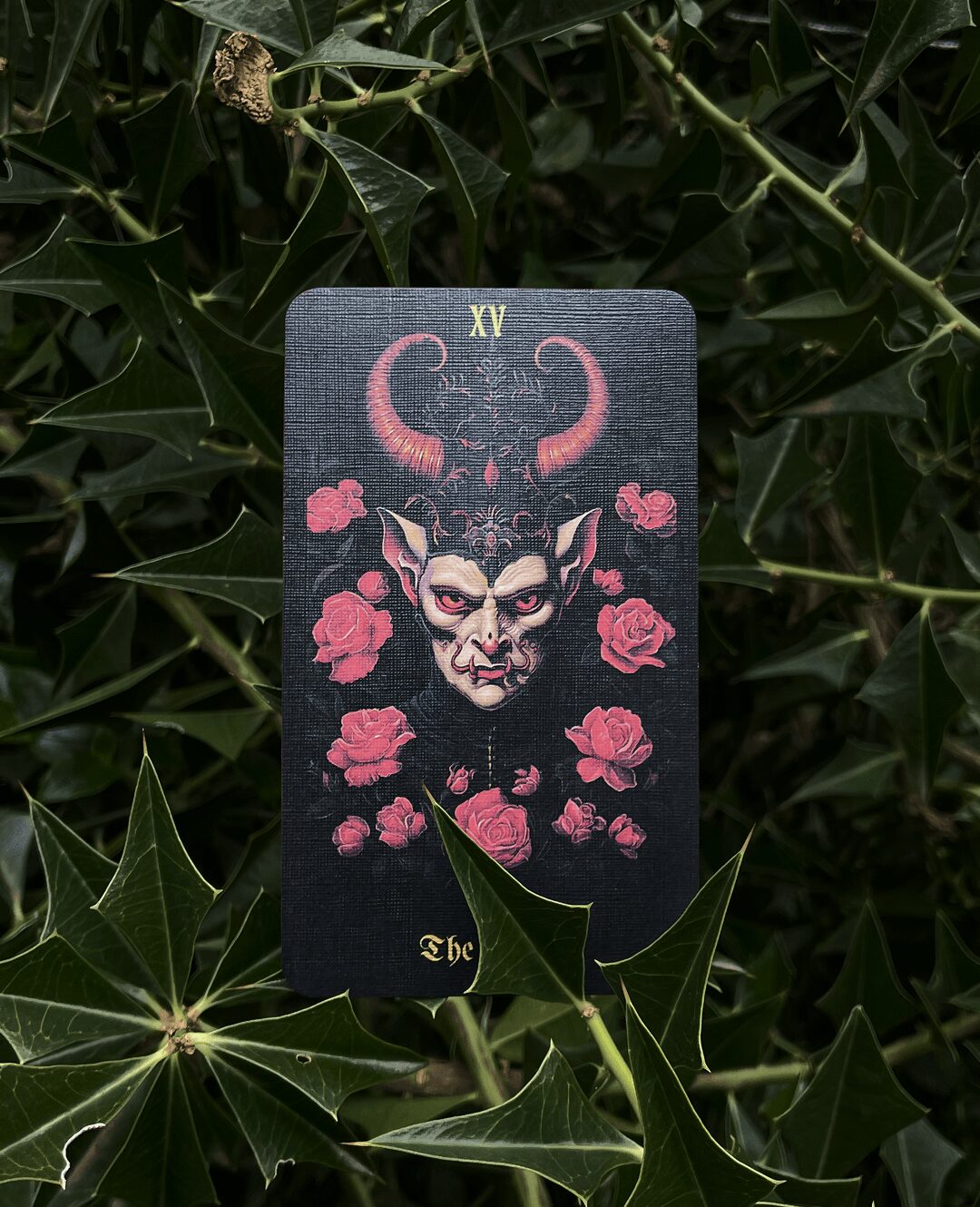
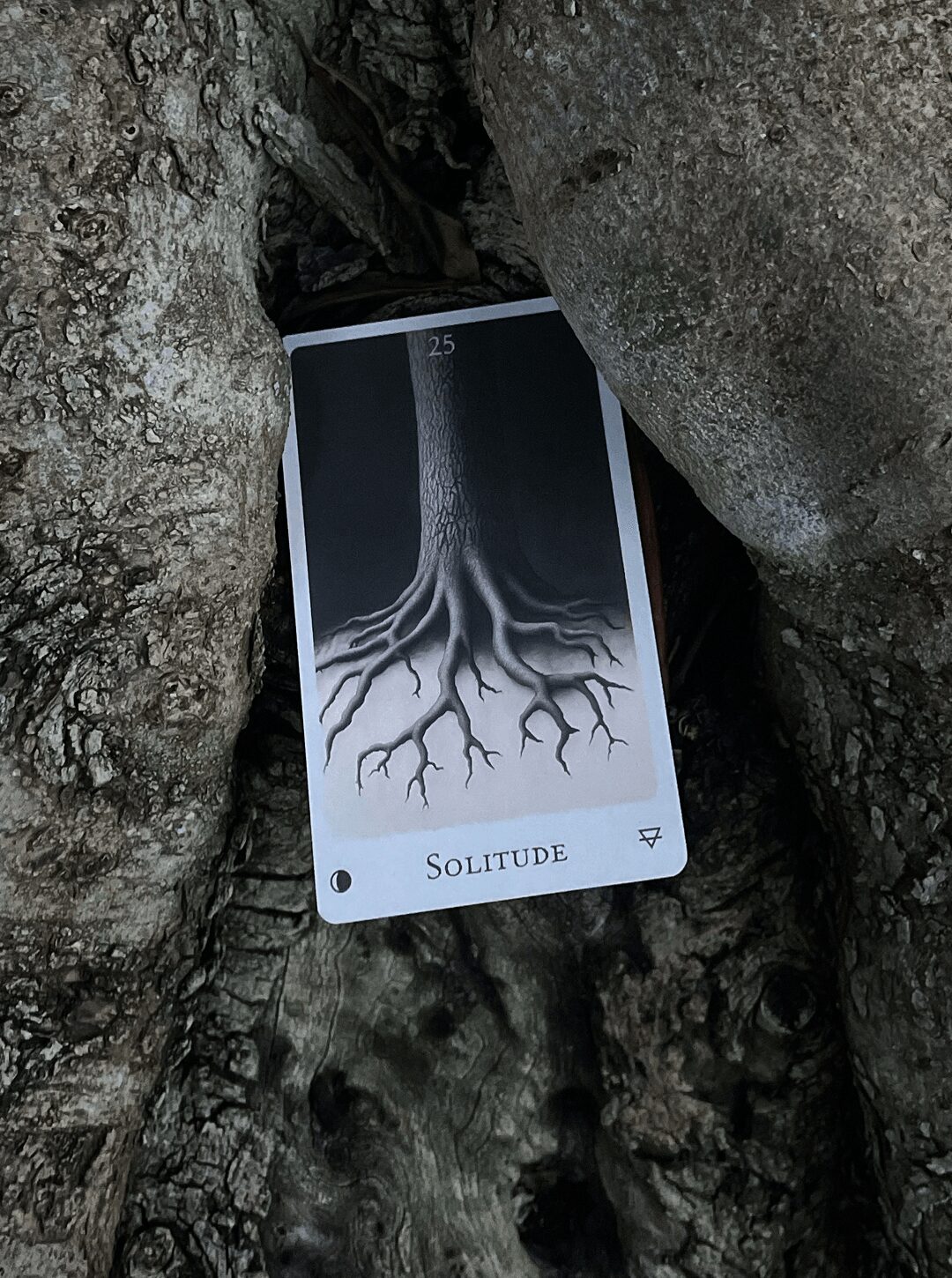
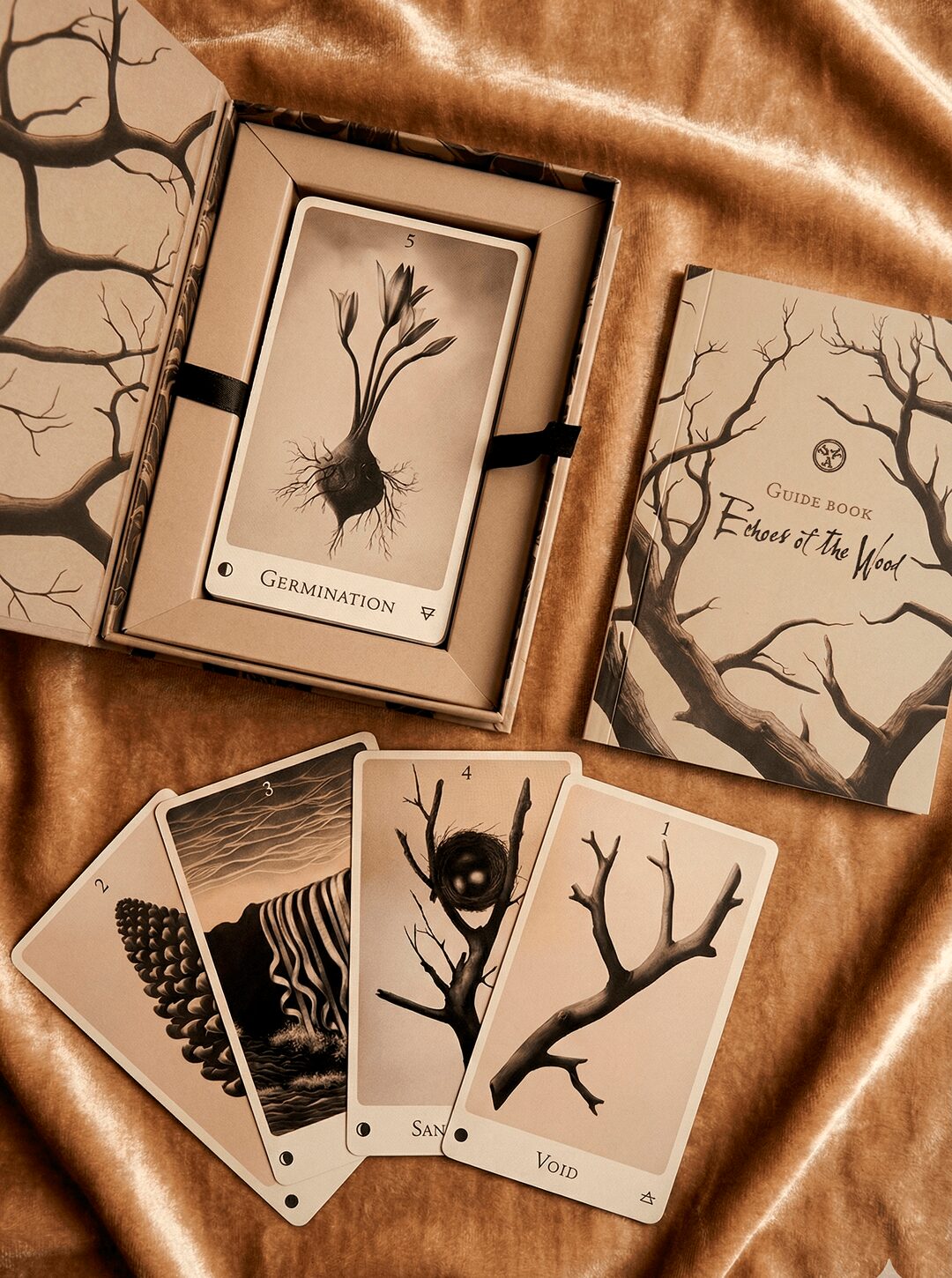
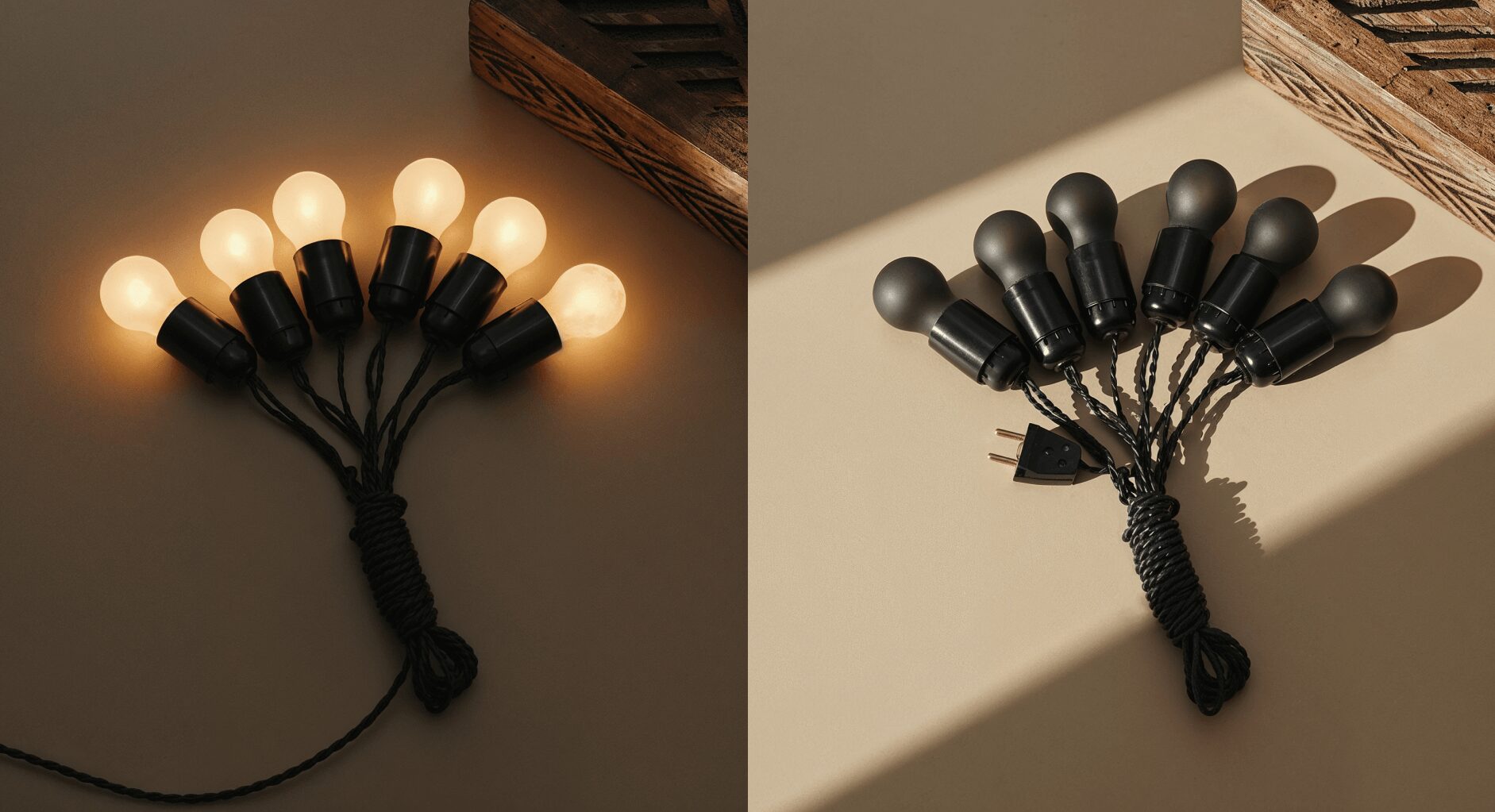
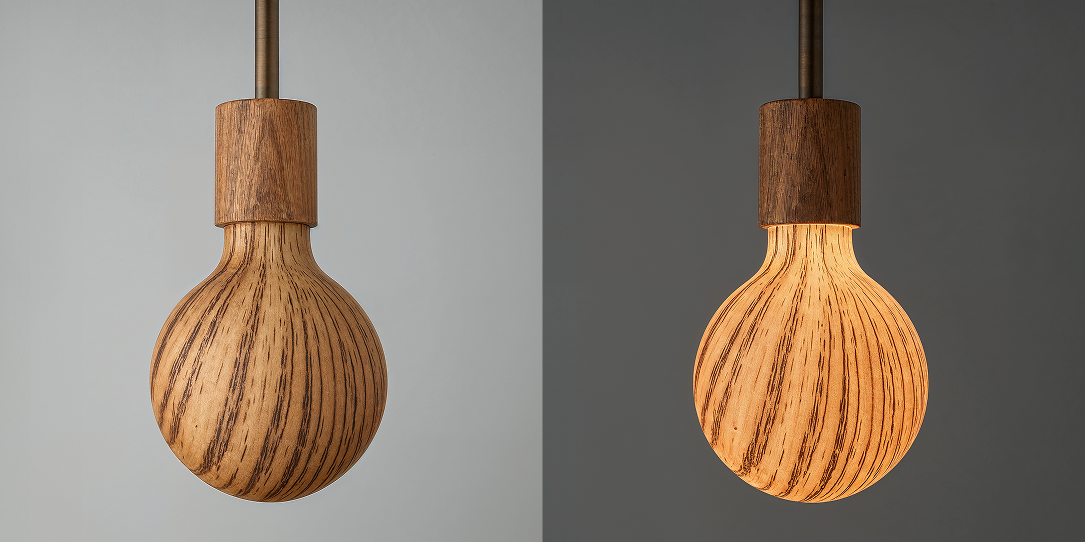
Image Credits
Ekaterina Soboleva
Lotta Glybotskaia
Popular
-

Christina Wren Steps Into the Director’s Chair to Tell Stories That Feel Like Home
-

Portraits of the Valley
-

LA’s Most Inspiring Stories
-

JordanL on ‘Breathe,’ Belief, and Building a Movement Beyond the Music
-

Megan Birney Rudert on How Access to Light Is Powering a More Sustainable and Equitable Future
-

Linda Kneidinger on Building Lasting Change Through Small Steps and Self-Compassion


