



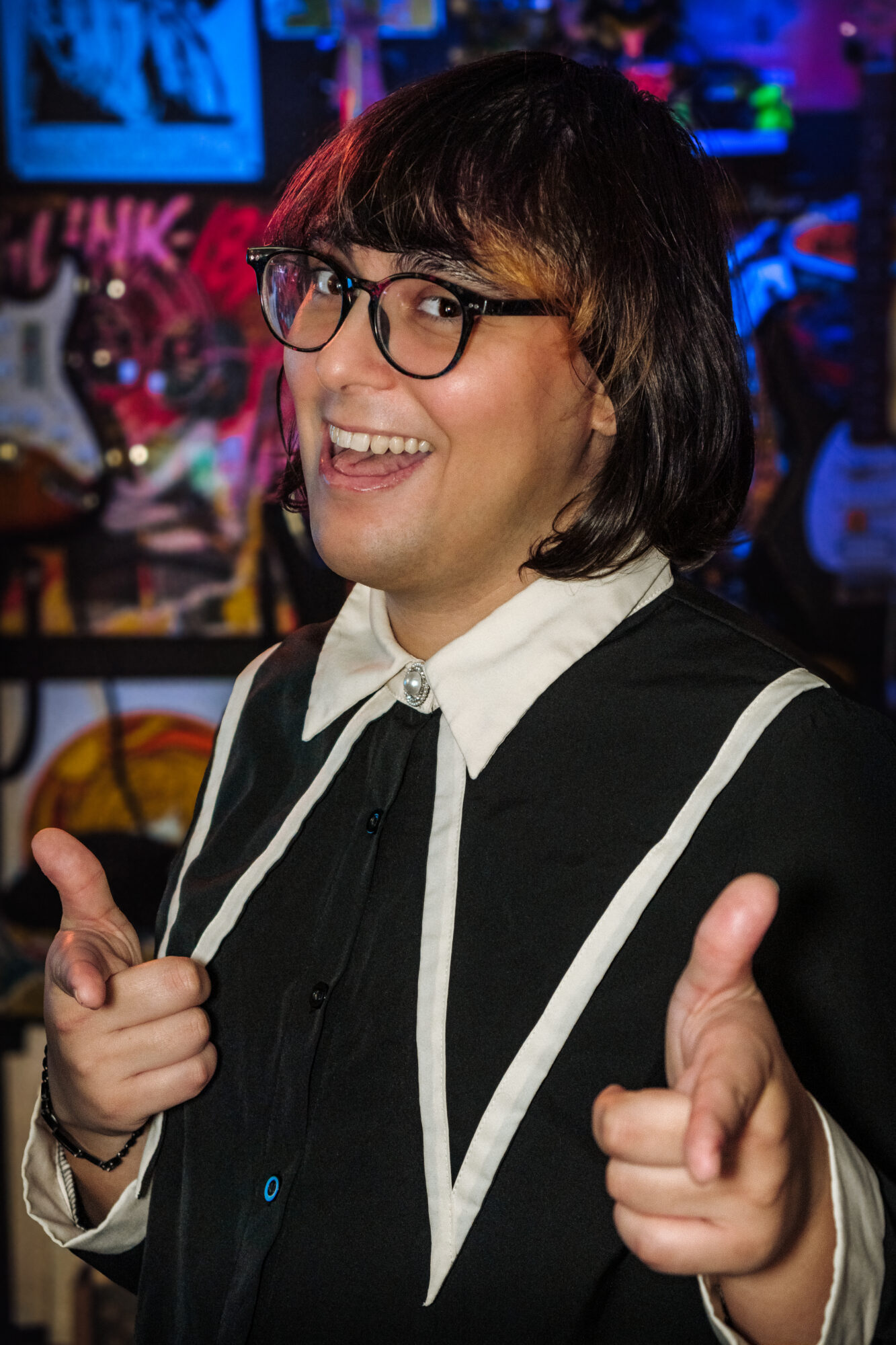
Today we’d like to introduce you to Carter Imperial.
Hi Carter, thanks for sharing your story with us. To start, maybe you can tell our readers some of your backstory.
My name is Carter Imperial, and I’m a filmmaker and audiovisual artist based in Buena Park, CA. I work primarily in production sound, photography, and live events, with a background that spans narrative, experimental, and live formats. I also co‑founded the VHS collective Bad Dog Video, producing physical media that celebrates the craftsmanship of a bygone analog era.
I’ve made a habit of choosing adventure over a single, tidy career path. When it comes to my work I don’t always know what’s coming next; but I’m ok with that, because I don’t plan for my victories, I earn them. Rather than chase validation, I focus on doing the best work I can do, supporting fellow creatives, and letting the rest work itself out.
I grew up in La Mirada in a fairly middle-class family; my mom is an elementary school teacher, and my stepdad works in healthcare. I was labeled “gifted” very early on, reading at a high-school level in first grade, but I struggled with social cues, making friends, and applying myself. Public school didn’t really know what to do with me, so I eventually transferred to Broadoaks Children’s School in Whittier, a small holistic school I attended on scholarship. That environment gave me space to be curious and weird, to learn and pursue my passions without judgement. It was there that I had my first experiences with filmmaking, using MiniDV tape and iMovie ’06 to write, film, and edit our own Greek Myths for my 6th grade class.
Like a lot of 90’s kids shaped by the early internet, I built websites, made stop‑motion animations, and spent way too much time in the family computer room immersed in DeviantArt, YouTube, and online culture. One early turning point was getting a Microsoft Zune, not because it was cool (it wasn’t), but because I wanted to put videos on it.
I taught myself all about video encoding, compression, and delivery just to make that second-rate iPod work. In hindsight, that was the moment I discovered I cared as much about how video worked as I did about the video content itself. I wasn’t the type of kid whose parents bought them the latest camera or fully-funded their creative projects, so as I grew up, I leaned into learning how things worked instead. Technical knowledge felt like something no one could take away from me, something that I didn’t need to rely on others to give me.
Growing up in Southern California meant constant exposure to spectacle in the form of immersive environments and theme parks. To this day, I wear my inspirations on my sleeve; immersive storytelling like Disneyland’s Fantasmic, or Cirque du Soleil’s The Beatles: LOVE were infectious brainworms to my childhood self. I became obsessed with creating spectacles of my own, with being part of something bigger than myself and pushing technology to create something more than merely the sum of its parts.
That desire eventually manifested into my “Summer Dreams” project, an annual Fourth of July multimedia show combining a custom DJ mix, synchronized video, and safe‑and‑sane fireworks, using remote ignition and rugged CRT displays. Every year it’s a mad rush, full of technical problems and last-minute fixes, but that urgency is exactly what keeps me going. ADHD sometimes makes it hard for me to engage with repetitive daily work, but film and live production feel like creative emergencies that need to be dealt with immediately; that feeling is what gets me out of bed.
In 2010, I attended the Orange County School of the Arts in the film conservatory, where I received a hands‑on education across nearly every aspect of filmmaking. My senior project, “Maman”, included two scenes captured on 35mm film, which I shot and delivered to FotoKem myself. And our TV Production III Course led me to become deeply involved in the live event world, learning how to operate outside traditional studio environments. Around the same time, I also learned how to DJ, and began pursuing that as both a hobby and a creative outlet.
The skills I gained and connections I made at OCSA truly have been lasting and significant, and I still frequently collaborate with close friends and industry peers like Luc Benson, Demie Santone, Nicholas Huntley, and Joshua Kaufman. As recently as 2023, we’ve worked together with Josh and Director’s Cut LLC on a collaborative remote project, capturing and editing press junkets for different Netflix series.
In 2014, I went on to attend NYU’s Tisch School of the Arts on scholarship, graduating with a BFA in Film & TV Production. While Tisch strengthened my storytelling foundation, I deliberately leaned into technical and hybrid disciplines over directing or writing. I took classes in production sound, studio recording, and live video performance art, all in service of my larger creative goals and need to join the workforce.
I returned to LA in 2017, and immediately began work as a photographer at Disneyland. That job sharpened my composition instincts more than almost anything else in my career. There were times where I would take thousands of photos a day, under every lighting condition imaginable, directing guests from all over the world in poses at icons like Sleeping Beauty Castle, and capturing candid moments with Disneyland’s amazing character performer team. Over five years, I earned hundreds of Photo of the Day awards, and some of my personal photography from this time was shared on the official Lensbaby and Disneyland instagram accounts.
In 2022, I left to focus on independent film work and to expand my role at JIG Reel Studios. Since then, I’ve grown from production sound mixer into a multi‑hyphenate role encompassing Production Sound Mixing, Cinematography, Editing, and Directing. Between JIG Reel and other projects, I’ve collaborated on hundreds of productions, with most of my IMDb credits split between sound and camera. Working at JIG Reel is like going to the gym as a filmmaker; it’s work that’s fast, collaborative, and deeply technical. The owner, Justin Galindo, creates systems designed to strip a scene down to its most basic elements to highlight the client and help them land an agent or role. I’m deeply grateful for the collaboration, and I built further creative relationships there with people like Veronica Farias, Stefania Koszti, Matt Winters, Skyler Shelley, and Newton Mayenge.
I continue to work in multiple related fields, such as for GoGoSprockets as an event lighting and sound technician, as well as on multiple different short films as a production sound mixer and behind-the-scenes photographer. Recently, I have been collaborating with actor Valerie Lohman aka VRL on multiple projects including live-recordings of theater productions “An Evening Alone with Natalie Wood” and “The Great Age of Sail”.
In 2024, I founded Bad Dog Video along with my fiancé Basil Moss, and my close friend Van Jazmin, a visual artist from Los Feliz. Bad Dog Video is a VHS collective dedicated to producing high‑quality physical media releases in an era dominated by streaming. We design custom box art, curate programming, and treat VHS not as a gimmick, but as a format worth preserving. It’s primarily as a response to digital impermanence and streaming fatigue, but also as an embrace of the “playlistification” culture that grew out of iTunes, Spotify and YouTube. Many people my age miss the comfort of constant programming on TV without having to pick what to watch next; Bad Dog Video releases like “Playlost” and “Weird Wide Webhorror” take bits and pieces of internet age culture and put them in a long-playing format that lets consumers take a break from constant decision making for a few hours. As a fan of the lost media community on sites like Reddit and Facebook, I care as much about preservation and presentation as I do about production itself. The work that we do as creatives isn’t just something to be disposed of or mishandled once it’s consumed.
Now that I’m 30, I’m focused on creative and financial stability. Every connection I’ve made and every skill I’ve developed seeks refuge in environments that endorse creativity and encourage whimsy, in a world increasingly concerned with margins and cutting costs to create shareholder value. I take my work seriously without taking myself too seriously, and I try to leave every project better than I found it.
I’m sure it wasn’t obstacle-free, but would you say the journey has been fairly smooth so far?
I’ve been fortunate for a lot of my upbringing and career, and I’m grateful for the many opportunities that I’ve had, but it definitely has not been an easy ride.
A lot of the struggle has come from working inside systems that reward visibility and performance over quiet reliability. I’ve never been the kind of person who shows up an hour early to sit silently at a desk; I’m someone who works hard, stays flexible, and keeps projects moving, which sometimes gets misread as passiveness rather than leadership.
Money has been a constant pressure throughout my career as well. I crowdfunded my high-school senior project, didn’t own my first professional digital camera until 2019, and spent my early post-college years prioritizing rent and basic survival over unpaid opportunities. I supplemented my freelance work with long rideshare shifts to stay afloat, an experience that made me acutely aware of how algorithmic systems are stacked against the very workers they rely on. We see the same dynamic in creative industries, where attention and opportunity are frequently dictated by algorithms rewarding volume and low-effort content rather than craft, persistence, or collaboration.
I’ve learned that instability is an industry-wide reality right now; roles have collapsed, budgets have shrunk, and entry‑level opportunities have increasingly been replaced by automation and AI tools that promise efficiency while quietly eroding paid labor. I’m not anti‑technology, or even entirely anti-AI, but often it’s used to devalue human skill under the guise of progress, which leads to vastly inferior end-products. Most of the work I do relies on judgment, taste, and human coordination, so naturally you really feel it when those qualities disappear.
Being a 90’s kid, I’ve lived through the transition from analog to digital, and now 30 years later I’m living through the potential transition from digital to AI. But each era of technology has only helped clarify my values, and helped reinforce my main priorities as a creative: to focus on creating meaningful, high-quality work, to lift up fellow creatives, and to resist the temptation to sacrifice meaning and expertise for efficiency or numbers games.
Can you tell our readers more about what you do and what you think sets you apart from others?
I’m a multidisciplinary filmmaker and audiovisual artist working across production sound, audio editing, cinematography, photography, editing, live events, and physical media. My career lives in narrative shorts, live events, branded work, and experimental projects, at the intersection of technical precision and emotional texture.
What sets me apart is my comfort with constraints. I’m used to making things work with limited budgets, tight timelines, and imperfect tools. My skills lie in understanding every aspect of production and post-production workflows, from digitizing analog tape and optimizing exports for different social media platforms, to making the most of practical lighting and prosumer audio equipment. My experience informs me on the difference between what needs to be done “the right way” and what can be done the easy way or the fast way.
Most of my credits are in production sound and post-production sound mixing, but I’ve done everything from cinematography and headshots to live DJ sets, packaging design, and motion design. In 2022, I single-handedly filmed, edited, and managed a social media ad campaign for Australian Swim School’s new “Aquafit” and “Solfit” classes. And as a motion graphics artist, I’ve most notably made visuals for the RISE Collective EDM shows in San Francisco and for a Summoner’s War Championship Party Tent.
My visual style relies heavily on atmosphere, with deeply analog DNA, shaped by the environments, technology, and pop culture that I grew up with.
Regarding motion design, I prioritize grain, imperfection, and other tactile artifacts over the hyper-clean 3D renders or flashy kinetic typography du jour. Analog glitch hardware devices are often at the center of my process; these are small devices made with love by video engineering nerds, often out of spare parts or obsolete video tech from the analog era. Video glitch devices, such as the Premium Cable by maker BPMC, almost feel alive; they manipulate video signal in complex and often unpredictable ways, with impressive and imperfect end results achievable near-instantaneously. It would take hours of trial and error, and hours more of rendering to achieve the same results digitally.
Regarding photography, I often pair modern mirrorless cameras with vintage glass and simulate film grain in editing. The bloom, flare, softness, and grain all work together to make my images feel more real, and less manicured. I spent a lot of time and money in college at the Lomography store, experimenting with different types of film formats and chemistry, adopting their “Don’t Think, Just Shoot” motto. My photos are allowed, nay encouraged, to be imperfect, and are meant to be felt as much as seen.
Lastly, I’ve been an open-format DJ since high school, with a modest career mostly consisting of private parties and corporate events. My style focuses on taking familiar tracks and turning them into something weird, fun, and unpredictable; I thrive on fast-paced, genre-bending sets that elevate tired pop classics. As a mobile DJ, I’m known for fast setups and all-inclusive packages; just tell me where to plug in for power and I’ll take care of the rest. Over the years I’ve made complex mashups that fellow DJs could only describe as diabolical, such as A$$Box [Dance (A$$) by Big Sean vs. Juicebox by The Strokes], and Human Decay [Human Nature by Michael Jackson vs. Decay by HOME] both of which can be found on my YouTube channel.
I’d like to hope that my work functions as an unspoken rebellion against the sterile minimalism that dominates today’s creative landscapes; imperfection isn’t a flaw, it’s a truth. Many millennials like myself are nostalgic for the bold, playful aesthetics we grew up with. Were they all just a dream? No, because we’re still here, and we still remember them.
Can you share something surprising about yourself?
The inner machinations of my mind are an enigma. Although people might not clock it immediately, I’m autistic and I have ADHD. Growing up, my intelligence often masked my struggles, and because my younger brother was autistic and non-verbal, I didn’t initially recognize my own differences.
There’s a lot of skepticism around ADHD, especially in adults, and that made it hard to seek help. For a long time, I internalized shame about being forgetful, disorganized, or always running late, thinking it was just me failing to keep up. It wasn’t until college that I began to seek help for my ADHD, which let me manage these symptoms, build better systems, and make meaningful progress.
Seeking help also helped me realize that some of my difficulties in the career world and my prioritization of authenticity over positivity were related to my experiences as an autistic adult. Understanding these aspects of myself has given me perspective and allowed me to extend more grace to others.
I’m nonbinary, but I don’t always lead with that on set. I’m friendly, professional, and reliable, and I let that speak first. For years, I struggled with navigating workplaces as an LGBTQIA+ person, fearing how my identity could affect opportunities or perception in today’s very politically divided world, where transgender issues are at an unfortunate forefront. I’m less private about those experiences now, and they inform how I navigate creative teams, advocate for inclusion, and balance ambition with authenticity.
I’m an Eagle Scout. While I might not be a boy anymore, I spent years as a scout camping, earning merit badges, and appreciating the natural world. For my Eagle Scout Community Service Project I directed a documentary benefiting TACA, The Autism Community in Action. The film, “Not Alone: An Autism Story,” focused on education and inclusion, and was especially important for its time, when an understanding of autism wasn’t as common.
For my last fun fact, I’m a day one fan of electronic artist Madeon, and I’ve followed his career faithfully since his viral video “Pop Culture” in 2011. One of my first solo Bad Dog Video projects was an unofficial VHS release of his “Good Faith Forever: Red Rocks” livestream, and collaborating with him in an official capacity someday would be a dream. Madeon’s concerts will always hold a special place in my heart, especially because my fiancé proposed to me at his “Victory: Live” show this past October.
Pricing:
- Day Rate for Sound Mixing – $250/10 Hour Day + Kit Fee
- Day Rate for BTS Photography (includes light editing) – $400/10 Hour Day
- Portrait Photography Session (1-Hour) – $200
- Headshot Photography Session (1-Hour; includes light retouching) – $300
- DJ Pricing (4-Hour Event) – $400
Contact Info:
- Instagram: https://www.instagram.com/imperial.works/
- Youtube: https://www.youtube.com/@imperial_works
- Other: https://www.etsy.com/shop/baddogvideo/
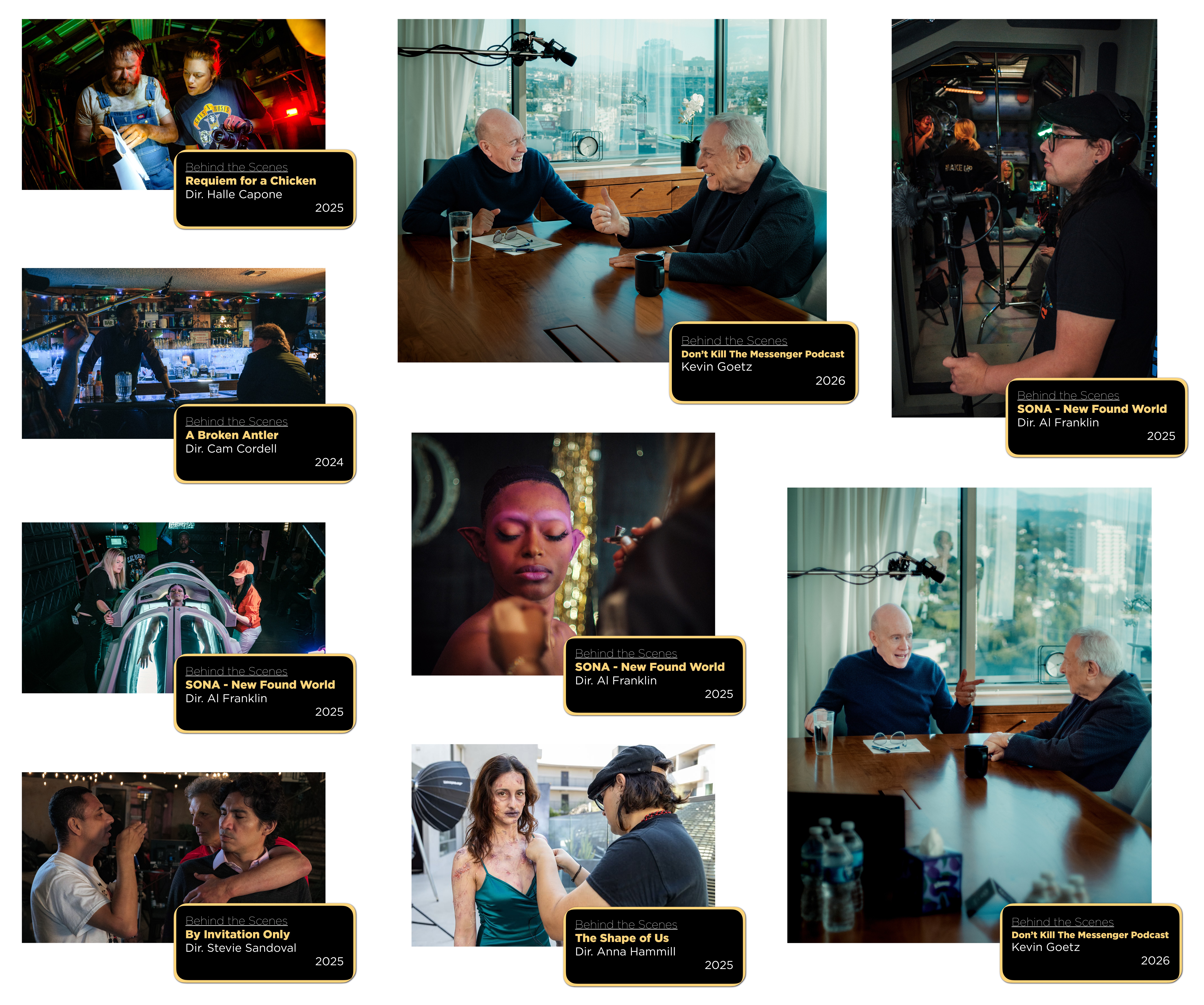
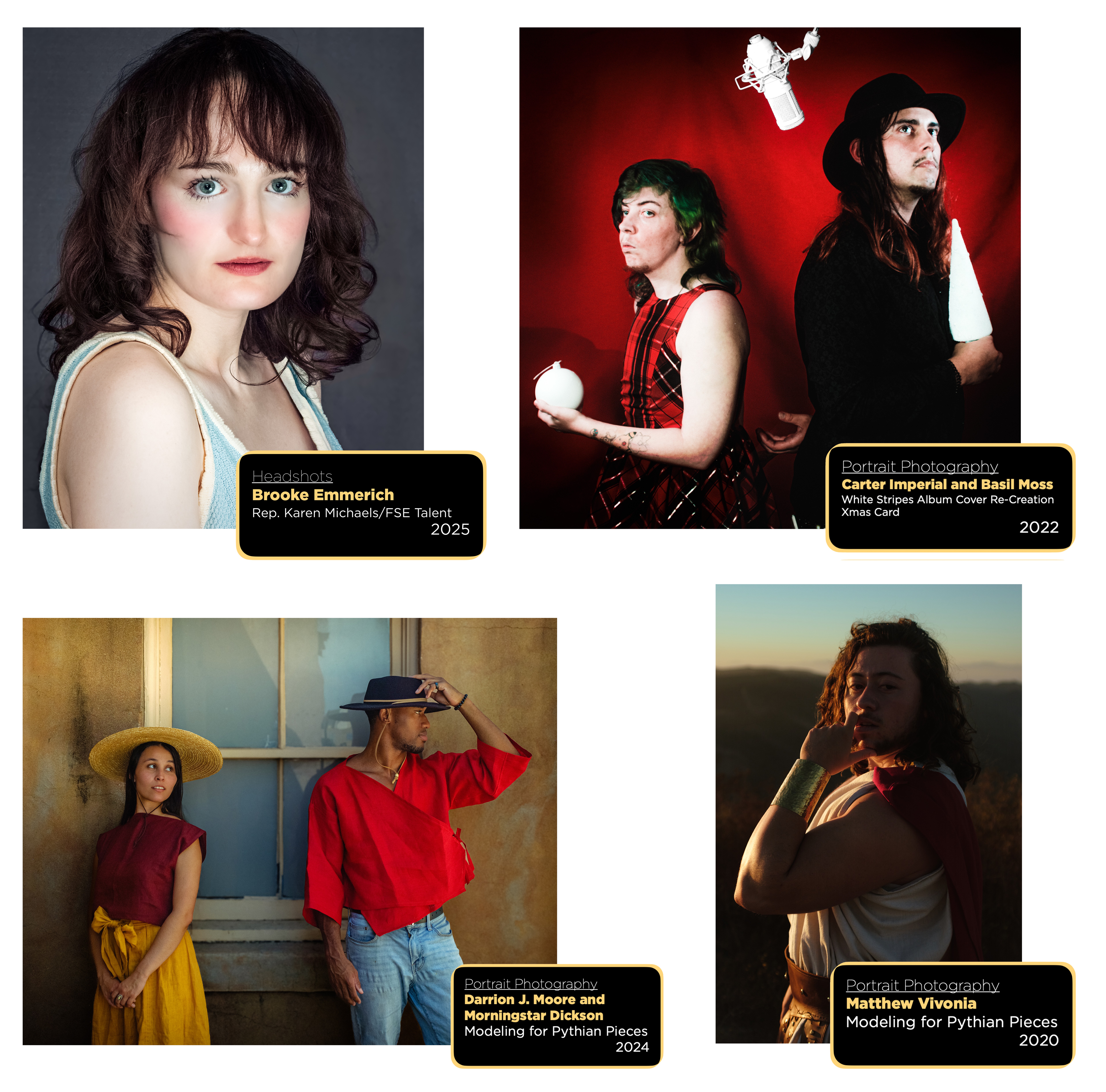
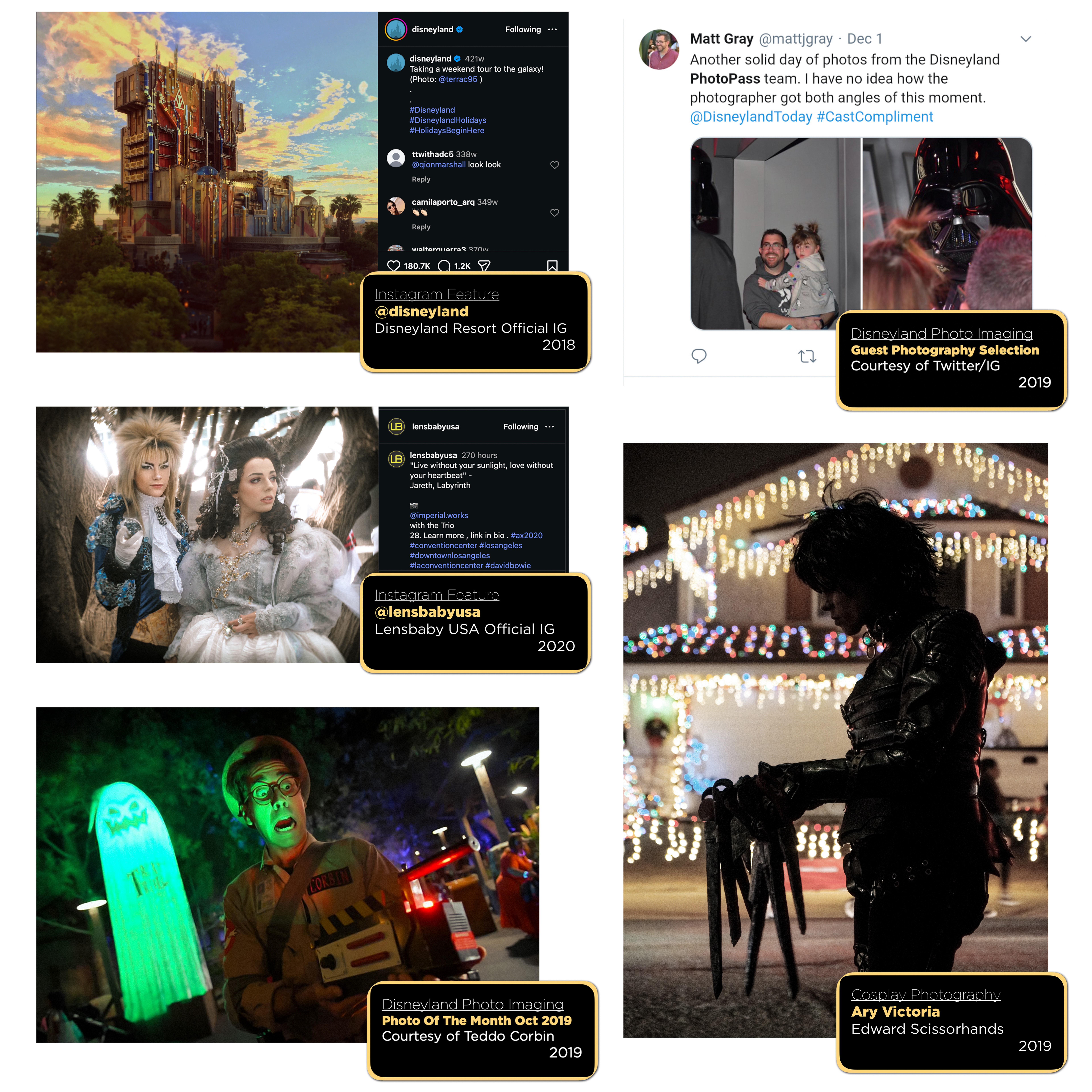
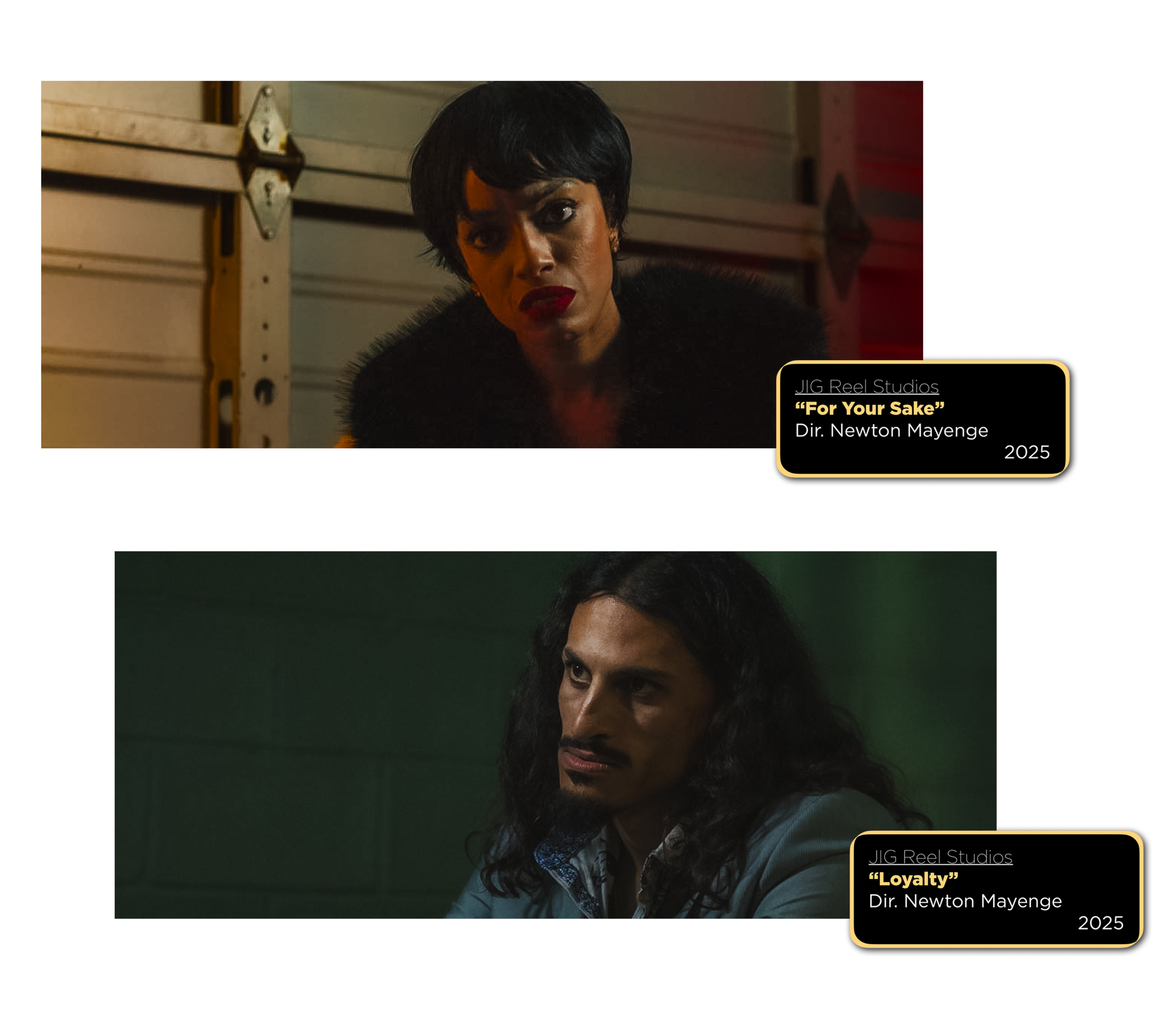
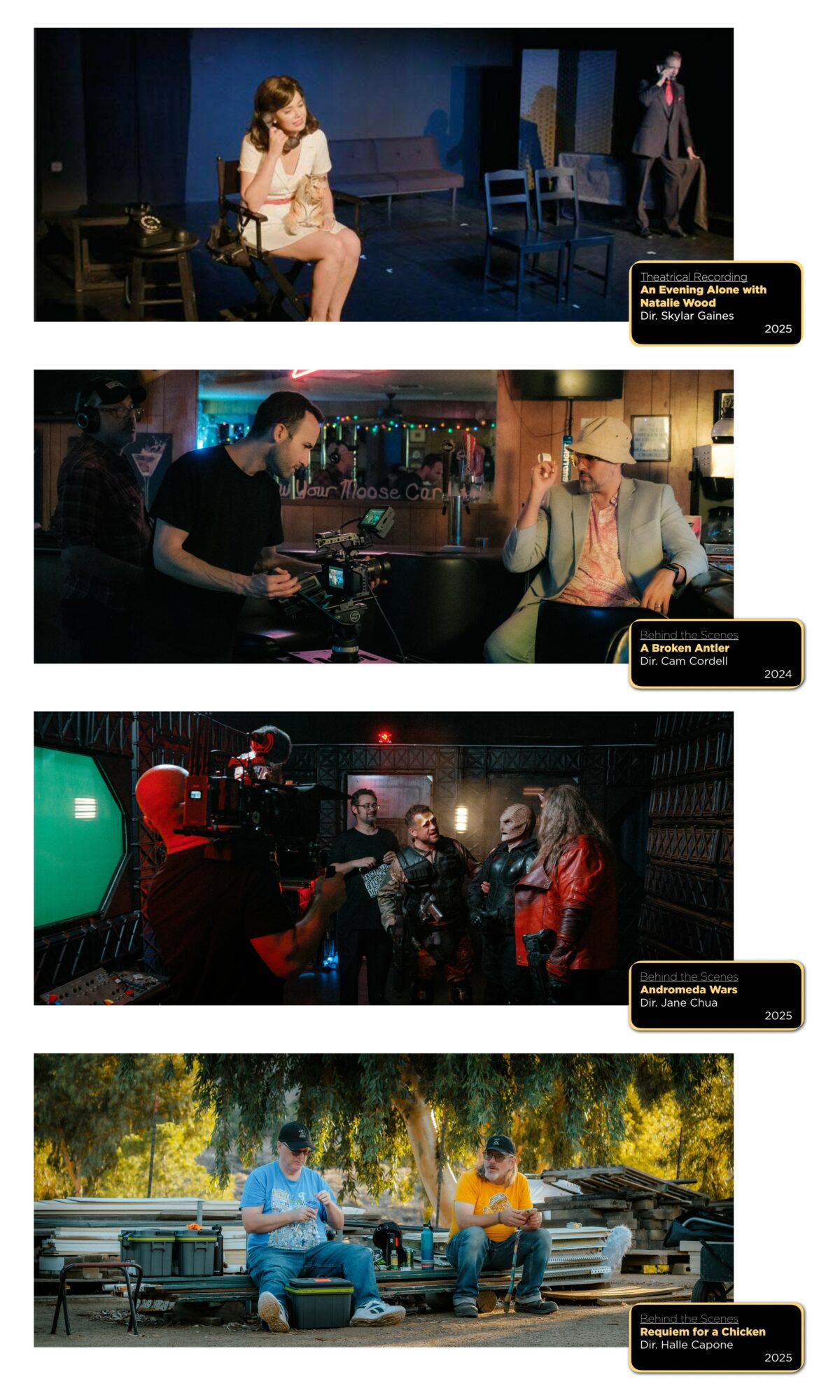
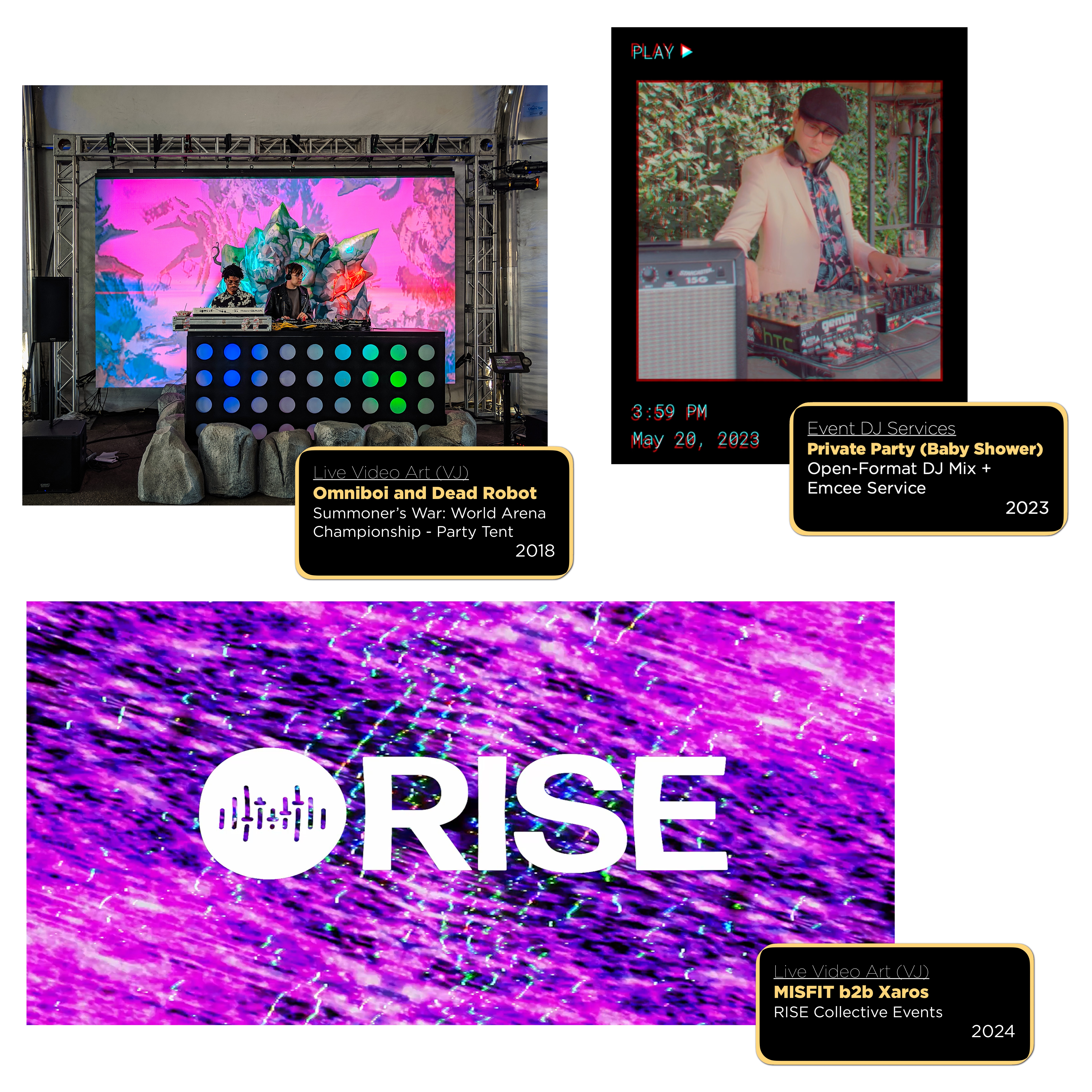
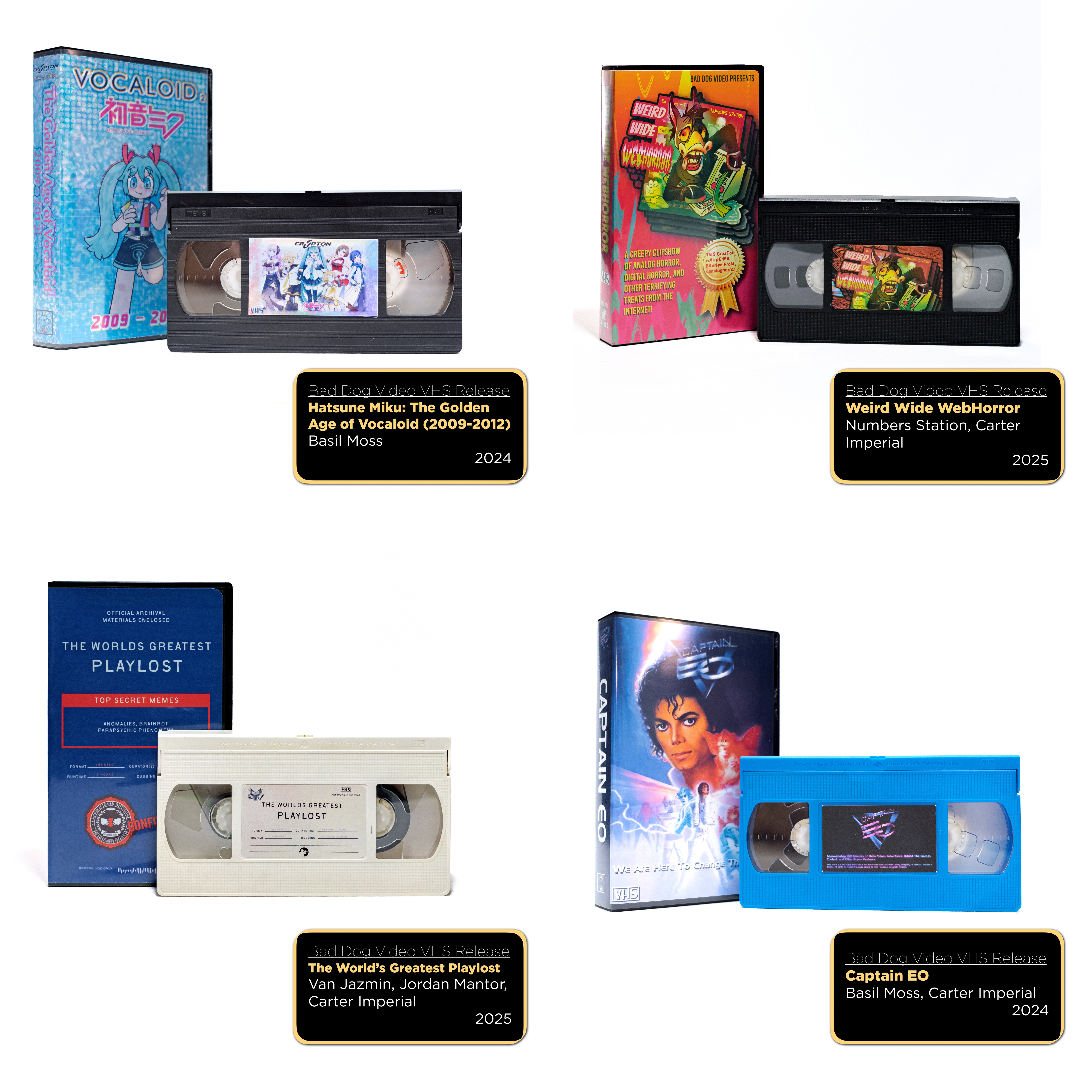
Image Credits
DJ Photos and BTS Audio Photos taken by Basil Moss and Stefania Koszti, all other images by Carter Imperial
Popular
-
Que Johnson on Building Brands That Last: From Visibility to True Market Authority
-

Christina Wren Steps Into the Director’s Chair to Tell Stories That Feel Like Home
-

Portraits of the Valley
-

LA’s Most Inspiring Stories
-
JordanL on ‘Breathe,’ Belief, and Building a Movement Beyond the Music
-
Megan Birney Rudert on How Access to Light Is Powering a More Sustainable and Equitable Future


