



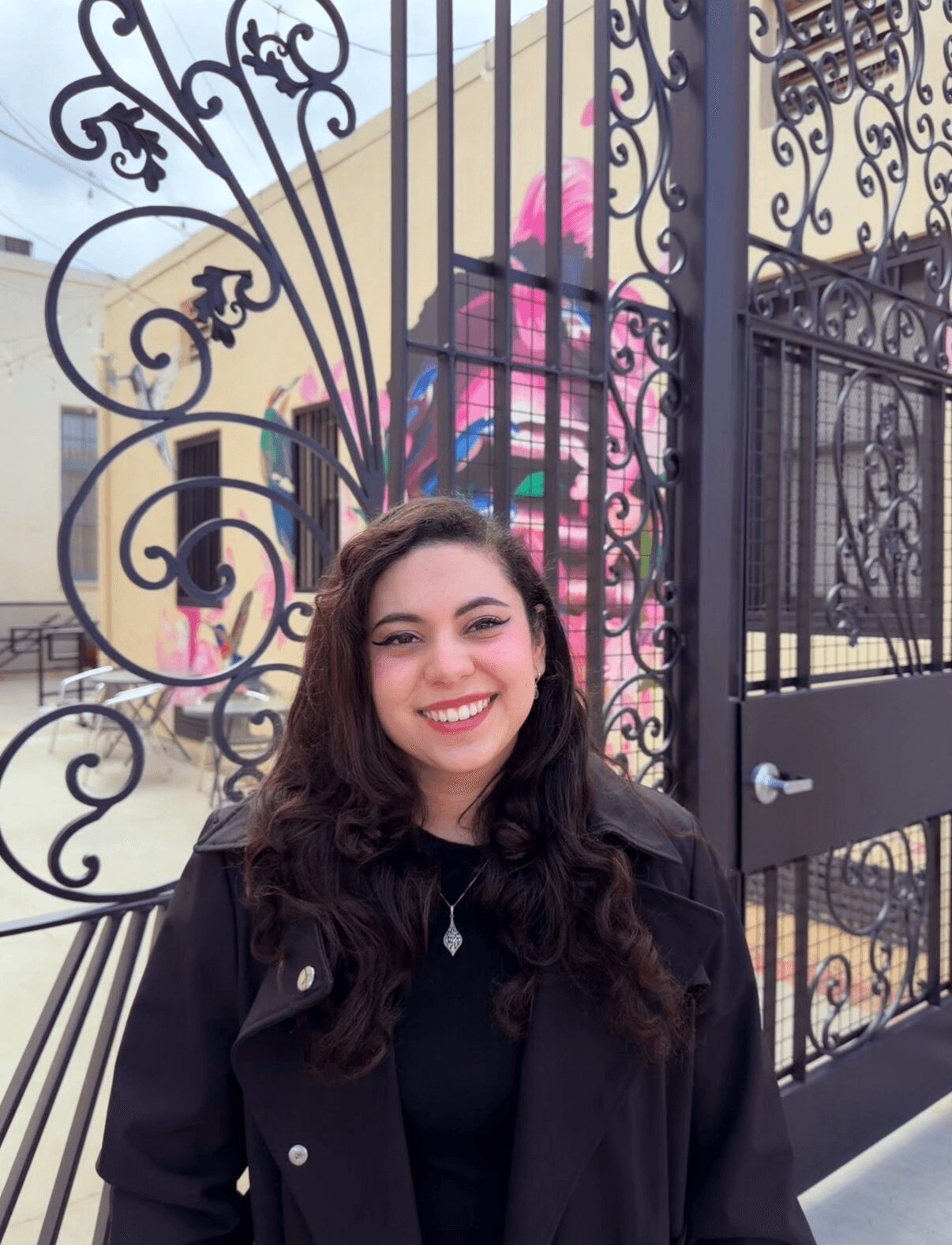
Today we’d like to introduce you to Cynthia Alvarado.
Hi Cynthia, we’re thrilled to have a chance to learn your story today. So, before we get into specifics, maybe you can briefly walk us through how you got to where you are today?
I’m Cynthia Stephanie Alvarado, a multidisciplinary artist, curator, and educator from Lancaster, California. As a kid, the Antelope Valley Press ran a story about me as a “Future Leader of Lancaster”—highlighting that I had a llama, dreamed of being a veterinarian, and was a dedicated karate student. People expected me to follow a traditional STEM path, but I was quietly creative—drawing, painting, and imagining stories whenever I could. Those rare moments of making stayed with me, shaping who I would become.
Everything shifted at UC Davis, when I met Professor Naomi Janowitz, an eccentric religious studies professor. She encouraged us to be “interesting people,” and pushed me to ask more of myself, to grow, and to take risks in pursuit of becoming my fullest self. I fell in love with strange readings, philosophical questions, and the way religion and meaning could be explored with curiosity rather than certainty. Later that year, despite a 22-unit course load, I enrolled in another class with her. I was exhausted—but happy.
That same quarter, I took an honors art class and realized that art was far more expansive and rigorous than I had imagined. Growing up, art classes weren’t accessible to me; college opened that door. I remember the moment I decided to change my path: it was my sophomore year of college, my room was covered in biology notes, chemistry equations, and a half-opened calculus book. I paused and asked myself, Do I hate myself? When was the last time I felt truly happy? I realized I could continue down the path the world expected—or I could follow what made me come alive and decided to jump headfirst into the humanities.
I went on to earn dual degrees in Art Studio and Religious Studies, with a minor in Art History. Art opened doors I hadn’t known existed: painting murals back home, studying in France, and building community through creative practice. Religious studies and art history taught me to see connections across cultures, time, and experience. Professors like Gina Werfel, Hearne Pardee, Suh Young, and Shiva Ahmandi shaped my thinking; Shiva once asked, “All good art has some kind of meaning. What is your meaning? What are you trying to say?” Those words helped me find my voice as an artist and continue to guide my curatorial work today.
After college, life took unexpected turns. The pandemic hit, and I returned home with my network gone and my creative rhythm disrupted. Covid weakened my mind and body and later on, a car accident left me with post-concussion syndrome, constant headaches, and vertigo. For a long time, I didn’t feel functional. The years 2021 and 2022 feel blurred—I was drawing and working, but I wasn’t fully myself.
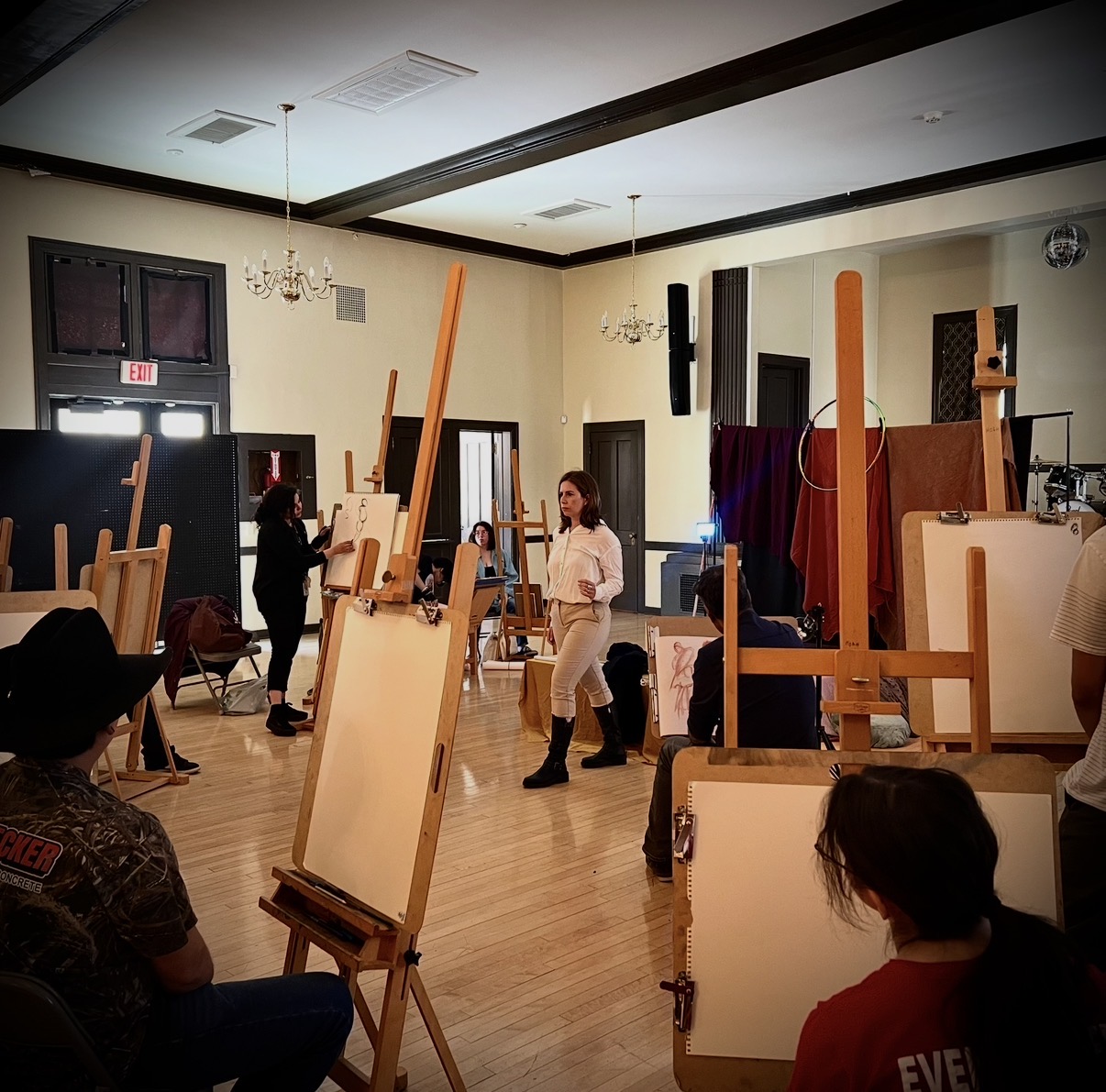
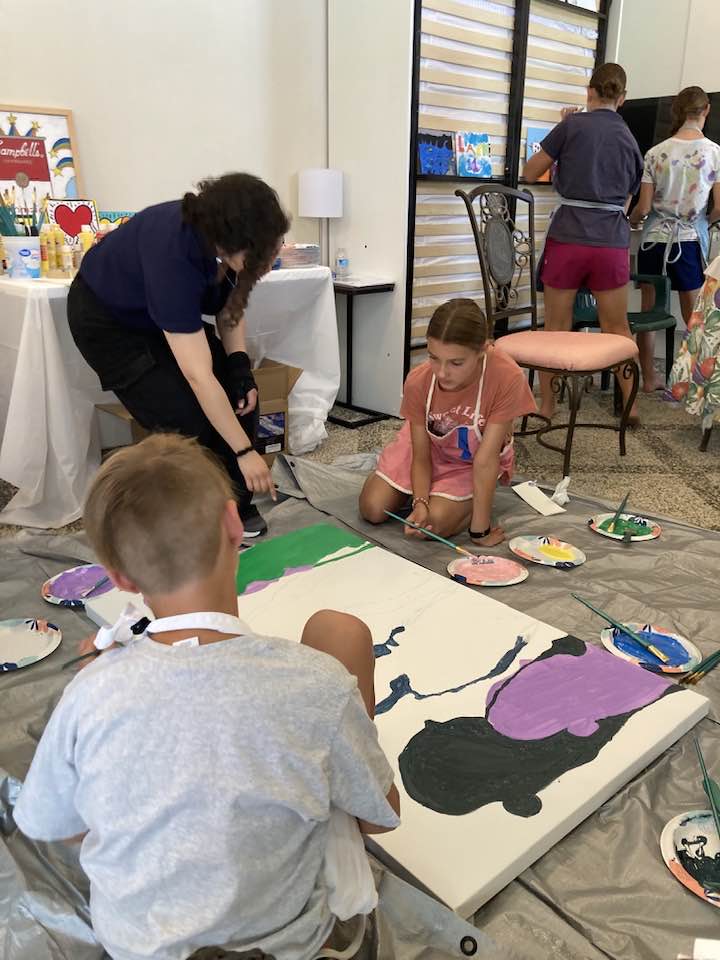
During this time, I began facilitating figure drawing classes at the Lancaster Museum of Art and History’s Cedar Center (MOAH:CEDAR). Facilitating figure drawing and teaching became a lifeline. Watching people discover their own creativity reminded me why I make art: for connection, curiosity, and care. Through giving to others, I began to rebuild myself.
I was fortunate to find mentors along the way. Renato De Guia encouraged me to stay disciplined and honest in my work. In the museum, I watched and learned from Jason Jenn—how to curate thoughtfully, support artists, and shape meaningful experiences.
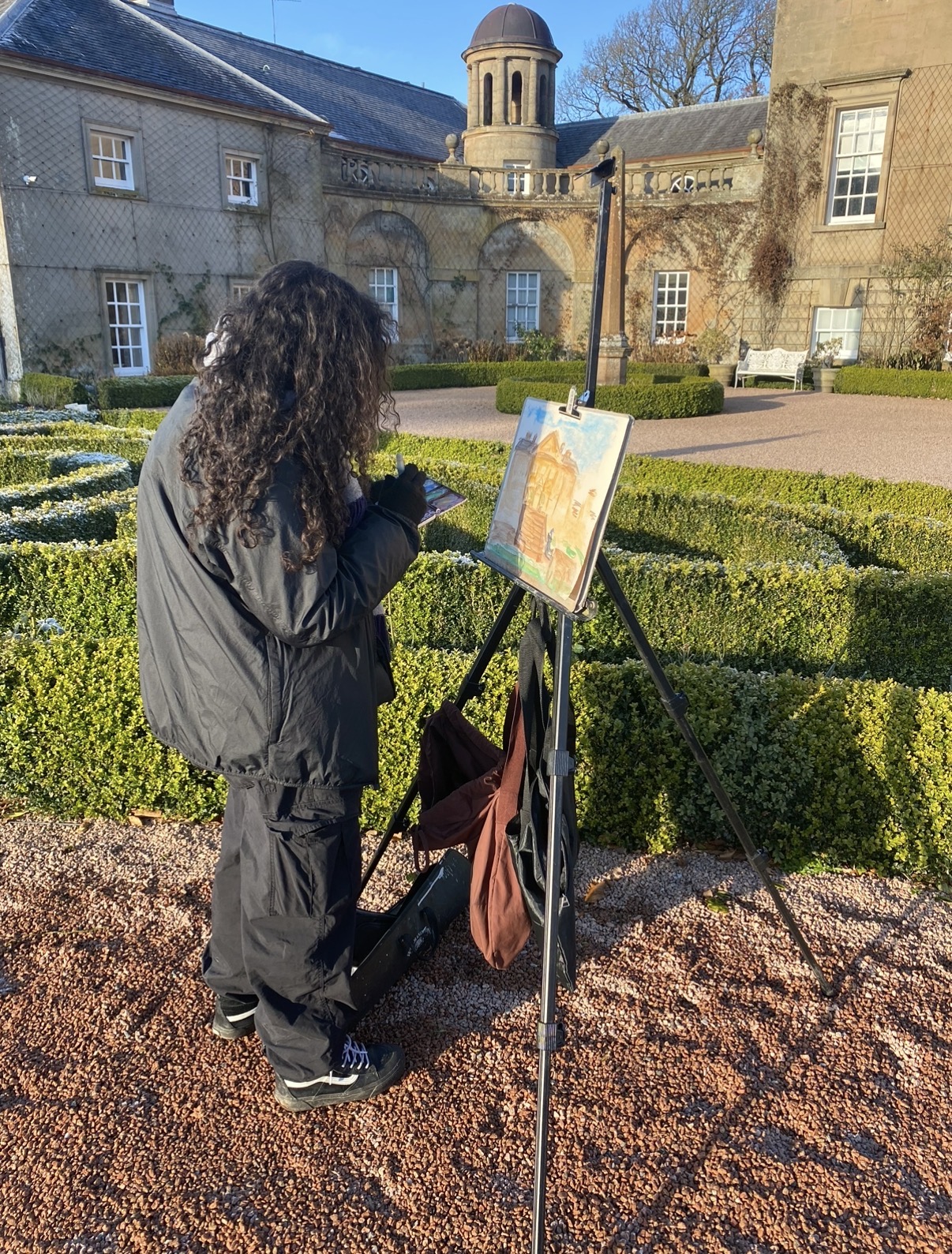
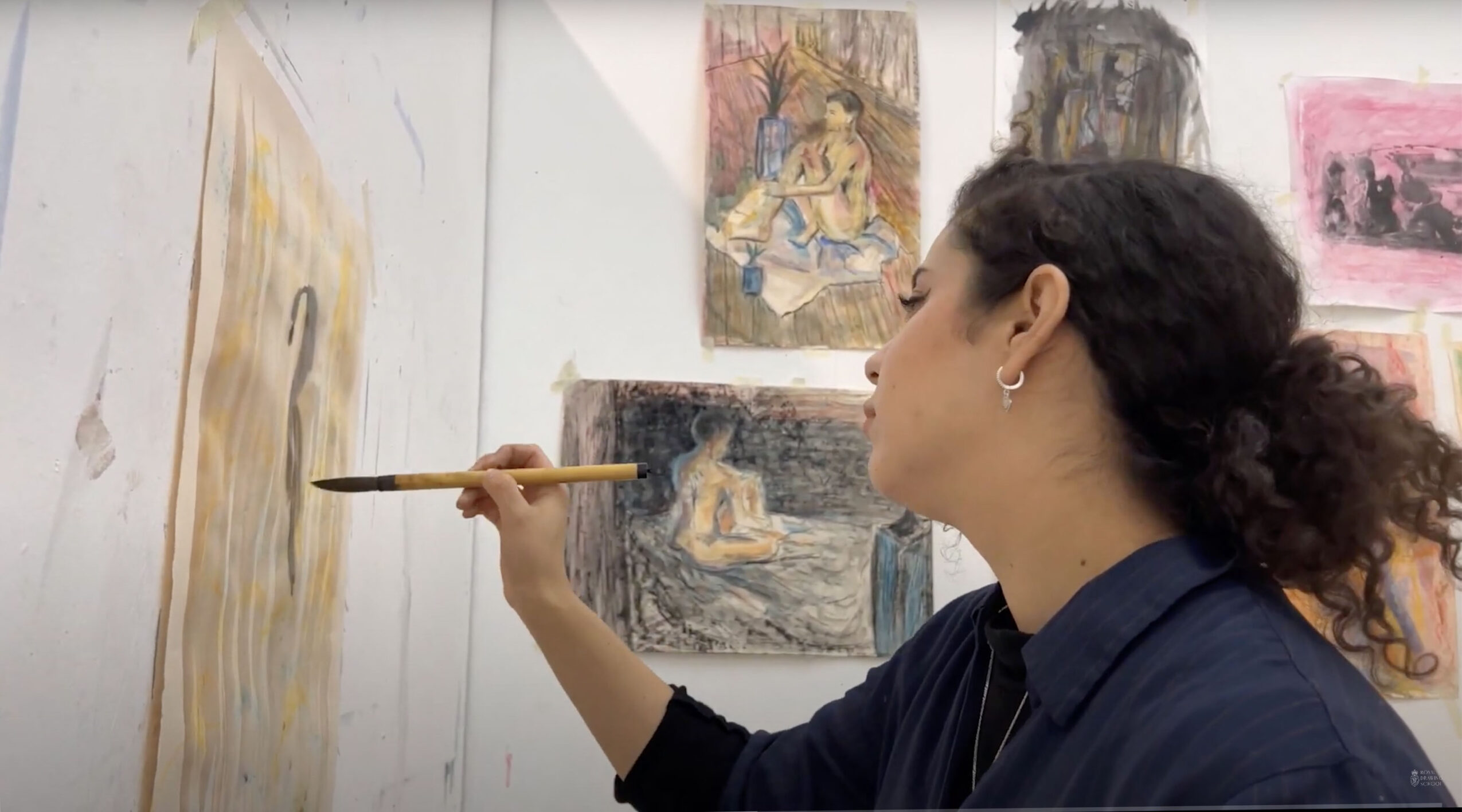
By 2023, my health began to improve enough for me to consider applying for the residencies I had dreamed of since graduating college, but fear of my health had created doubt. With encouragement from my friend, Victoria Lee, I took a risk and I applied to Jan and Maria Manetti Shrem International Artist Residency at The Royal Drawing School in London and Dumfries House in Scotland—and was accepted. Living and working abroad was transformative, deepening my interest in blending careful observation with imagination and expanding my artistic horizons.
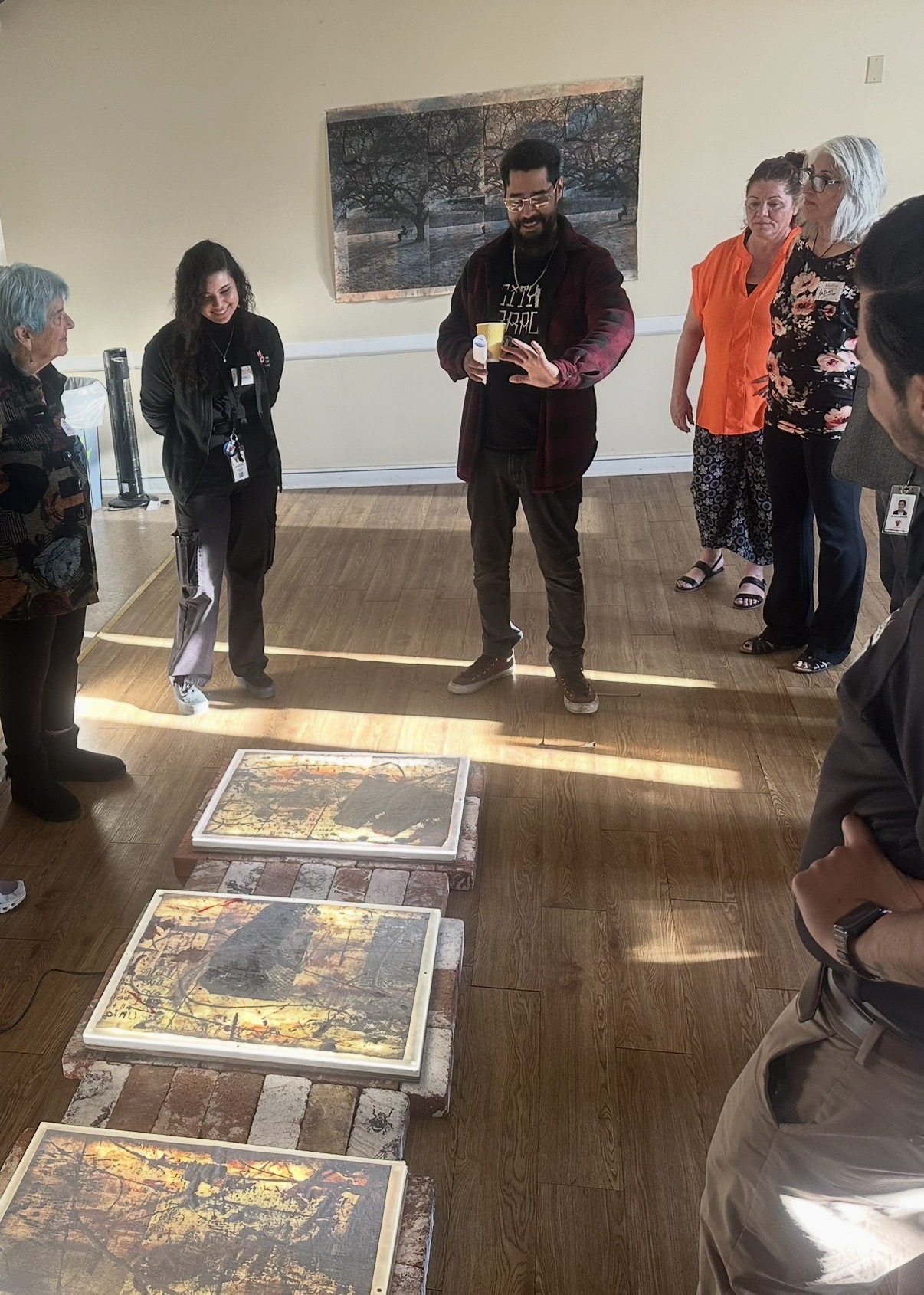
Returning to Lancaster, I stepped into the Curatorial Assistant role at MOAH:CEDAR, later moving into the Curatorial Coordinator position for the Cedar Campus. Each transition was a chance to grow, curate exhibitions, and apply everything I had learned as both an artist and educator.
Around the same time, I returned to karate under the guidance of my sensei and childhood mentor, Matt Erolin. In 2025, I stepped back into competition and earned two World Karate bronze medals. Becoming a curator and stepping onto the world stage in karate happened in parallel, each reinforcing the other. Karate gave me a lens for risk—how to trust myself, move forward when uncertain, and stay grounded. That perspective now informs both my art and my curatorial work.
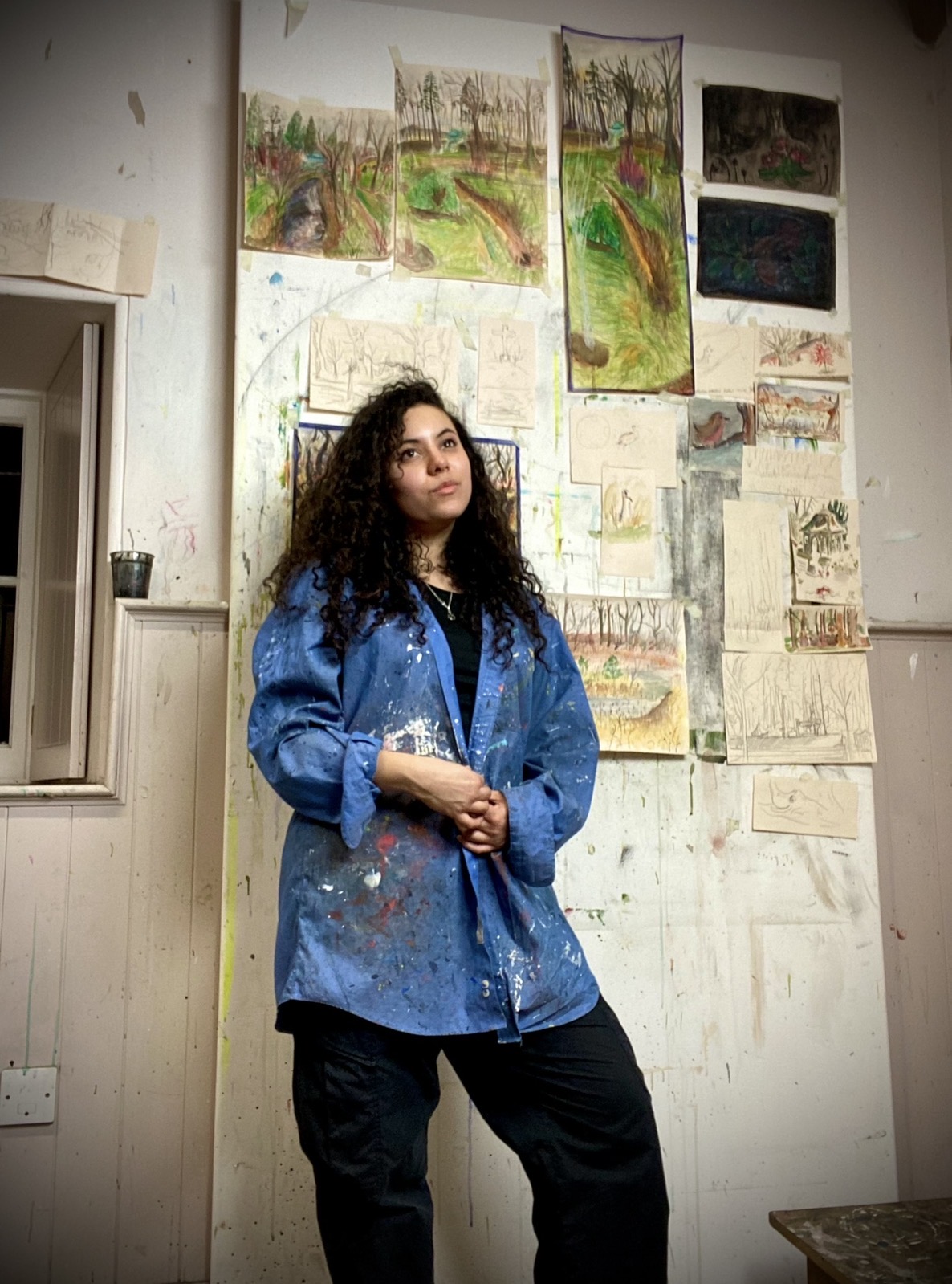
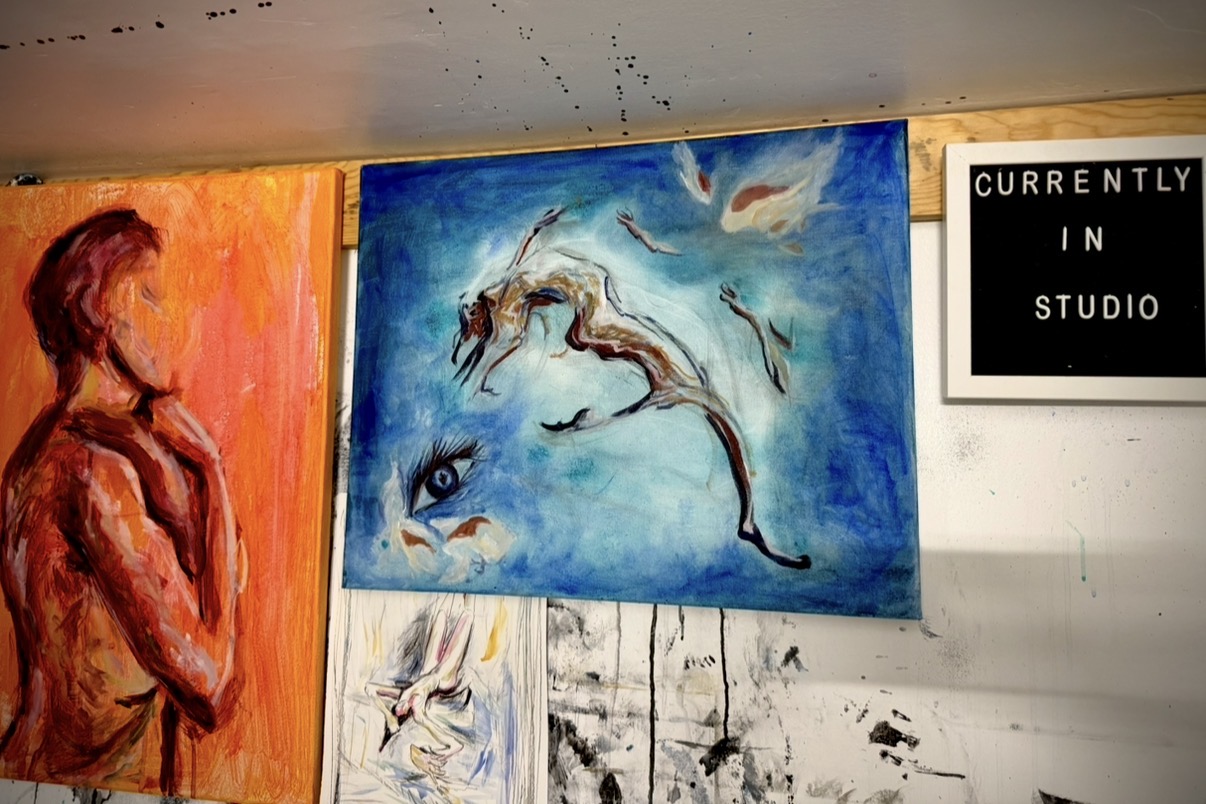
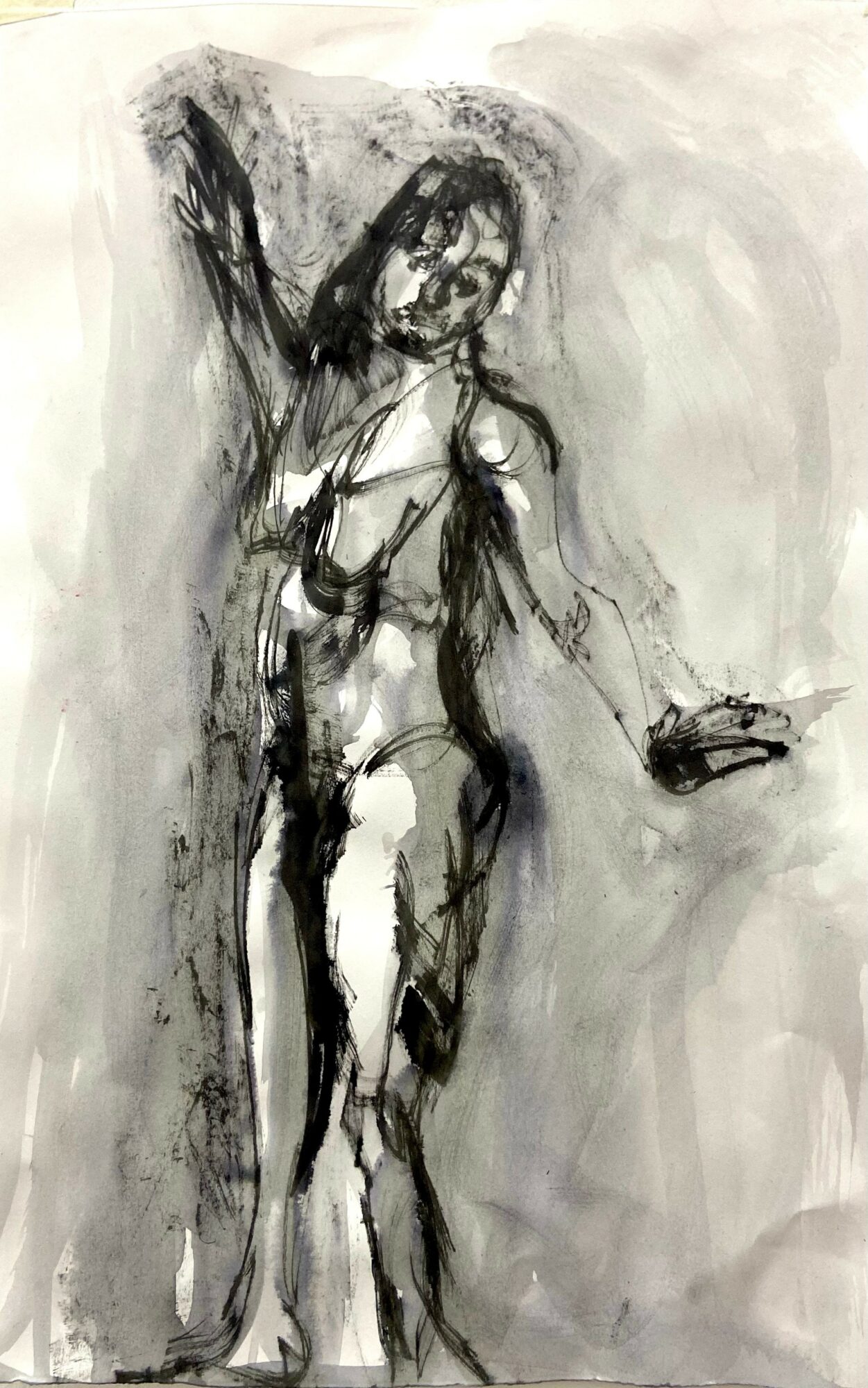
Today, I am a curator, artist, and educator. I no longer teach regularly, but I can, and I draw on those experiences when mentoring, working with the public, or creating. My artistic practice is rooted in narrative storytelling, surrealism, and observational drawing—spaces where imagination and careful looking coexist. After illness and recovery, my work is slower, intentional, and grounded in attention, often exploring mental health, recovery, and perseverance.
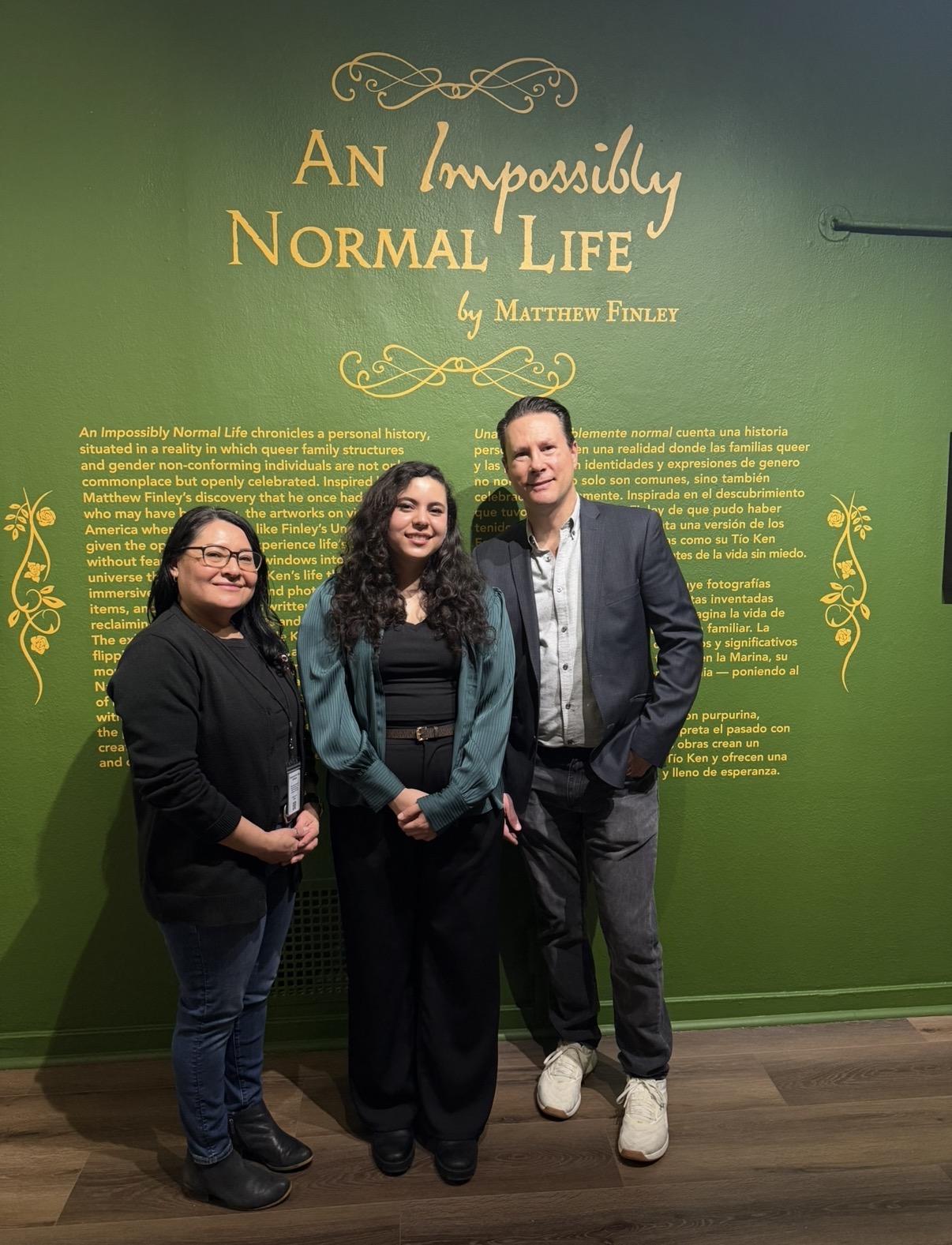
As a Curator, I recently curated An Impossibly Normal Life by Matthew Finley, reaffirming how much I love supporting artists, shaping experiences, and fostering connection through immersive story telling. Through my job I also host our museum podcast, extending conversations about art and culture beyond our walls.
I’ve learned and believe creativity is a universal language and a compass that brings us back to our truest selves.
If my work offers anything, it’s permission: to follow curiosity, to take risks, to change direction, and to embrace uncertainty. There is no single path—only the one you choose, and choose again. And along the way, if you lead with heart, you just might surprise yourself—discovering more courage, more resilience, and deeper connection than you ever imagined.
We all face challenges, but looking back would you describe it as a relatively smooth road?
It was never a smooth road—but it has been a road shaped by perseverance.
Not having the opportunity to explore art before college was an obstacle I didn’t fully understand at the time. In hindsight, it only deepened my curiosity. When I finally encountered art in college, I pursued it with urgency and care.
When college ended, I didn’t know what came next. I only knew that creativity, art, and people needed to be at the center of my life. Then the pandemic hit.
I returned home and lost my sense of direction—my network, my momentum, and, in many ways, myself. COVID weakened me cognitively and emotionally. I struggled to focus, to process, and to trust my own mind. About a year later, I was in a car accident that left me with post-concussion syndrome, compounding these challenges with constant headaches and vertigo, physically limiting me. For a long time, I didn’t feel functional. It was a deeply humbling time in my life.
I had spent my adolescence and young adulthood pushing my body—taking pride in how little sleep I needed and how much I could endure. In order to heal, I had to let that version of myself go.
As my health faltered, so did my sense of self-worth. The years 2021 and 2022 feel blurred. I know I was working, drawing, exhibiting artwork, and living—but I wasn’t fully myself, everything came at a cost.
I had to accept new physical limitations and learn to slow down. Unexpectedly, slowing down became essential. I focused on what I could do, rather than what I couldn’t or wished I could.
I couldn’t exhaust myself. Rest became non-negotiable. It felt as though I had a limited amount of battery life each day—I couldn’t go out late, stay up long hours, or spend extended time staring at screens. But I could draw. I could work with pen and paper. I feared I might never fully recover, but at least I could draw.
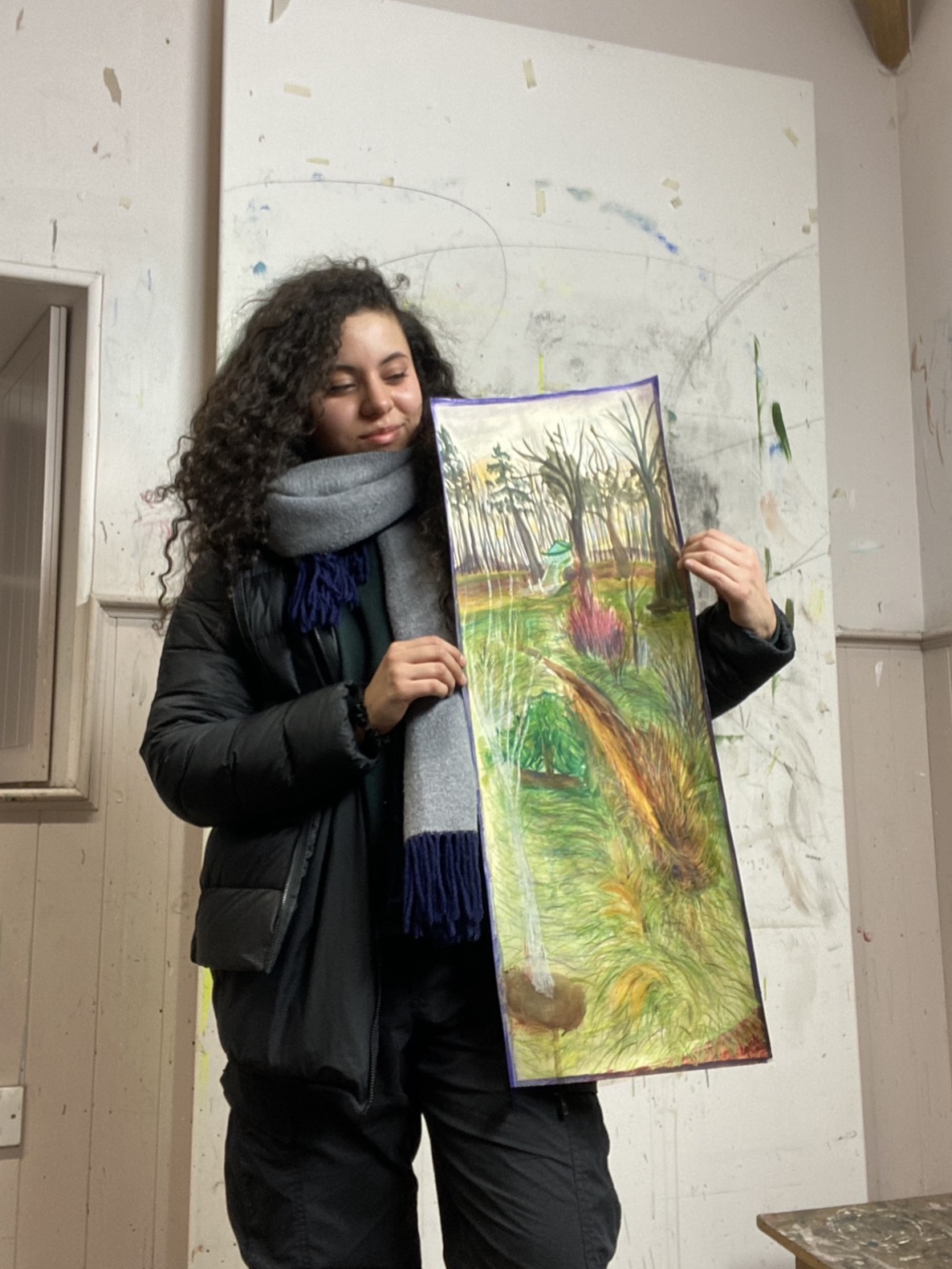
During this period, I refined my drawing practice and began building the body of work that eventually led me to apply to—and be accepted into—the Royal Drawing School’s Artist Residency programs in spring 2023. I was one of four artists as part of the Jan and Maria Manetti Shrem International Artist Residency Program for UC Davis Alumni.
At the same time in my search for healing from post-concussion syndrome, I also returned to martial arts. This came with its own challenges: I was physically weaker than I had once been as a teen, and I continued to struggle with light sensitivity and migraines from my post concussion symptoms. Still, being back in that environment helped me rebuild my confidence and reconnect with a sense of self that had felt distant and lost.
Professionally, my greatest challenge was finding my way in a completely different location than where I received my education—building a network and finding the right mentorships. I was fortunate to find MOAH:CEDAR, where I approached every opportunity as a chance to learn, observing closely and growing with and through the people around me.
Thanks for sharing that. So, maybe next you can tell us a bit more about your work?
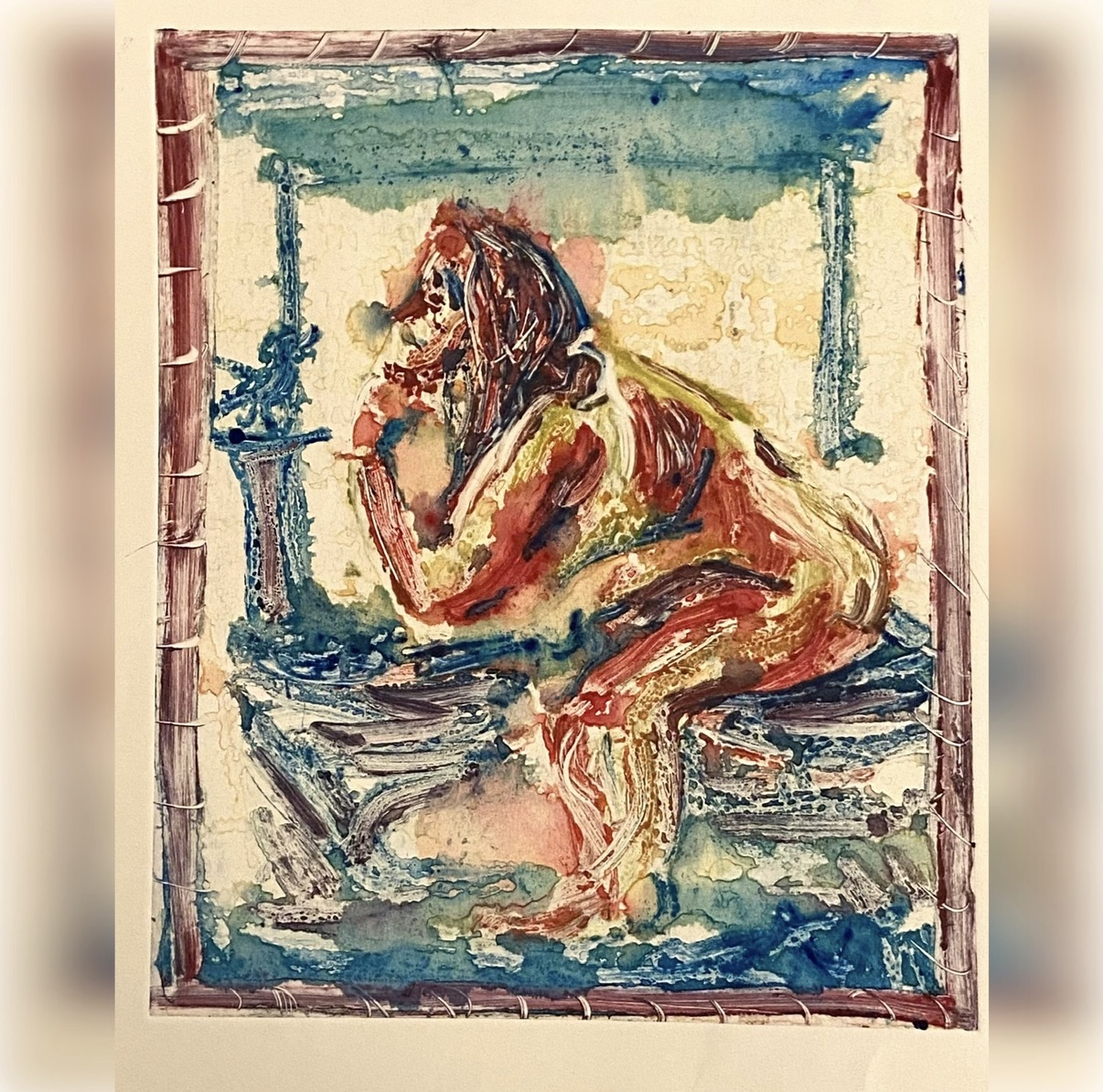
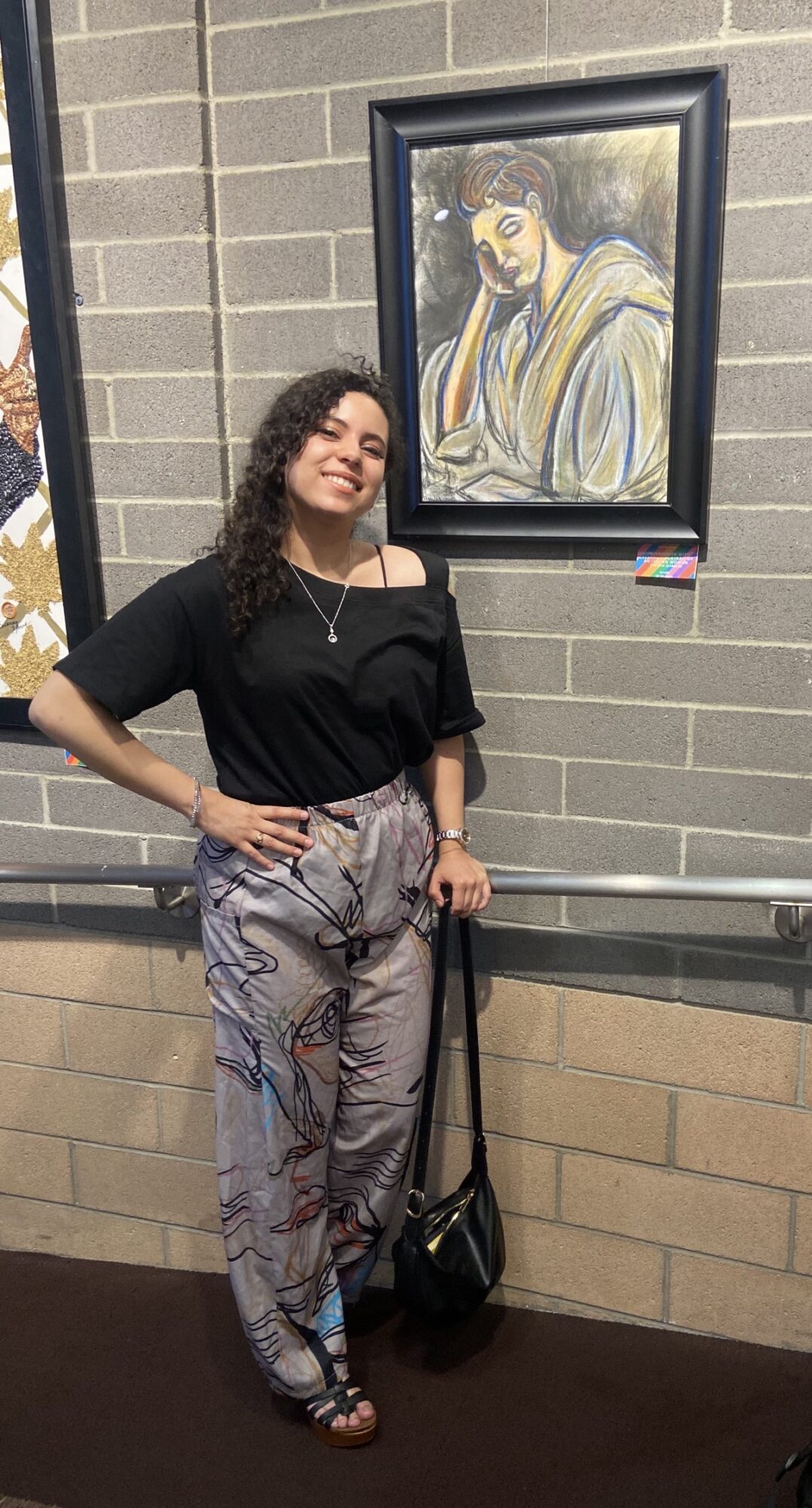
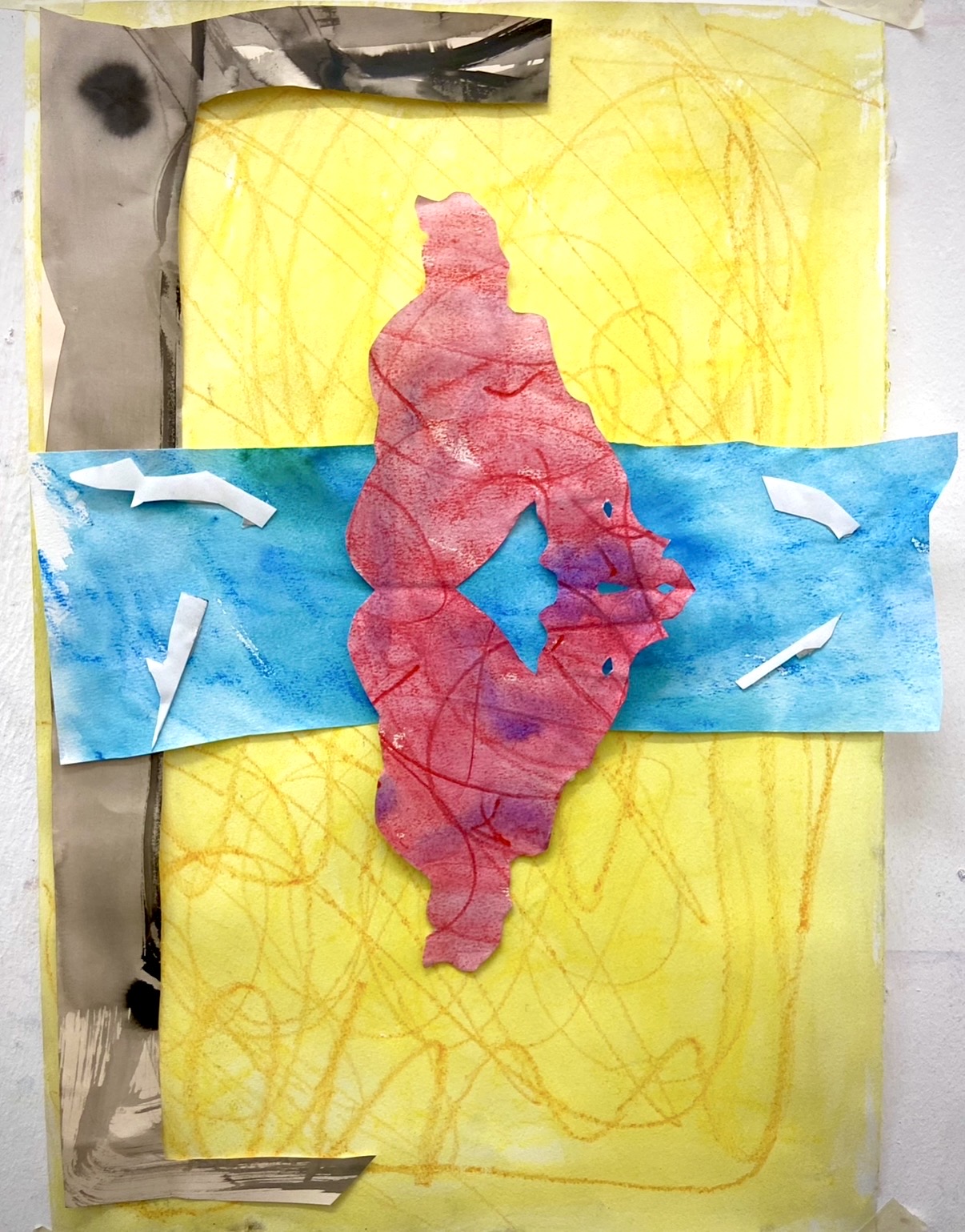
I am Cynthia “SCYAL” Alvarado, a multidisciplinary artist, curator, and educator. My work as artist spans drawing, printmaking, painting, photography and installation, with a focus on narrative storytelling, surrealism, and observational drawing—spaces where imagination meets careful observation. I aim to create work that explores mental health, recovery, and perseverance, often using my personal experiences as a lens to connect with others.
I specialize in building visual and conceptual worlds that merge careful study of the real with imaginative leaps, and in my curatorial practice, I focus on creating exhibitions that elevate artists’ voices while engaging audiences thoughtfully.
I’ve had the privilege of completing international artist residencies at The Royal Drawing School in London and Dumfries House in Scotland, experiences that expanded my practice and deepened my understanding of the global art community.
What I’m most proud of is being able to give back to my community in Lancaster, California and help other artists learn and grow both inside and outside the museum. In my community for many years 2021-June 2024 I was known for my role as the Figure Drawing Facilitator/Instructor at MOAH:CEDAR, then as the Curatorial Assistant June 2024-June 2025 and now (June 2025-Present) as the Curator for MOAH:CEDAR. I am also known as a Martial Arts Assistant Instructor, and drawing mentor to some local community members.
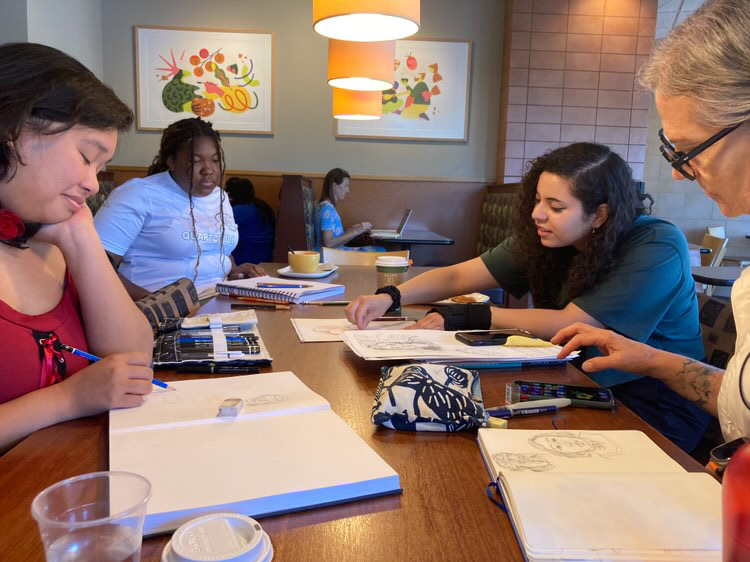
Growing up, opportunities in the arts were limited; now, through my personal and professional work, I help shape programs, mentor young people, and support artists—helping others access the kinds of experiences I once longed for and didn’t know existed. Through my job I also host the museum’s podcast, extending conversations about art and culture beyond the gallery walls.
What sets me apart is the combination of lived experience, resilience, and risk-taking that informs all I do. From changing my life path and pursuing a dual degree in Art Studio and Religious Studies to returning to karate and earning two World Karate bronze medals while building a curatorial career, my path is unconventional—but it has given me a unique perspective on discipline, mentorship, and the power of creativity to transform lives.
We’d love to hear about how you think about risk taking?
Risk has been central to my life and my work, even if I didn’t always recognize it at the time. Early on, I took a major risk simply by choosing to step away from the path the world expected of me. In my sophomore year of college, buried under biology notes, chemistry equations, and calculus books, I asked myself a hard question: Do I hate myself? I realized I wasn’t living in alignment with what made me feel alive—art, curiosity, and creativity—and I made the choice to jump headfirst into the humanities. That decision shaped everything that followed.
Over the years people from my past have questioned my choice and have expressed their struggle to understand it, where as other have celebrated it with me. At the end of the day, I know I chose the right path for me and that is all that matters.
My willingness to take risks showed up with sticking with art despite doubts in and after illness and injury, applying for international residencies even when my health was fragile, and taking leaps out of my comfort zone by stepping into new roles at MOAH:CEDAR, first as Curatorial Assistant and then/now as the Curator and Coordinator for the site. Each opportunity came with uncertainty, and each taught me how to trust myself, learn quickly, and navigate challenges with intention.
Even in karate, I’ve learned that risk doesn’t mean recklessness—it means stepping into the unknown with focus, discipline, and courage. Winning two World Karate bronze medals after returning to competition after not competing in 7-8 years reminded me that taking measured risks can push you further than you imagined, whether in life, your career, art and leadership.
For me, risk is about choice: choosing to honor your curiosity, to pursue growth, and to act even when the outcome isn’t guaranteed. It’s the path to becoming, not about what you achieve, or as my childhood mentor would say, “It’s not about what you achieve, it’s about who you become.”
Contact Info:
- Website: https://scyalart.com
- Instagram: https://instagram.com/scyalart
- LinkedIn: https://www.linkedin.com/in/cynthia-alvarado-a3a28819a/
- Other: https://moahcedar.org
Popular
-
Que Johnson on Building Brands That Last: From Visibility to True Market Authority
-
Christina Wren Steps Into the Director’s Chair to Tell Stories That Feel Like Home
-

Portraits of the Valley
-
LA’s Most Inspiring Stories
-
JordanL on ‘Breathe,’ Belief, and Building a Movement Beyond the Music
-
Megan Birney Rudert on How Access to Light Is Powering a More Sustainable and Equitable Future


