




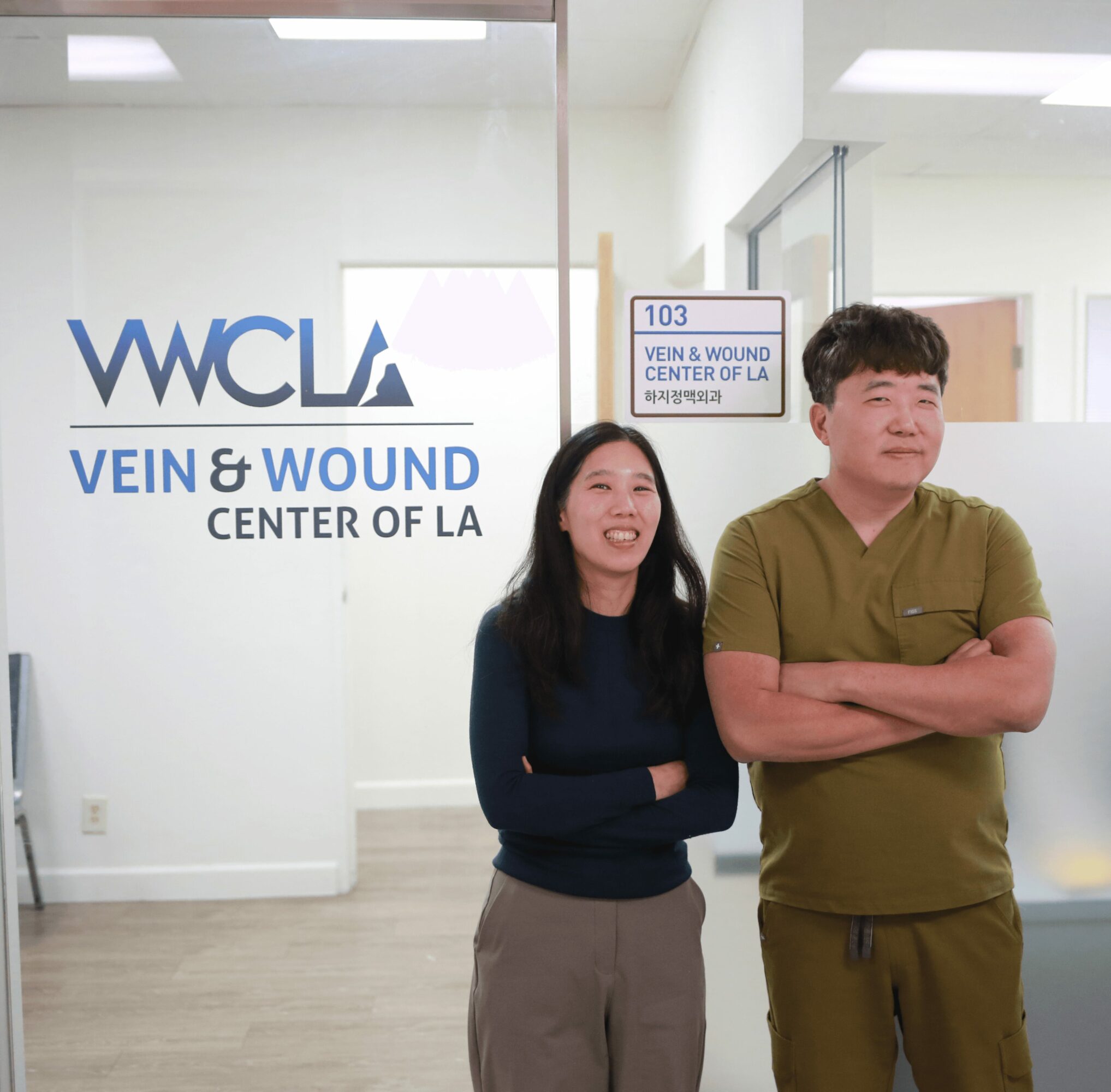
Today we’d like to introduce you to Christopher Kim.
Hi Christopher, thanks for joining us today. We’d love for you to start by introducing yourself.
My journey to where I am today is a story of moving from a high-volume institutional mindset to an entrepreneurial one. After years of rigorous surgical training—including serving on the front lines during the pandemic—I spent several years working within the corporate medical world.
While I’m grateful for the lessons I learned in those large groups, I eventually reached a point where I realized that the corporate model often prioritizes volume over the nuanced, individualized care required for complex cases. Additionally, I wanted to combine the two clinical areas I specialized in under one roof. Ultimately, I knew that I wanted to own my own business for true independence and the ability to practice medicine on my own terms, with an emphasis on quality rather than just churning patients.
I saw a clear gap in the market for this type of specialty practice, particularly in the Korean community. While there are many Korean-speaking primary care doctors and internists, there is a shortage of surgical specialists in Koreatown. Los Angeles is an incredibly competitive market filled with some of the brightest and most pedigreed people in the world; I knew I had to play to my strengths rather than try to go toe-to-toe with the massive institutional giants or the large, legacy vascular practices that have dominated the area for decades. Starting a private practice is especially difficult today given the dominance of hospital systems, private equity, and the changing insurance landscape, but I felt my specific focus provided a value they couldn’t match.
Building an independent specialty center from scratch requires significant capital. I didn’t want to rely on outside investors who might compromise the clinical vision or prioritize profit margins over patient care, so I decided to self-fund the entire launch.
For several years, I worked 80-hour weeks, juggling multiple clinical jobs and contracts simultaneously. It was a period of intense hustle—essentially working two full-time careers at once to save the startup capital. At the same time, my wife and I had just started a family. I was stretched thin, trying to be present for the baby and toddler years while grinding to build our future.
I knew from the start that I wanted my wife to manage the practice. In a business like this, you need someone you trust implicitly to oversee the operations and protect the firm’s interests. It took some time to convince her, as she was planning to return to her own career in the pharmaceutical industry, but I eventually persuaded her to join forces with me. I told her that by building this together, we’d not only have more control over our future, but the long-term rewards—both professionally and financially—would be far greater than if we stayed on separate corporate paths. It is truly a family-run business, and that’s a big part of why we care so much about its success.
That experience was my “real-world MBA.” It taught me the value of every dollar and solidified my commitment to this project. By the time I opened the doors, I wasn’t just the physician; I was a founder who had personally earned the right to practice medicine on my own terms. Today, that same work ethic is the foundation of the care we provide.
Can you talk to us a bit about the challenges and lessons you’ve learned along the way. Looking back would you say it’s been easy or smooth in retrospect?
The road has been anything but smooth; it’s been a steep climb against a very established status quo. The first major struggle was the sheer physical and mental toll of the self-funding phase—working 80-hour weeks across multiple clinical contracts while navigating the toddler years with a new baby at home.
Beyond the financial hurdles, I faced a significant ‘market entry’ barrier. Los Angeles is dominated by massive hospital systems and legacy vascular groups. As an independent founder, I started as an outsider trying to break into a very closed ecosystem. I had to prove that a specialized, family-run practice could offer a level of accountability that the giants couldn’t match.
The most sobering struggle, however, was the ‘real-world’ business education I received. I quickly learned that while there are many consumer protections in place, there are very few protections for one business dealing with another. I had to learn the hard way to be incredibly meticulous about vetting every vendor. Early in the practice, we worked with an MSO to establish our basics, but I soon realized that even with professional guidance, the final responsibility for every deal rested on me. I learned that some large vendors will try to use their scale to pressure a small practice, and I had to find the backbone to stand my ground.
The transition to being an employer has also been a profound responsibility. My staff members are depending on me as a small business owner to help provide for their families. They are taking a personal risk by choosing to work for a growing independent practice rather than a large, stable corporate group. I feel the weight of that trust every day. However, as a self-funded startup, we don’t have unlimited cash reserves. Balancing the desire to take care of my team with the reality of a tight budget is a constant, delicate act.
To this day, the grind continues. I find myself staying up late every night troubleshooting technical problems and process inefficiencies after a full day of clinical work. Balancing patient care with the ‘back-office’ battle is a constant pressure. The hardest part of the road is the total lack of a safety net. In a large group, the institution absorbs the mistakes. Here, I am the safety net. While navigating the ‘red tape’ of the business world is a daily battle, that pressure is my greatest competitive advantage. It forces a level of hyper-vigilance you simply don’t find in a high-volume assembly line. My results, and the integrity of this business, have to speak for themselves.
We’ve been impressed with Vein and Wound Center of LA, but for folks who might not be as familiar, what can you share with them about what you do and what sets you apart from others?
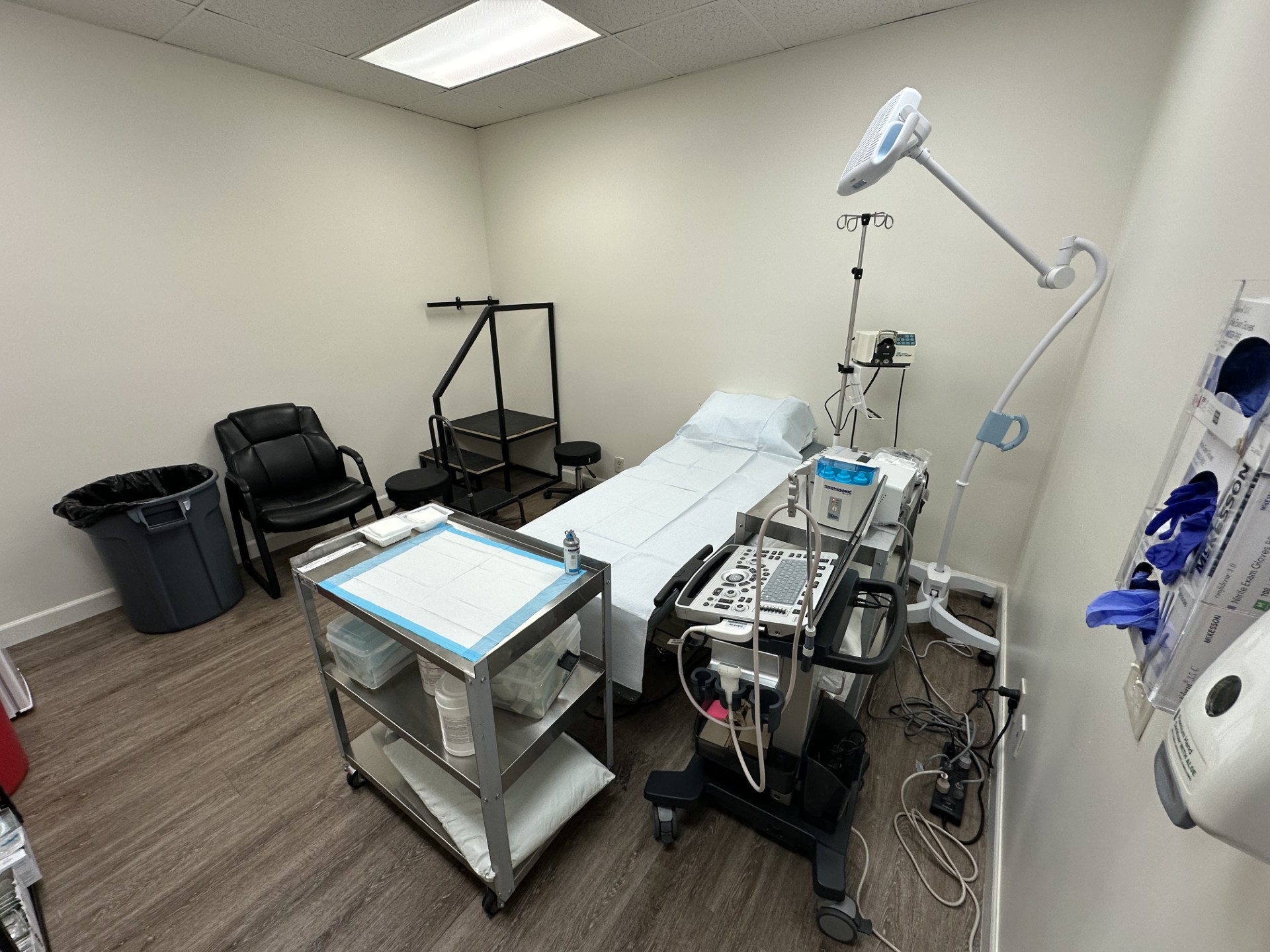
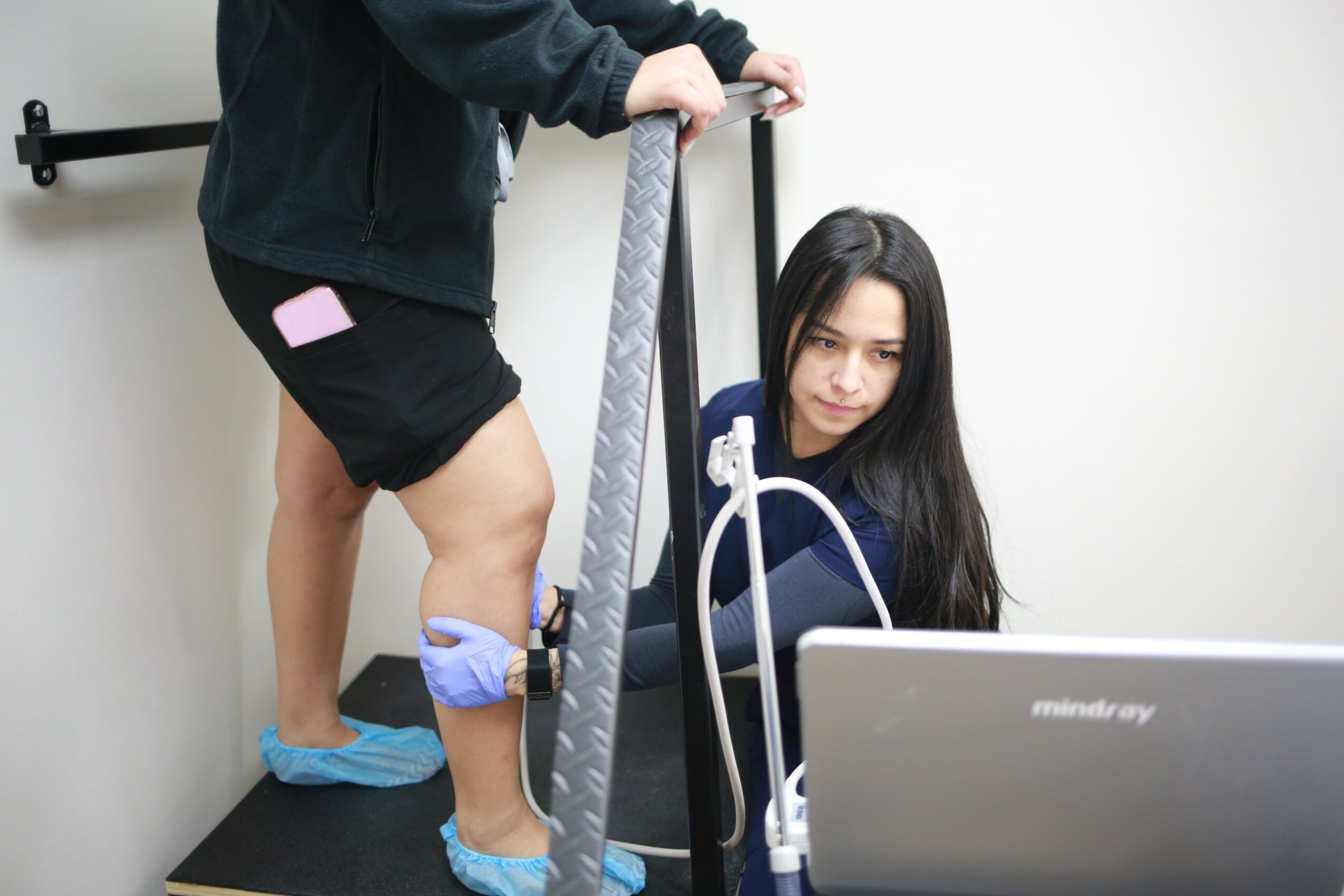
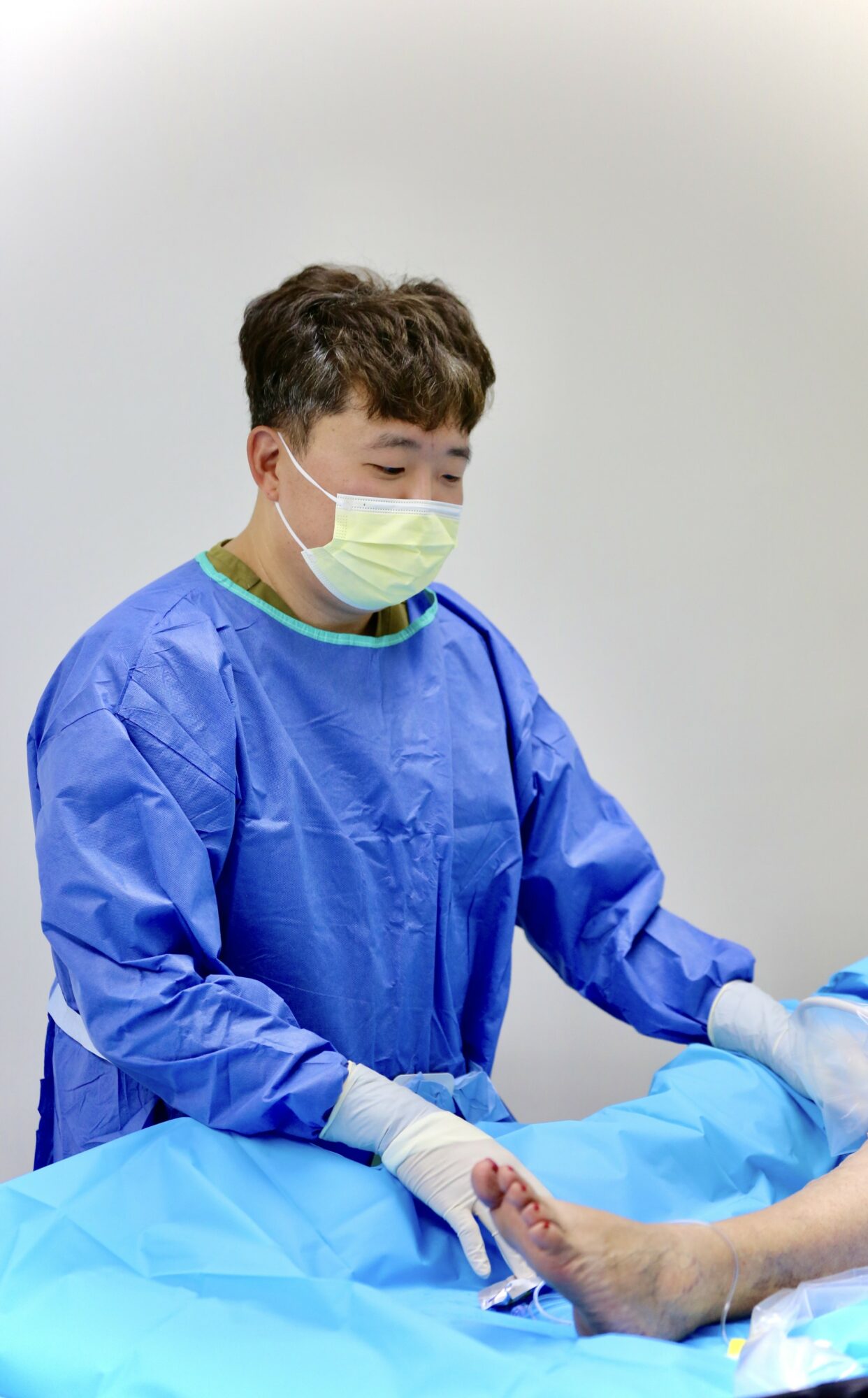
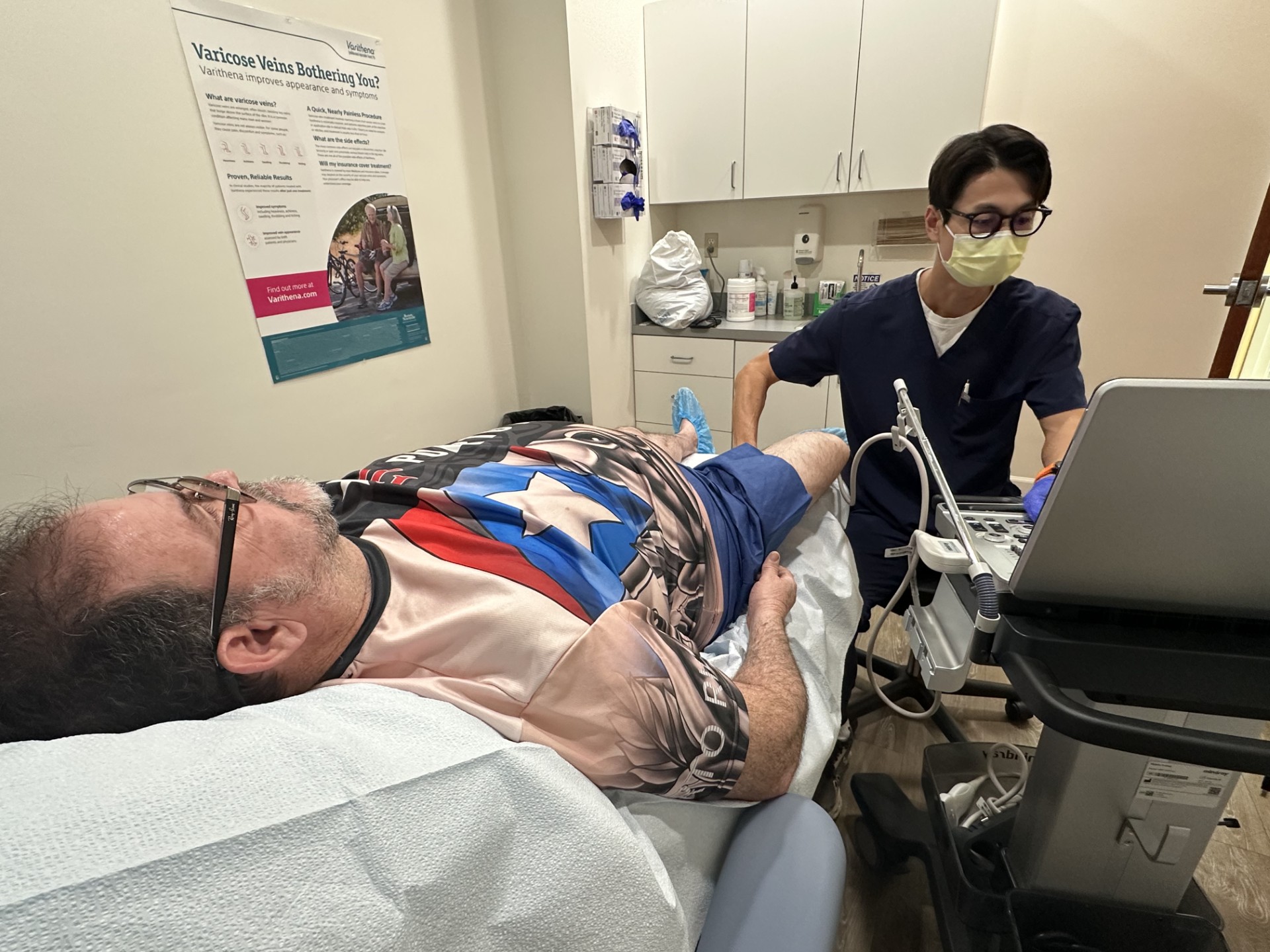
Vein and Wound Center of LA is a specialized clinic focused on two critical areas of health: vascular medicine and advanced wound healing. We treat conditions that are often life-altering—chronic leg ulcers, complex venous insufficiency, and non-healing wounds that have persisted for months or even years. We are focused on accurate diagnosis above all as it is my belief that if the diagnosis is correct, then the treatment plan will work.
What we are known for: We are often the ‘last stop’ for patients who have been through larger hospital systems or high-volume clinics without seeing results. Because of my surgical training, I approach wound care with a procedural and anatomical mindset. We aren’t just applying dressings; we are investigating underlying causes to find a long-term solution.
However, I don’t claim to be an all-knowing expert. I recognize that chronic wounds are incredibly complex and often require a collaborative approach. Chronic wounds exist because first line treatments didn’t work, and in many cases, guidelines failed. There are so many strange situations and anatomic scenarios that can cause chronic wounds. I work closely with other specialists and, most importantly, I am flexible enough to admit that some cases require trial, error, and persistent ‘figuring out.’ We don’t give up on a patient just because a first-line treatment didn’t work; we stay in the fight with them until we find what does.
What sets us apart: What truly sets us apart is radical accountability. I don’t have a massive institutional name or a corporate shield to hide behind. My reputation is on the line with every patient. Furthermore, we are deeply committed to the Koreatown community, providing high-level surgical specialty care in an environment that is both linguistically and culturally accessible.
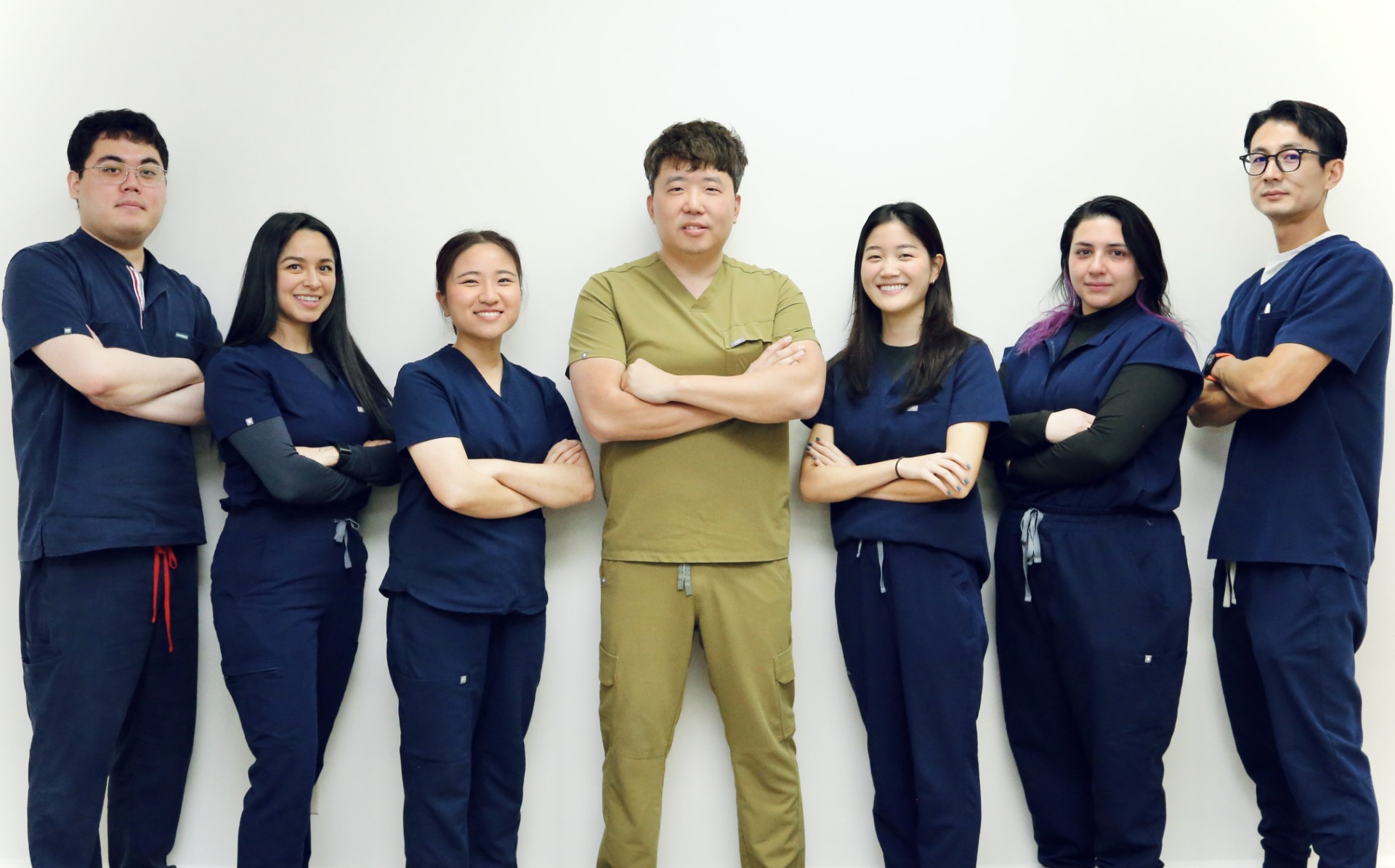
What I am most proud of brand-wise: I am most proud of the team we’ve built. I genuinely believe I have some of the best staff members of any medical practice in Los Angeles. These are individuals who took a personal risk by joining a self-funded startup over a ‘safe’ corporate giant. Because they are betting on this vision along with me, they bring a level of dedication and heart that you simply cannot find in an institutional setting. We aren’t an ‘investment vehicle’ owned by private equity; we are a practice owned and operated by people who are personally invested in every person who walks through our doors.
What I want readers to know: If you’ve been told your condition is just something you have to ‘live with,’ there is an alternative. At the Vein and Wound Center, you aren’t just a number on a schedule; you are a person whose health is our collective responsibility. We combine advanced technology and surgical expertise with a work ethic forged in the hardest years of the pandemic. We don’t rely on institutional pedigrees—we rely on the fact that our patients actually get better.”
Who else deserves credit in your story?
Success in an independent practice is never a solo effort, and I have a few key groups of people to thank for where we are today.
First and foremost is my wife. She didn’t just support the idea; she left her own career in the pharmaceutical industry to manage the operations of this practice. She took a massive risk on my vision at a time when we were already stretched thin with a new baby and a toddler. Having someone I trust implicitly to protect the interests of the business allowed me to keep my focus where it needed to be: on the patients. The practice wouldn’t exist without her grit.
I also owe a great deal to our team. I genuinely believe I have some of the best staff members of any medical practice in Los Angeles. They took a gamble by joining a self-funded startup instead of a large, ‘stable’ hospital system, and they treat our patients with a level of heart and dedication that is rare in modern medicine. They are the ones who make our ‘results-first’ philosophy a reality every day.
On the business side, I want to credit the team at HPS. As a clinician with no formal business training, their guidance during our first few months was essential. They provided the operational ‘bootcamp’ we needed to navigate the administrative complexities of the LA medical market and helped us build the foundation that we continue to grow on today. Additionally, while we had some lousy vendors, we’ve had also some great ones which really helped us make good decisions and support the practice.
Finally, I’m grateful to the primary care doctors and specialists in the Korean community and throughout LA who took a chance on an independent specialist. In a market dominated by ‘legacy’ groups, their referrals were a vote of confidence in my skills. Some of these groups include All South Bay Foot Care in Torrance and Eazy Foot and Ankle in Beverly Hills. Sterling Medical Group in North LA. Baron Medical Group in Koreatown. Jae Hyung Cho MD and Frank Choe MD. These doctors supported me at the very beginning of our startup phase. They, along with the patients who trusted us when they had run out of other options, are the reason we are still here.
Contact Info:
- Website: https://www.vwcla.com
- Facebook: https://www.facebook.com/vwcla
Popular
-

Que Johnson on Building Brands That Last: From Visibility to True Market Authority
-

Christina Wren Steps Into the Director’s Chair to Tell Stories That Feel Like Home
-

Portraits of the Valley
-

LA’s Most Inspiring Stories
-

JordanL on ‘Breathe,’ Belief, and Building a Movement Beyond the Music
-

Megan Birney Rudert on How Access to Light Is Powering a More Sustainable and Equitable Future


